Top 20 Natural Monuments around Aalst
Best natural monuments around Aalst are found in the Belgian province of East Flanders, a region characterized by its green spaces and historical significance. The city of Aalst features notable natural areas like Stadspark Aalst and the Osbroek nature reserve, which serve as important ecological and recreational zones. These areas, often considered natural monuments, offer diverse landscapes from designed parks to protected polder remnants. The natural environment provides opportunities for outdoor activities and observing local flora and fauna.
Best natural…
Last updated: June 28, 2026
Hollow Way in Neigembos
Highlight • Trail
Translated by Google •
Tip by

Kravaalbos Forest
Highlight • Forest
Translated by Google •
Tip by
Sign up now to discover places like this
Get recommendations on the best single tracks, peaks, & plenty of other exciting outdoor places.
Sign up for free
Highest point of Neigembos
Highlight • Summit
Translated by Google •
Tip by

Raspaille Forest
Highlight • Forest
Translated by Google •
Tip by
Neigembos
Highlight • Forest
Translated by Google •
Tip by
Living Hop Monument, Meldert
Highlight • Monument
Heemkundige Kring De Faluintjes. It was unveiled on 2 September
2006 by Yves Leterme (then Prime Minister and …
Translated by Google •
Tip by

Den Dotter Nature Reserve
Highlight • Natural
Translated by Google •
Tip by

Populetum
Highlight • Forest
The poplars in this Populemtum belong to the West American balsam poplar (Populus trichocarpa) and form a unique collection in Europe.
The …
Translated by Google •
Tip by
Coppice stools
Highlight • Forest
Translated by Google •
Tip by
Dikke Linde (Ghost Linden) Bavegem
Highlight • Natural Monument
Translated by Google •
Tip by

Sign up for free to discover even more natural monuments around Aalst.
Sign up for free
Already have an account?
Start today with a free account
Your next adventure awaits.
Login or Signup
Popular around Aalst
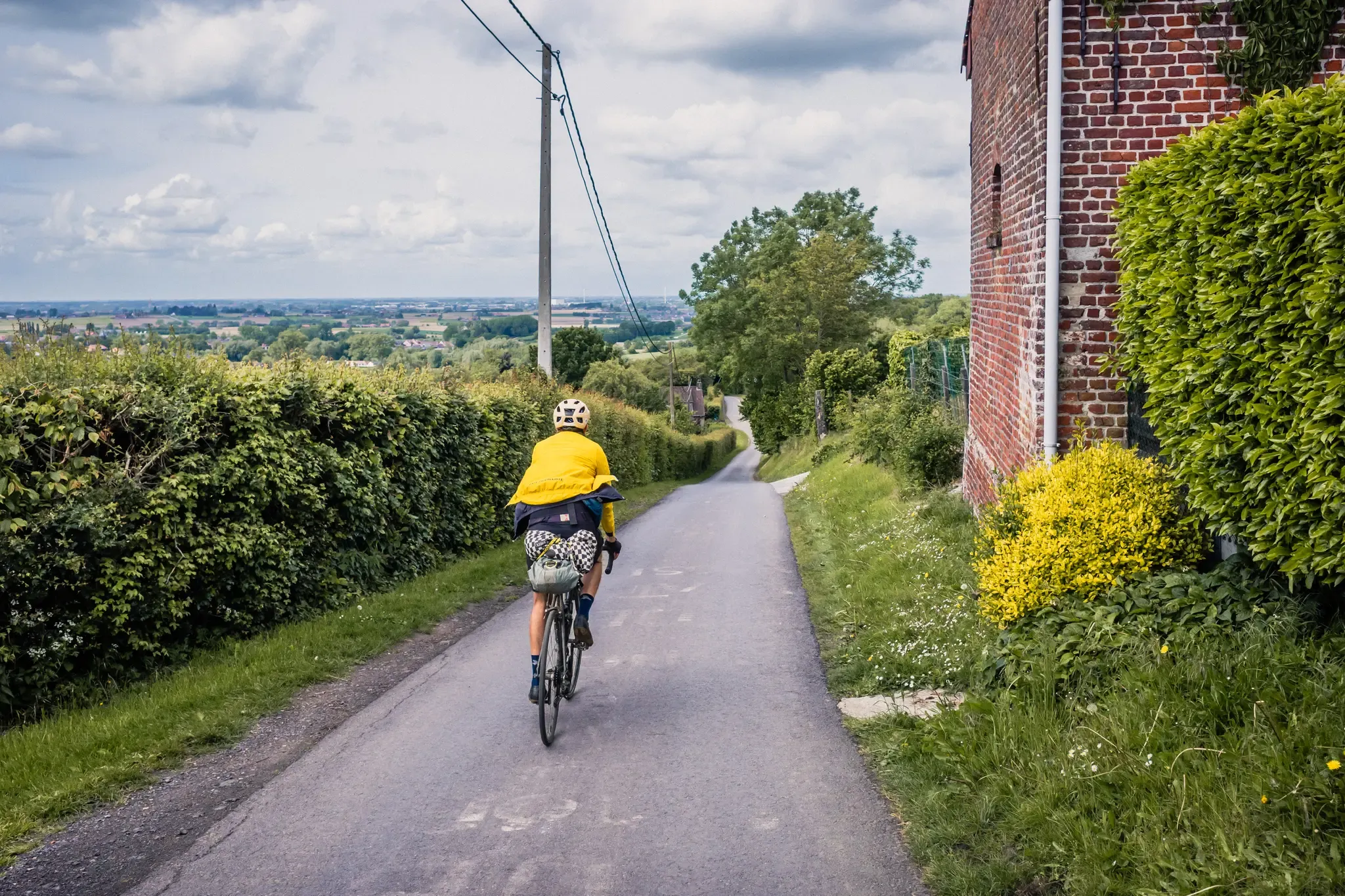
The Hilly Route from Brussels to Poperinge – bikepacking in Flanders
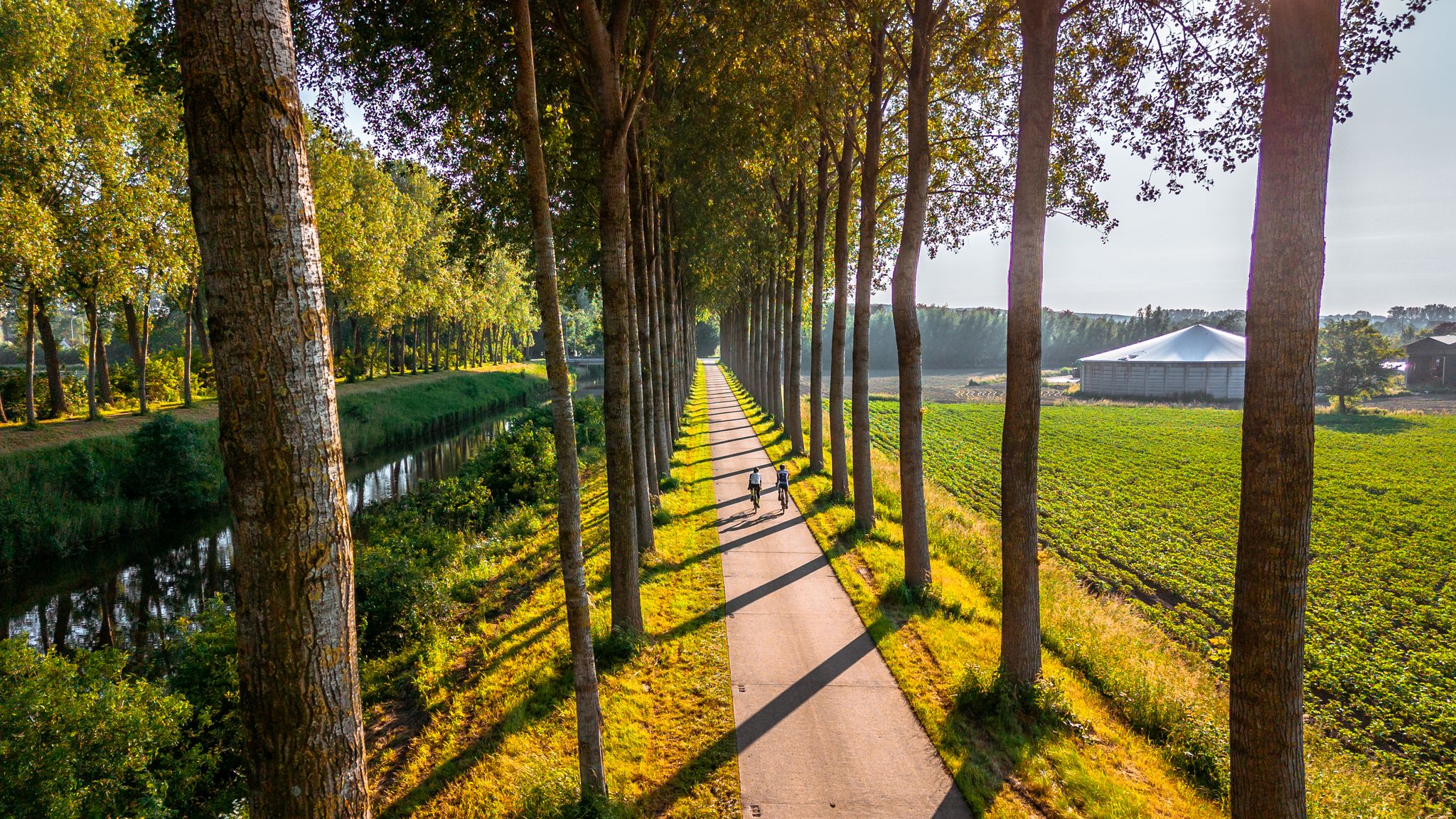
The six most beautiful cycling routes in East Flanders
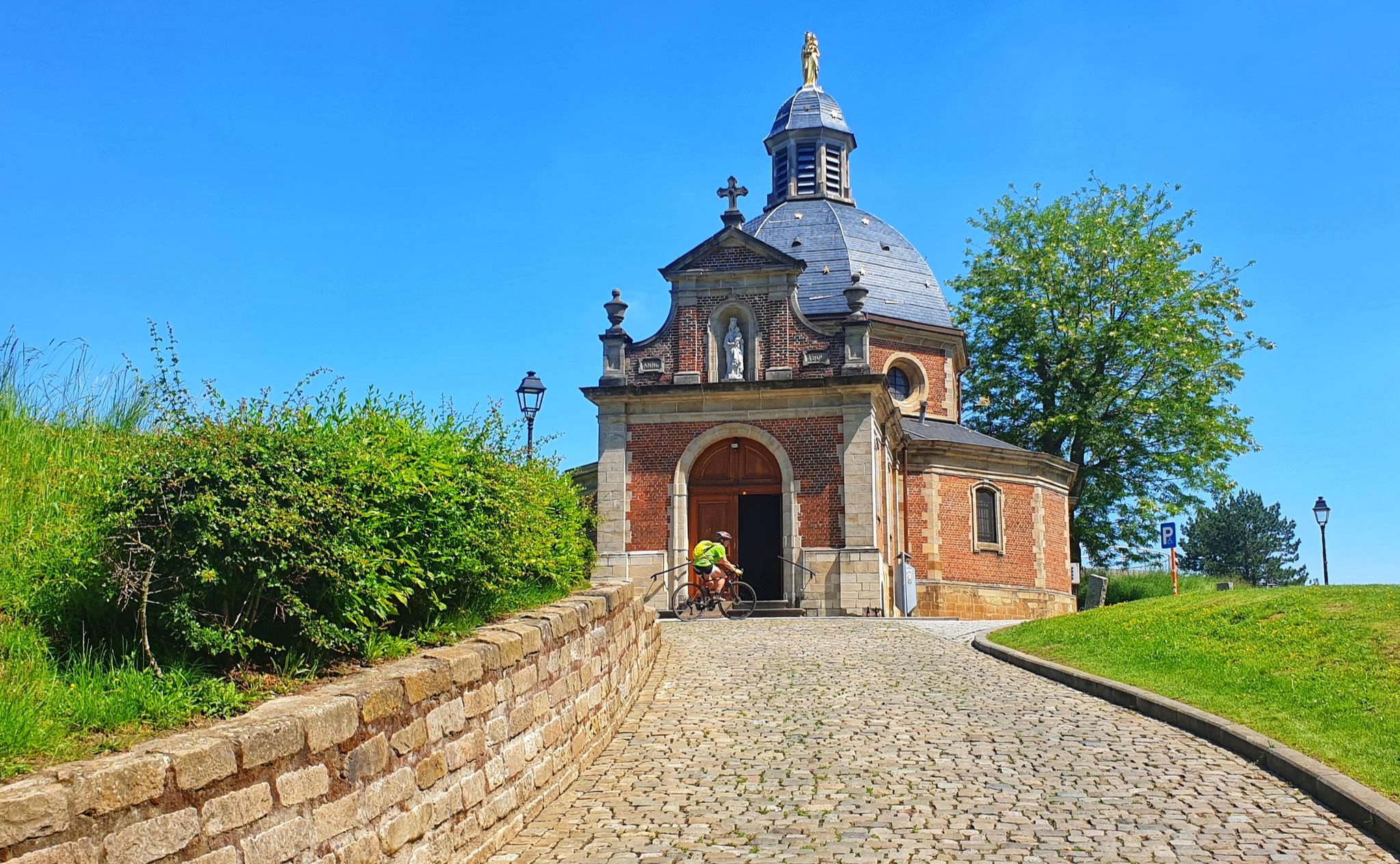
Through the heart of Flanders on a road bike in 2 days – Spartacus Route
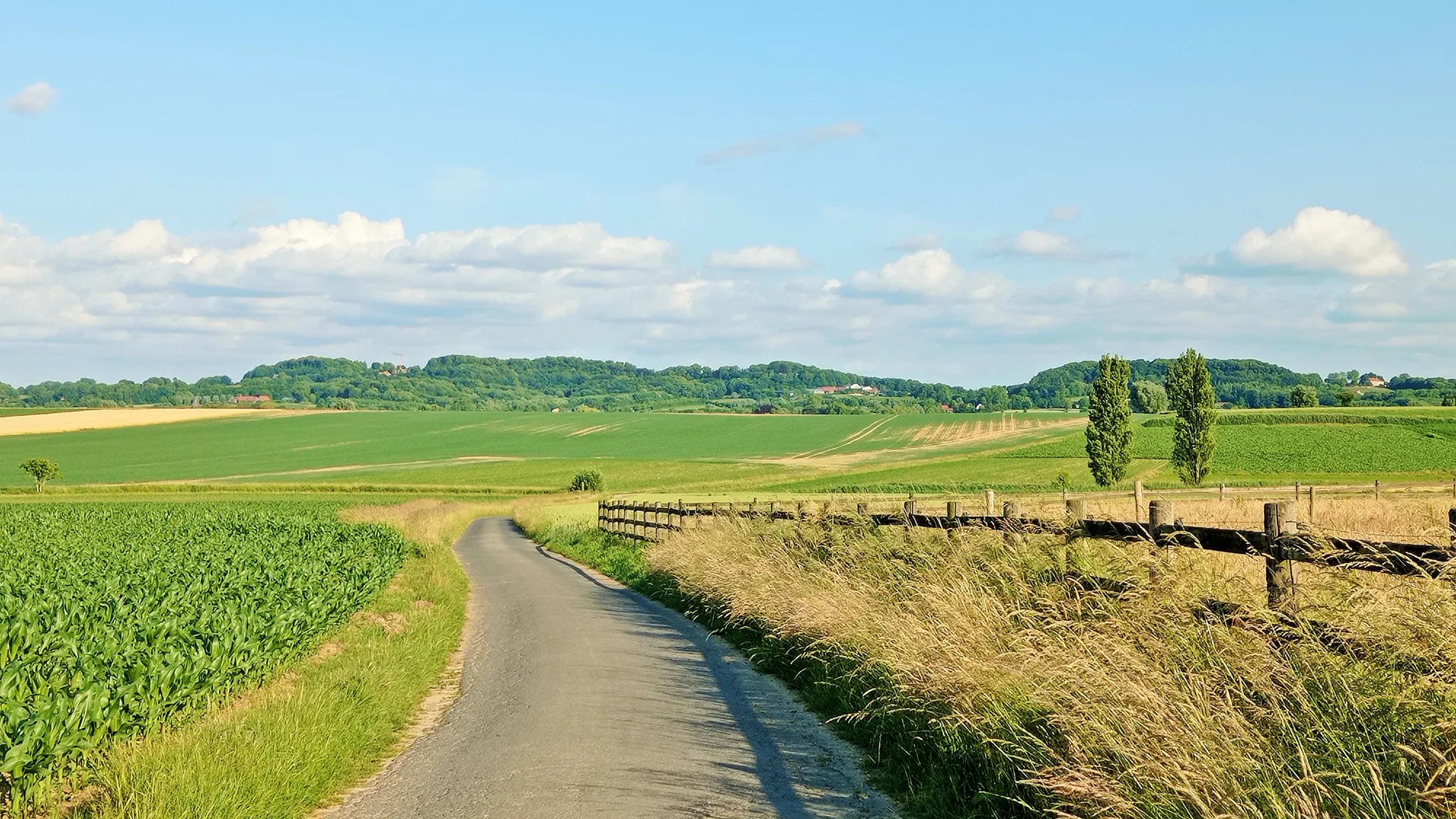
Seven-day Cycling tour through the South-Flemish hills – Hilly Route
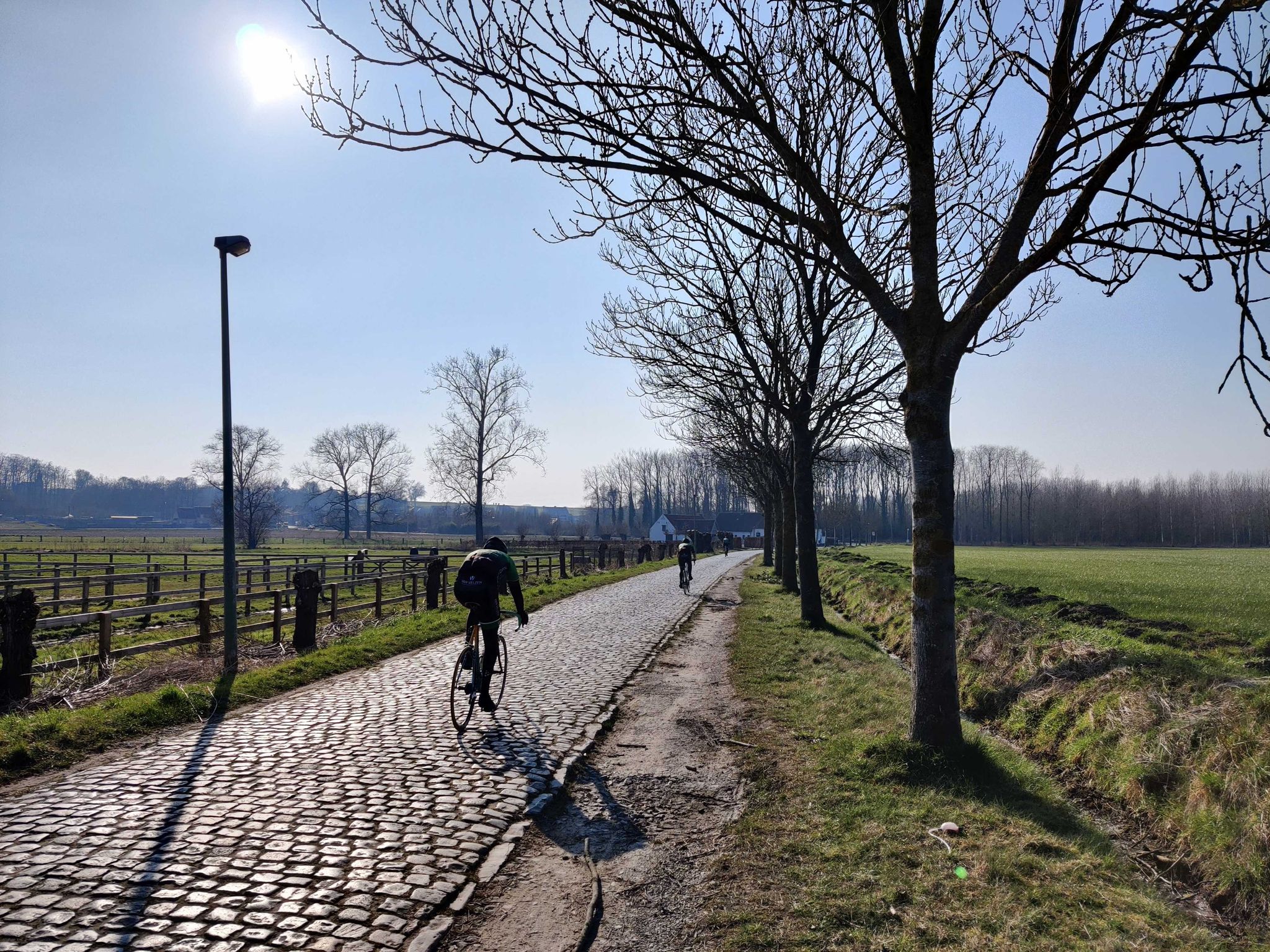
Become a Flandrien – take on climbs in the Flemish Ardennes
From station to station through nature – station hoppers in East Flanders
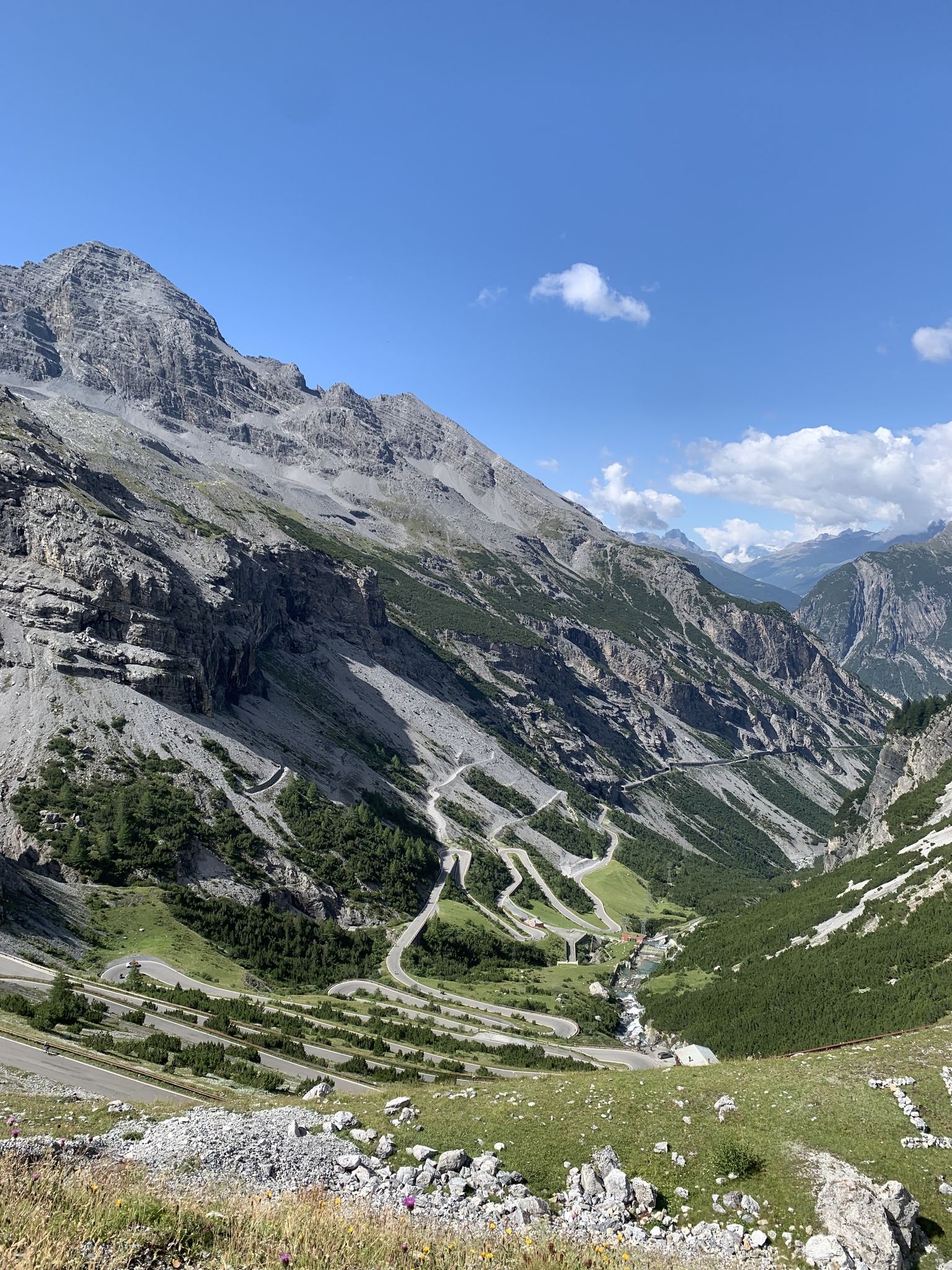
Transcontinental Race No9 2023
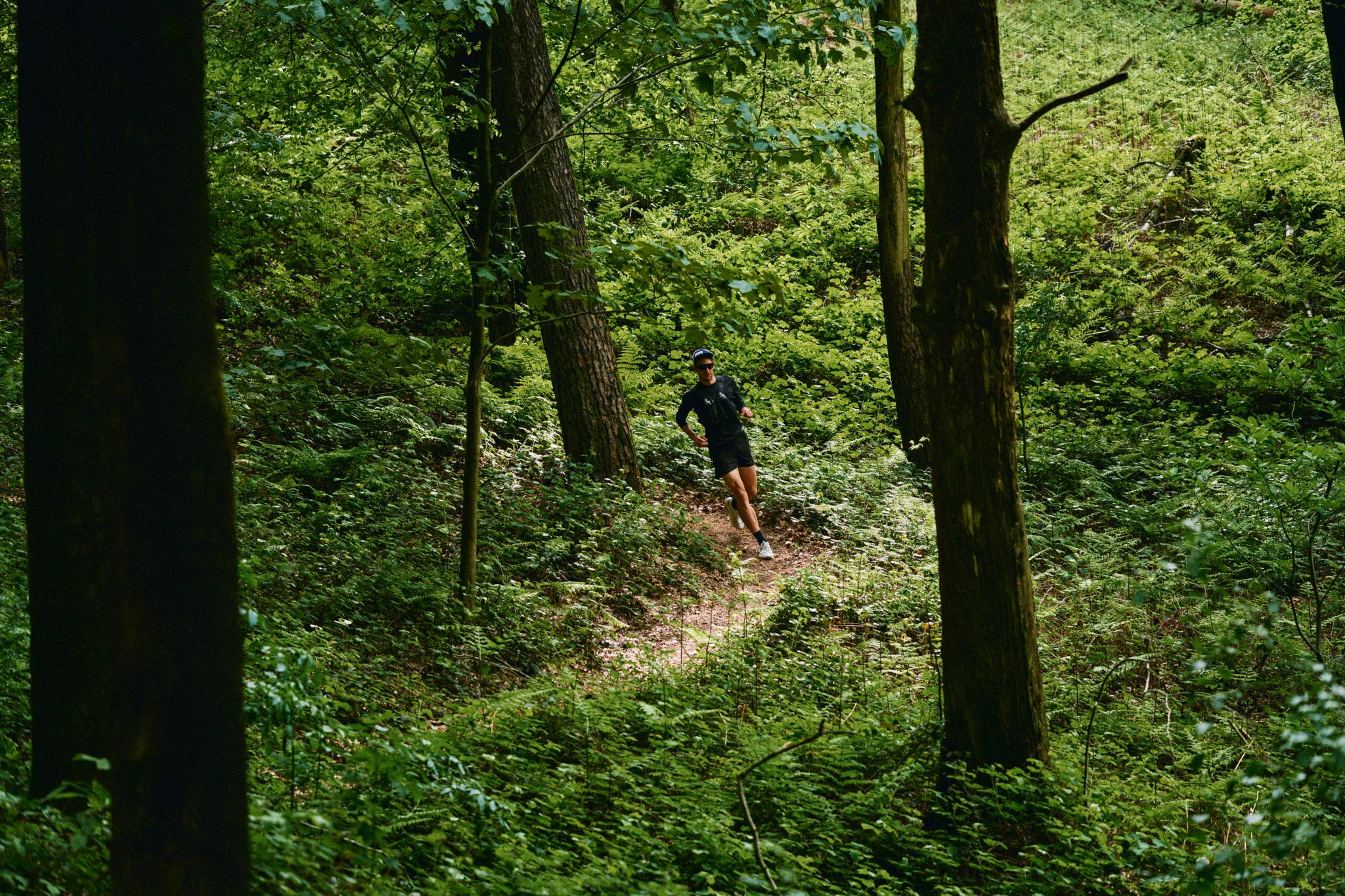
Through forests and fields – trail running in the Flemish Ardennes
Discover the most beautiful corners of Flanders – Cycle Node Network
Cycling from Bethuné to Brussels – Eurovelo 5
Other adventures around Aalst


Tips from the Community

I recommend this route without hesitation, it is a beautiful forest, I just visited it a few weeks ago and was amazed; in full growth stage of the hyacinths or bluebells. A must-see destination in Brussels.
0
0

For a beautiful nature walk on the border with Aaigem, Mere, Haatert and Heldergem
0
0

The Research Institute for Nature and Forest (INBO) has a 30-hectare research center in Grimminge (Geraardsbergen), around the Helix, the Flemish Knowledge and Training Center for Nature and the Environment. The research center is not only a research site but also houses several collections of rare native tree and shrub species, which contribute to the conservation of genetic diversity. The research center houses several "populeta." A populetum is a collection of living poplars. The poplars in this populetum belong to the North American species Populus deltoides and Populus trichocarpa, and to the European black poplar (Populus nigra), forming a unique collection in Europe. These poplars were used in the INBO breeding program to create healthy trees with rapid growth, straight trunks, and excellent wood quality for the wood-processing industry. (INBO)
11
0
The Raspaillebos has five marked walks: Natural Gas Walk (7.7 km), Farmland Landscape (4 km), Raspaillebos Walk (3.7 km), Window on the Landscape (2.5 km), and Bosberg Walk (2 km). (Agency for Nature & Forests)
8
0
You're not allowed to simply gather wood in a forest, even if it's freely accessible. It's prohibited by law. A forest manager can allow this for their forest through an accessibility regulation. The ban aims to prevent the forest from being "emptied." Dead wood is crucial for a forest. Many organisms live on it and process it until it's completely gone. This includes large standing or lying trees, but also fine broken branches spread over a larger area. These contain many nutrients, such as carbon or minerals, which the soil can reabsorb and other trees can store. (Agency for Nature and Forests)
12
0

The artwork is not a classical figurative image, but an installation in the public space that links to the cultural history of the place itself, an ode to a historical fact. It is public art that is accessible, an arbor when the hop vines are in full bloom, art in dialogue with nature. The great master artist here is Nature. It is also an ‘eye-catcher’ on the Meldert village square.
6
0
beautiful views, easy country roads, extension possible in the Kravaal forest
3
1

A sunken road is a road that is so deeply worn that it lies between two slopes. It is the result of centuries of use and erosion. The most beautiful sunken roads can be found especially in hilly areas with a subsoil that easily forms steep walls, such as in Haspengouw and Hageland.
2
0
Frequently Asked Questions
What are some popular natural monuments to visit in and around Aalst?
Aalst offers a variety of natural monuments. Within the city, Stadspark Aalst is a beloved green space with a diverse arboretum and tranquil ponds. Adjacent to it, the Osbroek Nature Reserve provides a protected polder landscape rich in biodiversity. Further afield, the Hollow Way in Neigembos is a unique trail featuring veteran beech trees and historical erosion patterns, while Kravaalbos Forest is an ancient woodland known for its beautiful paths and seasonal colors.
Are there natural monuments suitable for families with children in Aalst?
Yes, several natural monuments around Aalst are family-friendly. Stadspark Aalst is ideal with its playgrounds and open spaces for walks. The Raspaille Forest is another great option, offering numerous paths through a colorful forest environment. Additionally, Den Dotter Nature Reserve is a beautiful and diverse area with wet meadows and forests, perfect for exploring nature with kids.
What kind of wildlife can I expect to see in Aalst's natural monuments?
The natural monuments around Aalst are home to diverse wildlife. In the Osbroek Nature Reserve, you might spot deer, foxes, and numerous breeding birds. The area's ecological balance is partly maintained by grazing Galloway cattle and Scottish Highlanders. Den Dotter Nature Reserve boasts over 320 different plant species and various animals, including barn owls, skylarks, linnets, orioles, tree falcons, and yellow wagtails.
Are there any natural monuments around Aalst with historical significance?
Absolutely. The Hollow Way in Neigembos is a natural monument formed by centuries of erosion, with veteran beech trees that survived historical clear-cutting. Kravaalbos Forest is a remnant of the ancient Coal Forest, historically known for its quarries and charcoal production. The Raspaille Forest also has deep historical roots, once part of the vast 'Arduenna' forest and associated with tales of rebels and outlaws.
What outdoor activities can I do near these natural monuments?
The natural monuments around Aalst are excellent starting points for various outdoor activities. You can find numerous hiking trails, including easy loops like the one connecting the Hollow Way in Neigembos to the Highest point of Neigembos. For runners, there are several running trails, such as those in the Raspaillebos or around Aalst City Park. Mountain biking enthusiasts can explore MTB trails that pass through areas like Den Dotter Nature Reserve.
Are there any natural monuments around Aalst that are wheelchair accessible?
While many natural areas have varied terrain, the Living Hop Monument in Meldert is noted as wheelchair accessible. For other natural monuments, it's advisable to check specific path conditions, especially in reserves like Osbroek where wet conditions can occur.
What is the best time of year to visit the natural monuments in Aalst?
The natural monuments around Aalst offer beauty throughout the year. Spring is particularly vibrant when bluebells, bellflowers, and wild garlic create colorful carpets in forests like Neigembos and Kravaalbos. In Den Dotter Nature Reserve, meadows turn yellow with marsh marigolds in spring. Autumn brings stunning colors and scents to the forests. Summer provides cool shade in wooded areas like Raspaille Forest, while winter offers a different, serene beauty.
How long should I plan for a visit to a natural monument in Aalst?
The duration of your visit depends on the specific natural monument and your planned activities. For a leisurely stroll through Stadspark Aalst, an hour or two might suffice. Exploring the Osbroek Nature Reserve or undertaking a longer hike in areas like Neigembos or Kravaalbos could easily take half a day or more.
Are there cafes or refreshment options near the natural monuments?
Yes, for instance, Stadspark Aalst features the historic Melkhuisje (milk house), which now operates as a café, offering a pleasant spot for refreshments. For other natural reserves, local villages nearby often have cafes or inns where you can find a bite to eat or a drink.
What are some unique natural features to look out for in Aalst's natural monuments?
Beyond the general beauty, look for specific unique features. The Hollow Way in Neigembos showcases a fascinating geological process of erosion. In Den Dotter Nature Reserve, you'll find two listed watermills, the Engelsmolen and the Gotegemmolen, adding historical charm to the natural landscape. The Dikke Linde (Ghost Linden) in Bavegem is another notable natural monument, a striking individual tree with local lore.
Can I bring my dog to the natural monuments around Aalst?
Many natural areas in Belgium are dog-friendly, often requiring dogs to be kept on a leash to protect wildlife and other visitors. It's generally safe to assume that forests and nature reserves like Kravaalbos Forest or Raspaille Forest welcome dogs. However, always check local signage at the entrance of specific reserves for any particular rules or restrictions regarding pets.
What makes the Neigembos area special among Aalst's natural monuments?
The Neigembos area, including highlights like the Hollow Way and the Highest point of Neigembos, is special due to its significant height differences (20 to 90 meters above sea level), making for challenging yet rewarding walks. It's a mixed oak and beech forest, a remnant of the former Coal Forest, and its deep sunken roads create a distinct microclimate. In spring, it's particularly known for its vibrant display of bluebells, bellflowers, and wild garlic.
Most popular routes around Aalst
Most popular attractions around Aalst

Get inspired with the komoot mobile app


Didn’t find what you were looking for?
Find even more amazing natural monuments around Aalst by checking out the top Highlights region by region:
Explore more
Extend your search for the best caves by checking out these guides of the top ones around Aalst:
