Top 20 Natural Monuments around Lier
Natural monuments around Lier offer diverse green spaces and reserves for outdoor activities. The region features a landscape of grasslands, marshes, forests, and waterways, providing ecological and recreational value. These areas are appreciated for their tranquility and opportunities to observe local flora and fauna. Lier's natural environment includes both urban parks and more extensive nature reserves.
Best natural monuments around Lier
- The most popular natural monuments is Kesselse Heath, a forest that features a mix of scrub heather, coniferous and deciduous forest, sandy plains, and fens. The sheep ensure the preservation of this authentic landscape.
- Another must-see spot is Mispeldonk Nature Reserve, an other_natural area. This particularly varied nature reserve ranges from poor grasslands and hay meadows to moist deciduous forests and restored heathland areas. The Boeimeerbeek meanders through this landscape, which is a habitat for the kingfisher.
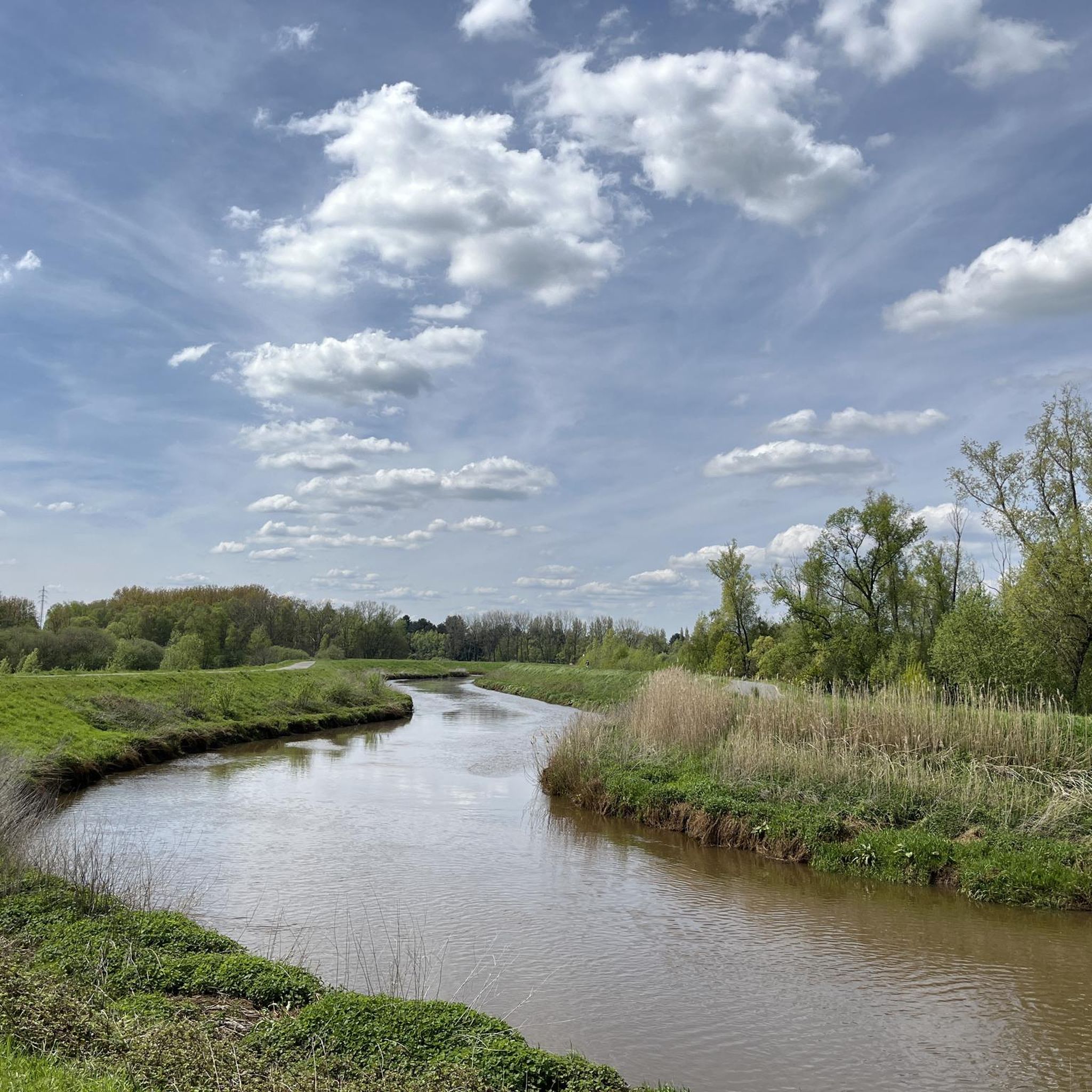
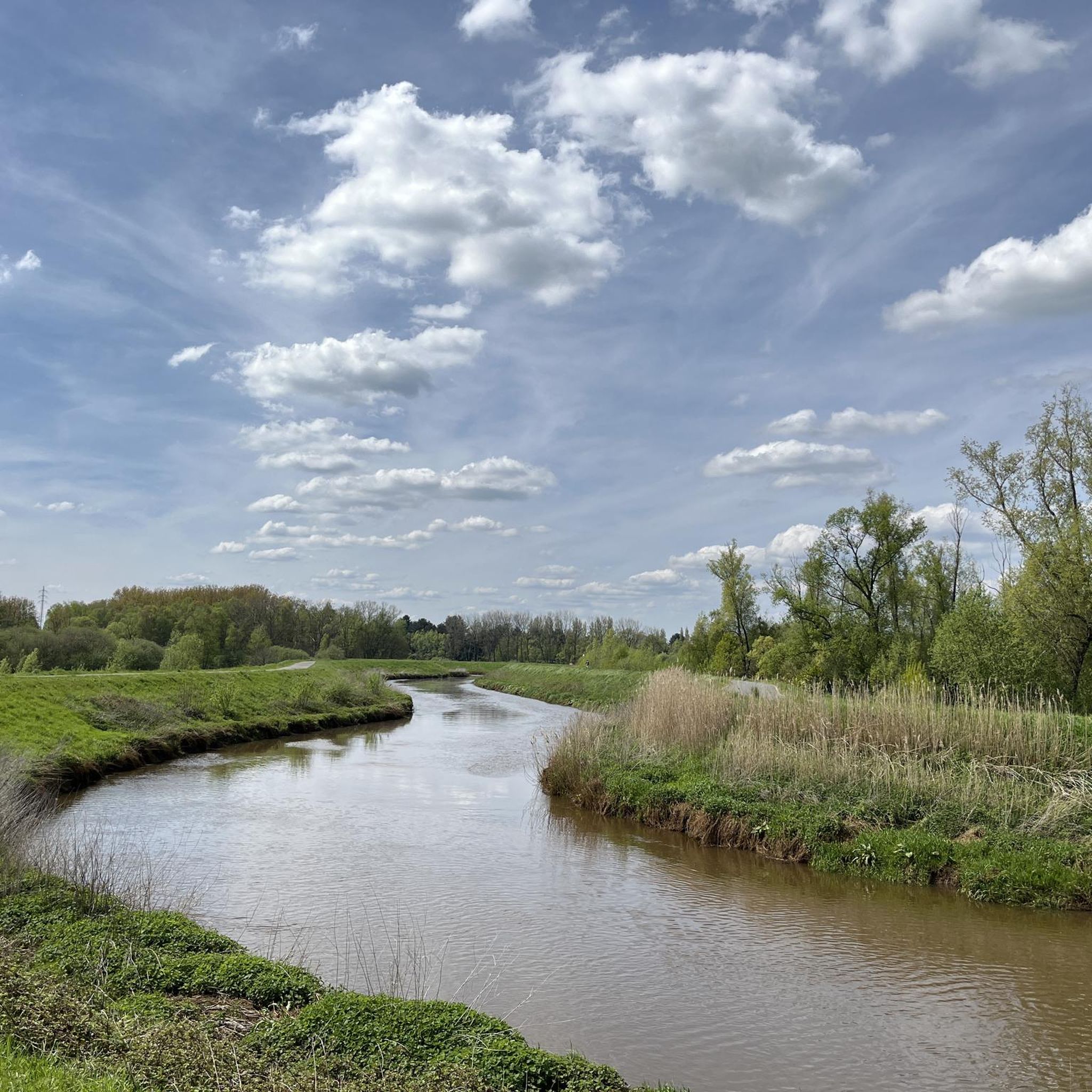
- Visitors also love Cycling along the Anti-Tank Canal, a river that functions as a natural ribbon inviting exploration, originally a military structure. It has developed into a unique biotope with high water quality and is home to many rare plants and animals.
- Lier is known for its forests, nature reserves, and riverine areas. These offer diverse landscapes from heathlands and woodlands to historical waterways.
- The natural monuments around Lier are appreciated by the komoot community. The community has contributed more than 220 photos and nearly 290 upvotes to these natural monuments.
Last updated: May 1, 2026
Kesselse Heath
Highlight • Forest
Translated by Google •
Tip by

Vrieselhof Castle
Highlight • Castle
During the Eighty Years' War (16th -17th century), the inhabitants of Oelegem took shelter in the castle several times. From 1509, members of the van Halmale family owned the domain. The last descendant, Alfons-Ignace van Halmale, died childless in 1788. After that, the castle domain came into the hands of Charles-Ignace d'Oultremont and his wife Anne-Henriette de Neuf. The latter still had ties to the van Halmale family: her grandmother was Barbara Anna Philippa van Halmale (daughter of Alexander Jozef van Halmale, who was also mayor of Antwerp). For the new heirs, the castle was a country residence where they rarely stayed.
Restoration works were carried out on the castle in the 19th century. The nearby coach house with storage dates from 1877. In 1910 Count Louis de Brouckhoven de Berkeyck became the owner of the whole. He had the old castle rebuilt in Neo-Flemish-Renaissance style with stepped gables, brick layers and corner towers, but after the outbreak of the First World War, the Belgian troops burned the castle down for strategic reasons on October 7, 1914. Between 1917 and 1919, the current castle was burned down. rebuilt in the same style as the recently built ruined castle. In 1974 the castle and the accompanying domain were sold to the province of Antwerp by the grandchildren of Louis de Brouckhoven de Berkeyck.
Source : Wikipedia
Translated by Google •
Tip by

Sign up now to discover places like this
Get recommendations on the best single tracks, peaks, & plenty of other exciting outdoor places.
Sign up for free
Mispeldonk Nature Reserve
Highlight • Natural
Source: natuurpunt.be/agenda/natuurwandeling-mispeldonk-bonheiden-28582
Translated by Google •
Tip by

Confluence of the Dijle and Nete = Rupel
Highlight • River
Translated by Google •
Tip by
Cycling along the Anti-Tank Canal
Highlight • River
Translated by Google •
Tip by
Sign up for free to discover even more natural monuments around Lier.
Sign up for free
Already have an account?
Start today with a free account
Your next adventure awaits.
Login or Signup

Tips from the Community

The Kesselse Heide is a provincial green space covering 79 hectares, 61 of which are open to the public. The initial acquisition took place in 1978, and it has been expanded since then. The entrance is located in Nijlen, at Vaerestraat 4. The space is freely accessible daily from sunrise to sunset. There are two ponds in the area. These old wells not only provide a pleasant change of scenery but are also a boon for the many plants and animals. Since 1996, the Kesselse Heide has been a protected landscape. It is one of the few remaining remnants of the once vast Kempen heathlands. The heath is a living community created in our region by humans. Historical agricultural practices created a landscape that has been preserved through human intervention: grazing by sheep, burning the heath, and sod cutting. Sod cutting is the removal of the topsoil and vegetation. A dug-out sod of plants and their roots is a sod. If heathland is left untreated, it will evolve into oak and birch forests, and the typical species associated with a heathland habitat will disappear. In the mid-19th century, the Kesselse Heide—like many other parts of the Kempen region—was afforested with Scots pine, a valuable timber for mining. However, during both World Wars, these sod-covered forests were felled, and from then on, the heathland was able to expand again. Current management consists of removing trees and mechanically cutting sods to give the open heathland every chance to thrive. https://youtu.be/NoPf0HSeFz8
6
0

The Kesselse Heide-Het Goor area consists of a variety of nutrient-poor meadows, pastures, marshes, and ponds, bordered and crisscrossed by enclosed landscape types, and contains numerous landscape elements. The area is characterized by a richly varied and sometimes rare flora. Several historic farm buildings can be found within the area. The Kesselse Heide-Het Goor area, with an area of approximately 2,620 hectares, is located between the villages of Nijlen and Kessel, north of the Lier-Herentals road. The northern border of this area is along Vogelzangstraat, the eastern border along Achterbist, Kannaertsstraat, and Goorstraat. The Grote Steenweg forms the southern border, and the western border is formed by Heidestraat and Vaerestraat. The landscape includes the following topographical areas: "Kannaerdsche Heyde," "Kesselse Heide," "Mol Heide," "Achterbiest," "Het Hoog Bosch," "De Hooge Heide," "Het Armveld," "De Schommers" or "Vissen Eynde," "Het Goor," "Het Goorkasteel," and "Hoge Heyde." Several streams traverse the area, specifically the Goorkantloop, the Elstbeek, the Paddenloop, Blauwe Hoekloop, and the Visbeek. The elevation within the area varies from approximately 5 meters +TAW to approximately 10 meters +TAW. Inventory of Immovable Heritage: Kesselse Heide-Het Goor, https://id.erfgoed.net/erfgoedobjecten/302886
7
0

Mispeldonk Nature Reserve is a beautiful and valuable nature reserve in Bonheiden, located in the province of Antwerp. The area is known for its unique ecosystems, rich biodiversity and the natural beauty of the landscape. Here are some key points about Mispeldonk: Location and Size Mispeldonk is located between Bonheiden and the nearby municipality of Rijmenam, along the banks of the Dijle. The area is part of the larger Dijle landscape, which is known for its wet meadows, meandering waterways and rich flora and fauna. Mispeldonk covers approximately 50 hectares and consists of a mix of marshlands, meadows, forests and ponds. Ecological Importance Mispeldonk is a protected nature reserve because of its special ecological value. The area has a typical structure of a flood plain of the Dijle, which makes it an important habitat for many plant and animal species: • Flora: Various rare and protected plant species grow in the area, such as marsh marigolds, cuckoo flowers and water violets. The wet grasslands and marshes provide unique vegetation that is less common elsewhere in the region. • Fauna: Mispeldonk is an important habitat for birds such as the bluethroat, water rail and reed warbler. Amphibians such as the crested newt and the green frog can also be found there. Furthermore, the area is rich in insects, including butterflies and dragonflies, that thrive in the moist environment. Water management The nature reserve plays an important role in local water management. It is located in a flood-prone area along the Dijle and functions as a natural buffer against flooding. In the event of high water levels, the area can collect water and thus help prevent flooding in nearby villages. The nature reserve contributes to the preservation of water quality by filtering and purifying the water through natural processes. Recreation and Experience Mispeldonk is a popular place for nature lovers and hikers. The area is accessible via various hiking trails that lead through the meadows and forests. There are signposted routes that give walkers the chance to explore the diversity of the landscape and enjoy the peace and quiet of nature. Birdwatchers enjoy visiting the area because of the variety of bird species that can be seen, especially during the breeding season and the migratory bird periods. Management and Protection The nature reserve is managed by Natuurpunt, a Belgian organisation that is committed to nature conservation. Natuurpunt carries out management work to protect biodiversity and maintain the landscape. This includes mowing grasslands, removing invasive plant species and maintaining the walking paths. There is collaboration with local farmers for nature-friendly agriculture, whereby meadows are extensively grazed or mowed, so that they remain suitable for meadow birds and rare plants.
7
1

Very nice walk with a lot of variety in landscapes and terrain.
3
0

Beautiful walking area in nature
3
0

The name "Vrieselhof" goes back to Jan van Vriesele, a nobleman from Kontich who bought approximately 24 hectares of land in Oelegem around 1300 (approximately 32 hectares). In 1975, a year after the sale to the province of Antwerp, the domain was opened to hikers. From 1977 to 1999 the "Provincial Textile and Costume Museum" was located in the Vrieselhof. Due to a lack of resources, only a limited part of the collection could be exhibited. In 2002, the museum moved to Antwerp and was named Fashion Museum Antwerp. In 2003, the Provincial Library Center settled in the castle, together with administrative services. In 2011, a "library of Flemish classics" was opened within the Provincial Library Center. Works by classical Flemish writers are collected and loaned out here. In 2014, the Antwerp provincial council decided to restructure the culture department. The library center would be merged with the Cultural Dissemination and Arts Service into a new Libraries and Arts Service. In 2015, the Provincial Library Center moved to Antwerp, but the collection of Flemish classics remained in the Vrieselhof.
6
0

Historical interpretation: The anti-tank ditch is a 33 km long defensive ditch northeast of Antwerp, between the Scheldt and the Albert Canal. The canal was constructed between 1938 and 1940 as part of the Antwerp fortress. In the 1930s, the Belgian army reoriented the fortress into a defense for infantry (support points) and machine gun companies. The military added the anti-tank ditch and bunker lines (KW line) to the existing defense by forts and redoubts. The aim was to stop tanks. That is why the anti-tank ditch had to have a slope, depth and width that a tank of that time could not exceed: a bottom of at least six meters width a width of 18m at the water surface a depth of at least three meters a minimum water level of two meters slopes of 45° Originally, the Antitankgracht was going to be a dry canal, but because it filled up with water, it was forced to be converted into a wet canal. The route had to bridge a height difference of approximately 3 to 18.5 m (DTM). That is why it was divided into about 45 sections with locks. A slide in the lock regulated the water flow and thus maintained the level. The water came partly from seepage water or local streams and partly from the Maas, supplied via the Dessel-Schoten canal. Because control over water levels was so important, each lock was defended by a bunker. The bunkers at the Antitankgracht consist of lock bunkers with flanking daughter bunkers and flanking bunkers. The lock bunkers are elongated free-standing bunkers with a large blank wall, camouflaged by 'eggs' and were usually equipped for two machine guns.
10
0

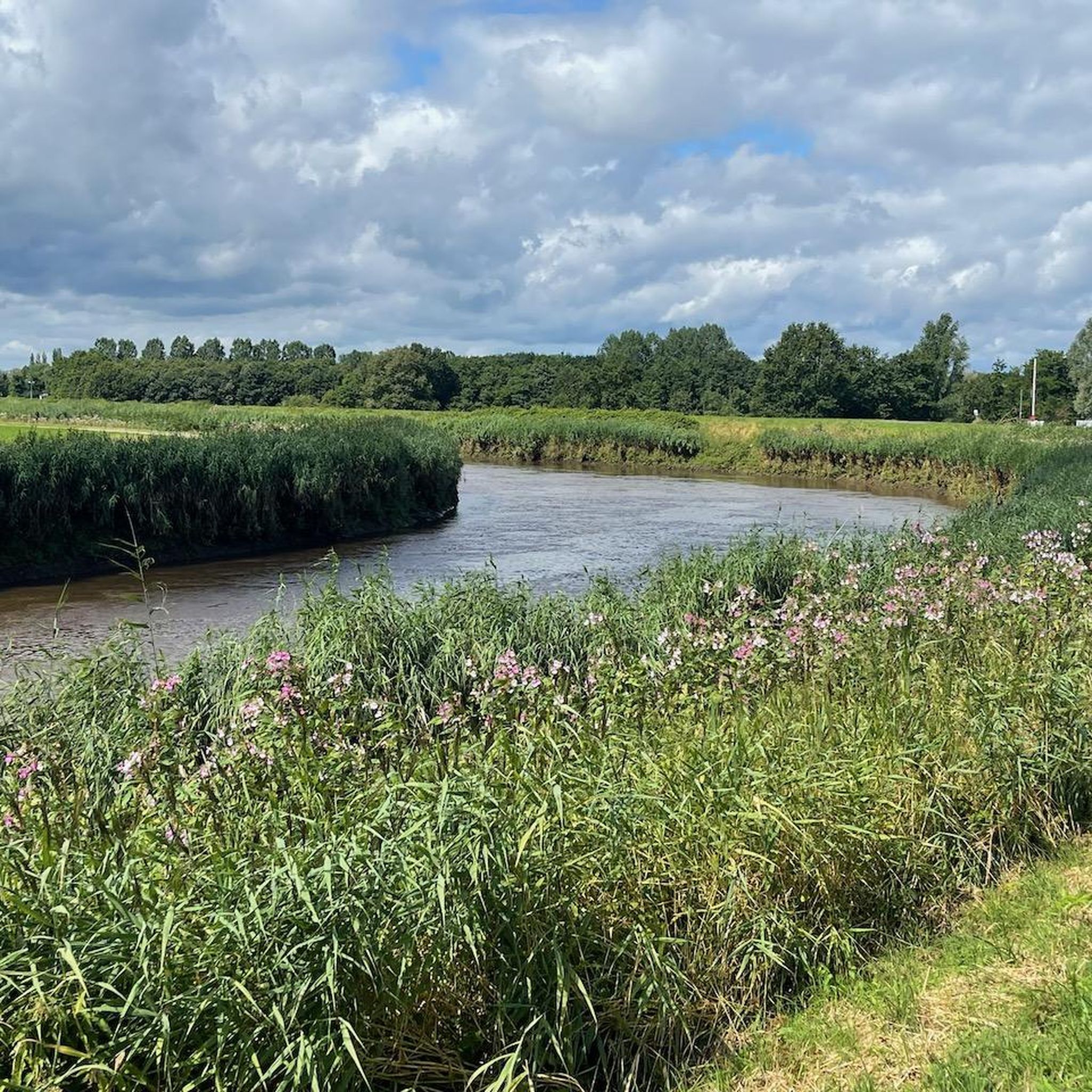
The "Samenvloeiing van Dijle en Nete = Rupel" is a place in Belgium which is located where the rivers Dijle and Nete join to form the river Rupel. It is located in the Flemish region, in the province of Antwerp, in the city of Rumst. This site is known for its natural beauty and for being a meeting point between the waters of the two rivers. The confluence of the rivers creates a striking and fascinating landscape, with large expanses of water joining and mixing. The area around the Samenvloeiing van Dijle en Nete = Rupel also offers opportunities to enjoy the surrounding nature, with scenic trails and green areas that invite for walks and hikes. It's a popular spot with nature lovers and those looking to spend time outdoors.
5
0
Frequently Asked Questions
What kind of natural landscapes can I expect to see around Lier?
The natural monuments around Lier offer a diverse range of landscapes. You'll find areas with grasslands, marshes, scrub, and woodlands, as well as sandy plains and fens. Riverine areas and historical waterways also contribute to the varied scenery, providing habitats for diverse flora and fauna.
Are there family-friendly natural monuments in the Lier region?
Yes, several natural monuments around Lier are suitable for families. Kesselse Heath is known for its expansive sands, which are great for children, and offers the Heidepad trail. The Mispeldonk Nature Reserve and the Anti-Tank Canal also offer pleasant environments for family outings. Additionally, Lier's City Park, while not a highlight in this guide, features an adventure playground and picnic area.
Where can I go for a walk or hike in the natural monuments near Lier?
You can find various walking opportunities. Kesselse Heath has the Heidepad, a walkway through its rare nature. The Nazareth nature reserve, often called the 'green lung of Lier,' features a boardwalk and educational trails like the Nazarethpad. For more options, explore the many routes available in the Hiking around Lier guide.
Are there any natural monuments with historical significance near Lier?
Yes, the Anti-Tank Canal is a prime example. Originally a military structure from just before World War II, it has evolved into a unique biotope. Its immediate vicinity also features impressive military heritage like fortresses and bunkers. Vrieselhof Castle, while a castle, is set within a quiet castle domain with a rich history dating back to the 14th century, offering a blend of nature and heritage.
What kind of wildlife can be observed in Lier's natural monuments?
The diverse ecosystems support various wildlife. In Mispeldonk Nature Reserve, the Boeimeerbeek is a habitat for the kingfisher, and the grasslands are rich in butterflies and grasshoppers. The Anti-Tank Canal is known as an 'animal highway,' home to many rare plants and animals. The Nazareth nature reserve also provides opportunities to observe local flora and fauna in a preserved environment.
Can I cycle near the natural monuments around Lier?
Absolutely. The Anti-Tank Canal is particularly popular for cycling, offering an attractive natural ribbon to explore. You can find numerous cycling routes in the region, including those in the Road Cycling Routes around Lier guide and the Gravel biking around Lier guide.
Are there any natural monuments that are particularly good for birdwatching?
Yes, Mispeldonk Nature Reserve is an important habitat for birds such as the bluethroat, water rail, and reed warbler, making it a popular spot for birdwatchers, especially during breeding and migratory seasons. The Nazareth nature reserve also offers chances to observe local fauna in its diverse ecosystems.
What is the Nazareth nature reserve, and how can I access it?
The Nazareth nature reserve is a significant natural area in Lier, often called its 'green lung.' It features diverse landscapes including grasslands, marshes, scrub, and woodlands. It's accessible via a cycle and pedestrian bridge over the Sion, and a boardwalk allows deeper exploration into the area. You can find more information about visiting this reserve at visitlier.be.
Are there any natural monuments that are easily accessible by public transport or have parking?
While specific public transport details for each site vary, Vrieselhof Castle is noted to have parking facilities. For other locations, it's advisable to check local transport options or plan for parking in nearby areas. Lier's City Park is practically in the city center, making it easily accessible.
What is the Confluence of the Dijle and Nete = Rupel?
This natural monument marks the point where the Dijle and Nete rivers merge to form the Rupel, Belgium's shortest river. It offers a scenic viewpoint of this significant hydrological event, creating a striking landscape where the waters of the two rivers join and mix. It's a popular spot for nature lovers to enjoy the surrounding environment.
What makes Kesselse Heath a unique natural monument?
Kesselse Heath is a unique forest area that showcases the Kempen region's traditional landscape. It features a mix of scrub heather, coniferous and deciduous forests, sandy plains, and fens. The presence of sheep helps maintain this authentic landscape, and its varied scenery provides a beautiful color palette that changes with the seasons.
Most popular attractions around Lier

Get inspired with the komoot mobile app


Explore more
Extend your search for the best caves by checking out these guides of the top ones around Lier:
