Top 20 Natural Monuments around Nieuwpoort
Best natural monuments around Nieuwpoort include coastal areas where the Yser River meets the North Sea, creating unique biotopes of mudflats, salt marshes, and dunes. The region features diverse natural reserves, offering habitats for various flora and fauna. These areas provide opportunities for exploring coastal landscapes and observing wildlife. Nieuwpoort's natural features are characterized by their blend of freshwater and saltwater environments, supporting distinct ecosystems.
Best natural monuments around Nieuwpoort
- The most popular natural monuments is View from the Hoge…
Last updated: August 8, 2026
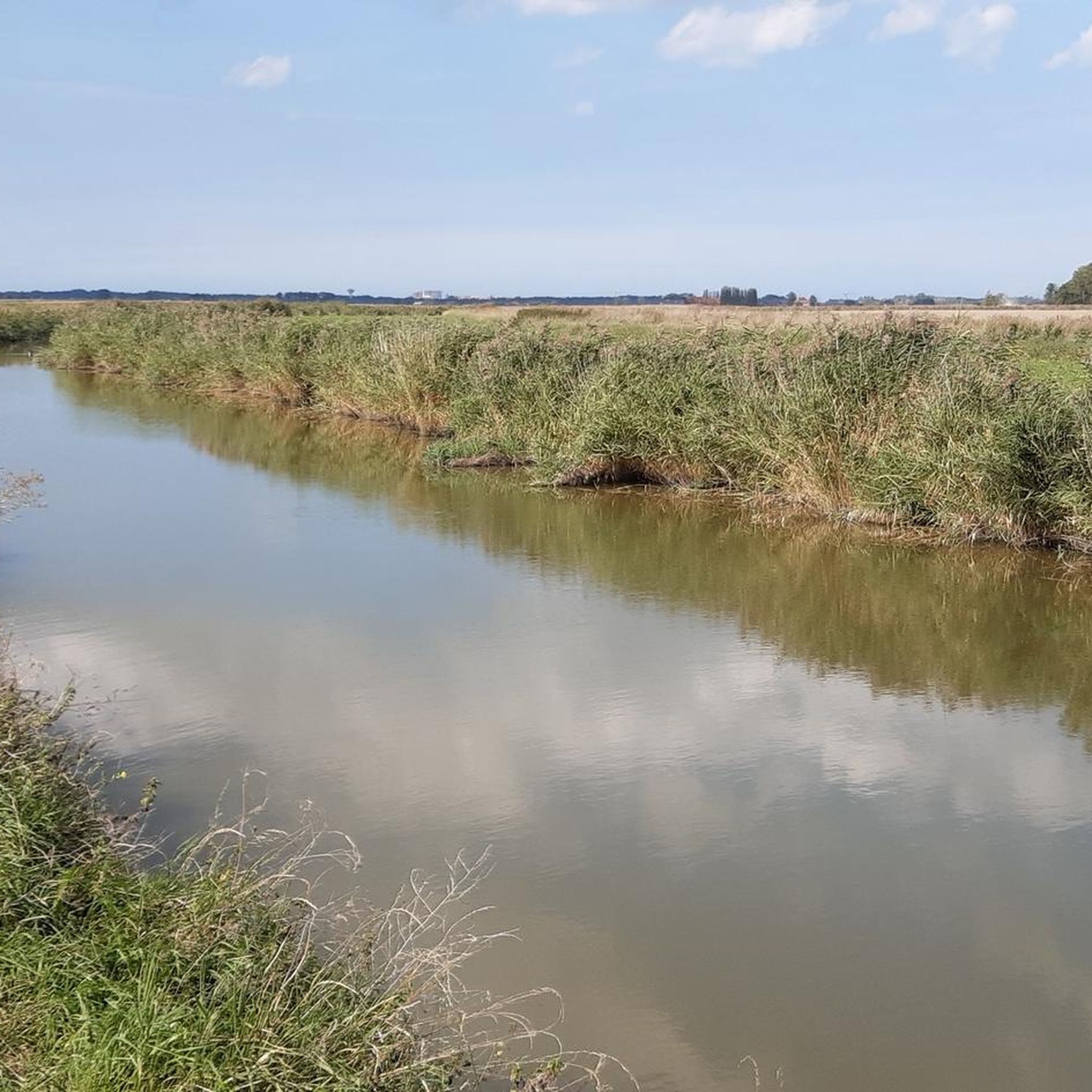
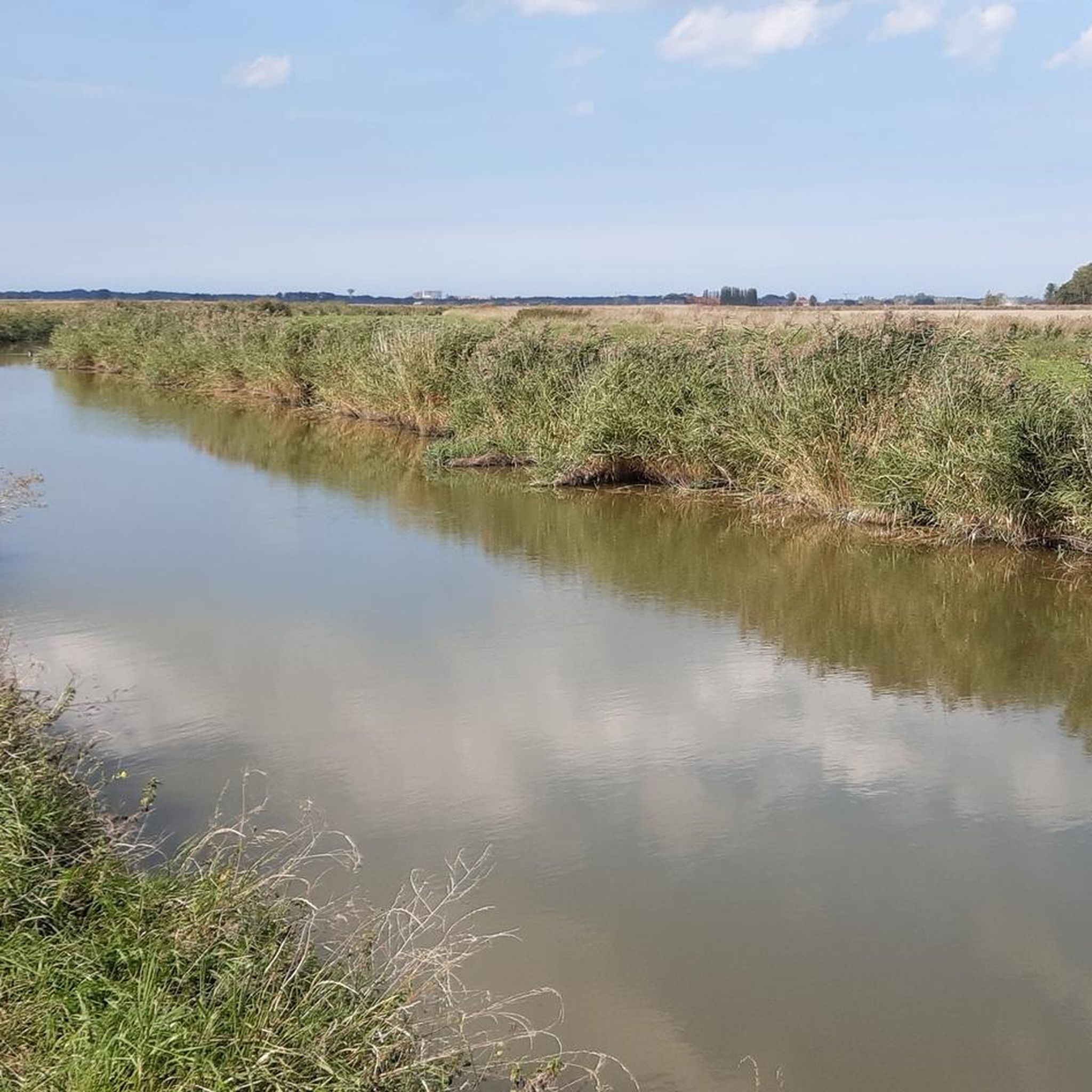
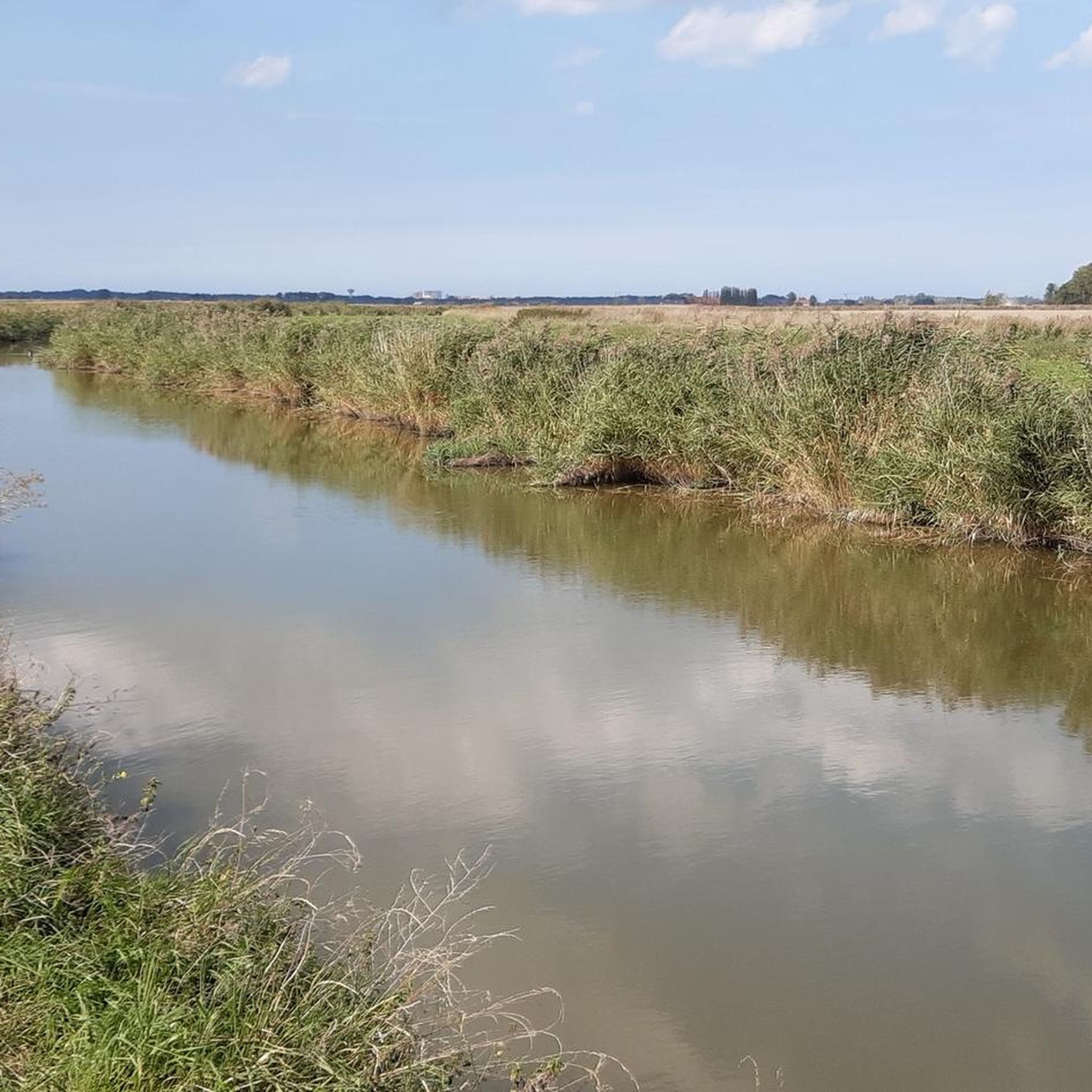
Yser Estuary, Nieuwpoort
Highlight • River
Translated by Google •
Tip by

De Doornpanne
Highlight • Natural
Translated by Google •
Tip by
Sign up now to discover places like this
Get recommendations on the best single tracks, peaks, & plenty of other exciting outdoor places.
Sign up for free
Shrimp Fishermen on Horseback at Oostduinkerke Beach
Highlight • Beach
Translated by Google •
Tip by

View from the Hoge Blekker
Highlight • Viewpoint
Translated by Google •
Tip by
Raversyde and the Atlantic Wall
Highlight • Historical Site
raversyde.be/nl/atlantikwall
Translated by Google •
Tip by

Sign up for free to discover even more natural monuments around Nieuwpoort.
Sign up for free
Already have an account?
Start today with a free account
Your next adventure awaits.
Login or Signup
Popular around Nieuwpoort
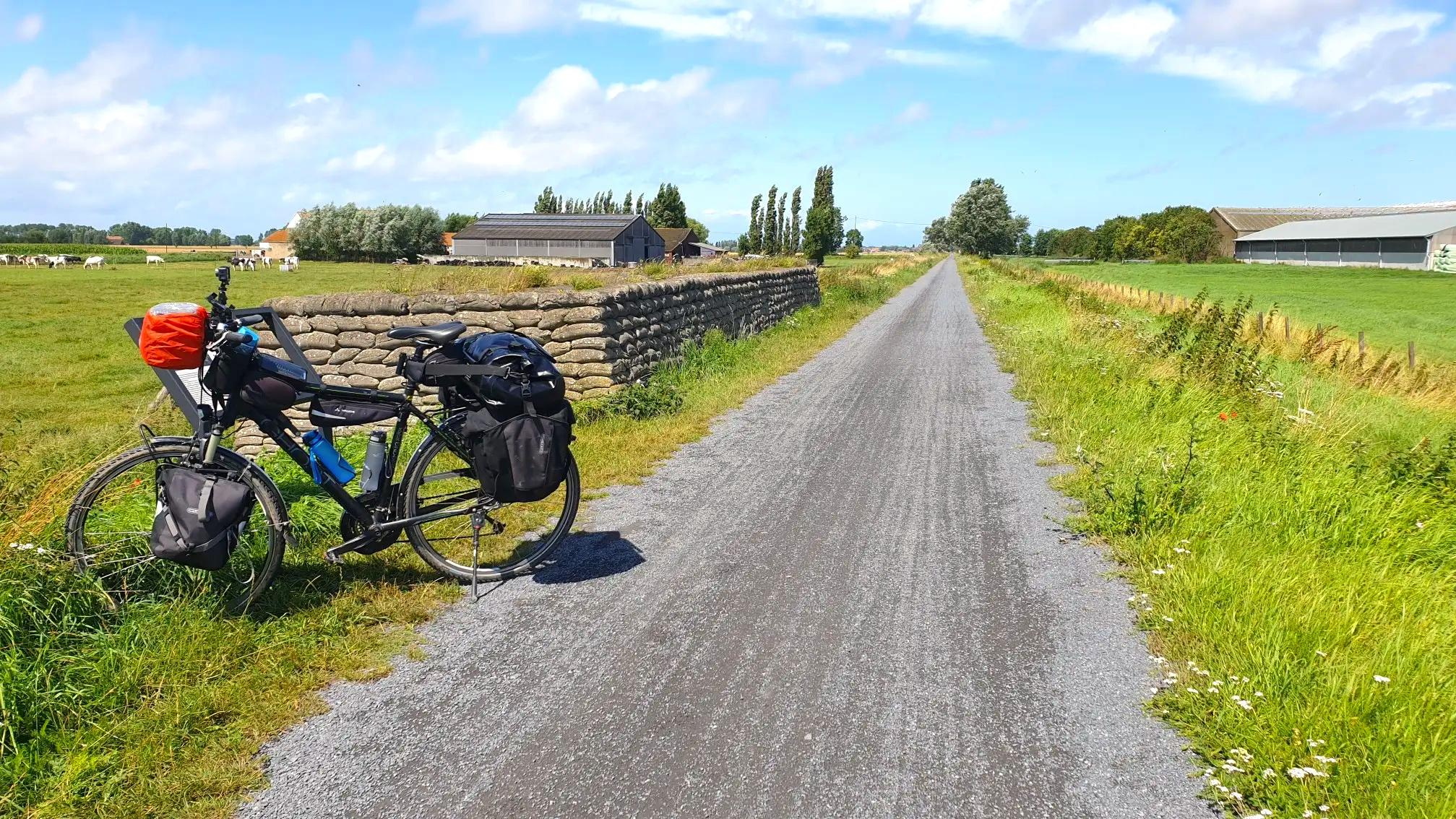
Cycling along the Belgian front - 14-18 Western Front Route
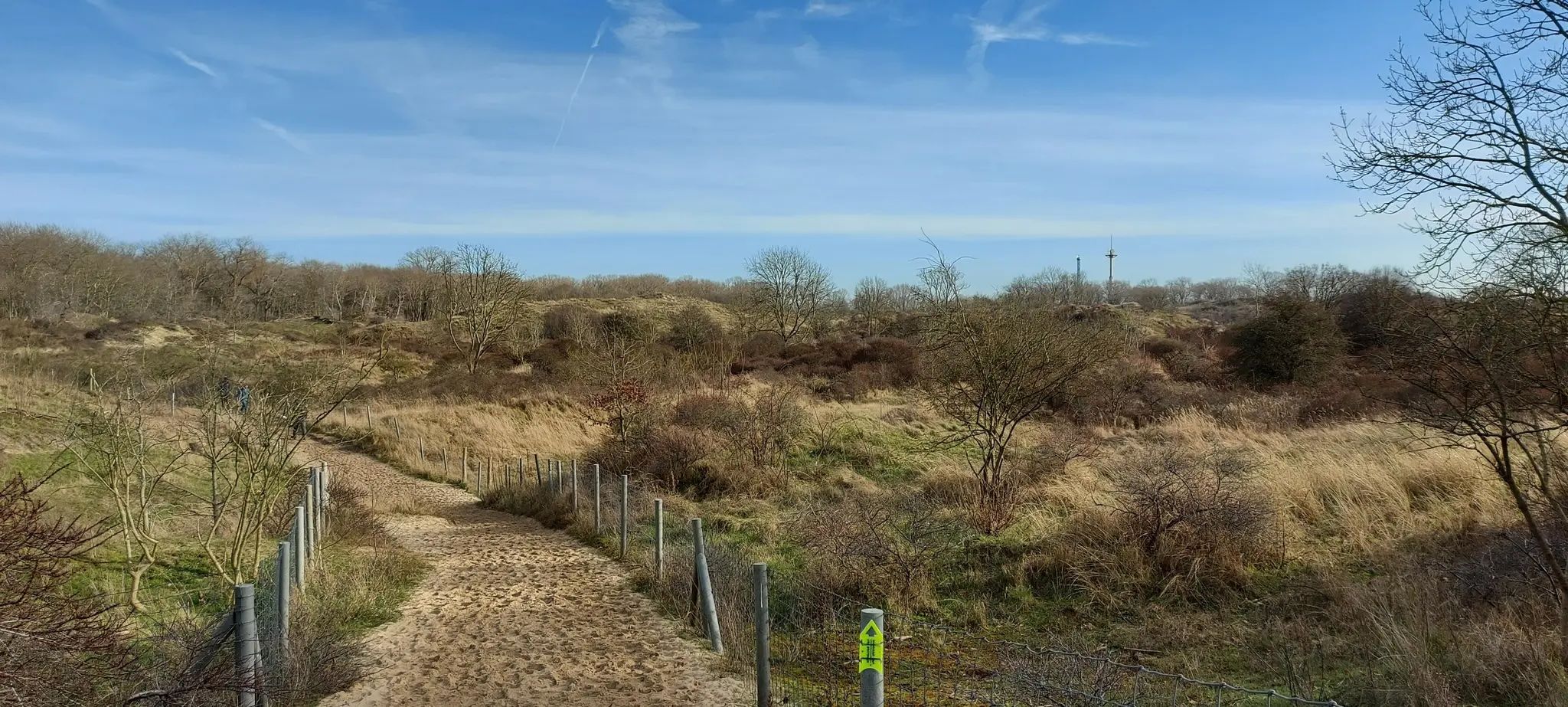
From De Panne to het Zwin – Belgian coastal path (Streek GR Kust)
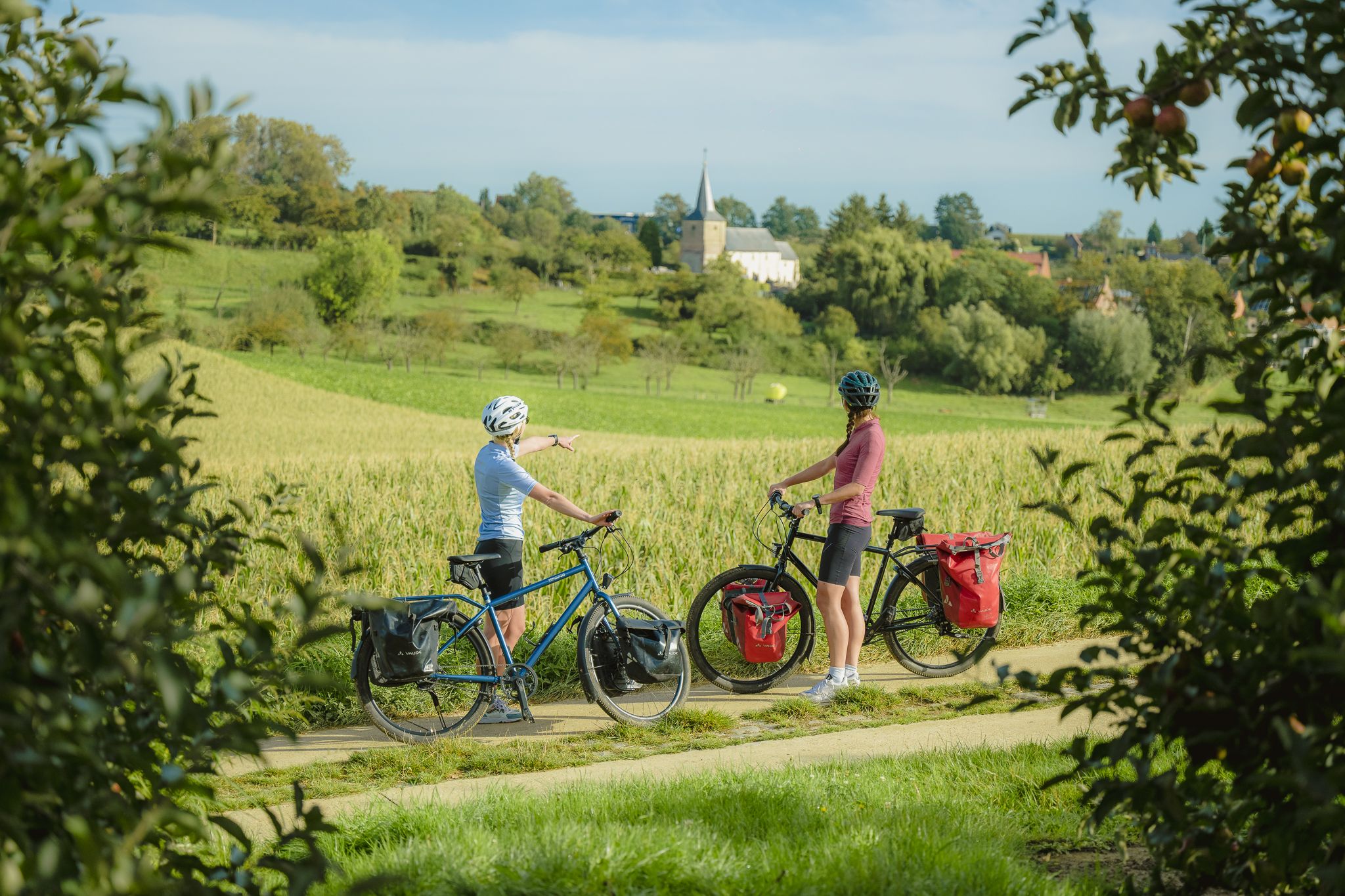
The best of Flanders — the Flanders Route
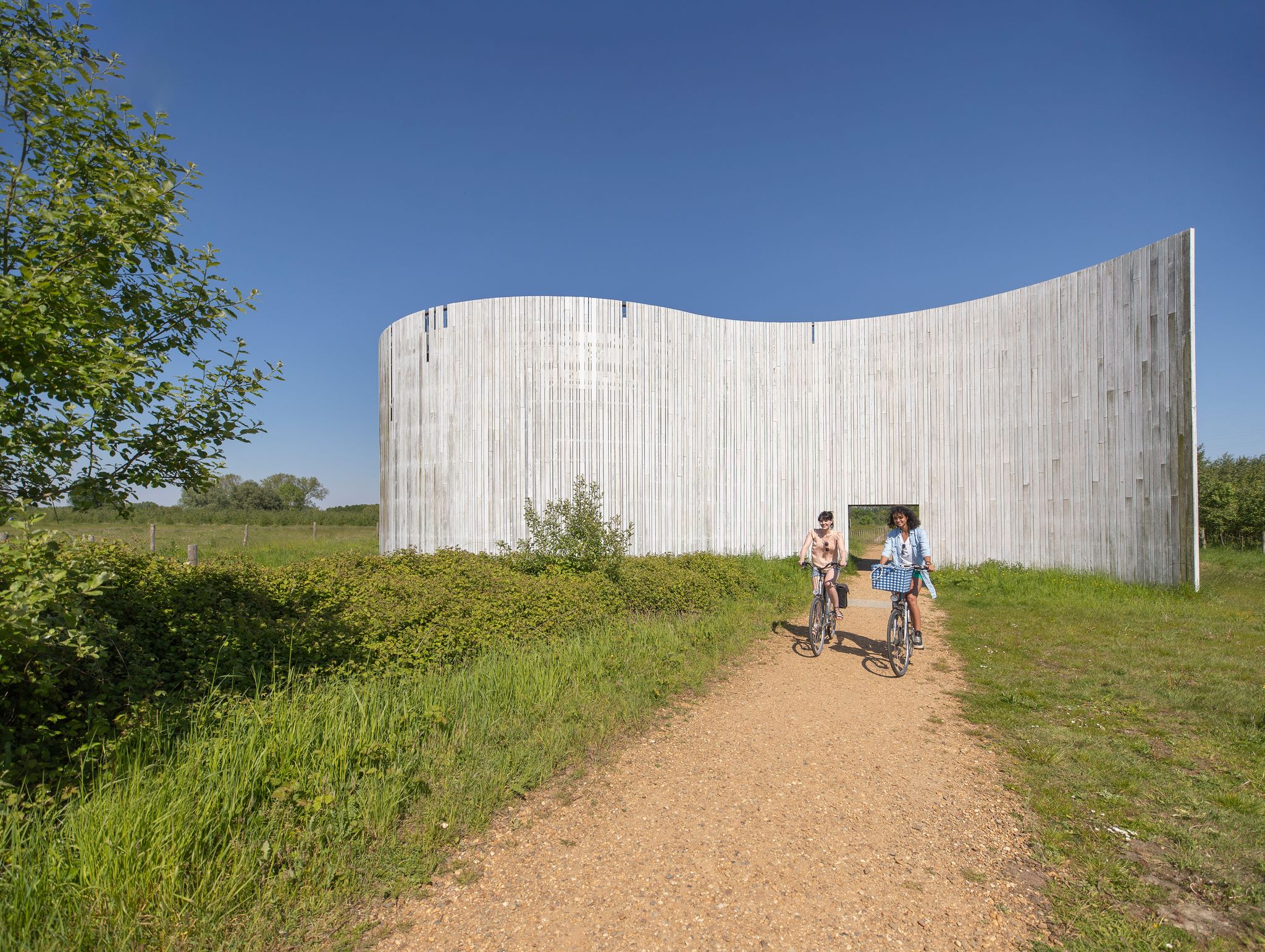
Flanders by bike – the Iconic Cultural Cycle Routes
Hiking around Nieuwpoort
Cycling around Nieuwpoort
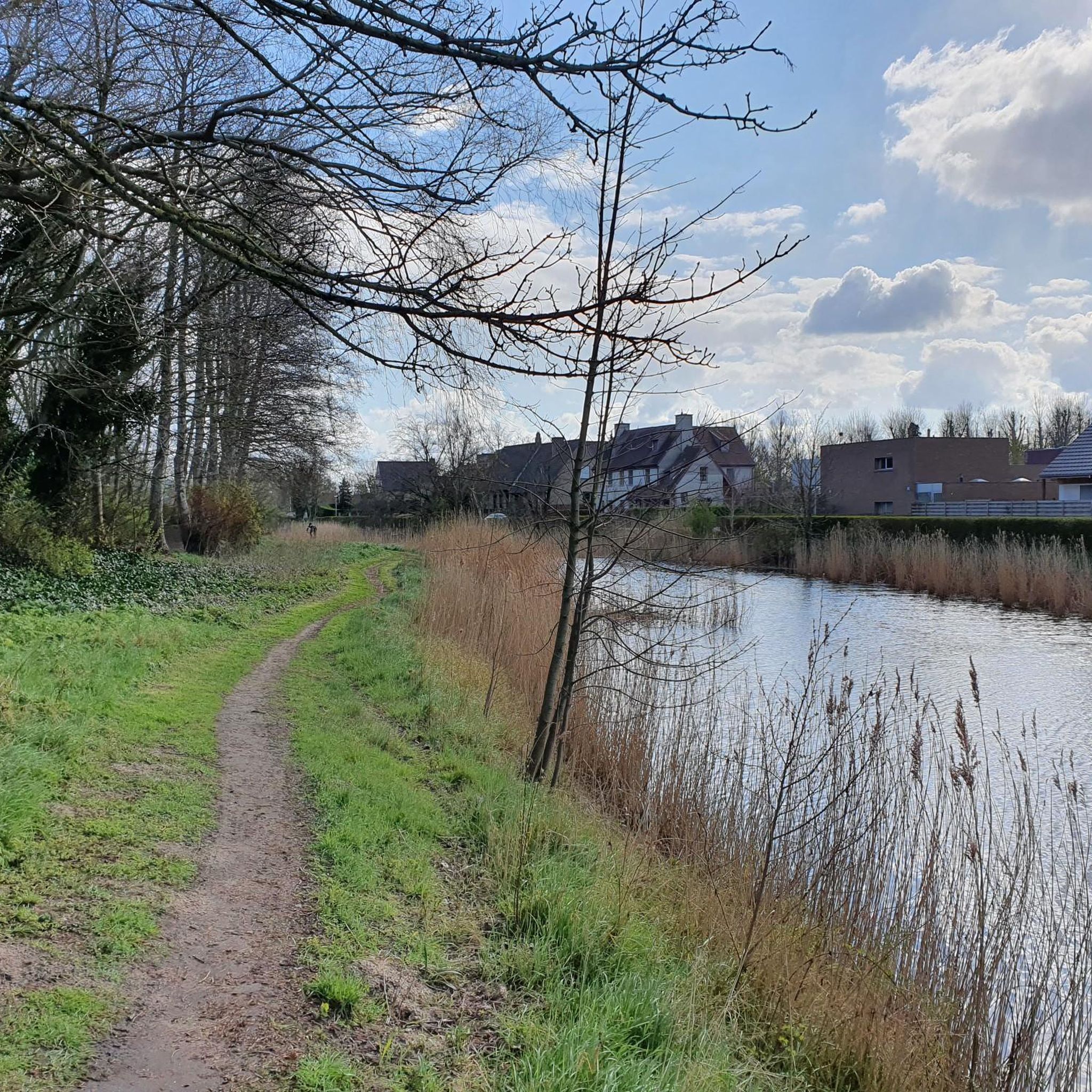
Running Trails around Nieuwpoort
Road Cycling Routes around Nieuwpoort
MTB Trails around Nieuwpoort

Gravel biking around Nieuwpoort
Other adventures around Nieuwpoort


Tips from the Community

Atlantikwall Raversyde is open from March 15 to November 11, 2025. Closed on Mondays.
9
0
Here you'll walk past a selection of bunkers from the Aachen Battery (WWI) and the Saltzwedel-neu Battery (WWI). Both coastal defense and daily life are discussed.
9
0

The Yser is historically important because of the role it played during the First World War. The river formed a natural defense line and was the scene of fierce fighting. Today, you can find various monuments and memorials along the Yser that commemorate this period, such as the Yser Monument at the Ganzepoot. Here on the left bank of the Yser estuary, the cycle route "cycling along the front line of the First World War" also begins. (Nieuwpoort - Bazel)
5
0

Welcome to De Hoge Blekker, with its 33 meters the highest dune in the entire Flemish coastal region. A striking appearance and an impressive eye-catcher. The dune used to be a fixed navigation point for sailors. From a distance they could see the white back as a kind of 'flash' ('bleach' is the local dialect for 'flash'). The Hoge Blekker is a drifting dune that has covered some distances over time. The dune now covers an area of approximately 33 hectares. Enough room for a picnic stop!
4
0

The Atlantic Wall is one of the top attractions on the coast and one of the two museums at RAVERSYDE. The more than sixty bunkers, observation posts and artillery positions, and the two kilometers of open or underground corridors, together form one of the best preserved parts of the infamous German defense line 'Atlantikwall'. This was built by the Germans during the Second World War from the French-Spanish border to Norway. Thousands of bunkers were then constructed to protect the ports and to prevent an Allied attack. The Atlantic Wall also contains the only preserved German coastal battery from the First World War, the Aachen battery. There were cannons here, with associated observation bunkers and quarters for troops. Fearing an Allied landing on the beach and to protect the ports of Zeebrugge and Ostend (from where German submarines operated), the Germans built batteries along the Belgian coast. Only the remains of the Aachen Battery have been preserved. During the Second World War, new defenses were built on the same site, which were part of the 'Atlantik Wall' defense line. The Open Air Museum is the ideal place to relive the atmosphere of the 'Longest Day'. All existing structures were restored to their original state and redecorated with authentic objects and furniture. In the museum of the same name you will become acquainted with some of the most impressive defense structures from both wars. This is possible thanks to the Belgian Prince Karel, who lived there until his death and always opposed the demolition.
10
2
In this segment you will be introduced to the Raversyde Nature Reserve. Works of art by Prince Regent Karel color and animate the landscape. You look over the shoulders of the artist and become acquainted with his past.
4
0
Atlantikwall Raversyde is one of the best preserved parts of the German defense line, with more than sixty bunkers, open and underground corridors, observation posts and gun emplacements built during the Second World War (Saltzwedel-nue Battery). You will also find the best preserved German coastal battery from the First World War, Battery Aachen.
13
1
Beautiful semi-paved walking path that goes through De Doornpanne. Every season is colored differently here. With a bit of luck, donkeys or ponies will come to greet you.
9
0
Frequently Asked Questions
What are some of the most notable natural monuments to visit around Nieuwpoort?
Nieuwpoort offers several unique natural monuments. The Yser Estuary, Nieuwpoort, is where the Yser River meets the North Sea, creating a special biotope of mudflats, salt marshes, and dunes. Another significant spot is the View from the Hoge Blekker, the highest dune on the Flemish coast, offering panoramic views. You can also explore the Zeebermduinen, a nature reserve directly connected to the sea, featuring embryonic and moss dunes.
Are there family-friendly natural monuments in the Nieuwpoort area?
Yes, several natural monuments around Nieuwpoort are suitable for families. The Yser Estuary, Nieuwpoort, offers extensive walking and cycling paths that are easily walkable for all ages. De Doornpanne, a large dune massif, is also family-friendly with varied dune types and vegetation. Additionally, the View from the Hoge Blekker provides an accessible climb to the highest dune with rewarding views.
What kind of wildlife can I expect to see in Nieuwpoort's natural areas?
The natural monuments around Nieuwpoort are rich in wildlife, especially birds. The Yser Estuary, Nieuwpoort, is an excellent location for birdwatching due to its unique fresh and saltwater biotope. Visitors might also spot grazing sheep and, if lucky, seals relaxing on the sand. The De Koolhofput Nature Reserve is also known as an ideal spot for birdwatching and observing local ecosystems.
Are there hiking or cycling routes near these natural monuments?
Absolutely. The Yser Estuary, Nieuwpoort, features an extensive network of cycling and hiking trails. You can find various routes for different sports, including touring bicycle, road cycling, and gravel biking, that pass through or near these natural areas. For example, the 'Beautiful cycle path along the beach – Yser Estuary, Nieuwpoort loop' is a popular option. You can explore more options in the Cycling around Nieuwpoort guide.
What are the best viewpoints to experience the natural beauty of Nieuwpoort?
For breathtaking views, head to the View from the Hoge Blekker. As the highest dune on the Flemish coast, it offers panoramic vistas of the coastal region. The Yser Estuary, Nieuwpoort, also provides scenic views of the confluence of river and sea, with picturesque sandy dunes and coastal landscapes. The Nieuwpoort Lighthouse is often visible in the distance from the estuary.
Can I find historical sites within or near the natural monuments?
Yes, some natural areas also hold historical significance. The Shrimp Fishermen on Horseback at Oostduinkerke Beach is a unique cultural and historical tradition that takes place on the beach, which is itself a natural monument. The Zeebermduinen also contains hidden remains of the Atlantic Wall, offering a blend of nature and history.
What makes De Doornpanne a significant natural monument?
De Doornpanne, along with De Hoge Blekker and De Schipgatduinen, forms a vast 240-hectare dune massif. It's significant for its diverse dune types, ranging from shifting dunes and dune grasslands to densely vegetated pans and fixed inland dunes. The area also functions as a water collection zone and is a Flemish Nature Reserve, supporting a rich variety of plant species, some of which are rare.
Are there any hidden natural gems around Nieuwpoort that are less crowded?
While the Yser Estuary, Nieuwpoort, is a well-known natural monument, it often offers a quiet and relaxing stroll away from more crowded tourist areas. The De Koolhofput Nature Reserve is described as a hidden gem within Nieuwpoort, providing a tranquil escape for birdwatching and peaceful walks surrounded by natural splendor.
What kind of terrain can I expect on trails within Nieuwpoort's natural monuments?
The terrain varies across Nieuwpoort's natural monuments. In areas like the Yser Estuary, Nieuwpoort, you'll find extensive networks of walking and cycling paths, often flat and amenable to bikes. Dune areas like Hoge Blekker and Zeebermduinen feature sandy paths and some inclines, with the Hoge Blekker being the highest dune. Trails can range from easy walks to intermediate climbs, depending on the specific location.
What do visitors particularly enjoy about the natural monuments in Nieuwpoort?
Visitors frequently praise the unique natural landscapes, especially the confluence of fresh and saltwater at the Yser Estuary, Nieuwpoort, and the panoramic views from the Hoge Blekker. The tranquility and opportunities for birdwatching and peaceful walks are also highly valued. The extensive network of paths for cycling and hiking allows for immersive exploration of these diverse environments.
Are there specific natural features like beaches or dunes to explore?
Yes, Nieuwpoort's natural monuments are characterized by their coastal features. The Yser Estuary, Nieuwpoort, includes beaches and extensive dune systems. The Zeebermduinen is a prime example of an outer dune landscape with embryonic and moss dunes directly connected to the sea. The Hoge Blekker is itself the highest dune on the Flemish coast, offering a significant dune experience.
What is the best time of year to visit the natural monuments around Nieuwpoort?
The natural monuments around Nieuwpoort can be enjoyed year-round. Spring and autumn are ideal for birdwatching at the Yser Estuary and De Koolhofput Nature Reserve, as migratory birds pass through. Summer offers pleasant weather for coastal walks and cycling, while winter provides a serene and often less crowded experience, perfect for quiet strolls through the dunes and estuaries.
Most popular routes around Nieuwpoort
Most popular attractions around Nieuwpoort

Get inspired with the komoot mobile app


Explore more
Extend your search for the best caves by checking out these guides of the top ones around Nieuwpoort:
