Top 20 Natural Monuments around Koksijde
Best natural monuments around Koksijde feature extensive dune systems, diverse flora, and significant historical ties to the Belgian coast. The municipality offers a rich array of natural areas, primarily characterized by its unique coastal environment. These areas provide opportunities for exploring varied ecosystems and understanding coastal processes. Koksijde's natural landscape is defined by its dunes, which play a crucial role in both ecology and history.
Best natural monuments around Koksijde
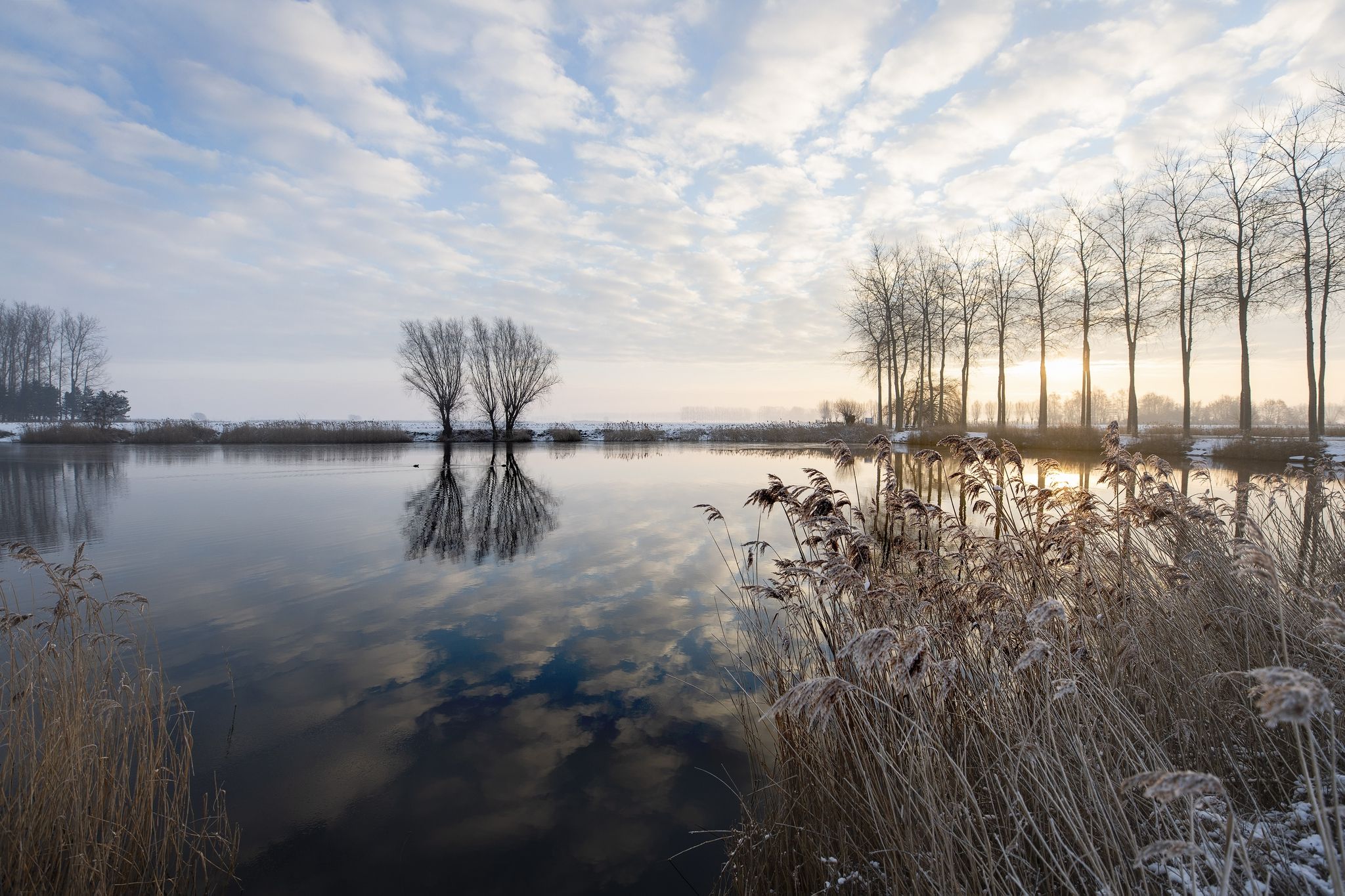
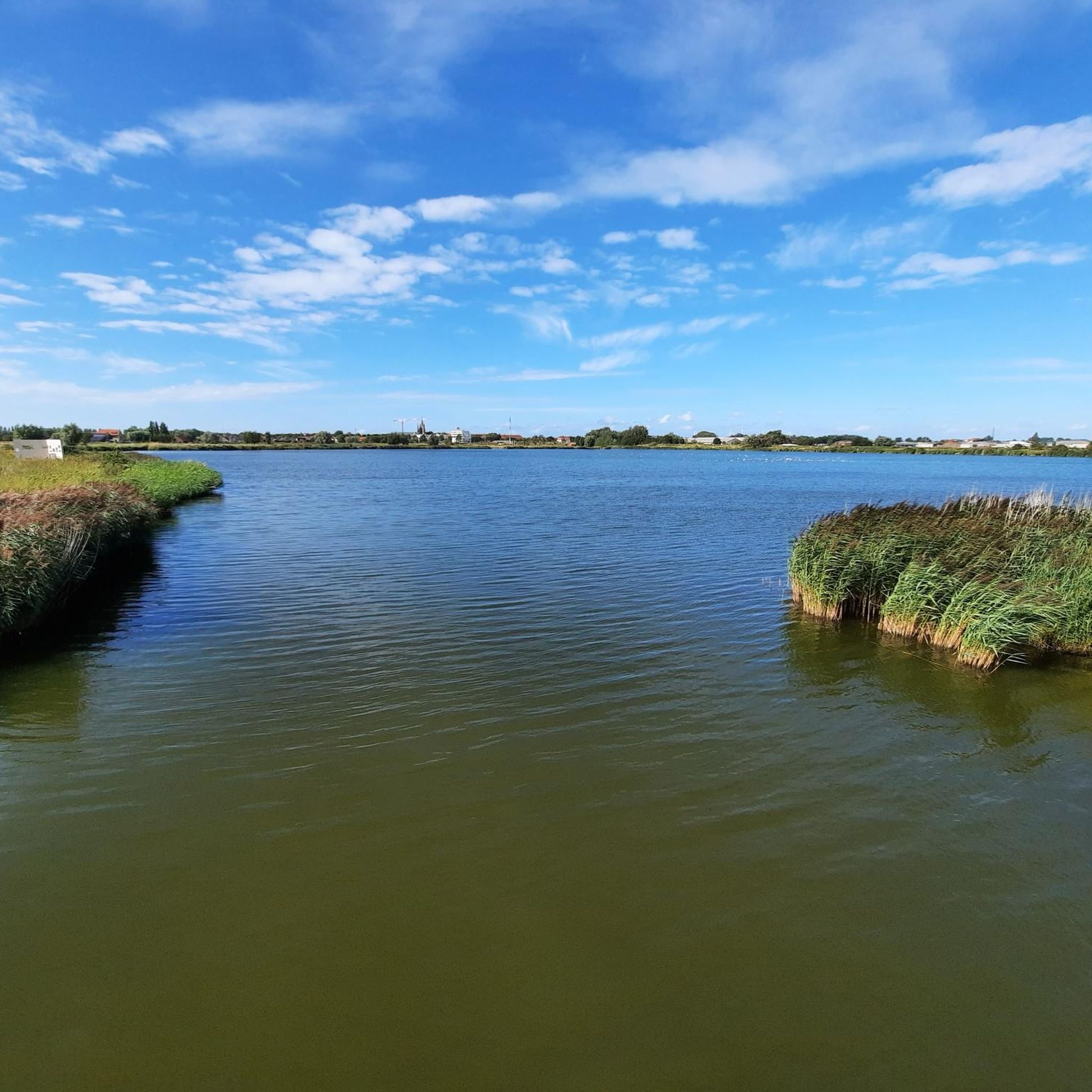
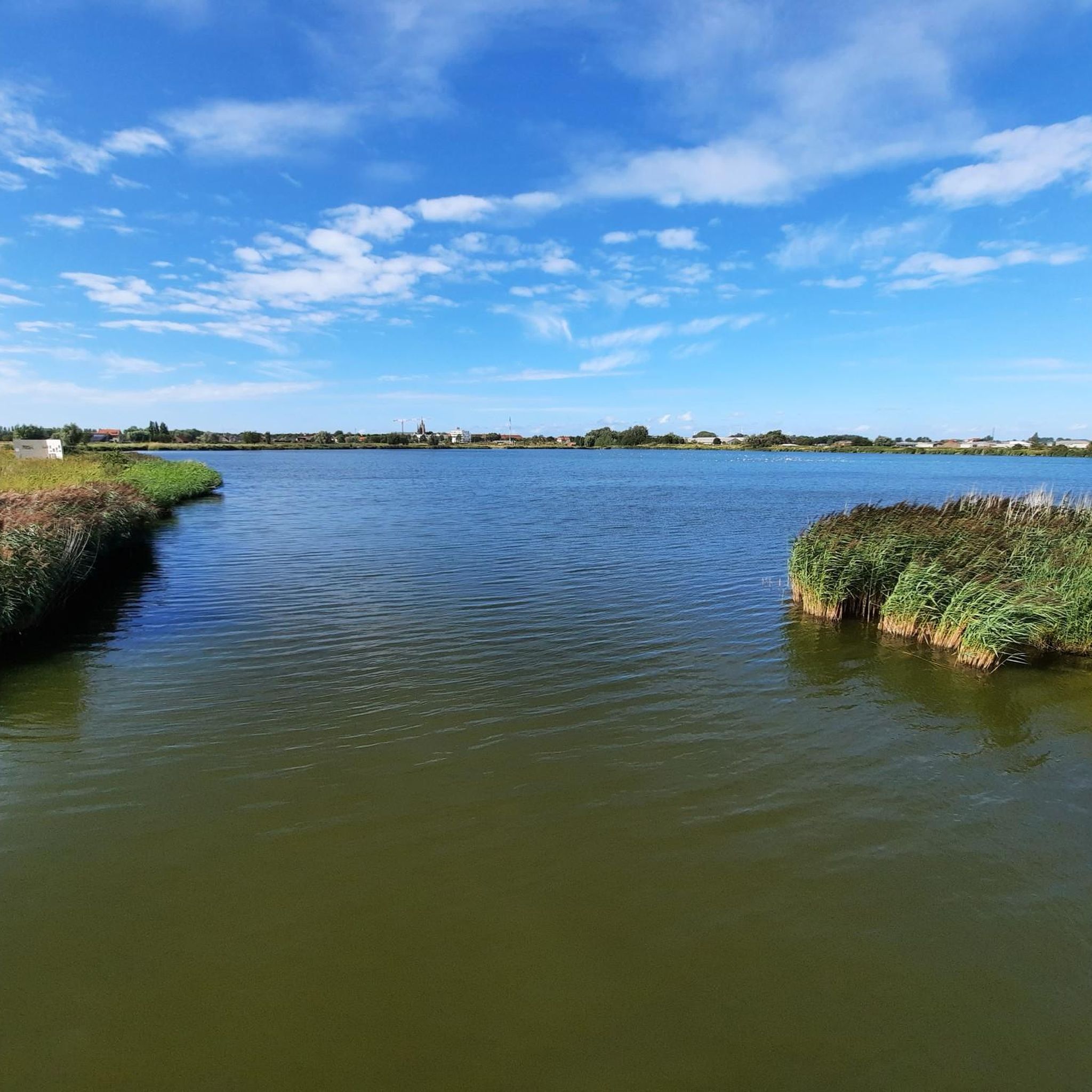
- The most popular natural monuments is Yser Estuary, Nieuwpoort, a river where salt and fresh water meet, creating a special biotope with mud flats, salt marshes, and dunes. This area features an extensive network of cycling and hiking trails for exploration.
- Another must-see spot is Krakeelduinen Nature Reserve, an other natural area that is part of the Natura 2000 Dune Areas. This reserve is undergoing restoration, with grazing animals like Scottish Blackface sheep helping to maintain its natural state.
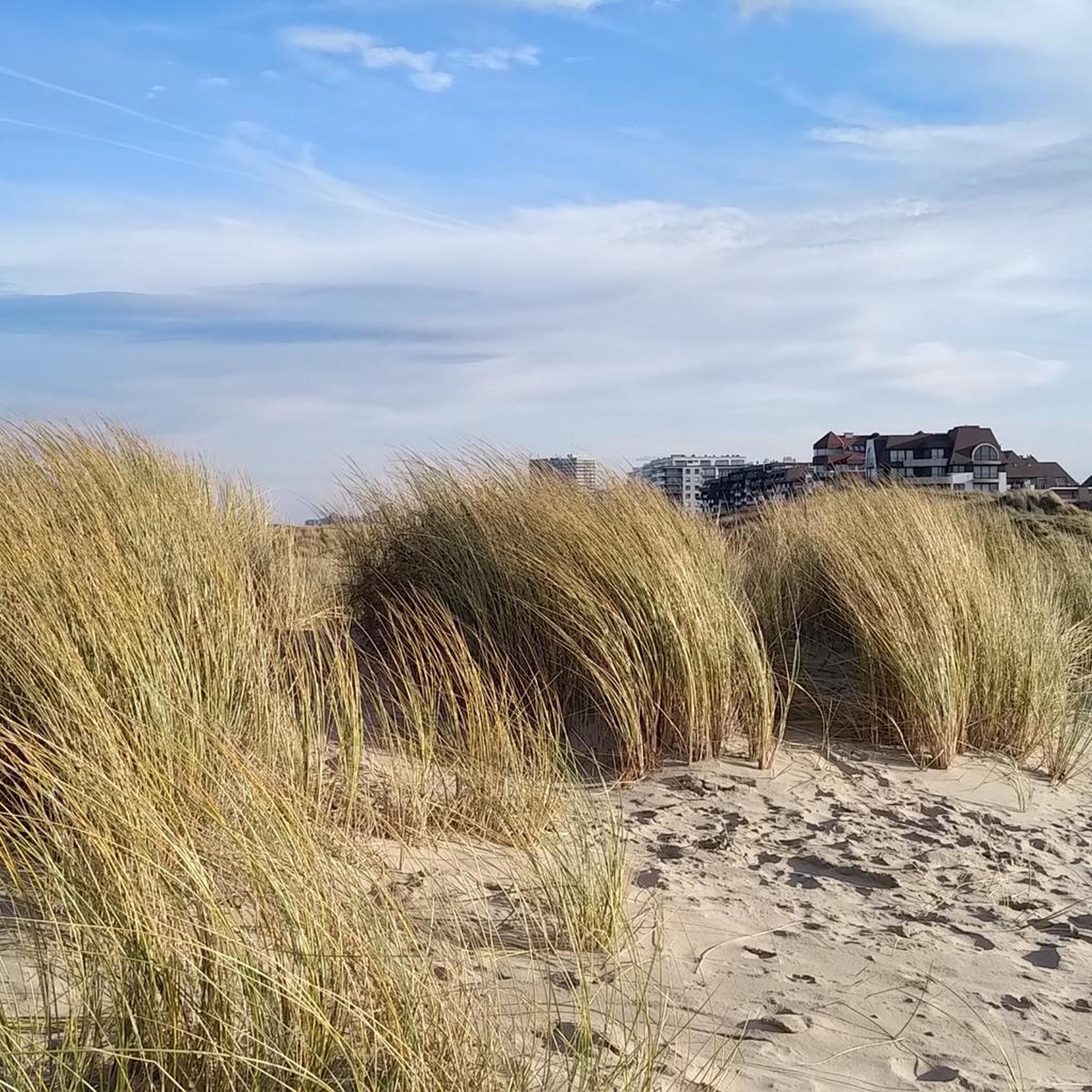
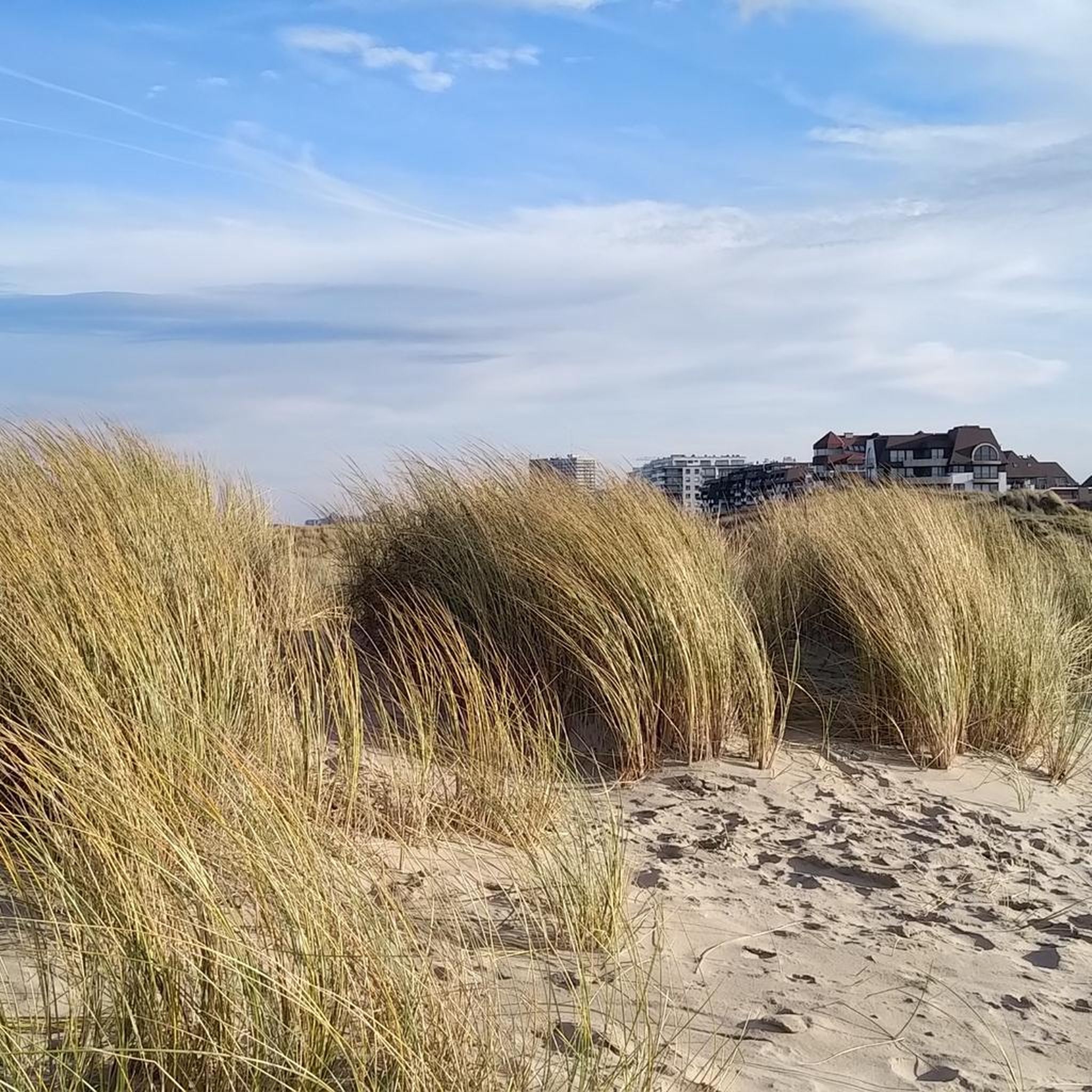
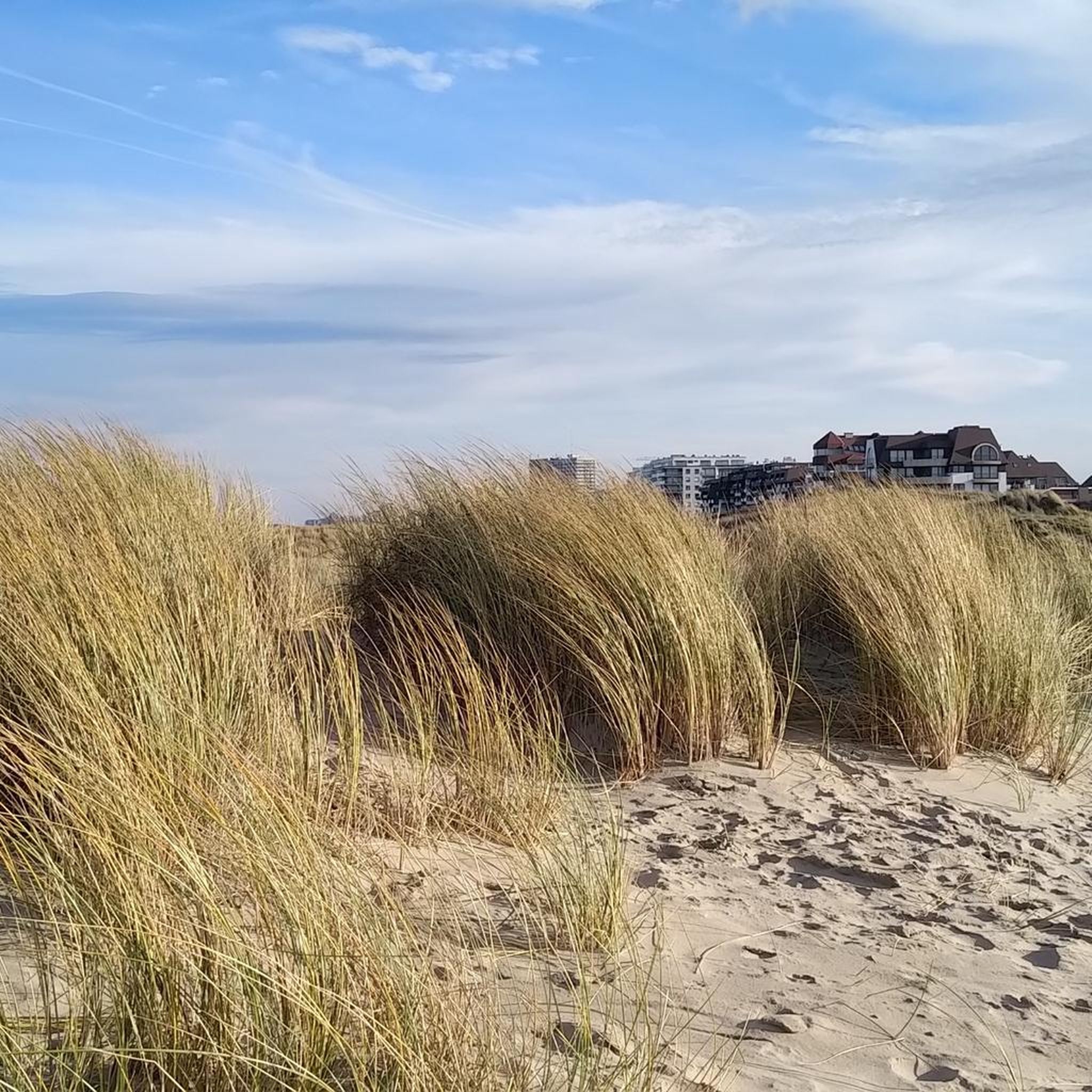
- Visitors also love De Doornpanne, a large dune massif that functions as a water collection area and a Flemish Nature Reserve. It comprises a variety of dune types, from shifting dunes to densely vegetated pans.
- Koksijde is known for its diverse dune landscapes, nature reserves, and coastal areas. The region offers a variety of natural monuments, including river estuaries, restored dune systems, and large dune massifs.
- The natural monuments around Koksijde are appreciated by the komoot community, with more than 800 upvotes and over 70 photos shared by visitors.
Last updated: August 8, 2026
Yser Estuary, Nieuwpoort
Highlight • River
Translated by Google •
Tip by

Krakeelduinen Nature Reserve
Highlight • Natural
Translated by Google •
Tip by

Sign up now to discover places like this
Get recommendations on the best single tracks, peaks, & plenty of other exciting outdoor places.
Sign up for free
De Doornpanne
Highlight • Natural
The area comprises a variety of dune types, from shifting dunes and dune grasslands to densely vegetated pans and fixed inland dunes.
The core of the dune complex consists of a broad depression (panne), the vegetation of which forms a mosaic of forest, scrub and open dune vegetation.
Errond is a belt of shifting dunes, including the highest dune top of the Flemish coast (the Hoge Blekker 33 m).
Source: aquaduin.be/visitors/natuurgebieden/de-doornpanne
Translated by Google •
Tip by
Shrimp Fishermen on Horseback at Oostduinkerke Beach
Highlight • Beach
The unusual tradition of the shrimp and crab fishermen lives on to this day. Curiously enough, the tradition of horse fishing, which at times seems phlegmatic, goes back just as long as fast sand yachting on the sandy runway, which is hardened by low tide and can be up to 400 meters wide.
In the months of March, April, May, September, October and November, the horse fishermen follow the rhythm of nature and fish in the Schipgatduinen (St. André) and in Groenendijk. In July and August they show their traditional skills almost every day in the center of Oostduinkerke-Bad.
navigomuseum.be/en/the-shrimp-fishermen-on-horseback
Translated by Google •
Tip by

View from the Hoge Blekker
Highlight • Viewpoint
Translated by Google •
Tip by
Sign up for free to discover even more natural monuments around Koksijde.
Sign up for free
Already have an account?
Start today with a free account
Your next adventure awaits.
Login or Signup
Popular around Koksijde


Tips from the Community

The Yser is historically important because of the role it played during the First World War. The river formed a natural defense line and was the scene of fierce fighting. Today, you can find various monuments and memorials along the Yser that commemorate this period, such as the Yser Monument at the Ganzepoot. Here on the left bank of the Yser estuary, the cycle route "cycling along the front line of the First World War" also begins. (Nieuwpoort - Bazel)
5
0

Nature reserve. You're pretty much alone here.
3
0

Welcome to De Hoge Blekker, with its 33 meters the highest dune in the entire Flemish coastal region. A striking appearance and an impressive eye-catcher. The dune used to be a fixed navigation point for sailors. From a distance they could see the white back as a kind of 'flash' ('bleach' is the local dialect for 'flash'). The Hoge Blekker is a drifting dune that has covered some distances over time. The dune now covers an area of approximately 33 hectares. Enough room for a picnic stop!
4
0

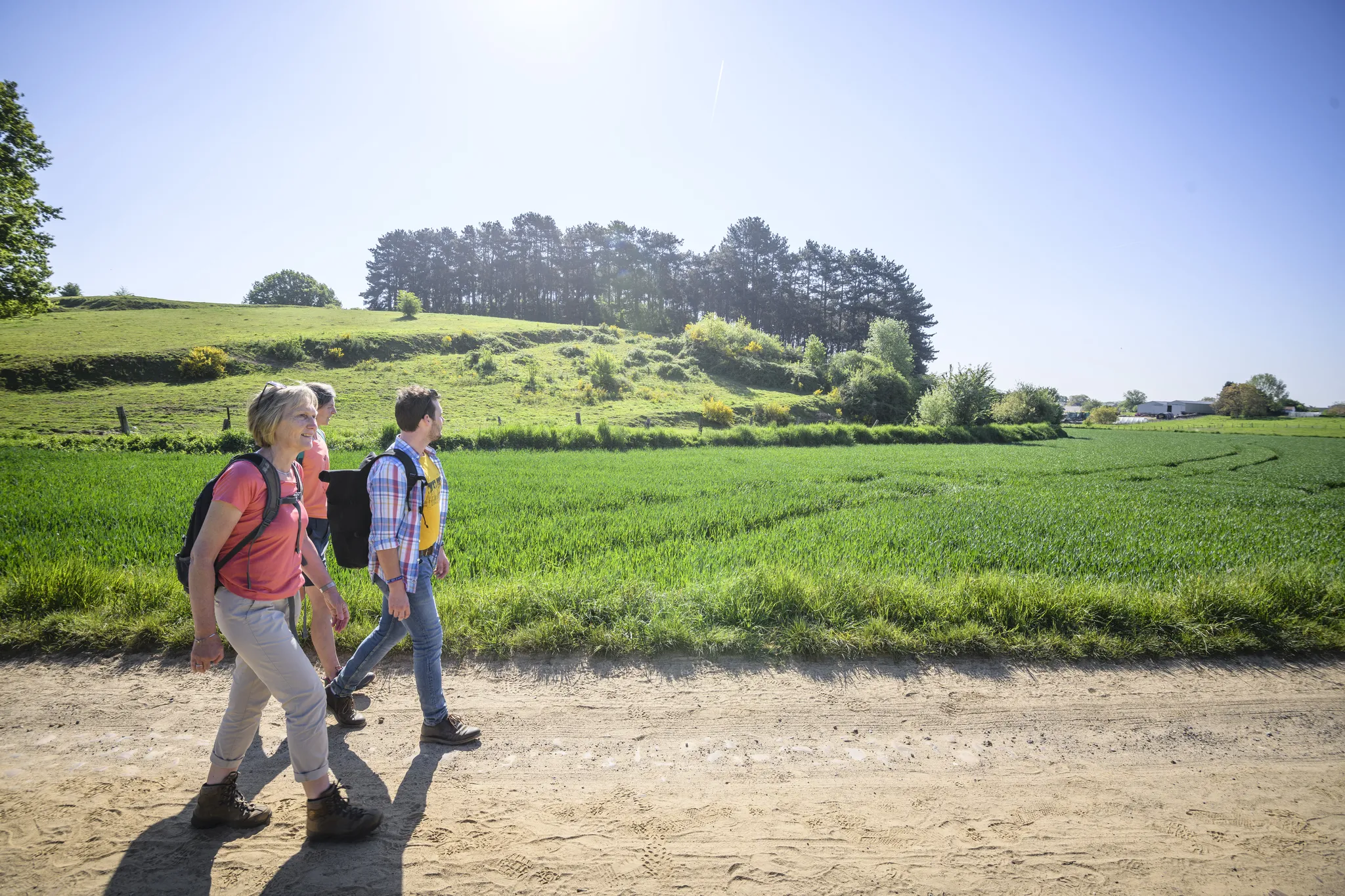
Beautiful semi-paved walking path that goes through De Doornpanne. Every season is colored differently here. With a bit of luck, donkeys or ponies will come to greet you.
9
0
At 33 meters above sea level, the Hoge Blekker, the dune that gave its name to the domain, is not only the highest dune (ridge) on our Flemish coast, but also a beautiful nature reserve, covering approximately 18 hectares. Blekker or Blinkaart is the common name for a bare dune hill that reflects sunlight (bleaching or shining). It was a permanent beacon for sailors who saw its white crown shining from afar ('bleaching' in the local dialect). At the origin of the Hoge Blekker and the adjacent dune massif are parabolic dunes that formed between the 16th and 19th centuries.
10
1

Together with the IJzermonding and the Zwin, the Krakeelduinen are part of the Natura 2000 area Dune Areas. After WWII the dunes were used as a water extraction area, but nowadays the dune area is being restored to its natural glory. You will now find Scottish Blackface sheep grazing the area and since the concrete has been removed the sand can flow freely again.
3
0

From the top of the Hoge Blekker you have a beautiful view of the lower dunes and landscapes, such as the Doornpanne. You will also find orientation tables that point you in which direction all kinds of places are. Those who are tired of the climb can rest on the benches.
13
0
From the top of the Hoge Blekker you have a beautiful view of the lower dunes and landscapes. You will also find orientation tables that point you in which direction all kinds of places are. Those who are tired of the climb can rest on the benches.
12
1
Frequently Asked Questions
What types of natural landscapes can I expect to see in Koksijde's natural monuments?
Koksijde is characterized by diverse coastal environments. You'll find extensive dune systems, including shifting dunes, dune grasslands, and even parabolic dunes. Areas like De Doornpanne and Ter Yde Nature Reserve showcase these varied dune types, while the Schipgatduinen feature unique freshwater flora in its deep depressions. The Zeebermduinen offer a direct connection to the sea with active dune migration.
Are there good hiking and walking opportunities within Koksijde's natural monuments?
Yes, Koksijde offers numerous opportunities for hiking and walking. The Yser Estuary, Nieuwpoort, for example, features an extensive network of cycling and hiking trails. You can also explore the varied landscapes of De Doornpanne and Ter Yde Nature Reserve on foot. For specific routes, consider exploring the Hiking around Koksijde guide, which includes trails like the Ter Yde Trail and Doornpanne Walking Route.
Which natural monuments are particularly family-friendly in Koksijde?
Several natural monuments in Koksijde are great for families. De Doornpanne is listed as family-friendly and features a visitor center that provides educational and interactive experiences. The Yser Estuary, Nieuwpoort, and the Zeebermduinen are also noted as family-friendly, offering accessible paths and interesting sights for all ages. The tradition of the Shrimp Fishermen on Horseback at Oostduinkerke Beach is a unique cultural experience that families often enjoy.
What kind of wildlife can be observed in Koksijde's natural monuments?
Koksijde's natural monuments are home to diverse flora and fauna. In areas like Hoge Blekker, you might spot rare plants, insects, and birds, including the crested lark. De Doornpanne and De Westhoek utilize grazing animals like Shetland ponies, Scottish Highland cattle, or Konik horses to maintain biodiversity. The Oostvoorduinen are a biodiversity hotspot, known for rare plants like carline thistle and a variety of insects. In spring, the Noordduinen are known for the song of the nightingale.
Are there any cultural or historical sites integrated with the natural monuments?
Yes, Koksijde's natural monuments often have historical ties. The Hoge Blekker, for instance, historically served as a navigation point for sailors. The Noordduinen are close to cultural sites such as the Abbey Museum of the Dunes and the South Abbey Mill. The Yser Estuary, Nieuwpoort, has historical significance and features information panels about the area's past. You can also find remnants of the Atlantic Wall in the Zeebermduinen.
What is the best time of year to visit the natural monuments in Koksijde?
The natural monuments in Koksijde offer unique experiences throughout the year. Spring is particularly beautiful in the Noordduinen when nightingales sing and burnet roses bloom. Summer allows for enjoying the beaches and coastal activities, while autumn and winter offer tranquil walks amidst the dynamic dune landscapes. The unique freshwater flora in the Schipgatduinen and the rare plant species in the Oostvoorduinen can be appreciated during warmer months.
Are there any natural monuments in Koksijde that offer panoramic viewpoints?
Yes, several natural monuments provide excellent viewpoints. The Hoge Blekker, as the highest dune on the Belgian coast, offers panoramic views of the coastline, the North Sea beach, and surrounding nature reserves. While not explicitly mentioned for other specific viewpoints, the extensive dune systems and coastal areas generally provide open vistas and scenic spots for observation.
Can I bring my dog to the natural monuments in Koksijde?
While specific regulations for each natural monument regarding dogs can vary, many natural areas in Belgium, especially dune reserves, have rules about keeping dogs on a leash to protect wildlife and fragile ecosystems. It's always best to check local signage or official websites for the specific reserve you plan to visit to ensure a pleasant and responsible visit with your dog.
Where can I find information about parking and public transport access to these natural areas?
Access to natural monuments in Koksijde varies. For areas like De Doornpanne, there is a visitor center which typically provides parking facilities. Many coastal areas are well-served by public transport, including trams that run along the Belgian coast. It is advisable to check local municipality websites or public transport schedules for specific routes and parking information for each natural monument you intend to visit.
What are some lesser-known or 'hidden gems' among Koksijde's natural monuments?
While many areas are popular, the Schipgatduinen can be considered a true discovery for nature lovers, particularly those interested in rare plant species like the blue sea holly. The Oostvoorduinen are also a unique spot, being among the last places in Flanders to find specific rare plants and offering a tranquil, old dune landscape with remarkable ecological richness.
Are there opportunities for cycling or mountain biking near Koksijde's natural monuments?
Yes, the region around Koksijde offers excellent cycling and mountain biking opportunities. The Yser Estuary, Nieuwpoort, has an extensive network of cycling trails. For more dedicated routes, you can explore the MTB Trails around Koksijde guide, which includes routes like 'Flowy Singletrack Trail – Singletrack Through the Dunes loop from Nieuwpoort' and 'Hoge Blekker Dune (33 m) – Gravel Path Through De Doornpanne loop from De Panne'.
What makes the Hoge Blekker special among the natural monuments?
The Hoge Blekker is special because it is the highest dune on the Belgian coast, reaching an impressive 33 meters. Its name, meaning 'to flash,' reflects its historical role as a crucial navigation point for sailors. It offers panoramic views, is home to unique flora and fauna, and is part of a larger dune complex, making it a significant landmark for both nature and history enthusiasts. You can find more information about it on Visit A City.
Most popular routes around Koksijde
Most popular attractions around Koksijde

Get inspired with the komoot mobile app


Explore more
Extend your search for the best caves by checking out these guides of the top ones around Koksijde:
