Top 20 Natural Monuments around Nieuwerkerken
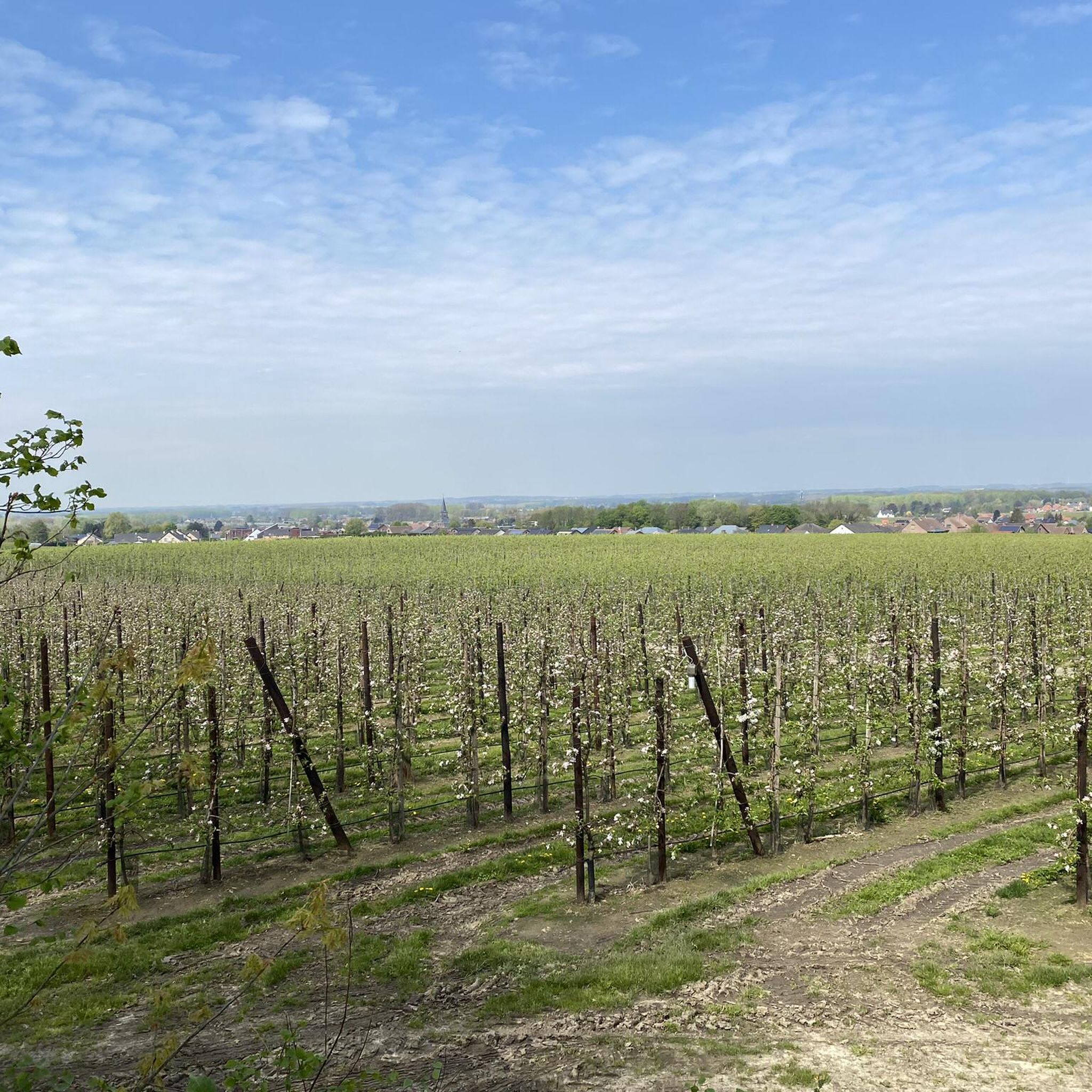
Best natural monuments around Nieuwerkerken include a selection of valuable nature reserves and significant natural features. This rural municipality in Limburg, Belgium, is characterized by its expansive agricultural landscapes, particularly its fruit orchards, and diverse flora and fauna within protected areas. The region offers serene beauty and tranquil environments, making it suitable for nature observation and outdoor activities. Its natural appeal lies in its combination of smaller, intimate reserves and broader scenic landscapes.
Best natural monuments around Nieuwerkerken
- The most…
Last updated: May 17, 2026
Herkenrode Abbey Site
Highlight • Historical Site
Translated by Google •
Tip by

Floating Chapel of Helshoven
Highlight • Monument
Translated by Google •
Tip by

Sign up now to discover places like this
Get recommendations on the best single tracks, peaks, & plenty of other exciting outdoor places.
Sign up for free
Lake Het Vinne
Highlight • Lake
Translated by Google •
Tip by

Het Vinne Nature Reserve
Highlight • Lake
Translated by Google •
Tip by
Galgenberg Forest
Highlight • Forest
In the northeastern corner of the municipality of Heusden-Zolder you can relax in the green oasis Galgenberg. This is a hill of almost 60 meters high that is …
Translated by Google •
Tip by

Sign up for free to discover even more natural monuments around Nieuwerkerken.
Sign up for free
Already have an account?
Start today with a free account
Your next adventure awaits.
Login or Signup

Tips from the Community

Very relaxing, beautiful well-maintained paths.
0
0

The Herkenrode Abbey site is an interesting combination of culture, history, nature and an ideal starting point for walks.
9
0

Here, at the gallows, you are at the highest point in Helshoven. The artwork 'Helsh(ea)ven' by Frits Jeuris, known to most as the 'floating chapel', invites you to enjoy that landscape and the work itself. It is made from cherry tree wood. At the end of 2016, the 50-year-old high-stemmed trees in Helshoven had to be cut down due to a viral disease, Little Cherry, which causes tasteless cherries. The gallows represents death. Dead trees. And the dead person. And then there are the trees that are given a second life in the artwork, the floating chapel. An end, a beginning, a view, between heaven and Helshoven, inviting reflection, looking and of course what the work is best known for: that strange image of a chapel that seems to float.
12
0

Those who like a bit of relief will find plenty to enjoy on this easternmost Diestian hill. The Galgenberg takes its name from the location of the gallows that were used to hang criminals. The forests are freely accessible to hikers, but are not open to cyclists or mountain bikers due to their sensitivity to erosion.
2
2
The main entrance to the abbey is located to the south of the complex. It is a late Gothic gatehouse, built in 1531 by order of Abbess Mechtildis of Lechy. There are two storeys under two intersecting slate saddle roofs with a spire with a pear-shaped crowning at the intersection, dated 1531 (coat of arms on the rear facade) and restored in 1907 (architect G. Rypens) and 1973. Inventory of Immovable Heritage: Herkenrode Abbey, https://id.erfgoed.net/erfgoedobjecten/22246
8
0
The Herkenrode abbey site is located in the Demer valley, in a transitional area between the Lage Kempen and Haspengouw, south of the village centre of Stokrooi (Hasselt). It is an extensive historical domain that dates back to the former abbey complex of the Cistercian nuns. To the north of the Demer are the meadows, to the south the old abbey with its appurtenances, the farmyard, the eastern castle park and the other, higher agricultural lands. In addition to unirrigated hay and pasture land, there were also large flood meadows here until the 20th century. The latter were supplied with water via the Tuilterdemer. The abbey was founded in 1182, when Geeraard, Count of Loon, donated his estate Herkenrode to a certain brother Henricus to build a monastery for women. In 1271 the monastic community joined the order of Cîteaux. It became a flourishing enterprise that over the years acquired numerous possessions. The religious purpose came to an end with the departure of the sisters in 1796. At the beginning of the 19th century, the new abbess wing, built in 1768 to the south of the old abbess quarters, was converted into a castle. In the same period, an English garden was laid out on the east side and a front garden on the west side. The 14th-century church burned down in 1826 and was demolished together with the monastery building and the convent buildings in 1843. The buildings and the surrounding grounds formed a single differentiated whole for a long time. Over time, however, they fell into the hands of different owners. In 1972, 11 ha of the former abbey site became the property of the canonesses of the Holy Sepulchre. The property includes the actual remaining abbey buildings with the sisters' quarters, the old abbess quarters, the sacristy, the infirmary, the 18th-century abbess wing and the adjoining landscaped park. Inventory of Immovable Heritage: Herkenrode Abbey Site, https://id.erfgoed.net/erfgoedobjecten/135252
9
0
At the end of June 2024, it was announced that architects Arnout Van Vaerenbergh and Pieter-Jan Gijs will resurrect the church and other disappeared buildings on the Herkenrode site. Not quite as fully-fledged buildings, but with the interplay of lines that they are known for and that many have already seen in their see-through church in Borgloon. It should bring the total experience of Herkenrode more closely into line with historical reality and should work perfectly with the buildings that are still there today, making Herkenrode already a tourist attraction. This should be ready in 2026 and you can discover more about it at https://www.vrt.be/vrtnws/nl/2024/06/27/clausura-herkenrode/
10
0
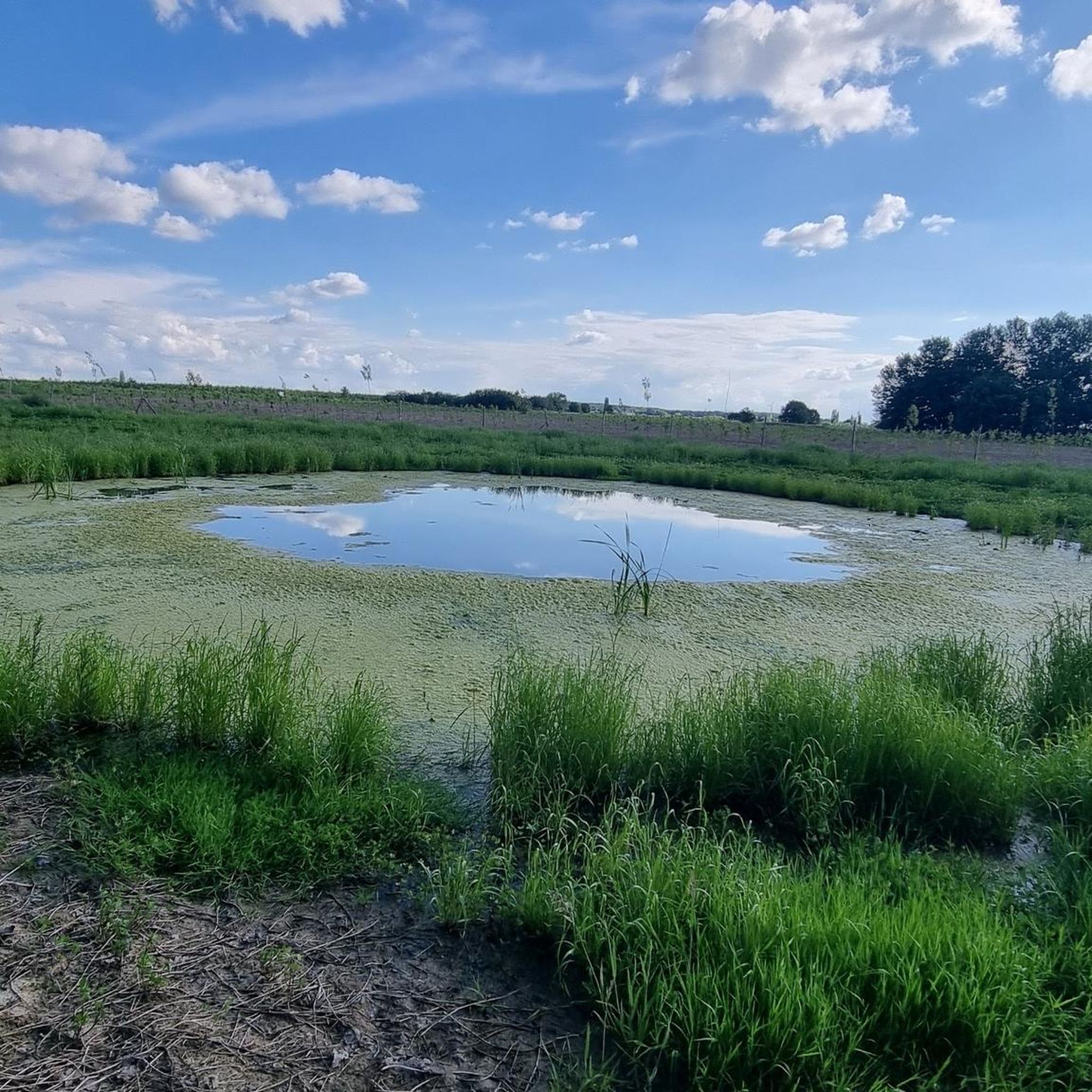
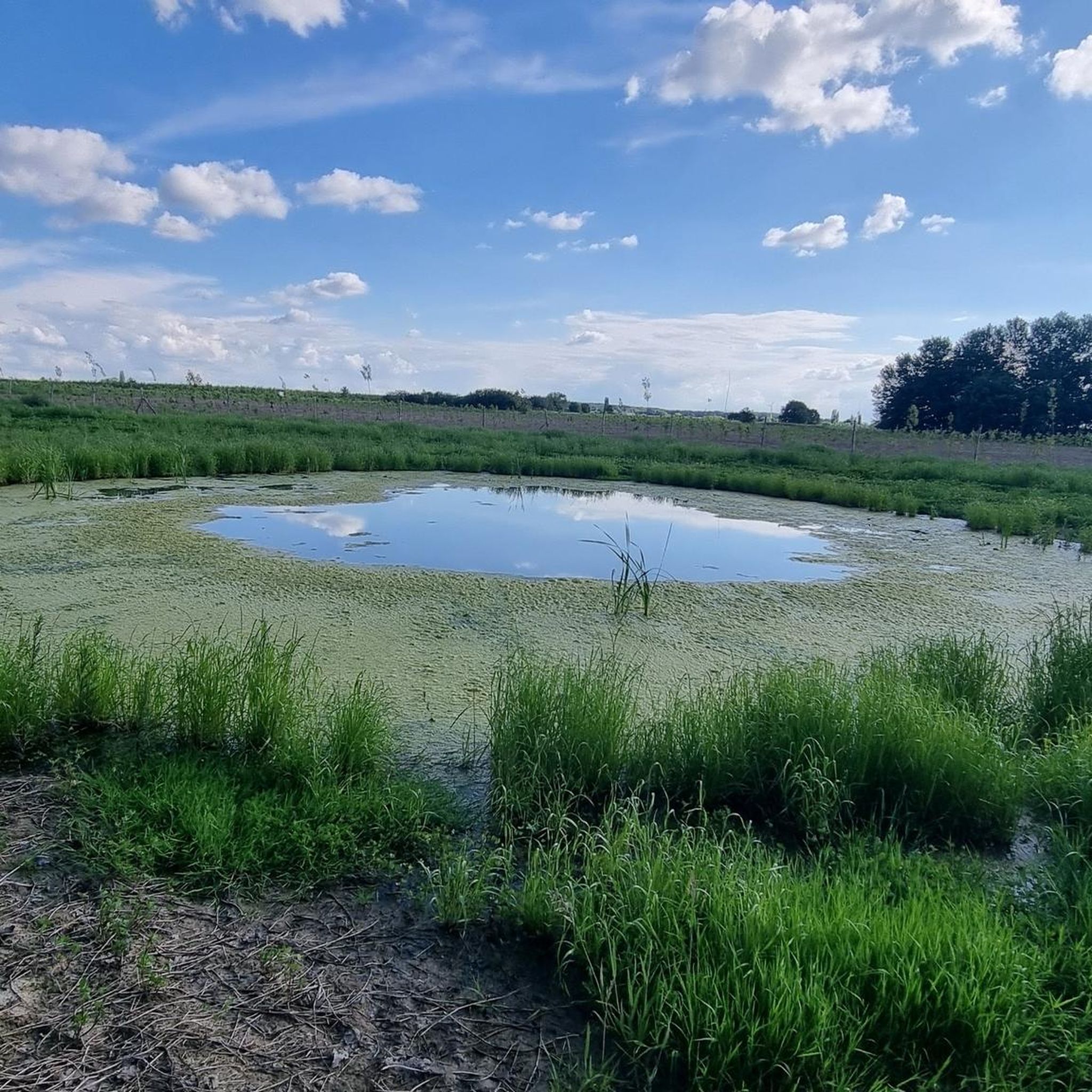
Since 1974, the province of (Flemish) Brabant has owned the 120 hectare Vinne. In 2000 it was decided to transform the area into a lake again. Work started in 2004; the poplars were cleared and the groundwater level rose because drainage was largely stopped. The entire area is ideal for migratory birds. Immovable Heritage Inventory 2024: Het Vinne, https://id.erfgoed.net/erfgoedobjecten/300182
10
0
Frequently Asked Questions
What are some unique natural features to explore in the Nieuwerkerken region?
The Nieuwerkerken region is known for its serene beauty, particularly its extensive fruit orchards which are stunning in spring when fruit blossoms create an idyllic panorama. You can also explore unique natural areas like Lake Het Vinne, the only natural inland lake in Flanders, and the species-rich coppice forest of Muggenbosken, vibrant with distinctive plant species in spring.
Are there any family-friendly natural monuments or activities around Nieuwerkerken?
Yes, several natural monuments around Nieuwerkerken are family-friendly. Lake Het Vinne offers a range of possibilities for walking, playing, and discovering nature, including a playground, play forest, and sensory experience path. The Herkenrode Abbey Site also features a botanical garden with over 500 plant species, providing a relaxing and educational experience for all ages.
What kind of walking or hiking trails can I find near Nieuwerkerken's natural monuments?
Nieuwerkerken and its surroundings offer diverse terrains for walking and hiking. You can find trails around Lake Het Vinne, which is ideal for nature discovery. The region also features 'hollow roads' and smaller nature reserves like De Zijp, which are part of scenic walking routes. For more specific routes, you can explore the Running Trails around Nieuwerkerken guide, which includes routes like the 'Kasteel van Nieuwerkerken loop'.
When is the best time to visit Nieuwerkerken to experience its natural beauty?
The spring season is particularly recommended for visiting Nieuwerkerken. During this time, the extensive fruit orchards are in full blossom, painting the landscape in white and pink hues. Nature areas like Muggenbosken are also especially vibrant with distinctive plant species in spring.
Are there any natural monuments around Nieuwerkerken that are wheelchair accessible?
Yes, Lake Het Vinne is noted as wheelchair accessible. The provincial domain provides two all-terrain wheelchairs and slings available to visitors free of charge, making it an inclusive destination for nature exploration.
What historical or cultural sites are integrated with the natural monuments in the area?
The Herkenrode Abbey Site is a significant historical and natural monument. This 800-year-old abbey, with its restored historic buildings and surrounding nature reserve, offers a blend of history and natural beauty. Its gatehouse, dating from 1531, provides insight into the abbey's past.
Can I observe local wildlife at the natural monuments in Nieuwerkerken?
Yes, the natural areas around Nieuwerkerken are rich in biodiversity. Lake Het Vinne is an ideal habitat for migratory birds, offering excellent opportunities for birdwatching. Muggenbosken, a species-rich coppice forest, also supports diverse flora and fauna, making it a good spot for nature observation.
What cycling opportunities are available near Nieuwerkerken's natural monuments?
The region around Nieuwerkerken offers various cycling opportunities. Schulensmeer, though not directly in Nieuwerkerken, is nearby and provides excellent routes for cycling around the lake. The extensive fruit orchards and 'hollow roads' also create picturesque routes. You can find more options in the Road Cycling Routes around Nieuwerkerken guide, which includes routes like the 'Schulensmeer – Houterenberg Climb loop'.
What is the 'Floating Chapel of Helshoven' and what views does it offer?
The Floating Chapel of Helshoven is a unique art installation located at the highest point of Helshoven. Made from felled cherry trees, it offers breathtaking views of the Haspengouw landscape. It's a symbolic work that reflects the dynamic nature of the region and serves as a significant viewpoint.
Are there any forests or woodlands to explore in the Nieuwerkerken area?
Yes, the region features several valuable woodlands. Muggenbosken is a species-rich coppice forest within Nieuwerkerken itself. Additionally, Galgenberg Forest, located in the northeastern corner of Heusden-Zolder, offers a green oasis with signposted walks through a tree-rich heathland landscape.
What is Schulensmeer and what activities can be done there?
Schulensmeer is the largest inland lake in Flanders, located near Nieuwerkerken. It's a significant natural feature where visitors can enjoy a variety of recreational activities, including walking and cycling. Its tranquil waters also make it a valuable spot for nature observation and relaxation.
What makes the fruit orchards in Nieuwerkerken a natural highlight?
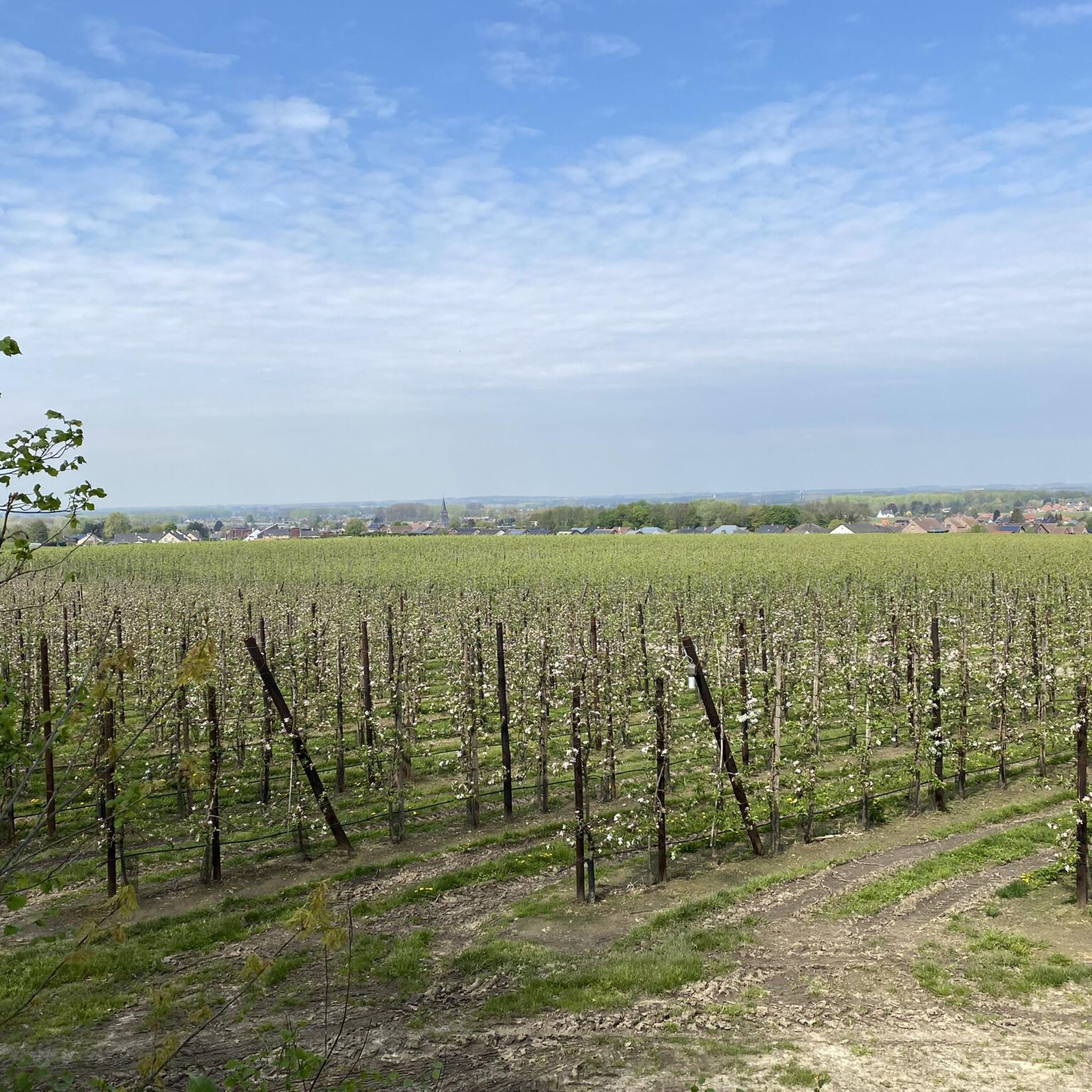
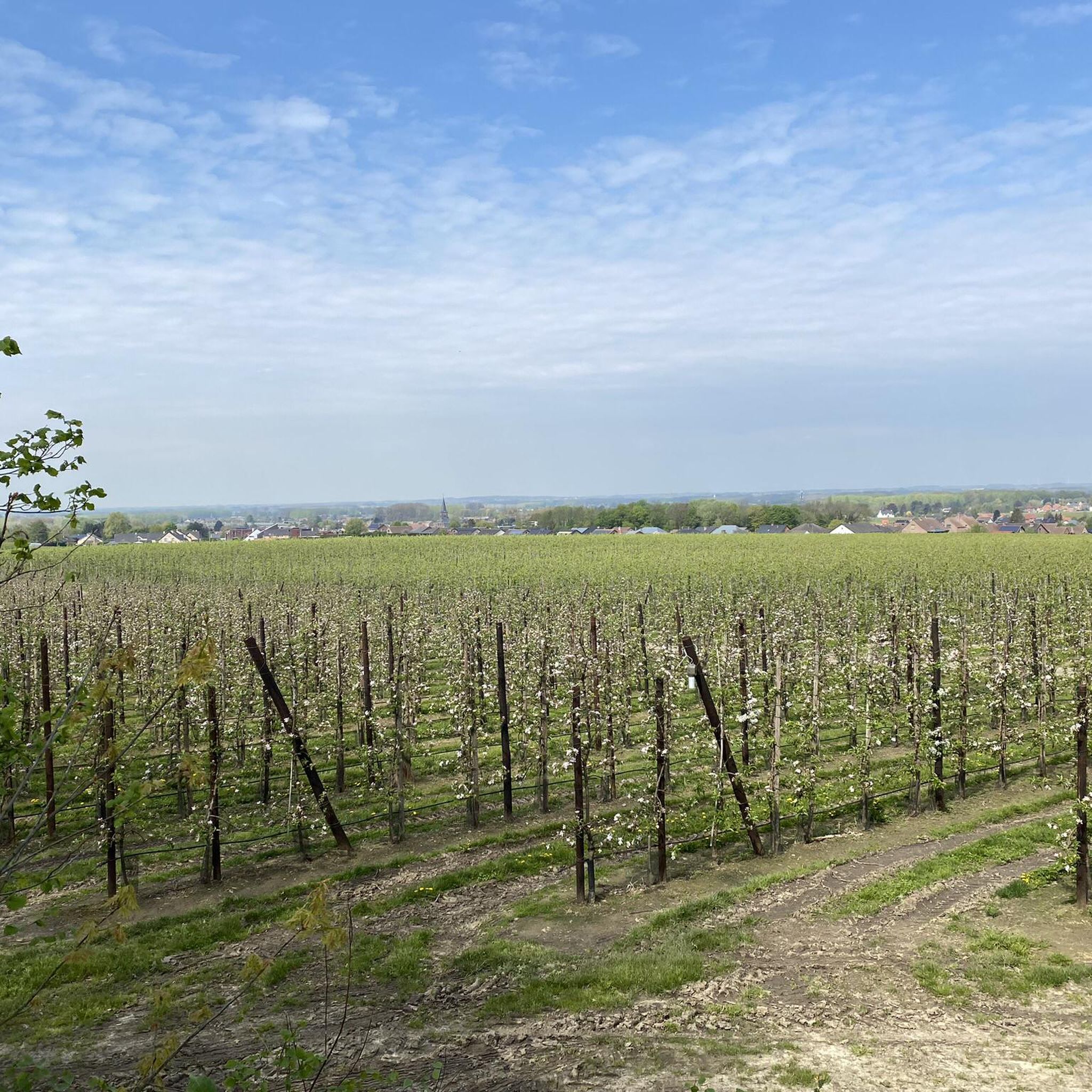
While not individual monuments, the extensive fruit orchards are a defining natural landscape of Nieuwerkerken. They are particularly stunning in spring when the fruit blossoms create an idyllic panorama of white and pink hues. These orchards, along with the region's 'hollow roads,' contribute to a unique rural charm, perfect for nature walks and bike rides.
What is the significance of the 'Battle of the Silver Helmets Memorial' near Nieuwerkerken?
The Battle of the Silver Helmets Memorial commemorates a significant historical event from World War I. It marks the site of the last major cavalry battle in Western Europe and the only Belgian victory over German troops without Allied help during WWI. The memorial features 44 concrete helmets, each representing a Limburg municipality, offering a unique artistic reflection on war and memory.
Most popular routes around Nieuwerkerken
Most popular attractions around Nieuwerkerken

Get inspired with the komoot mobile app


Explore more
Extend your search for the best caves by checking out these guides of the top ones around Nieuwerkerken:
