Top 20 Natural Monuments around Heusden-Zolder
Best natural monuments around Heusden-Zolder feature diverse landscapes, including expansive heathlands, significant wetland areas, and varied forest environments. The region is characterized by its ecological importance, offering numerous opportunities to experience natural beauty. These areas provide a range of natural features, from stream valleys and fens to ancient trees and serene lakes. Heusden-Zolder's natural spaces are well-suited for outdoor exploration and appreciating the local environment.
Best natural monuments around Heusden-Zolder
- The most popular natural monuments is De Teut and Tenhaagdoornheide…
Last updated: June 28, 2026
De Teut and Tenhaagdoornheide Nature Reserve
Highlight • Natural
Translated by Google •
Tip by

De Platwijers-Wijvenheide Nature Reserve
Highlight • Lake
Translated by Google •
Tip by

Sign up now to discover places like this
Get recommendations on the best single tracks, peaks, & plenty of other exciting outdoor places.
Sign up for free
Herkenrode Abbey Site
Highlight • Historical Site
Translated by Google •
Tip by

Picnic area by the pond at De Teut Nature Reserve
Highlight • Rest Area
Translated by Google •
Tip by

Adventure Hill and be‑MINE spoil tip
Highlight • MTB Park
Translated by Google •
Tip by

Sign up for free to discover even more natural monuments around Heusden-Zolder.
Sign up for free
Already have an account?
Start today with a free account
Your next adventure awaits.
Login or Signup

Tips from the Community

The Teut gives you colorful fun...
5
0

The Herkenrode Abbey site is an interesting combination of culture, history, nature and an ideal starting point for walks.
10
0

Beringen mine spoil heap is a nature reserve on the territory of Koersel (part of Beringen) and is located on Terril number 2 of the former Beringen coal mine. Between 1941 and 1949, 11,600,000 m³ of stone was dumped here. Beringen mine spoil heap is owned by the Agency for Nature and Forests. The mine was closed in 1989 and the spoil heap was cleaned up in 1995. Herbs were sown and the whole was made accessible to the public. At a height of 125 m, 100 m above the surroundings, there is a plateau from which one has a view of the surroundings. The birds include the skylark, tree pipit, meadow pipit and lapwing. The queen page and the blue-winged grasshopper are some of the rare insects that occur in the area.
2
1
The Adventure Mountain is a unique attraction that connects the foot of the small slag heap at the track park with the top, at a height of 55 m. A special play landscape, substantive heritage paths, breathtaking mountain bike paths (MTB) and views of relics of mining history together form a total concept in which experience is central. (Openbaargroen.be)
10
0

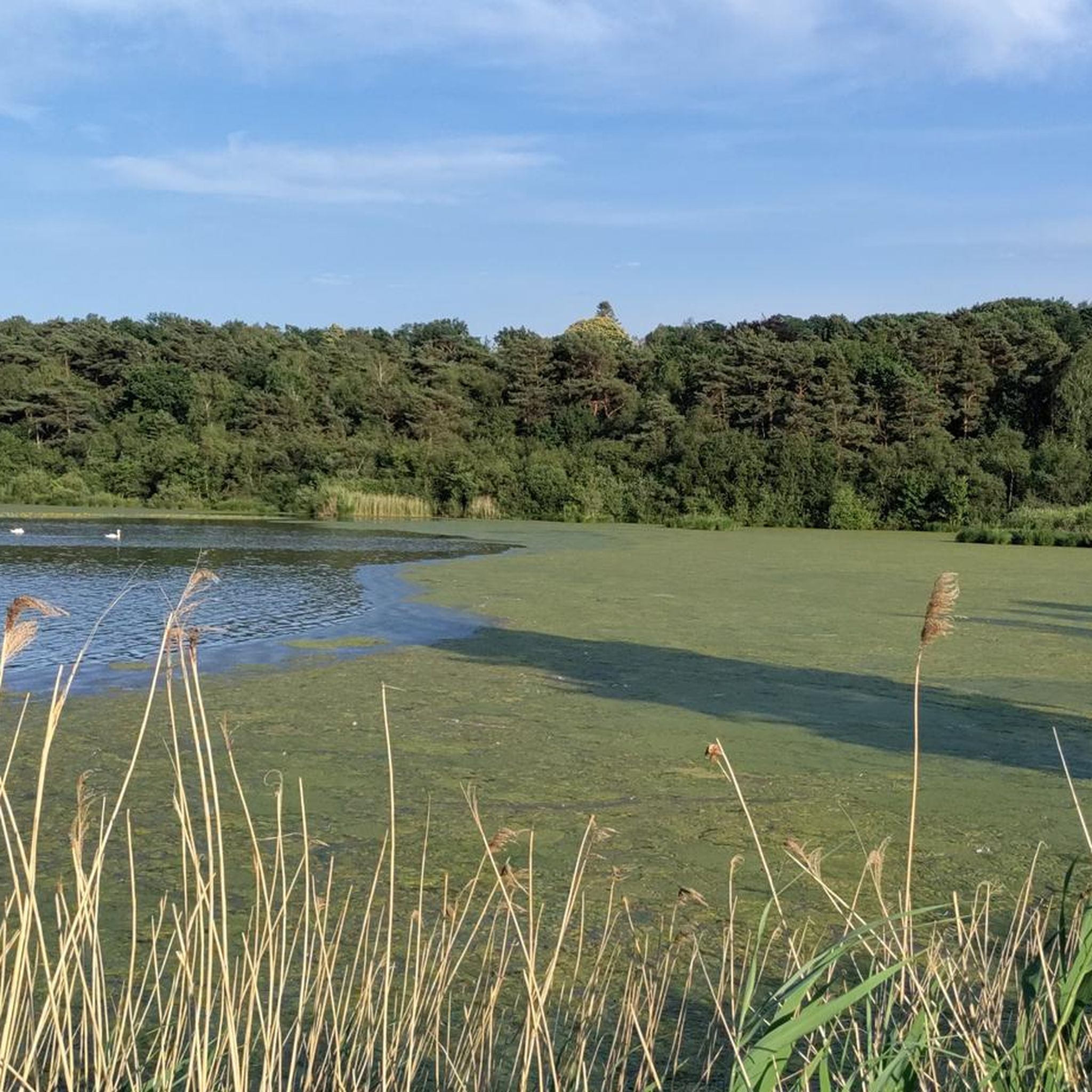
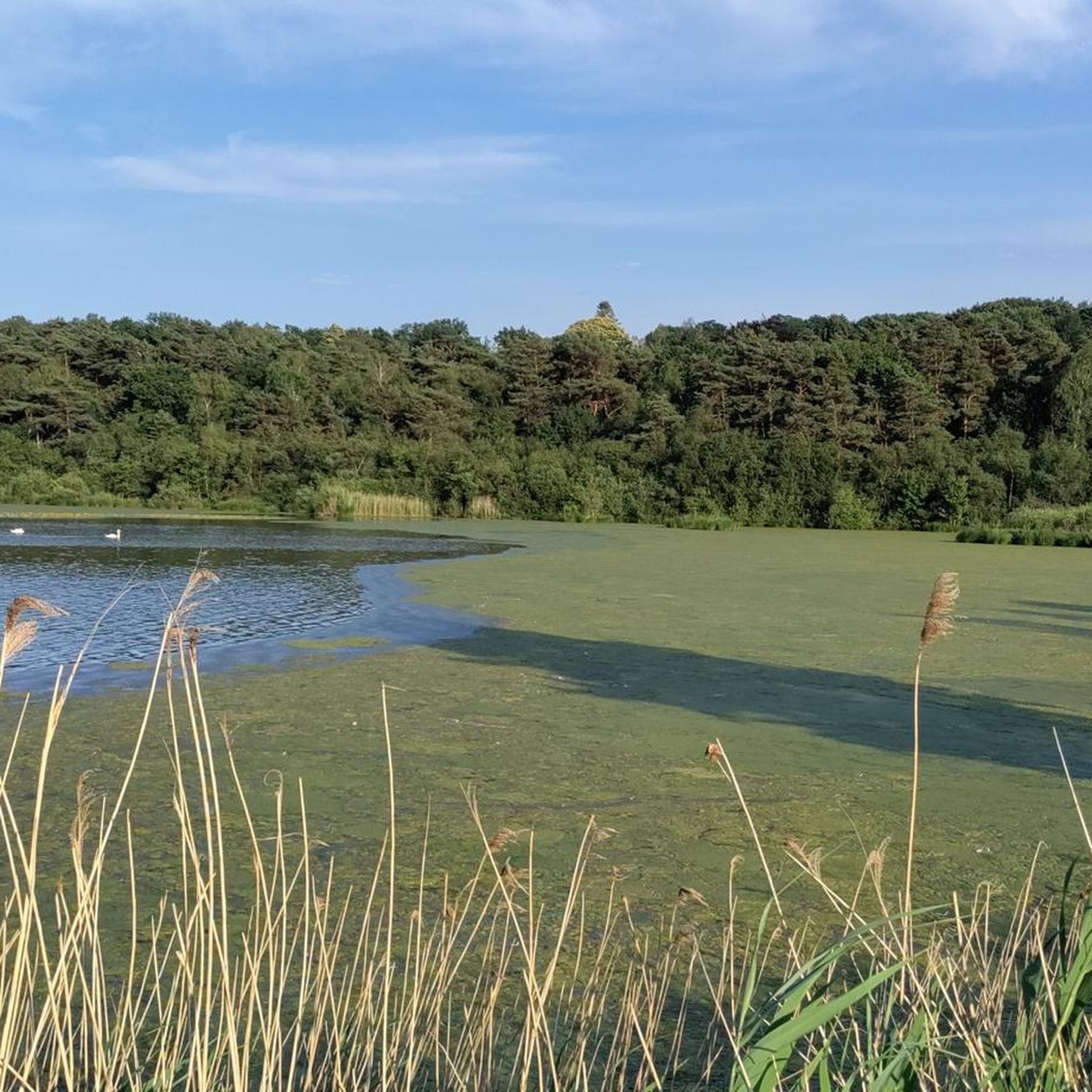
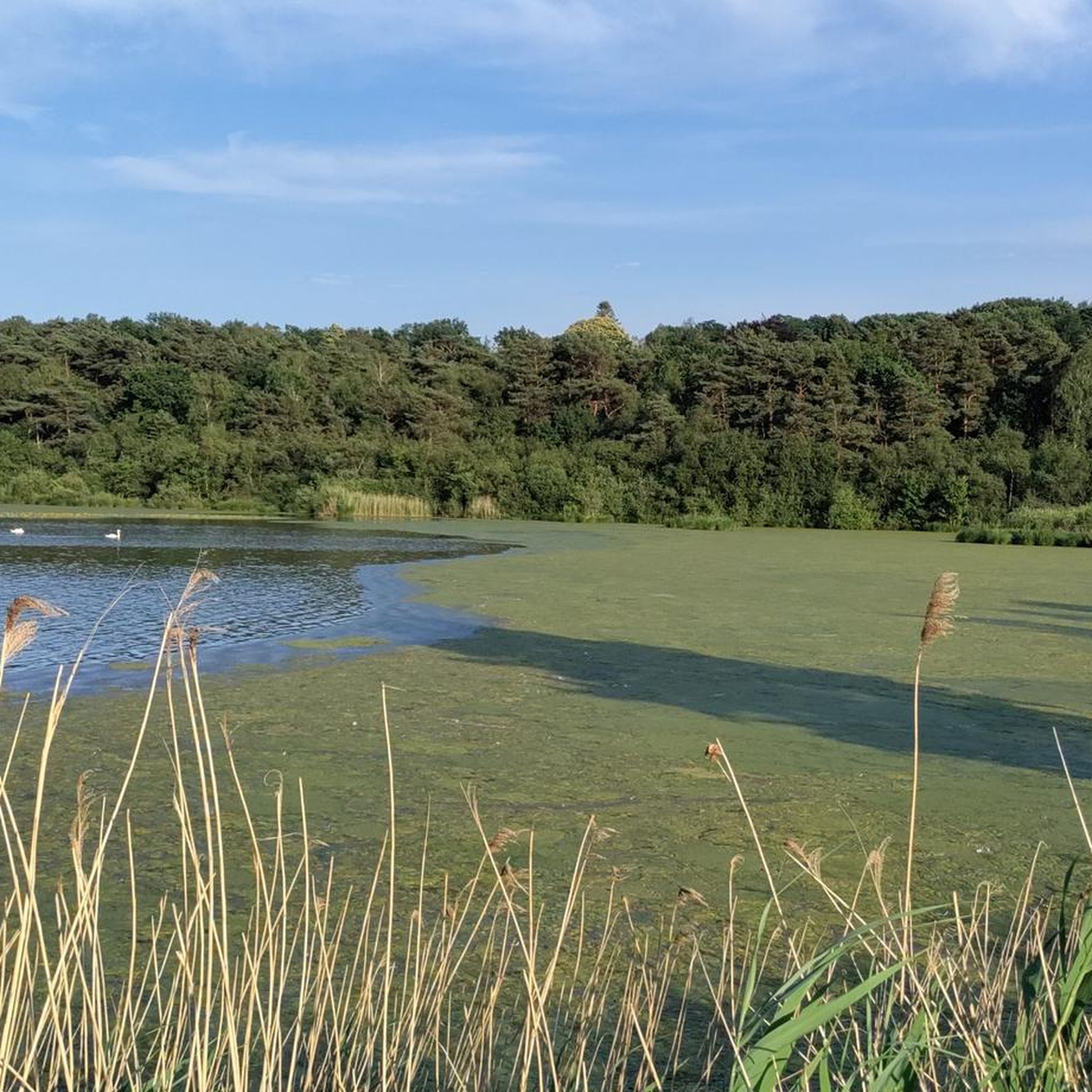
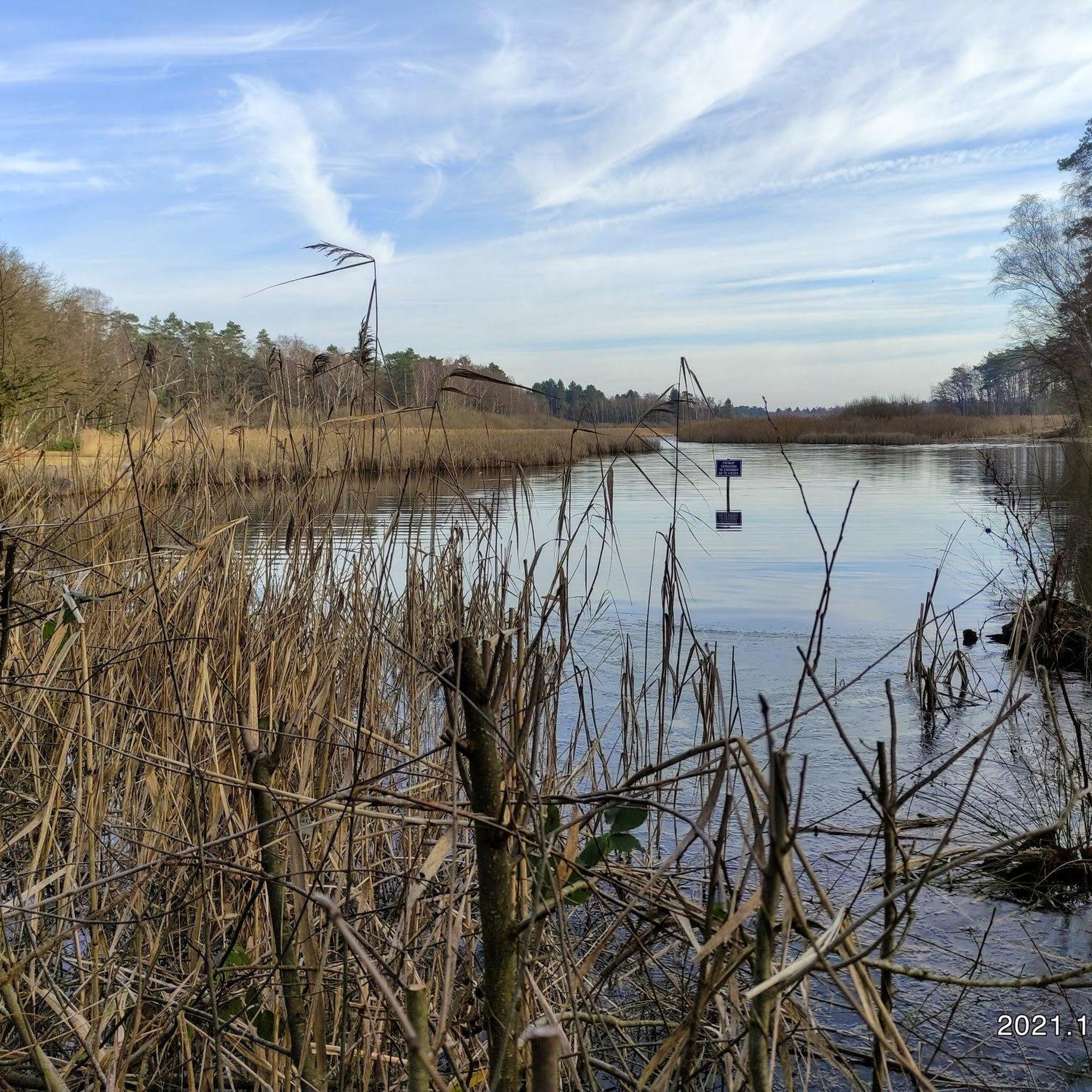
The Teut is an extensive heathland area, which probably owes its name to the Zonhoven dialect word ‘Toot’, which means a point or protruding part. This could refer to the high Teutheuvel that protrudes above the surrounding landscape. The Teut also houses a star spot. However, this is located at the foot of the hill, with a view of a beautiful natural fen. It has not always been like this: in the 1960s this pond was a water sports centre, but that did not last long. Later, people wanted to use the pond for fish farming, but the water turned out to be much too acidic for economically viable fish species. That is why the pond was allowed to evolve into a completely natural fen, which actually also belongs better in this heathland area.
5
2
On the Adventure Mountain you can clamber, climb and discover. Through a forest of 1,600 poles you reach the top of the slag heap via stairs, rope courses, climbing structures, crawl tunnels and walking paths. The path leads you from one viewpoint to the next and offers background information about the history of the coal mine. At the top you can relax on the sunken coal square and enjoy the peace and the view.
4
1

The main entrance to the abbey is located to the south of the complex. It is a late Gothic gatehouse, built in 1531 by order of Abbess Mechtildis of Lechy. There are two storeys under two intersecting slate saddle roofs with a spire with a pear-shaped crowning at the intersection, dated 1531 (coat of arms on the rear facade) and restored in 1907 (architect G. Rypens) and 1973. Inventory of Immovable Heritage: Herkenrode Abbey, https://id.erfgoed.net/erfgoedobjecten/22246
8
0
The Herkenrode abbey site is located in the Demer valley, in a transitional area between the Lage Kempen and Haspengouw, south of the village centre of Stokrooi (Hasselt). It is an extensive historical domain that dates back to the former abbey complex of the Cistercian nuns. To the north of the Demer are the meadows, to the south the old abbey with its appurtenances, the farmyard, the eastern castle park and the other, higher agricultural lands. In addition to unirrigated hay and pasture land, there were also large flood meadows here until the 20th century. The latter were supplied with water via the Tuilterdemer. The abbey was founded in 1182, when Geeraard, Count of Loon, donated his estate Herkenrode to a certain brother Henricus to build a monastery for women. In 1271 the monastic community joined the order of Cîteaux. It became a flourishing enterprise that over the years acquired numerous possessions. The religious purpose came to an end with the departure of the sisters in 1796. At the beginning of the 19th century, the new abbess wing, built in 1768 to the south of the old abbess quarters, was converted into a castle. In the same period, an English garden was laid out on the east side and a front garden on the west side. The 14th-century church burned down in 1826 and was demolished together with the monastery building and the convent buildings in 1843. The buildings and the surrounding grounds formed a single differentiated whole for a long time. Over time, however, they fell into the hands of different owners. In 1972, 11 ha of the former abbey site became the property of the canonesses of the Holy Sepulchre. The property includes the actual remaining abbey buildings with the sisters' quarters, the old abbess quarters, the sacristy, the infirmary, the 18th-century abbess wing and the adjoining landscaped park. Inventory of Immovable Heritage: Herkenrode Abbey Site, https://id.erfgoed.net/erfgoedobjecten/135252
10
0
Frequently Asked Questions
What kind of natural features can I expect to see around Heusden-Zolder?
Heusden-Zolder's natural monuments showcase diverse landscapes. You can find expansive heathlands, significant wetland areas with numerous ponds, and varied forest environments. Specific features include stream valleys, fens, dunes, ancient trees, and serene lakes. For example, De Teut and Tenhaagdoornheide Nature Reserve is known for its heathland, while De Platwijers-Wijvenheide Nature Reserve features extensive fish farming ponds.
Are there family-friendly natural monuments to visit in Heusden-Zolder?
Absolutely. Many natural areas in Heusden-Zolder are suitable for families. The Bovy Domain, part of the Bolderberg area, is described as very child-friendly, offering tailored walks, a cuddle farm, and a large playground. The Picnic area by the pond at De Teut Nature Reserve is also a great spot for a family break.
When is the best time to visit the natural monuments in Heusden-Zolder?
The natural monuments around Heusden-Zolder can be enjoyed year-round, with each season offering a different experience. Spring and summer are ideal for lush greenery and vibrant birdlife, especially in wetland areas like De Platwijers-Wijvenheide. Autumn brings beautiful colors to the forests, while winter offers tranquil, crisp walks. The heathlands of De Teut are particularly stunning when the heather is in bloom during late summer.
What outdoor activities can I do near these natural monuments?
The region is excellent for various outdoor activities. You can enjoy extensive hiking and walking trails through heathlands, forests, and along ponds. Cycling is also very popular, with routes like the De Teut Cycleway. For more adventurous options, there are mountain biking trails, including those around the Adventure Hill and be‑MINE spoil tip. You can find more inspiration for road cycling, MTB, and running routes on the respective guide pages, such as Road Cycling Routes around Heusden-Zolder or MTB Trails around Heusden-Zolder.
What kind of wildlife can I expect to see in the natural monuments?
The natural monuments in Heusden-Zolder are rich in wildlife, especially birdlife. De Platwijers-Wijvenheide Nature Reserve is particularly renowned for its abundant bird species, making it a prime spot for birdwatching. The diverse ecosystems, from heathlands to wetlands and forests, support a variety of local flora and fauna.
Are there any historical sites integrated with the natural monuments?
Yes, the region beautifully blends natural beauty with historical significance. The Herkenrode Abbey Site, for instance, is an over 800-year-old former Cistercian women's abbey with restored historic buildings and a surrounding nature reserve that includes a botanical garden. Terlaemen Woods also features trails winding past historic landmarks like Terlaemen Castle.
Is parking available at these natural monuments?
While specific parking details for every location are not always listed, many popular natural areas like the Bovy Domain, which serves as a starting point for exploring the Bolderberg area, typically offer parking facilities. For larger reserves such as De Teut, designated parking areas are usually available for visitors accessing the trails and picnic spots.
How can I reach these natural monuments by public transport?
Public transport options to specific natural monuments can vary. For detailed information on bus routes and schedules to areas like Heusden-Zolder, it's advisable to check local public transport websites or use journey planners. Some areas might require a combination of public transport and a short walk or bike ride to reach the heart of the reserve.
Can I bring my dog to the natural monuments?
Many natural areas in Heusden-Zolder are dog-friendly, especially for walks on designated paths. However, it's always recommended to keep dogs on a leash to protect local wildlife and ensure the comfort of other visitors. Specific rules may apply in certain sensitive nature reserves, so checking local signage upon arrival is a good practice.
Are there places to eat or drink near the natural monuments?
Yes, you can often find cafes or restaurants in the vicinity of the larger natural monuments or in nearby towns. The Bovy Domain, for example, is a family-friendly area that might offer refreshment options. For a relaxing break, the Picnic area by the pond at De Teut Nature Reserve provides a scenic spot for your own packed lunch.
Are there any viewpoints offering panoramic views?
Yes, the Bolderberg hill in Heusden-Zolder offers soothing views of the ponds and Terlaemen Castle from its summit. Additionally, the Adventure Hill and be‑MINE spoil tip provides breathtaking views of the surrounding landscape and relics of mining history from its elevated position.
How much time should I allocate for a visit to these natural monuments?
The time needed for a visit can vary greatly depending on the natural monument and your planned activities. For a quick stroll or picnic, 1-2 hours might suffice. For more extensive exploration, such as hiking or cycling through large reserves like De Teut or De Platwijers-Wijvenheide, you could easily spend half a day or even a full day. Consider the size of the area and the length of the trails you wish to explore.
Most popular routes around Heusden-Zolder
Most popular attractions around Heusden-Zolder

Get inspired with the komoot mobile app


Explore more
Extend your search for the best caves by checking out these guides of the top ones around Heusden-Zolder:
