Top 20 Natural Monuments around Dilbeek
Best natural monuments around Dilbeek are found in the Belgian province of Flemish Brabant, offering diverse natural areas. The region features a varied landscape with forests, moor meadows, grasslands, and unique geological formations. These natural spaces provide opportunities for outdoor activities and appreciating ecological diversity. Dilbeek's natural monuments are characterized by their rich biodiversity and well-maintained infrastructure for exploration.
Best natural monuments around Dilbeek
- The most popular natural monuments is Hollow Way in Neigembos, a trail that is a…
Last updated: May 17, 2026
Hollow Way in Neigembos
Highlight • Trail
Translated by Google •
Tip by

Kravaalbos Forest
Highlight • Forest
Translated by Google •
Tip by
Sign up now to discover places like this
Get recommendations on the best single tracks, peaks, & plenty of other exciting outdoor places.
Sign up for free
Highest point of Neigembos
Highlight • Summit
Translated by Google •
Tip by

Mont des Arts Garden
Highlight • Viewpoint
Translated by Google •
Tip by

Wolfsputten Nature Reserve
Highlight • Natural
Translated by Google •
Tip by

Sign up for free to discover even more natural monuments around Dilbeek.
Sign up for free
Already have an account?
Start today with a free account
Your next adventure awaits.
Login or Signup



Tips from the Community

I recommend this route without hesitation, it is a beautiful forest, I just visited it a few weeks ago and was amazed; in full growth stage of the hyacinths or bluebells. A must-see destination in Brussels.
0
0

The area offers a rich variety of habitats: you'll walk through forests, grasslands, scrubland, and fields with varying degrees of moisture and nutrient richness. The calcareous springs in the south of the area foster a very specific flora in the central stream valley. Along the way, you'll encounter wild garlic, water plantain, wood anemones, and bracken, among other plants. (Visit Dilbeek)
10
0

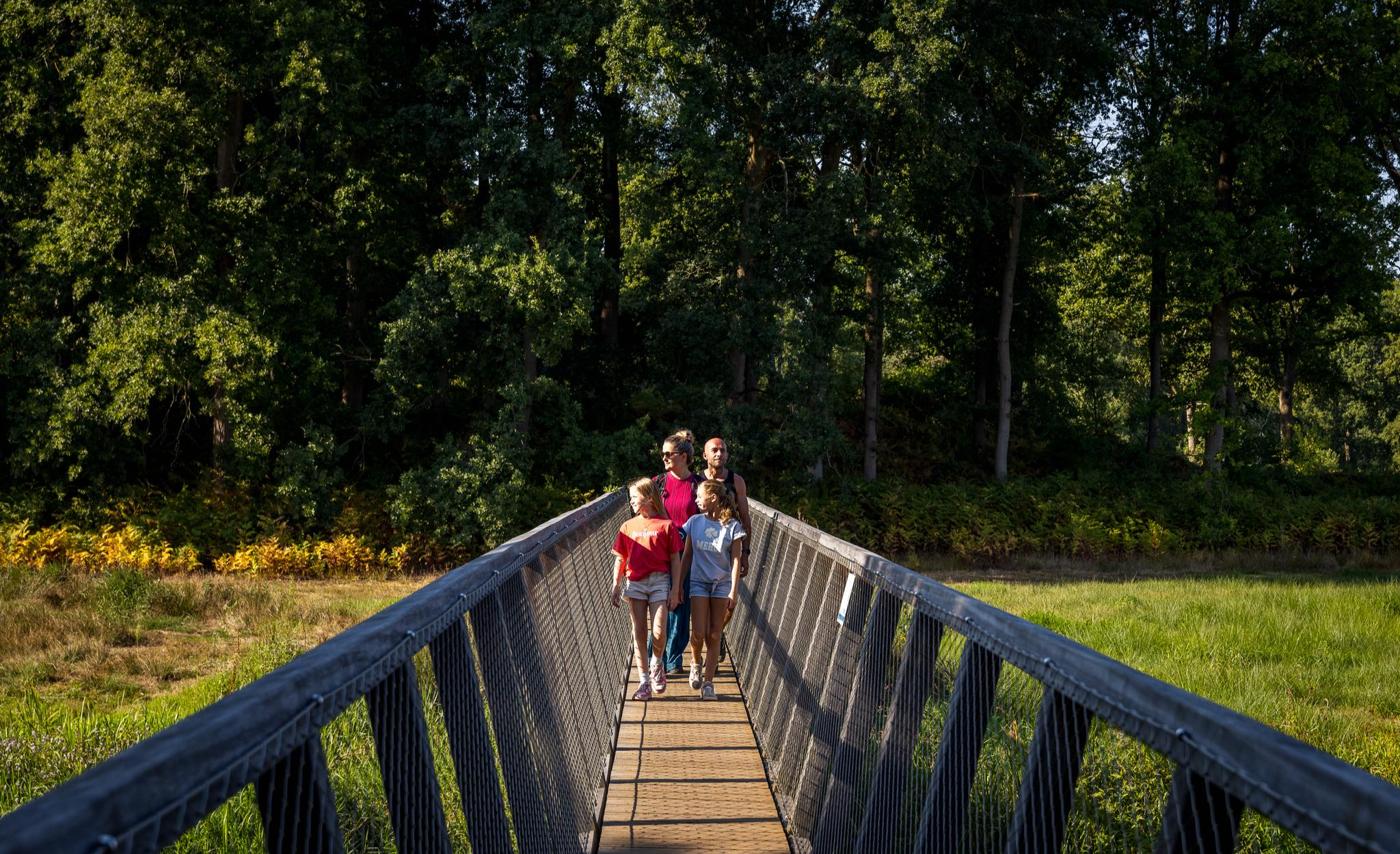
A 90-hectare gem in the Green Belt, just a stone's throw from Brussels. This nature reserve is known for its rich terrain, with beautiful spring flora alternating between dry and marshy areas. Restored and newly constructed boardwalks—a total of approximately 370 meters—guide you comfortably through the valley without damaging the fragile, wetlands. The highlight of Wolfsputten is undoubtedly the new viewing platform, a popular stop or selfie spot. Want to know more? Click through to https://www.natuurenbos.be/natuurgebieden/wolfsputten
7
0

The Wolfsputten form a varied nature reserve with ravine forests, calcareous spring streams and rare flora such as wild garlic, orchids and giant horsetail. In this rolling landscape you walk along old sandstone quarries and deeply cut stream valleys that once provided the building materials for churches and town halls in Brussels, Ghent and Leuven. With more than 300 plant species and dozens of birds and mammals, this is one of Flanders' most biodiverse places.
4
0
beautiful views, easy country roads, extension possible in the Kravaal forest
3
1

A sunken road is a road that is so deeply worn that it lies between two slopes. It is the result of centuries of use and erosion. The most beautiful sunken roads can be found especially in hilly areas with a subsoil that easily forms steep walls, such as in Haspengouw and Hageland.
2
0
Beautiful, quiet forest. Some very muddy passages due to the persistent rain of the last months.
4
0

Varied forest, beautiful paths that can sometimes be muddy. Furthermore, the forest feels rather wild, fallen trees are only removed on narrower paths if the passage is too much hindered. Much attention is also paid to ensuring that the permanent forest inhabitants can do their thing as undisturbed as possible.
6
0
Frequently Asked Questions
What are the most notable natural monuments to visit in Dilbeek?
Dilbeek offers several significant natural monuments. The Wolfsputten Nature Reserve is a 90-hectare area known for its diverse biotopes and rich biodiversity. Other notable sites include the Hollow Way in Neigembos, a unique trail formed by centuries of erosion, and the Kravaalbos Forest, an ancient woodland remnant of the former Coal Forest.
What kind of wildlife and plant species can I expect to see in Dilbeek's natural monuments?
The natural monuments in Dilbeek are rich in biodiversity. For instance, the Wolfsputten Nature Reserve is home to 335 plant species, 76 bird species, 37 snail species, and 16 mammal species. You might spot wild garlic, wild daffodils, bluebells, and various birds like the great spotted woodpecker or tawny owl, especially in areas with calcareous springs.
Are there family-friendly natural monuments or activities in Dilbeek?
Yes, many natural monuments in Dilbeek are suitable for families. The Wolfsputten Nature Reserve features well-maintained boardwalks and small paths, making it easy to explore with children. The Park van Dilbeek also offers a blend of natural beauty and open spaces for relaxation. While the Mont des Arts Garden is in Brussels, it is listed as family-friendly and offers panoramic views.
What are the best times to visit Dilbeek's natural monuments for seasonal beauty?
Spring is particularly beautiful when wildflowers like bluebells and wild garlic carpet the forest floors, especially in areas like the Kravaalbos Forest and Neigembos. Autumn also offers stunning colors in the woodlands. The diverse biotopes ensure there's something to appreciate year-round, even in winter for peaceful walks.
Are there hiking trails available near the natural monuments in Dilbeek?
Yes, Dilbeek offers numerous hiking opportunities. For example, you can find easy trails like the "Wolfsputten Nature Reserve – Pathway Through the Trees loop from Dilbeek" or the "Wooden Boardwalk – Wolfsputten Nature Reserve loop from Groot-Bijgaarden." You can explore more options on the Hiking around Dilbeek guide.
Can I bring my dog to the natural monuments in Dilbeek?
Many natural areas in Dilbeek are dog-friendly. The Wolfsputten Nature Reserve is specifically noted as dog-friendly, allowing you to enjoy walks with your canine companion. Always ensure dogs are kept on a leash and follow local regulations.
What kind of cycling routes are available near Dilbeek's natural monuments?
Dilbeek provides various cycling routes that pass through or near its natural monuments. You can find moderate to difficult routes like the "Castle de Viron – Girardin Brewery loop from Schepdaal" or the "Pede Watermill – Countryside Road Near Gaasbeek loop from Groot-Bijgaarden." Discover more routes in the Cycling around Dilbeek guide.
How can I reach the Wolfsputten Nature Reserve by public transport or car?
The Wolfsputten Nature Reserve is accessible. While specific public transport routes can vary, Dilbeek's public transport network connects to its natural areas. For drivers, parking is generally available near the main entrances to nature reserves. For detailed public transport information, it's best to check local bus routes to areas like the Cultural Centre Westrand in Dilbeek.
Are there any viewpoints or scenic spots within Dilbeek's natural monuments?
Yes, the Wolfsputten Nature Reserve features a new viewing platform (belvedere) that offers extensive views of a section of the reserve. Additionally, the Highest point of Neigembos provides a viewpoint to enjoy the natural beauty of the forest.
What are the historical aspects associated with Dilbeek's natural monuments?
Many of Dilbeek's natural monuments have historical significance. The Hollow Way in Neigembos is a testament to centuries of erosion from human and cart traffic. The Kravaalbos Forest is a remnant of the ancient Coal Forest, a vast woodland mentioned by Julius Caesar. These areas offer a glimpse into the region's past landscape and human interaction with it.
Are there other nature reserves in Dilbeek besides Wolfsputten?
Beyond the prominent Wolfsputten, Dilbeek is home to several other nature reserves and forests. These include Ter Pede, Thaborberg, Herdebeekbos, Wereweide, Ter Planken, and IJsbos, all contributing to the municipality's green character and offering additional opportunities for outdoor activities and nature appreciation. You can find more information on Dilbeek's nature areas at visit-dilbeek.be.
What kind of terrain can I expect when walking through Dilbeek's natural monuments?
The terrain varies significantly across Dilbeek's natural monuments. In areas like the Wolfsputten Nature Reserve, you'll find a mix of ravine forests, grasslands, and wetlands, with boardwalks in marshy areas. The Kravaalbos Forest offers varied paths that can sometimes be muddy, reflecting its wilder character. Neigembos features height differences and deep sunken roads.
Most popular routes around Dilbeek
Most popular attractions around Dilbeek

Get inspired with the komoot mobile app


Explore more
Extend your search for the best caves by checking out these guides of the top ones around Dilbeek:
