Top 20 Natural Monuments around Zemst
Natural monuments around Zemst offer diverse landscapes and serene environments. The municipality, located in Belgium, features significant natural areas like the Bos van Aa and Vriezenbroek, known for their rich biodiversity. These areas provide opportunities to explore ancient woodlands, wet meadows, and riverine landscapes. Zemst is actively developing new green spaces, enhancing its appeal for nature enthusiasts.
Best natural monuments around Zemst
- The most popular natural monuments is Mispeldonk Nature Reserve, a nature reserve that originated on a higher…
Last updated: May 17, 2026
Antitank Canal Haacht
Highlight • Structure
Translated by Google •
Tip by

Mispeldonk Nature Reserve
Highlight • Natural
Translated by Google •
Tip by

Sign up now to discover places like this
Get recommendations on the best single tracks, peaks, & plenty of other exciting outdoor places.
Sign up for free
Confluence of the Dijle and Nete = Rupel
Highlight • River
Translated by Google •
Tip by
Meise Botanic Garden
Highlight • Natural
Translated by Google •
Tip by

The Putten van Lacourt
Highlight • Lake
Translated by Google •
Tip by
Sign up for free to discover even more natural monuments around Zemst.
Sign up for free
Already have an account?
Start today with a free account
Your next adventure awaits.
Login or Signup

Tips from the Community

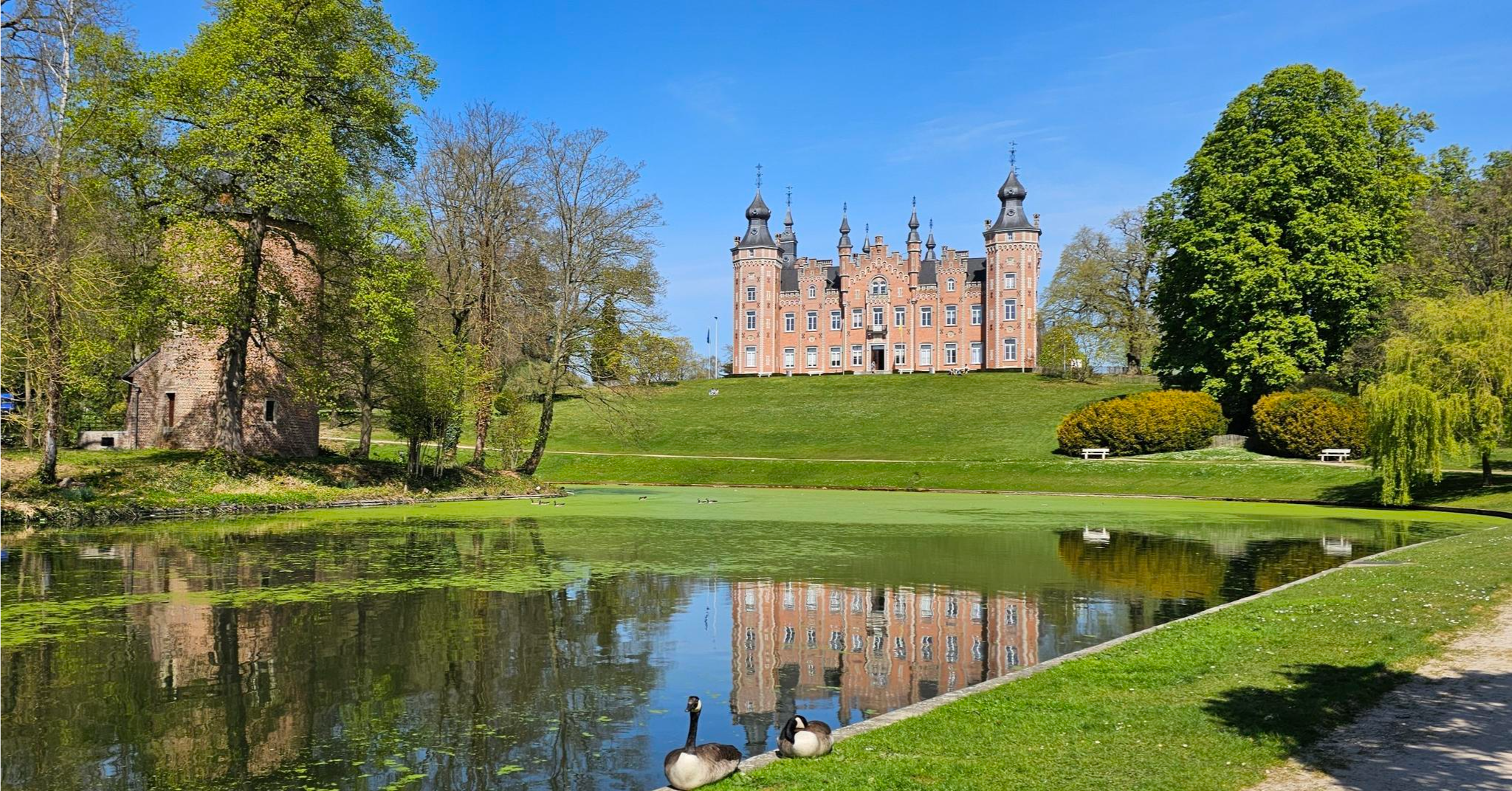
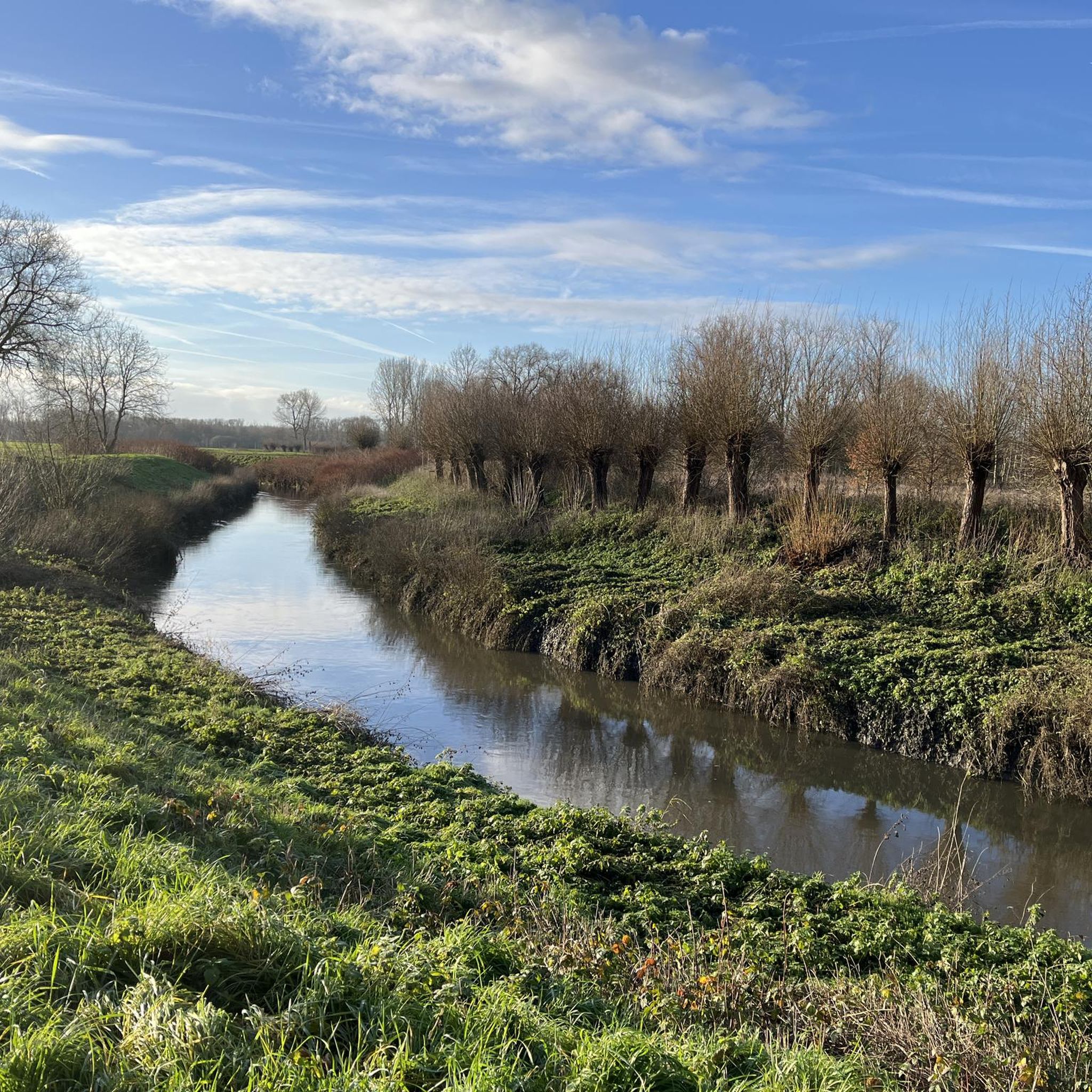
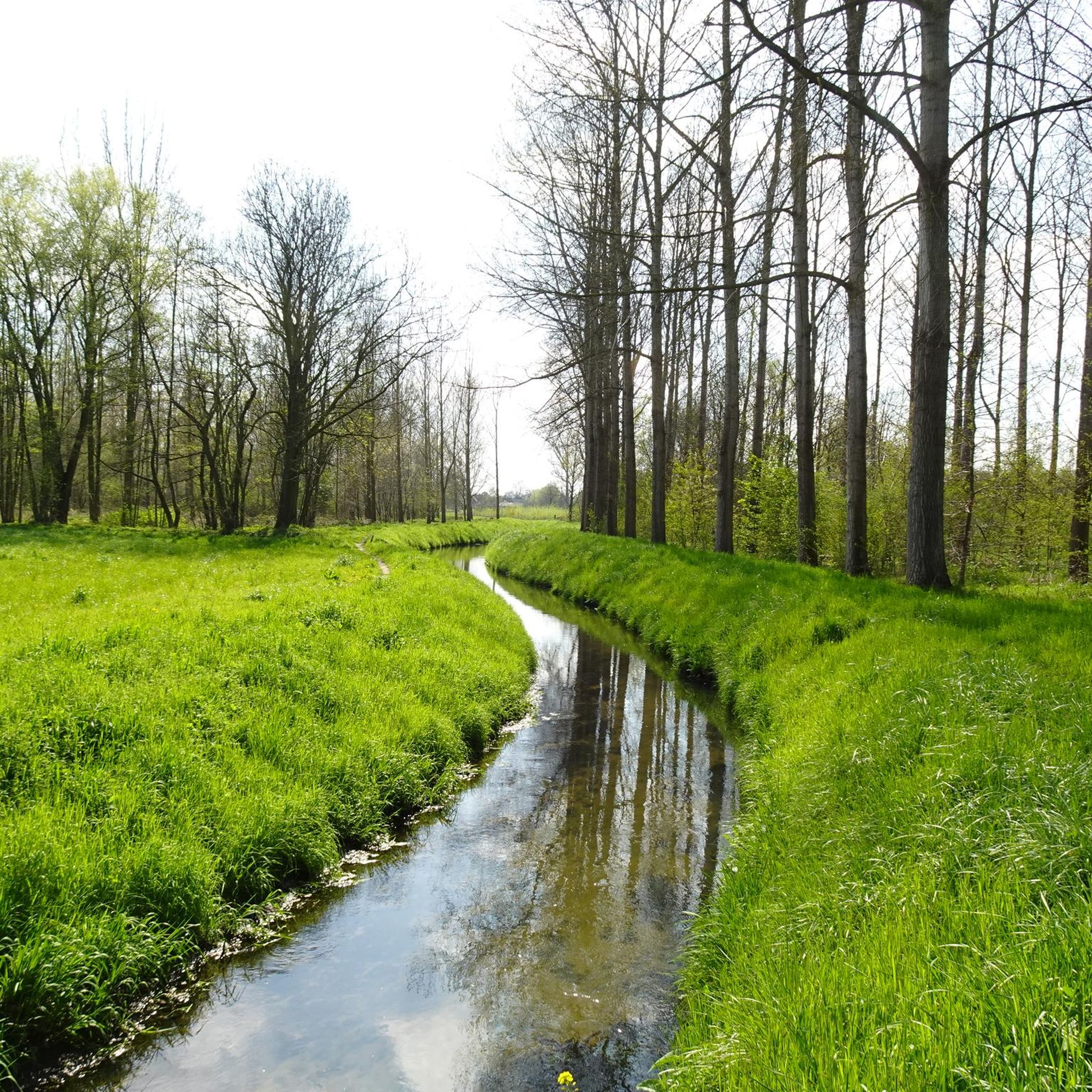
Mispeldonk Nature Reserve is a beautiful and valuable nature reserve in Bonheiden, located in the province of Antwerp. The area is known for its unique ecosystems, rich biodiversity and the natural beauty of the landscape. Here are some key points about Mispeldonk: Location and Size Mispeldonk is located between Bonheiden and the nearby municipality of Rijmenam, along the banks of the Dijle. The area is part of the larger Dijle landscape, which is known for its wet meadows, meandering waterways and rich flora and fauna. Mispeldonk covers approximately 50 hectares and consists of a mix of marshlands, meadows, forests and ponds. Ecological Importance Mispeldonk is a protected nature reserve because of its special ecological value. The area has a typical structure of a flood plain of the Dijle, which makes it an important habitat for many plant and animal species: • Flora: Various rare and protected plant species grow in the area, such as marsh marigolds, cuckoo flowers and water violets. The wet grasslands and marshes provide unique vegetation that is less common elsewhere in the region. • Fauna: Mispeldonk is an important habitat for birds such as the bluethroat, water rail and reed warbler. Amphibians such as the crested newt and the green frog can also be found there. Furthermore, the area is rich in insects, including butterflies and dragonflies, that thrive in the moist environment. Water management The nature reserve plays an important role in local water management. It is located in a flood-prone area along the Dijle and functions as a natural buffer against flooding. In the event of high water levels, the area can collect water and thus help prevent flooding in nearby villages. The nature reserve contributes to the preservation of water quality by filtering and purifying the water through natural processes. Recreation and Experience Mispeldonk is a popular place for nature lovers and hikers. The area is accessible via various hiking trails that lead through the meadows and forests. There are signposted routes that give walkers the chance to explore the diversity of the landscape and enjoy the peace and quiet of nature. Birdwatchers enjoy visiting the area because of the variety of bird species that can be seen, especially during the breeding season and the migratory bird periods. Management and Protection The nature reserve is managed by Natuurpunt, a Belgian organisation that is committed to nature conservation. Natuurpunt carries out management work to protect biodiversity and maintain the landscape. This includes mowing grasslands, removing invasive plant species and maintaining the walking paths. There is collaboration with local farmers for nature-friendly agriculture, whereby meadows are extensively grazed or mowed, so that they remain suitable for meadow birds and rare plants.
7
1


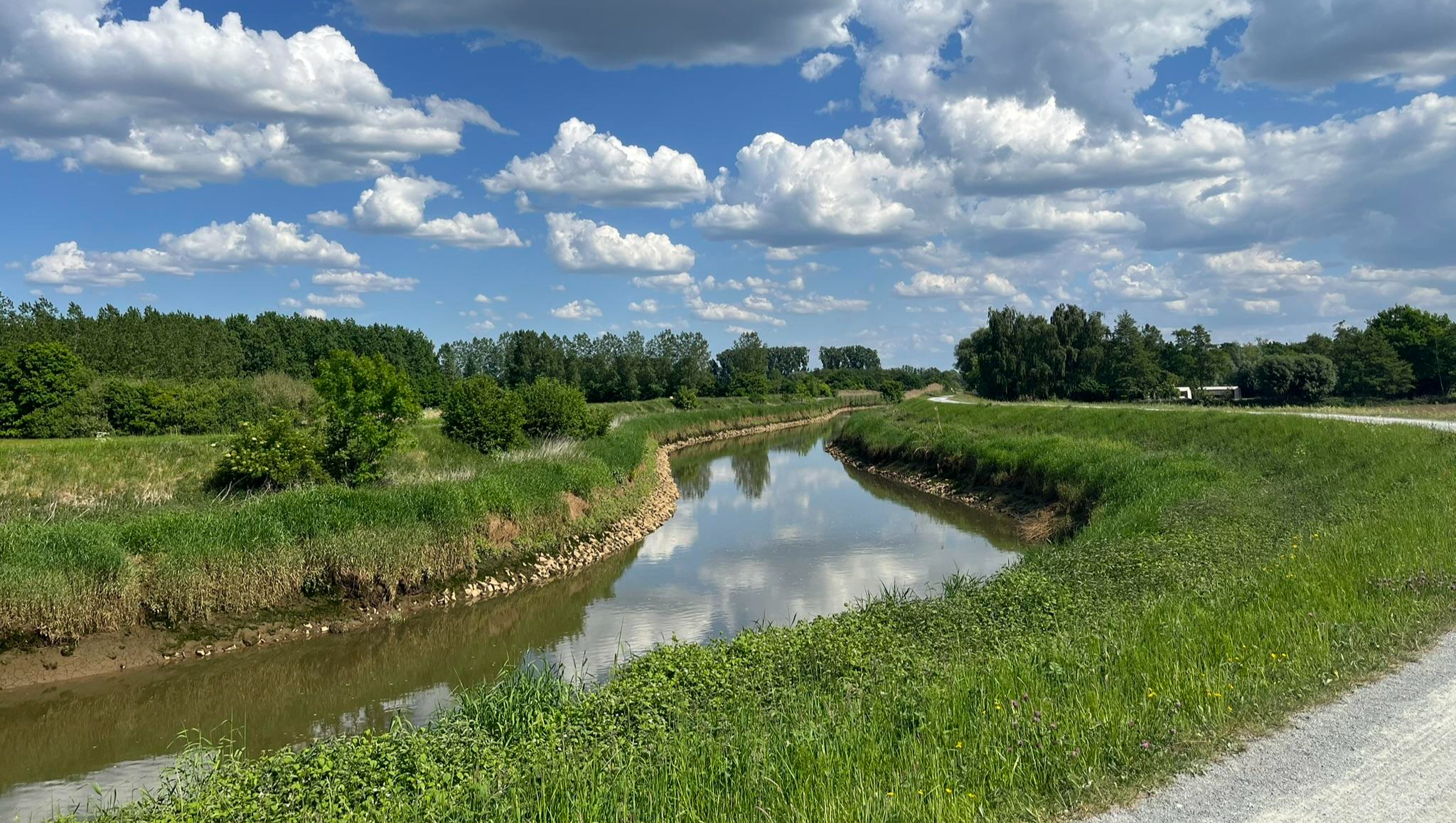
The Haacht Anti-Tank Canal is part of one of the defense lines that were constructed in the run-up to the Second World War against the threatened invasion of the German army. The Antitank Canal is in fact a concrete wall of more than 3 kilometers long and approximately 3 meters high with a moat in front. Today, the wall and moat are still virtually intact and cut through the Haacht landscape.
11
0

Beautiful walking area in nature
3
0

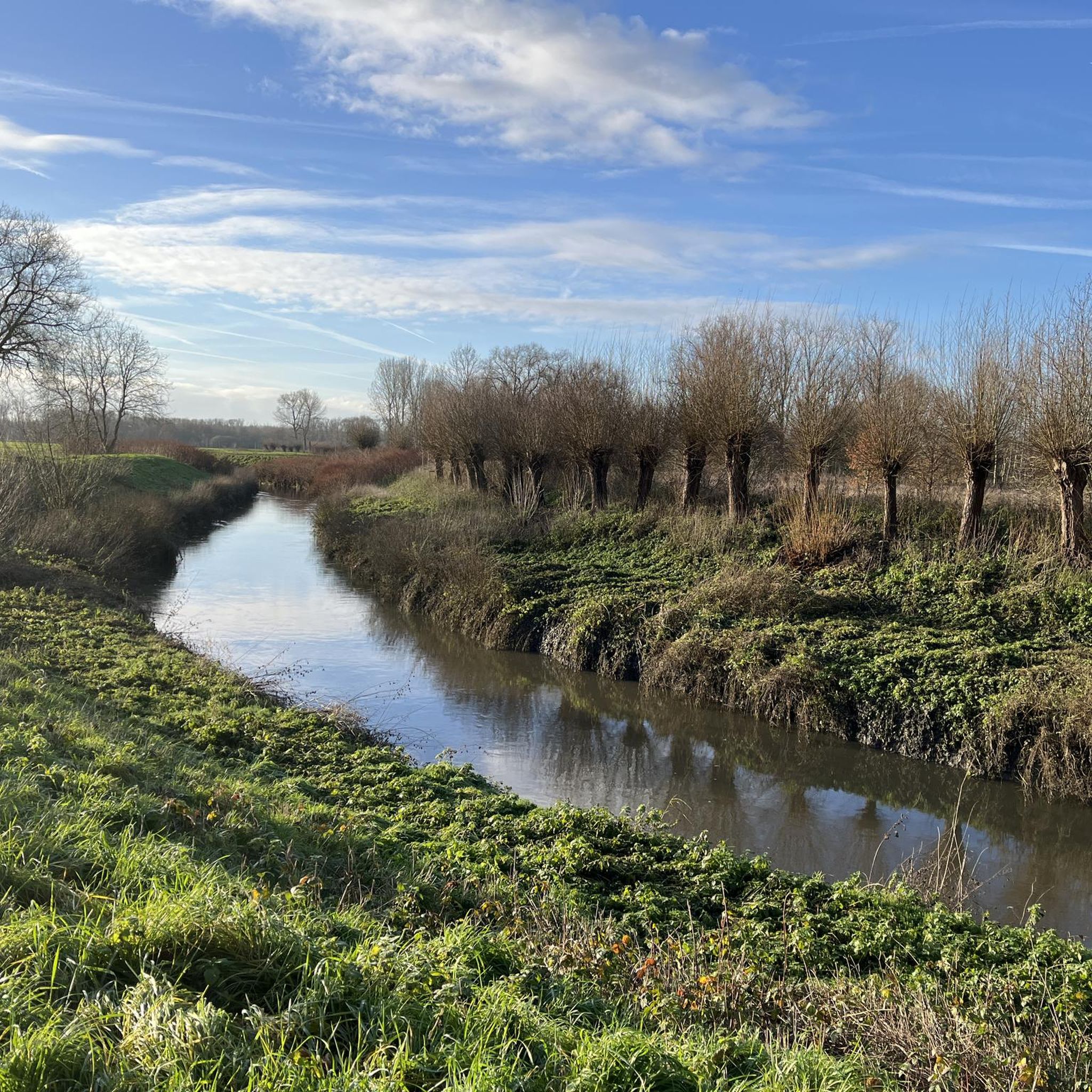
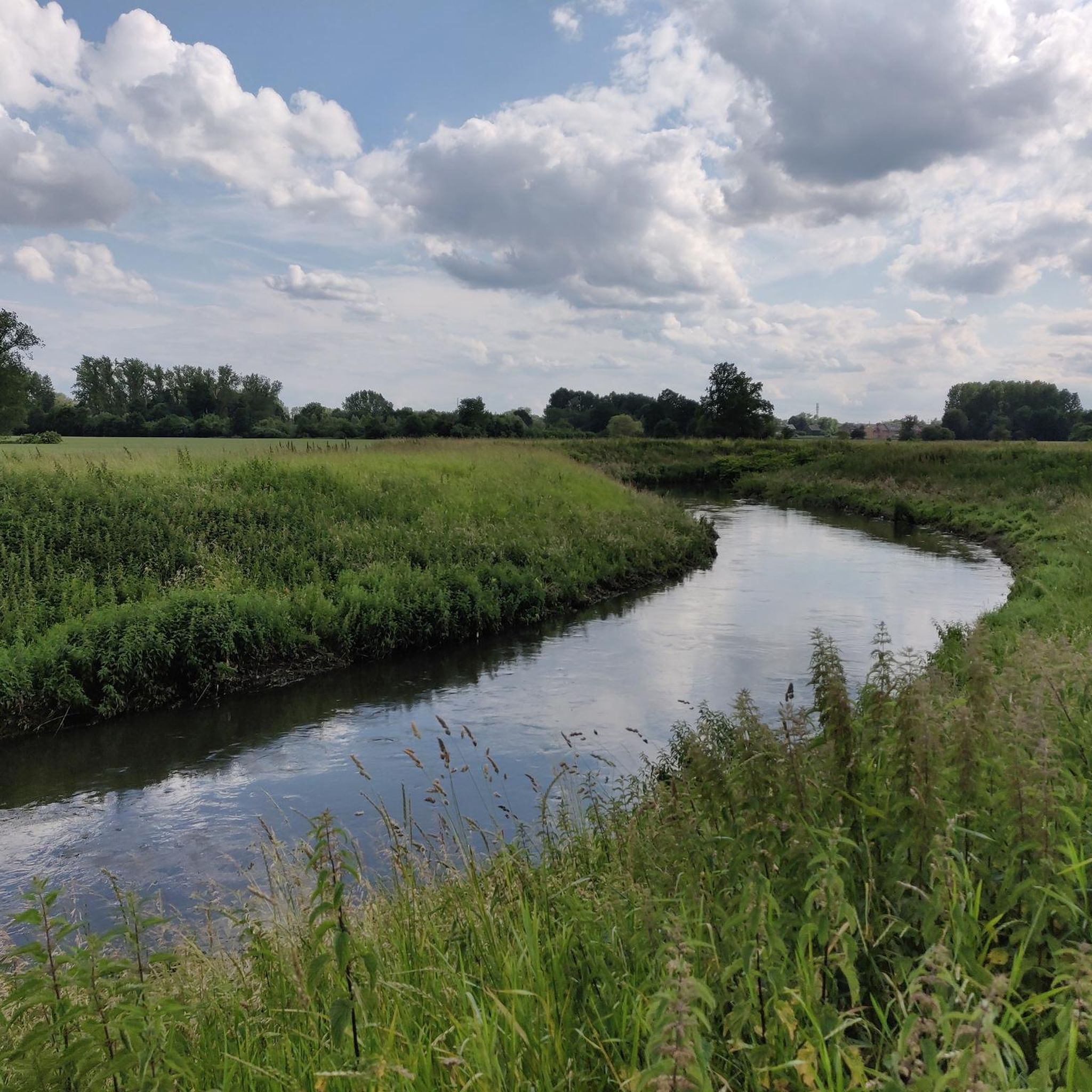
The "Samenvloeiing van Dijle en Nete = Rupel" is a place in Belgium which is located where the rivers Dijle and Nete join to form the river Rupel. It is located in the Flemish region, in the province of Antwerp, in the city of Rumst. This site is known for its natural beauty and for being a meeting point between the waters of the two rivers. The confluence of the rivers creates a striking and fascinating landscape, with large expanses of water joining and mixing. The area around the Samenvloeiing van Dijle en Nete = Rupel also offers opportunities to enjoy the surrounding nature, with scenic trails and green areas that invite for walks and hikes. It's a popular spot with nature lovers and those looking to spend time outdoors.
5
0

Watch out for rainy weather. The paths can be under water.
8
0
Frequently Asked Questions
What are some of the most popular natural monuments to visit around Zemst?
Visitors frequently enjoy the Mispeldonk Nature Reserve, known for its diverse ecosystems and restored heathland. Another favorite is the Confluence of the Dijle and Nete = Rupel, offering scenic views where these rivers merge. The Putten van Lacourt is also popular, especially on weekends, for enjoying the lake surroundings and observing swimming birds.
Are there family-friendly natural monuments in the Zemst area?
Yes, several natural monuments are suitable for families. The Mispeldonk Nature Reserve, the Confluence of the Dijle and Nete = Rupel, and the Zennegat Flood Area are all categorized as family-friendly. Additionally, the Meise Botanic Garden offers a spacious and engaging environment for all ages, with both outdoor areas and greenhouses.
What kind of wildlife can I expect to see in Zemst's natural areas?
Zemst's natural areas are rich in biodiversity. In the Bos van Aa and Kollintenbos, you might spot butterflies, dragonflies, various water birds, waders, deer, kingfishers, small spotted woodpeckers, woodcocks, polecats, and amphibians like salamanders and frogs. The Mispeldonk Nature Reserve is known for insects tied to sandy soil, such as bee and wasp species and sand tiger beetles, as well as kingfishers along the Boeimeerbeek. The Vriezenbroek reserve is home to alpine newts, small newts, frogs, and a variety of wasps and bees in its insect hotels.
Where can I find ancient woodlands or unique plant life in Zemst?
The Kollintenbos, adjacent to the Bos van Aa, is a truly ancient woodland. It boasts remarkable plant richness, including species like wood anemone, slender primrose, and one-berry, which thrive only in forest grounds at least 250 years old. The Meise Botanic Garden also offers a vast collection of diverse plant species, including orchids, rare plants, and ancient cacti and palm trees in its greenhouses.
Are there walking paths in the Bos van Aa and Vriezenbroek, and are they accessible?
The core of the Bos van Aa is generally accessible with a guide, but visitors can walk around its perimeter. The adjacent Kollintenbos, managed by Natuurpunt, provides a permanent and freely accessible walking path. The Vriezenbroek nature reserve is freely accessible year-round for walkers, with well-marked routes including a 1.92 km green walk and a 1.38 km yellow walk. Sturdy boots are recommended for both areas due to potentially wet conditions.
What outdoor activities can I do near the natural monuments around Zemst?
You can enjoy various outdoor activities. For running, there are several trails, including the 'Jaargetijdenlaan Waterway loop from Hofstade' and the 'Great route – Egleghem Pond loop from Weerde'. Cycling enthusiasts can explore routes like the 'New cyclists' bridge – Cycle path along the Zenne loop from Weerde' or 'Cruising along the Zenne, Zemst – Zennegat loop from Hofstade'. Gravel biking options include the 'Kampenhout Lock – Nice and quiet path loop from Hofstade'. You can find more details on these activities in the Running Trails around Zemst, Cycling around Zemst, and Gravel biking around Zemst guides.
What should I wear when visiting the natural monuments, especially in wet conditions?
Given the wet nature of many areas, such as the Kollintenbos and Vriezenbroek, it is highly advisable to wear sturdy walking shoes or boots. The Laarbeek stream often floods the Kollintenbos in winter, and paths in areas like The Putten van Lacourt can be underwater after rain.
Are dogs allowed on trails in Zemst's nature reserves?
Yes, dogs are permitted on a leash in the Vriezenbroek nature reserve, which offers well-marked walking routes. Always ensure your dog is under control and respect local regulations in other natural areas.
What makes the Zennegat Flood Area significant?
The Zennegat Flood Area is one of five controlled flood areas around Mechelen and Willebroek, designed to guarantee safety by acting as a natural buffer against flooding. Beyond its functional role, it's also a valuable natural habitat. Its gullies, mudflats, and salt marshes form an ideal environment for rare plants and animals, offering beautiful views between the Canal Leuven-Mechelen and the Dyle.
What is special about the <a href="https://www.komoot.com/highlight/919387" target="_blank" rel="noopener">Meise Botanic Garden</a>?
The Meise Botanic Garden is one of Europe's largest and most biodiverse botanical gardens, spanning 92 hectares. It features a mix of historic buildings, including a 12th-century castle, and extensive plant collections. Its greenhouses house orchids, rare plants, and ancient cacti and palm trees, providing a vibrant display year-round. The garden also hosts special events, such as winter light installations.
What is the best time to visit Zemst's natural monuments?
The best time to visit depends on your interests. Spring and summer offer lush greenery and active wildlife, particularly butterflies and birds. The Meise Botanic Garden is vibrant year-round, with special winter light installations. However, be prepared for potentially wet conditions, especially in autumn and winter, and wear appropriate footwear.
Are there any viewpoints to enjoy the natural landscapes around Zemst?
Yes, several natural monuments offer excellent viewpoints. The Confluence of the Dijle and Nete = Rupel provides a distinctive landscape view where the rivers meet. The Mispeldonk Nature Reserve and the Zennegat Flood Area also feature scenic spots to observe the natural surroundings.
Most popular attractions around Zemst

Get inspired with the komoot mobile app


Explore more
Extend your search for the best caves by checking out these guides of the top ones around Zemst:
