Top 16 Natural Monuments around Assenede
Best natural monuments around Assenede are found in a municipality in East Flanders, Belgium, characterized by its creek areas and provincial domains. This region offers diverse ecosystems and recreational opportunities. The landscape features a network of creeks, remnants of past sea floods, alongside forests and historical waterways. These areas provide habitats for various wildlife and offer routes for outdoor activities.
Best natural monuments around Assenede
- The most popular natural monuments is Boerekreek, a lake that is the largest creek…
Last updated: June 28, 2026
Boerekreek
Highlight • Lake
Translated by Google •
Tip by

Schouwbroek Castle
Highlight • Castle
Translated by Google •
Tip by

Sign up now to discover places like this
Get recommendations on the best single tracks, peaks, & plenty of other exciting outdoor places.
Sign up for free
Oostpolder Creek
Highlight • Lake
Creek contains brackish water. A creek where the eel feels at home.
Translated by Google •
Tip by

Het Vuil Poelke
Highlight • Natural
Translated by Google •
Tip by
Heidebos
Highlight • Forest
Translated by Google •
Tip by

Sign up for free to discover even more natural monuments around Assenede.
Sign up for free
Already have an account?
Start today with a free account
Your next adventure awaits.
Login or Signup



Tips from the Community

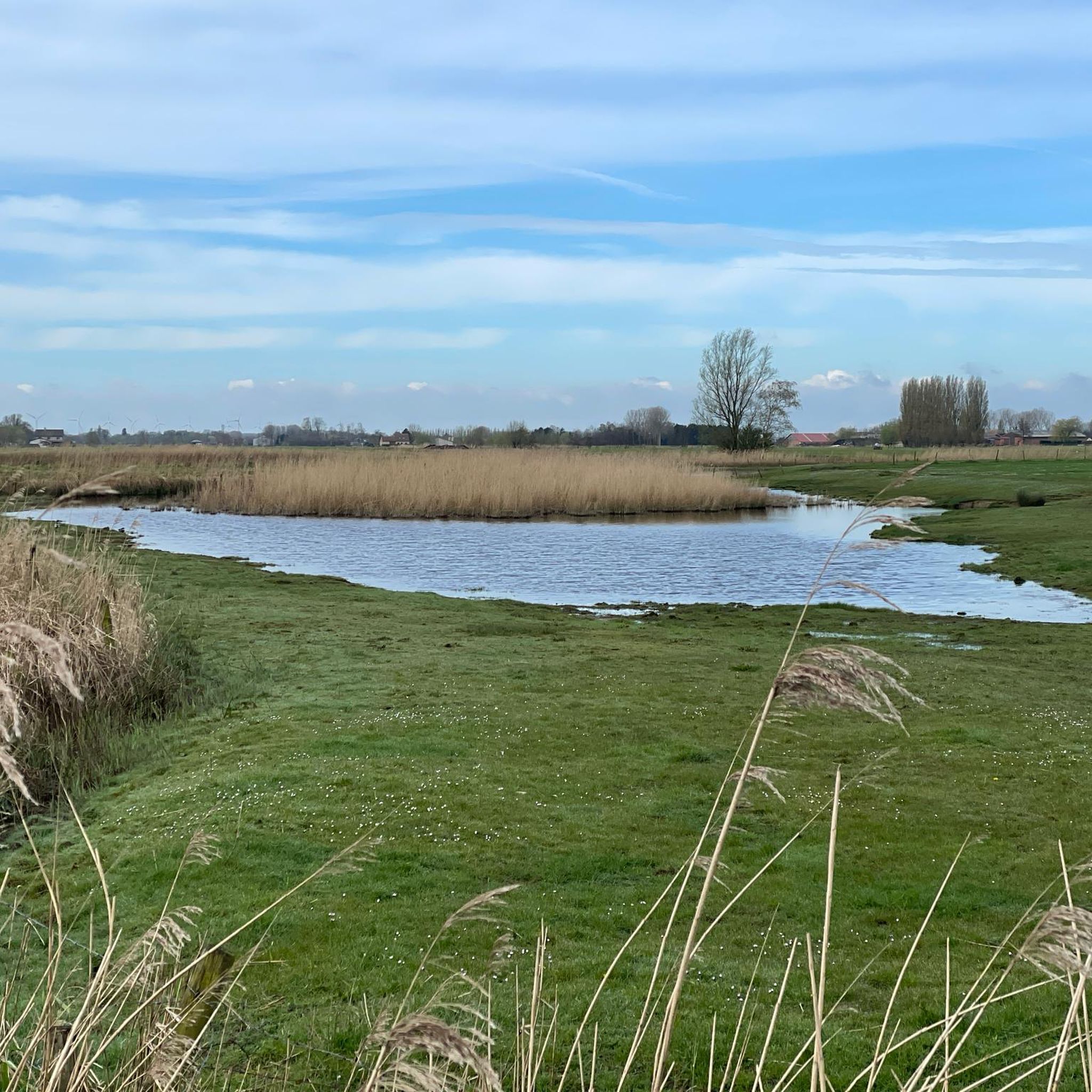
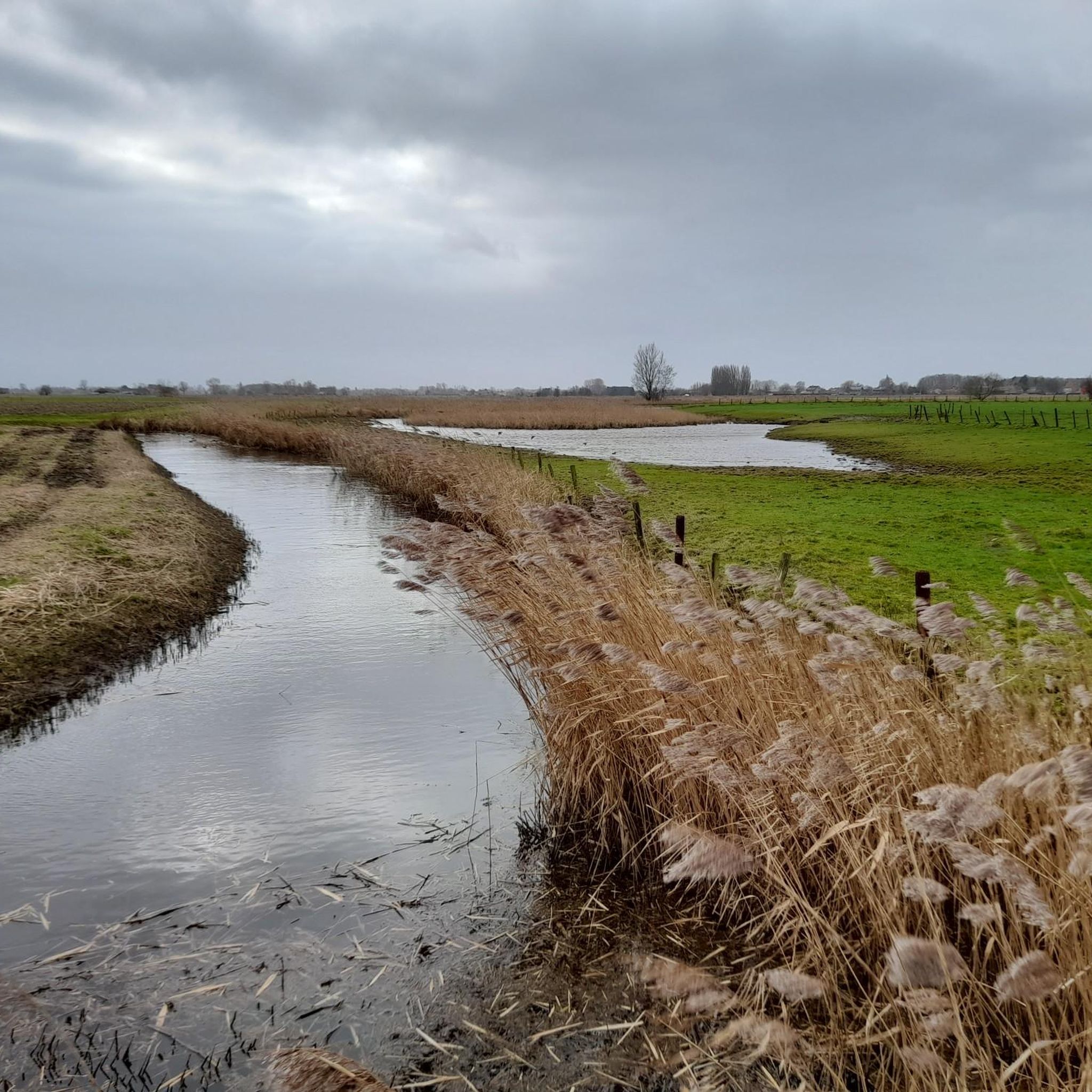
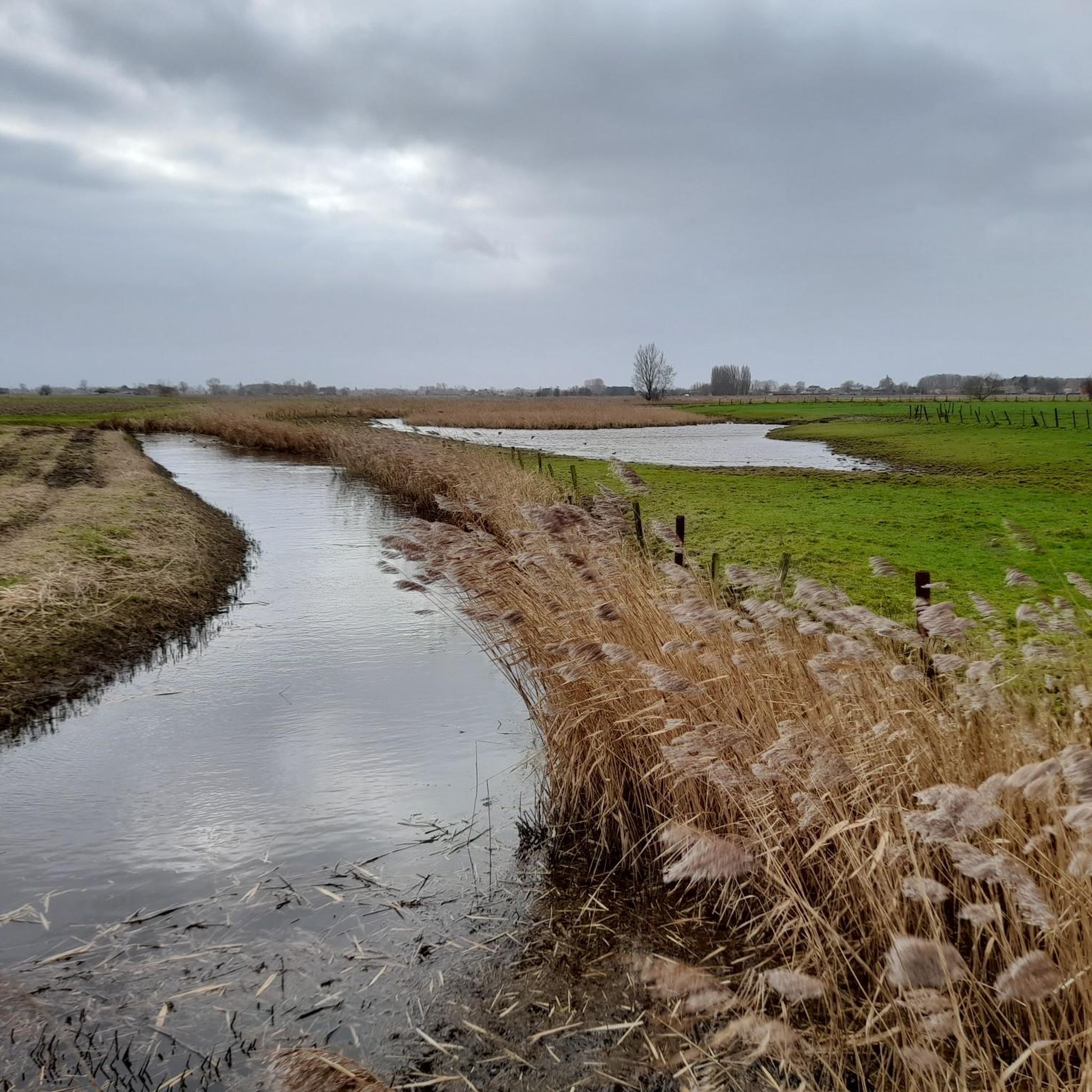
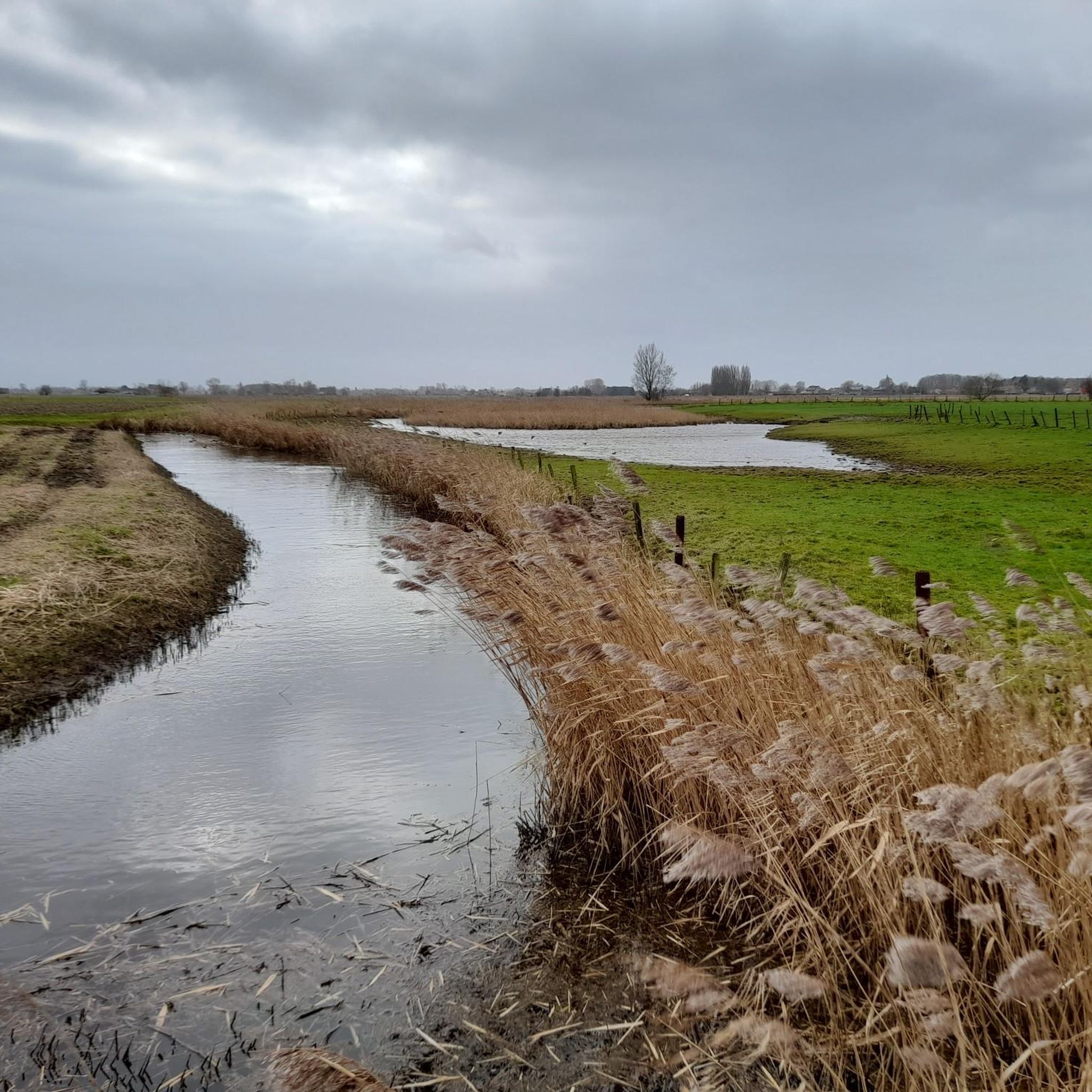
This creek connects to the Boerekreek to the west and to the Oudemanskreek to the east. It contains brackish water. The creek lies directly north of the Leopold Canal. Due to silting, the creek could no longer drain, which caused problems for agriculture. Therefore, around 2000, the drainage to the Leopold Canal on the east side was improved, the creek was also dredged, and the banks were reinstated to the nature reserve. (Wikipedia)
7
0


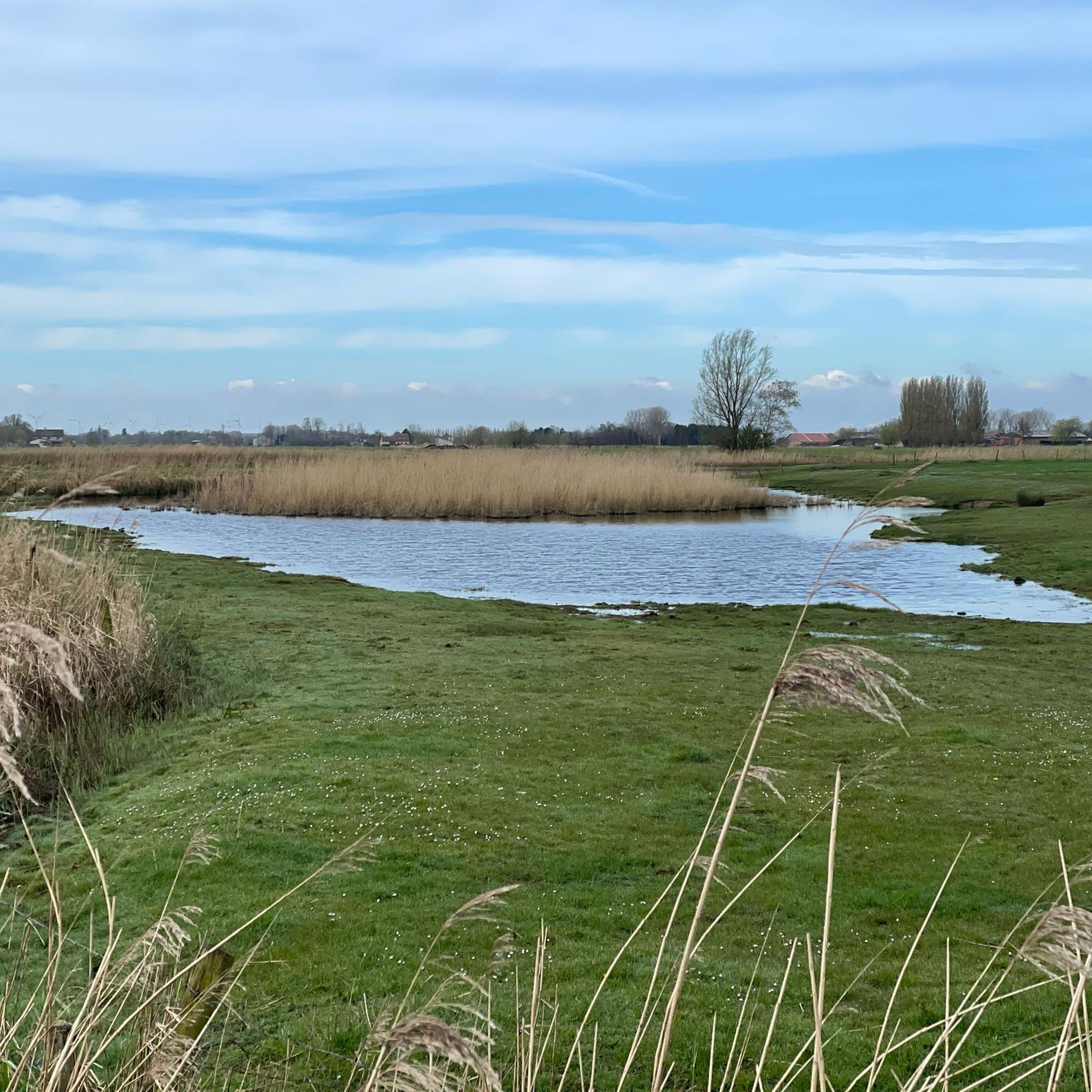
The famous Graaf-Jansdijk once cut through the landscape here, offering protection against storm surges. For years, the area served as arable land, until Natuurpunt converted it into grassland. A flower-rich hay meadow is now developing around the Vuil Poelke, alternating with a flower-rich reed land. You can see a gradual transition from moist to very wet zones. Small landscape elements receive a lot of attention here: around the Vuil Poelke, the natural value of the pollard willows increases year after year. They develop into gnarled old trees, appreciated by everyone. Simply enjoy the historic landscape in restoration. Source: information can be read on site.
6
0
Creek, located next to the elevated roadway to Sint-Jan-in-Eremo. Creek contains brackish water. A creek where the eel feels at home.
8
0


It is a magnificent walking route in which you pass many creeks. Time can be made for a stop along the creeks for a picnic or rest moment with a beautiful view. Recommended!
0
0

The Heidebos is a solid piece of nature on the border of the Meetjesland and the Waasland. The nature reserve offers a surprising range of biotopes from pine forests, birch-oak forests, poor grasslands to - as the name suggests - areas with heather, all of this interspersed with mighty avenues of beech and American oak. However peaceful the forest now looks, the Eighty Years' War raged there in all its fury in the 16th century. Relics in the landscape such as the ramparts of the fort Francipanie and the Parmavaart are reminders of this turbulent period.
1
0

The Heidebos is a sturdy chunk of nature on the border of the Meetjesland and the Waasland. The nature reserve offers a surprising range of biotopes from pine forests, birch-oak forests, barren grasslands to - as the name suggests - areas of scrub heath, all interspersed with mighty avenues of beech and American oak.
6
0
Frequently Asked Questions
What are some of the most popular natural monuments to visit in Assenede?
Visitors frequently enjoy the Boerekreek, the largest creek in the Meetjesland region, known for its diverse birdlife and a 9.5-kilometer yoga path. Another popular spot is Schouwbroek Castle, an eclectic castle set within a beautiful English landscape park featuring monumental chestnut trees. The Oostpolder Creek, with its brackish water and connection to other local creeks, is also a favorite for its wildlife, including eels.
Are there family-friendly natural sites around Assenede?
Yes, several natural monuments are suitable for families. The Boerekreek offers open spaces and a yoga path, while the Oostpolder Creek is great for observing wildlife. For a dedicated children's experience, Speelbos De Slingerij in Oosteeklo is a play forest designed for kids to explore and interact freely with nature. Additionally, Provinciaal Domein Het Leen, a short distance away, features a playground and paved paths suitable for strollers.
What kind of wildlife can I expect to see in Assenede's natural monuments?
Assenede's natural monuments are rich in wildlife. The Asseneedse Krekengebied, including the Rode Geul and Grote Geul, is a sanctuary for various birds, small animals, and rare vegetation. You might spot raptors like the Marsh Harrier. The Boerekreek is a habitat for mallards and white-fronted geese, with buzzards and kestrels hunting on its banks. The Oostpolder Creek is known for eels, and the Heidebos supports a rich diversity of birds, insects, and other forest inhabitants.
What are the best times of year to visit the natural monuments in Assenede?
The natural monuments in Assenede offer beauty year-round. Spring and summer are ideal for observing vibrant flora, especially in areas like the Kleine Kil and around Het Vuil Poelke, which develops into a flower-rich hay meadow. Provinciaal Domein Het Leen is designed to have something in bloom or with colorful fruits throughout the year, thanks to its extensive arboretum. Birdwatching is excellent in the creek areas during migration seasons.
Are there hiking or cycling routes near these natural monuments?
Yes, the region is well-suited for outdoor activities. The Asseneedse Krekengebied provides extensive walking and cycling routes, particularly along the Doornendijkstraat. The historic Schipdonk Canal and Lieve Canal also offer scenic routes for tranquil walks and bike rides. For more structured routes, you can find various running trails, road cycling routes, and gravel biking routes around Assenede.
What unique natural features define the Assenede region?
The Assenede region is primarily defined by its unique creek areas, such as the Asseneedse Krekengebied. These extensive networks of creeks were formed centuries ago by floods and feature a distinctive salt marsh landscape. They are characterized by brackish water, rare salt-loving vegetation, and provide habitats for diverse wildlife. The region also features historical waterways like the Lieve Canal, which is the first canal in Western Europe.
Are there any historical sites or landmarks among the natural monuments?
Yes, the region blends natural beauty with historical significance. Schouwbroek Castle is a notable historical site with an impressive eclectic design and an English landscape park. The Bodemloze Put within the Asseneedse Krekengebied is a historical remnant of a dike breach from 1808. Additionally, the Heidebos contains relics from the Eighty Years' War, such as the ramparts of Fort Francipanie.
What is Provinciaal Domein Het Leen and what does it offer?
Provinciaal Domein Het Leen, located a short distance from Assenede in Eeklo, is a large provincial domain covering 265 to 285 hectares. It features a mix of deciduous and coniferous forests with over 30 kilometers of walking paths, some of which are paved for accessibility. The domain boasts a significant 6-hectare arboretum with extensive collections of trees and shrubs, including a national collection of Camellias. It also has fishing ponds, a forest information center, a playground, and a lookout tower.
Can I find less crowded natural spots in Assenede?
For a more secluded experience, the Rode Geul within the Asseneedse Krekengebied is described as more secluded and less accessible than other creeks, contributing to its unique undisturbed nature. Het Vuil Poelke offers a quiet, historic landscape in recovery, with a flower-rich hay meadow and pollard willows, providing a peaceful retreat.
What types of forests can be explored in the Assenede area?
The Assenede area offers diverse forest environments. The Heidebos is a robust nature reserve featuring a surprising range of biotopes, including pine forests, birch-oak forests, and areas of scrub heath, interspersed with mighty avenues of beech and American oak. Provinciaal Domein Het Leen also provides extensive deciduous and coniferous forests for relaxing walks and cycling.
Are there any natural monuments with unique geological features?
The Asseneedse Krekengebied itself is a significant geological feature, formed by centuries of floods after the retreat of the sea, resulting in a distinctive salt marsh landscape. The Bodemloze Put, a 'bottomless pit,' is a direct geological and historical remnant of a dike breach from 1808, showcasing the dynamic interaction between water and land in the region.
What do visitors appreciate most about the natural monuments around Assenede?
Visitors particularly appreciate the tranquility and unspoiled nature of the region. The vastness of the polder landscapes, the unique creek areas, and the rich biodiversity are frequently highlighted. Many enjoy the extensive walking and cycling opportunities, the sense of peace, and the chance to observe unique wildlife. The blend of natural beauty with historical elements, such as the ancient canals and historical sites, also adds to the appeal.
Most popular routes around Assenede
Most popular attractions around Assenede

Get inspired with the komoot mobile app


Explore more
Extend your search for the best caves by checking out these guides of the top ones around Assenede:
