Top 20 Natural Monuments around Maldegem
Best natural monuments around Maldegem offer diverse landscapes for exploration. The region features green landscapes, parks, and significant natural reserves. Visitors can discover a variety of natural features, from coastal habitats to inland creeks and historical sites integrated with nature. These areas provide opportunities for walking routes and appreciating local landmarks.
Best natural monuments around Maldegem
- The most popular natural monument is Boerekreek, a lake that is the largest creek in the Meetjesland region. It serves as a habitat…
Last updated: June 28, 2026
Zwin Nature Reserve
Highlight • Natural Monument
Translated by Google •
Tip by

The Zwin
Highlight • Natural Monument
Translated by Google •
Tip by

Sign up now to discover places like this
Get recommendations on the best single tracks, peaks, & plenty of other exciting outdoor places.
Sign up for free
View of the Zwin Nature Reserve
Highlight • Viewpoint
Translated by Google •
Tip by

Border Marker 366
Highlight • Monument
Translated by Google •
Tip by
Outer Ramparts of Sluis
Highlight • Historical Site
Translated by Google •
Tip by
Sign up for free to discover even more natural monuments around Maldegem.
Sign up for free
Already have an account?
Start today with a free account
Your next adventure awaits.
Login or Signup
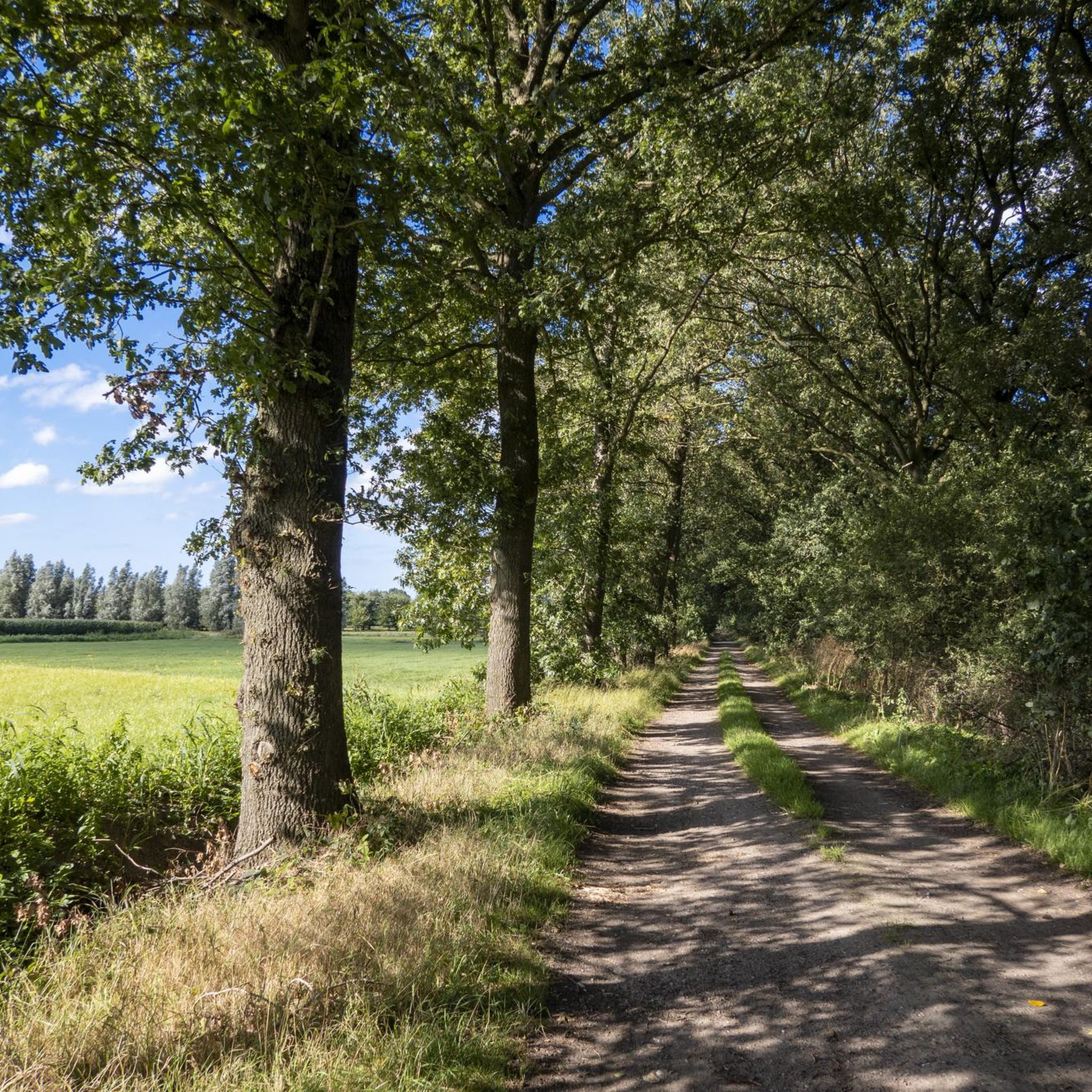
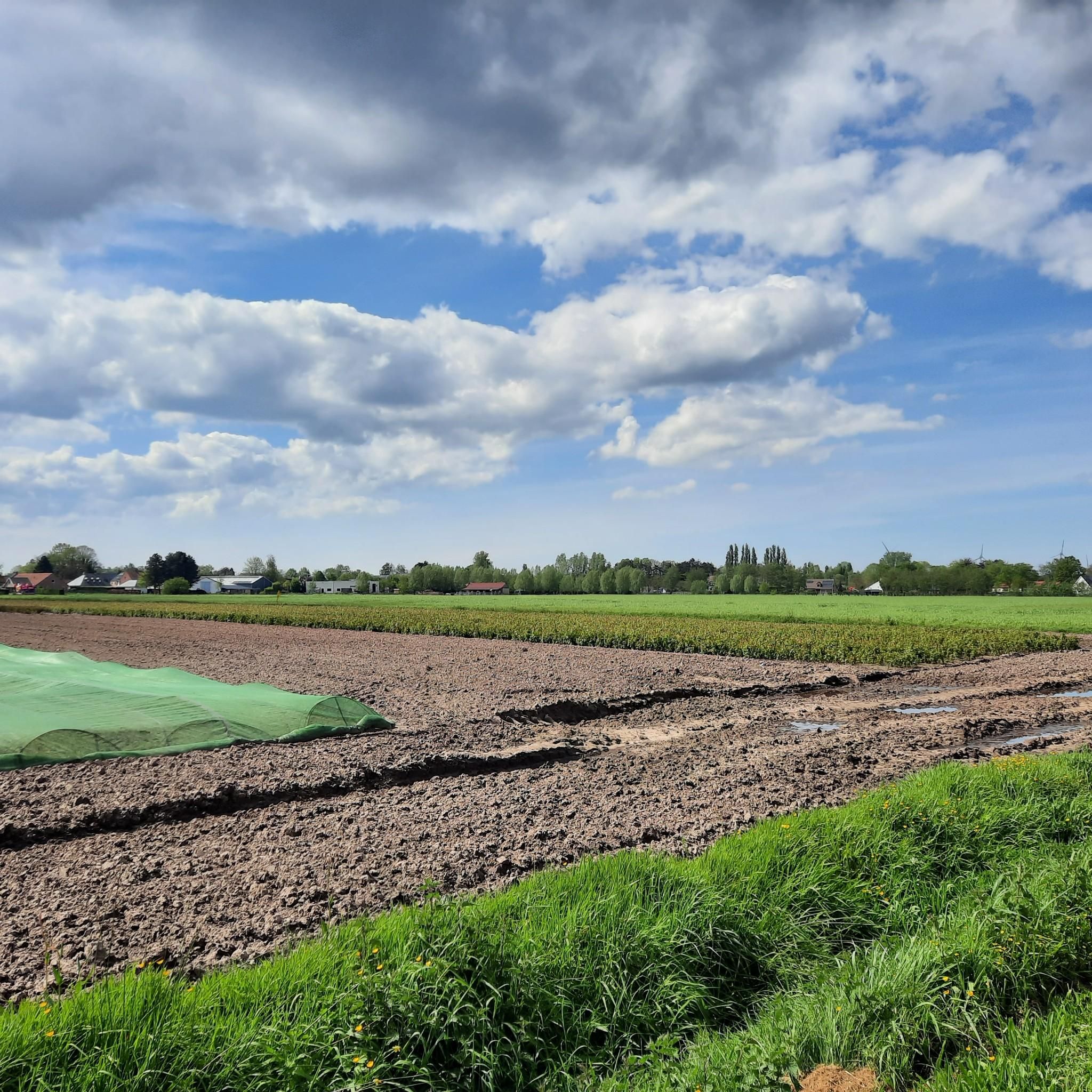
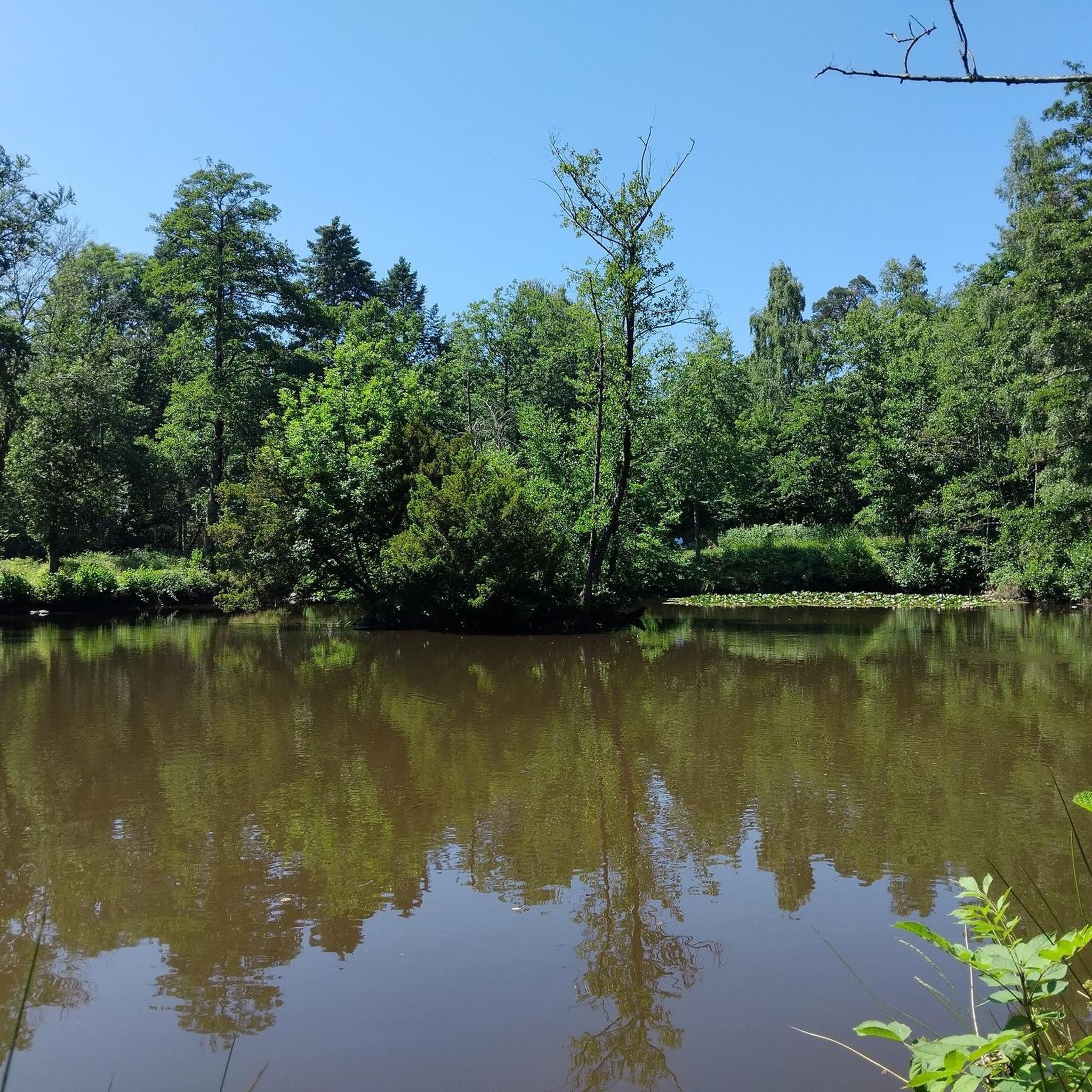
Other adventures around Maldegem

Tips from the Community

Just before Sluis, quiet road.
0
0

Border post 366 with a great view of the nature reserve Het Zwin
2
0

Beautiful viewpoint of the nature reserve
0
1

In the 13th and 14th centuries, this sea arm - ’t Zwyn - was an important waterway to Bruges. This waterway was created after the sea had penetrated the land around the beginning of the Christian era. The cities of Bruges, Damme and Sluis were located on the Zwin and became flourishing trading centres. But the channel became increasingly shallow and eventually unnavigable. That is why the Zwin was later largely poldered. Nature then took over here. Source: https://www.hetzeeuwselandschap.nl/natuurgebieden/het-zwin
6
0
The Zwin is a slufter: a beach plain behind the dunes that is in open connection with the sea. Directly behind the gully mouth lies a sandy beach, further inward lie dunes and salt marshes. Behind the row of dunes lie two small polders, which are managed by the Zeeuwse Landschap: the Kievittepolder and the Oudelandsepolder. In the Zwinweide, once a side channel of the Zwin, is a very varied area where fresh and salt alternate at a short distance. Thanks to the alternation between wet and dry, salt and fresh, and clay and sand, the entire area has a great variety in vegetation and birds. Source and all information for your visit to this Zeeland side of the Zwin at https://www.hetzeeuwselandschap.nl/natuurgebieden/het-zwin
6
0

The Red Light District of Sluis is interesting because of its natural and cultural-historical values. The ramparts date from the 14th century. Sluis flourished at that time as a trading city due to its location on the Zwin. The Zwin was an important estuary and waterway. At the end of the 15th century, Sluis' trade and prosperity declined sharply due to the silting up of the Zwin. But Sluis remained important as a fortress during the Eighty Years' War (1568 to 1648). Nowadays, nature flourishes here. Many characteristic plants grow there and various bird species breed there. In addition, this is one of the few places where you can find the rare tree frog. There is plenty to see and experience during your visit to the Red Light District of Sluis. More information at https://www.hetzeeuwselanden.nl/natuurgebied/wallen-van-sluis
5
0

The demarcation of the border starts with border post number 1 at the Drielandenpunt in Vaals and ends with border post number 365 in the Zwin west of Retranchement in Zeeuws-Vlaanderen. When border marker 1 in Vaals was established, this was still a Four-Country Point, after all, until the Treaty of Versailles of June 28, 1919, Belgium, the Netherlands, Prussia and the neutral region of Moresnet bordered each other here. Boundary marker 365 was the last marker until 1869. Further towards the North Sea, the border was formed by the Zwin estuary. After diking the area, boundary posts 366 to 369 were placed. They bear the year 1869.
15
0
Frequently Asked Questions
What are the most popular natural monuments around Maldegem?
Visitors frequently enjoy the diverse natural landscapes. Among the most popular are Boerekreek, the largest creek in the Meetjesland region, and the renowned Zwin Nature Reserve, famous for its migratory birds and unique coastal habitats.
Are there family-friendly natural monuments to visit near Maldegem?
Yes, several natural monuments are suitable for families. Boerekreek offers space for exploration and birdwatching. Both Zwin Nature Reserve and The Zwin are excellent for families, with opportunities to observe birds and enjoy the unique landscape. Historical sites like the Outer Ramparts of Sluis and The Burnt Fort also offer family-friendly walks through nature and history.
What kind of natural features can I expect to see around Maldegem?
The region around Maldegem offers a variety of natural features. You can find large lakes and creeks like Boerekreek, coastal environments with mudflats, salt marshes, and dunes at Zwin Nature Reserve, and protected wet meadows at sites like The Burnt Fort. The landscape is characterized by green paddocks, trees, and well-kept gardens.
What historical sites are integrated with nature around Maldegem?
You can explore historical sites that are now rich natural areas. The Outer Ramparts of Sluis, dating from the 14th century, are now home to diverse plant and animal species, including the rare tree frog. Similarly, The Burnt Fort, a 1703 fortification, is now a protected nature reserve with wet meadows and various bird species.
What outdoor activities can I do near these natural monuments?
The area around Maldegem is excellent for various outdoor activities. You can find numerous cycling routes, including gravel biking and touring bicycle options, that pass by or through these natural areas. For example, there are routes like the "View of Sluis – Zwin Nature Reserve loop" for cycling. You can find more details on routes in the Gravel biking around Maldegem, Cycling around Maldegem, and MTB Trails around Maldegem guides.
Are there hiking or walking trails near the natural monuments?
Yes, many natural monuments offer excellent opportunities for walking and hiking. For instance, Boerekreek features a 9.5-kilometer 'Mindful Walk' yoga path. The Zwin Nature Reserve has dedicated cycling and walking paths, allowing you to explore its unique landscape. Historical sites like the Outer Ramparts of Sluis also provide pleasant walking routes through nature.
What kind of wildlife can be observed in the natural monuments?
The natural monuments around Maldegem are rich in wildlife, especially birds. Zwin Nature Reserve is known as an "international airport for birds," hosting thousands of migratory species, with storks being a highlight in May and June. Boerekreek is a habitat for mallards, white-fronted geese, buzzards, and kestrels. The Outer Ramparts of Sluis are home to various plant and animal species, including the rare tree frog, while The Burnt Fort's wet meadows attract geese, water birds, and meadow birds.
When is the best time to visit the natural monuments around Maldegem?
The best time to visit depends on your interests. For birdwatching, particularly to see storks, May and June are ideal at The Zwin. The natural areas are generally beautiful year-round, with each season offering a different experience. Winter can be popular for activities like snow yoga at Boerekreek, and the green landscapes are appealing throughout spring and summer.
Are there viewpoints to appreciate the natural beauty?
Yes, many natural monuments offer excellent viewpoints. Both Zwin Nature Reserve and The Zwin provide picturesque views of the unique coastal landscape. The Outer Ramparts of Sluis and The Burnt Fort also serve as viewpoints, allowing visitors to take in the natural and historical surroundings.
What do visitors enjoy most about the natural monuments in this region?
Visitors particularly appreciate the diverse landscapes, from the coastal mudflats and salt marshes of Zwin Nature Reserve to the tranquil waters of Boerekreek. The rich birdlife, especially the migratory birds at the Zwin, is a major draw. Many also enjoy the blend of nature with historical elements found at places like the Outer Ramparts of Sluis, offering both scenic beauty and cultural insights.
Is the Zwin Nature Reserve accessible from Maldegem?
Yes, the Zwin Nature Reserve stretches from the dikes of Knokke to the Dutch municipality of Sluis, making it accessible from Maldegem. It's a significant natural area in the broader region and a popular destination for those exploring natural monuments near Maldegem.
Most popular routes around Maldegem
Most popular attractions around Maldegem

Get inspired with the komoot mobile app


Explore more
Extend your search for the best caves by checking out these guides of the top ones around Maldegem:
