Top 16 Natural Monuments around Éghezée
Best natural monuments around Éghezée are characterized by a blend of historical "remarkable trees" and diverse natural spaces. This municipality in the Walloon Region of Belgium offers inviting natural areas for hiking and appreciating local flora and fauna. The landscape features dense forests, tranquil meadows, and significant individual trees recognized for their aesthetic and historical value. These sites provide opportunities to explore the Belgian countryside and its natural heritage.
Best natural monuments around Éghezée
- The most popular natural monuments is…
Last updated: May 17, 2026
Seron Tumulus I
Highlight • Historical Site
Translated by Google •
Tip by

Louise-Marie Park
Highlight • Natural
Created by the architect Jules Lalière and the sculptor Armand Bonnetain.
Translated by Google •
Tip by

Sign up now to discover places like this
Get recommendations on the best single tracks, peaks, & plenty of other exciting outdoor places.
Sign up for free
Maizeret Inscriptions
Highlight • Historical Site
Translated by Google •
Tip by

Hill path
Highlight • Trail
Translated by Google •
Tip by

The Sept Fontaines Nature Reserve
Highlight • Natural Monument
Today there is a water pumping station and watercress beds are still in use.
Translated by Google •
Tip by

Sign up for free to discover even more natural monuments around Éghezée.
Sign up for free
Already have an account?
Start today with a free account
Your next adventure awaits.
Login or Signup

Tips from the Community

Park Marie-Louise—officially Louise-Marie Park—is a historic city park in Namur. Created in 1879–1880 on the city's former moats, the park bears the name of Louise-Marie d'Orléans, the first Queen of Belgium. Covering approximately 3 hectares, it is one of Namur's oldest and most distinctive parks. Designed by landscape architect Constantin Smits, the park is structured on two levels. The lower level features a pond reminiscent of the former moat, along with an artificial grotto and winding paths. The upper level offers open lawns and views of historical features, including the remains of the Dutch bridge that once provided access to the Brussels Gate. Park Marie-Louise combines romantic 19th-century landscaping with tangible traces of the city's military history. Today, it offers a tranquil green space within walking distance of the city center, popular with walkers, joggers, and visitors who want to combine nature and heritage.
5
0

The Henri Fontaine stream rises between Cras-Avernas and Bertrée, then irrigates several villages in the commune of Hannut before crossing the reserve at Grand-Hallet. Its source has long been linked to watercress cultivation, which requires good quality water.
6
0
This marshy area of 21 hectares was already inhabited in prehistoric times and buildings were built in Roman times. Today there is a water pumping station and watercress beds are still in use. The area includes part of the valley of the Henri-Fontaine stream with flora that can no longer be found in the rest of the area. Damp meadows, dense reed land and tall perennial herbaceous plants of 1.5 to 2 meters high, located in alluvial zones on non-acidic and fairly moist soil with pieces of forest with trees that do well on wet soils, such as alders: these are remnants of the typical wet valleys that you often saw before agriculture became increasingly intensive. You cannot enter the nature reserve itself but you can see it quite well and at a certain point (if you follow the path next to it) you come to a beautiful piece of alluvial forest with the stream. Be sure to also walk to the Moulin Dardenne, which is located on the edge of the area on another road and location with the nature reserve behind it and streams that come out of the nature reserve. This is also the start of the path along the nature reserve. On the other side you will also find a start of the path - with information board - at a junction with the Rue du Condroz in Grand-Hallet. You will find it just before the bend behind which the Dardenne watermill is located. Turn left, it rises a little and then you are on the path. More on https://www.hannut.be/wp-content/uploads/2021/06/brochure-7-fontaines-nl.pdf where you will find a full description of a 'seven-sources walk' that of course runs along the nature reserve and many sights around it.
6
0

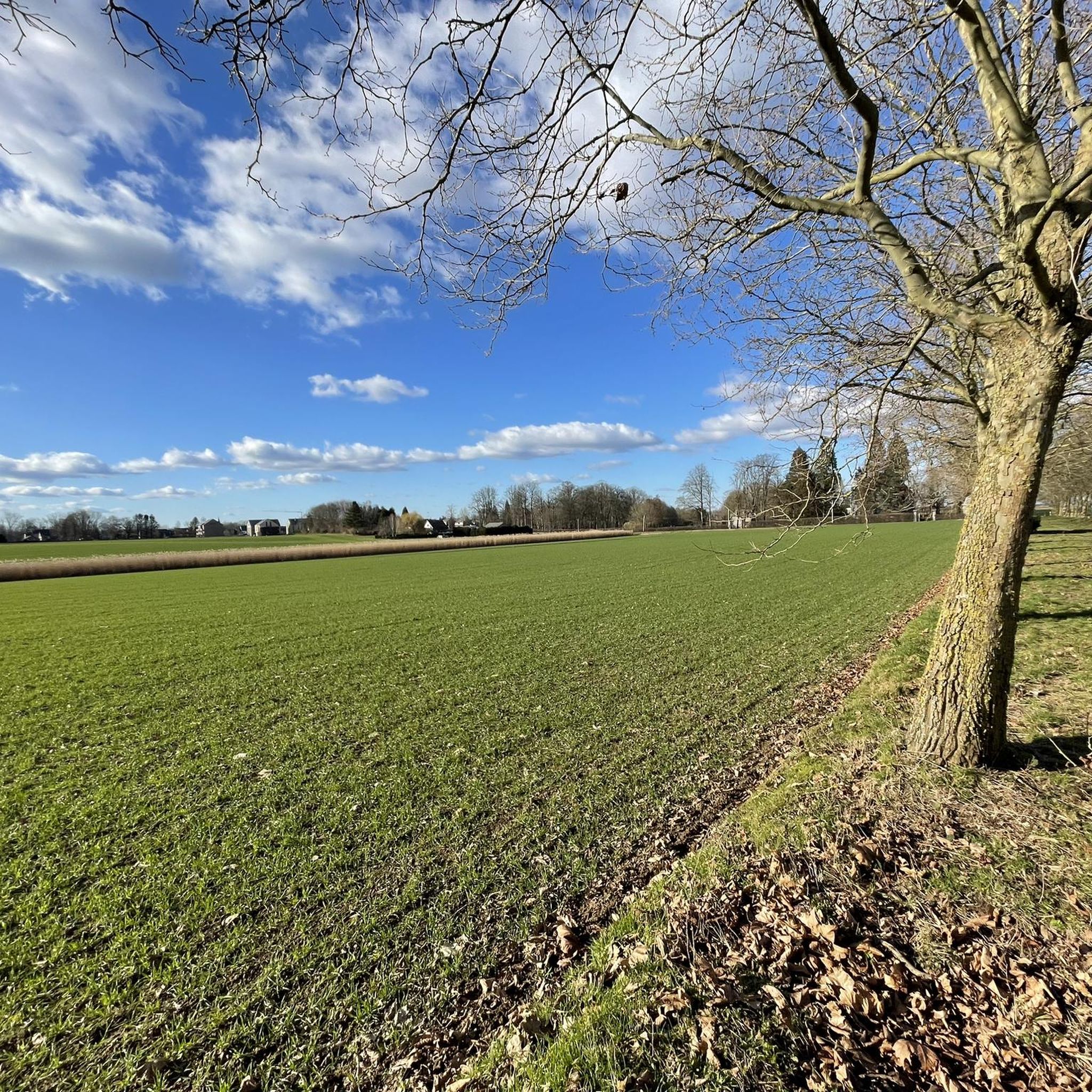
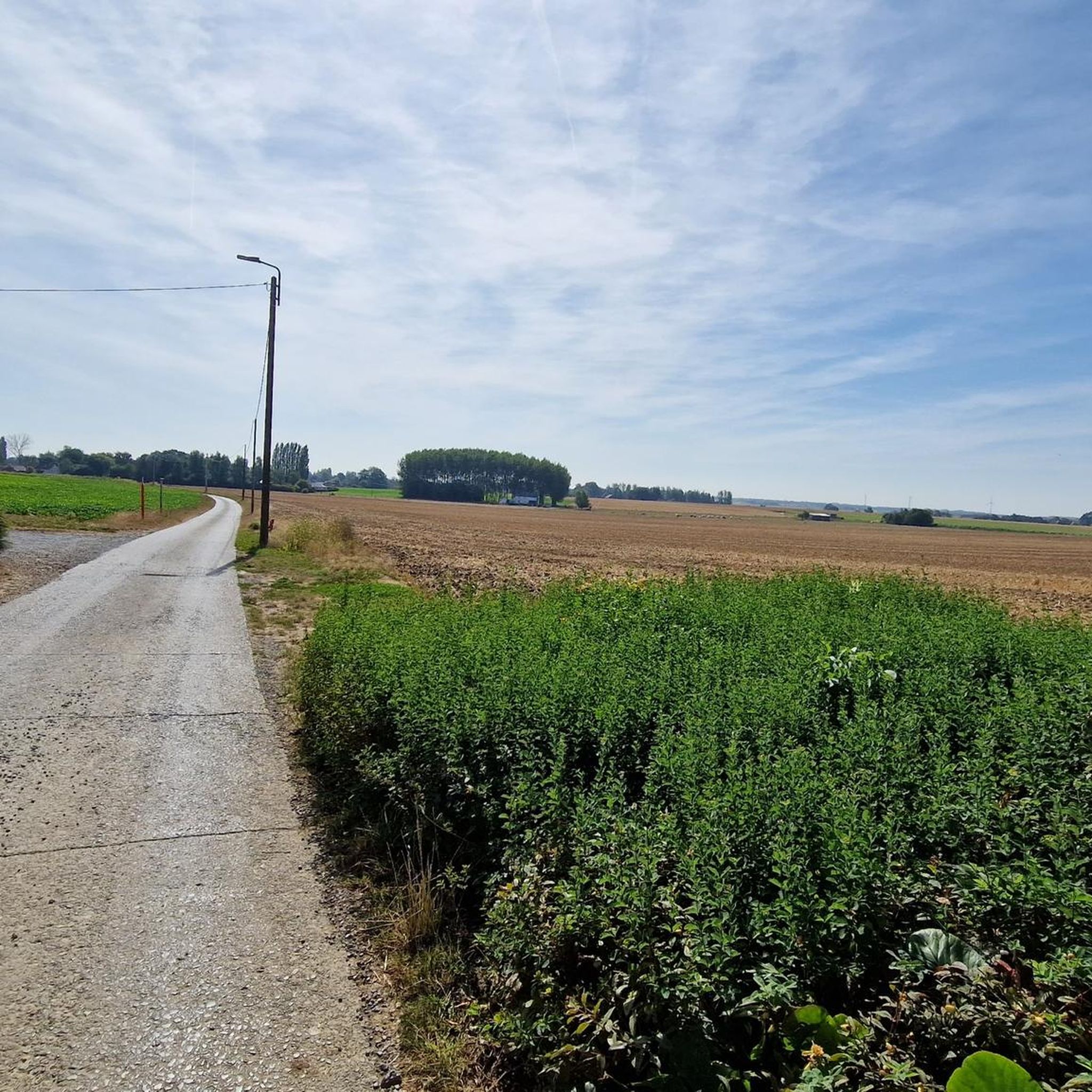
This path, which you reach after a short, steep climb from the stream, leads you along an inaccessible nature reserve, where you literally walk above an old quarry and caves for a part. At a certain point you literally walk above the entrance to that underground quarry that you can also see below. Part of the path runs between the edge of the valley and fields and on another part you have the nature reserve instead of the fields that was given the name 'Réserve naturelle Natagora des Caves Paheau'. Natagora is the counterpart of Natuurpunt and the quarry and caves are therefore called the 'caves Paheau'.
5
0

The Sept Fontaines nature reserve extends in Hannut on a part of the valley where the Henri-Fontaine flows, where many vegetation elements have disappeared, also on other territories municipalities. Stagnant water, a gently sloping river, dry reed beds, ruderal scrub, alluvial alder-ash forests, alluvial meadows... all bear witness to what could be observed less than a century ago in most valley bottoms, before the significant intensification of land use. The site is part of the main ecological structure of Hannut, as a core area.
4
0

Beautiful park on the Sambre, with nice paths, a beautiful pond and some art...
7
0

If you are looking for a mysterious and intriguing site to visit, you can go see the Maizeret Scriptures in the village of Maizeret. This is a series of Roman inscriptions consisting mainly of I and V (1 and 5 in Roman numerals) which were discovered in the 1950s at the base of a rock. The significance of these writings is still unknown and the site is largely abandoned and overgrown. The seven main groups of inscriptions are visible behind metal grilles and one wonders what they could possibly represent. The Maizeret Scriptures are a unique and mysterious attraction that will awaken your curiosity and imagination.
6
0
Frequently Asked Questions
What unique natural features can I explore in Éghezée?
Éghezée is particularly known for its 'remarkable trees,' which are recognized for their aesthetic, historical, or biological value. You can discover sites like the Tilleuls des 6 frères à Dhuy, steeped in local legends, or the majestic Marronnier d'Inde de Warêt, associated with the historic Ferme des Croisiers. Beyond individual trees, the region offers diverse natural spaces such as the dense Bois de la Garenne and the tranquil Domaine Provincial d'Hélécine, both ideal for immersing yourself in nature.
Are there any historical natural monuments in Éghezée?
Yes, Éghezée features natural monuments with significant historical context. The Seron Tumulus I is a notable historical site consisting of Gallo-Roman tombs that offer distant views of the Hesbaye Namur landscapes. Additionally, the Tilleuls des 6 frères à Dhuy are linked to ancient funerary monuments or Celtic places of worship, adding a layer of folklore and history to their natural beauty.
What are some family-friendly natural sites to visit in Éghezée?
For families, the Seron Tumulus I is a great option, classified as family-friendly and offering an interesting historical perspective. The Louise-Marie Park is another excellent choice, featuring a beautifully landscaped botanical garden and a memorial, providing a pleasant and accessible environment for all ages.
What kind of hiking opportunities are available near Éghezée's natural monuments?
Éghezée offers a variety of hiking opportunities. You can explore the dense Bois de la Garenne, which features well-marked paths and scenic viewpoints. The Domaine Provincial d'Hélécine also provides diverse flora and fauna with various hiking routes. For specific trails, consider exploring the hiking routes around Éghezée, which include options like the 'Tumulus aux Six Frères loop from Eghezée'.
Where can I find unique viewpoints of nature in Éghezée?
For breathtaking views, the Hill path is highly recommended. This trail provides scenic vistas from a hillside, leading you above an old quarry and caves. The Seron Tumulus I also stands on a plateau, offering distant views of the Hesbaye Namur landscapes.
Are there any natural reserves or protected areas in Éghezée?
Yes, Éghezée is home to the The Sept Fontaines Nature Reserve, a marshy area of 21 hectares. This reserve includes part of the Henri-Fontaine stream valley, featuring rare flora and vegetation elements. While you cannot enter the reserve itself, you can observe it from nearby paths and appreciate its ecological significance.
What is the best time of year to visit the natural monuments in Éghezée?
The natural monuments in Éghezée, particularly the 'remarkable trees' and forests, offer beauty throughout the year. Spring brings fragrant blossoms from the Tilleuls de Hollande à Leuze and fresh foliage. Autumn is spectacular, especially for the Hêtre pourpre de Dhuy, whose leaves turn coppery red, providing a beautiful visual spectacle. Summer is ideal for hiking in areas like the Bois de la Garenne, while winter offers a serene, stark beauty.
Can I find any mysterious or intriguing natural sites in the area?
For a mysterious experience, visit the Maizeret Inscriptions. These Roman inscriptions, found at the base of a rock, consist mainly of I and V and their significance remains unknown. The site is intriguing and will awaken your curiosity about its ancient origins.
Are there any specific trees in Éghezée that are considered natural monuments?
Absolutely. Éghezée has an inventory of 'remarkable trees.' Besides the legendary Tilleuls des 6 frères à Dhuy and the historic Marronnier d'Inde de Warêt, you can also find the sturdy Châtaignier de Dhuy, the visually striking Hêtre pourpre de Dhuy with its distinctive dark foliage, and the graceful Tilleuls de Hollande à Leuze, known for their fragrant blossoms.
What other outdoor activities can I do near the natural monuments in Éghezée?
Beyond hiking, Éghezée offers excellent opportunities for cycling. You can explore gravel biking routes or road cycling routes. Options include challenging rides like the 'Citadel of Namur and Malonne Woods Loop' for gravel biking, or more moderate road cycling tours such as the 'RAVeL Namur–Vedrin – Fort de Cognelée loop from Eghezée'.
What kind of wildlife can I expect to see in Éghezée's natural areas?
In natural areas like the Domaine Provincial d'Hélécine and the Bois de la Garenne, you can observe local flora and fauna. The The Sept Fontaines Nature Reserve, a marshy area, is particularly rich in diverse vegetation and provides a habitat for various species that thrive in wetland environments, offering opportunities for birdwatching and appreciating unique plant life.
Are there any natural monuments that are particularly good for photography?
The Hêtre pourpre de Dhuy is an excellent subject for photography, especially during spring and autumn when its striking dark purple to coppery red foliage creates a beautiful visual spectacle. The scenic viewpoints along the Hill path also offer picturesque backdrops for landscape photography.
Most popular routes around Éghezée
Most popular attractions around Éghezée

Get inspired with the komoot mobile app


Explore more
Extend your search for the best caves by checking out these guides of the top ones around Éghezée:
