Top 20 Natural Monuments around Duffel
Best natural monuments around Duffel include a variety of natural areas and features, often highlighting the confluence of waterways and integrated natural spaces. The region offers diverse landscapes, from heathlands and forests to river floodplains and nature reserves. These locations provide opportunities for recreation, wildlife observation, and appreciation of the local environment. Duffel's natural features contribute to its appeal for outdoor activities.
Best natural monuments around Duffel
- The most popular natural monuments is Kesselse Heath, a forest area that…
Last updated: October 2, 2026
Kesselse Heath
Highlight • Forest
Translated by Google •
Tip by

Confluence of the Dijle and Nete = Rupel
Highlight • River
Translated by Google •
Tip by

Sign up now to discover places like this
Get recommendations on the best single tracks, peaks, & plenty of other exciting outdoor places.
Mispeldonk Nature Reserve
Highlight • Natural
Translated by Google •
Tip by
The Putten van Lacourt
Highlight • Lake
Translated by Google •
Tip by

Pond at Fort III Borsbeek
Highlight • Lake
Translated by Google •
Tip by
Sign up for free to discover even more natural monuments around Duffel.
Already have an account?
Start today with a free account
Your next adventure awaits.
Tips from the Community

The Kesselse Heide is a provincial green space covering 79 hectares, 61 of which are open to the public. The initial acquisition took place in 1978, and it has been expanded since then. The entrance is located in Nijlen, at Vaerestraat 4. The space is freely accessible daily from sunrise to sunset. There are two ponds in the area. These old wells not only provide a pleasant change of scenery but are also a boon for the many plants and animals. Since 1996, the Kesselse Heide has been a protected landscape. It is one of the few remaining remnants of the once vast Kempen heathlands. The heath is a living community created in our region by humans. Historical agricultural practices created a landscape that has been preserved through human intervention: grazing by sheep, burning the heath, and sod cutting. Sod cutting is the removal of the topsoil and vegetation. A dug-out sod of plants and their roots is a sod. If heathland is left untreated, it will evolve into oak and birch forests, and the typical species associated with a heathland habitat will disappear. In the mid-19th century, the Kesselse Heide—like many other parts of the Kempen region—was afforested with Scots pine, a valuable timber for mining. However, during both World Wars, these sod-covered forests were felled, and from then on, the heathland was able to expand again. Current management consists of removing trees and mechanically cutting sods to give the open heathland every chance to thrive. https://youtu.be/NoPf0HSeFz8
6
0

The Kesselse Heide-Het Goor area consists of a variety of nutrient-poor meadows, pastures, marshes, and ponds, bordered and crisscrossed by enclosed landscape types, and contains numerous landscape elements. The area is characterized by a richly varied and sometimes rare flora. Several historic farm buildings can be found within the area. The Kesselse Heide-Het Goor area, with an area of approximately 2,620 hectares, is located between the villages of Nijlen and Kessel, north of the Lier-Herentals road. The northern border of this area is along Vogelzangstraat, the eastern border along Achterbist, Kannaertsstraat, and Goorstraat. The Grote Steenweg forms the southern border, and the western border is formed by Heidestraat and Vaerestraat. The landscape includes the following topographical areas: "Kannaerdsche Heyde," "Kesselse Heide," "Mol Heide," "Achterbiest," "Het Hoog Bosch," "De Hooge Heide," "Het Armveld," "De Schommers" or "Vissen Eynde," "Het Goor," "Het Goorkasteel," and "Hoge Heyde." Several streams traverse the area, specifically the Goorkantloop, the Elstbeek, the Paddenloop, Blauwe Hoekloop, and the Visbeek. The elevation within the area varies from approximately 5 meters +TAW to approximately 10 meters +TAW. Inventory of Immovable Heritage: Kesselse Heide-Het Goor, https://id.erfgoed.net/erfgoedobjecten/302886
7
0

Mispeldonk Nature Reserve is a beautiful and valuable nature reserve in Bonheiden, located in the province of Antwerp. The area is known for its unique ecosystems, rich biodiversity and the natural beauty of the landscape. Here are some key points about Mispeldonk: Location and Size Mispeldonk is located between Bonheiden and the nearby municipality of Rijmenam, along the banks of the Dijle. The area is part of the larger Dijle landscape, which is known for its wet meadows, meandering waterways and rich flora and fauna. Mispeldonk covers approximately 50 hectares and consists of a mix of marshlands, meadows, forests and ponds. Ecological Importance Mispeldonk is a protected nature reserve because of its special ecological value. The area has a typical structure of a flood plain of the Dijle, which makes it an important habitat for many plant and animal species: • Flora: Various rare and protected plant species grow in the area, such as marsh marigolds, cuckoo flowers and water violets. The wet grasslands and marshes provide unique vegetation that is less common elsewhere in the region. • Fauna: Mispeldonk is an important habitat for birds such as the bluethroat, water rail and reed warbler. Amphibians such as the crested newt and the green frog can also be found there. Furthermore, the area is rich in insects, including butterflies and dragonflies, that thrive in the moist environment. Water management The nature reserve plays an important role in local water management. It is located in a flood-prone area along the Dijle and functions as a natural buffer against flooding. In the event of high water levels, the area can collect water and thus help prevent flooding in nearby villages. The nature reserve contributes to the preservation of water quality by filtering and purifying the water through natural processes. Recreation and Experience Mispeldonk is a popular place for nature lovers and hikers. The area is accessible via various hiking trails that lead through the meadows and forests. There are signposted routes that give walkers the chance to explore the diversity of the landscape and enjoy the peace and quiet of nature. Birdwatchers enjoy visiting the area because of the variety of bird species that can be seen, especially during the breeding season and the migratory bird periods. Management and Protection The nature reserve is managed by Natuurpunt, a Belgian organisation that is committed to nature conservation. Natuurpunt carries out management work to protect biodiversity and maintain the landscape. This includes mowing grasslands, removing invasive plant species and maintaining the walking paths. There is collaboration with local farmers for nature-friendly agriculture, whereby meadows are extensively grazed or mowed, so that they remain suitable for meadow birds and rare plants.
6
1

Very nice walk with a lot of variety in landscapes and terrain.
3
0

Beautiful walking area in nature
3
0

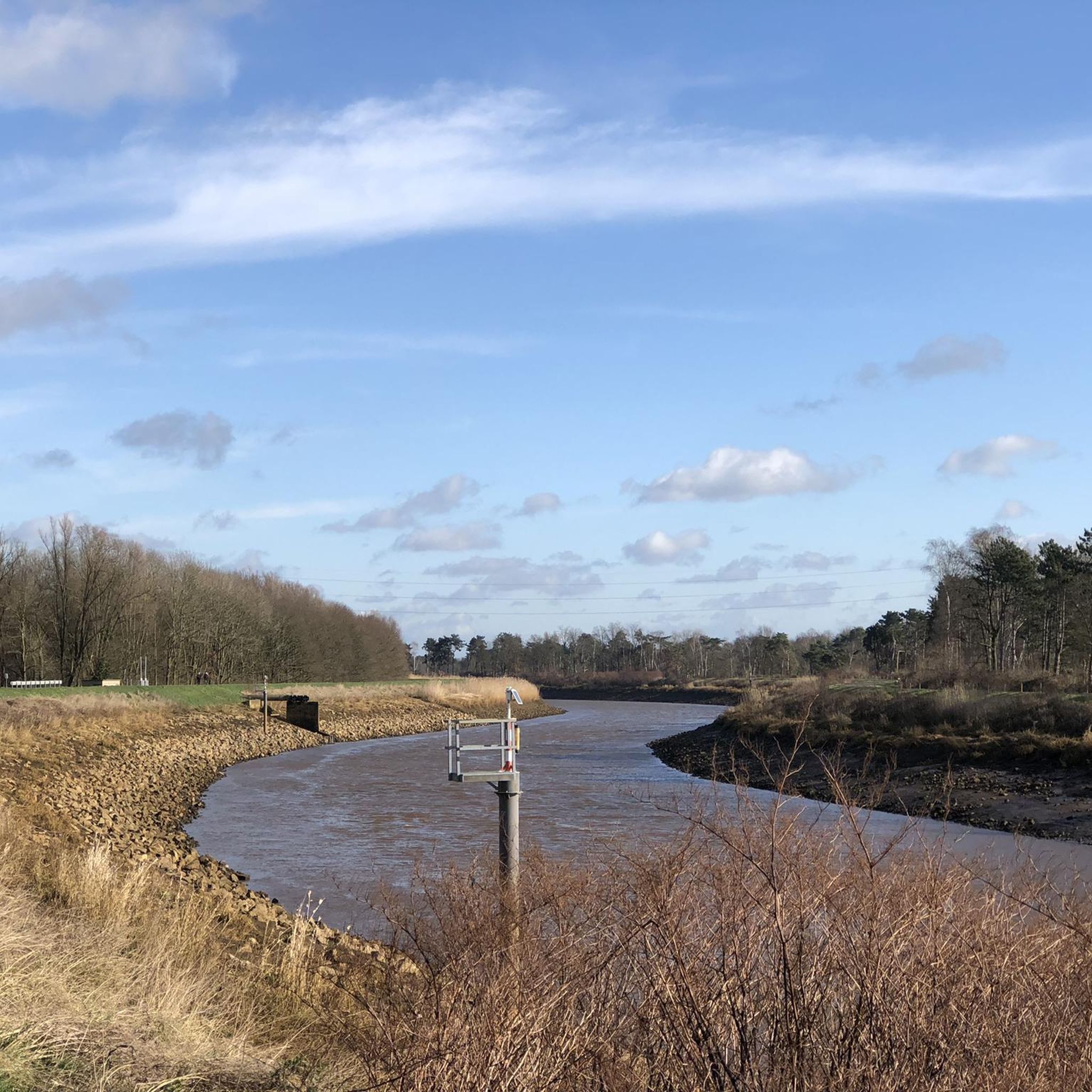
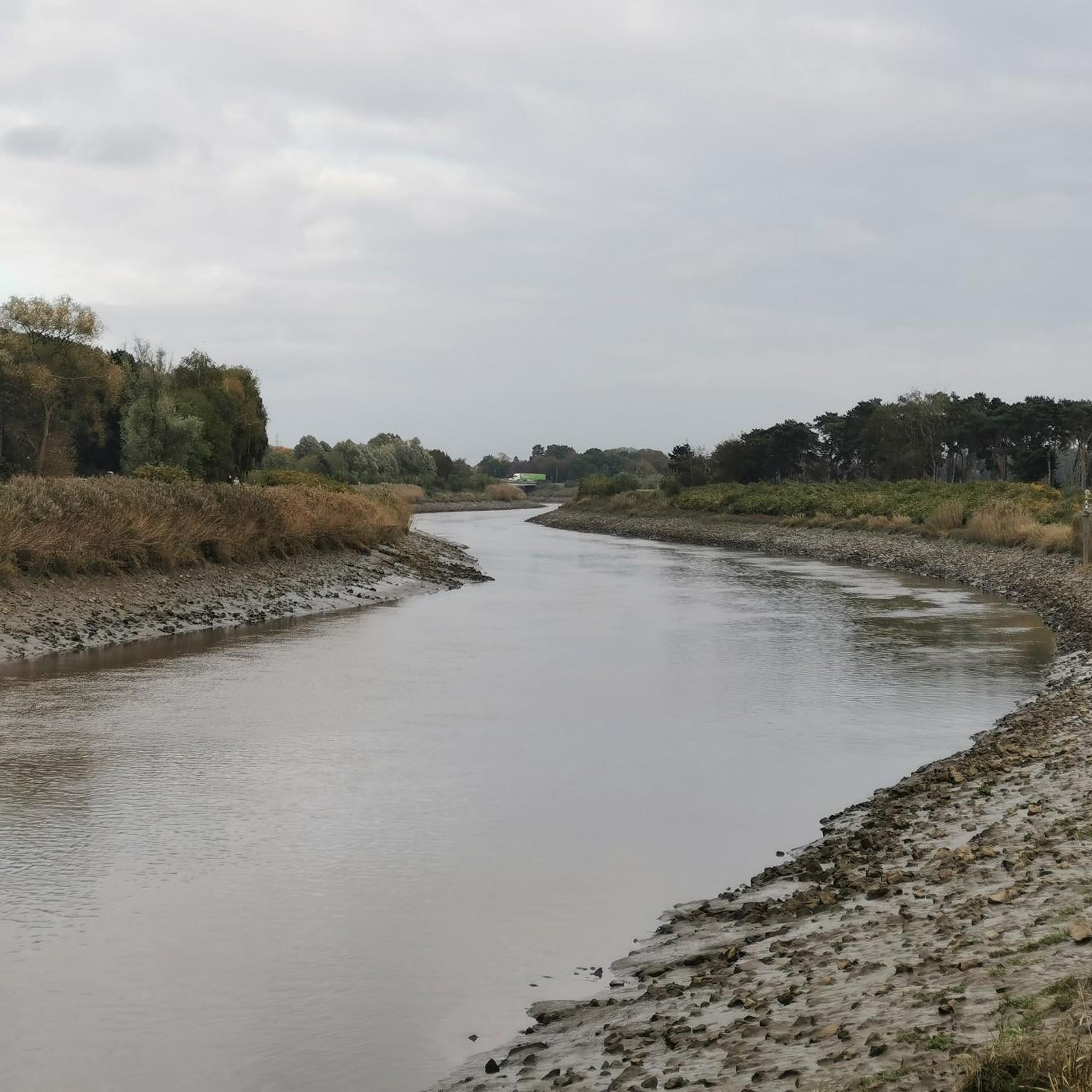
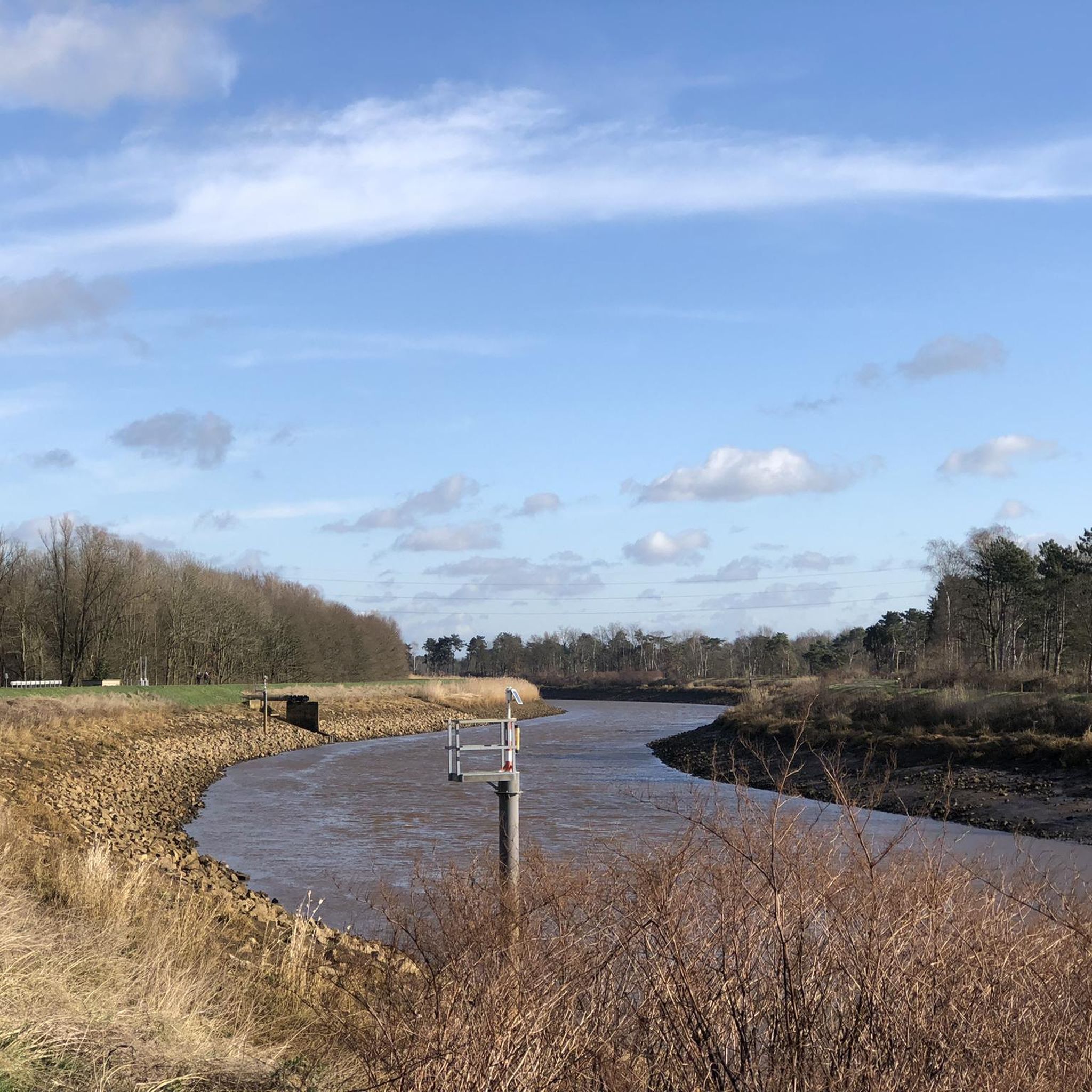
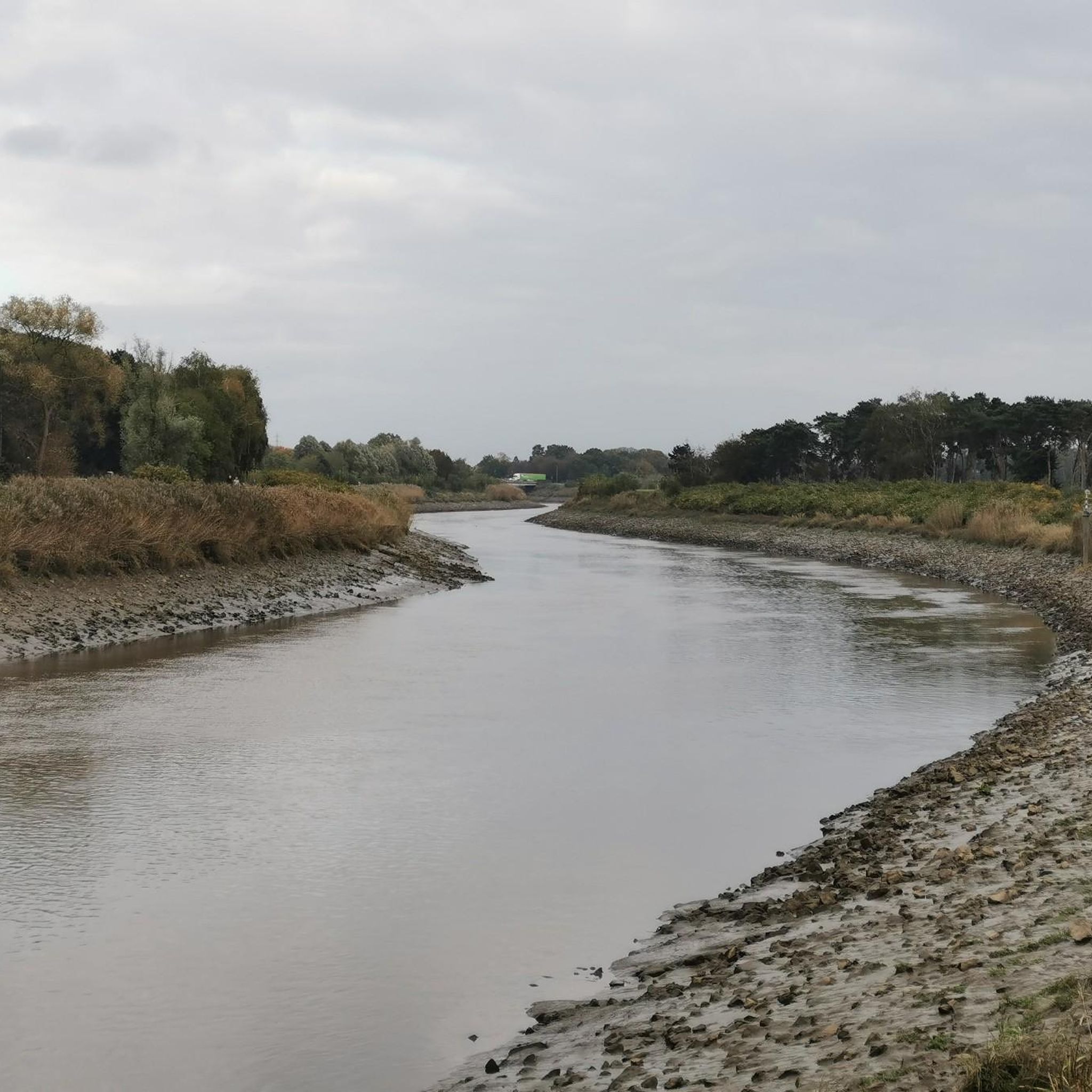
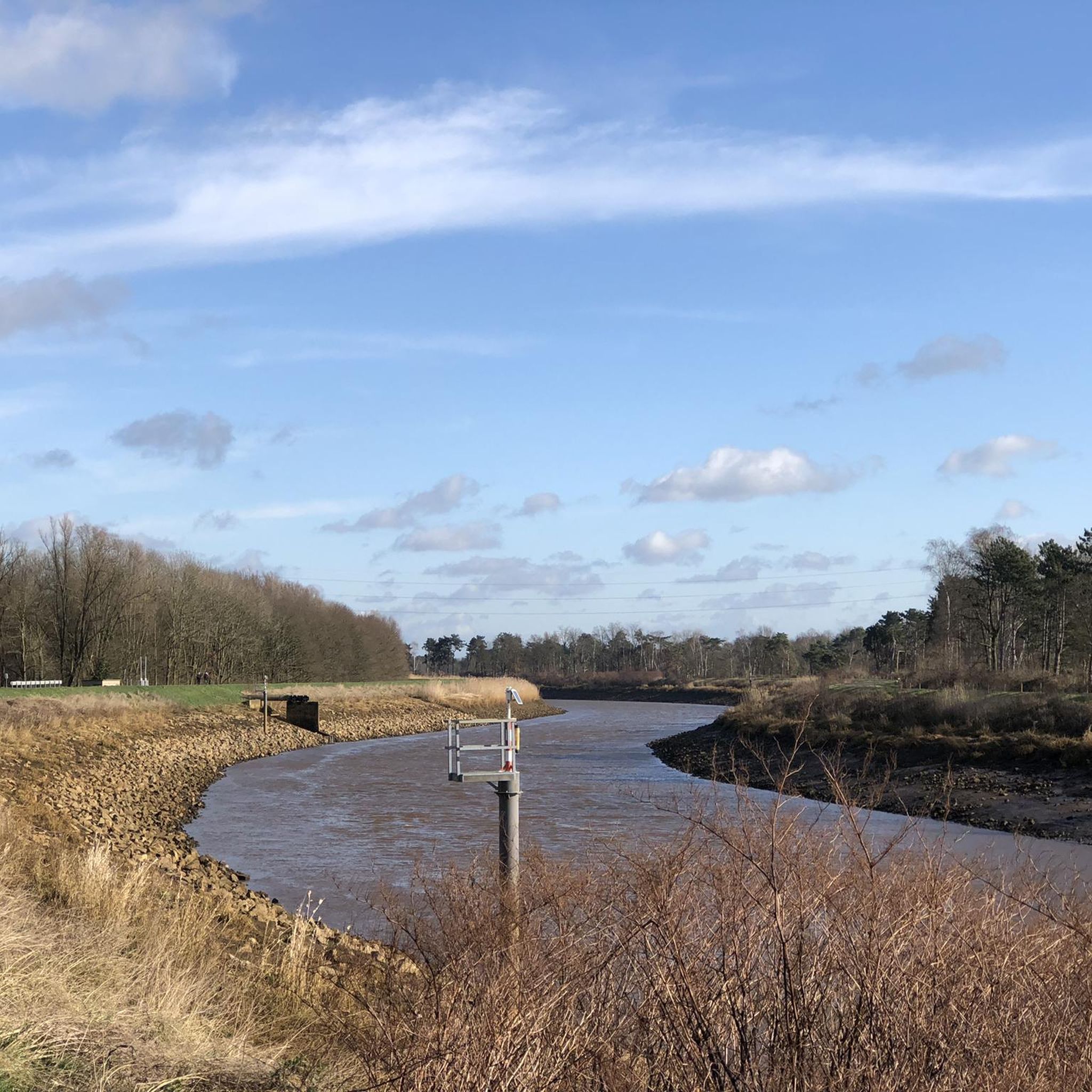
The "Samenvloeiing van Dijle en Nete = Rupel" is a place in Belgium which is located where the rivers Dijle and Nete join to form the river Rupel. It is located in the Flemish region, in the province of Antwerp, in the city of Rumst. This site is known for its natural beauty and for being a meeting point between the waters of the two rivers. The confluence of the rivers creates a striking and fascinating landscape, with large expanses of water joining and mixing. The area around the Samenvloeiing van Dijle en Nete = Rupel also offers opportunities to enjoy the surrounding nature, with scenic trails and green areas that invite for walks and hikes. It's a popular spot with nature lovers and those looking to spend time outdoors.
5
0
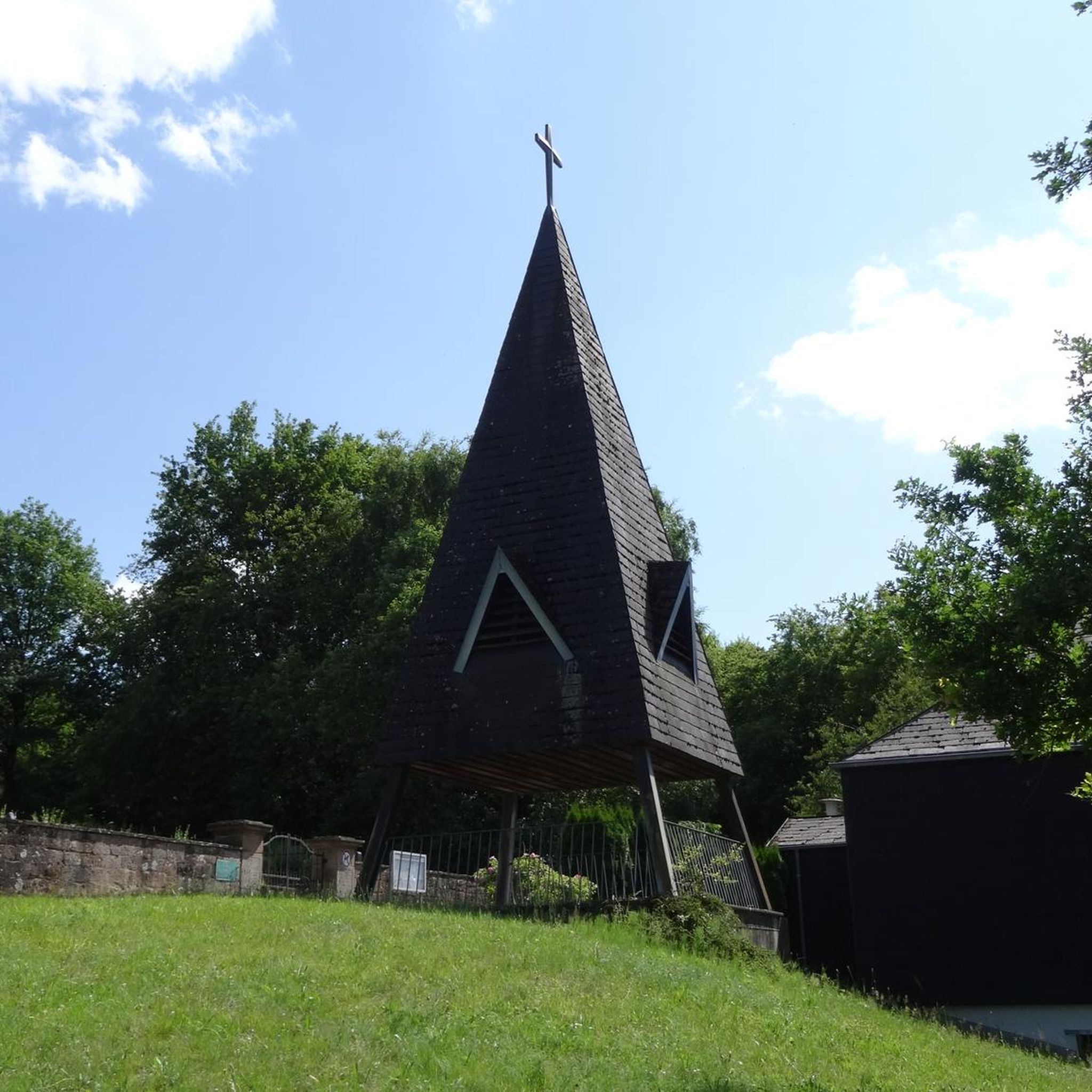
In the Kempen region, heathland is a cultural landscape that developed long ago through the frequent grazing of sheep on poor sandy soils. Since then, heathland has become valuable and rare. The Kesselse Heide provincial green space is all that remains of a much larger heathland area. Since 2023, the Kesselse Heide can also be explored as a heritage site. Various information boards provide information on folklore, landscape features, the wartime history, and more. You can find some photos of these new boards in the photo section of this highlight.
8
2

The Fort of Borsbeek is a brick fort from the Antwerp fortification belt. The buildings are an important hibernation site for bats. You can discover the varied nature around the fort via a beautiful walking route. Some parts of Fort Borsbeek are accessible for strollers, but the nature walk itself is not accessible for wheelchair users or strollers. (Nature point)
13
0
Frequently Asked Questions
What unique natural features can I explore in the Duffel region?
The Duffel region is characterized by its river confluences, nature reserves, and heathlands. You can witness the impressive Confluence of the Dijle and Nete = Rupel, where two rivers merge to form the Rupel. Another significant area is the Zennegat Flood Area, where the Zenne, Leuven-Dijle canal, and Dijle rivers converge, creating a distinct natural landscape with gullies, mudflats, and salt marshes.
Beyond the main highlights, are there other significant natural areas to visit in Duffel?
Yes, in addition to the well-known spots, the region offers other natural areas. The Zennegat, where the Zenne, Leuven-Dijle canal, and Dijle rivers meet, is a unique area known for quiet cycling routes and picturesque views. The Fort Van Duffel, while historically a railway fort, has transformed into a nature reserve, offering a blend of history and nature, and is home to bat colonies.
Are there hiking trails near the natural monuments in Duffel?
Absolutely. Many natural monuments in Duffel are surrounded by excellent hiking opportunities. For instance, the Kesselse Heath features the Heidepad, which takes visitors along its most beautiful spots. You can find various hiking routes, such as the 'Towpath along the River Nete – Bird Watching Hut loop' or the 'Schapenhagen Nature Reserve – Roozendaal Estate loop'. More details on these and other trails can be found in the Hiking around Duffel guide.
What kind of terrain can I expect on hiking trails around Duffel's natural monuments?
The terrain around Duffel's natural monuments is quite varied. At Kesselse Heath, you'll find a mix of scrub heather, coniferous and deciduous forest, and sandy plains. The Mispeldonk Nature Reserve features poor grasslands, hay meadows, moist deciduous forests, and restored heathland areas. Some paths, especially near water bodies like The Putten van Lacourt, can be under water during rainy weather, so appropriate footwear is recommended.
Are there family-friendly natural monuments or walks suitable for children in Duffel?
Yes, several natural monuments are suitable for families. Kesselse Heath is family-friendly, with expansive sands that are great for children. The Mispeldonk Nature Reserve and the Confluence of the Dijle and Nete = Rupel also offer pleasant environments for family walks. The Zennegat Flood Area is another family-friendly spot with scenic views.
Can I bring my dog to the natural monuments and trails around Duffel?
While many natural areas in Belgium are dog-friendly, it's always best to check specific regulations for each reserve. Generally, dogs are allowed on trails but should be kept on a leash to protect local wildlife and ensure a pleasant experience for all visitors. Look for signage at the entrance of each natural monument for specific rules.
What is the best time of year to visit the natural monuments around Duffel?
The natural monuments around Duffel offer beauty throughout the year. Spring and summer are ideal for enjoying lush greenery and observing wildlife, while autumn brings a beautiful color palette to areas like Kesselse Heath. Weekdays tend to be quieter than weekends, especially at popular spots like the Blue Pedestrian Bridges at the Three Rivers Point.
What kind of wildlife can I observe in Duffel's natural monuments?
Duffel's natural monuments are rich in biodiversity. In Mispeldonk Nature Reserve, you might spot kingfishers along the Boeimeerbeek, as well as various butterflies, grasshoppers, and rare plant species. The Fort Van Duffel is known for its bat colonies that hibernate in its subterranean passages. The Zennegat Flood Area provides an ideal habitat for rare plants and animals due to its unique ecosystem of gullies, mudflats, and salt marshes.
Are there any natural monuments in Duffel with historical significance?
Yes, the Fort Van Duffel is a notable example. Originally a railway fort, this armored structure played a role in history, particularly in 1914. It has since been transformed into a nature reserve, where visitors can explore its former military base and dark passages, now serving as a habitat for bat colonies. This site uniquely blends historical architecture with natural preservation.
Is parking available near the natural monuments in Duffel?
Parking availability varies by location. Popular spots like the Blue Pedestrian Bridges at the Three Rivers Point, or the Fort Van Duffel, generally have designated parking areas nearby. For specific natural reserves like Kesselse Heath or Mispeldonk Nature Reserve, you can usually find parking at the main entrances or trailheads. It's advisable to check local signage upon arrival.
How can I reach Duffel's natural monuments using public transport?
Duffel is generally well-connected by public transport, primarily buses and trains. While direct access to every natural monument might require a short walk from a bus stop or train station, many areas are reachable. For instance, the Fort Van Duffel is accessible, and the Blue Pedestrian Bridges are a popular spot for cyclists and walkers, indicating good connectivity. Planning your route with a local public transport app is recommended for the most up-to-date information.
Are there opportunities for cycling or mountain biking near Duffel's natural monuments?
Yes, the Duffel region offers excellent opportunities for cycling and mountain biking. The Zennegat, with its picturesque views, is known for quiet cycling routes. You can explore various routes like the 'Bridge Over the Nete – Putten van Lacourt loop' for mountain biking or the 'F1 Cycle Route Mechelen–Zemst' for gravel biking. For detailed routes and guides, refer to the Gravel biking around Duffel and MTB Trails around Duffel guides.
Most popular attractions around Duffel

Get inspired with the komoot mobile app


Explore more
Extend your search for the best caves by checking out these guides of the top ones around Duffel:
