Top 20 Natural Monuments around Hotton
Best natural monuments around Hotton include a diverse range of geological formations and historical sites integrated with nature. The region features significant natural heritage, such as the Hotton Caves, known for their vast underground networks and unique formations. Limestone landscapes characterize the area, offering insights into geological history and unique biodiversity. These natural features provide varied exploration opportunities for visitors.
Best natural monuments around Hotton
- The most popular natural monuments is Durbuy — Old Town and Castle, a settlement…
Last updated: October 2, 2026
Durbuy — Old Town and Castle
Highlight • Settlement
Translated by Google •
Tip by

The Anticline
Highlight • Natural Monument
Translated by Google •
Tip by

Sign up now to discover places like this
Get recommendations on the best single tracks, peaks, & plenty of other exciting outdoor places.
Wéris Dolmen
Highlight • Historical Site
Even small walkers can be taken thousands of years back in time. Please respect both locations. Under …
Translated by Google •
Tip by

Isbelle Karst Spring
Highlight • Natural Monument
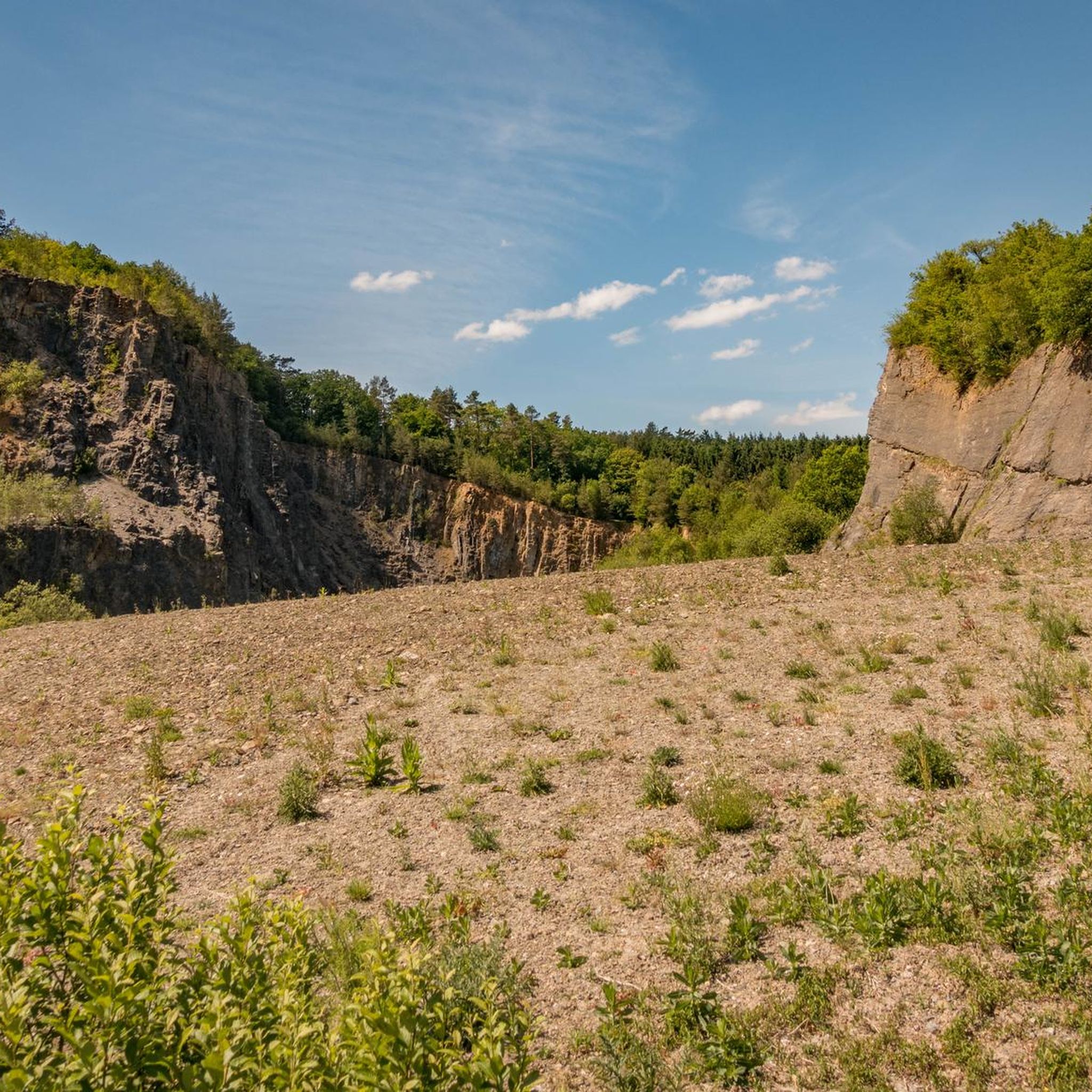
When the stream "l'Isbelle" comes from an impenetrable layer of sandstone on the limestone ridge, downstream from
from the hamlet of Melines, she disappears. …
Translated by Google •
Tip by

Wéris Village and Megaliths
Highlight • Historical Site
Rolf, our local guide, is waiting for us at La Maison des Mégalithes.
Arduenna Experience starts.
On the way to the Devil's Bed we …
Translated by Google •
Tip by
Sign up for free to discover even more natural monuments around Hotton.
Already have an account?
Start today with a free account
Your next adventure awaits.

Tips from the Community


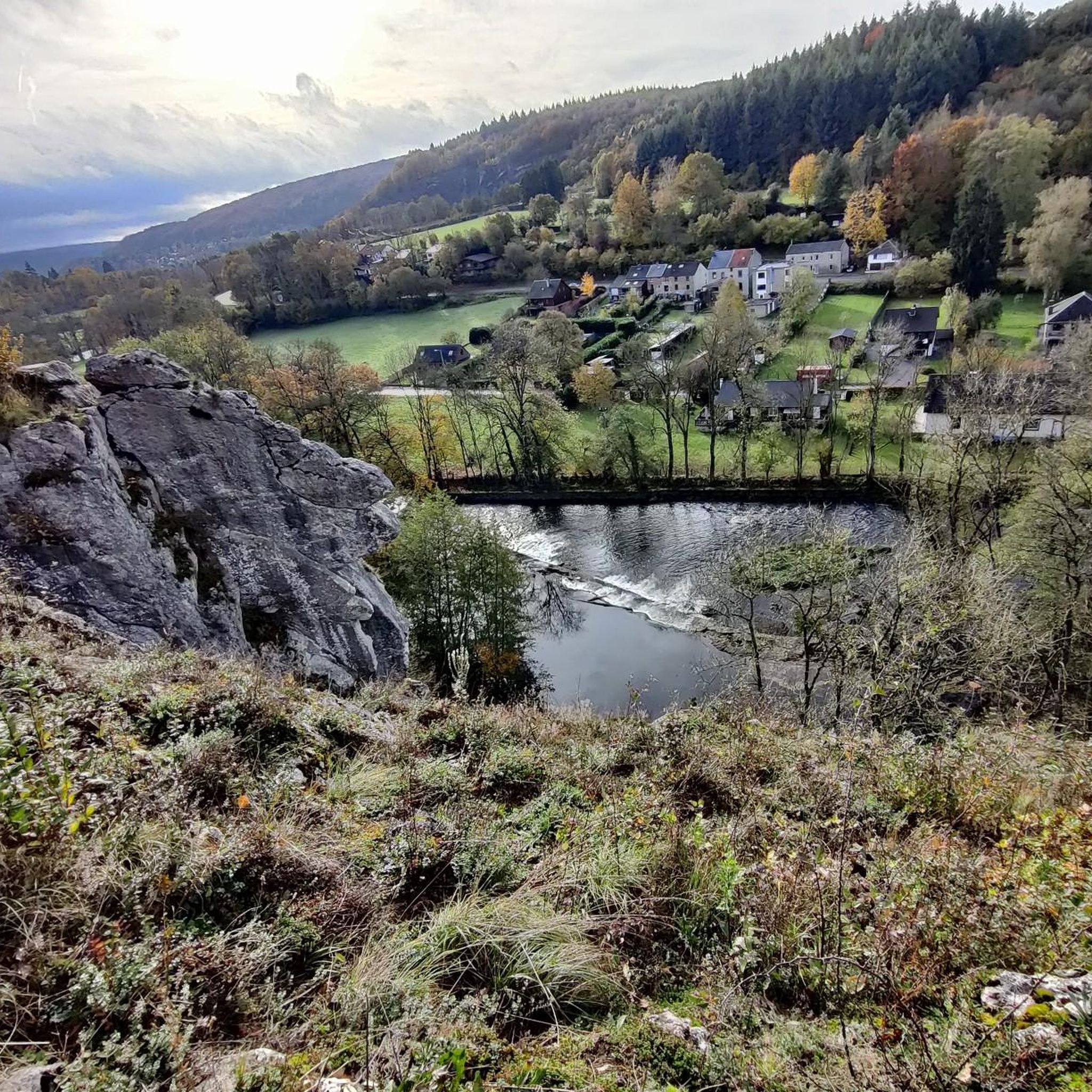
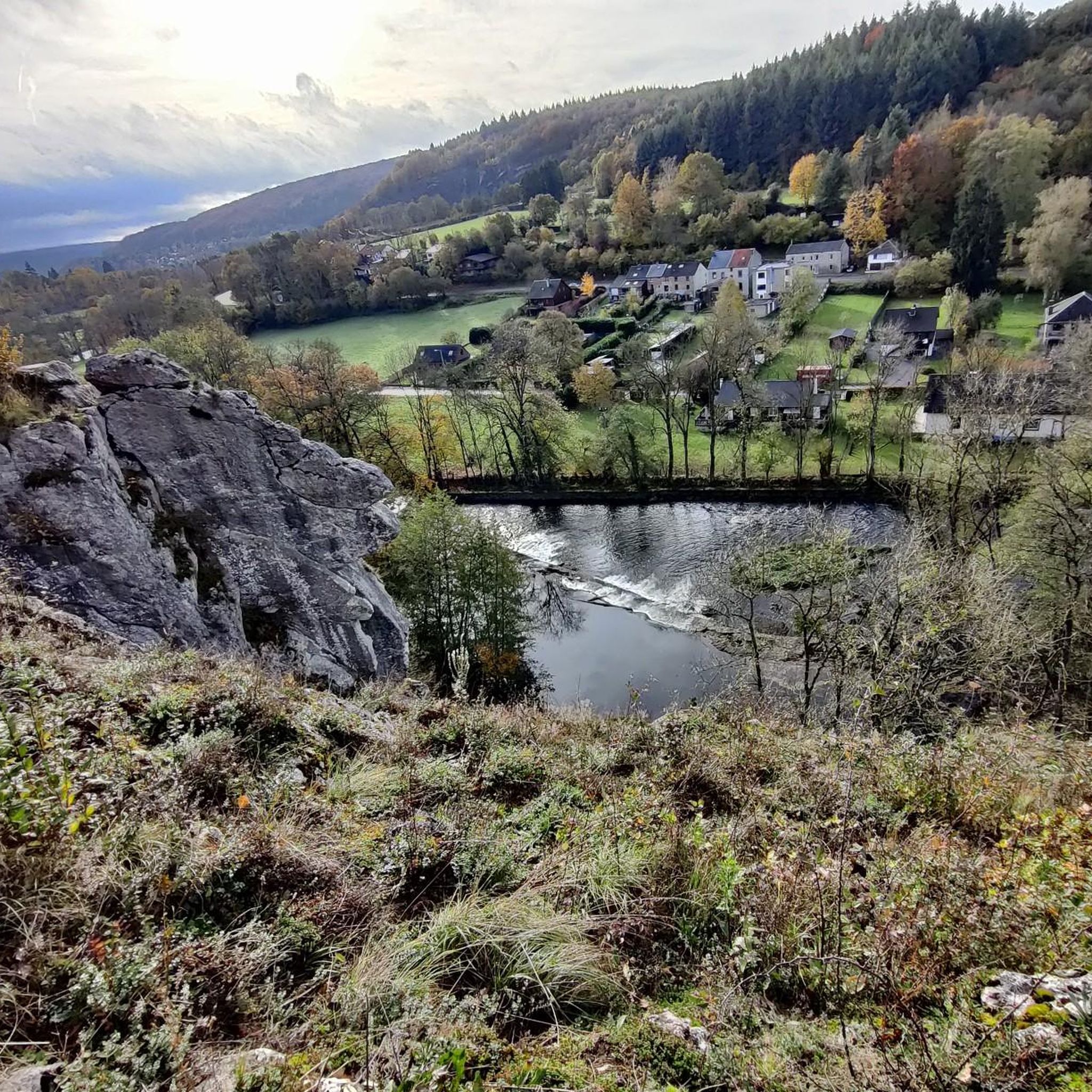
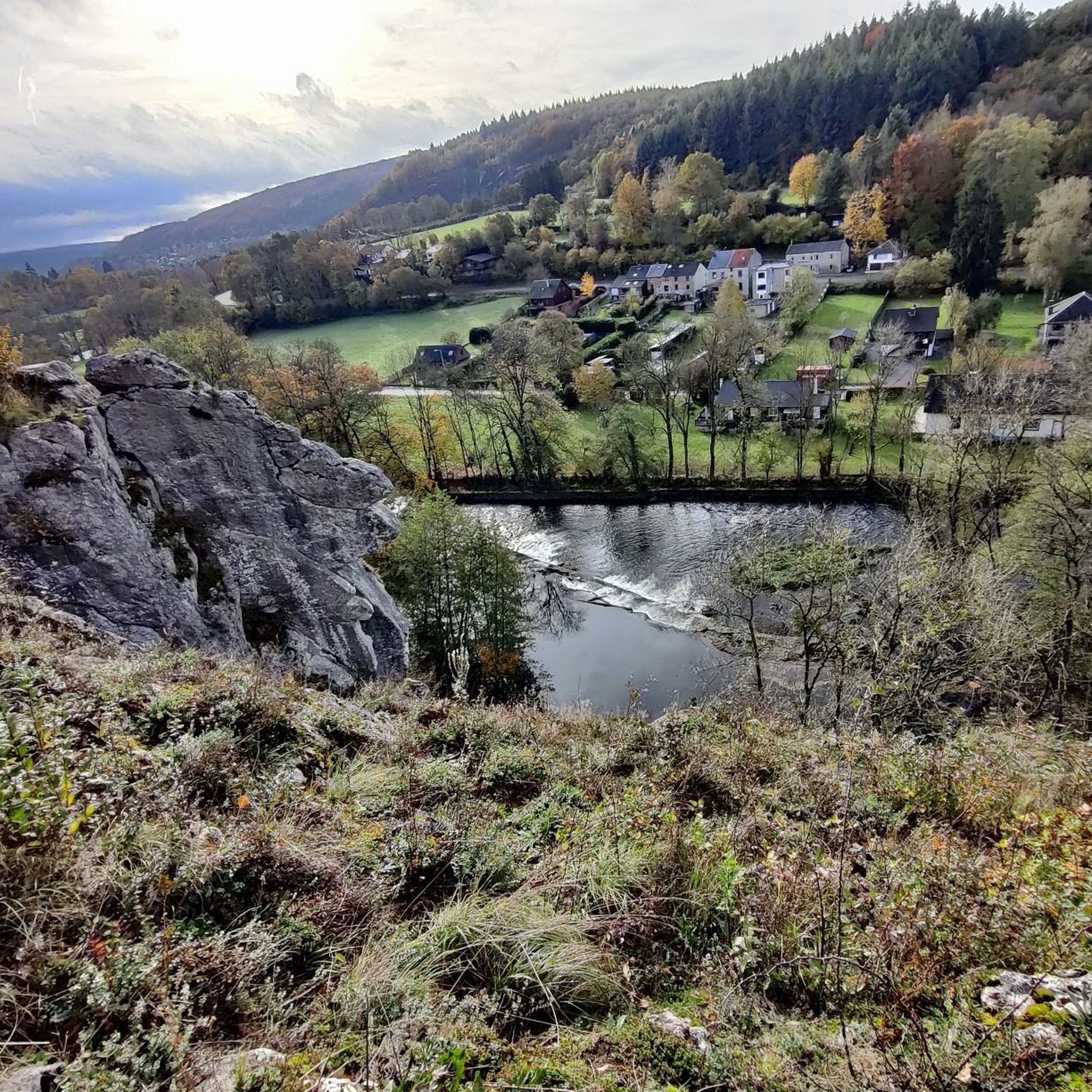
At approximately 37 meters, the top of the Anticline, also known as the Homalius Rock and especially the Falize Rock, is literally the highest point in Durbuy. It has been a highlight for many visitors for years, thanks in part to the surroundings and beautiful water features. The rock is somewhat older than the average visitor. It's said to be more than 300 million years old. However, the rock layers are much older: around 375 million years old. The name Anticline comes from the geological phenomenon known as an anticline. It's the opposite of a syncline. While the former is a fold formed over many years, with the innermost layers being the oldest and the folds running downwards, synclines have folds running downwards. Such folds can form for various reasons and range from very small to large, as seen here. Originally, everything was, of course, horizontal. The inverted U-shape created by uplift in Durbuy is not only beautiful to see but also special. And Durbuy has beautifully highlighted this. Another beautiful anticline can be found in Han-sur-Lesse, also in the Famenne-Ardenne region, albeit in the province of Namur (here we are in Luxembourg), where it has been given the name "Tête de bouc" (Tick of the Rock). There's a waterfall and a large water feature at the end of the expansive pond in front of the rock, which you can also climb. And everywhere there's space to admire it all while sitting and relaxing—or enjoying the water. Don't forget the many smaller works of art and curiosities, and take a look in the water.
8
0


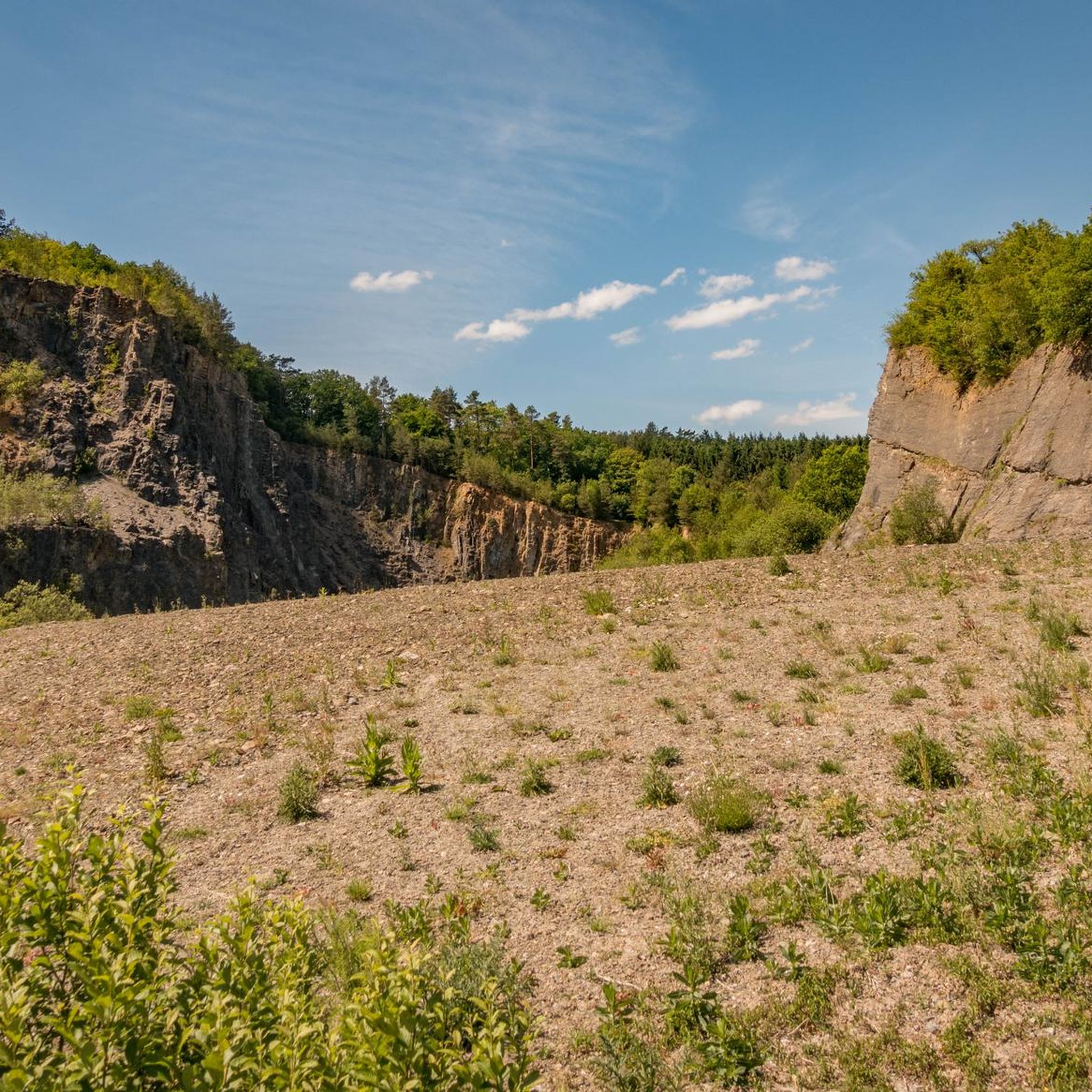
This impressive geological formation consists of a succession of dolomitic limestone layers that were pushed up by earthquakes of the earth's crust. Quite impressive. A location to take a photo.
4
1
The dolmens of Wéris and d'Oppange are located here within a stone's throw of each other. Even small walkers can be taken back thousands of years in time. Have respect for both locations. There are 29 human sacrifices under this dolmen. Carefully approach the Zielgat, the round opening in the gate of the dolmen, you never know.
2
0
The dolmens of Wéris and d'Oppange are located here at a stone's throw from each other. Even small walkers can be taken back thousands of years in time. Respect both locations. Under this dolmen lie some 29 human sacrifices. Approach the Zielgat, the round opening in the gate of the dolmen, with caution, you never know.
2
0

This dolmen is one of the many megaliths located around the village of Wéris.
2
0
Beautiful village with several megaliths in the area.
0
2
Frequently Asked Questions
What are some unique geological formations to explore around Hotton?
Beyond the well-known caves, you can visit The Anticline, an impressive geological formation over 300 million years old. This rock displays an inverted "u" shape formed by uplifted lime layers, offering a fascinating glimpse into the earth's history.
Are there any historical natural monuments in the Hotton area?
Yes, the region is rich in historical natural monuments. You can explore Wéris Dolmen, a unique arrangement of ancient dolmens and menhirs that invites exploration of these stone witnesses from the Neolithic period. It's part of the larger Wéris Megalithic Field.
What is the Hotton Caves experience like?
The Hotton Caves (Grottes de Hotton) offer a remarkable underground adventure. You'll descend 65 meters to explore a 600-meter route through galleries and rooms filled with spectacular crystallised limestone formations, including stalactites and stalagmites. The tour also features an underground river and a unique 35-meter-high canyon. The temperature inside remains a constant 12°C (53.6°F) year-round. Guided tours last about an hour and are available in multiple languages. For more information, you can visit Visit Wallonia.
Are there family-friendly natural attractions near Hotton?
Absolutely! Many natural monuments in the area are suitable for families. For instance, the Old Town and Castle of Durbuy is a picturesque settlement with medieval alleys that families enjoy strolling through. The Hotton Caves also offer family-friendly guided tours with adapted itineraries and a lift for returning to the surface, though it does involve many steps.
What kind of natural water features can I find around Hotton?
You can discover the Isbelle Karst Spring, where the stream 'l'Isbelle' disappears underground into a series of sinkholes and then resurfaces as a karst spring. It's an adventurous location where children can enjoy looking for water, offering a unique natural phenomenon.
What outdoor activities can I do near these natural monuments?
The Hotton area offers a variety of outdoor activities. For gravel biking, you can find routes like the 'Dolmen of Oppagne – Megalithic Field of Wéris loop' which is a moderate 34 km ride. Road cyclists might enjoy the 'Durbuy — Old Town and Castle – Wéris Dolmen loop' at 41 km. Runners have options such as the 'Isbelle Karst Spring – Pont de l'Isabelle loop' which is about 11 km. You can find more details on these and other routes in the respective guides for Gravel biking around Hotton, Road Cycling Routes around Hotton, and Running Trails around Hotton.
Is there a village known for its historical and natural significance near Hotton?
Yes, Wéris Village and Megaliths is a beautiful village surrounded by ancient megaliths. It's a historical site and natural monument where you can experience dolmens and menhirs, and learn about local legends and myths. The village itself features beautifully restored limestone and sandstone half-timbered houses.
What is the Calestienne Garden, and is it near the Hotton Caves?
The Calestienne Garden is an educational garden located adjacent to the Hotton Caves. It showcases the rich and varied natural flora specific to the limestone soils of the Calestienne region. It offers a complementary experience for nature lovers, highlighting the unique biodiversity of the area above ground, and also includes a playground and a panoramic terrace.
What makes the Hotton Caves a protected site?
The Hotton Caves are recognized as an outstanding natural heritage site in Wallonia and are the only caves in Belgium to be entirely classified as a protected site. They are part of the Famenne-Ardenne Geopark, emphasizing their exceptional geological and ecological value.
What is the best time to visit the Hotton Caves?
The Hotton Caves maintain a constant temperature of 12°C (53.6°F) year-round, making them a suitable visit in any season. However, it's always a good idea to check their official website for current opening hours and tour availability, especially during off-peak seasons or holidays.
Are the Hotton Caves accessible for everyone?
Guided tours at the Hotton Caves are designed to be accessible for families, including younger explorers, and a lift is available for returning to the surface. However, the tour does involve 580 to 700 steps, so it is not recommended for people with heart problems or those with reduced mobility.
Most popular attractions around Hotton

Get inspired with the komoot mobile app


Explore more
Extend your search for the best caves by checking out these guides of the top ones around Hotton:
