Top 20 Natural Monuments around Attert
Best natural monuments around Attert are found within the Attert Valley Natural Park, located between Arlon and Martelange. This region features a diverse landscape, including the Ardennes forest of Anlier and the Lorraine cuestas. The park contains five distinct natural reserves, showcasing varied ecosystems from ancient forests to wetlands and grasslands. These sites offer opportunities for observing wildlife and experiencing diverse natural environments.
Best natural monuments around Attert
- The most popular natural monuments is La Fabrique Pond, a lake…
Last updated: May 17, 2026
La Fabrique Pond
Highlight • Lake
Translated by Google •
Tip by

Misère Bridge (Misärsbréck)
Highlight • Bridge
Tip by

Sign up now to discover places like this
Get recommendations on the best single tracks, peaks, & plenty of other exciting outdoor places.
Sign up for free
Tattert-Thiaumont Pond
Highlight • Lake
Road signs also indicate to slow down so as not to run over amphibians. It's funny.
Translated by Google •
Tip by

The Great Oak of the Anlier Forest
Highlight • Natural Monument
Translated by Google •
Tip by

Tranchée des Portes Oppidum
Highlight • Historical Site
Translated by Google •
Tip by
Sign up for free to discover even more natural monuments around Attert.
Sign up for free
Already have an account?
Start today with a free account
Your next adventure awaits.
Login or Signup

Tips from the Community

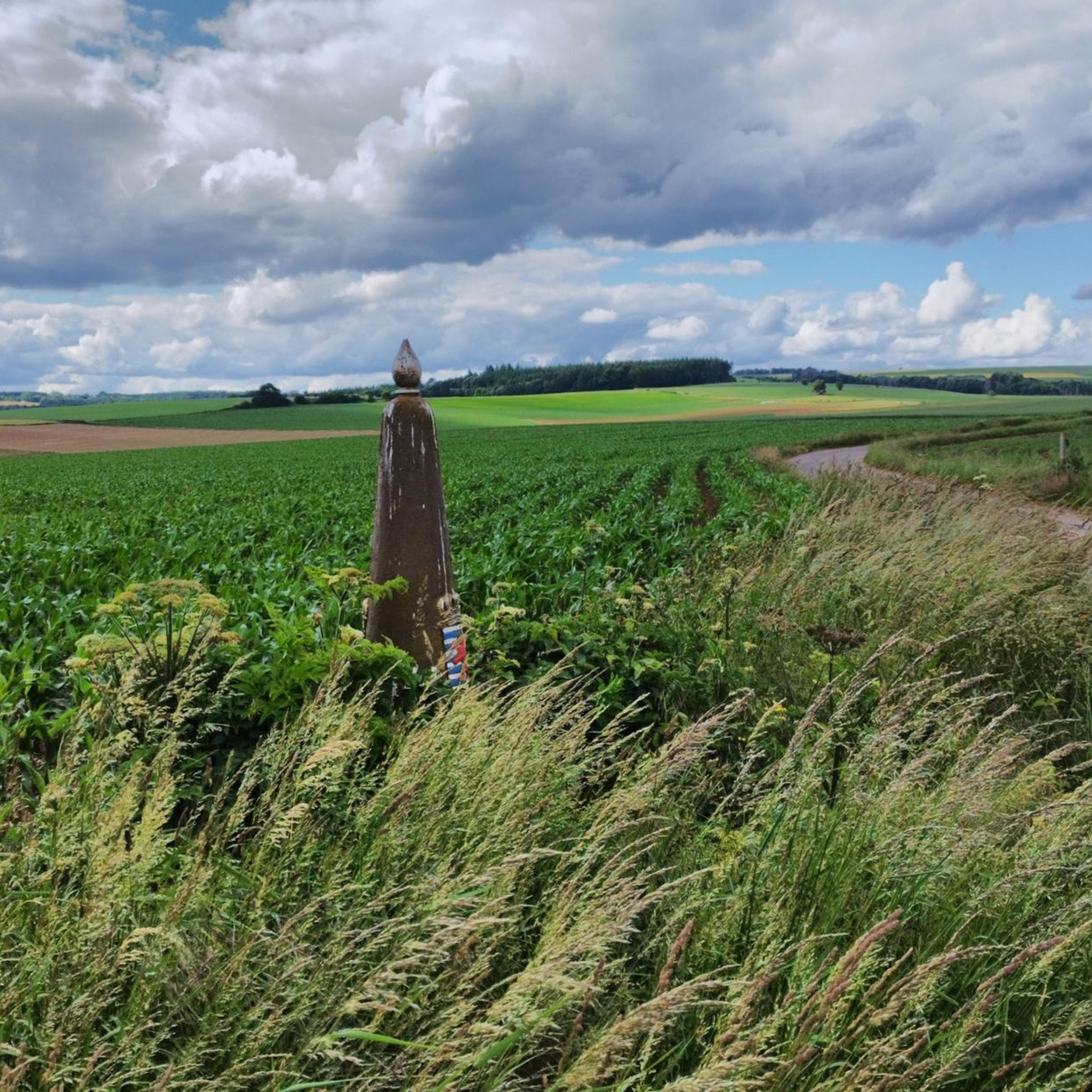
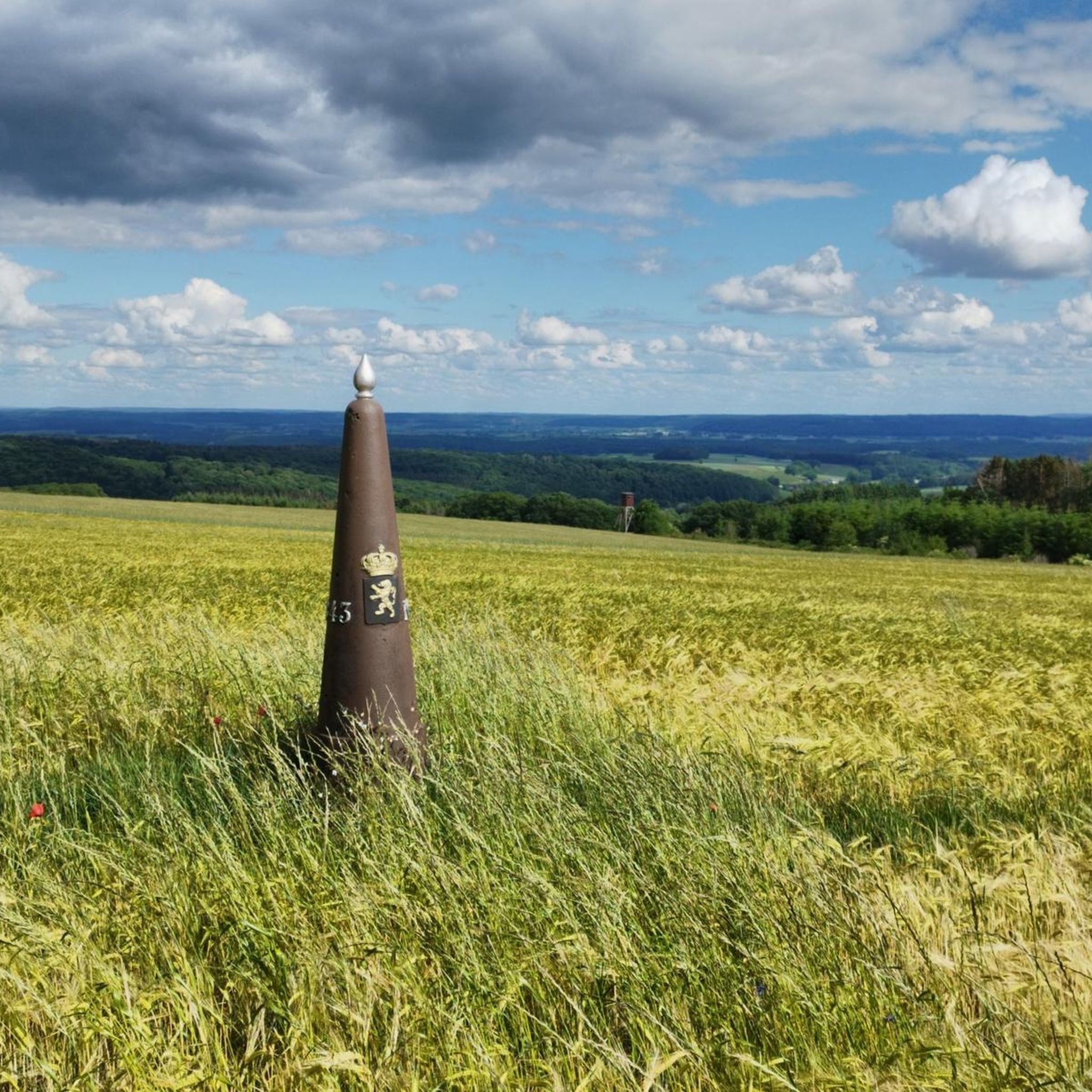
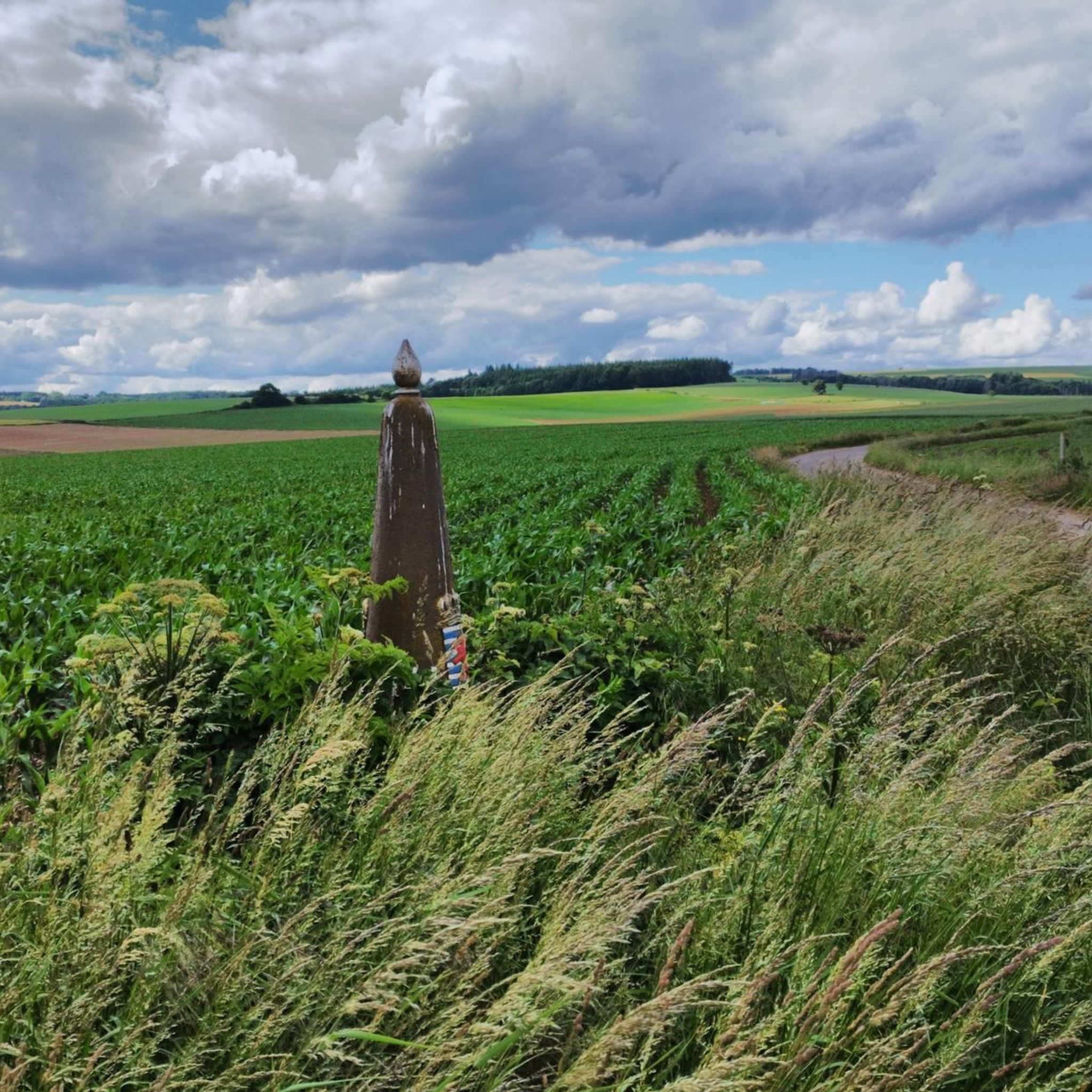
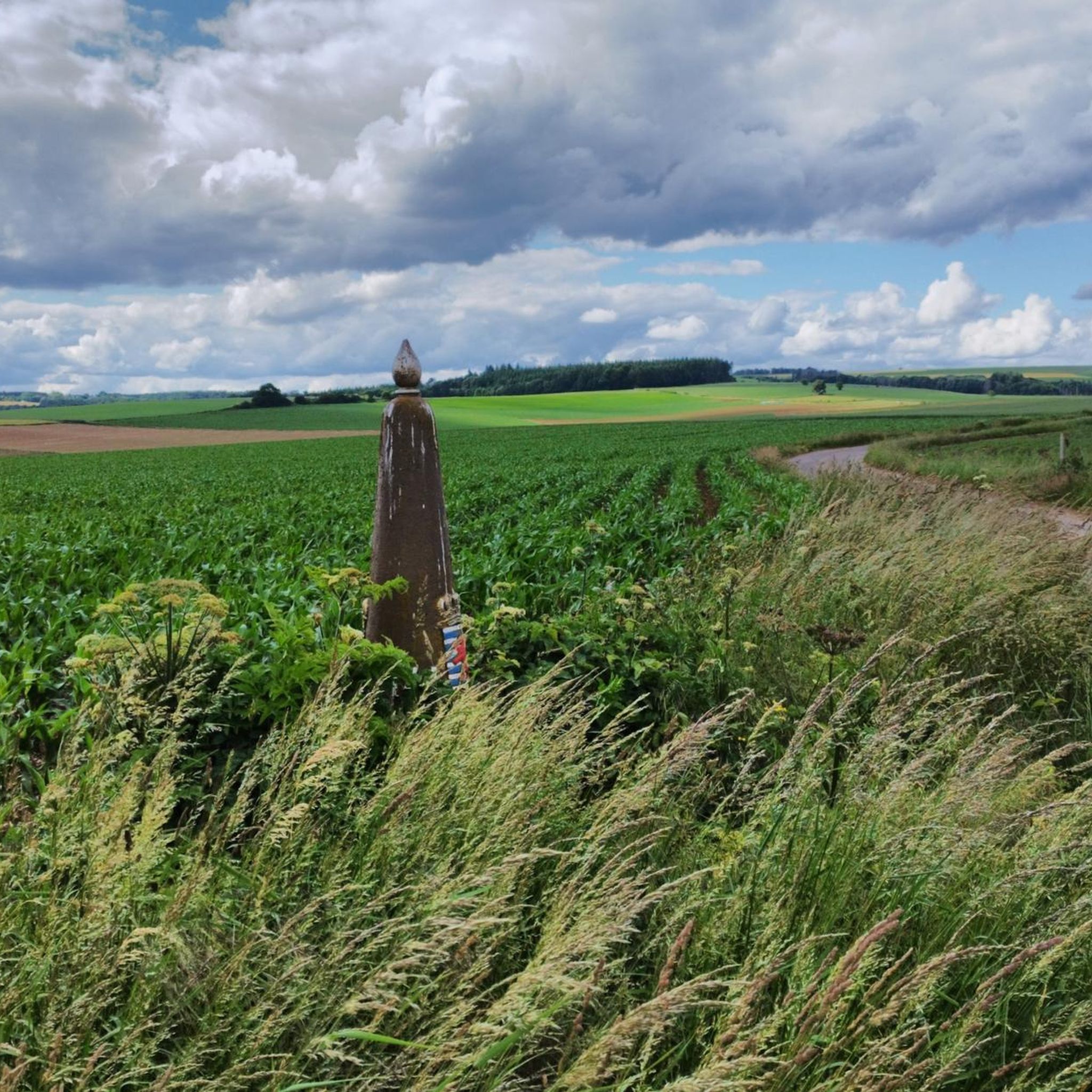
The Trench of Gates: Gateway to Gaume, Gateway to Legends 1. What is it? Physical Description The Trench of Gates is a deep and spectacular rocky gorge, naturally carved by the Vire River (a tributary of the Semois) into the sandstone plateau of the Gaume forest. Located in the village of Dampicourt (commune of Rouvroy), on the French border, it forms a narrow and winding notch, framed by high sandstone walls and strangely shaped rocks. Its name comes from its topography: the site gives the impression of crossing several successive natural "gates." 2. A Strategic Position: Military History The true fame of the Trench of Gates comes from its historical role as a natural fortress and strategic border post. A Gallic Stronghold? : Its easily defensible configuration suggests that it was used as a refuge since the Gallic era. The Roman Fort: Its strategic role became evident during the Roman era. The Romans established a castellum (a fortified camp) there to control the passage between Belgic Gaul and Imperial Trier, and to protect the nearby Roman road. Remains of these fortifications were still visible several centuries ago. A Millennial Challenge: Due to its position on the border, the site has been contested and fortified throughout history, from the Middle Ages to modern wars. It offered an ideal control point over one of the few passable passages through the region's wooded terrain.
1
0

The Tranchée des Portes covers an area of 100 hectares. It is the largest Iron Age stronghold in Belgium. This development required an abundant workforce. The construction and maintenance of the rampart suggest a well-organized social entity. Unlike Montauban, which was occupied occasionally, the Tranchée des Portes is not a refuge but an oppidum, that is to say, a fortified site where people settled for the long term with their livestock and crops. It is a fortification that owes its name to the deep ditch (5 m) that precedes its rampart. Consisting of an earthwork over 3 m high, formerly surmounted by a palisade, this barrier, pierced by 3 gates, extends over 1 km. This type of defensive site is called a barred spur. It was often used in the protohistoric period (Iron Age). We chose a place with 2 or 3 steep and almost impassable sides and we blocked access by building a wall on the vulnerable side with what we found on the site (stones, trees, earth)
2
0

The largest Iron Age stronghold in Belgium, covering an area of 100 hectares, is to be discovered in EtalleUnlike Montauban, which was occupied occasionally, the Tranchée des Portes was not a refuge but an oppidum, i.e. a fortified site where people settled for the long term with their livestock and crops. It is a fortification that owes its name to the deep ditch (5m) that precedes its rampart. Consisting of an earthwork of more than 3m formerly topped with a palisade, this dam, pierced by three gates, extends over more than 1km. This type of defense site is called a barred spur. It was often used in the protohistoric period (Iron Age).
1
0

nice place for a break in your ride. enjoy the nature ( all season)
1
0

Nice reserve in a slightly marshy area.
0
0

This must-see was a little sad during my visit. The pond does not seem to be maintained and the vegetation is taking over the footbridge as well as the small pontoon which was not passable. Too bad because this place can be very nice!
0
0

This very pretty pond has a wooden bridge which allows you to observe the fauna and flora without disturbance. Road signs also indicate to slow down so as not to run over amphibians. It's funny.
0
0

If you are looking for a peaceful and natural place, you should visit the Tattert-Thiaumont pond. This pond, formerly used for fishing, is today dedicated to fauna, flora and tranquility. You can walk around the pond and get to know the water inhabitants, woodland birds and beavers thanks to the information boards installed along the banks. You can also observe the abundant pond life from a wooden pontoon overlooking the water. It's a great place to exercise and get closer to nature.
3
0
Frequently Asked Questions
What are some of the most unique natural monuments to visit around Attert?
The Attert region offers a variety of unique natural monuments. One notable site is La Fabrique Pond, an extraordinary place where nature has reclaimed a 16th-century industrial area, now a tranquil oasis. Another is the Misère Bridge (Misärsbréck), which spans the Sauer river and is part of a national nature and ornithological reserve, offering diverse wildlife along its trails.
Are there family-friendly natural monuments in the Attert Valley Natural Park?
Yes, several natural monuments in the Attert Valley Natural Park are suitable for families. Tattert-Thiaumont Pond is dedicated to fauna, flora, and tranquility, featuring a wooden bridge for wildlife observation and information boards. The Great Oak of the Anlier Forest, a majestic tree over 500 years old, is located in a clearing with a small chapel and a picnic area, perfect for a family outing.
What kind of historical natural monuments can I explore in the Attert region?
The Attert region boasts natural monuments with significant historical context. The Tranchée des Portes Oppidum is an ancient fortified site dating from the Neolithic period, later occupied by Celts and Romans. It features remains of an earthen rampart and ditch, covering over 100 hectares, and is considered the largest Iron Age stronghold in Belgium. La Fabrique Pond also has a rich history, being a former 16th-century industrial site that has since been rewilded.
What outdoor activities can I do near the natural monuments around Attert?
The Attert Valley Natural Park offers numerous opportunities for outdoor activities. You can explore a variety of hiking trails, such as the 'Nothomb - au fil de l'eau' or 'Nobressart: Between Lorraine & Ardenne Trail'. For more details on hiking, visit the Hiking around Attert guide. Cycling is also popular, with routes like the 'Hilly cycle path near Redange' available. Find more cycling options in the Cycling around Attert guide.
Are there specific natural features or ecosystems to observe in the Attert Valley Natural Park?
Yes, the Attert Valley Natural Park is known for its diverse ecosystems. You can observe wet meadows and reed beds at the Marais de Grendel, which straddles the border between Belgium and Luxembourg. The Carrière de Tattert features calcareous grasslands on dry sand, home to rare plant species and viviparous lizards. The park also includes parts of the vast Anlier Forest, one of Belgium's largest and most diverse forests, rich in bird, mammal, and plant species.
What is the best time of year to visit the natural monuments in Attert?
The Attert Valley Natural Park offers beauty throughout the year. Spring and summer are ideal for observing flora and fauna, with lush greenery and active wildlife. Autumn brings vibrant colors to the forests, particularly in areas like the Anlier Forest. Even winter can be beautiful for peaceful walks, though some trails might be less accessible depending on snow or ice. For specific seasonal changes, it's always good to check local conditions.
Are there any natural monuments around Attert that are good for birdwatching?
Absolutely. The Misère Bridge (Misärsbréck) area is a national nature and ornithological reserve, making it an excellent spot for birdwatching. The Marais de Grendel, with its wet meadows and reed beds, also provides a habitat for unique aquatic and semi-aquatic bird species. The Anlier Forest is home to a rich variety of bird species as well.
Can I find information boards or educational resources at the natural monuments?
Yes, at places like Tattert-Thiaumont Pond, you'll find information boards along its banks that help you learn about the water inhabitants, woodland birds, and beavers. These resources enhance the visitor experience by providing context about the local fauna and flora.
What makes the Anlier Forest a significant natural monument?
The Anlier Forest is significant as one of Belgium's largest and most diverse forests. It's considered a natural monument in its own right due to its extensive size and rich biodiversity, hosting a wide variety of bird, mammal, and plant species. Within it, you can also find specific highlights like The Great Oak of the Anlier Forest, adding to its natural heritage.
Where can I find more general information about the Attert Valley Natural Park?
For more general information about the Attert Valley Natural Park, you can visit external resources such as Visit Ardenne or Visit Wallonia. These sites provide broader context about the park's offerings and significance.
Are there opportunities for observing rare plant species in the Attert region?
Yes, the Attert Valley Natural Park is home to specific sites where rare plant species thrive. For instance, the Carrière de Tattert is known for its calcareous grasslands on dry sand, which support unique and rare plant life, making it a valuable location for biodiversity enthusiasts.
Most popular attractions around Attert

Get inspired with the komoot mobile app


Explore more
Extend your search for the best caves by checking out these guides of the top ones around Attert:
