Top 20 Natural Monuments around Chaumont-Gistoux
Best natural monuments around Chaumont-Gistoux include diverse natural areas within the Walloon Brabant province of Belgium. The region features significant ecological corridors, unique geological formations, and picturesque landscapes. These sites offer opportunities to observe rich biodiversity, ancient geological structures, and tranquil natural settings. The area is characterized by forests, nature reserves, and river valleys, providing varied natural experiences.
Best natural monuments around Chaumont-Gistoux
- The most popular natural monuments is Framed landscape of the Laan Valley, a viewpoint that offers…
Last updated: May 17, 2026
Tomberg Summit — Bench and Gazebo
Highlight • Summit
Translated by Google •
Tip by

Thick Oak 300 years old – 5 meters in circumference
Highlight • Natural Monument
The monumental oak is more than 300 years old and has a …
Translated by Google •
Tip by

Sign up now to discover places like this
Get recommendations on the best single tracks, peaks, & plenty of other exciting outdoor places.
Sign up for free
Tomberg Hill and Bench
Highlight • Viewpoint
Translated by Google •
Tip by

Framed landscape of the Laan Valley
Highlight • Viewpoint
Translated by Google •
Tip by
"Het fluiterke" – sculpture by Ad Wouters
Highlight • Monument
From the picnic bench you have a beautiful view of the two tree sculptures by the local artist Ad …
Translated by Google •
Tip by
Sign up for free to discover even more natural monuments around Chaumont-Gistoux.
Sign up for free
Already have an account?
Start today with a free account
Your next adventure awaits.
Login or Signup

Tips from the Community

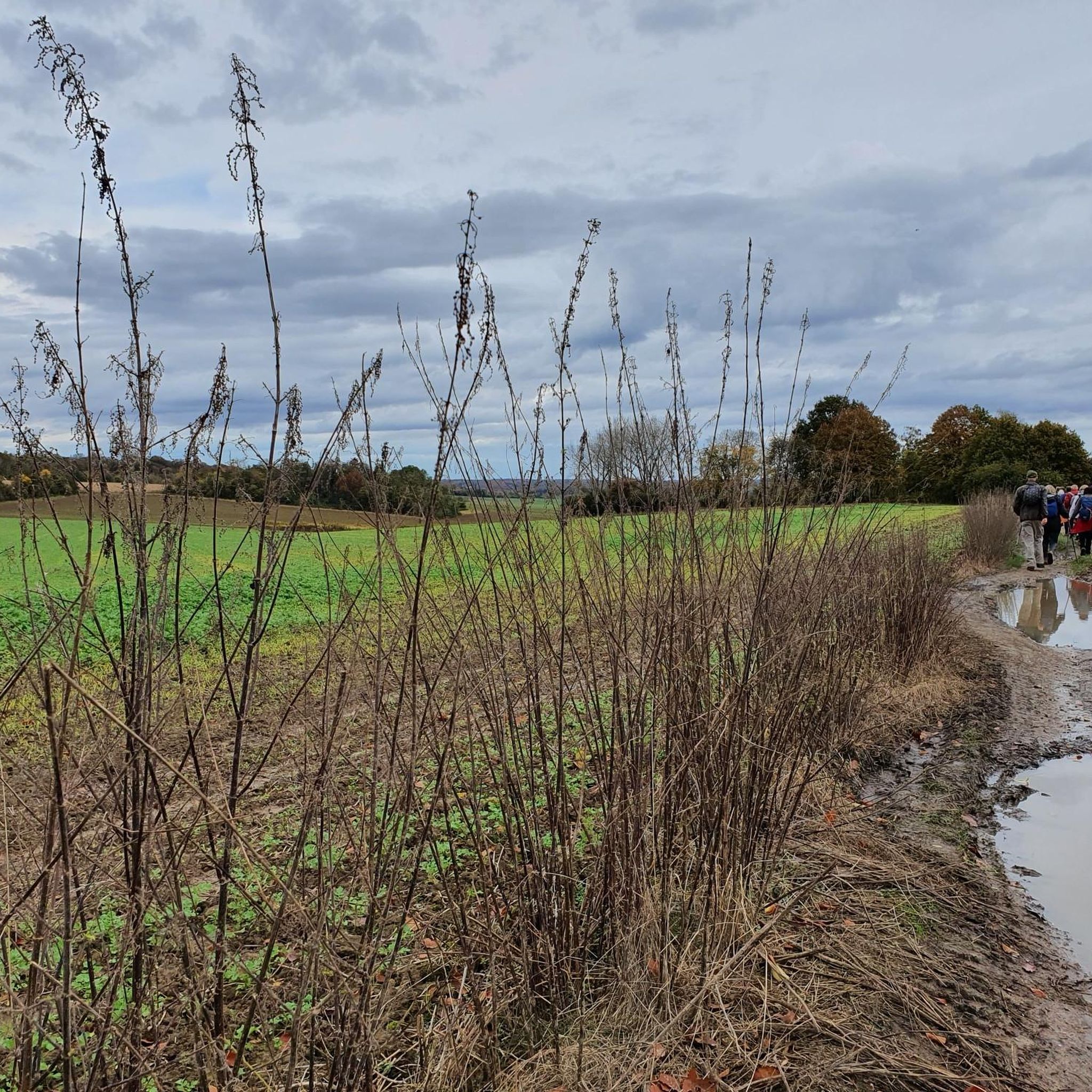
The "frame" offered by the creative viewpoint walk is not very suitable if you are short. Then you can hardly use the frame. But of course, apart from this frame, you can capture the landscape of the Laan Valley beautifully.
9
0

Already 304 years old? Time flies!
0
0

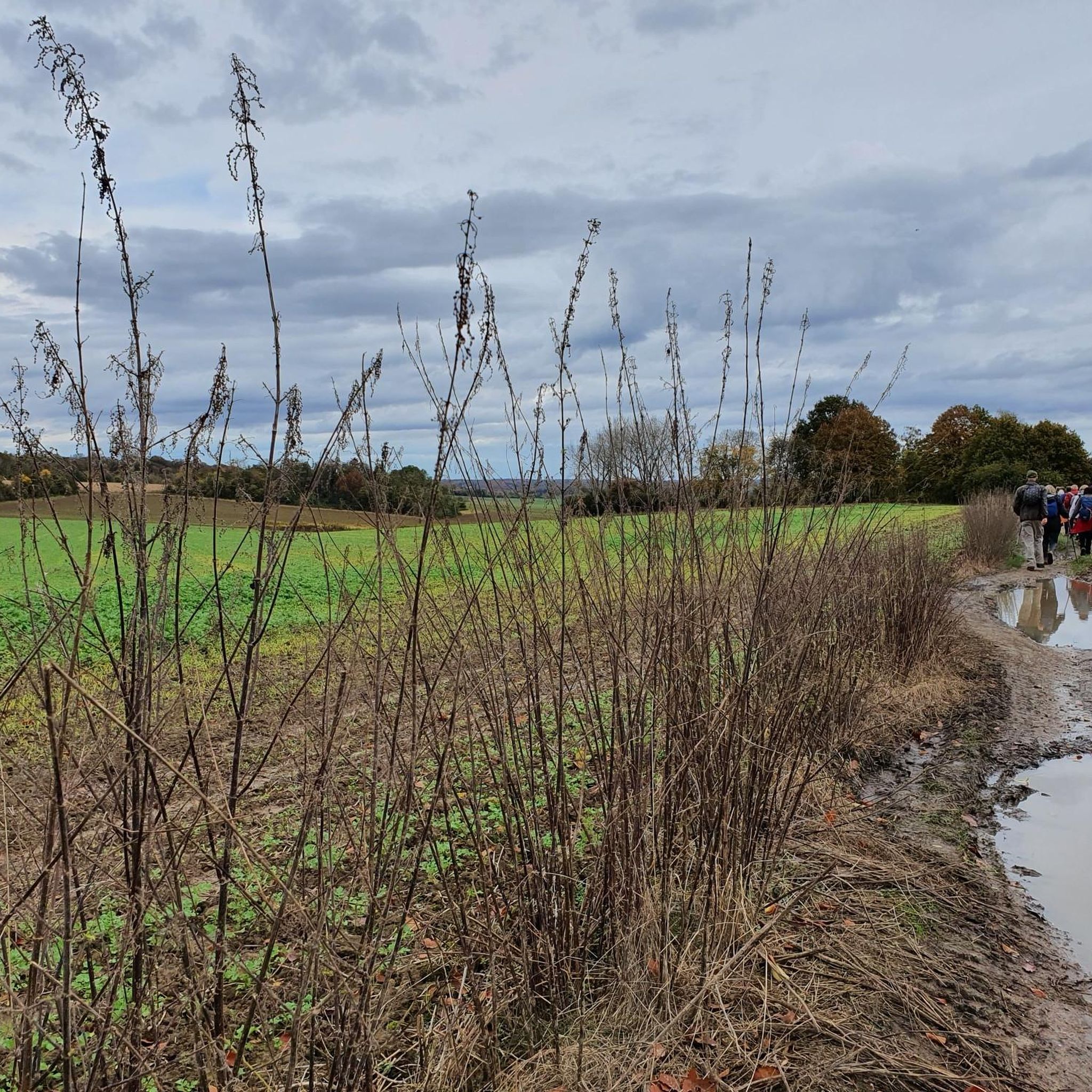
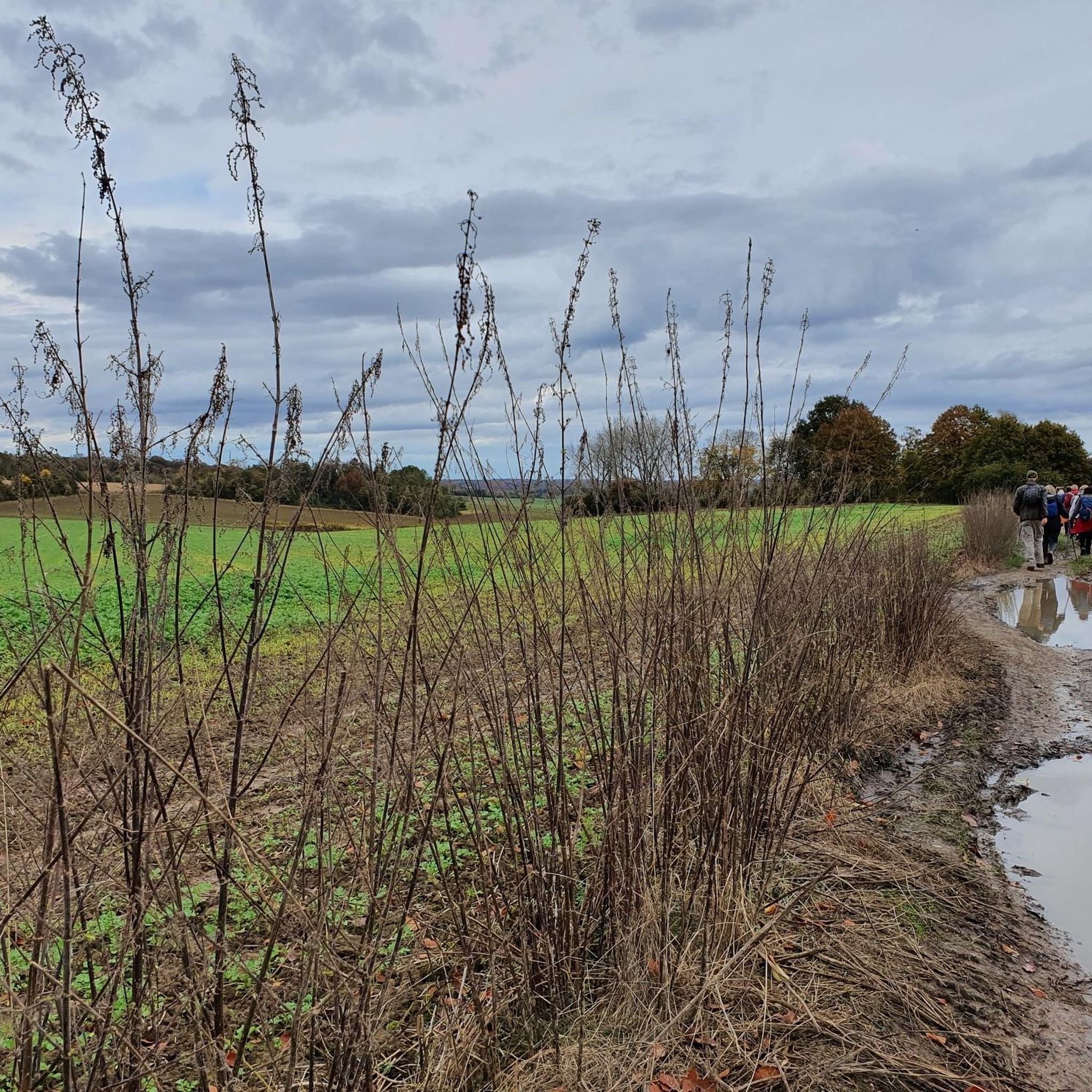
was very wet at the time of the walk
3
0

The "frame" through which you can photograph your framed landscape is part of the creative viewing walk. You can read more about this at https://www.overijse.be/creatieve-kijkwandeling (with PDF).
9
0
As the name suggests, the state nature reserve ‘Rodebos en Laanvallei’ is located in the Laanvallei. The Laan, as a tributary of the Dijle, is still one of the gems of the Dijleland and has cut into the plateau about 50m deep at the level of the reserve. On the eastern flank of the Laanvallei we find the Rodebos. The reserve is now over 100ha in size and is managed by the Agency for Nature and Forests (ANB) of the Flemish Community. The largest part of the reserve consists of a wooded valley flank with numerous springs. Because these slopes were also too steep for agriculture in the past, these flanks have always remained wooded and nature has been given every opportunity. That is why human intervention is kept to a minimum here. From the dry plateau and the adjacent valley flanks with springs we finally end up in the Laanvallei. Until the 1950s, a rather open landscape with hayfields and meadows interspersed with marsh, wooded areas and coppices was found here. Since then, many of these valley grounds have been planted with poplars or have spontaneously evolved into (swamp) forests. In the meantime, many of these poplar stands have disappeared again. The management is aimed at creating a valuable valley landscape with alder swamps, reed lands and wet hayfields. An important part of this whole story are the Hebridean sheep that can be found in the reserve all year round and contribute to its management. The Laan rises just south of Waterloo and flows into the Dijle 500 m north of the village centre of Sint-Agatha-Rode. Together with the Dijle, the Laan is one of the few rivers in Flanders that can still meander freely over its entire course. This naturally contributes to the high value of this area. Source: https://www.natuurstudiegroepdijleland.be/rodebos-en-laanvallei/
9
0

Here you already have the feeling of the Ardennes...
4
0
On top of the dune hill that is the Tomberg you will find a - currently partly broken - bench around an ever-growing tree where you can sit under. There is an information board and you are surrounded by heathland, a piece of grassland, sandy roads and during this period a beautiful sea of ferns.
6
0
The Tomberg is the second highest place in the forest (102 m). It is not a prehistoric burial mound (or tomb) as our ancestors thought, but a natural elevation, a dune mound that millions of years ago, together with the Mommendeel mound, actually protruded above the sea at that time. It is here that the illustrious forest court sat for hundreds of years. In the Middle Ages, every free man was in principle allowed to hunt without restriction in forests, meadows and swamps. The big exception were the free forests, the private forests of the dukes. Meerdaalwoud was such a free forest and hunting rights belonged exclusively to the Duke of Arenberg. At first the forest court was itinerant and justice was administered in the various villages. Later, a special building was erected here on the Tomberg for the court hearings. Later still, a hearing was held at Heverlee castle. The punishments were not lenient, but it is thanks to that forest justice that the forest still exists today and has not been sacrificed to the needs of the farmers and citizens in the area. The forest right came to an end with the arrival of the French in 1795. You can read this - and much more - at https://www.onroerenderfgoed.be/archeologische-fietstocht-heverlee
5
1
Frequently Asked Questions
What are some unique natural features to explore around Chaumont-Gistoux?
The region offers diverse natural features. You can explore the striking banks of reddish-brown sands and sandstones at the Ronvau Nature Reserve and Champ'taine Geological Site, which display fascinating 'Liesegang figures' and ancient sediment stratifications. Another notable feature is the Framed landscape of the Laan Valley, where you can observe the meandering Laan river in a picturesque setting.
Are there any natural monuments with historical significance in the area?
Yes, the Bois de Chaumont holds historical significance with archaeological vestiges like Bronze Age burial mounds. Additionally, the Tomberg Summit — Bench and Gazebo is a natural elevation where a forest court historically sat for hundreds of years, making it a site of both natural and historical interest.
What natural monuments are suitable for families with children?
Several natural monuments are family-friendly. The Thick Oak 300 years old – 5 meters in circumference offers a shaded picnic spot under an ancient tree. The Framed landscape of the Laan Valley is also noted as family-friendly, providing an idyllic setting for a walk. For a unique experience, the sculpture "Het fluiterke" – sculpture by Ad Wouters offers a fairytale-like picnic area with tree sculptures that kids might enjoy.
Where can I go for wildlife spotting near Chaumont-Gistoux?
The Bois de Chaumont is an excellent spot for wildlife spotting. It's part of a Natura 2000 forest massif and boasts rich biodiversity, including notable bird species like the European honey buzzard and the Western Bonelli's warbler, as well as slow worms, common frogs, and various solitary bees. The Lavalei nature reserve, near the Framed landscape of the Laan Valley, is characterized by swamp forest and wet meadows where beavers are active.
What kind of outdoor activities can I do near these natural monuments?
The area around Chaumont-Gistoux offers various outdoor activities. You can find numerous cycling routes, including easy to difficult options, as detailed in the Cycling around Chaumont-Gistoux guide. For mountain biking enthusiasts, there are challenging trails like the 'Forest Trail Along the Stream' and 'Selten Trail' listed in the MTB Trails around Chaumont-Gistoux guide. Road cycling routes are also available, such as those found in the Road Cycling Routes around Chaumont-Gistoux guide.
Are there hiking trails near the natural monuments?
Yes, the Bois de Chaumont offers peaceful retreats for hiking, allowing you to observe wildlife in a naturally rich environment. The Ronvau area also features walking paths that pass by a pond and a waterfall, leading to the archaeological site of Michelsberg. While specific hiking routes for these natural monuments are not detailed here, you can find general hiking information and routes in the broader region on komoot.
What is the best time to visit the natural monuments around Chaumont-Gistoux?
The natural monuments can be enjoyed throughout the year. For instance, the Thick Oak 300 years old – 5 meters in circumference is particularly beautiful in March/April when the wood anemones bloom. Generally, spring and autumn offer pleasant weather for exploring the forests and reserves, while summer is ideal for activities around Lake Genval.
Is Lake Genval considered a natural monument and what can I do there?
While technically an artificial lake, Lake Genval is a well-known beauty spot near Chaumont-Gistoux, offering significant scenic and recreational value. Visitors can enjoy delightful country walks around the lake, engage in leisure activities like sailing and canoeing, and dine at waterside restaurants. It's a popular destination for those seeking natural beauty and outdoor recreation in the broader region. You can find more information about Lake Genval on Wikipedia.
What do visitors enjoy most about the natural monuments in this region?
Visitors appreciate the tranquility and natural beauty of the area. The Tomberg Summit — Bench and Gazebo is loved for its quiet open heathland with views of heather and ferns. The Framed landscape of the Laan Valley is praised for its idyllic setting and picturesque views, often described as 'almost a painting'. The ancient Thick Oak provides a peaceful spot for picnics.
Are there any hidden gems among the natural monuments?
The Ronvau Nature Reserve and Champ'taine Geological Site could be considered a hidden gem for those interested in geology. These sites offer exceptional insights into the region's ancient past with their clear geological formations, including visible Liesegang figures and sediment stratifications, which are particularly fascinating for geology enthusiasts.
Are the natural monuments dog-friendly?
While specific dog-friendly policies for each natural monument are not detailed, many natural areas in Belgium, including forests and reserves, generally allow dogs on leash. It's always recommended to check local signage or official websites for specific rules regarding pets before visiting, especially in nature reserves like Bois de Chaumont and Ronvau Nature Reserve to ensure the protection of local wildlife.
What kind of terrain can I expect on trails around these natural monuments?
The terrain varies across the region. In areas like the Bois de Chaumont, you can expect a mosaic of forests, dry heaths, and sandy grasslands. The Ronvau area features walking paths that can lead through forests and near ponds. For the Lavalei nature reserve near the Framed landscape of the Laan Valley, it's advised to wear appropriate footwear as it can be muddy due to swamp forest, reed land, and wet meadows.
Most popular routes around Chaumont-Gistoux
Most popular attractions around Chaumont-Gistoux

Get inspired with the komoot mobile app


Explore more
Extend your search for the best caves by checking out these guides of the top ones around Chaumont-Gistoux:
