Top 20 Natural Monuments around Lint
Best natural monuments around Lint include local green spaces and nearby significant natural reserves. Lint, located in the province of Antwerp, Belgium, offers hiking trails through its local parks and wooded areas. The region's natural charm is found in its accessible green spaces, which connect to broader natural environments. These areas provide opportunities for outdoor activities and experiencing the local natural environment.
Best natural monuments around Lint
- The most popular natural monuments is Kesselse Heath, a forest that features…
Last updated: August 8, 2026
Kesselse Heath
Highlight • Forest
Translated by Google •
Tip by

Confluence of the Dijle and Nete = Rupel
Highlight • River
Translated by Google •
Tip by

Sign up now to discover places like this
Get recommendations on the best single tracks, peaks, & plenty of other exciting outdoor places.
Sign up for free
The Putten van Lacourt
Highlight • Lake
Translated by Google •
Tip by

Pond at Fort III Borsbeek
Highlight • Lake
Translated by Google •
Tip by
Nature area with water features
Highlight • Lake
Translated by Google •
Tip by

Sign up for free to discover even more natural monuments around Lint.
Sign up for free
Already have an account?
Start today with a free account
Your next adventure awaits.
Login or Signup
Tips from the Community

Here you know why water has an attraction...
2
0

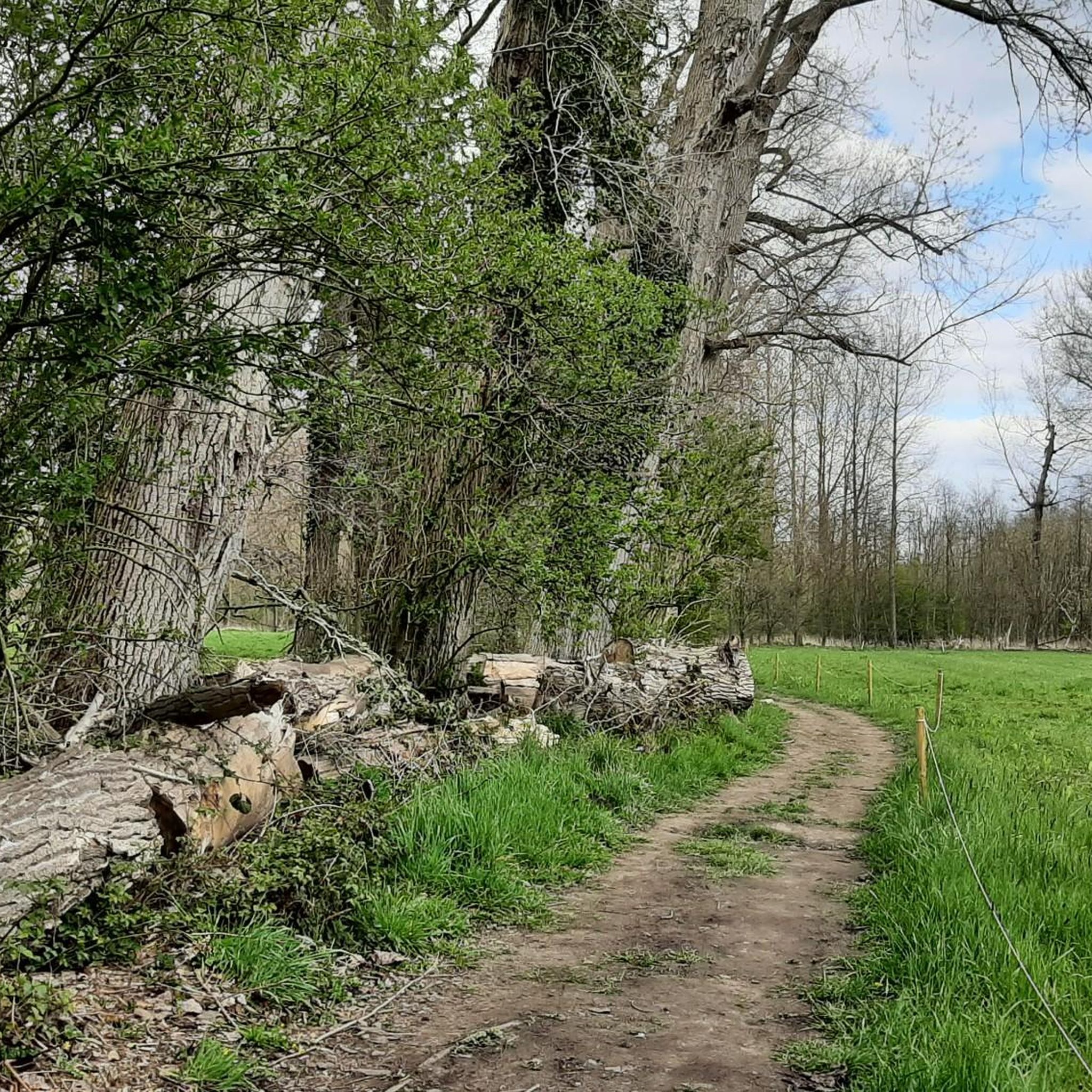
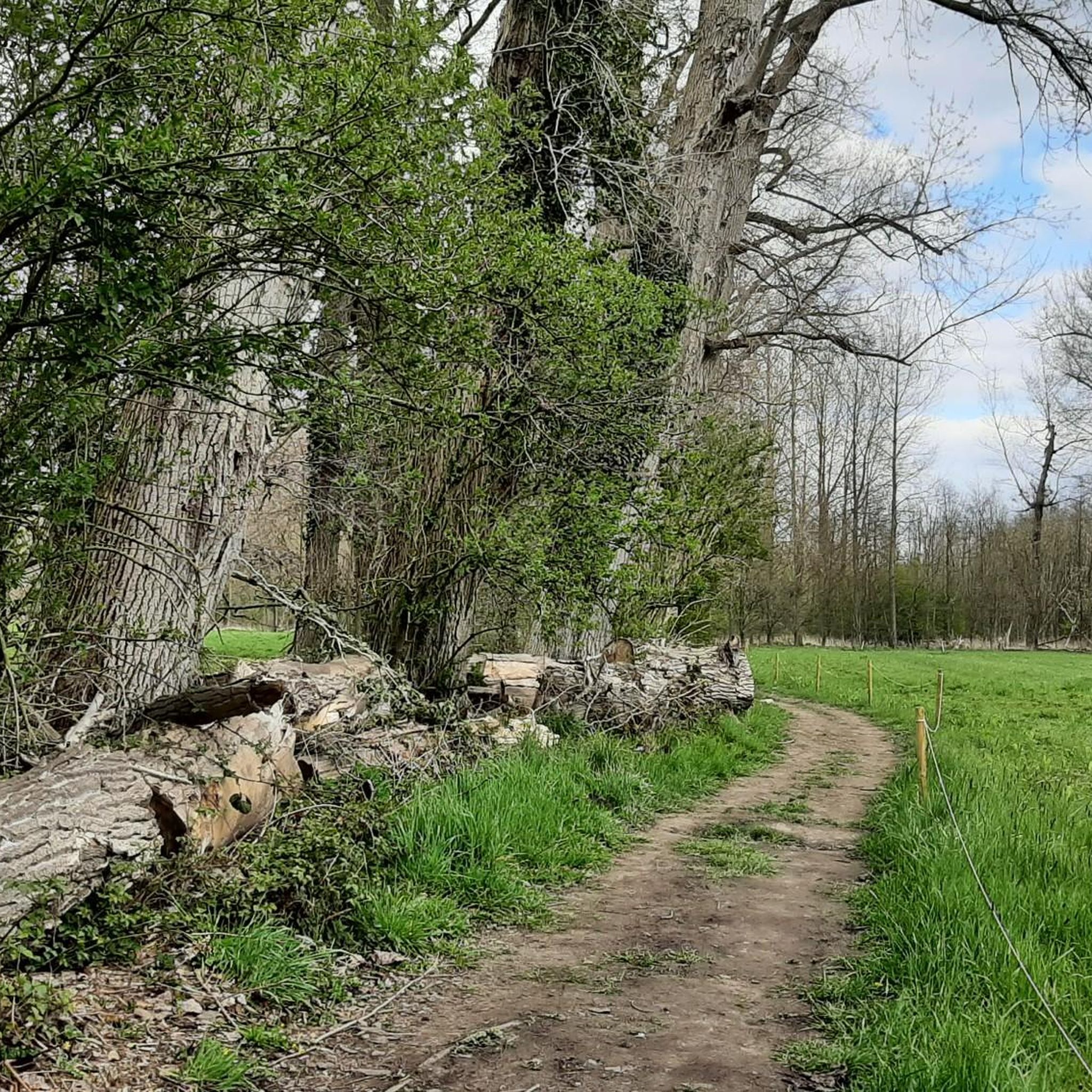
The Kesselse Heide is a provincial green space covering 79 hectares, 61 of which are open to the public. The initial acquisition took place in 1978, and it has been expanded since then. The entrance is located in Nijlen, at Vaerestraat 4. The space is freely accessible daily from sunrise to sunset. There are two ponds in the area. These old wells not only provide a pleasant change of scenery but are also a boon for the many plants and animals. Since 1996, the Kesselse Heide has been a protected landscape. It is one of the few remaining remnants of the once vast Kempen heathlands. The heath is a living community created in our region by humans. Historical agricultural practices created a landscape that has been preserved through human intervention: grazing by sheep, burning the heath, and sod cutting. Sod cutting is the removal of the topsoil and vegetation. A dug-out sod of plants and their roots is a sod. If heathland is left untreated, it will evolve into oak and birch forests, and the typical species associated with a heathland habitat will disappear. In the mid-19th century, the Kesselse Heide—like many other parts of the Kempen region—was afforested with Scots pine, a valuable timber for mining. However, during both World Wars, these sod-covered forests were felled, and from then on, the heathland was able to expand again. Current management consists of removing trees and mechanically cutting sods to give the open heathland every chance to thrive. https://youtu.be/NoPf0HSeFz8
6
0

The Kesselse Heide-Het Goor area consists of a variety of nutrient-poor meadows, pastures, marshes, and ponds, bordered and crisscrossed by enclosed landscape types, and contains numerous landscape elements. The area is characterized by a richly varied and sometimes rare flora. Several historic farm buildings can be found within the area. The Kesselse Heide-Het Goor area, with an area of approximately 2,620 hectares, is located between the villages of Nijlen and Kessel, north of the Lier-Herentals road. The northern border of this area is along Vogelzangstraat, the eastern border along Achterbist, Kannaertsstraat, and Goorstraat. The Grote Steenweg forms the southern border, and the western border is formed by Heidestraat and Vaerestraat. The landscape includes the following topographical areas: "Kannaerdsche Heyde," "Kesselse Heide," "Mol Heide," "Achterbiest," "Het Hoog Bosch," "De Hooge Heide," "Het Armveld," "De Schommers" or "Vissen Eynde," "Het Goor," "Het Goorkasteel," and "Hoge Heyde." Several streams traverse the area, specifically the Goorkantloop, the Elstbeek, the Paddenloop, Blauwe Hoekloop, and the Visbeek. The elevation within the area varies from approximately 5 meters +TAW to approximately 10 meters +TAW. Inventory of Immovable Heritage: Kesselse Heide-Het Goor, https://id.erfgoed.net/erfgoedobjecten/302886
7
0

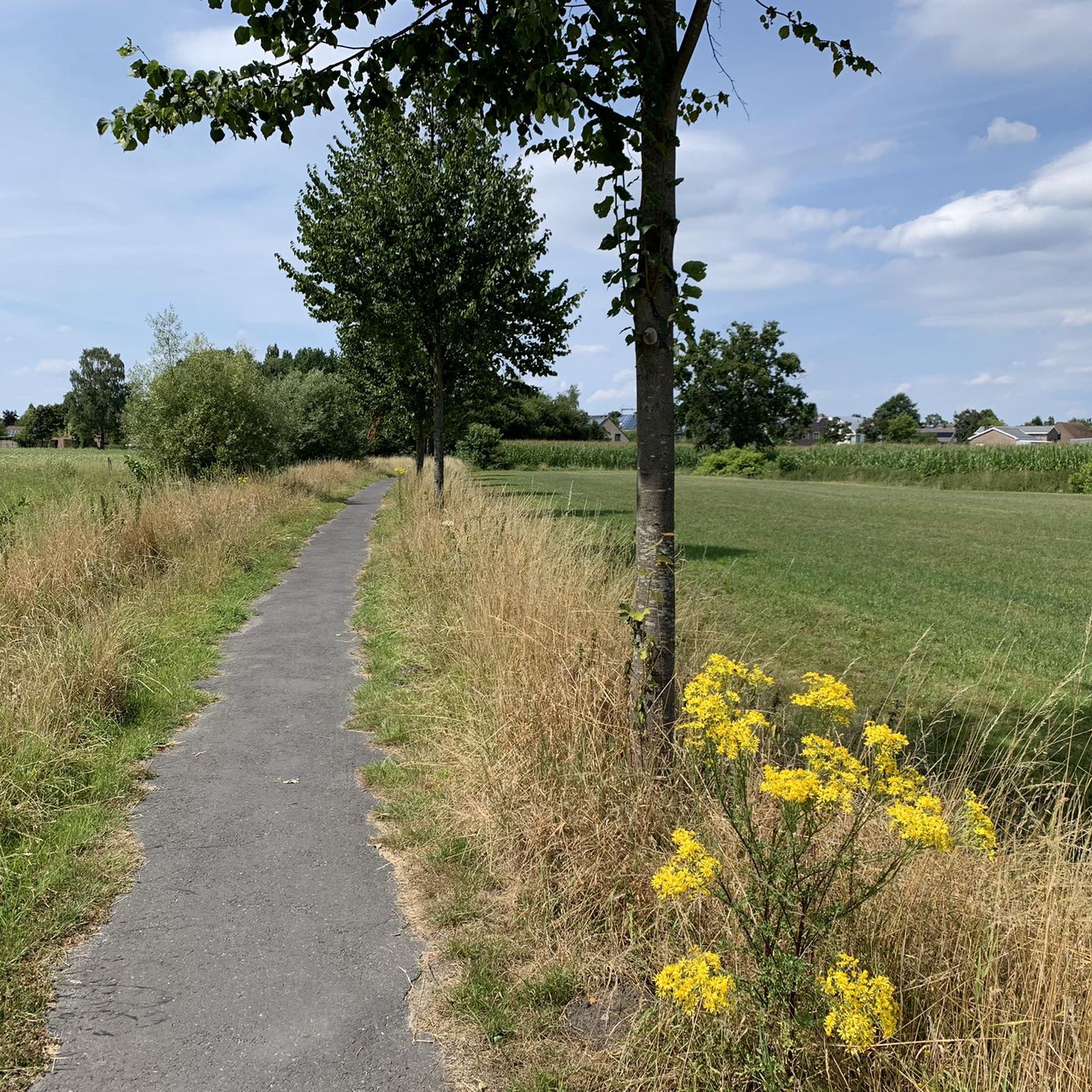
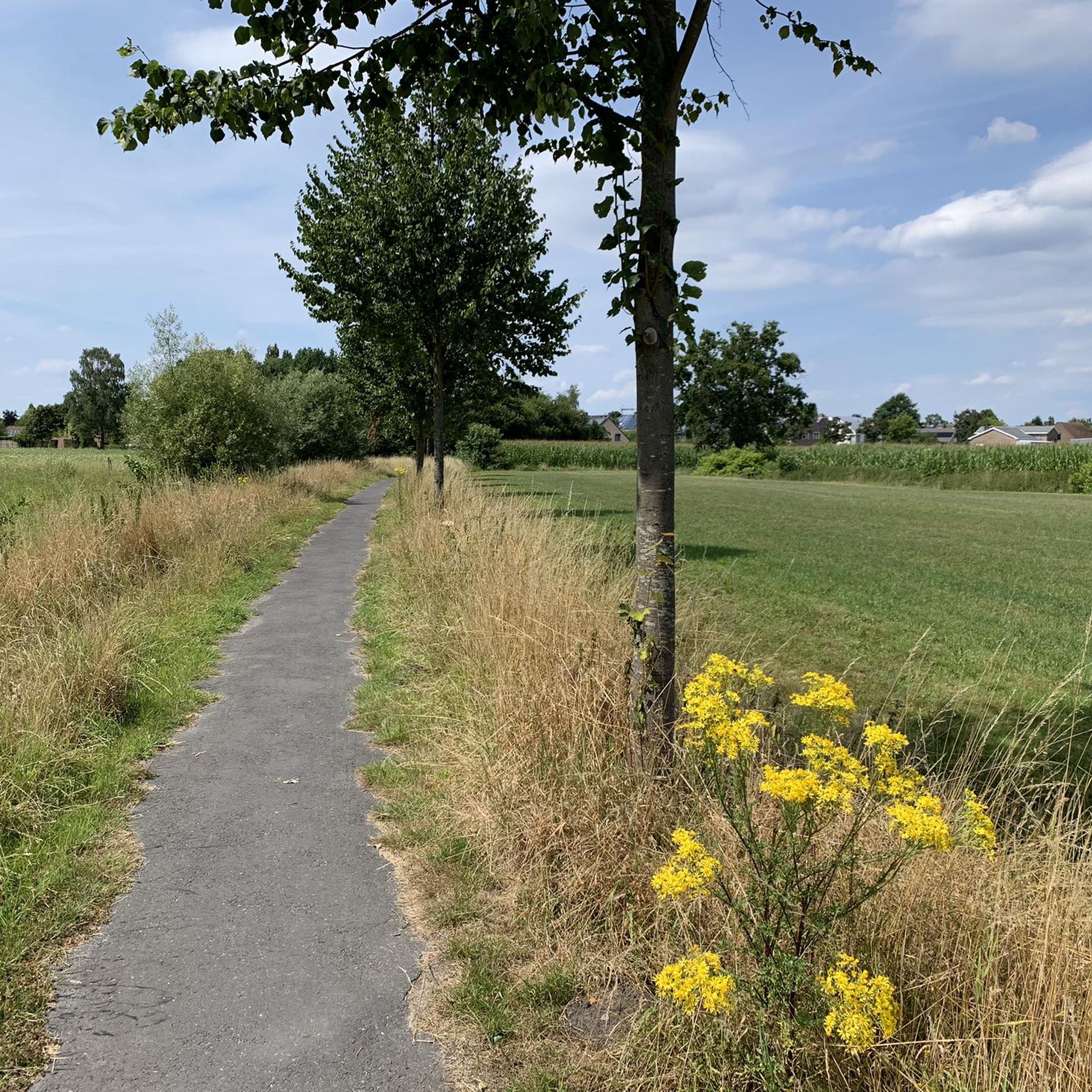
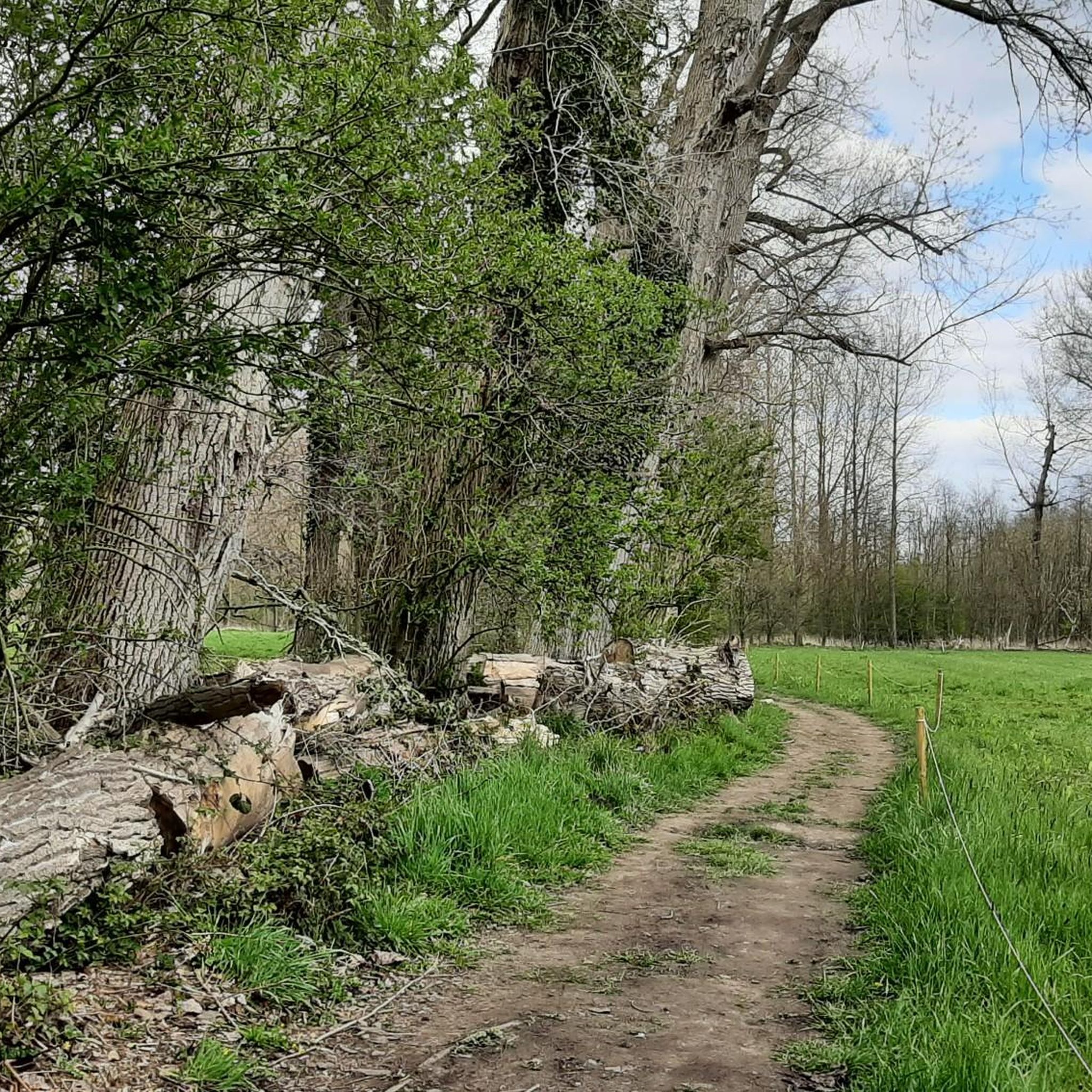
Very nice walk with a lot of variety in landscapes and terrain.
3
0

On May 7, 1923, the Rivierenhof opened its gates to the general public. It is the oldest provincial domain in Belgium. Later all other provinces followed suit. History: In 1921 the last noble heirs decided to sell the domain. Thanks to the alert actions of provincial registrar Jozef Schobbens, the province purchased the domain as a green lung for the already heavily populated Deurne-Borgerhout region where many workers lived. It was hoped that the Rivierenhof would be able to offer them healthy air, relaxation and tranquility. The province expanded the park from 40 to 135 hectares. Ponds were dug, lands were raised, castles were renovated and picturesque shelters were built. Bridges, a rose garden and sports fields were constructed. All this to allow everyone to enjoy the fresh greenery as much as possible. 100 years later, the Rivierenhof is still the most beautiful park in the entire province, where visitors from near and far admire everything this special place has to offer.
5
0

The "Samenvloeiing van Dijle en Nete = Rupel" is a place in Belgium which is located where the rivers Dijle and Nete join to form the river Rupel. It is located in the Flemish region, in the province of Antwerp, in the city of Rumst. This site is known for its natural beauty and for being a meeting point between the waters of the two rivers. The confluence of the rivers creates a striking and fascinating landscape, with large expanses of water joining and mixing. The area around the Samenvloeiing van Dijle en Nete = Rupel also offers opportunities to enjoy the surrounding nature, with scenic trails and green areas that invite for walks and hikes. It's a popular spot with nature lovers and those looking to spend time outdoors.
5
0
In the Kempen region, heathland is a cultural landscape that developed long ago through the frequent grazing of sheep on poor sandy soils. Since then, heathland has become valuable and rare. The Kesselse Heide provincial green space is all that remains of a much larger heathland area. Since 2023, the Kesselse Heide can also be explored as a heritage site. Various information boards provide information on folklore, landscape features, the wartime history, and more. You can find some photos of these new boards in the photo section of this highlight.
8
2

The Fort of Borsbeek is a brick fort from the Antwerp fortification belt. The buildings are an important hibernation site for bats. You can discover the varied nature around the fort via a beautiful walking route. Some parts of Fort Borsbeek are accessible for strollers, but the nature walk itself is not accessible for wheelchair users or strollers. (Nature point)
13
0
Frequently Asked Questions
What are some of the most popular natural monuments to visit near Lint?
Visitors frequently enjoy the diverse landscape of Kesselse Heath, which features heath, forests, and sandy plains. Another popular spot is the Confluence of the Dijle and Nete = Rupel, where you can witness the formation of Belgium's shortest river. For a tranquil lake experience, The Putten van Lacourt is a favored destination, especially on weekends.
Are there family-friendly natural monuments around Lint?
Yes, several natural monuments are suitable for families. Kesselse Heath offers expansive sandy areas that children love, and the Confluence of the Dijle and Nete = Rupel provides scenic trails for walks. The Zennegat Flood Area is also family-friendly, with opportunities to observe nature and use new bicycle bridges. Additionally, the Pond at Fort III Borsbeek combines nature with historical elements, offering varied walking routes.
What kind of natural features can I expect to see around Lint?
The area around Lint is rich in diverse natural features. You can explore forests with varied tree types, open heathlands, sandy plains, and fens at places like Kesselse Heath. Rivers and their confluences, such as the Confluence of the Dijle and Nete = Rupel, are prominent. There are also tranquil lakes like The Putten van Lacourt and significant wetland habitats like the Zennegat Flood Area, which features gullies, mudflats, and salt marshes.
What outdoor activities can I do near these natural monuments?
You can enjoy a variety of outdoor activities. Hiking is popular, with numerous trails winding through local green spaces and connecting to areas like Uilenbos and the Park of Hove. For specific routes, check out the Hiking around Lint guide. Cycling is also a great way to explore, with options ranging from easy tours to more challenging MTB trails. Find routes in the Cycling around Lint guide and the MTB Trails around Lint guide.
Are there any significant natural reserves or parks further afield from Lint that are worth visiting?
While Lint offers local green spaces, for larger and more diverse natural experiences, consider a short trip to significant reserves in the wider Flanders region. The Kalmthoutse Heide, accessible from Lint, is known for its vast heathlands, sandy dunes, and forests. Further away, but Belgium's only National Park, is the Hoge Kempen National Park, offering extensive trails through heathlands, pine forests, and wetlands. The Zwin Nature Park, near the Dutch border, is also a crucial wetland habitat for birdwatching.
What is the best time of year to visit the natural monuments around Lint?
The natural monuments around Lint can be enjoyed year-round, but each season offers a different experience. Spring brings lush greenery and nesting birds, while summer is ideal for longer walks and outdoor activities. Autumn showcases a beautiful color palette in the forests and heathlands, particularly at Kesselse Heath. Even in rainy weather, locations like The Putten van Lacourt can be tranquil, though some paths might be underwater.
Are there any historical sites combined with natural beauty near Lint?
Yes, the Pond at Fort III Borsbeek is a great example. This location features a lake and varied nature around an old brick fort, which is part of the Antwerp fortification belt. The fort itself is an important hibernation site for bats, and you can explore walking routes that combine natural beauty with historical insights into the fort's past.
What do visitors enjoy most about the natural monuments in the Lint area?
Visitors appreciate the tranquility and natural beauty. Many enjoy the varied landscapes, from the heath and forests of Kesselse Heath to the unique river confluence at the Confluence of the Dijle and Nete = Rupel. The opportunity to observe local wildlife, enjoy scenic views, and find peaceful spots like The Putten van Lacourt are frequently highlighted. The accessibility of green spaces for walks and cycling is also a major draw.
Are there any viewpoints to enjoy panoramic scenery?
Yes, the Confluence of the Dijle and Nete = Rupel offers a great view of the rivers joining. The Zennegat Flood Area also provides beautiful views between the Canal Leuven-Mechelen and the Dyle, with clear information boards about the area's history and ecology. These spots are ideal for taking in the natural landscape.
Can I bring my dog to the natural monuments around Lint?
Many natural areas and trails around Lint are dog-friendly, allowing you to enjoy walks with your canine companion. Local parks and hiking routes, such as those through Uilenbos and the Park of Hove, are generally welcoming. However, it's always advisable to keep dogs on a leash and check for specific regulations at individual sites, especially in nature reserves to protect local wildlife.
What should I wear when visiting the natural monuments?
Given the varied terrain, including forests, heathlands, and potentially wet areas, it's recommended to wear comfortable, sturdy walking shoes or boots. Layers of clothing are advisable to adapt to changing weather conditions. If visiting during or after rain, be aware that paths, particularly around The Putten van Lacourt, can be muddy or even underwater, so waterproof footwear might be beneficial.
Are there any hidden gems or less-known natural spots near Lint?
While the main highlights are well-loved, the local green spaces and interconnected hiking trails often reveal quieter spots. Exploring the smaller paths within areas like Uilenbos or the local parks of Lint and Hove can lead to peaceful discoveries. The Zennegat Flood Area, while significant, might offer a more serene experience on weekdays, allowing for quiet observation of its unique wetland ecosystem.
Most popular attractions around Lint

Get inspired with the komoot mobile app


Explore more
Extend your search for the best caves by checking out these guides of the top ones around Lint:
