Top 20 Natural Monuments around Retie
Best natural monuments around Retie showcase a landscape characterized by lush greenery and diverse natural features. This charming Belgian village is known for its varied flora and fauna, ancient oak trees, and crystal-clear streams. The region offers a unique blend of high, dry land dunes and low, wet stream valleys, providing distinct natural environments for exploration. Its network of nature trails invites visitors to discover its natural beauty.
Best natural monuments around Retie
- The most popular natural monuments is Kapucienenberg…
Last updated: November 26, 2026
Kapucienenberg Land Dunes
Highlight • Natural Monument
Translated by Google •
Tip by

Belse Heide Nature Reserve
Highlight • Forest
Translated by Google •
Tip by
Sign up now to discover places like this
Get recommendations on the best single tracks, peaks, & plenty of other exciting outdoor places.
De Hoge Mouw with its sleeping giant
Highlight • Monument
Translated by Google •
Tip by

Devil's Pit Pond
Highlight • Lake
Translated by Google •
Tip by

Gertry Pond
Highlight • Lake
Translated by Google •
Tip by

Sign up for free to discover even more natural monuments around Retie.
Already have an account?
Start today with a free account
Your next adventure awaits.
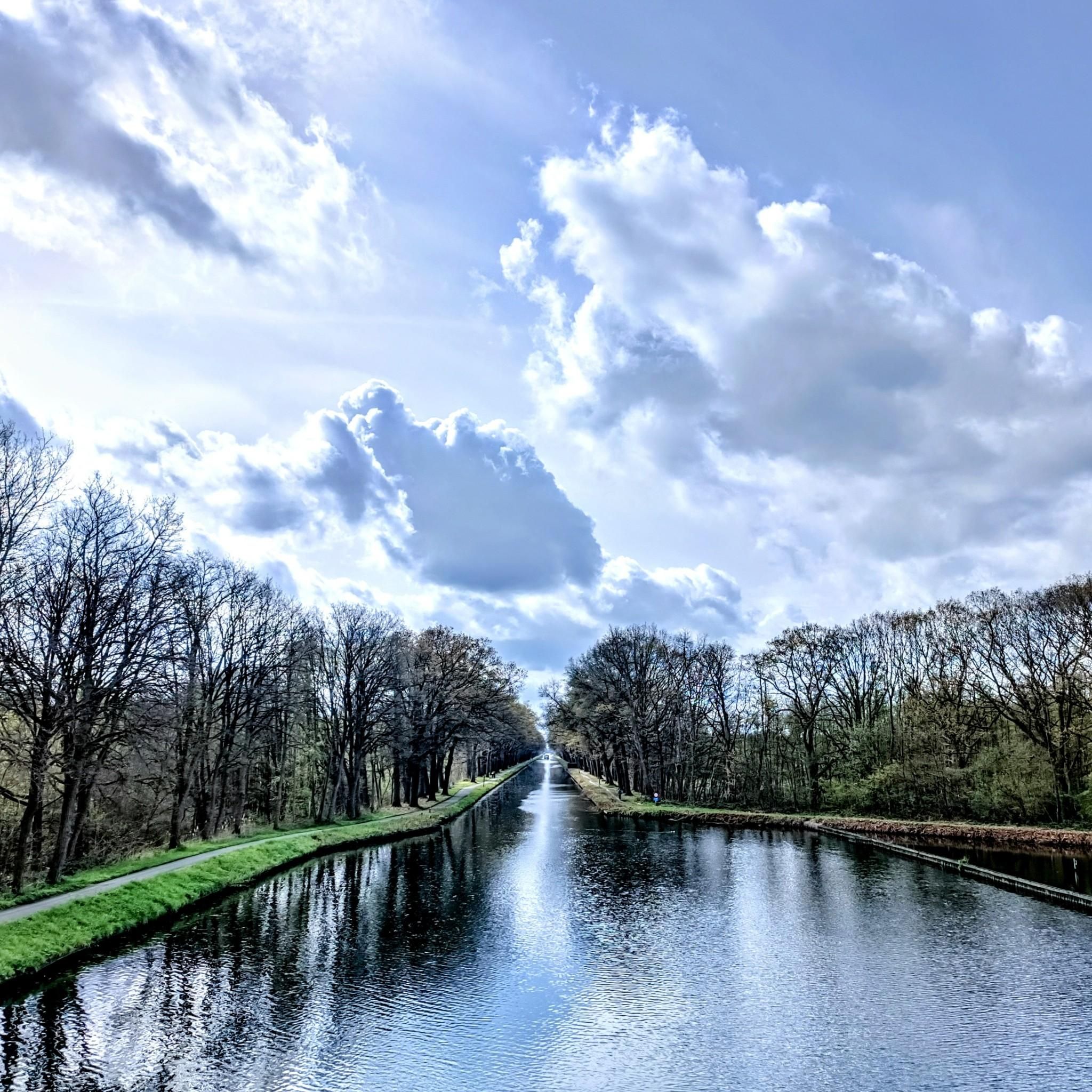

Tips from the Community

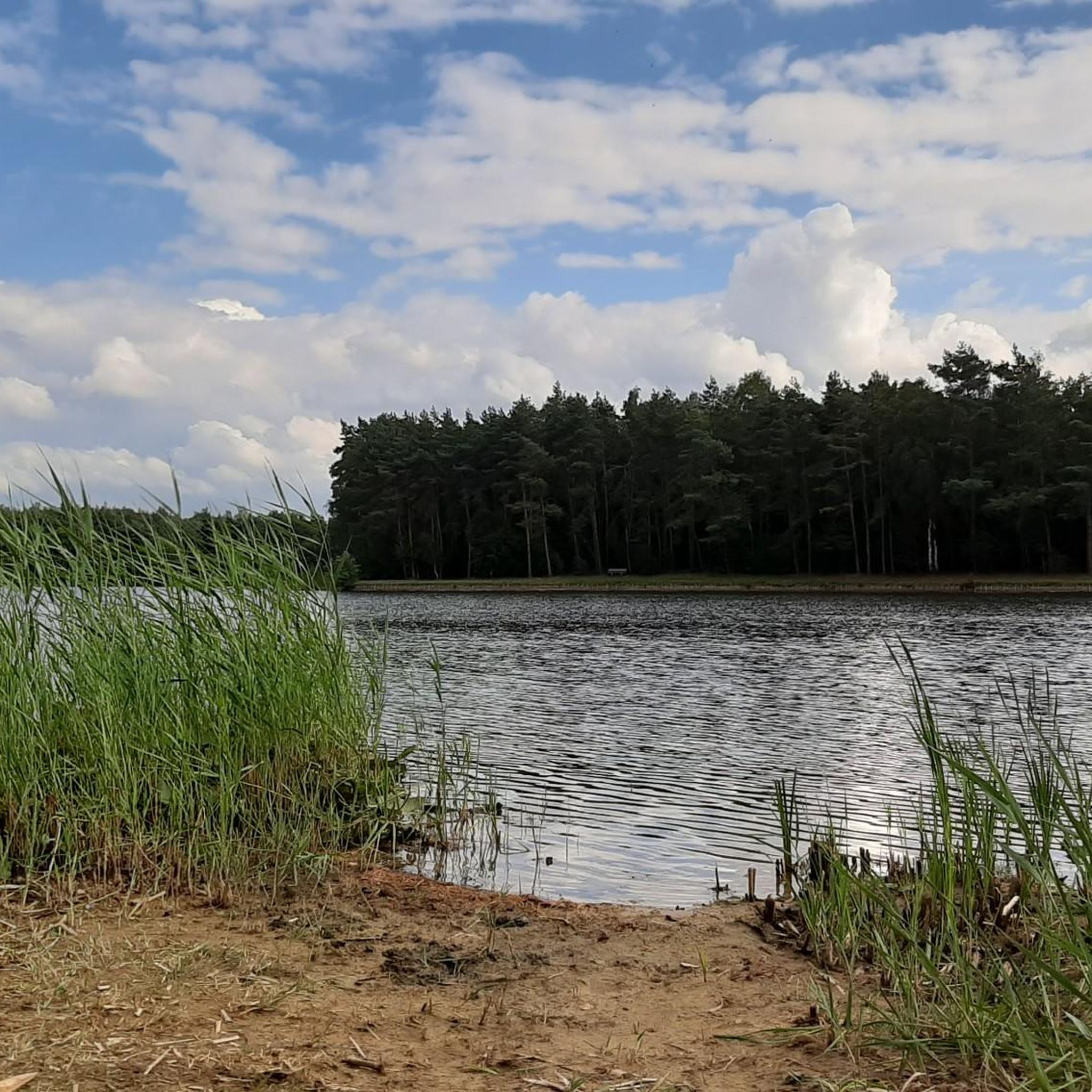
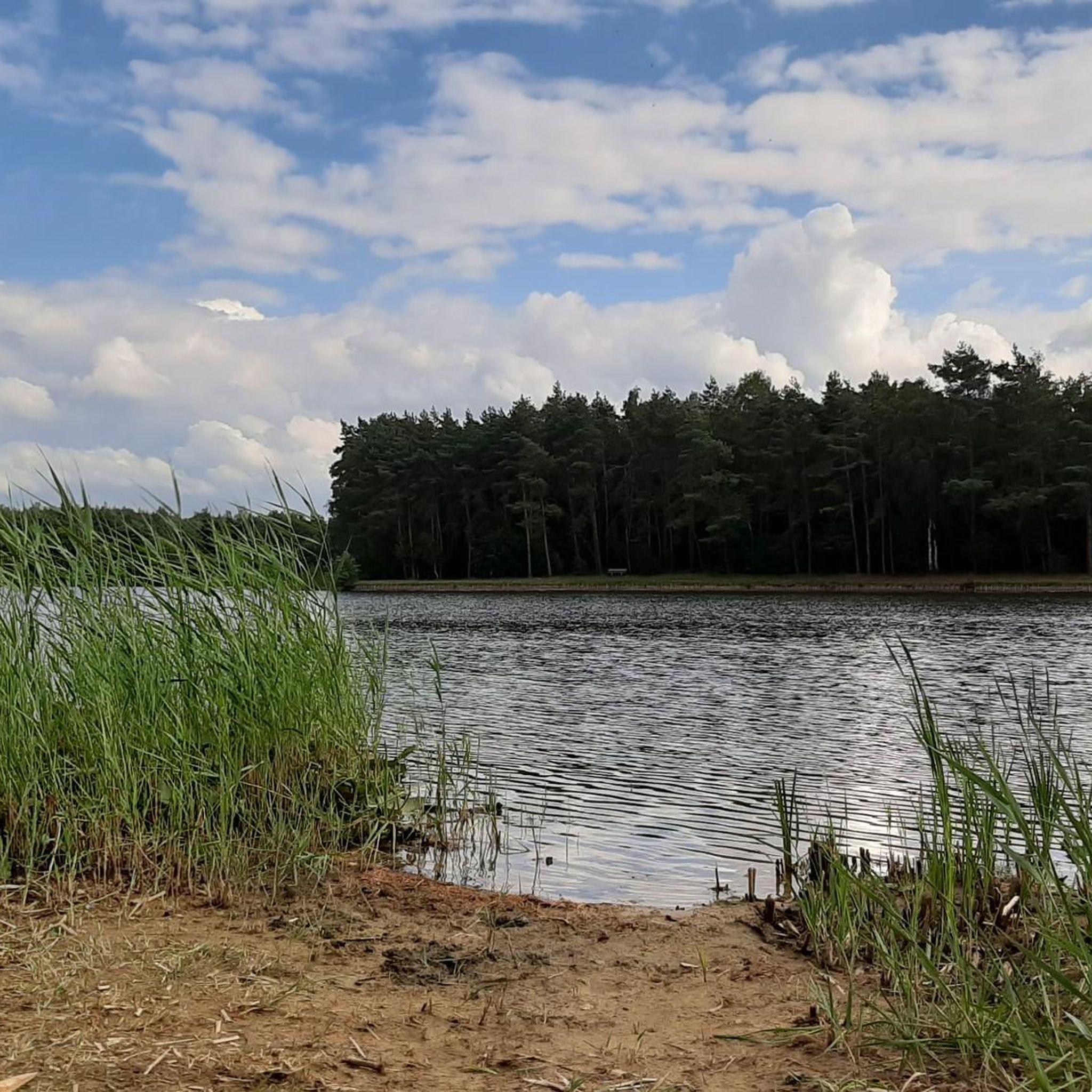
The Gretryvijver is the largest pond in the Prinsenpark Provincial Green Domain. The pond is a unique place for spotting water birds. There are all sorts of facilities such as a hide, benches, picnic area, ...
8
0
The Bels Broek en Heide is a sub-area of the Grote Netewoud in the municipalities of Geel and Meerhout. It is located on the right bank of the Grote Nete River, here called the Meerhoutse Nete, and consists of drifting dunes, swamp forests, and heathland. The Bels Broek en Heide is located in a habitat directive area. It is named after the nearby town of Bel. (Wikipedia)
10
0
Many captivating stories have been written about this well (not just any well). The first probably dates back to 1571, when Lieske Coolbonders committed suicide by drowning herself in the well while the devil himself was pursuing her. Lieske was the illegitimate daughter of Katrien Coolbonders, who was raped by a Spanish nobleman. The nobleman was murdered by Katrien's husband. The body was first dumped in the Devil's Well. Later, it was buried somewhere nearby. (Efkesweg.be)
5
0
Viewed from above, with a little imagination, the Kempen Ridge's relief can be seen as if a giant were sleeping beneath the landscape. Because of the vegetation on the sand dunes, they no longer move, and the giant's slumber is not disturbed. In 2018, Gijs Van Vaerenbergh's artwork, "A Giant Sculpture," was unveiled. It was placed on the 30-meter-high summit of the Hoge Mouw sand dune. (Efkesweg.be)
8
0


In a thunderstorm, it is best not to touch it, a lightning strike can be dangerous. Inside it is a Faraday cage and you are safe, but what if you touch the corten steel at the moment that lightning strikes? Still, stay away from this beautiful work of art in a thunderstorm!?
5
0

Fun to spin the wheel here and listen to the story around this mysterious pool...
5
1

A special one... you must see it
6
1
Frequently Asked Questions
What unique natural features can I explore around Retie?
Retie and its surroundings offer a diverse landscape. You can discover the unique Kapucienenberg Land Dunes, characterized by high, dry land dunes and low, wet stream valleys. Another interesting spot is Rauw Pit, a lake formed from former sand quarries now transformed into a nature reserve. Additionally, the Belse Heide Nature Reserve features extensive heathlands and ponds.
Are there family-friendly natural monuments in the Retie area?
Yes, several natural monuments around Retie are suitable for families. The Kapucienenberg Land Dunes offer opportunities for children to romp in the soft sand. The Belse Heide Nature Reserve has picnic areas and benches, perfect for a family outing. De Hoge Mouw with its sleeping giant is also a great place for children to explore and discover the monumental head sculpture.
What kind of wildlife can I expect to see in Retie's natural areas?
The natural areas around Retie, particularly the Kapucienenberg Land Dunes, support a special flora and fauna. You might spot typical inhabitants of the dunes such as digging wasps, sand bees, and sand-race beetles. The diverse landscapes, including forests, heathlands, and fens, also provide habitats for various bird species and other small wildlife.
Are there good hiking opportunities near Retie's natural monuments?
Absolutely. Retie is known for its network of nature trails. You can find numerous hiking trails that meander through the Belse Heide Nature Reserve, over dune ridges, and through heathlands to fens. For more detailed routes, explore the Hiking around Retie guide, which includes trails like the 'Witte Netevallei Red Trail' and loops around Prinsenpark.
What is the best time to visit the natural monuments around Retie?
The natural monuments around Retie can be enjoyed year-round. However, for vibrant colors, visiting the Belse Heide Nature Reserve during late summer or early autumn is particularly rewarding when the heather is in bloom, creating a beautiful purple landscape. Spring also offers lush greenery and active wildlife.
Can I go running or mountain biking near these natural monuments?
Yes, the region around Retie offers excellent opportunities for both running and mountain biking. You can find various running trails, including challenging loops around Prinsenpark, by checking the Running Trails around Retie guide. For mountain biking enthusiasts, the MTB Trails around Retie guide features routes like the 'The Dessel Ramp' and 'Singletrack Through The Forest'.
What is special about the Kapucienenberg Land Dunes?
The Kapucienenberg Land Dunes are a unique geological feature, a testament to a distant past. They consist of high, dry land dunes interspersed with low, wet stream valleys, formed by blowing sand after the last ice age. This landscape supports a distinct ecosystem with summer oaks, flying pines, and specialized insects like digging wasps and sand bees. It offers extensive coniferous forests, beautiful heather areas, and sweeping sand drifts.
What is the significance of De Hoge Mouw with its sleeping giant?
De Hoge Mouw is the highest point of the Kempen ridge, a chain of hills made of ferrous sandstone. The name 'Sleeping Giant' comes from the huge shape of the shifting dunes, which makes it appear as if a giant is sleeping in the landscape. An artwork by Gijs Van Vaerenbergh, a monumental head, further enhances this legend, making it an intriguing spot for visitors.
Are there any natural monuments with historical or legendary connections?
Yes, the Devil's Pit Pond (De Duivelskuil) has popular legends associated with it. The pools are popularly called 'devil's pits,' referring to ancient pagan practices. Archaeological finds near these pits in the early 20th century also indicate the presence of prehistoric burial fields, adding a layer of historical mystery to this characteristic Kempen landscape.
What kind of terrain can I expect on hiking trails around Retie?
The hiking trails around Retie offer varied terrain. You can expect paths that meander over dune ridges, through heathlands, and alongside fens in areas like the Belse Heide Nature Reserve. The Kapucienenberg Land Dunes feature sandy paths through coniferous forests and heather areas. Many trails are generally easy to moderate, suitable for a range of fitness levels.
What makes Rauw Pit a notable natural monument?
Rauw Pit is a fascinating example of nature reclaiming industrial land. It's a lake formed from former sand quarries that were once used for extracting quartz. These sand pits have been completely transformed into a nature reserve, offering scenic views of the water and surrounding forests, making it a peaceful spot for walks and enjoying the natural environment.
Most popular attractions around Retie

Get inspired with the komoot mobile app


Explore more
Extend your search for the best caves by checking out these guides of the top ones around Retie:
