Top 20 Natural Monuments around Dessel
Best natural monuments around Dessel feature diverse landscapes, from expansive sandy plains to dense forests and tranquil nature reserves. The region offers unique ecological features and recreational opportunities for outdoor enthusiasts. These areas provide a variety of environments for exploration and observation.
Best natural monuments around Dessel
- The most popular natural monuments is Lommel Sahara, a natural monument known for its large sandy plain resembling a miniature desert. This unique reserve also features clear blue lakes, heather strips, and…
Last updated: August 8, 2026
Lommelse Sahara Observation Tower
Highlight • Viewpoint
Translated by Google •
Tip by

Lommel Sahara
Highlight • Natural Monument
Translated by Google •
Tip by

Sign up now to discover places like this
Get recommendations on the best single tracks, peaks, & plenty of other exciting outdoor places.
Sign up for free
Birdwatching wall Lommelse Sahara
Highlight • Natural
Translated by Google •
Tip by

Kapucienenberg Land Dunes
Highlight • Natural Monument
Translated by Google •
Tip by

Willow huts by Will Beckers
Highlight • Forest
Translated by Google •
Tip by

Sign up for free to discover even more natural monuments around Dessel.
Sign up for free
Already have an account?
Start today with a free account
Your next adventure awaits.
Login or Signup

Tips from the Community

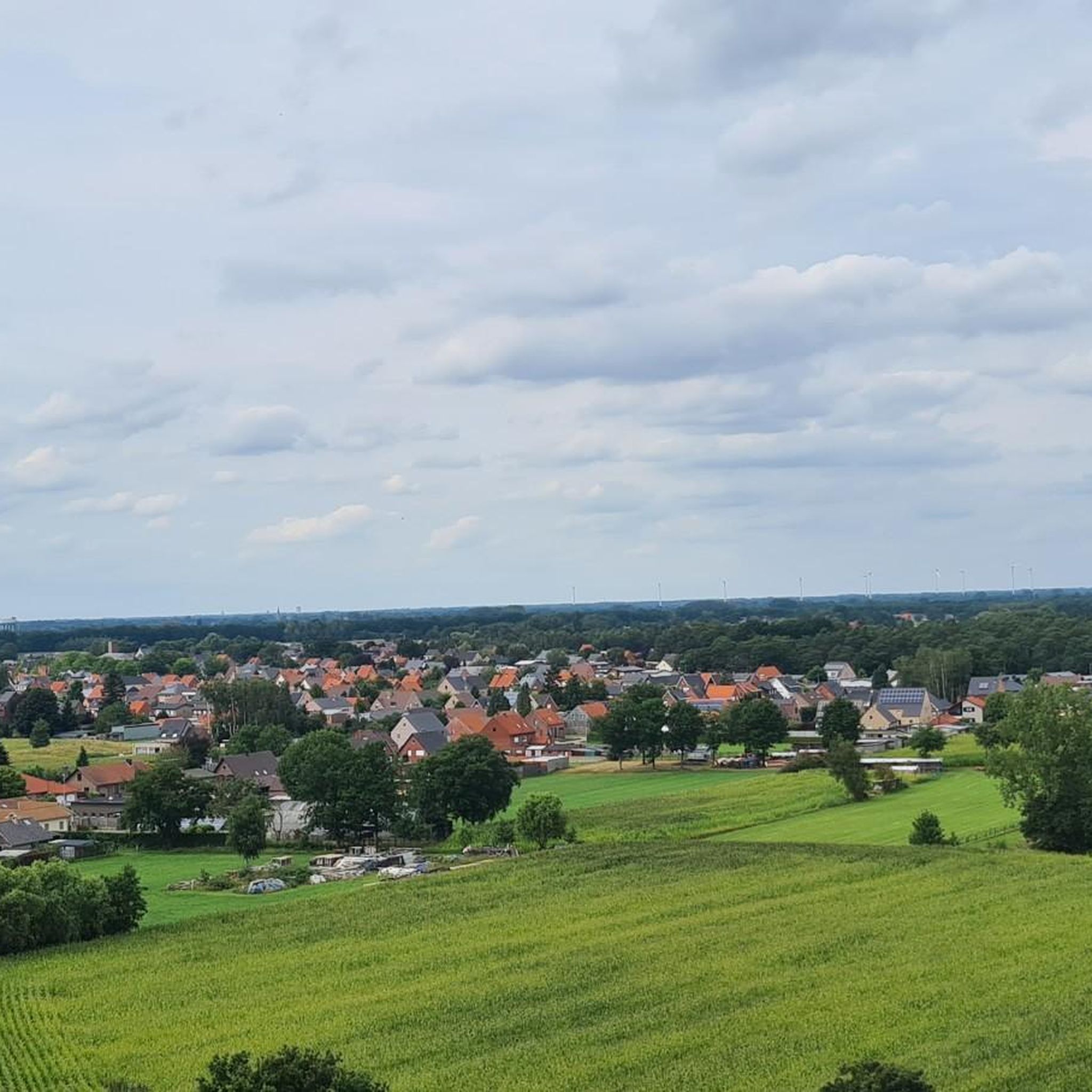
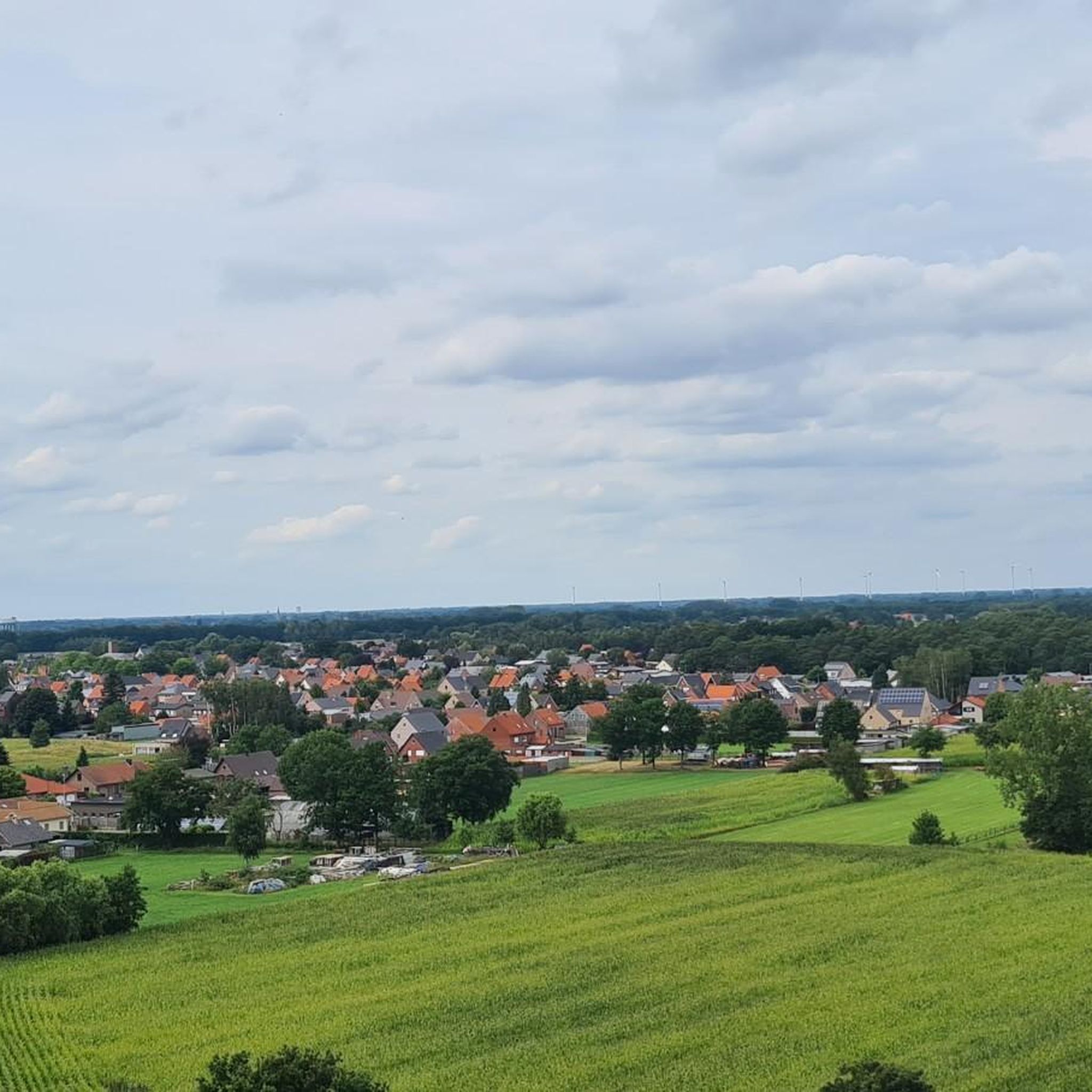
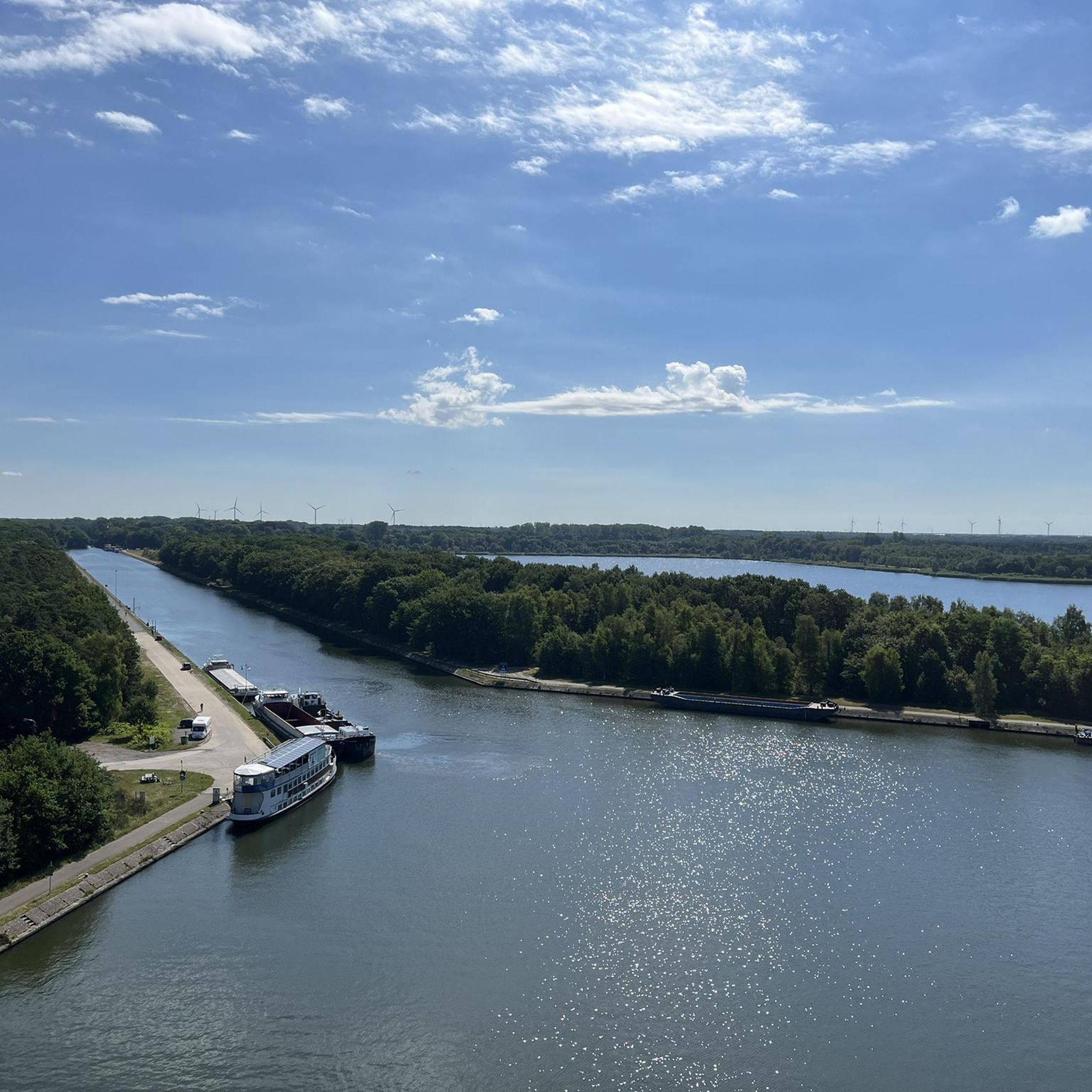
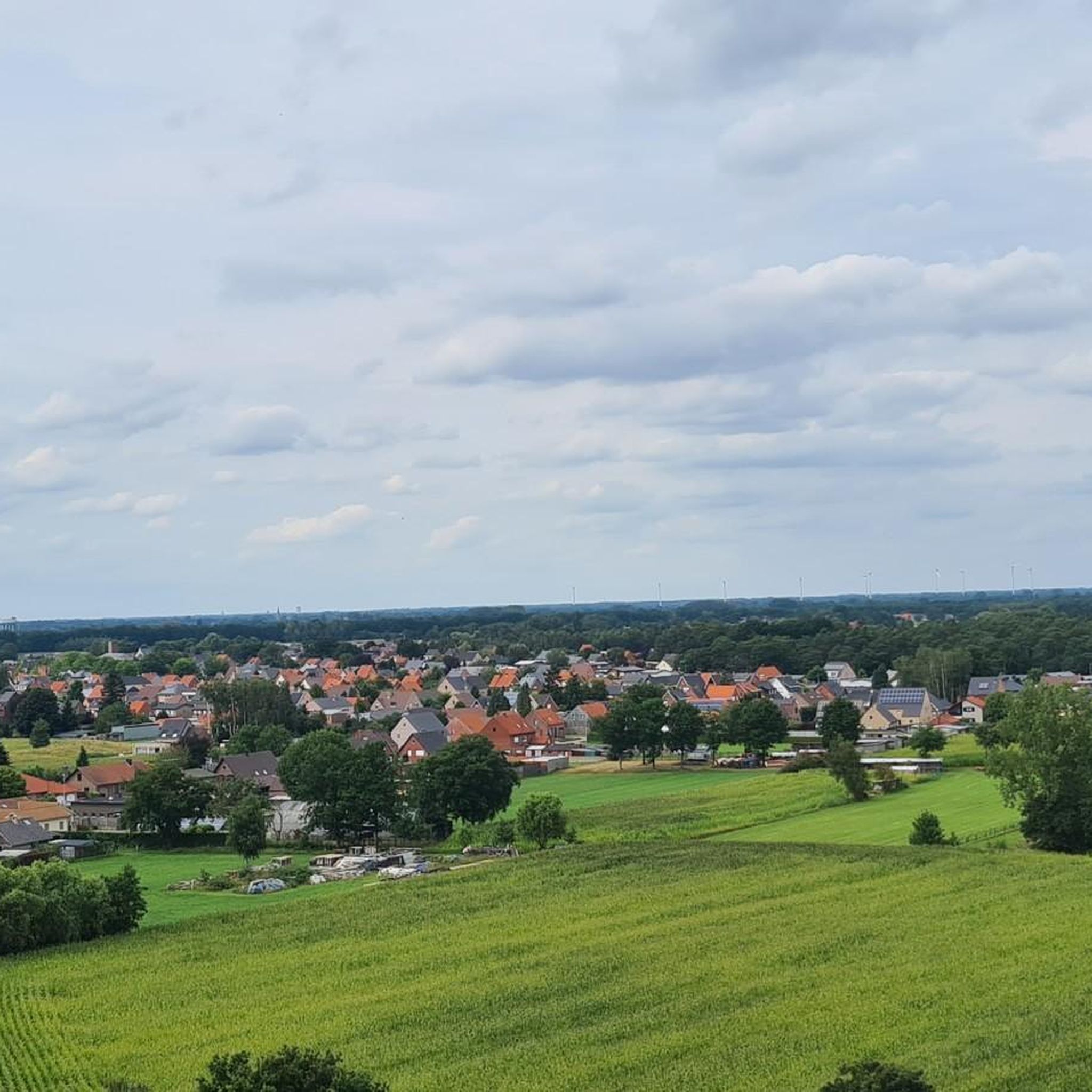
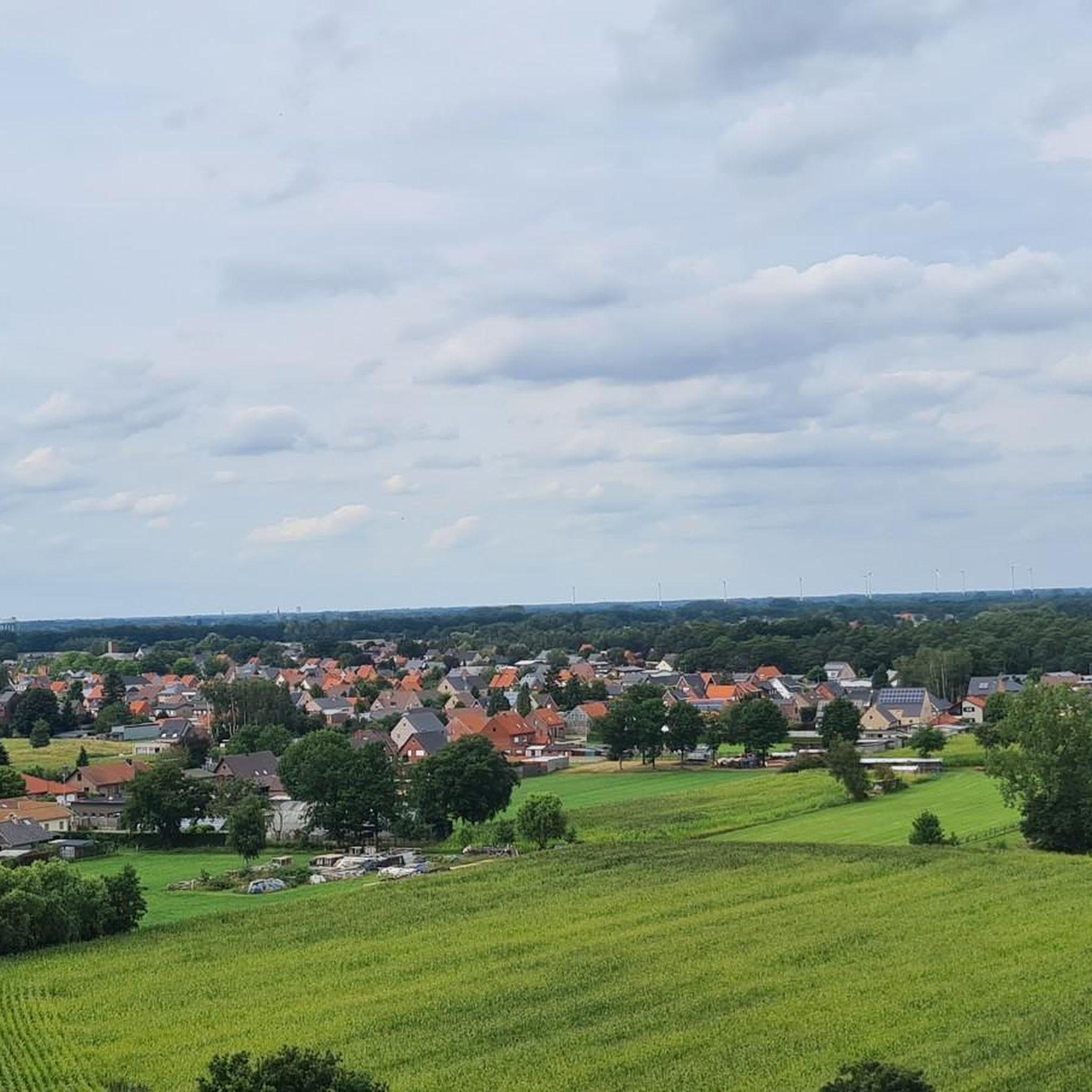
This 30-meter-high observation tower has three platforms that offer you a wide view of the surroundings.
11
0

Beautiful tower with accompanying views that are equally spectacular...
9
0

Beautiful nature reserve highly recommended
2
0
Beautiful nature reserve and very special walking area! Well worth a visit
6
0

Apparently the Kapucienenberg (highest dune) is one of the only two places in Flanders where rake wasps still live. Information on sign.
7
0
Definitely worth it. Perhaps a little busier than other sand dune areas due to the recreational facilities, but beautiful to see, here too. Very nice views with some nice forest slopes and those beautiful irregularly shaped trees that you expect in dune landscapes in this region. Very nice to start and end with.
7
1

A clear blue lake, surrounded by a mini-desert and coniferous and deciduous forest in the Bosland region. The lake was created by sand extraction in the 1920s.
3
0
The Lommelse Sahara is a sand and dune landscape with a size of 193 hectares. In the middle is a lake and all around are coniferous forests. This landscape belongs to the Bosland forest area. The Lommelse Sahara is located in the immediate vicinity of the Kempen canal over which the pedestrian bridge forms a gateway to this sandy area. The area is European protected as part of Natura 2000 area 'Valley area of the Kleine Nete with source areas, marshes and heaths'. https://nl.wikipedia.org/wiki/Lommelse_Sahara
7
0
Frequently Asked Questions
What unique natural landscapes can I explore around Dessel?
The region around Dessel offers diverse natural landscapes. You can explore the Lommel Sahara, known for its expansive sandy plains resembling a miniature desert, complete with clear blue lakes and heather strips. Another unique area is the Kapucienenberg Land Dunes, featuring sandy hills formed after the last ice age, with high, dry land dunes and low, wet stream valleys supporting special flora and fauna.
Where can I find the best panoramic views of the natural areas near Dessel?
For breathtaking panoramic views, visit the Lommelse Sahara Observation Tower. You can ascend 144 stairs to a height of 30 meters for extensive vistas of the Sahara, its ponds, and surrounding forests. The Vennengebied Nature Reserve near Turnhout also features an observation tower offering wide views of its forests, meadows, and fields.
Are there any significant nature reserves near Dessel?
Yes, several significant nature reserves are located near Dessel. Besides the unique Lommel Sahara, you can explore the adjacent Blekerheide Nature Reserve. The Belse Heide Nature Reserve offers a beautiful heathland area with ponds and accessible paths. Further afield, the Vennengebied Nature Reserve near Turnhout provides tranquil forests, meadows, and fields.
What outdoor activities can I do near these natural monuments?
The natural monuments around Dessel are excellent starting points for various outdoor activities. You can find numerous hiking trails, such as the 'Bunt Walk Along the Witte Neet' or the 'Tabloo Dessel – Sibelco Lake loop'. For cycling enthusiasts, there are routes like the 'Junction of Four Canals' or 'Cycling through the Trees'. Mountain biking is also popular, with trails like the 'Lommelse Sahara Singletrack'. You can find more details on these activities in the hiking, MTB, and cycling guides around Dessel.
Are there family-friendly natural monuments around Dessel?
Many natural monuments in the Dessel area are suitable for families. The Lommel Sahara offers wide-open spaces for exploration, and the Lommelse Sahara Observation Tower provides an exciting climb with rewarding views. The Kapucienenberg Land Dunes and Belse Heide Nature Reserve are also great for walks. Additionally, the Willow huts by Will Beckers provide an interactive art and play experience in a forest setting, perfect for children.
What historical or cultural sites are located near the natural monuments?
While focusing on natural beauty, the region also offers cultural insights. Near Dessel, you can visit Postel Abbey, situated in a wooded area. This historic abbey, where Premonstratensian monks have cultivated the land since the twelfth century, offers a chance to experience a cultivated natural landscape and enjoy locally produced artisanal goods like beer and cheese in a peaceful setting. The Klein Engelandhoeve in the Vennengebied Nature Reserve also serves as an historic building and a starting point for walks.
What is the best time to visit the natural monuments around Dessel?
The natural monuments around Dessel can be enjoyed throughout the year, each season offering a different experience. Spring brings blooming flora, while summer is ideal for longer walks and enjoying the open landscapes. Autumn showcases beautiful foliage, particularly in the forested areas. Even in winter, the unique landscapes, such as the sandy plains of the Lommel Sahara, offer a serene and distinct atmosphere, especially on clear days.
Are dogs allowed on the trails in Dessel's natural areas?
Rules regarding dogs can vary by specific nature reserve. Generally, dogs are often allowed on leash on designated paths in many natural areas around Dessel. It's always best to check local signage or specific reserve guidelines before visiting to ensure compliance and respect for wildlife and other visitors. For example, in the Belse Heide Nature Reserve, visitors are asked to stay on paths to protect the vulnerable ecosystem.
What do visitors enjoy most about the natural monuments around Dessel?
Visitors frequently praise the unique and diverse landscapes. Many are captivated by the 'miniature desert' feel of the Lommel Sahara, with its sand dunes and lakes. The panoramic views from the Lommelse Sahara Observation Tower are also a highlight. People appreciate the tranquility of places like the Belse Heide Nature Reserve and the opportunity to explore the distinctive land dunes of Kapucienenberg. The region's variety, from sandy plains to forests and heathlands, makes for a unique outdoor experience.
Are there any cafes or restaurants near the natural monuments for refreshments?
While specific cafes directly within every natural monument might be limited, the surrounding towns and villages, including Dessel itself, offer various options for refreshments. For instance, the historic Klein Engelandhoeve in the Vennengebied Nature Reserve serves as an ideal starting point for walks and offers a place for refreshments. Postel Abbey also provides an opportunity to enjoy locally produced artisanal goods in a peaceful setting. It's advisable to check options in nearby Dessel or other towns before or after your visit.
How accessible are the natural monuments around Dessel by public transport?
Accessibility by public transport to some of the more remote natural monuments can be limited. While Dessel itself has public transport connections, reaching specific nature reserves or highlight starting points might require a combination of bus services and walking, or a short taxi ride. Planning your route in advance using local transport information is recommended if you intend to rely on public transport.
Do I need a permit to hike in the natural areas around Dessel?
Generally, permits are not required for hiking on designated public paths within the natural areas around Dessel. However, visitors are typically asked to stay on marked trails to protect the vulnerable ecosystems, especially in nature reserves like the Belse Heide Nature Reserve. Always observe local signage for any specific rules or restrictions that may apply to certain sections or reserves.
Most popular attractions around Dessel

Get inspired with the komoot mobile app


Explore more
Extend your search for the best caves by checking out these guides of the top ones around Dessel:
