Top 20 Natural Monuments around Keerbergen
Best natural monuments around Keerbergen include a landscape characterized by its rivers, woodlands, and heathlands. The region's natural beauty is largely centered around the River Dijle, which forms its southern border, offering extensive opportunities for outdoor activities. Keerbergen features diverse natural areas, providing a green and blue patchwork of forests, rivers, and meadows. These elements collectively form the natural heritage valued for recreation and experiencing the outdoors.
Best natural monuments around Keerbergen
- The most popular natural monuments is Vineyard on…
Last updated: June 28, 2026
Vineyard on the Wijngaardberg
Highlight • Structure
Translated by Google •
Tip by

Wijngaardberg Wine Wall
Highlight • Monument
Translated by Google •
Tip by

Sign up now to discover places like this
Get recommendations on the best single tracks, peaks, & plenty of other exciting outdoor places.
Sign up for free
Antitank Canal Haacht
Highlight • Structure
Translated by Google •
Tip by

Mispeldonk Nature Reserve
Highlight • Natural
Translated by Google •
Tip by
Confluence of the Demer and the Dijle
Highlight • River
Translated by Google •
Tip by

Sign up for free to discover even more natural monuments around Keerbergen.
Sign up for free
Already have an account?
Start today with a free account
Your next adventure awaits.
Login or Signup

Tips from the Community

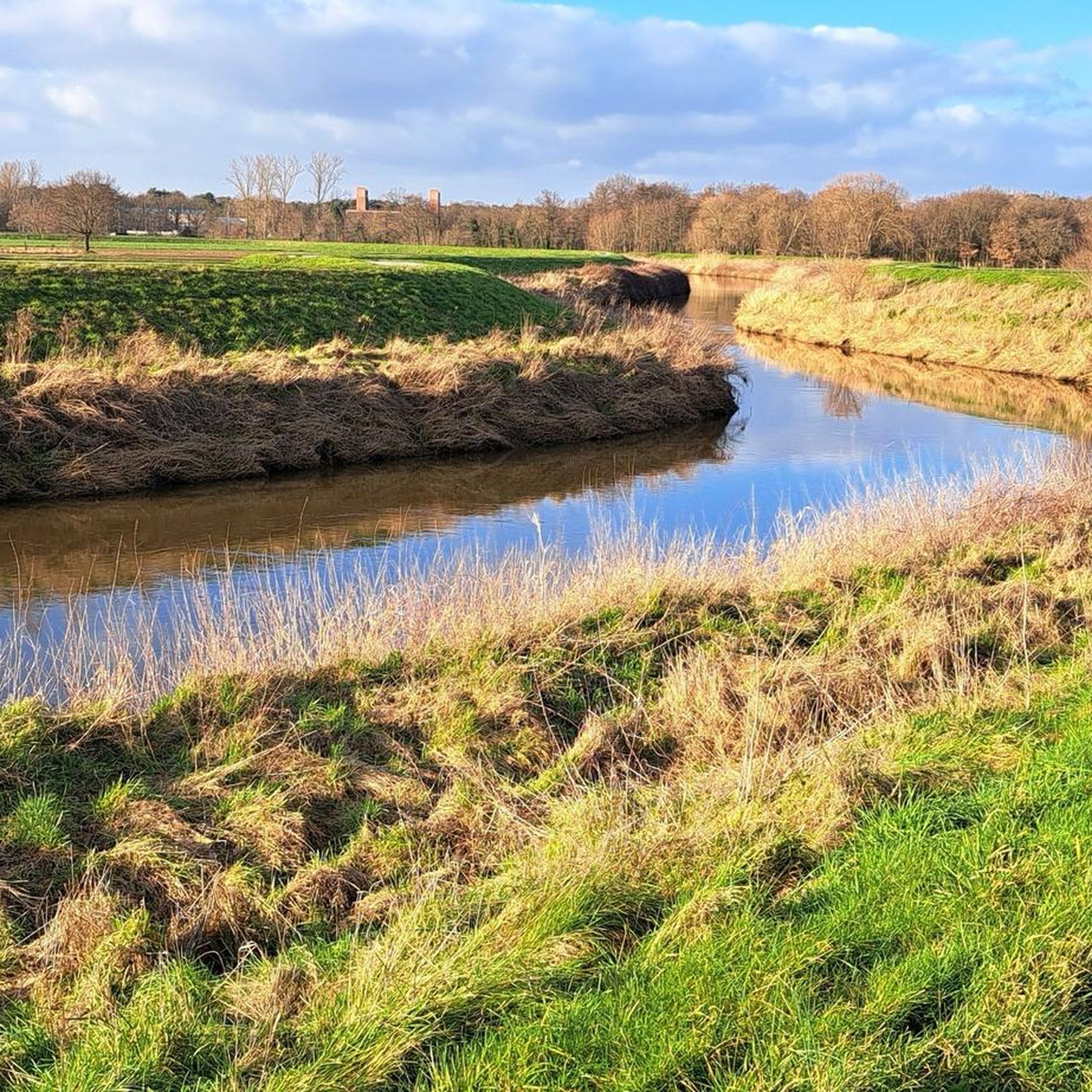
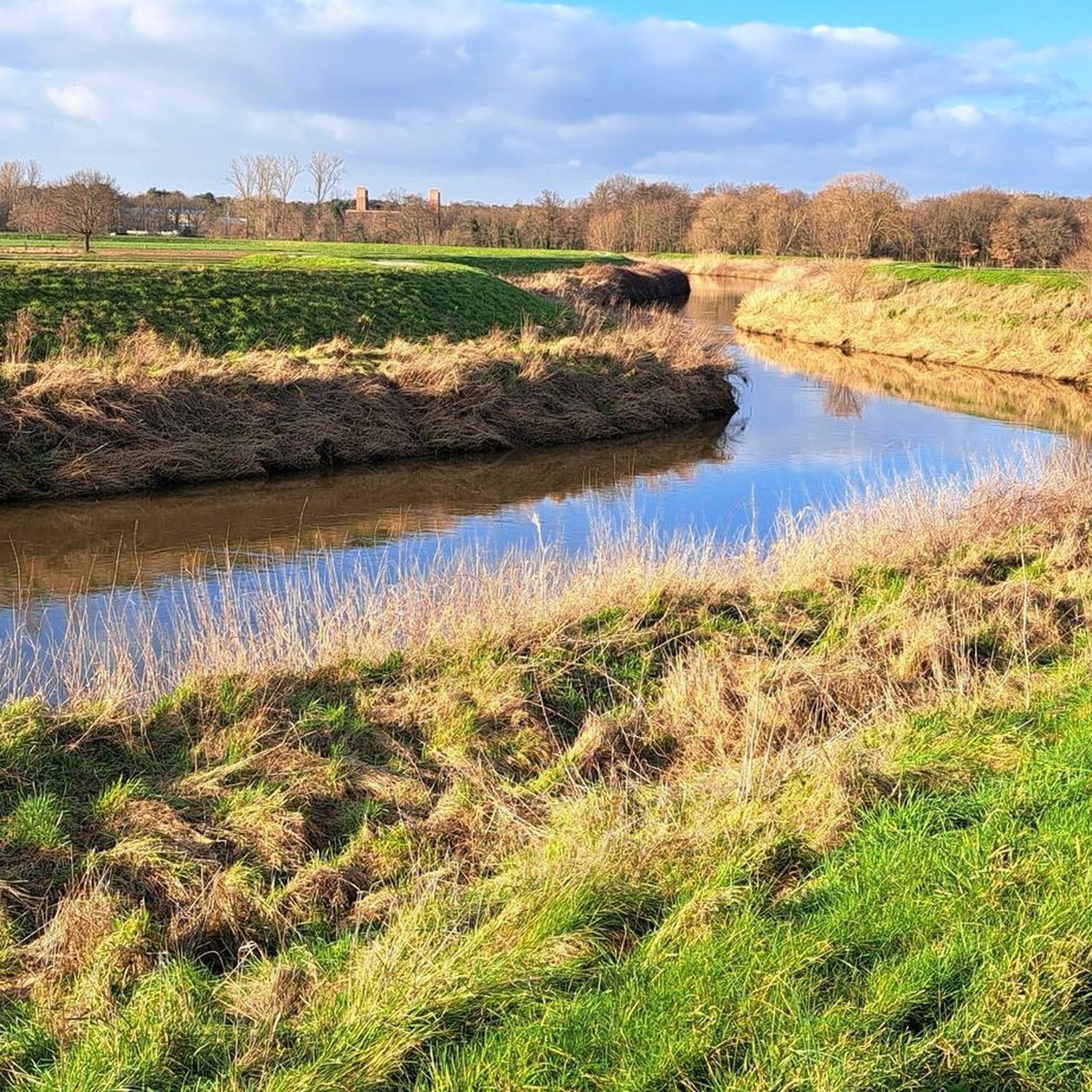
Very colorful in autumn...
4
0

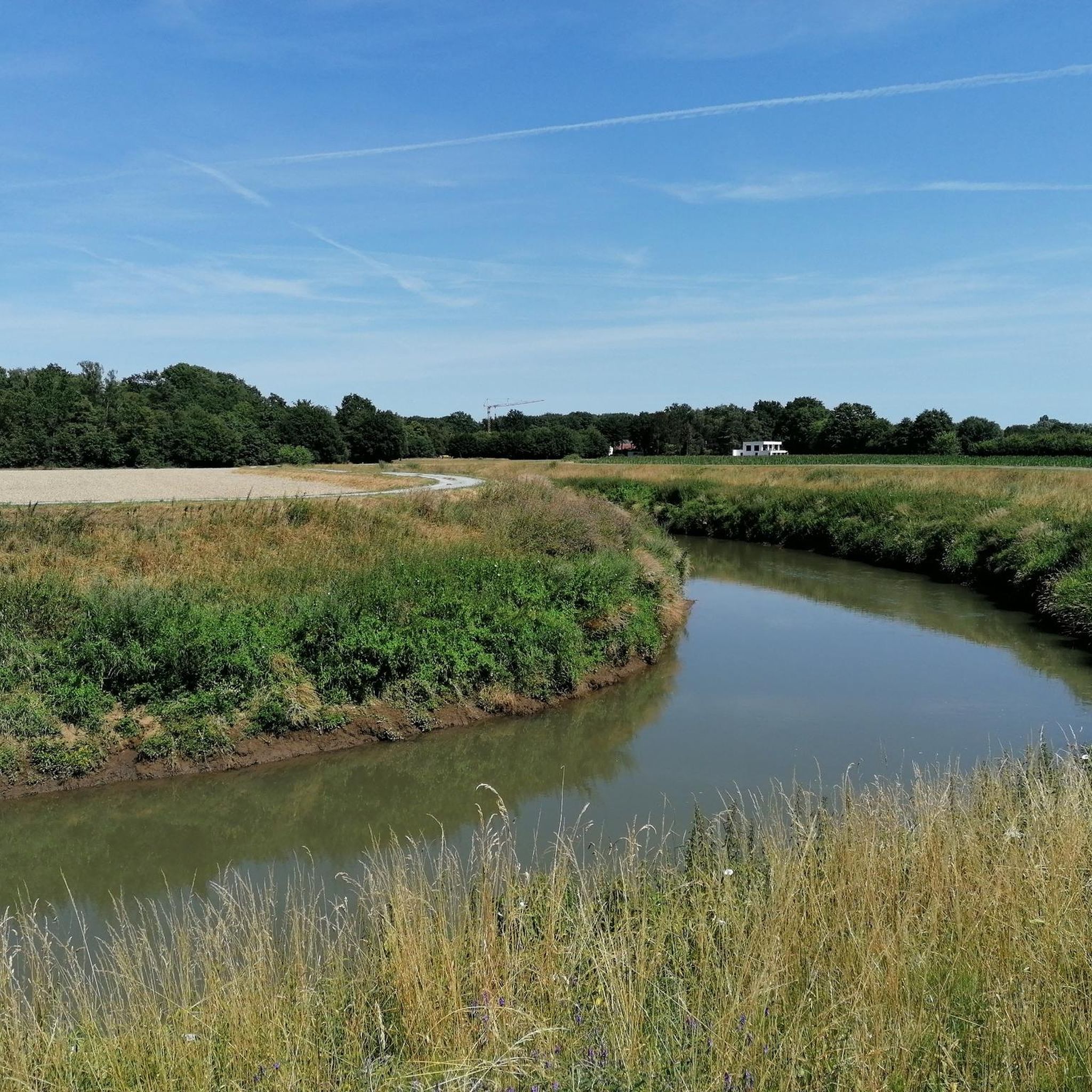
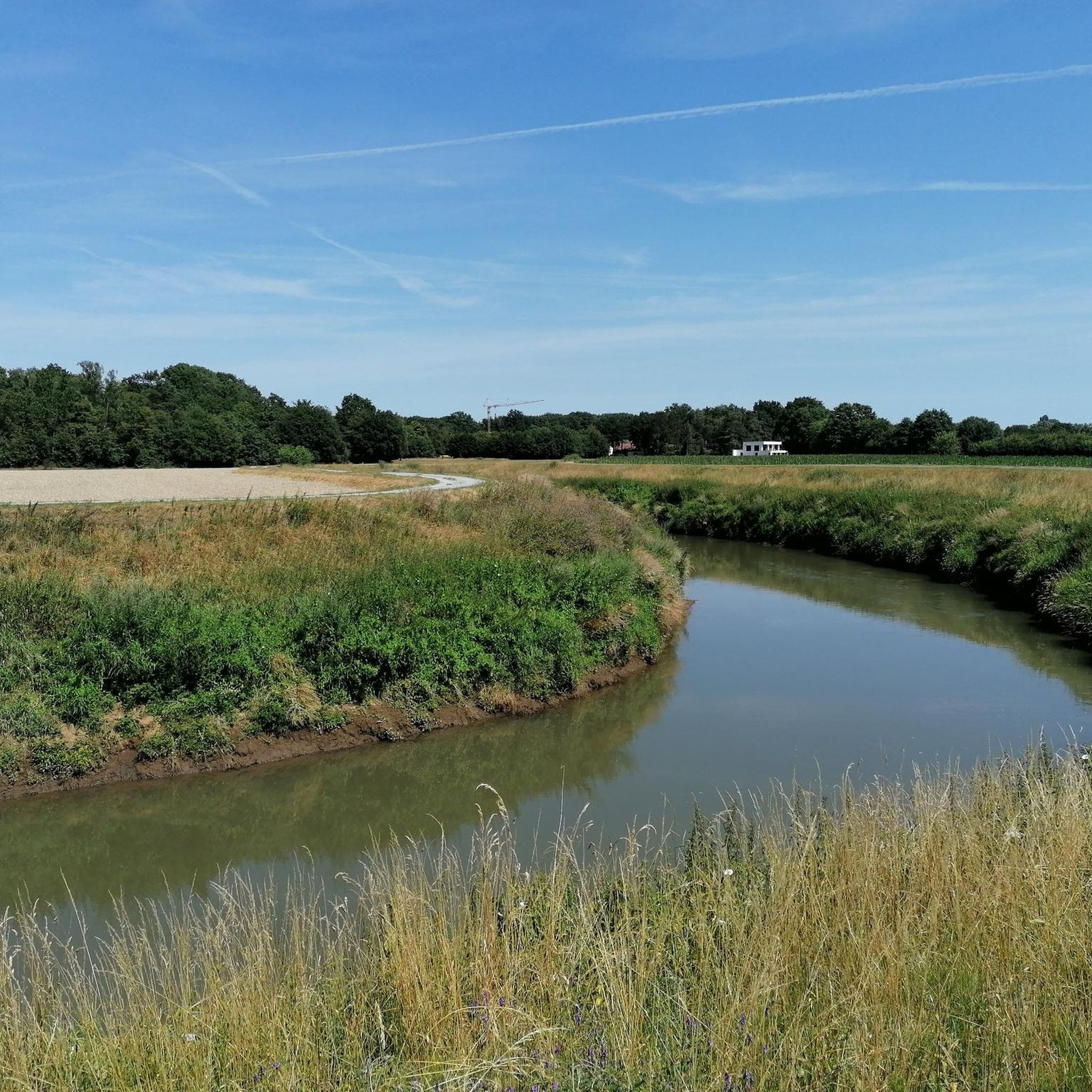
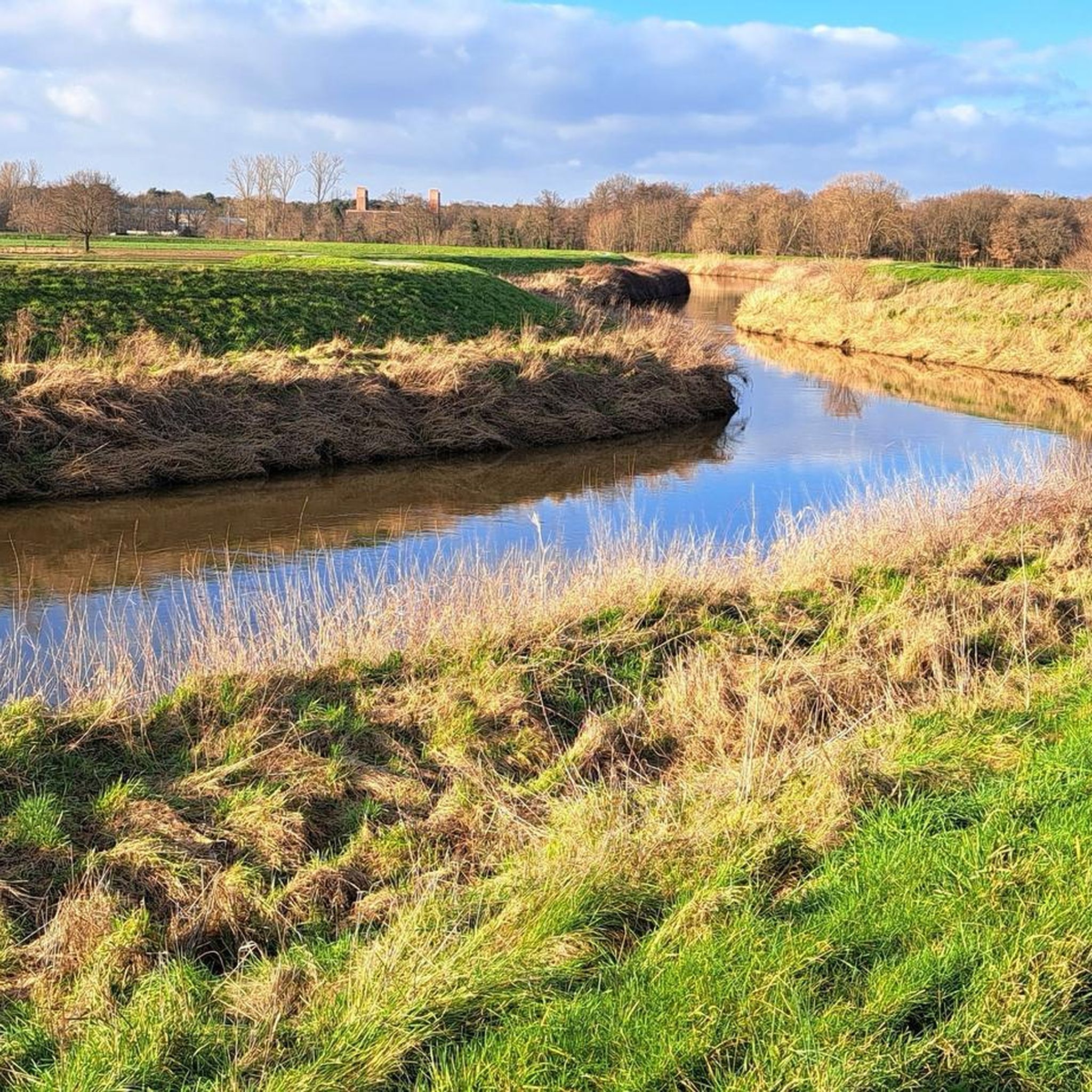
You see the mouth of the Demer
1
0
From one river to another...
9
0

Mispeldonk Nature Reserve is a beautiful and valuable nature reserve in Bonheiden, located in the province of Antwerp. The area is known for its unique ecosystems, rich biodiversity and the natural beauty of the landscape. Here are some key points about Mispeldonk: Location and Size Mispeldonk is located between Bonheiden and the nearby municipality of Rijmenam, along the banks of the Dijle. The area is part of the larger Dijle landscape, which is known for its wet meadows, meandering waterways and rich flora and fauna. Mispeldonk covers approximately 50 hectares and consists of a mix of marshlands, meadows, forests and ponds. Ecological Importance Mispeldonk is a protected nature reserve because of its special ecological value. The area has a typical structure of a flood plain of the Dijle, which makes it an important habitat for many plant and animal species: • Flora: Various rare and protected plant species grow in the area, such as marsh marigolds, cuckoo flowers and water violets. The wet grasslands and marshes provide unique vegetation that is less common elsewhere in the region. • Fauna: Mispeldonk is an important habitat for birds such as the bluethroat, water rail and reed warbler. Amphibians such as the crested newt and the green frog can also be found there. Furthermore, the area is rich in insects, including butterflies and dragonflies, that thrive in the moist environment. Water management The nature reserve plays an important role in local water management. It is located in a flood-prone area along the Dijle and functions as a natural buffer against flooding. In the event of high water levels, the area can collect water and thus help prevent flooding in nearby villages. The nature reserve contributes to the preservation of water quality by filtering and purifying the water through natural processes. Recreation and Experience Mispeldonk is a popular place for nature lovers and hikers. The area is accessible via various hiking trails that lead through the meadows and forests. There are signposted routes that give walkers the chance to explore the diversity of the landscape and enjoy the peace and quiet of nature. Birdwatchers enjoy visiting the area because of the variety of bird species that can be seen, especially during the breeding season and the migratory bird periods. Management and Protection The nature reserve is managed by Natuurpunt, a Belgian organisation that is committed to nature conservation. Natuurpunt carries out management work to protect biodiversity and maintain the landscape. This includes mowing grasslands, removing invasive plant species and maintaining the walking paths. There is collaboration with local farmers for nature-friendly agriculture, whereby meadows are extensively grazed or mowed, so that they remain suitable for meadow birds and rare plants.
7
1


The Haacht Anti-Tank Canal is part of one of the defense lines that were constructed in the run-up to the Second World War against the threatened invasion of the German army. The Antitank Canal is in fact a concrete wall of more than 3 kilometers long and approximately 3 meters high with a moat in front. Today, the wall and moat are still virtually intact and cut through the Haacht landscape.
11
0
Frequently Asked Questions
What are the most popular natural monuments around Keerbergen?
Visitors to Keerbergen particularly enjoy the diverse natural areas. Among the top-rated spots are the Vineyard on the Wijngaardberg, known for its beautiful views and orchards, and the Mispeldonk Nature Reserve, a varied landscape with grasslands, heathland, and the meandering Boeimeerbeek. Another highly appreciated site is the Antitank Canal Haacht, which combines historical significance with natural surroundings.
Are there family-friendly natural monuments around Keerbergen?
Yes, several natural monuments in the Keerbergen area are suitable for families. The Mispeldonk Nature Reserve offers varied landscapes and wildlife, making it an engaging spot for all ages. The Antitank Canal Haacht is also family-friendly, offering a blend of history and nature. Additionally, the Confluence of the Demer and the Dijle provides pleasant surroundings for family walks and cycling.
What kind of natural features can I expect to see in Keerbergen?
Keerbergen's natural landscape is characterized by its rivers, woodlands, and heathlands. You'll find areas like the Mispeldonk Nature Reserve with its poor grasslands, hay meadows, and restored heathland, traversed by the Boeimeerbeek. The region is also defined by the River Dijle and its surrounding areas, offering delightful walks through woods and heaths. The Wijngaardberg Nature Reserve features forests, vineyards, and panoramic views from its iron sandstone hills.
Are there historical sites among the natural monuments?
Yes, the Antitank Canal Haacht is a notable historical site. It features a concrete wall and moat, virtually intact since its construction as a defense line during the run-up to the Second World War. The area around the historic Oude Hansbrug over the River Dijle also represents a blend of natural beauty and historical significance.
What outdoor activities can I do near these natural monuments?
The natural monuments around Keerbergen are perfect for various outdoor activities. You can enjoy extensive hiking, cycling, and mountain biking. For hiking, explore routes like the 'Dijle Bridge – Dijle River loop' or the 'Small Picnic Area by the Lake loop'. Cyclists can find routes such as the 'Damiaan Bridge over the Dijle – Wittegoud Bridge loop'. Mountain bikers have options like the 'Sven Nys Cycling Route – Betekom Old Mill loop'. You can find more details on these activities in the hiking guide, cycling guide, and MTB guide for Keerbergen.
Are there specific walking routes to explore the natural monuments?
Yes, Keerbergen offers various marked walking routes that lead through its natural surroundings. For instance, the 'Piervenshoek Walk' and 'Lozenhoek Walk' are known for their scenic paths. You can also find routes like the 'Dijle Bridge – Old Hans Bridge loop' for a longer walk. The Mispeldonk Nature Reserve also has signposted trails to explore its diverse ecosystems.
Can I bring my dog to the natural monuments?
Many natural areas around Keerbergen are dog-friendly, especially those with trails. The Antitank Canal Haacht is noted as dog-friendly, offering pleasant walks alongside the canals. Always ensure your dog is on a leash and follow local regulations to protect wildlife and other visitors.
What is the best time of year to visit Keerbergen's natural monuments?
The natural monuments around Keerbergen can be enjoyed throughout the year. Spring brings blossoming orchards and vibrant greenery, particularly beautiful at the Vineyard on the Wijngaardberg. Summer offers pleasant conditions for walking and cycling, with the canopy of stately beech trees providing shade. Autumn showcases colorful foliage, while winter walks can be serene, especially along the rivers and through the woodlands.
What do visitors enjoy most about the natural monuments in Keerbergen?
Visitors frequently praise the peaceful environment and beautiful surroundings. They appreciate the diverse landscapes, from the panoramic views at the Vineyard on the Wijngaardberg to the rich biodiversity of the Mispeldonk Nature Reserve. The combination of natural beauty with historical elements, like the Antitank Canal Haacht, also receives positive feedback. The opportunity for quiet contemplation and experiencing nature in every season is a common highlight.
Are there any viewpoints or scenic spots to enjoy the landscape?
Yes, several natural monuments offer excellent viewpoints. The Vineyard on the Wijngaardberg is known for its beautiful views over the Hageland region, often referred to as 'Flemish Tuscany'. The Wijngaardberg Nature Reserve also provides panoramic vistas. Additionally, the Confluence of the Demer and the Dijle offers scenic surroundings, ideal for enjoying the river landscape.
What kind of wildlife can be observed in these natural areas?
The natural monuments in Keerbergen are home to various wildlife. In the Mispeldonk Nature Reserve, you might spot kingfishers along the Boeimeerbeek, as well as butterflies and grasshoppers in the grasslands. The restored heathland areas attract insects tied to sandy soil, such as bee and wasp species and sand tiger beetles. Beavers have also been noted in areas like the Antitank Canal Haacht.
Are there accessible natural monuments for visitors with limited mobility?
While specific accessibility information for each natural monument is not detailed, many of the walking and cycling paths along the rivers and through the heathlands are relatively flat, offering easier access. The Pater Damiaan Bridge, for instance, is a convenient point for cyclists and pedestrians. For detailed accessibility information, it's recommended to check local resources or contact the specific nature reserve management.
Most popular routes around Keerbergen
Most popular attractions around Keerbergen

Get inspired with the komoot mobile app


Explore more
Extend your search for the best caves by checking out these guides of the top ones around Keerbergen:
