Top 6 Natural Monuments around Rosolina
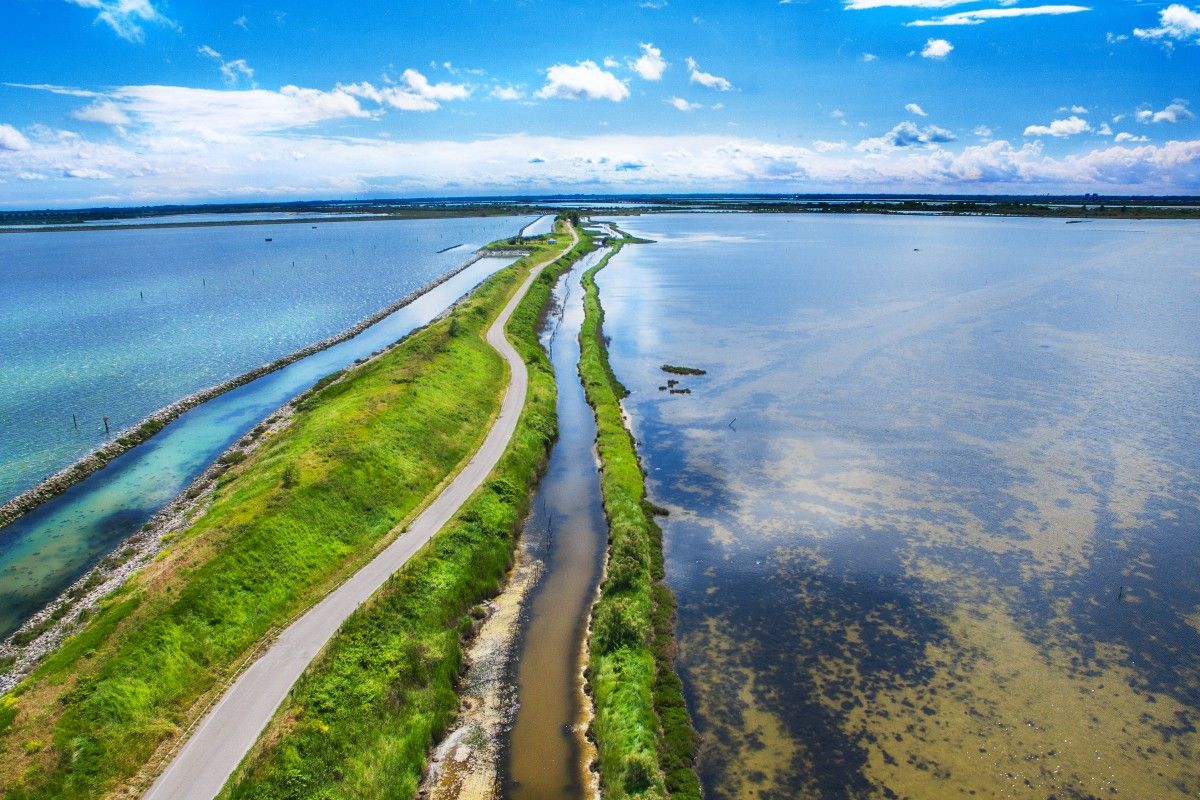
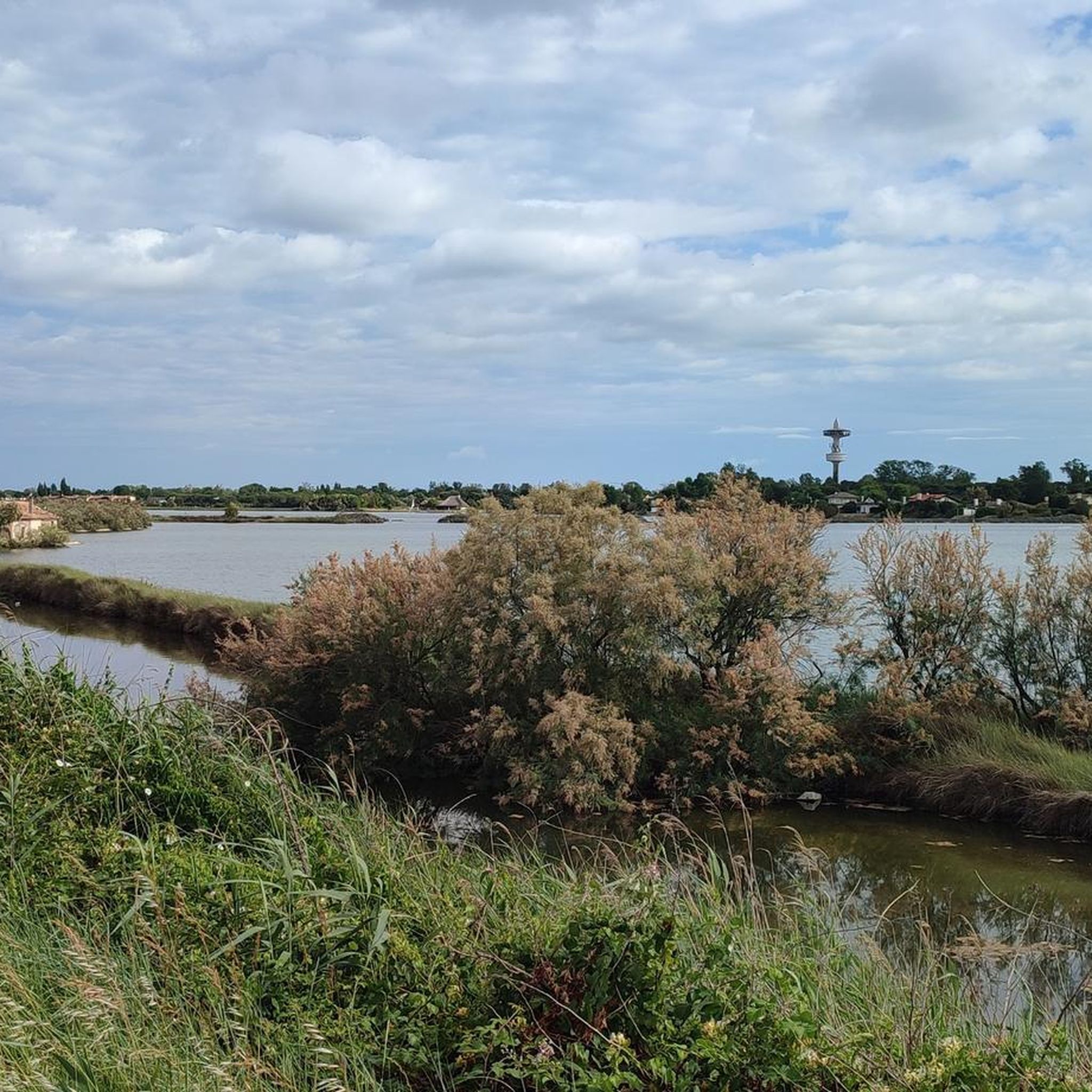
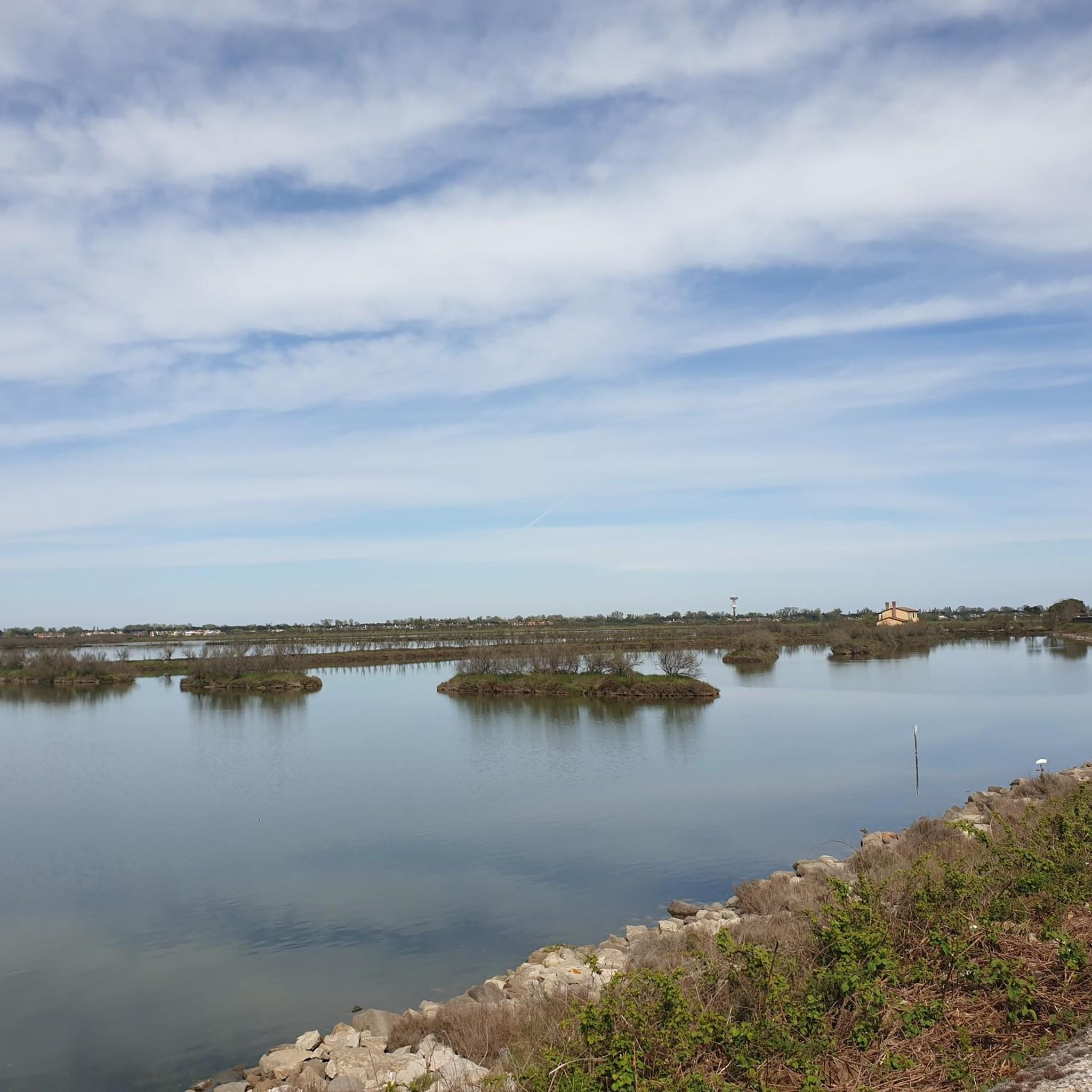
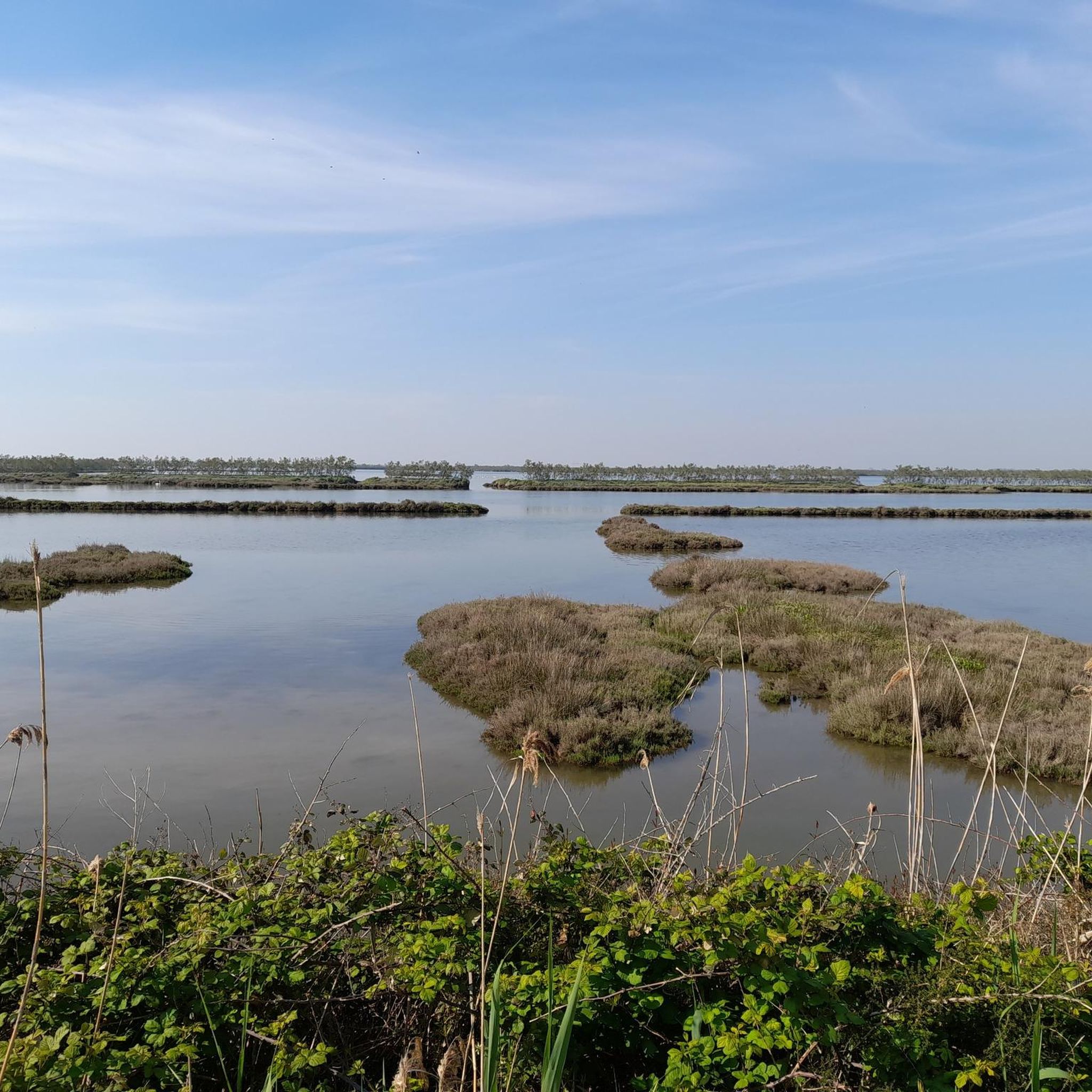
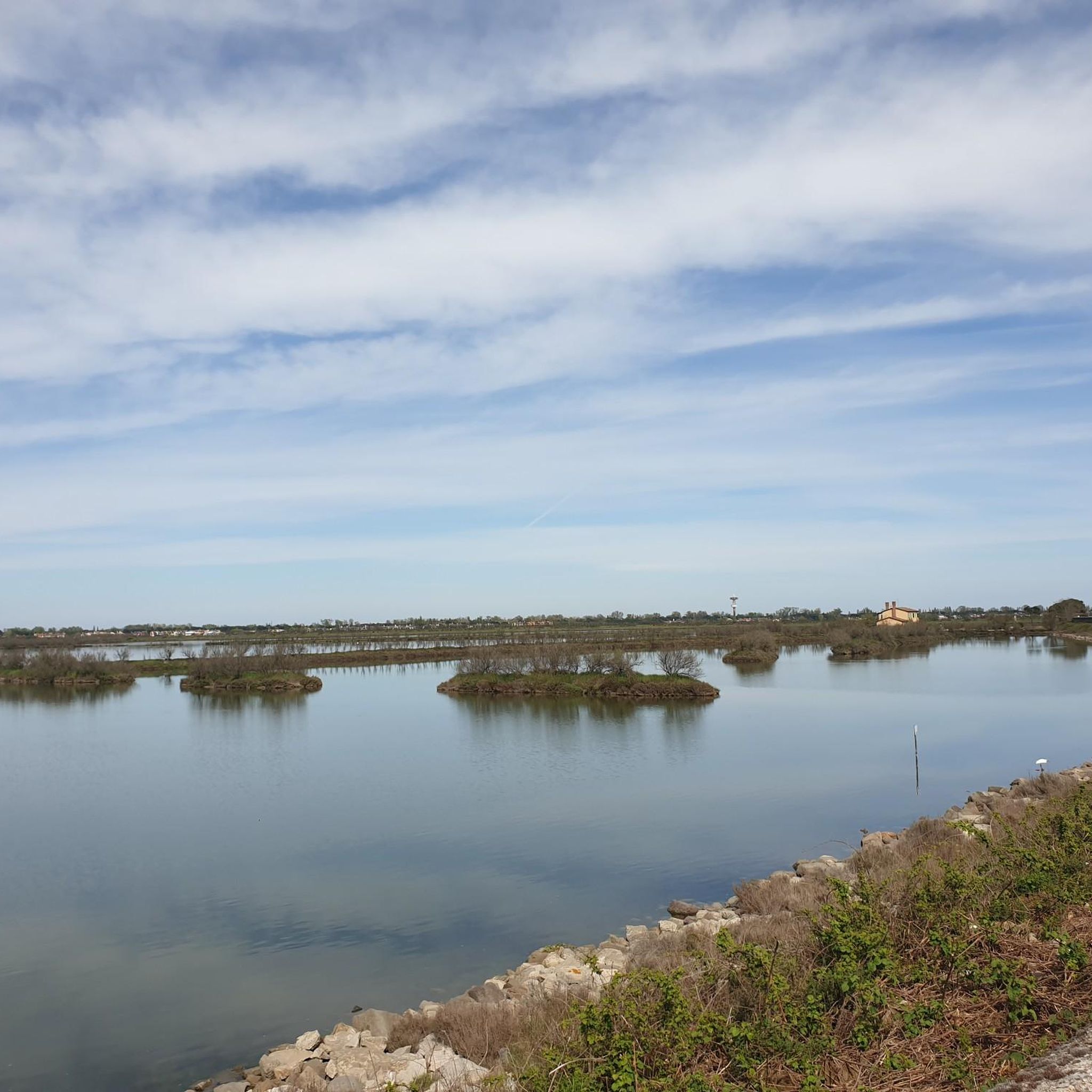
Best natural monuments around Rosolina are found within the Po Delta Park, a region characterized by its unique coastal ecosystems and rich biodiversity. This area features a diverse landscape of rivers, lagoons, sand dunes, and wetlands. Rosolina's natural environment offers insights into ecological processes and provides habitats for various flora and fauna. The region's geography, situated between the Adriatic Sea and the Po River, contributes to its distinct natural heritage.
Best natural monuments around Rosolina
- The most popular natural monuments is Po di Venezia, a river that is one of the most interesting branches from a naturalistic point of view for birdlife. In the Renaissance, it was an important waterway connecting Venice and Bologna.
- Another must-see spot is Lagoon of the Dead Trees, an evocative and surreal location where dead trees sprout from the water. Visitors can observe the visible consequences of mid-20th century methane gas extraction from the subsoil.
- Visitors also love Po Delta Regional Park, a vast natural environment characterized by a rich variety of landscapes, including ponds, rivers, sand dunes, lagoons, and fishing valleys. This park extends for more than 700 square kilometers and is the largest wetland in Europe, recognized as a UNESCO site and biosphere reserve.
- Rosolina is known for its diverse natural monuments, including rivers, wetlands, and coastal areas. The region offers a variety of natural monuments to see and explore, from expansive parks to unique geological features.
- The natural monuments around Rosolina are appreciated by the komoot community, with 6 photos shared and 107 upvotes for the highlights.
Last updated: June 28, 2026
Po Delta Regional Park
Highlight • Natural Monument
Translated by Google •
Tip by

Lagoon of the Dead Trees
Highlight • Lake
Translated by Google •
Tip by

Sign up now to discover places like this
Get recommendations on the best single tracks, peaks, & plenty of other exciting outdoor places.
Sign up for free
Veneto Coastal Botanical Garden
Highlight • Natural Monument
Translated by Google •
Tip by

Po di Venezia
Highlight • River
Translated by Google •
Tip by
Ca' Roman Beach
Highlight • Beach
Translated by Google •
Tip by

Sign up for free to discover even more natural monuments around Rosolina.
Sign up for free
Already have an account?
Start today with a free account
Your next adventure awaits.
Login or Signup

Other adventures around Rosolina

Tips from the Community

The botanical garden is a protected area that preserves typical Adriatic coastal environments: dunes, coastal forest, and wetlands. Walk the nature trails to observe the native vegetation and local fauna. Bring insect repellent and follow the marked paths: this is a sensitive area, designed more for observation than for prolonged visits.
0
0

To get onto the bridge, you have to carry the bike up the stairs from one side
1
0

uninhabited and far from tourist flows, inside a nature reserve, one of the most beautiful and uncontaminated beaches in the entire upper Adriatic; let's leave it as it is
0
0

The Po of Venice is one of the most interesting branches from a naturalistic point of view to see many species of birdlife. In the Renaissance, the Po of Venice was an important waterway for the Silk Road and connected the two great cities of Venice and Bologna.
3
0
This park extends for more than 700 square kilometers and is the largest wetland in Europe. Since 2015 it has been a UNESCO site and is recognized as a biosphere reserve. The Po delta is dominated by water, by the Po, Brenta and Adige rivers and by the Adriatic Sea, which make this place a habitat for many species, especially birds such as marsh hawks, herons and pink flamingos.
4
0

Beach in the southern part of Rosolina Mare. There are various routes to follow on foot that allow you to discover the pine forest, the sand dunes and the beach. There is also a botanical garden that can be visited (inquire so as not to find it closed).
1
0

A place where the consequences of the mid-20th century extraction of methane gas from the Polesine subsoil are clearly visible. "The subsidence affected almost the entire delta and caused drops that reached maximum values of almost three meters and average values of two metres. This fact, less traumatic, slow to manifest but highly insidious, also had a decisive influence on the hydrographic network of the lower Po and the history of the routes and floods." (Delta Po Adige Reclamation Consortium)
1
0

An evocative and surreal location, the dead trees sprout like fingers from the water inhabited by monstrous fish. The location was also used in the film "La terra dei figli".
1
0
Frequently Asked Questions
What unique natural features can I explore around Rosolina?
Rosolina is nestled within the Po Delta Park, offering a diverse landscape of rivers, lagoons, sand dunes, and wetlands. You can explore the unique coastal ecosystems at the Veneto Coastal Botanical Garden, observe the rich birdlife along the Po di Venezia, or witness the surreal landscape of the Lagoon of the Dead Trees.
Are there family-friendly natural monuments in the Rosolina area?
Yes, several natural monuments around Rosolina are suitable for families. The Po Delta Regional Park offers vast spaces for exploration and birdwatching. The Veneto Coastal Botanical Garden has well-marked footpaths perfect for all ages to discover diverse habitats. Additionally, Ca' Roman Beach and Rosolina Mare Beach with its pine forest provide ample space for relaxation and gentle walks.
Where can I experience the rich biodiversity of the Po Delta near Rosolina?
The entire Po Delta Regional Park is a biodiversity hotspot. Specifically, the Veneto Coastal Botanical Garden is a 'paradise of biodiversity' with about a dozen ecosystems and 220 plant species, including native orchids. Nearby, the Bosco Nordio Integral Nature Reserve, though technically in Chioggia, is an ancient woodland with rich Mediterranean flora and fauna, including rare spadefoot toads.
What kind of wildlife can I expect to see in the natural monuments around Rosolina?
The Po Delta Park is renowned for its birdlife, including flamingos, herons, and marsh hawks, especially along branches like the Po di Venezia. In the Veneto Coastal Botanical Garden, you might spot benthic fauna like crabs and various bird species. Bosco Nordio Integral Nature Reserve is home to rare animals, notably a type of spadefoot toad.
Are there opportunities for hiking or walking near Rosolina's natural monuments?
Yes, there are many opportunities for hiking and walking. The Veneto Coastal Botanical Garden features three well-marked footpaths ranging from 600 meters to 2850 meters. Rosolina Mare Beach and its dense pine forest offer pleasant shaded trails. For more options, explore the hiking routes in the area, such as the 'Rosolina Mare Pine Forest and Beach Loop' or 'From Rosolina Mare to Porto Caleri – loop tour', which you can find in our Hiking around Rosolina guide.
What is the best time of year to visit the natural monuments around Rosolina?
The Po Delta Park and its natural monuments are beautiful year-round, but spring and autumn are particularly recommended. Spring offers spectacular seasonal blooms, such as wild orchids, and pleasant temperatures for outdoor activities. Autumn provides excellent conditions for birdwatching, especially for migratory species like flamingos, and the landscapes are vibrant with changing colors.
Can I bring my dog to the natural monuments in the Rosolina area?
While many outdoor areas in the Po Delta Park are dog-friendly, it's important to check specific regulations for each natural monument. Protected areas like the Veneto Coastal Botanical Garden and Bosco Nordio Integral Nature Reserve may have restrictions or require dogs to be on a leash to protect sensitive ecosystems and wildlife. Always look for signage or check official park websites before visiting.
What is the 'Lagoon of the Dead Trees' and why is it significant?
The Lagoon of the Dead Trees is an evocative and surreal location near Rosolina where dead trees sprout from the water. It's significant because it visibly demonstrates the consequences of mid-20th century methane gas extraction from the subsoil, which caused subsidence and altered the landscape. It serves as a stark reminder of human impact on natural environments.
What activities can I do at Rosolina Mare Beach and its pine forest?
Rosolina Mare offers a wide expanse of fine, golden sand perfect for sunbathing and long walks along the Adriatic Sea. The dense pine forest behind the beach provides pleasant shade for hiking and cycling. It's an ideal spot for relaxation, connecting with nature, and birdwatching, especially given its location within the Po Delta Park.
How can I explore the Po Delta Park from Rosolina?
From Rosolina, you can explore the Po Delta Regional Park through various activities. There are numerous paths and waterways for cycling and walking, including routes like the Via delle Valli di Rosolina. You can find detailed routes and inspiration in our Gravel biking around Rosolina and Hiking around Rosolina guides.
Is there a botanical garden near Rosolina worth visiting?
Absolutely! The Giardino Botanico Litoraneo di Porto Caleri (Coastal Botanical Garden of Porto Caleri) is a must-visit. It's a nature preserve dedicated to conserving a unique coastal environment, featuring about a dozen ecosystems and 220 plant species. It offers well-marked footpaths to observe diverse habitats, from pine forests to dunes and lagoons.
What makes Bosco Nordio Integral Nature Reserve a special place to visit?
Bosco Nordio, an ancient woodland close to Rosolina, is a 'true biodiversity gem' and a Special Area of Conservation. It's situated on the oldest dune systems of the Northern Adriatic, with pre-Roman origins, offering a glimpse into the region's historical landscape. Visitors can experience rich Mediterranean flora and fauna, including holm oak and common oak woods, and rare grey dune habitats.
Most popular routes around Rosolina
Most popular attractions around Rosolina

Get inspired with the komoot mobile app


Explore more
Extend your search for the best caves by checking out these guides of the top ones around Rosolina:
