Top 5 Natural Monuments around Isola Del Giglio
Best natural monuments around Isola Del Giglio are found within the Tuscan Archipelago National Park, an island characterized by diverse geological formations. The island features landscapes ranging from rugged cliffs to serene coves, with a unique mix of granite and limestone rocks. Isola Del Giglio offers a variety of natural features, including high peaks, distinctive rock formations, and coastal caves. Its varied terrain and protected status make it a notable destination for exploring natural landmarks.
Best natural monuments around Isola…
Last updated: June 28, 2026
Poggio della Pagana Summit
Highlight • Summit
Translated by Google •
Tip by

Punta dei Faraglioni
Highlight • Natural Monument
Translated by Google •
Tip by

Sign up now to discover places like this
Get recommendations on the best single tracks, peaks, & plenty of other exciting outdoor places.
Sign up for free
Cala Maestra and Roman Column, Isola di Giannutri
Highlight • Beach
Translated by Google •
Tip by

Scoglio del Corvo (Isola del Giglio)
Highlight • Natural Monument
Translated by Google •
Tip by
Start today with a free account
Your next adventure awaits.
Login or Signup
Popular around Isola Del Giglio
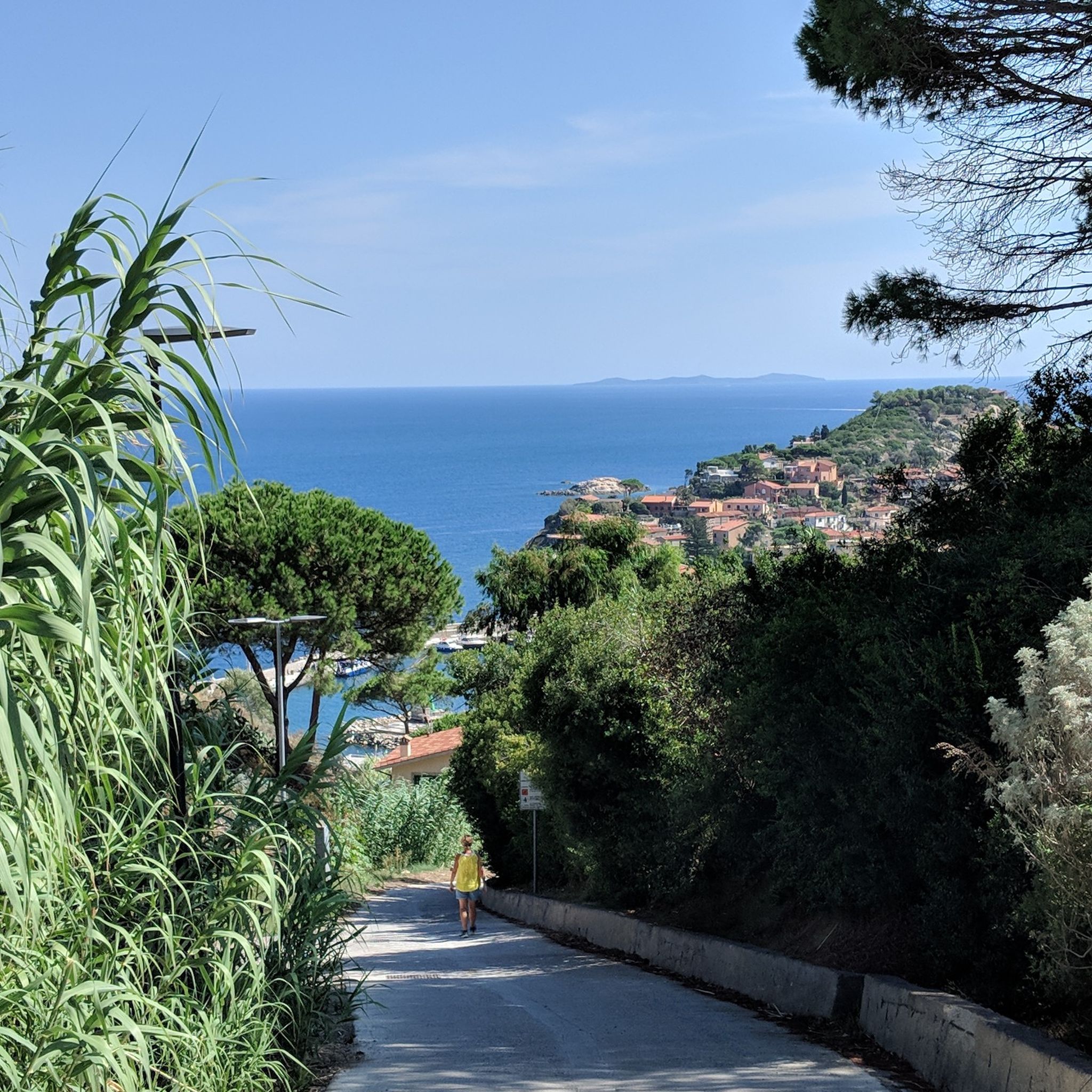
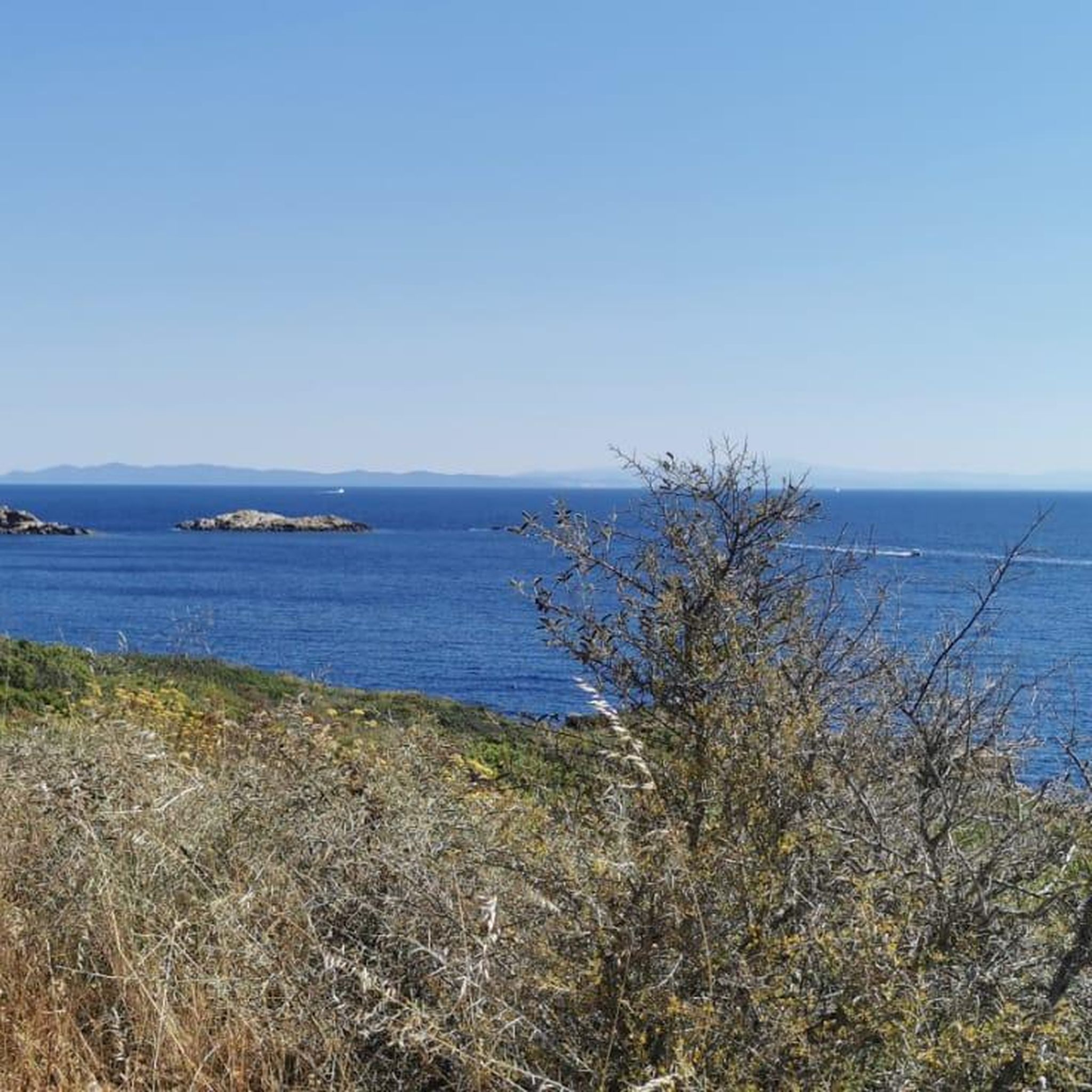
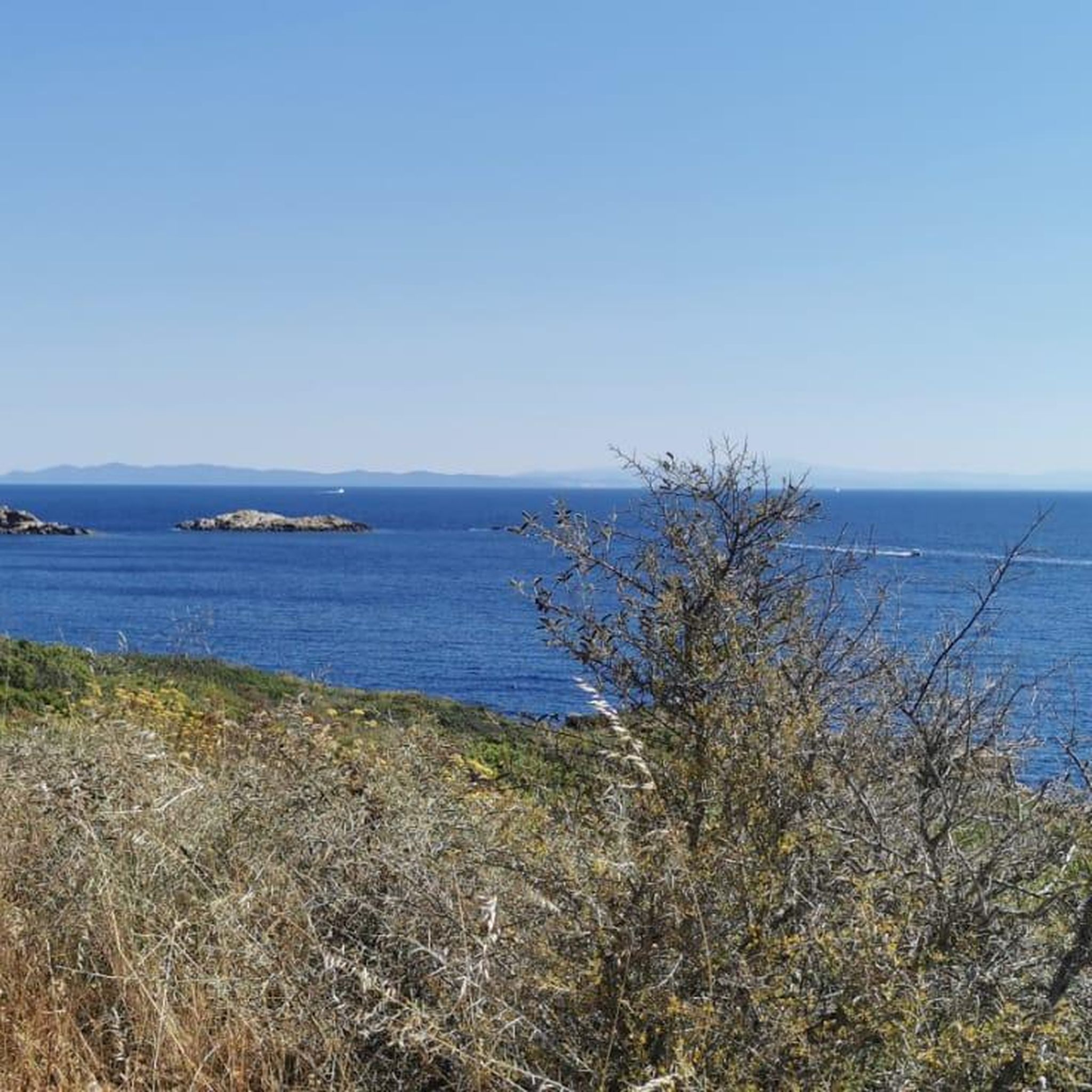
Tips from the Community


Beautiful corner of the cliff and the path to get there from Giglio Campese is also beautiful (on foot only)
0
0


It takes its characteristic name from a raven-shaped rock. The jagged seabed is ideal for diving, and you can also find a wonderful cave to visit absolutely.
1
0
The cove is located on the northwest side of the island exposed to the mistral from which it takes its name, characterized by the presence of an ancient Roman column and located just below the remains of the Roman villa of the Domizi Enobardi. It consists of a small pebble beach (not equipped beach) with a slowly sloping seabed and crystal clear blue-toned water. Unfortunately, there is the presence of numerous boats in the harbor. The cove should be more cared for and enhanced (bring your shoes).
1
0

Nice tour from the "Garbage dump" Giglio to the southern tip of the lighthouse and back.
2
0

With its 496 m above sea level, Poggio della Pagana is the highest point on the island of Giglio. From here, on clear and clear days you can enjoy a spectacular view over the whole island and the Tuscan coast.
4
0
Frequently Asked Questions
What are some of the most impressive natural viewpoints on Isola del Giglio?
For breathtaking panoramic views, head to Poggio della Pagana Summit. As the highest point on the island at 496 meters, it offers spectacular vistas of the entire island and the Tuscan coast on clear days. Another notable viewpoint is near the Capel Rosso Lighthouse, located at the southernmost tip, providing incredible views where the sky meets the sea.
Are there any unique geological formations to explore on Isola del Giglio?
Yes, Isola del Giglio boasts diverse geological features. The Punta dei Faraglioni near Campese Beach features an impressive monolithic rock formation dramatically jutting out of the sea. The Franco Promontory is unique for its limestone rocks overhanging the sea, a contrast to the island's predominant granite, and contains cavernous limestone formations. You can also find the distinctive raven-shaped rock of Scoglio del Corvo (Isola del Giglio), which also features a wonderful cave.
What kind of hiking trails can I find near the natural monuments?
Isola del Giglio offers a variety of hiking trails that lead to or pass by its natural monuments. For instance, a scenic path leads to the Capel Rosso Lighthouse, offering opportunities for birdwatching. You can also explore trails around Poggio della Pagana Summit. For more detailed routes, you can find various options in the Hiking around Isola Del Giglio guide, including moderate and difficult trails.
Are there any natural monuments suitable for diving or snorkeling?
Absolutely. The jagged seabed around Scoglio del Corvo (Isola del Giglio) makes it an excellent spot for diving, and it also features a cave to explore. Cala dell'Arenella and Spiaggia delle Caldane, both secluded beaches, offer clear waters perfect for swimming and snorkeling.
What are some hidden natural gems or less-known spots on the island?
Beyond the more popular sites, Cala dell'Arenella offers an intimate experience amidst untamed nature with clear waters and surrounding trails. Spiaggia delle Caldane is another secluded paradise with fine sand, ideal for relaxation and snorkeling, accessible by sea or a scenic path from Giglio Porto. The Franco Promontory and Cala dell'Allume are also less-trafficked areas, notable for their unique geological formations and historical mining tunnels.
Can I find any historical sites related to the natural landscape?
Yes, the island has a history intertwined with its natural resources. The Franco Promontory and Colle del Castellare were sites of early mining activity for red ochre. At Cala dell'Allume, you can find old mining tunnels and iron deposits. Additionally, on the nearby Isola di Giannutri, Cala Maestra and Roman Column features an ancient Roman column and remains of a Roman villa, connecting natural beauty with historical significance.
What kind of wildlife can be observed near Isola del Giglio's natural monuments?
Isola del Giglio is rich in flora and fauna, being part of the Tuscan Archipelago National Park. The Mediterranean scrub is vibrant, with over 700 species of plants and flowers. Near the Capel Rosso Lighthouse, the scenic path provides opportunities for spotting various marine bird species. The island's rich underwater life, with various fish species, makes it an excellent destination for diving and observing marine ecosystems.
Are there family-friendly natural attractions on Isola del Giglio?
While many natural monuments involve some hiking, beaches like Cala dell'Arenella and Spiaggia delle Caldane offer clear, calm waters suitable for families to enjoy swimming and snorkeling. The relatively easy 2.1-mile round-trip hike to the viewing platform for Faraglione di Campese can also be a pleasant family activity.
What is the best time of year to visit Isola del Giglio for exploring its natural monuments?
The spring and early autumn months are generally ideal for visiting Isola del Giglio. During these periods, the weather is pleasant for hiking and exploring, the Mediterranean vegetation is lush, and the crowds are typically smaller than in the peak summer season. This allows for a more comfortable experience when visiting viewpoints, beaches, and geological sites.
What other outdoor activities can I do near the natural monuments on Isola del Giglio?
Beyond hiking, Isola del Giglio offers opportunities for mountain biking and running. You can explore various routes, such as the challenging 'Giglio Castello, Punta Fenaio and Arenella Loop' for mountain biking, or the 'Punta di Capel Rosso Loop Trail' for running. For more options, refer to the MTB Trails around Isola Del Giglio and Running Trails around Isola Del Giglio guides.
What are the Sparavieri and Secche Cliffs, and where are they located?
The Sparavieri and Secche Cliffs are spectacular vertical ravines that plunge dramatically into the sea, showcasing the island's rugged coastline. They are located near the Capel Rosso Lighthouse, at the southernmost tip of Isola del Giglio, offering impressive views of the meeting point of land and sea.
Can I access the natural monuments using public transportation or do I need a car?
While some areas of Isola del Giglio are accessible by local bus services connecting the main towns (Giglio Porto, Giglio Castello, Campese), many natural monuments and secluded coves require walking or hiking to reach. For places like Poggio della Pagana Summit or the Capel Rosso Lighthouse, you will likely need to hike from the nearest accessible point. Renting a scooter or car can offer more flexibility, but many trails are foot-only.
Most popular routes around Isola Del Giglio
Most popular attractions around Isola Del Giglio

Get inspired with the komoot mobile app


Explore more
Extend your search for the best caves by checking out these guides of the top ones around Isola Del Giglio:
