Top 6 Natural Monuments around Portacomaro
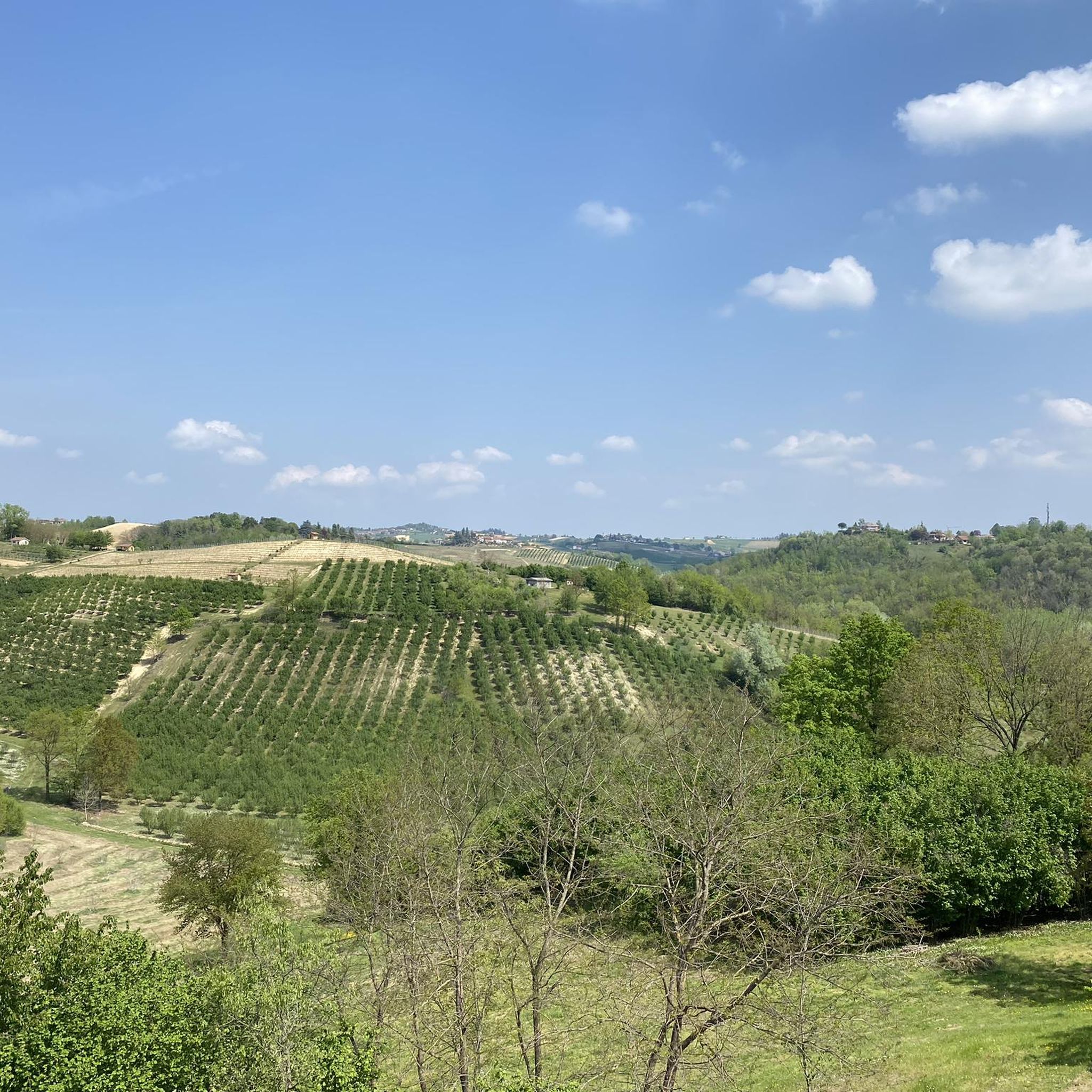
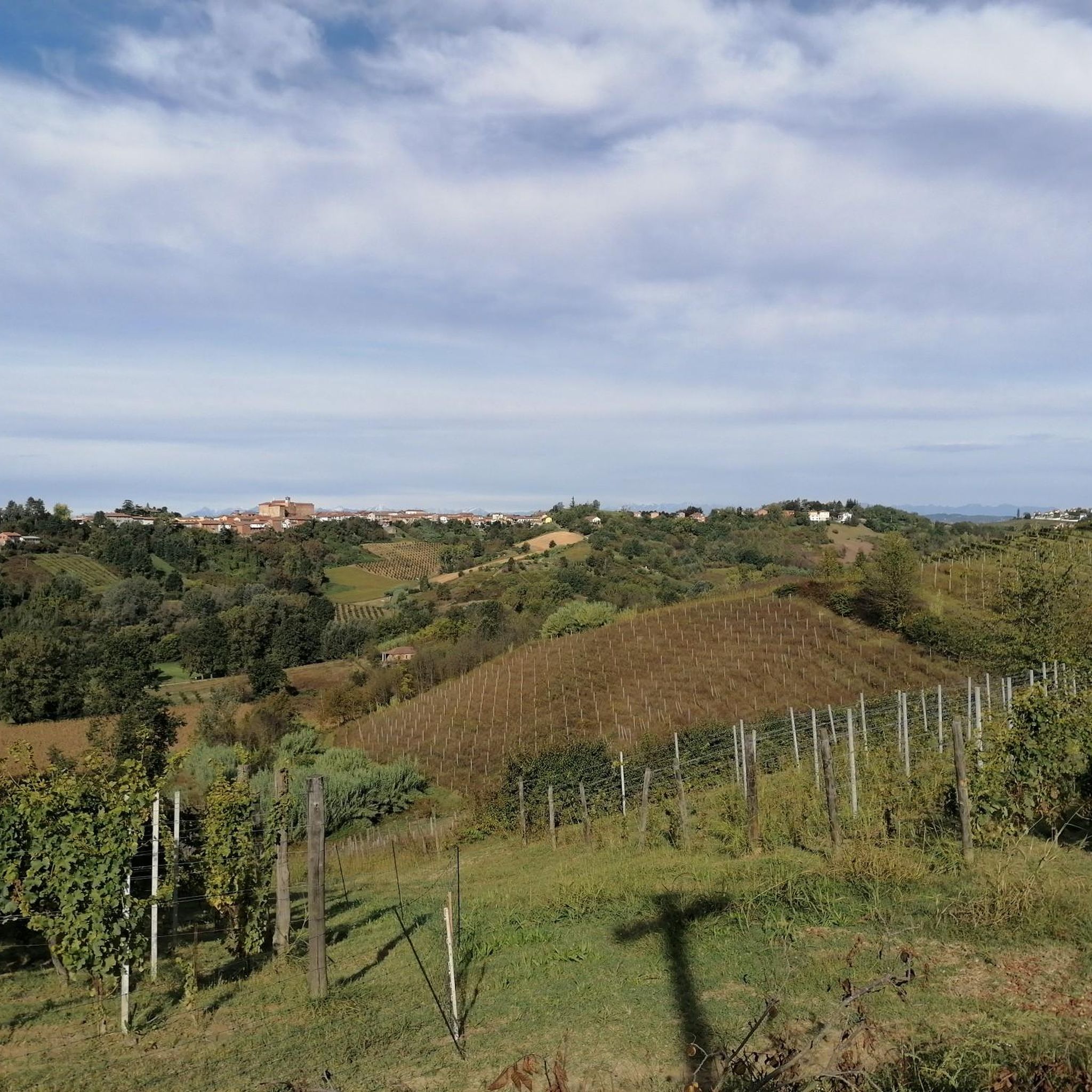
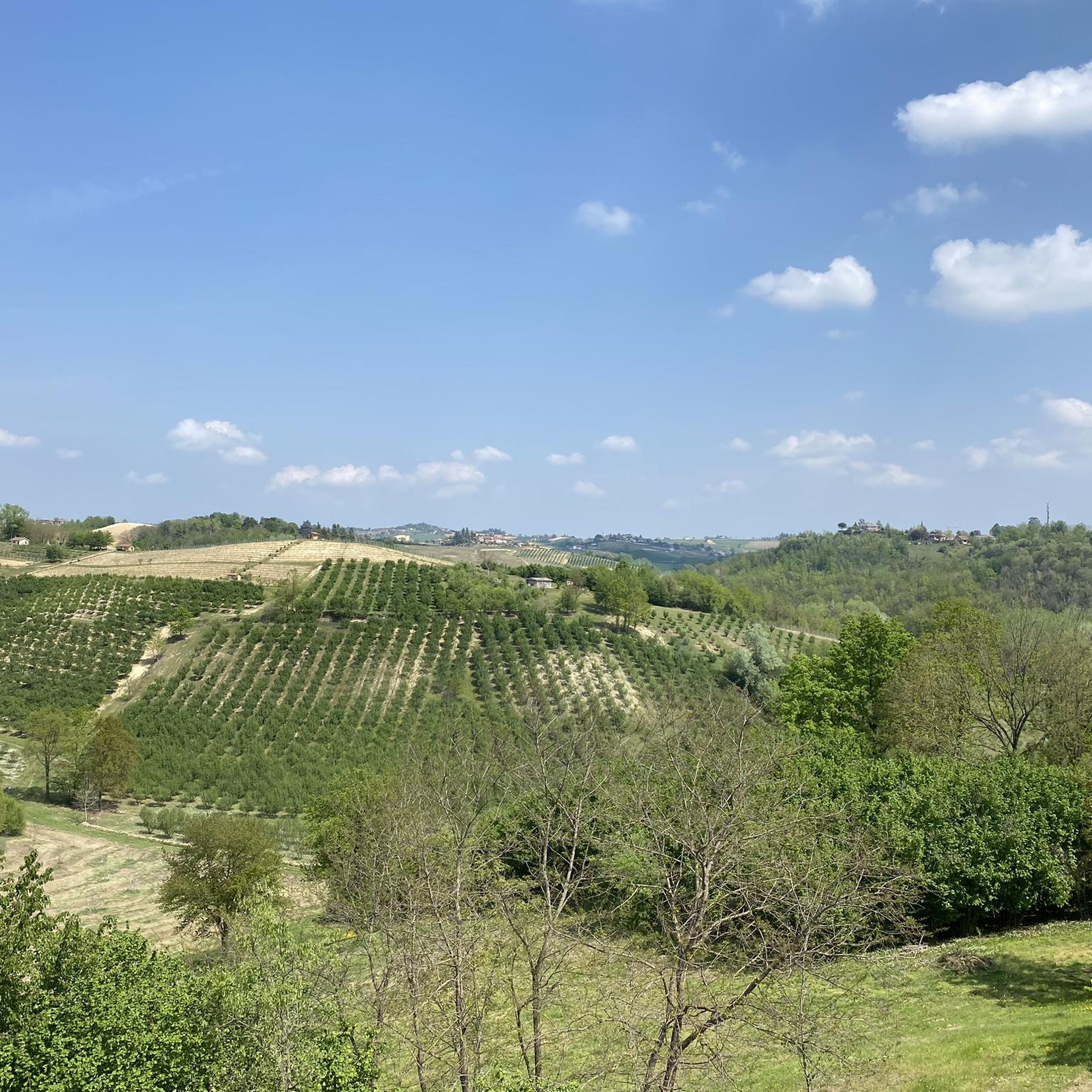
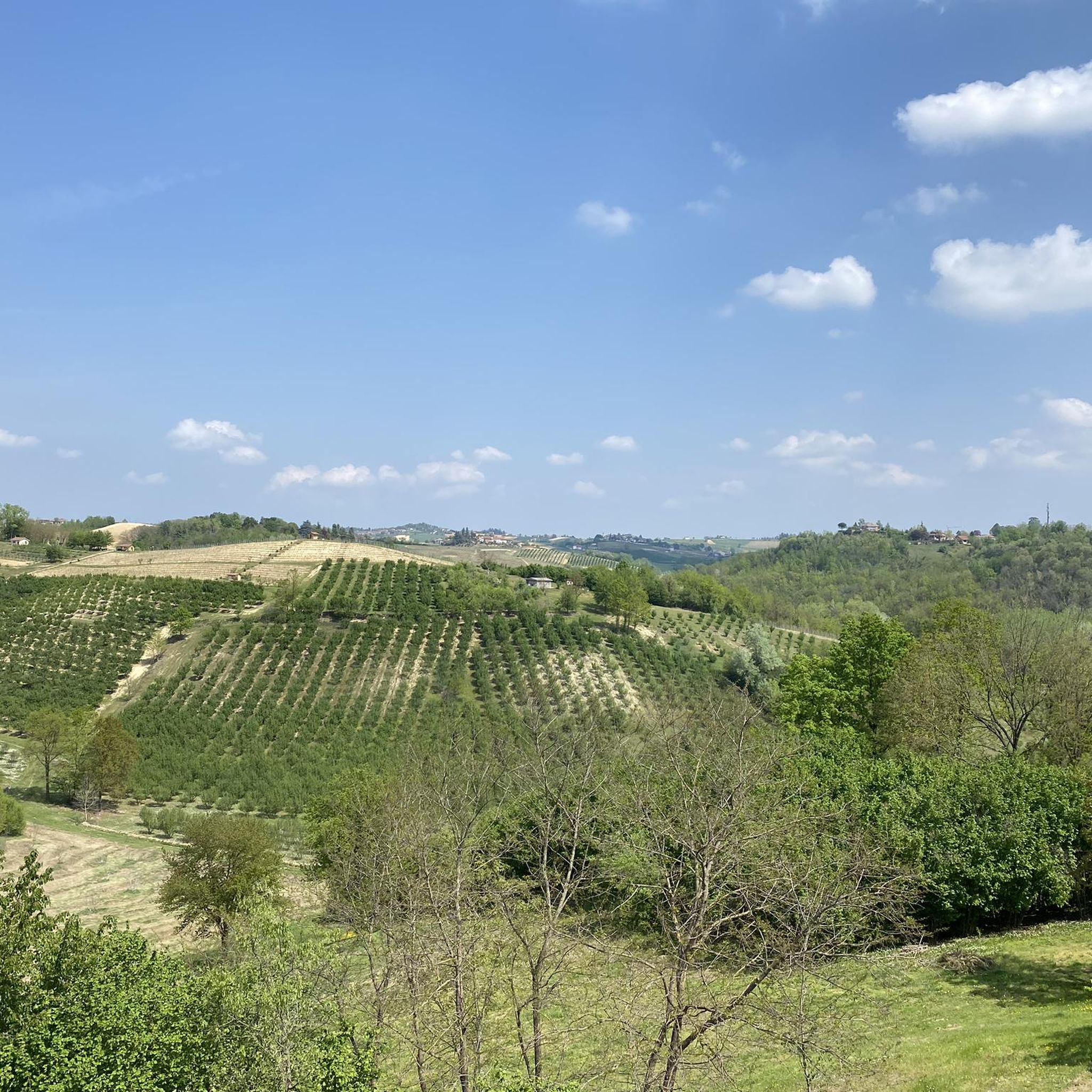
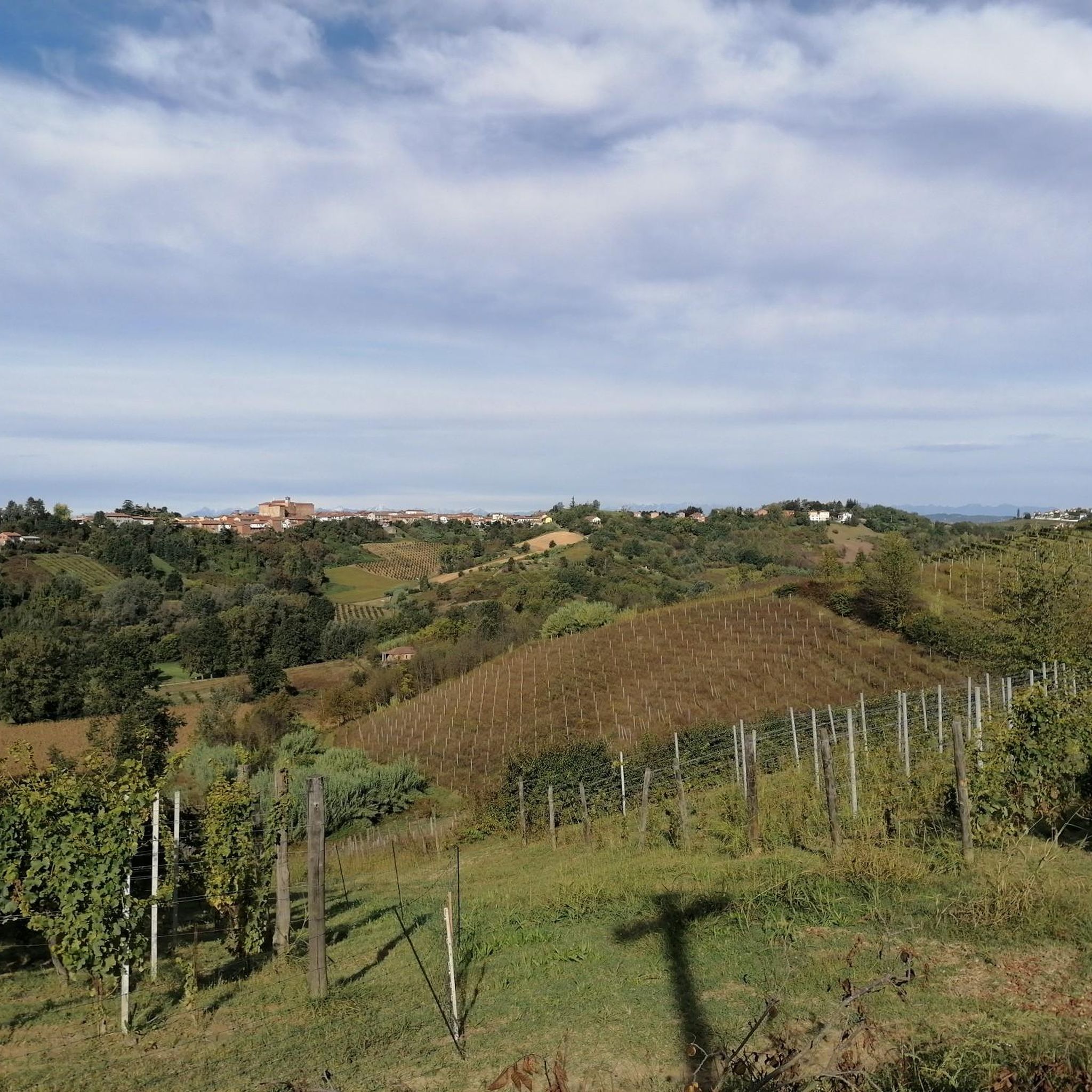
Best natural monuments around Portacomaro are situated within the Monferrato hills, a UNESCO World Heritage site recognized for its distinctive natural beauty and cultural landscapes. The region features rolling vineyards, forests, and picturesque villages. This area offers a blend of natural features and historical significance, making it a destination for nature enthusiasts. The geological makeup of the Tertiary Piedmontese Basin contributes to the fertile soil, supporting the local viticulture.
Best natural monuments around Portacomaro
- The most popular natural monuments is…
Last updated: June 28, 2026
Bialbero di Casorzo
Highlight • Natural Monument
Showing Translation
Tip by

Church and Fountain of Sant'Eusebio
Highlight • Religious Site
Translated by Google •
Tip by
Sign up now to discover places like this
Get recommendations on the best single tracks, peaks, & plenty of other exciting outdoor places.
Sign up for free
Madonna del Portone Pond (Asti)
Highlight • Religious Site
Translated by Google •
Tip by

Paleontological Site Rest Area
Highlight • Rest Area
Translated by Google •
Tip by

WWF Oasis Villa Paolina
Highlight • Natural Monument
Translated by Google •
Tip by

Start today with a free account
Your next adventure awaits.
Login or Signup

Tips from the Community

The Bialbero di Casorzo is one of the most famous natural curiosities of Piedmont, in Italy.
14
0
Place of worship kept in perfect condition.
9
1

A cavity in the stone houses an altar and just above the statue of the Madonna. A silent, peaceful place, a few meters from the city center and traffic.
0
0
Outside the beautiful and large church dedicated to the Madonna "del Portone", on the left side, there is a delightful pond with fish and turtles overlooked by a stone cavity that houses the statue of the Madonna.
0
0

Church and fountain of Sant'Eusebio, patron saint of the entire Piedmont region, it was he who brought the oriental cult of the Black Madonna, to which the Cathedral of Vercelli and the Sacro Monte of Crea are linked; legend has it that passing by here he sat down and put down his stick; at that point the water began to gush;
2
0

The Biarancio di Casorzo is located between Grana Monferrato and Casorzo, in Piedmont. It is called 'Biarancio' as this tree is a mulberry tree on which a cherry tree has grown. The best season to admire the Biarancio is at the end of spring, when it is in bloom.
2
0

The WWF Oasis of Valmanera is a protected natural area near Asti, included in the Natura 2000 Network (ZSC) as a place of importance for the conservation of biodiversity. The Oasis extends for approximately 10 hectares of meadows, woods and paths. In the center of the Oasis there is a flat area where the Villa, the Hostel and the "Biberach an der Riss" conference room are located. The Villa houses the inn, the dining rooms, the bar and a WWF gadget shop, products from the Terre dell'Oasi and fair trade products. On the first floor there is a library and the Naturalistic Museum of the Territory which illustrates the history and natural richness of our area. On the top floor of the Villa there is the Painter's Room, a very beautiful conference room for 40 people. There is also an apiary, a pond, an educational vegetable garden and a short forest path with information panels and a fossil outcrop.
3
0

On the hills of Monferrato, halfway between Asti and Casale Monferrato, the small town of Casorzo is home to a curious natural wonder: a double tree or a cherry tree grown on a mulberry tree. How it is formed For the more curious (or just curious) green thumbs, this is the most accredited theory to explain the birth of the double tree, otherwise known as the double tree of happiness: probably a bird or other small animal has the cherry seed on the inside of the hollow trunk of the mulberry tree. Somehow the roots worked their way to the ground and the plant began to grow on top of the mulberry tree, finding enough nourishment to fully develop. Et voilà, the double mast is ready! When should you go and see the Casorzo double shaft? In the middle of summer, with both plants completely green, the strange phenomenon of the "double tree" tends to go a bit unnoticed. In the spring, however, he does his best. If you've always dreamed of living the Japanese experience of Hanami, the practice of admiring cherry blossoms, you can always start here: between March and April, the cherry tree turns white, while the mulberry tree underneath is still bare. This is the time of year when the gap between the two trees is most obvious and spectacular. The double tree and the furnished area in which it stands are located directly on the path Malvasia di Casorzo . The access to the area is always free and with its tables it lends itself perfectly to receiving anyone who wants to stop for a break during an excursion or even just to those who want to have a picnic in the shade of a very special tree. Source: https://www.percorsimonferrato.com/bialbero-di-casorzo-monferrato/
6
0
Frequently Asked Questions
What unique natural phenomena can I discover around Portacomaro?
One of the most unique natural phenomena is the Bialbero di Casorzo, also known as the "Double Tree of Casorzo." This remarkable sight features a cherry tree growing directly on top of a mulberry tree, a rare configuration that makes it one of the most amazing trees in the world. It's a perfect spot for a peaceful stop or a picnic.
Are there any natural monuments with historical or cultural significance near Portacomaro?
Yes, the Church and Fountain of Sant'Eusebio is a site where natural features intertwine with local legend and religious history. It's a well-maintained place of worship, and local lore suggests a fountain sprung from a stick placed by Sant'Eusebio, the patron saint of Piedmont.
What kind of outdoor activities can I do in the Monferrato hills around Portacomaro?
The Monferrato hills, a UNESCO World Heritage site, offer a variety of outdoor activities. You can explore the scenic landscape through cycling, mountain biking, and hiking. For specific routes, you can find detailed guides like Hiking around Portacomaro, MTB Trails around Portacomaro, and Cycling around Portacomaro, which feature routes of varying difficulties.
When is the best time to visit the natural monuments in this region?
The best time to visit depends on what you want to see. For the Bialbero di Casorzo, spring (March to April) is ideal when the cherry tree blossoms with white flowers, creating a striking contrast with the still-bare mulberry tree. Generally, spring and autumn offer pleasant weather for exploring the Monferrato hills and their vineyards.
Are there any family-friendly natural monuments or areas to visit?
Yes, several spots are suitable for families. The Bialbero di Casorzo is a fascinating and accessible site with tables for picnics. The Paleontological Site Rest Area offers a place to rest with benches, a table, and fresh water near an archaeological site, which can be interesting for children. Additionally, the Madonna del Portone Pond (Asti) features a delightful pond with fish and turtles, making it an engaging stop for younger visitors.
What kind of landscapes define the natural beauty of the Portacomaro area?
The Portacomaro area is nestled within the Monferrato hills, a UNESCO World Heritage site. The landscape is characterized by gentle, rolling hills covered in expansive vineyards, interspersed with forests and picturesque medieval villages. This rich palette of colors, blending history and nature, offers numerous panoramic viewpoints and a distinctive natural beauty.
Can I find any protected natural areas or oases near Portacomaro?
Yes, the WWF Oasis Villa Paolina is a protected natural area near Asti, included in the Natura 2000 Network. It spans approximately 10 hectares of meadows, woods, and paths, offering opportunities to explore biodiversity. The oasis also features a naturalistic museum, an apiary, a pond, and an educational vegetable garden.
What makes the Monferrato hills a UNESCO World Heritage site?
The Monferrato hills are recognized as a UNESCO World Heritage site for their outstanding cultural landscapes, which harmoniously blend natural beauty with human activity. The distinctive rolling vineyards, traditional villages, and the region's long-standing viticultural traditions contribute to its global significance, showcasing a unique interaction between people and their natural environment.
Are there any easy walks or trails suitable for beginners near Portacomaro's natural monuments?
While specific easy walks directly at each monument aren't always detailed, the broader Monferrato region offers many gentle paths through vineyards and small villages. For a general idea of easier routes, you can check the Hiking around Portacomaro guide, which includes routes like the 'Hiking loop from Cimitero di Castiglione' that is rated as easy.
What are some of the geological features that contribute to the region's natural environment?
The region's geological makeup, part of the Tertiary Piedmontese Basin, plays a crucial role in its natural environment. This geological history contributes to the fertile soil, which is ideal for viticulture and supports the expansive vineyards that define the Monferrato landscape. These ancient formations also influence the rolling hill topography.
What do visitors particularly enjoy about the natural monuments around Portacomaro?
Visitors appreciate the unique and often surprising natural features, such as the Bialbero di Casorzo, which is described as one of the most amazing trees in the world. They also value the well-preserved historical and religious sites like the Church and Fountain of Sant'Eusebio, and the peaceful, scenic beauty of the Monferrato hills for outdoor activities and relaxation.
Most popular routes around Portacomaro
Most popular attractions around Portacomaro

Get inspired with the komoot mobile app


Explore more
Extend your search for the best caves by checking out these guides of the top ones around Portacomaro:
