Top 8 Natural Monuments around Casier
Best natural monuments around Casier are primarily found within the Sile River Regional Natural Park, which encompasses the town's natural landscape. The Sile River, a prominent feature, flows through the area, offering protected zones recognized for their biodiversity. This region provides access to naturalistic areas that include wetlands, river environments, and historical sites integrated with nature. The landscape around Casier supports various natural features and offers opportunities for outdoor activities.
Best natural monuments around Casier
- The most popular natural monuments…
Last updated: October 2, 2026
Burci Boat Cemetery
Highlight • Historical Site
Translated by Google •
Tip by

Botteniga River
Highlight • River
Translated by Google •
Tip by

Sign up now to discover places like this
Get recommendations on the best single tracks, peaks, & plenty of other exciting outdoor places.
Mulino Cervara Nature Oasis
Highlight • Natural
Translated by Google •
Tip by

Source of the Meolo River
Highlight • River
Translated by Google •
Tip by

Entrance to Oasi Cervara Nature Reserve
Highlight • Natural Monument
Translated by Google •
Tip by
Sign up for free to discover even more natural monuments around Casier.
Already have an account?
Start today with a free account
Your next adventure awaits.

Tips from the Community

Much water flows around the historic old town of Treviso
0
0

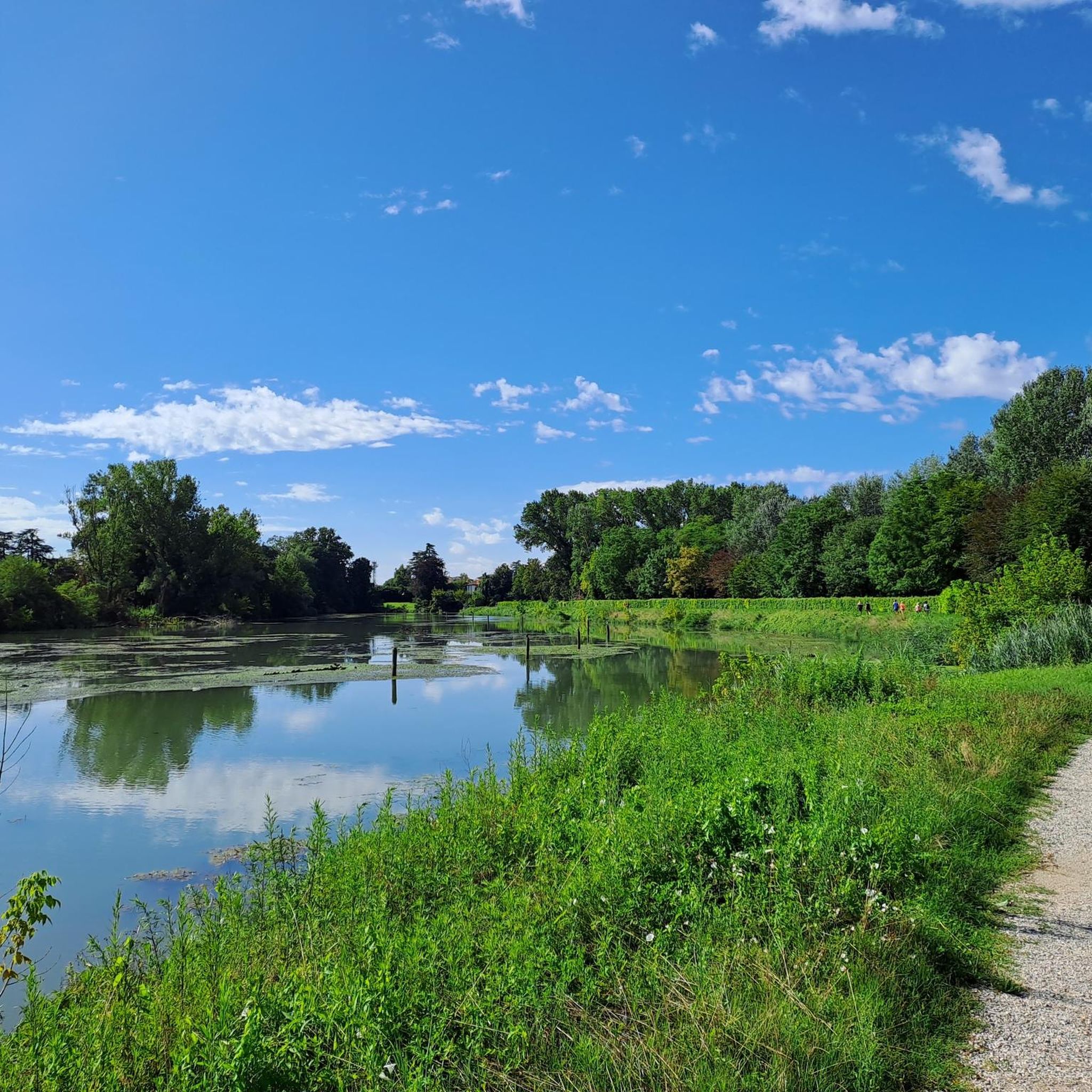
The Botteniga is a resurgence river in the Veneto-Friuli plain. It rises a few kilometers north of the city of Treviso (San Pelaio); shortly after it receives the waters of the La Cerca canal, the Pegorile and the Piavesella di Nervesa and then divides into several branches at the gates of the walls of Treviso, near the Ponte de Pria: • The Cagnan Grande or della Pescheria; • The Cagnan Medio or canale dei Buranelli (0.743 km); • The Cagnan della Roggia or Siletto (1.117 km); • The Convertite or Santa Sofia canal (0.882 km, mostly buried); • the canal that laps the outside of the walls on the eastern side (the western one has been buried). This system is actually part of a notable work of hydraulic engineering designed in the sixteenth century by Giovanni Giocondo for the defense of the walls. All the branches finally flow into the hydrographic left of the Sile river. The waters of the Botteniga also feed the spring from which the Cantarane canal flows (0.447 km, now mostly filled in).
0
0
It is a protected wildlife area located in Santa Cristina di Quinto di Treviso, in the province of Treviso. It is one of the gateways to the Regional Natural Park of the Sile River, falling within the SCI IT3240028 "Sile River from its sources to Treviso Ovest" and in the SPA IT3240011 "Sile: sources, marshes of Morgano and S. Cristina".
0
0

The old name of the Meolo river is Pero. This is why, in these parts, river and place names blend together
0
0

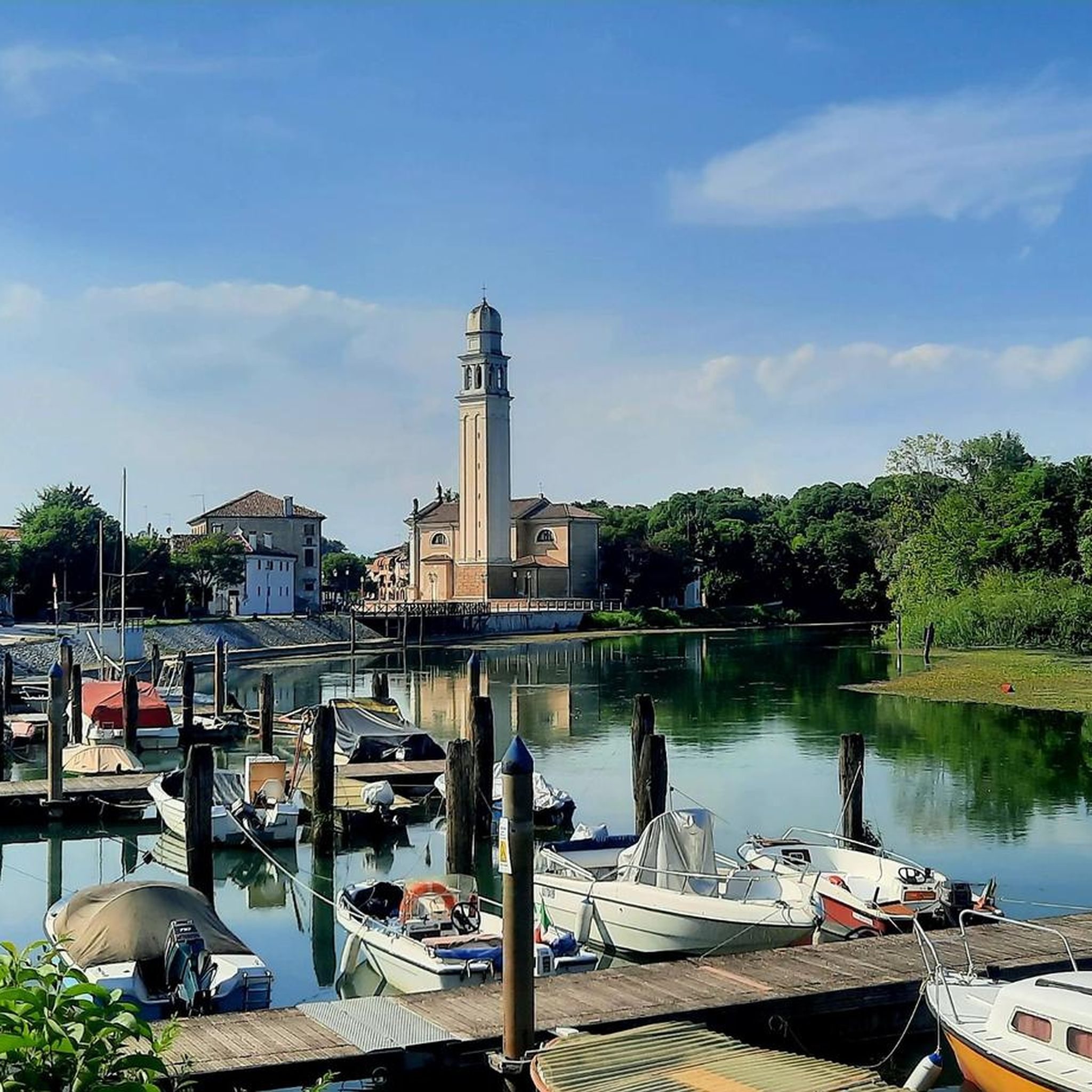
The sources of the Meolo river are about 200 m away. from the bridge, unfortunately it was not possible to approach them because they were fenced off. It originates east of Breda di Piave, in the Campagne area, and flows for about twenty kilometers in the provinces of Treviso and Venice, crossing, among others, San Biagio di Callalta and Monastery of Treviso. At the town of the same name, the river bifurcates: the new main axis, maintaining the name of the Meolo river, heads south and flows shortly afterwards into the Vallio; the historic course, called the Meolo flowway, moves towards the south-east and its waters flow partly into the Colatore Principale reclamation canal and partly, by means of a structure that bypasses the previous watercourse, into the Fossetta canal. This situation is the result of the reclamation that affected the Lower Piave and was completed in the 1930s. Along its course there are country residences built by Venetian families between the 15th and the 19th centuries as well as the former Abbey of Santa Maria di Pero
11
0

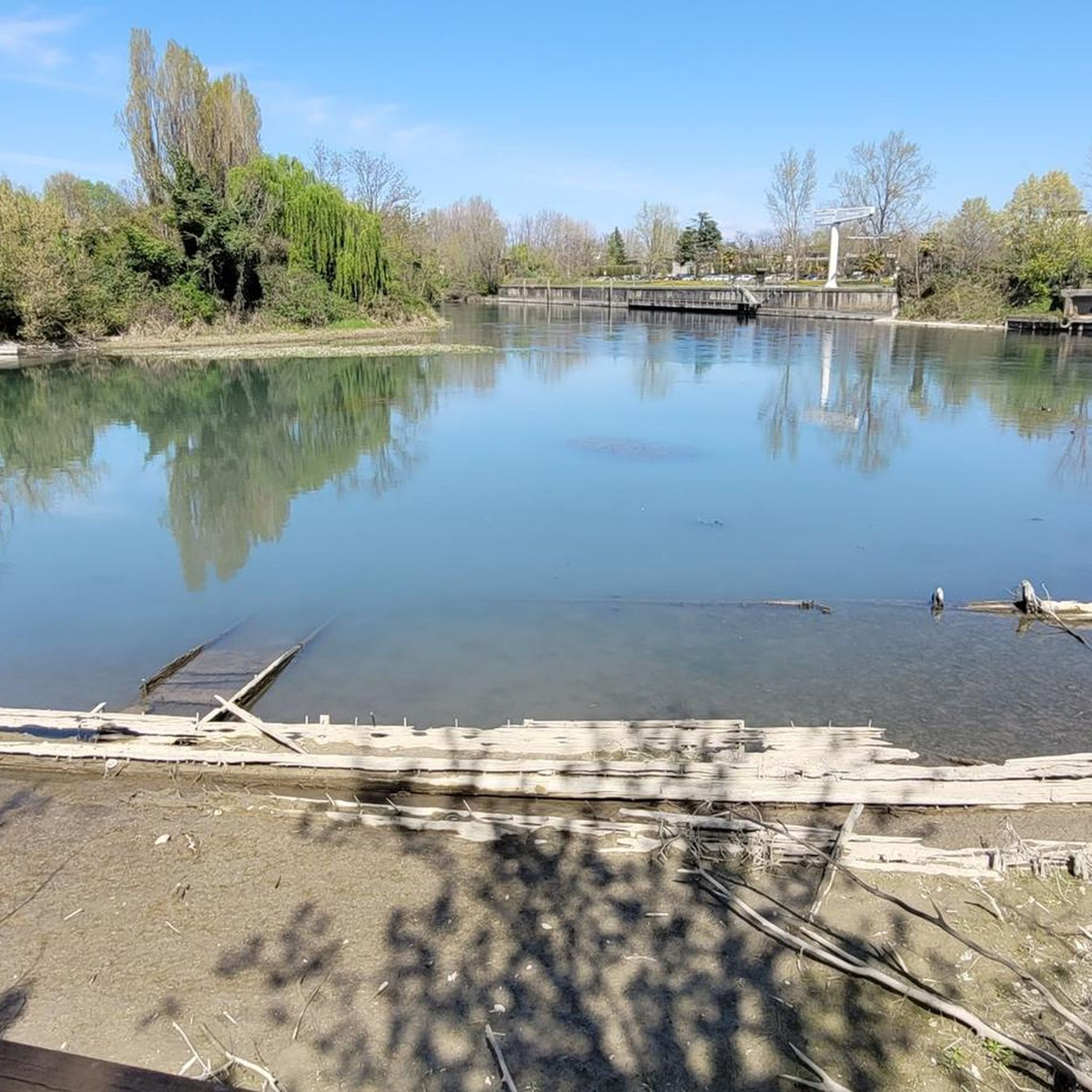
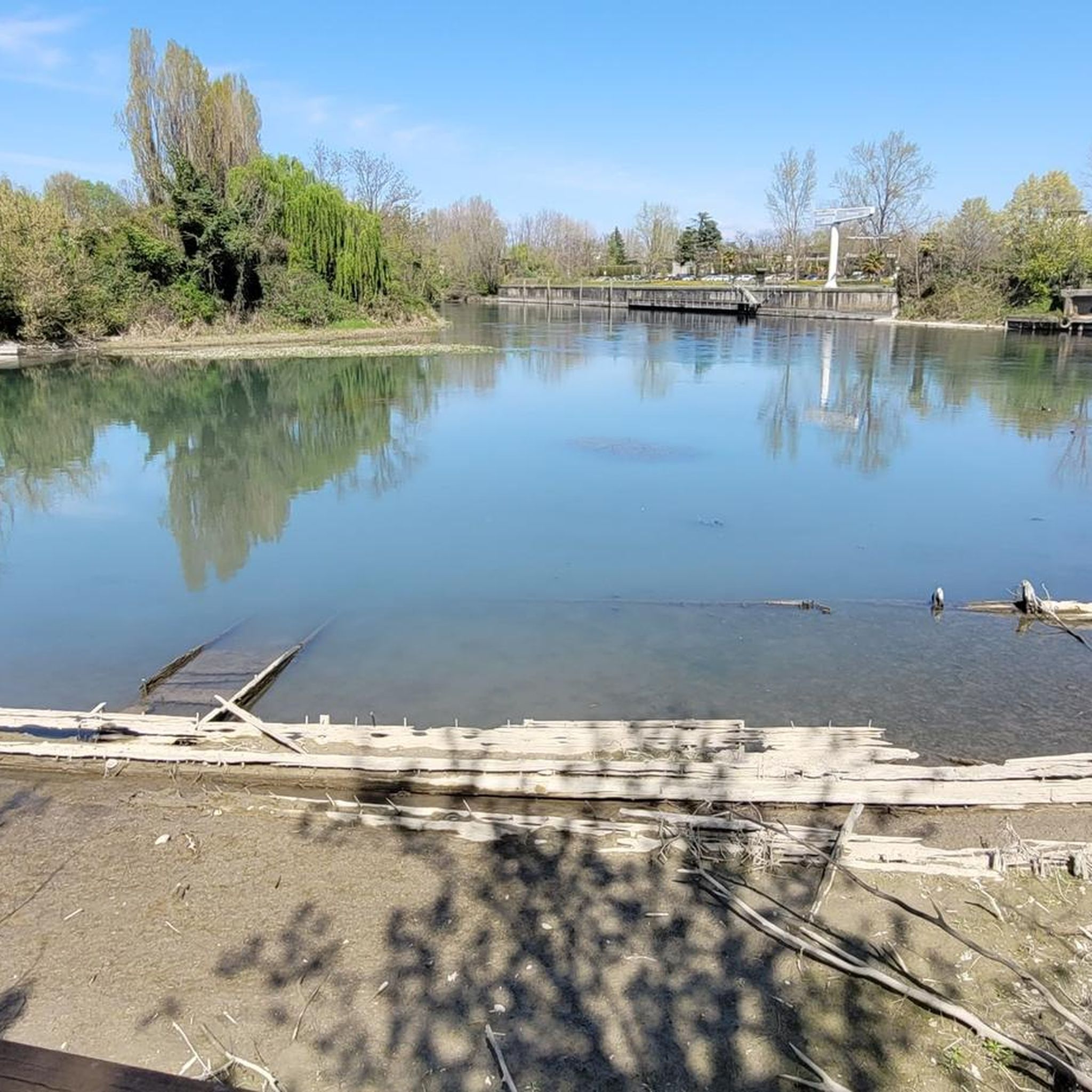
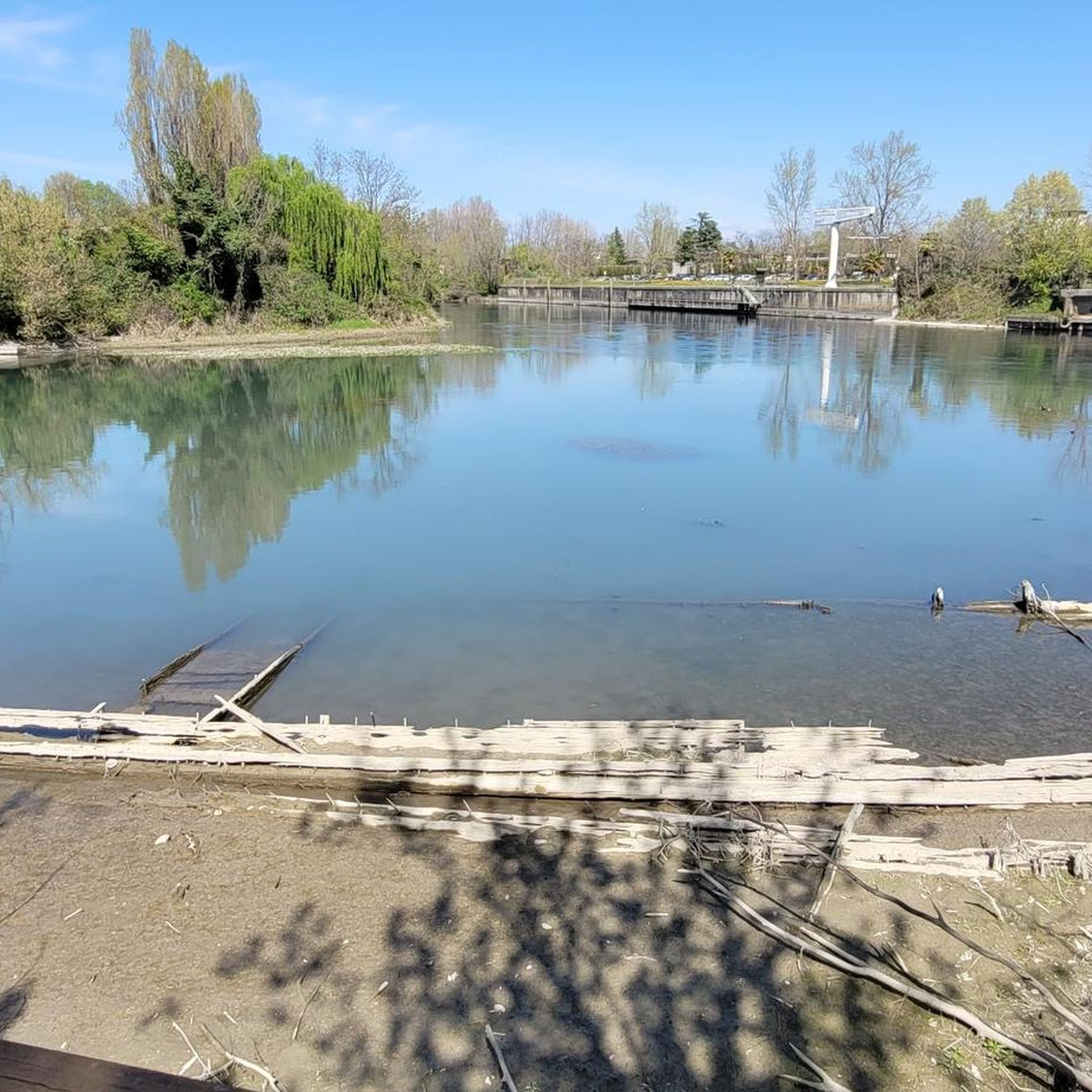
Between 1911 and the 1920s the area was used as a quarry, known locally as the Barina quarry[1], of which a pile of gravel still remains visible. Between the two world wars the area hosted a squero[2]. From the archaeological research carried out between 2014 and 2015[3], it emerged that between the years 1974-75, 13 burci, traditional transport boats, were abandoned on the site, of which three were with certainty (having archaeologists found the documents) of property of the shipowner Dante Bernardi. By comparing aerial photos of the time and photos from private collections, archaeologists have documented that before 1974-75 at least 8 wrecks were already present on the site. Between the late 1970s and mid-1980s, 4 shipwrecks disappeared from the site entirely. Research is continuing to determine further data on the wrecks present and the history of the site which takes its name from the burci, a class of flat-bottomed river transport boats, typical of the P
7
0
At the current state of archaeological research, nineteen wrecks of traditional transport boats have been recorded[4]. Among these, different types of traditional Venetian boats have been identified: 3 gabarres 5 burci 2 comacine 2 modified burci with mirror bow for excavation 3 batei 1 mouse 1 small boat 2 boats of unknown type Out of nineteen wrecks surveyed, the original documents of three boats were recovered, the oldest of which dates back to 1937. The documents found provided relevant data on the life of these boats and information on their owners. Only further archival investigations and technical/archaeological analyzes will be able to provide useful elements for dating the other wrecks present on the site.
5
0

The Botteniga is a river in northern Italy, a diverter of the Piave. It meets the river Sile near Treviso.
3
0
Frequently Asked Questions
What are the most popular natural monuments around Casier?
The natural monuments around Casier are primarily found within the Sile River Regional Natural Park. Highly appreciated spots include the unique Burci Boat Cemetery, where ancient wooden boats lie in the Sile River, and the Mulino Cervara Nature Oasis, a protected wildlife area known for its biodiversity.
What kind of natural features can I expect to see near Casier?
You can expect to see diverse river environments, particularly along the Sile River and its tributaries like the Botteniga River. The region features wetlands, lush riverbanks, and natural springs, especially prominent within the Sile River Regional Natural Park and the Mulino Cervara Nature Oasis.
Are there family-friendly natural monuments to visit around Casier?
Yes, several natural monuments are suitable for families. The Mulino Cervara Nature Oasis offers easy paths and boat excursions, making it ideal for all ages. The Burci Boat Cemetery and the Botteniga River also provide accessible and interesting natural settings for family outings.
What historical or cultural sites are integrated with nature in the Casier area?
The Burci Boat Cemetery is a significant historical site, featuring ancient wooden transport boats set against the natural backdrop of the Sile River. Additionally, the Mulino Cervara Nature Oasis includes a restored 14th-century mill, blending natural beauty with historical heritage.
What outdoor activities can I do near the natural monuments?
The area around Casier, especially within the Sile River Regional Natural Park, is excellent for outdoor activities. You can enjoy cycling along the Sile River's cycleways, walking on dirt paths, and running. For more specific routes, explore the MTB Trails around Casier, Road Cycling Routes around Casier, and Running Trails around Casier.
Are there good walking or hiking routes near the natural monuments?
Yes, the Sile River Regional Natural Park offers numerous walking and hiking opportunities. The riverbanks around Casier provide beautiful cycleways and dirt paths for tranquil walks. The Mulino Cervara Nature Oasis also has easy dirt paths for exploring its marshlands. You can find detailed routes in the Running Trails around Casier guide, which includes many walking-friendly paths.
When is the best time to visit the natural monuments around Casier?
The Sile River Regional Natural Park and its natural monuments are enjoyable throughout the year, but spring and autumn offer particularly pleasant weather for outdoor activities like cycling and walking, with lush vegetation and comfortable temperatures. Summer can also be lovely, especially for river-based activities, while winter provides a quieter, often misty, atmosphere.
What kind of wildlife can be observed in the natural areas?
The Mulino Cervara Nature Oasis is a biodiversity hotspot, part of the Natura 2000 Network. It's a haven for marsh plants, various bird species (including White Storks, Great Egrets, and Grey Herons), and freshwater reptiles. Birdwatching is a popular activity there due to the wide variety of diurnal and nocturnal birds.
Is there parking available at the natural monuments?
For the Mulino Cervara Nature Oasis, parking facilities are available for visitors. For other natural monuments like the Burci Boat Cemetery or along the Sile River, you can typically find parking in nearby towns or designated areas close to trailheads.
Are dogs allowed at the natural monuments or on nearby trails?
While the Sile River Regional Natural Park generally welcomes visitors, specific rules regarding dogs can vary by location. It's advisable to keep dogs on a leash, especially in protected areas like the Mulino Cervara Nature Oasis, to protect wildlife. Always check local signage for specific regulations.
How long should I plan for a visit to the natural monuments?
The duration of your visit depends on the specific monument and your planned activities. A visit to the Mulino Cervara Nature Oasis, including exploring the mill and botanical garden, could take a few hours. For the Burci Boat Cemetery, a shorter stop of 30-60 minutes might suffice, especially if combined with a walk or cycle along the Sile River.
What is the Motta del Buffetto Bronze Age Mound?
The Motta del Buffetto Bronze Age Mound is a small, ancient earth mound, believed to date back to the Bronze Age (around 3000 years ago). It represents a fascinating historical artifact, offering a glimpse into civilizations that predated Roman domination in the region.
Most popular attractions around Casier

Get inspired with the komoot mobile app


Explore more
Extend your search for the best caves by checking out these guides of the top ones around Casier:
