Top 7 Natural Monuments around Santu 'Èngiu/San Gavino Monreale
Natural monuments around Santu 'Èngiu/San Gavino Monreale offer diverse geological features and historical sites within Sardinia. The region, known for its agricultural landscape, provides access to various natural attractions including waterfalls and unique rock formations. These areas present opportunities for exploring the interplay between natural processes and ancient human history. The landscape is characterized by its natural richness, providing a range of experiences for outdoor enthusiasts.
Best natural monuments around Santu 'Èngiu/San Gavino Monreale
- The most popular natural monuments is…
Last updated: June 28, 2026
Sa Spendula Waterfall
Highlight • Waterfall
Showing Translation
Tip by

Coxinas Dam
Highlight • Structure
Translated by Google •
Tip by

Sign up now to discover places like this
Get recommendations on the best single tracks, peaks, & plenty of other exciting outdoor places.
Sign up for free
Colonnari basalts at the Cuccur'e Zeppara quarry
Highlight • Natural Monument
Translated by Google •
Tip by

Ancient Olive Tree Near Villacidro
Highlight • Natural Monument
Translated by Google •
Tip by

Giara di Siddi
Highlight (Segment) • Natural Monument
Translated by Google •
Tip by

Sign up for free to discover even more natural monuments around Santu 'Èngiu/San Gavino Monreale.
Sign up for free
Already have an account?
Start today with a free account
Your next adventure awaits.
Login or Signup
Popular around Santu 'Èngiu/San Gavino Monreale
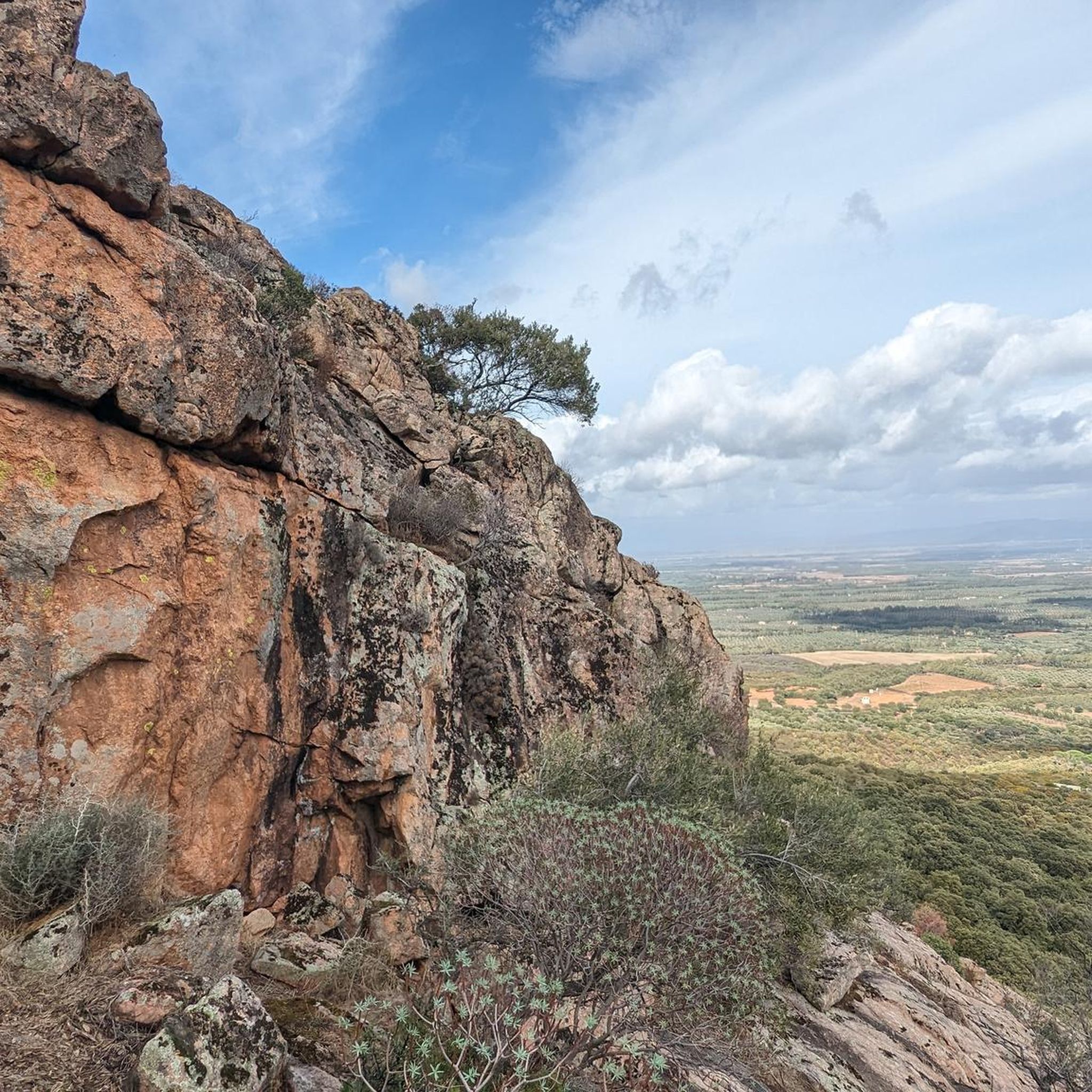
Road Cycling Routes around Santu 'Èngiu/San Gavino Monreale
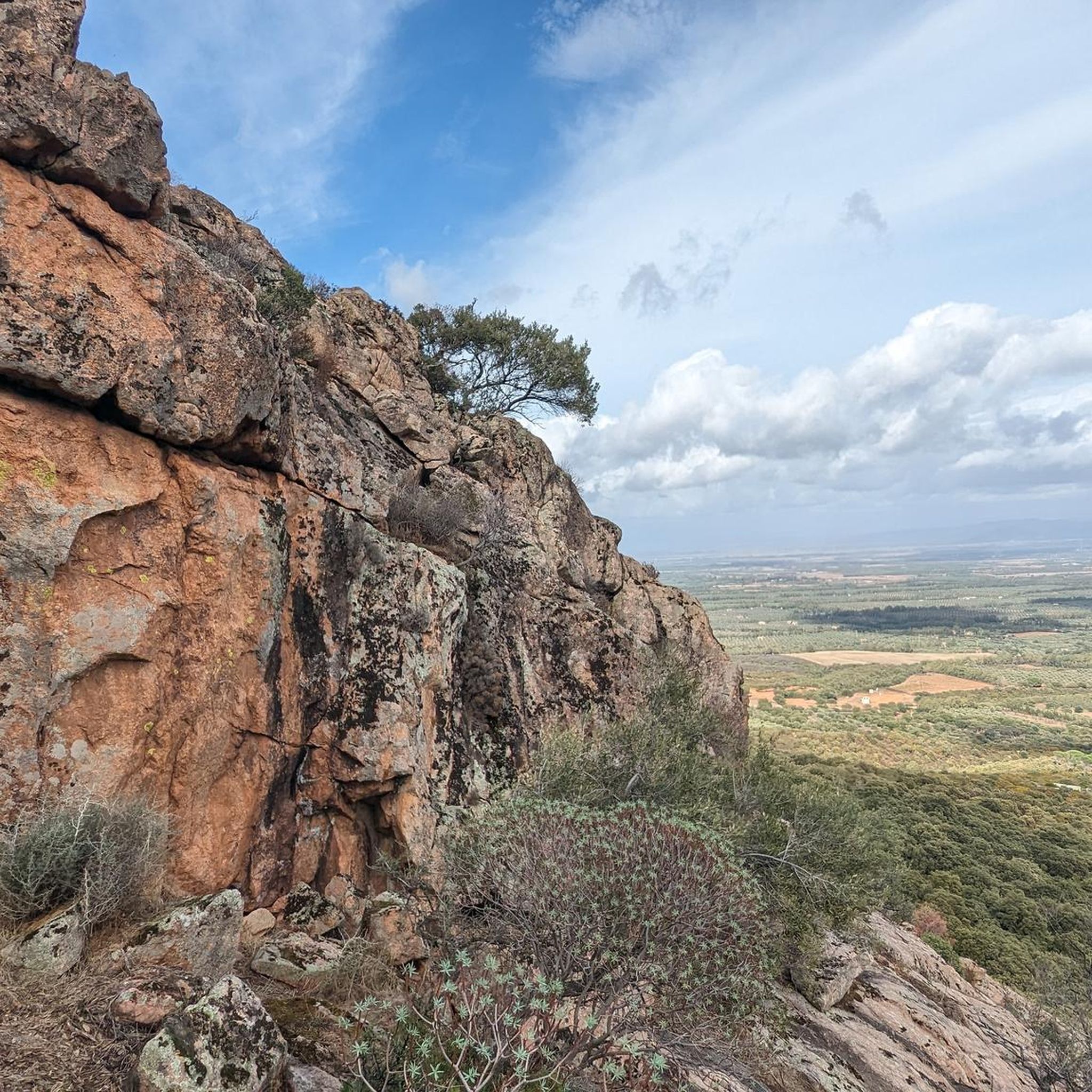
MTB Trails around Santu 'Èngiu/San Gavino Monreale
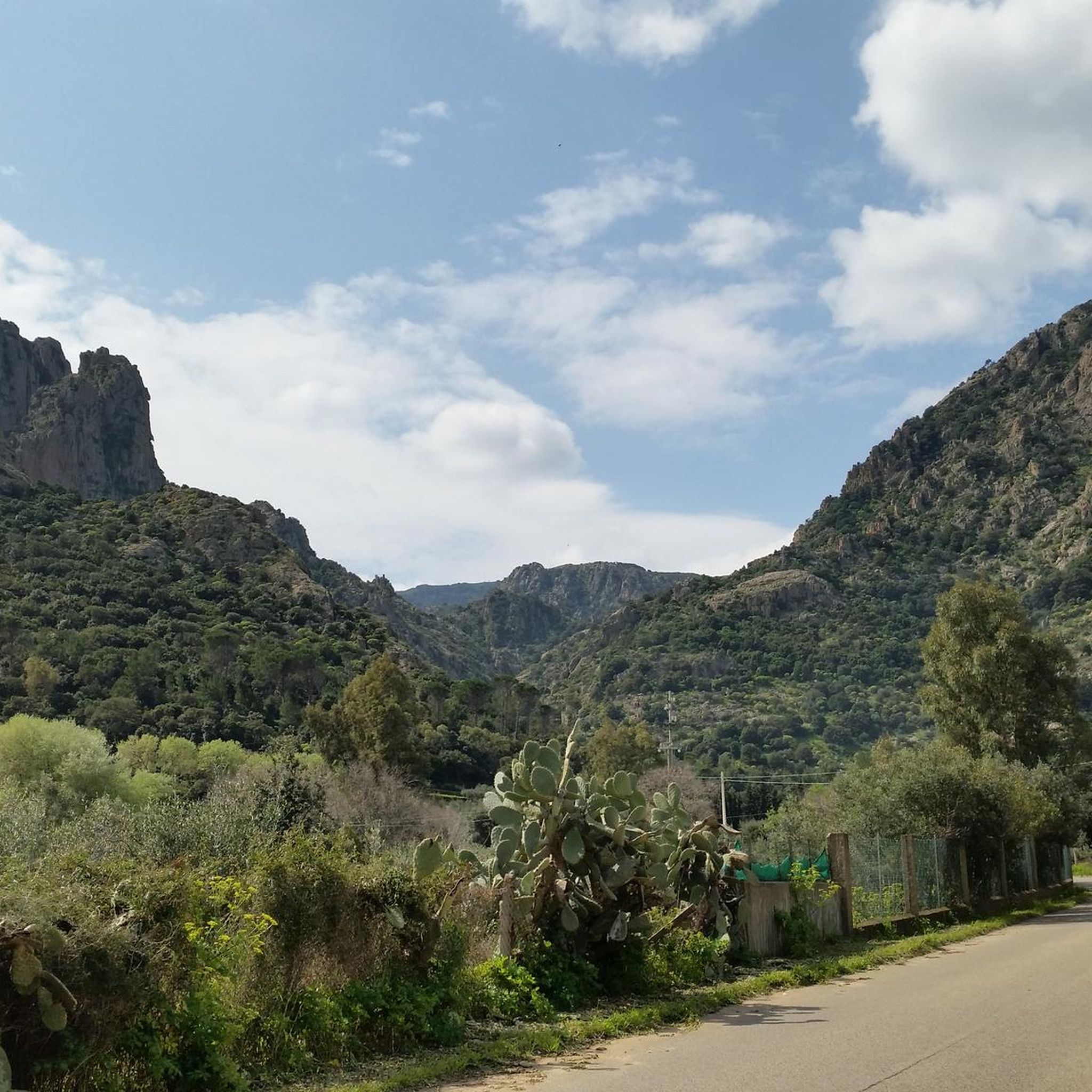
Hiking around Santu 'Èngiu/San Gavino Monreale
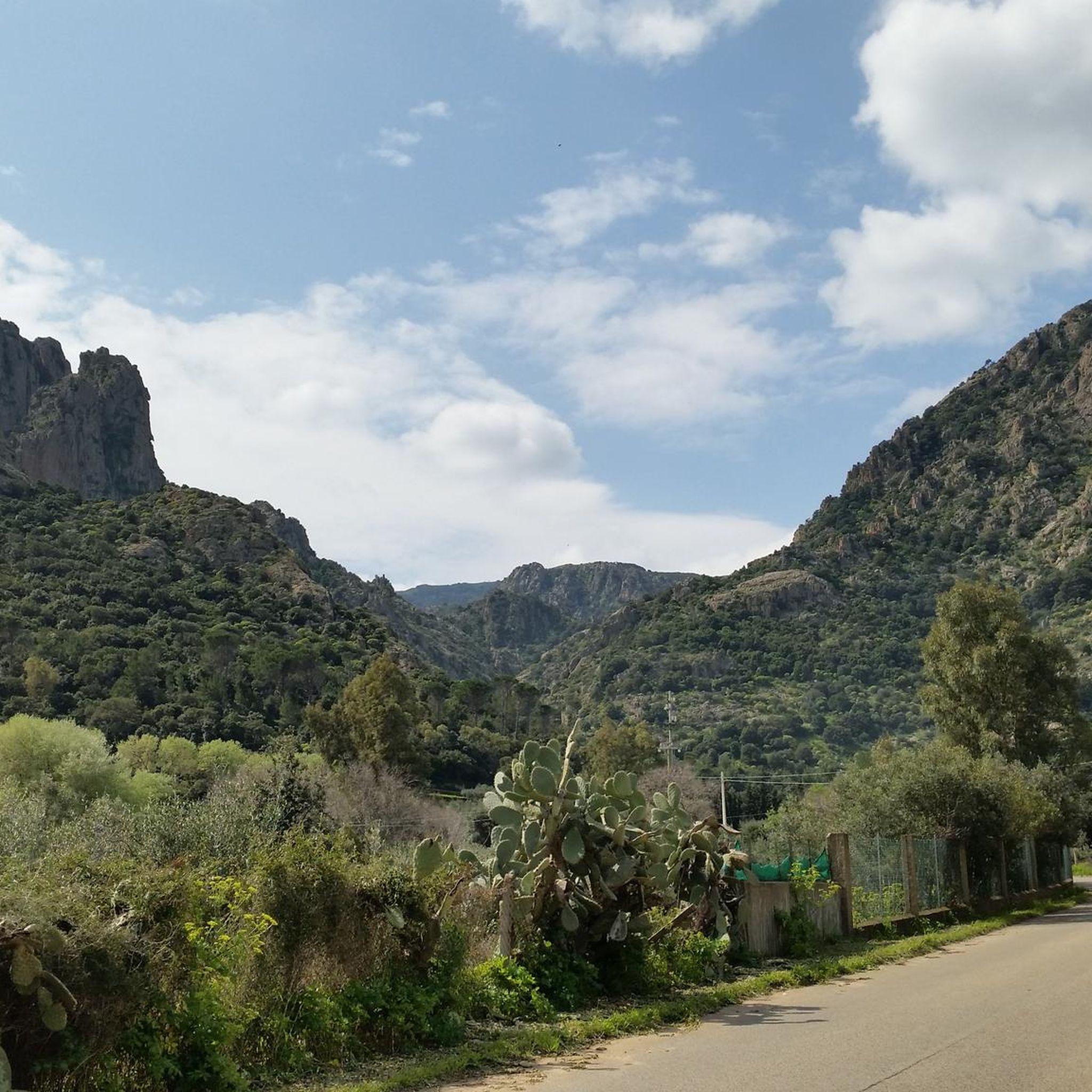
Cycling around Santu 'Èngiu/San Gavino Monreale
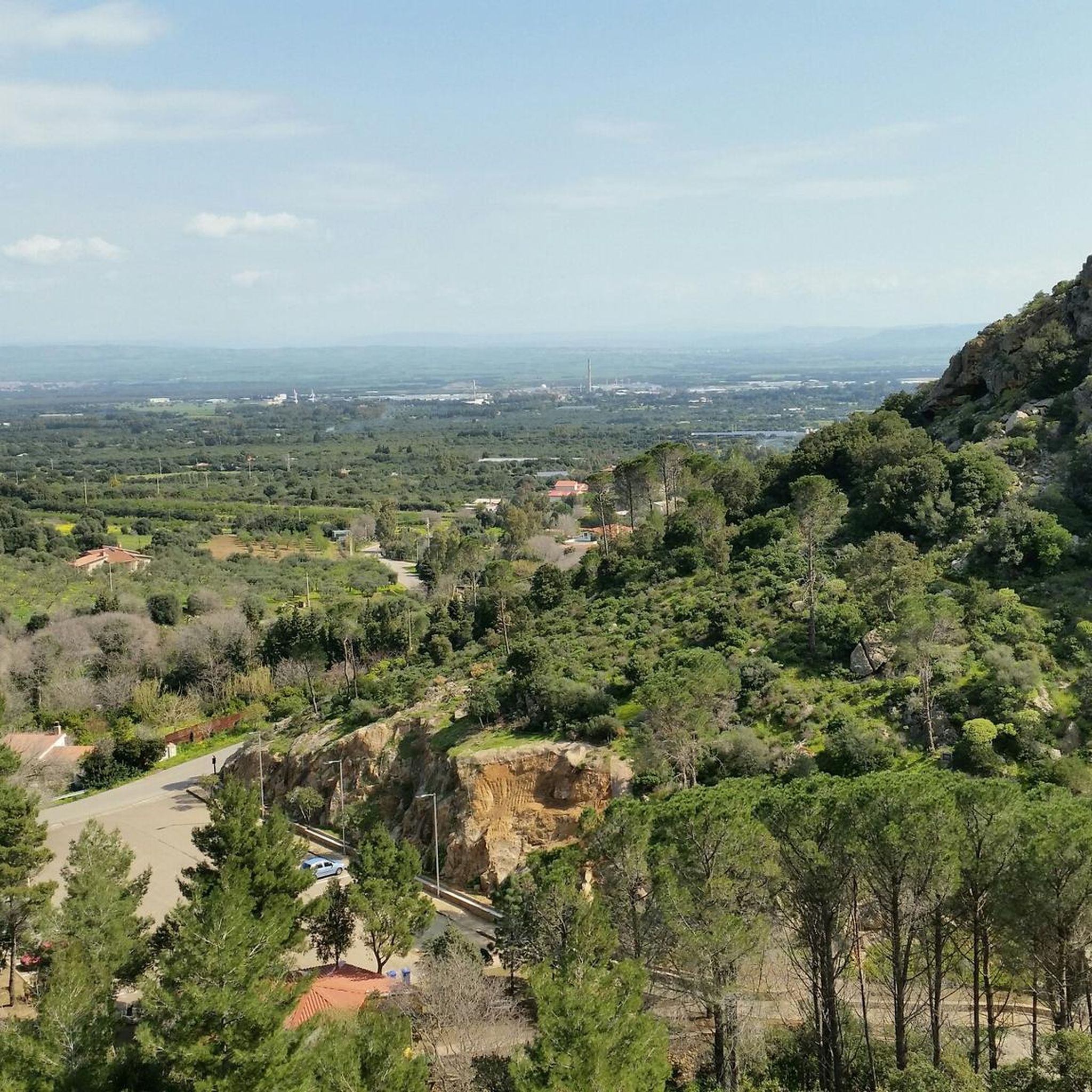
Running Trails around Santu 'Èngiu/San Gavino Monreale
Gravel biking around Santu 'Èngiu/San Gavino Monreale
Tips from the Community

Dam that collects water for the Sa Spendula waterfall
0
0

Scenic waterfall at the gates of Villacidro, Sa Spendula is the last stretch of the Coxinas river, which makes three leaps between high granite walls for a drop of about 60 meters. Easily reachable from the town, it is particularly striking between autumn and spring, when the water flow is greater, and is often combined with excursions to the nearby waterfalls of Piscina Irgas and Muru Mannu.
0
0

On the Cuccur'e Zeppara hill, now incorporated into the town of Guspini, you can admire a spectacular wall of basalt prisms up to twenty meters high, perfectly arranged like organ pipes. The formation, created by the slow cooling of lava from an ancient volcanic cone, is considered one of the clearest in Italy and Europe. Declared a natural monument, the quarry can be visited via a short trail that allows for a close-up view of this rare geological feature, similar in shape to be seen only in Sicily, Veneto, Iceland, and a few other places in the world.
1
0

In the hilly landscape around Villacidro, nestled between granite rocks and scrubland, grow olive trees several centuries old. Their gnarled trunks and twisted branches speak of wind, drought, and the patience of the earth. This tree has likely been here since the 16th or 17th century – planted by farmers who relied on olive oil for their livelihood. Villacidro was once an important agricultural center in southern Sardinia. Even today, old terraces, dry stone walls, and abandoned oil mills characterize the landscape. Many of the trees continue to bear fruit – slowly but steadily. Special feature: The tree pictured here belongs to the so-called "ulivi secolari" – long-established olive trees that appear almost sculptural due to their shape, size, and history. In Sardinia, they are considered symbols of permanence – deeply rooted, scarred, but vibrant.
0
0

Geological point of interest
0
0

Even in mid-June 2024, it's only a trickle. But it's still a pretty place.
1
0

A dilapidated dam - a true "lost place" in a dreamlike setting. Difficult to access, you should not be afraid of heights on some passages; sturdy shoes are a must!
1
0

Seen from above, it has a curious inverted 'T' shape, with high steep walls, but this is not its only peculiarity: the southern side has reddish spots and, inside, preserves precious pre-Nuragic and Nuragic legacies, including one of the Tombs of Giants best preserved on the island. The Giara di Siddi, also known as su Pranu, is one of the three basaltic 'tables' of Marmilla that originated following a lava flow that occurred between two and five million years ago. Over time, the atmospheric agents eroded the sandstone rock, while the solidified layers of lava were preserved at a higher level, giving rise, in addition to the Giara di Siddi, to that of Serri and sa Jara Manna (or Giara di Gesturi), the largest of the three, 'home' of the famous little horses. Rich in many archaeological remains from the Nuragic era, such as the Tomb of the Giants of SA Domu and S'Orku and a protonuraghe on the slopes towards Siddi. in the southern part there is the sad wreck of a chair lift, a sign of a perverse attempt at tourist development
1
0
Frequently Asked Questions
What unique geological features can I explore near Santu 'Èngiu/San Gavino Monreale?
The region boasts several unique geological formations. You can visit the Colonnari basalts at the Cuccur'e Zeppara quarry, which features a spectacular wall of basalt prisms up to 20 meters high, formed by the slow cooling of lava. This is considered one of the clearest examples in Italy and Europe. Another notable site is Giara di Siddi, a basaltic 'table' with high steep walls, preserving pre-Nuragic and Nuragic legacies.
Are there any impressive waterfalls to visit in the area?
Yes, the area is home to several waterfalls. Sa Spendula Waterfall is a notable natural location, appreciated for its scenic beauty even when water flow is reduced. Further afield, the Monte Linas area features Cascata Muru Mannu, the highest waterfall in Sardinia with a dramatic 74-meter drop over a granite cliff.
What historical natural monuments are there around Santu 'Èngiu/San Gavino Monreale?
The region offers a blend of natural and historical sites. The Giants' Tomb of Su Cuaddu 'e Nixias is a significant historical natural monument, representing the oldest tomb of the giants in Sardinia, dating back to 1700-1600 BC. Its stele features a particular hole, which popular legend says was used to tie up horses.
What are some good options for hiking or cycling near these natural monuments?
There are various routes for outdoor activities. For cycling, you can explore routes like the 'Montevecchio Mines – Montevecchio loop' or the 'Murals of San Gavino Monreale loop'. If you prefer gravel biking, consider the 'Red River Crossing – Piscinas Dunes loop'. Mountain biking enthusiasts can try the 'Percorso turistico Giara di Siddi — Giro ad anello'. You can find more details on these and other routes in the Cycling around Santu 'Èngiu/San Gavino Monreale, Gravel biking around Santu 'Èngiu/San Gavino Monreale, and MTB Trails around Santu 'Èngiu/San Gavino Monreale guides.
Are there any natural monuments that offer panoramic views?
Yes, Monte Maiori, reaching 725 meters above sea level, offers excellent opportunities for excursions and provides panoramic views from its summit. It's covered by a beautiful forest and is a habitat for many animals typical of Sardinian fauna, making it appealing for trekkers.
What do visitors enjoy most about the natural monuments in this region?
Visitors appreciate the diverse geological features and historical sites. For instance, the Giants' Tomb of Su Cuaddu 'e Nixias is noted for being the oldest tomb of its kind in Sardinia and its unique stele. Even with reduced water flow, Sa Spendula Waterfall remains a pretty and notable natural spot. The Colonnari basalts at the Cuccur'e Zeppara quarry are admired for their spectacular, perfectly arranged prism formations.
Is the Montevecchio Mining Park considered a natural monument?
While primarily known for its historical industrial and mining heritage, Montevecchio is part of the Historical and Environmental Geo-mining Park of Sardinia. This designation highlights the significant environmental value of its natural landscape, which has been shaped by geological processes and human interaction over centuries. It offers a unique blend of natural and cultural interest.
Are there any challenging natural sites for experienced hikers?
For those seeking a challenge, the Coxinas Dam is described as a dilapidated 'lost place' in a dreamlike setting. It is difficult to access, requires sturdy shoes, and involves passages where you should not be afraid of heights, making it suitable for experienced adventurers.
What is the best time of year to visit the natural monuments around Santu 'Èngiu/San Gavino Monreale?
The best time to visit depends on your activity. For waterfalls like Sa Spendula Waterfall, spring (April-May) or autumn (October-November) often provides better water flow after rains, though they remain notable even with less water. For hiking and exploring geological sites like the Colonnari basalts or Giara di Siddi, spring and autumn offer milder temperatures, which are ideal for outdoor activities.
Can I find any natural areas with significant biodiversity?
Yes, Monte Maiori, with its extensive forest, serves as a habitat for many animals typical of Sardinian fauna. It's an excellent spot for those interested in local biodiversity and wildlife spotting while enjoying panoramic views.
Are there any natural monuments that are particularly good for photography?
The Colonnari basalts at the Cuccur'e Zeppara quarry offer a visually striking subject with their perfectly arranged basalt prisms, making them highly photogenic. Waterfalls like Sa Spendula Waterfall and Cascata Muru Mannu also provide picturesque scenes, especially when water flow is strong, ideal for landscape photography.
Most popular routes around Santu 'Èngiu/San Gavino Monreale
Most popular attractions around Santu 'Èngiu/San Gavino Monreale

Get inspired with the komoot mobile app


Explore more
Extend your search for the best caves by checking out these guides of the top ones around Santu 'Èngiu/San Gavino Monreale:
