Top 13 Natural Monuments around Villaverla
Best natural monuments around Villaverla include the Bacchiglione Springs Nature Reserve, a significant hydrological area. This region, situated near the Vicentine Prealps, is characterized by its unique resurgence springs where groundwater rises to the surface. These features create a network of clear water streams and small lakes, supporting diverse ecosystems. The area offers various trails routes Villaverla natural monuments for exploration.
Best natural monuments around Villaverla
- The most popular natural monuments is Bacchiglione Springs Nature Reserve, a natural monument…
Last updated: June 28, 2026
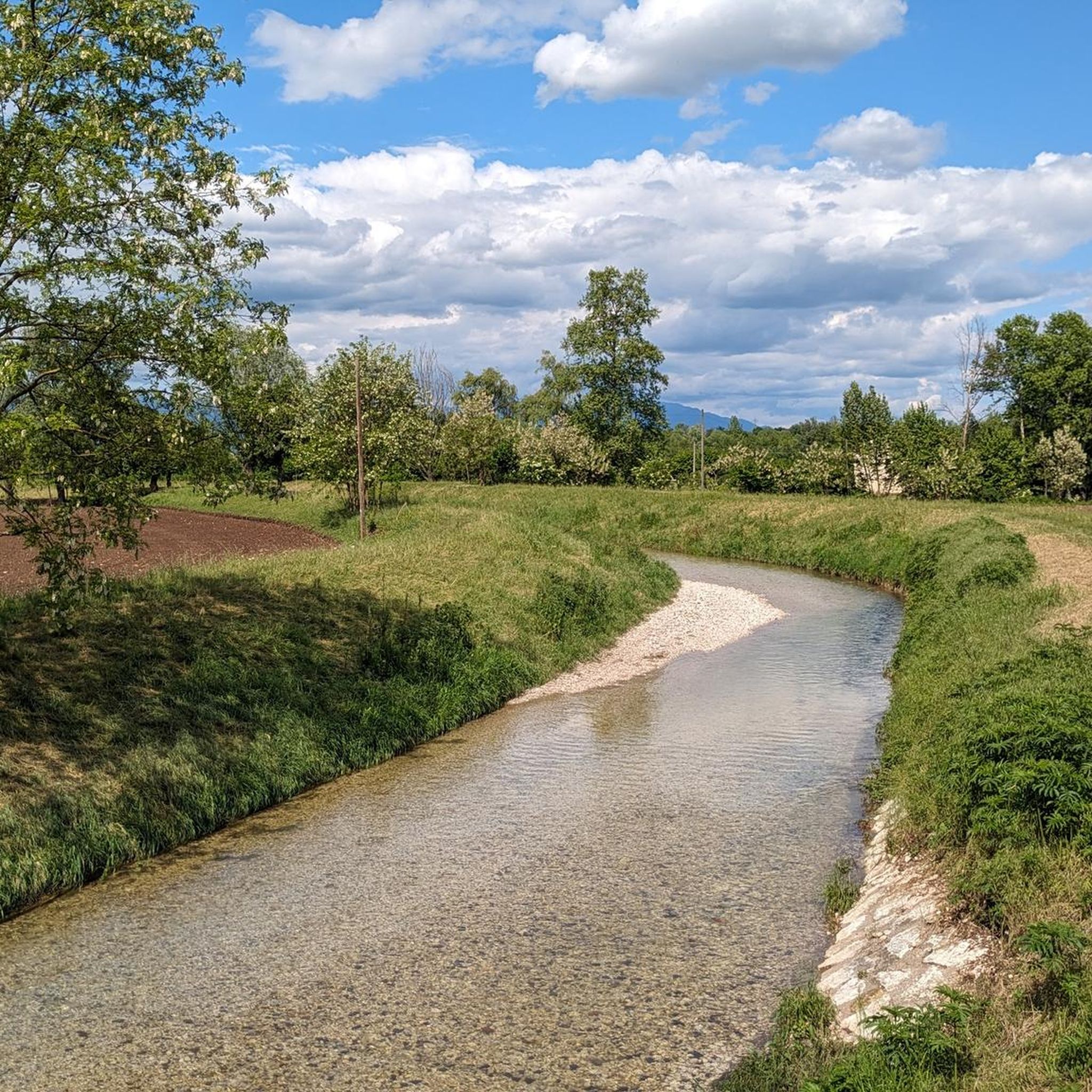
Bacchiglione Springs Nature Reserve
Highlight • Natural Monument
For the gravel it is a paradise!
DESCRIPTION:
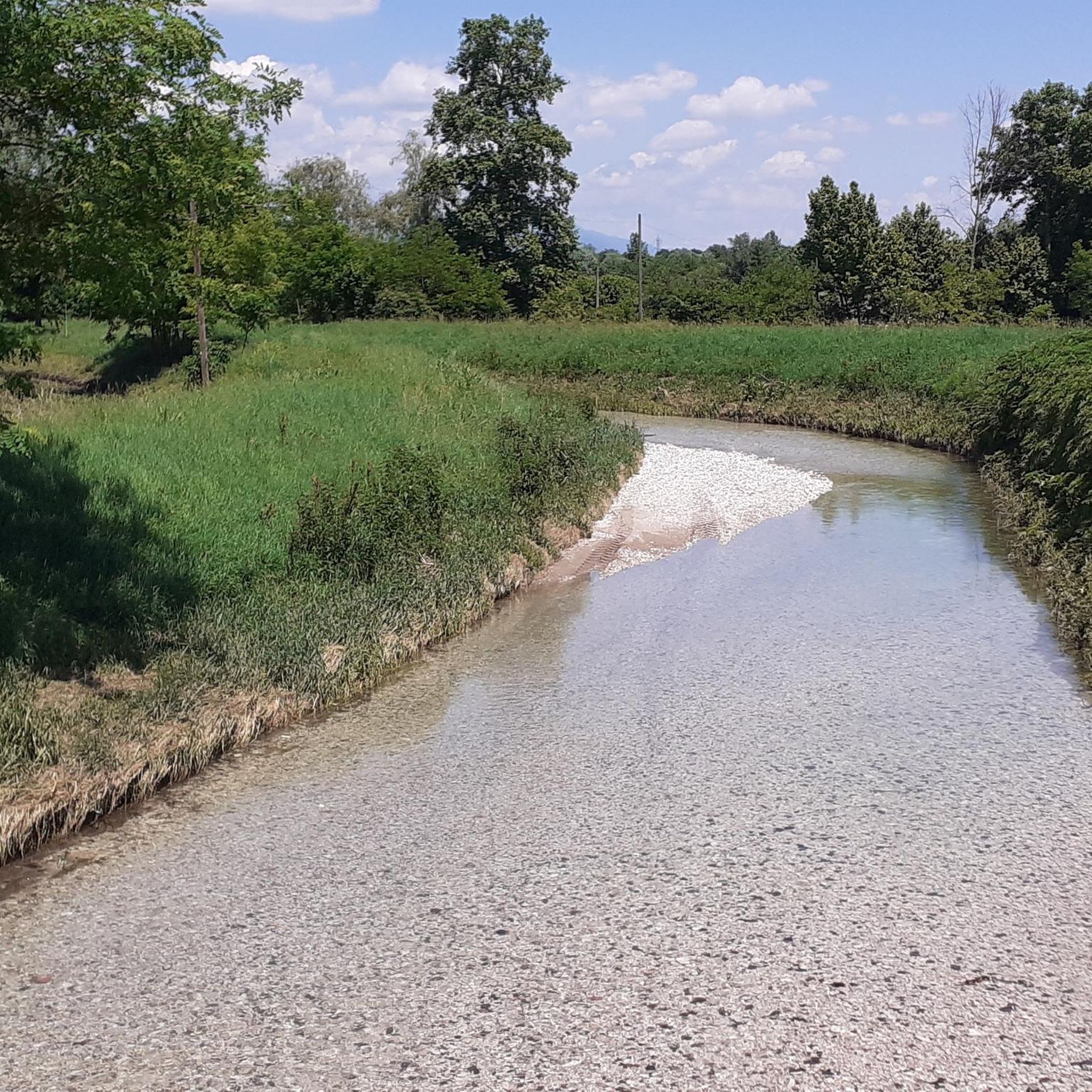
A resurgence, or fountain, is a source of fresh water of natural origin, sometimes made to …
Translated by Google •
Tip by

Buso della Rana Cave
Highlight • Cave
Translated by Google •
Tip by

Sign up now to discover places like this
Get recommendations on the best single tracks, peaks, & plenty of other exciting outdoor places.
Sign up for free
Val dei Molini
Highlight (Segment) • Gorge
Translated by Google •
Tip by

Villa Rossi Park
Highlight • Historical Site
Translated by Google •
Tip by

Sign up for free to discover even more natural monuments around Villaverla.
Sign up for free
Already have an account?
Start today with a free account
Your next adventure awaits.
Login or Signup

Tips from the Community

it is worth visiting these places for the tranquility and the scenery
0
0

The Buso della Rana is the largest cave in the Veneto region and one of the most extensive in Italy, with a network of caves stretching almost 30 km in total (40 km including the Pissatèla complex above, to which it is connected). Located beneath the Faedo-Casaròn Plateau, it is an intricate karst system that collects and channels the plateau's waters into the Rio Rana, which flows at the entrance. It was formed when rainwater seeps into the permeable limestone surface layer and, encountering the underlying impermeable basalt (volcanic rock), flows laterally, eroding the rock. Over millions of years, this has created a complex labyrinth of horizontal tunnels, chambers, chimneys, siphons, and small lakes traversed by underground streams. Because it drains the plateau's waters, the cave is subject to flash floods, making exploration treacherous. Inside, the temperature remains constant between 10 and 12°C year-round. It is freely accessible through the monumental entrance and by proceeding along the Main Branch for about fifty meters, until reaching the first flooded corridor or Siphon, a horizontal constriction that requires crawling. From there, it is the preserve of speleologists or exciting and adventurous guided tours organized by associations like Biosphera (see link). The internal branches are not marked, and one must know the way. The name of the cave has nothing to do with the amphibian, but is an Italianized term from the Cimbrian word "roan," meaning "rocky wall," referring to the cliff at the entrance. https://www.busodellarana.it https://esplora.biosphaera.it/luoghi/buso-della-rana/
0
0


beautiful waterfall of the Rana stream
0
0

To admire this curious phenomenon, a detour from the main road is necessary. Once you reach the place, just look out into the well (with a diameter of about 50 cm) from which what is sometimes called "dragon's breath" seems to emerge from. It is nothing more than a karst cavity (characteristic of the Faedo-Casaron plateau) from which fresh air comes out (which varies between 7 and 13 degrees). Especially in the summer period, the typical rustle of the exchange of hot and cold air masses at the mouth of the cave is clearly audible. The cavity, commonly called "Buso del Lucio", was discovered by the Maladense speleologist Lucio Zanini. The valley that you travel along following the Campipiani-Faedo path is called “Valle dei Vischi”. The origin of this name is not known but it probably refers to the sound effects (breathing, hissing, moaning) that the blowing caves produce in particular climatic conditions.
0
0
The Val dei Molini is a surprisingly unspoiled and wild environment, where you enter a mysterious and evocative forest: water dominates, forming lively waterfalls and deep ravines; everywhere, lush moss covers rocks and tree trunks. You cross a series of small valleys (Val Sesura, Valle Arlene, Val dell'Asino, Val del Gambero, Val Smiderle, Val Bisele) and ford several streams that eventually flow into the Refosco stream. The Val d'Asino is particularly evocative, where two streams join in an enchanting clearing, forming waterfalls and a deep, winding ravine. The name reflects how the stream was once exploited: the remains of man-made structures, such as stone masonry and building foundations, bear witness to this. Obviously, the valley is at its best after days of rain.
2
0
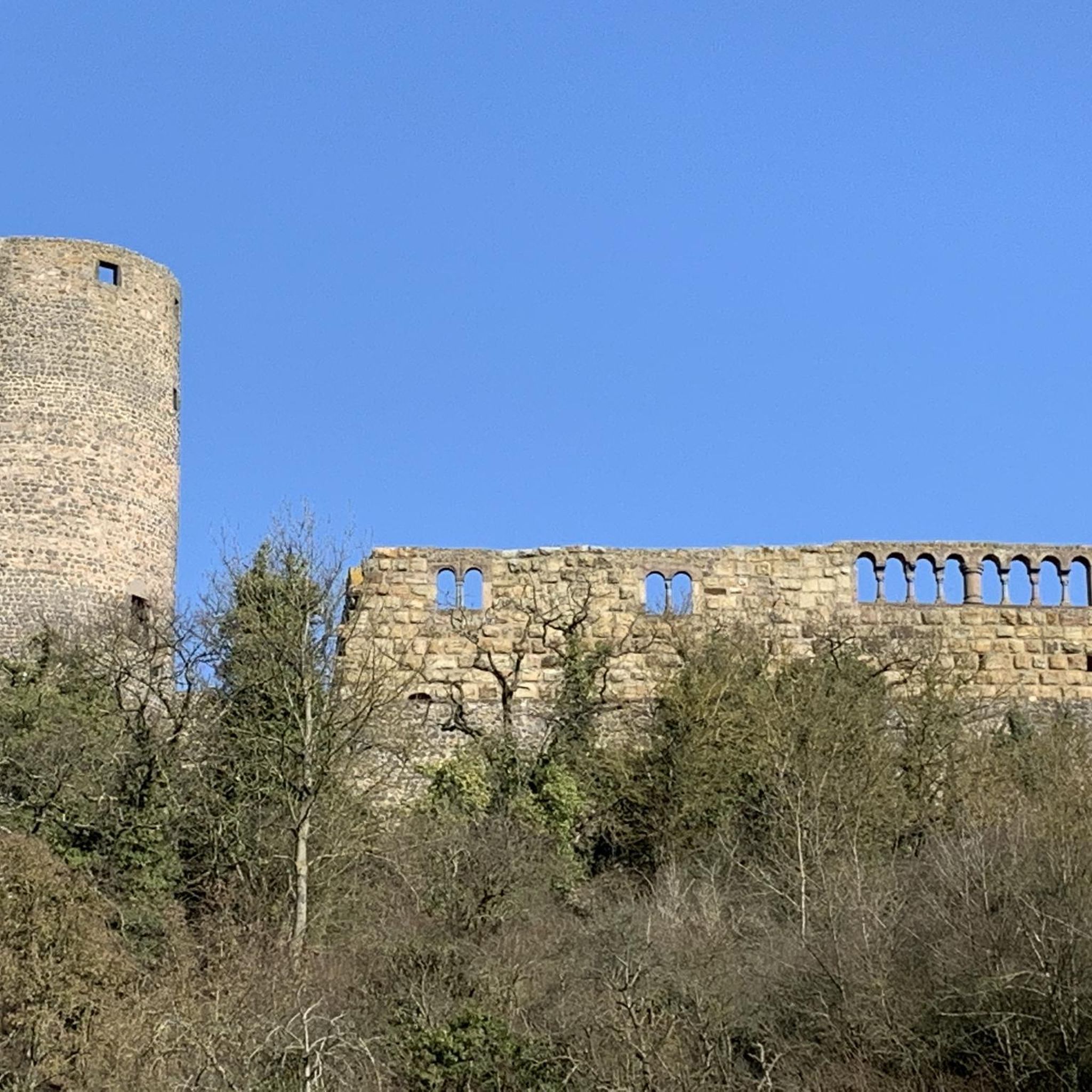
Villa Rossi Park is a splendid and evocative romantic garden from the late 19th century. Commissioned by Alessandro Rossi as a garden and oasis of peace for his country residence, the villa upstream to which it is connected via a tunnel, it was designed by the architect Antonio Caregaro Negrin between 1865 and 1884. The park was meant to be an astonishing experience, with its pond, water features, aquarium, centuries-old plants, particular taxoids characterized by aerial roots around the body of water, fake caves and fake ruins. To enrich and embellish the garden, various species of oriental plants were imported. https://it.wikipedia.org/wiki/Villa_Rossi_(Santorso) http://www.parcorossi.it/il-parco/
1
0
Frequently Asked Questions
What unique natural features can I explore around Villaverla?
The region around Villaverla is notable for its unique hydrological features. You can explore the "risorgive" or resurgence springs at the Bacchiglione Springs Nature Reserve, where groundwater rises to the surface, forming clear water springs and streams. Additionally, the area features intricate karst systems like the Buso della Rana Cave, a large cave system with underground rivers and chambers, and the Lucio's Hole, a karst cavity known for its cool air currents.
Are there family-friendly natural monuments near Villaverla?
Yes, the Bacchiglione Springs Nature Reserve is an excellent family-friendly option, offering beautiful environments for walking and cycling. Another great choice is Villa Rossi Park, a romantic garden with ponds, water features, and ancient plants, perfect for a leisurely family outing.
What kind of outdoor activities can I do near the natural monuments around Villaverla?
The area offers a variety of outdoor activities. You can enjoy hiking on trails like the 'Caldogno Flood Control Basin – White roads of Villaverla loop' or the 'Bacchiglione Springs – Caldogno Flood Control Basin loop'. For cycling enthusiasts, there are gravel biking routes such as the 'Risorgive del Bacchiglione – Laghi Ponds loop'. Running trails are also available, including the 'White roads of Villaverla – Caldogno Flood Control Basin loop'. You can find more details on these activities in the hiking, gravel biking, and running guides for Villaverla.
Where can I find easy trails for exploring natural monuments near Villaverla?
For easy exploration, the Bacchiglione Springs Nature Reserve is ideal for walking and cycling on relatively flat terrain. There are also easy hiking routes like the 'Caldogno Flood Control Basin – White roads of Villaverla loop' (4.6 km) which is suitable for beginners. You can find more easy routes in the hiking guide for Villaverla.
What makes the Bacchiglione Springs Nature Reserve special?
The Bacchiglione Springs Nature Reserve is unique due to its "risorgive" or resurgence springs, where groundwater rises to the surface, creating a network of clear water springs and streams with a constant temperature between 10° and 13°C. This stable environment supports diverse plant and animal species not commonly found elsewhere, making it a haven for nature enthusiasts and birdwatchers. It's also part of the Natura 2000 network, highlighting its ecological importance.
Are there any historical or cultural sites among the natural monuments?
Yes, Villa Rossi Park is a splendid romantic garden from the late 19th century, designed with a pond, water features, and exotic plants. While primarily a garden, its historical design and connection to Villa Rossi make it a significant cultural site alongside its natural beauty.
What is the best time of year to visit the natural monuments around Villaverla?
The Bacchiglione Springs maintain a constant water temperature, making the Bacchiglione Springs Nature Reserve pleasant to visit year-round. For areas like Val dei Molini, the environment is at its best after days of rain, when the waterfalls are lively and the ravines are full. Generally, spring and autumn offer mild temperatures ideal for outdoor activities, while the constant temperature inside caves like Buso della Rana Cave makes them accessible in various seasons.
Can I find parking at the natural monuments?
While specific parking details for all natural monuments are not always available, Villa Rossi Park is known to have parking facilities, making it convenient for visitors.
What is the <a href="https://www.komoot.com/highlight/3325751" target="_blank" rel="noopener">Buso della Rana Cave</a> and what can I expect there?
The Buso della Rana Cave is the largest cave system in the Veneto region, an intricate karst system beneath the Faedo-Casaròn Plateau. It features a complex labyrinth of horizontal tunnels, chambers, and underground streams. While freely accessible for about fifty meters into the main branch, further exploration requires guided tours due to its challenging nature and susceptibility to flash floods. The internal temperature remains constant between 10 and 12°C year-round.
What do visitors enjoy most about the natural monuments around Villaverla?
Visitors particularly appreciate the diverse and unspoiled natural environments. The Bacchiglione Springs Nature Reserve is loved for its beautiful walking and cycling opportunities, especially for gravel biking. The Val dei Molini is praised for its mysterious forests, lively waterfalls, and deep ravines. The historical charm and stunning design of Villa Rossi Park also receive high acclaim.
Are there any gorges or waterfalls to see?
Yes, Val dei Molini is a notable gorge featuring a surprisingly wild environment where water dominates, forming lively waterfalls and deep ravines within a mysterious forest. It's particularly evocative after rainfall.
Most popular routes around Villaverla
Most popular attractions around Villaverla

Get inspired with the komoot mobile app


Explore more
Extend your search for the best caves by checking out these guides of the top ones around Villaverla:
