Top 10 Natural Monuments around Cotronei
Best natural monuments around Cotronei are primarily found within the Sila National Park, a significant natural landscape in the province of Crotone. The area is characterized by extensive forests of pine, fir, and birch trees, contributing to a rich biodiversity. Lake Ampollino, an artificial reservoir, is another central natural attraction, surrounded by the Sila Piccola and Sila Grande mountains. These features offer diverse environments for outdoor exploration.
Best natural monuments around Cotronei
- The most popular natural monuments is Cycle Route…
Last updated: May 16, 2026
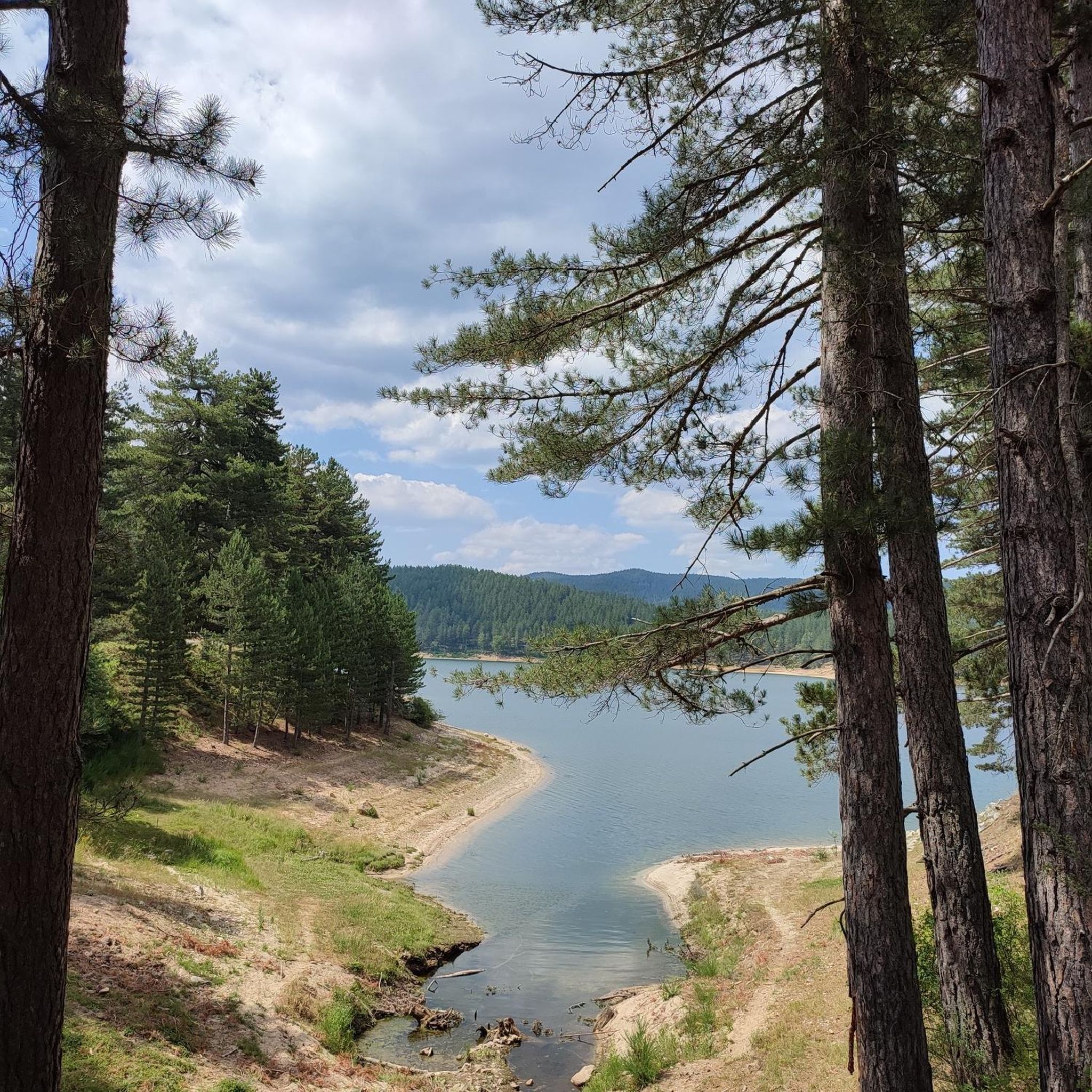
Lorica Entrance – Sila National Park
Highlight • Rest Area
Translated by Google •
Tip by

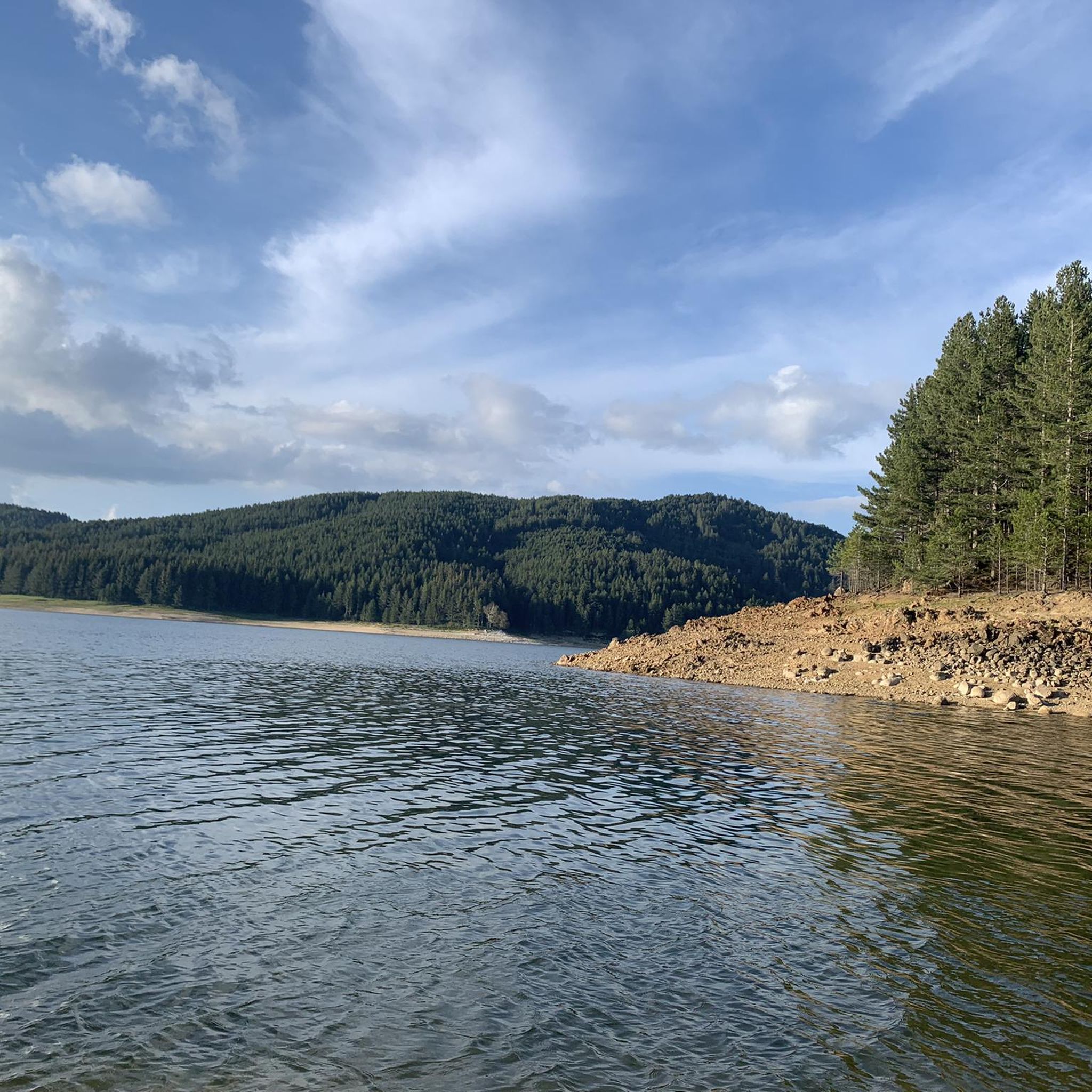
Cycle Route of the Parks above the Arvo Dam
Highlight (Segment) • Cycleway
Translated by Google •
Tip by

Sign up now to discover places like this
Get recommendations on the best single tracks, peaks, & plenty of other exciting outdoor places.
Sign up for free
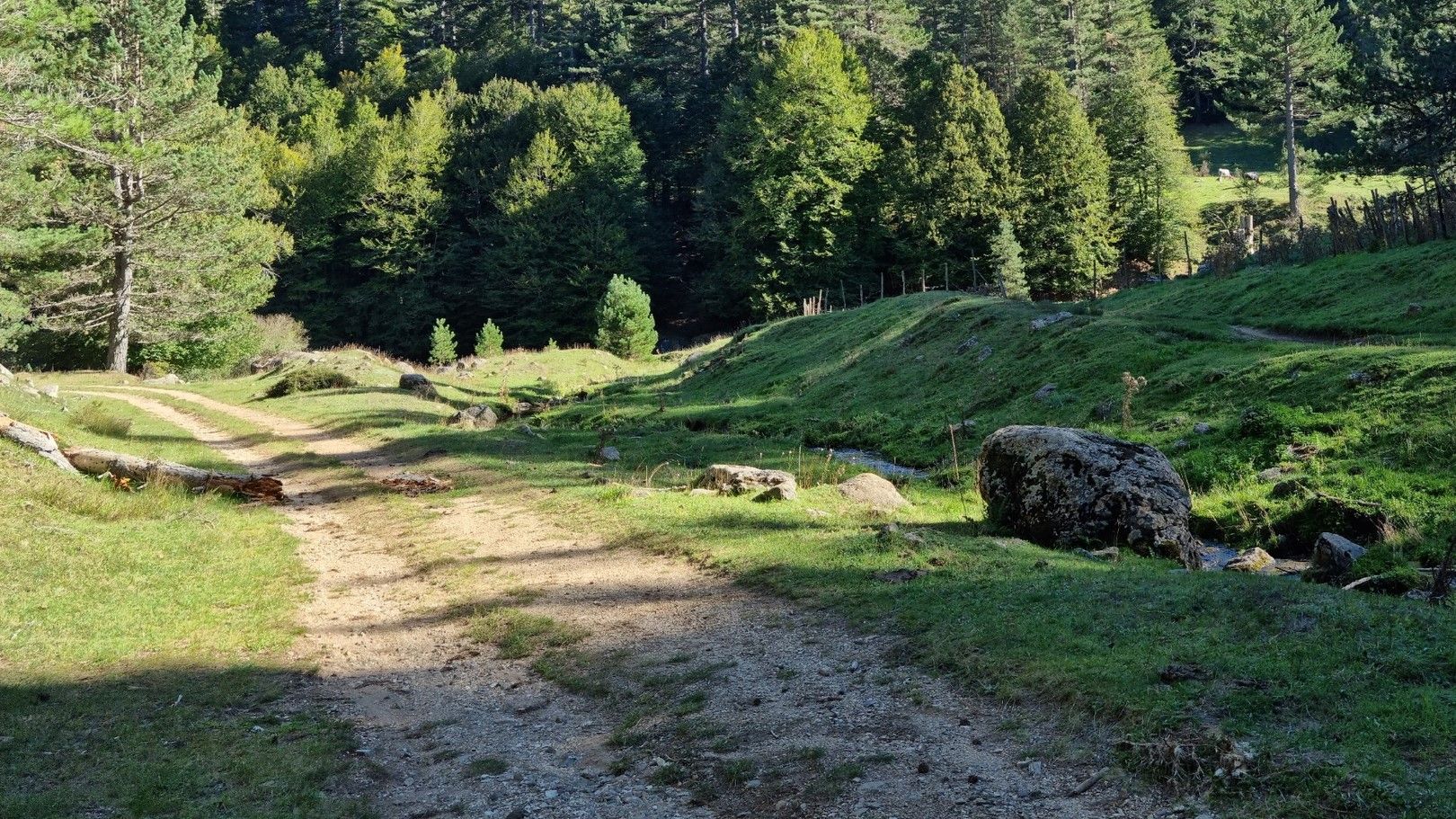
Natural Spring of Sila
Highlight • Natural Monument
Translated by Google •
Tip by

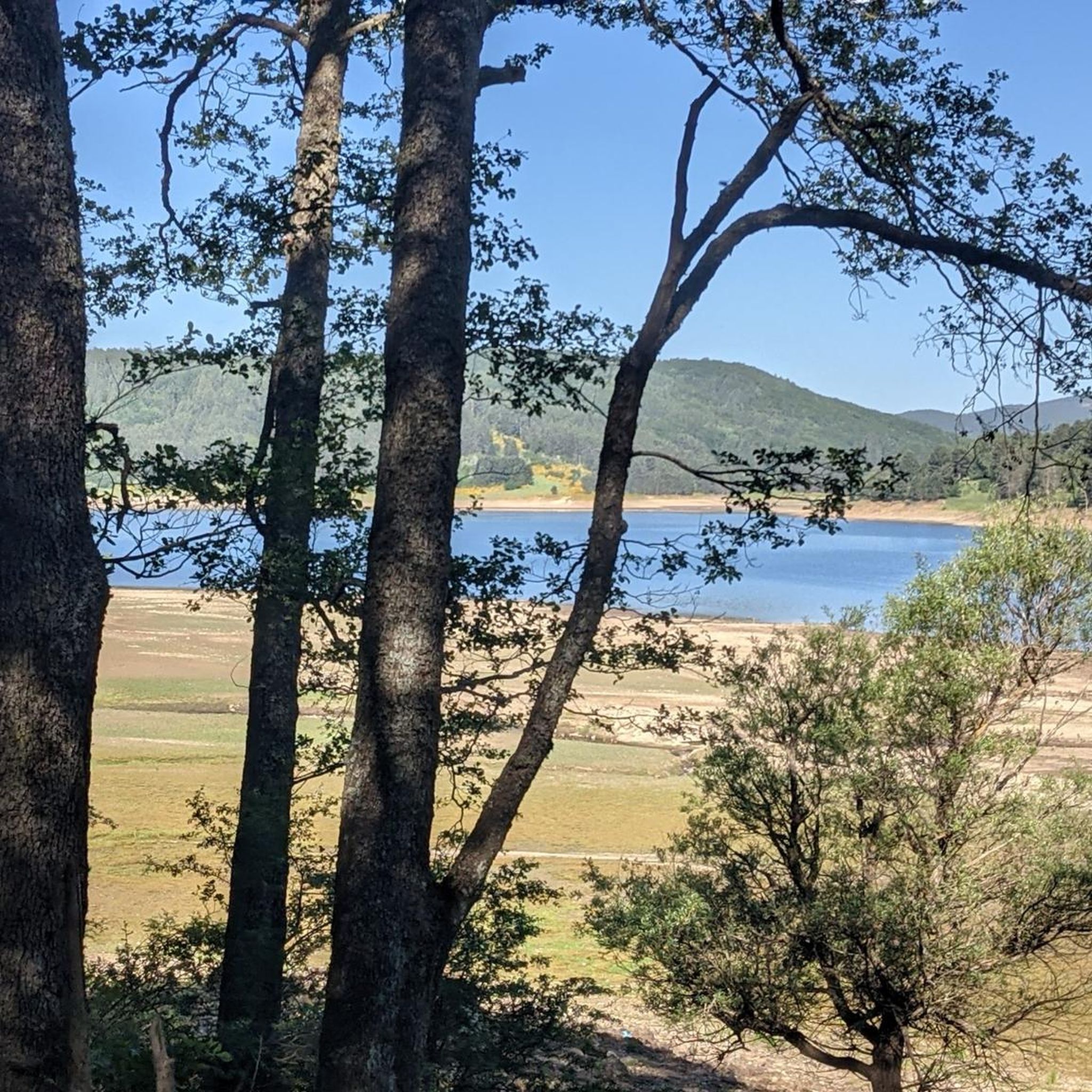
Ginestra in Calabria
Highlight • Natural
Translated by Google •
Tip by
Coturelle Piccione – Treasure Chest of Biodiversity, Sila Piccola
Highlight • Forest
To form the plateau there is a multitude of landscapes, with a predominantly alluvial and valley character, with hilly trends, often terraced or extensively …
Translated by Google •
Tip by

Sign up for free to discover even more natural monuments around Cotronei.
Sign up for free
Already have an account?
Start today with a free account
Your next adventure awaits.
Login or Signup
Other adventures around Cotronei

Tips from the Community

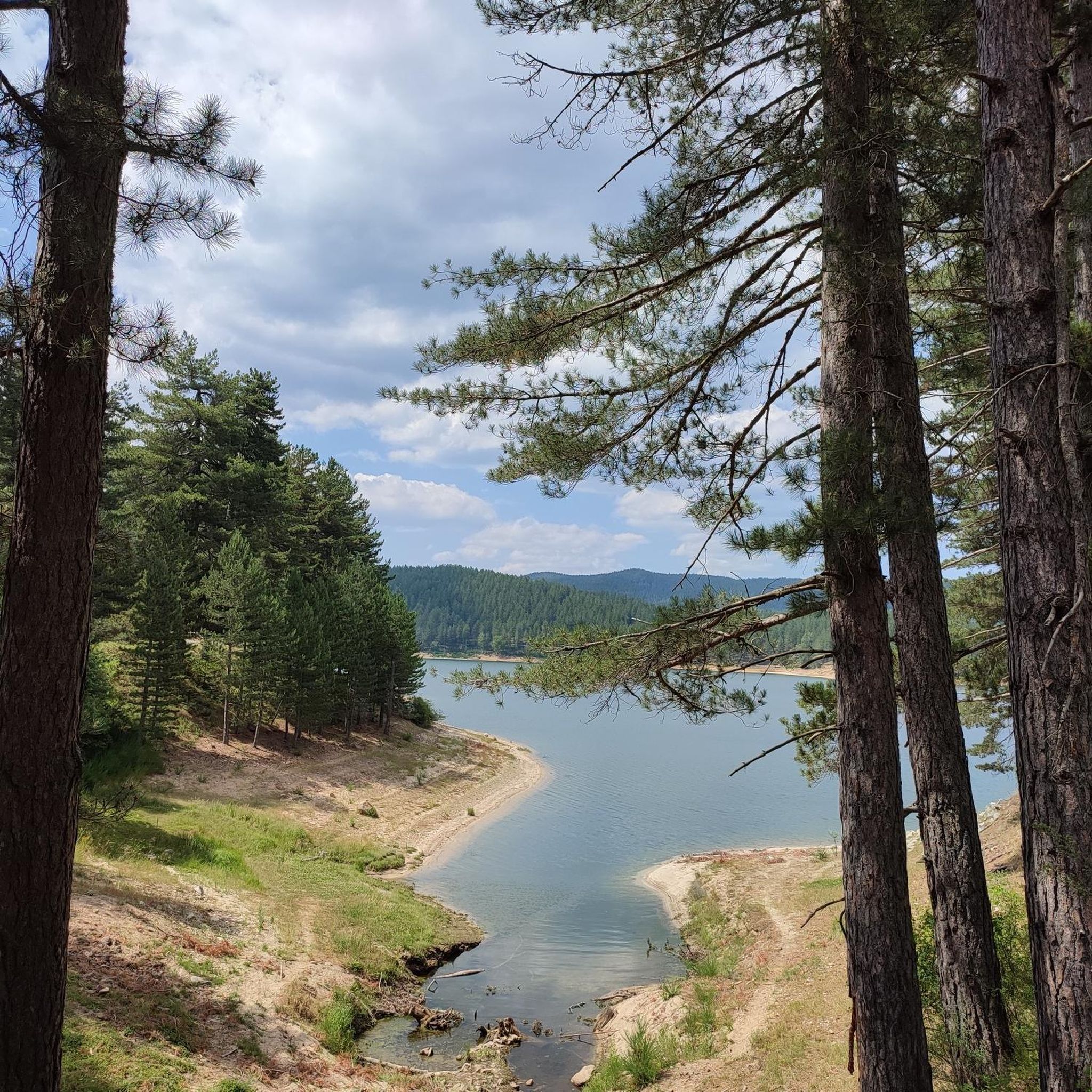
Lorica, in the heart of the Sila National Park, on Lake Arvo
0
0

Ginestra is a shrub that, thanks to symbiosis with bacteria, binds nitrogen from the air and fertilizes even the poorest, dry soils. In fertile soils, it spreads too much, creating dense fields that smother other plants – a bit like an uninvited guest who eats everything from the buffet. Inside, it contains sparteine, an alkaloid used to treat cardiac arrhythmia, atrial fibrillation and circulatory problems, and its stiff shoots have been used for centuries to make brooms. And even today, in some places, these shoots are used as traditional rods given to naughty children in December instead of presents.
1
0
A plant with intensely yellow flowers that grows wild in southern Italy. Here it is most often called ginestra. It occurs especially in mountainous and dry areas, and its presence in the landscape of Calabria in spring and early summer is very characteristic - it creates yellow spots on the slopes and along the roads. The intensely yellow flowers stand out against the green slopes, creating a strong and at the same time harmonious contrast. This combination works on the imagination and gives a strong impression of the freshness and exuberance of nature. In Calabria, especially in May and June, this contrast is perfectly visible: the green hills are covered with a yellow shower of flowers, creating almost painterly landscapes.
1
0
If you’re looking for Calabria off the beaten track, Lorica offers a completely different experience – mountainous, cool and relaxing.
1
0
Temperatures here are up to 10°C lower than on the coast, making Lorica a natural air conditioner. The region offers dozens of kilometres of trails, from family walks to technical single-track mountain biking. It lies within the Parco Nazionale della Sila, a UNESCO biosphere reserve with endemic plants and animals. There are a surprising number of modernist hotels and villas from the 1960s (a legacy of the ambitious plan to make Lorica Calabria’s Alpine resort) and a modern gondola that takes tourists up the Botte Donato ridge (for skiers in winter, for the views in summer). The lack of mass tourism means that even in August you can find peace and quiet.
1
0
Lorica is one of those places that effectively destroys the stereotype of Calabria as a region of beaches and lemons only. Situated at an altitude of around 1,300 m above sea level in the Sila massif, it offers a landscape more reminiscent of the Alps than southern Italy – with dense larch forests, a cooler climate and a peace that is hard to find by the sea.
1
0

It is a path that can be crossed in any season, the important thing is to have suitable clothing if you decide to travel in the winter months because it snows frequently in Sila. The landscape is magnificent.
0
0

Stretch of the Calabrian Parks cycle path that passes over the Arvo dam, between Lorica and Rovale. Here there are numerous paths among the laricio pine forests that can be easily covered by mountain bike.
3
0
Frequently Asked Questions
What are the main natural features to explore around Cotronei?
The Cotronei area is primarily defined by the extensive forests of the Sila National Park and the serene Lake Ampollino. The park features centuries-old pine, fir, and birch trees, offering a rich biodiversity and tranquil environment. Lake Ampollino, an artificial reservoir, is surrounded by the Sila Piccola and Sila Grande mountains, known for its pristine waters and scenic beauty.
Are there family-friendly natural monuments or activities in the area?
Yes, several natural monuments around Cotronei are suitable for families. The Lorica Entrance – Sila National Park offers dozens of kilometers of trails, including family walks. The Natural Spring of Sila is another family-friendly path that can be enjoyed in any season. Additionally, the general environment of the Sila National Park, with its forests and lakes, provides ample opportunities for outdoor family activities.
What outdoor activities can I do near the natural monuments around Cotronei?
The region offers a variety of outdoor activities. You can enjoy cycling, with routes like the Cycle Route of the Parks above the Arvo Dam, which is suitable for mountain biking through laricio pine forests. Hiking is also very popular, with numerous trails throughout the Sila National Park. For more detailed route options, you can explore the cycling guides and hiking guides for Cotronei.
What is the best time to visit the natural monuments in Cotronei?
The Sila National Park and Lake Ampollino offer distinct experiences throughout the year. Summer is ideal for cycling and hiking, with a cooler climate than the coast. In winter, areas like Lorica within the Sila National Park offer winter sports facilities. The Natural Spring of Sila can be crossed in any season, though suitable clothing is essential during winter due to frequent snowfall.
What makes the Sila National Park unique for nature lovers?
The Sila National Park is a UNESCO biosphere reserve known for its rich biodiversity and extensive forests of pine, fir, and birch trees. It features a diverse landscape with peaks, streams, and artificial lakes. The park is a 'treasure trove of biodiversity,' hosting 175 species of native vertebrates and rich ornithic communities. The presence of the 'ginestra' plant also adds a unique visual element with its intensely yellow flowers in spring and early summer.
Can I find trails for different difficulty levels near Cotronei's natural monuments?
Yes, the Sila National Park offers a wide range of trails. For example, the Lorica Entrance – Sila National Park provides trails from easy family walks to more technical single-track mountain biking routes. You can find various hiking and cycling routes with different difficulty grades in the hiking guide and cycling guide for Cotronei.
What is special about Lake Ampollino?
Lake Ampollino is an artificial reservoir considered one of the most beautiful and least contaminated of the large Calabrian lakes in the Sila region. Surrounded by mountains, it offers opportunities for boat trips, enjoying local products, and engaging in outdoor activities. Its pristine nature makes it particularly appealing to nature and landscape enthusiasts seeking peace and a unique natural setting.
What kind of flora and fauna can I expect to see in the Sila National Park?
The Sila National Park boasts a great diversity of plants, including Mediterranean maquis, the iconic larch pine (Pinus nigra ssp. calabrica), and extensive beech forests, which vary with altitude. The park is home to 175 species of native vertebrates, including 65 mammals, 80 birds, 16 reptiles, 12 amphibians, and 2 fish species. The availability of diverse habitats supports rich ornithic communities.
Are there any specific natural monuments that offer unique photographic opportunities?
The entire Sila National Park offers magnificent landscapes. The Natural Spring of Sila is noted for its beautiful scenery, especially when covered in snow during winter. The vibrant yellow flowers of the 'ginestra' plant, particularly in May and June, create striking contrasts against the green slopes, offering unique photographic moments throughout the region.
What do visitors appreciate most about the natural monuments around Cotronei?
Visitors particularly enjoy the unspoiled nature, the tranquility, and the diverse opportunities for outdoor activities. The dense larch forests and cooler climate of areas like Lorica Entrance – Sila National Park provide a peaceful escape. The magnificent landscapes, especially during different seasons, are also highly appreciated, as noted by visitors to the Natural Spring of Sila.
Are there any specific plants or trees that are characteristic of the Sila National Park?
Yes, the Sila National Park is characterized by centuries-old pine, fir, and birch trees. The larch pine (Pinus nigra ssp. calabrica) is particularly emblematic of the Silan Forest. Additionally, the 'ginestra' plant, with its intensely yellow flowers, is a very characteristic sight in the landscape of Calabria, especially in mountainous and dry areas during spring and early summer.
What are the options for winter activities near Cotronei's natural monuments?
During the winter months, the Sila National Park offers opportunities for winter sports. The hamlet of Trepidò, within the park, features the Palumbosila (Villaggio Palumbo) ski complex, which includes ski lifts, a bobsleigh run, and an ice rink. The Natural Spring of Sila path is also accessible in winter, offering magnificent snowy landscapes, provided you wear suitable clothing.
Most popular attractions around Cotronei

Get inspired with the komoot mobile app


Explore more
Extend your search for the best caves by checking out these guides of the top ones around Cotronei:
