Top 16 Natural Monuments around Gornate Olona
Best natural monuments around Gornate Olona are found within a landscape characterized by the Olona river valley and its geological features. The region offers a variety of natural landmarks, including ancient geological formations and river-carved gorges. This area is part of a broader natural park system focused on environmental and biodiversity protection. Visitors can explore distinctive rock formations and diverse natural environments.
Best natural monuments around Gornate Olona
- The most popular natural monuments is Castelseprio Archaeological Park, a historical…
Last updated: May 16, 2026
Castelseprio Archaeological Park
Highlight • Historical Site
Translated by Google •
Tip by

Sandstone Caves of the Molera Gorges
Highlight • Cave
Translated by Google •
Tip by

Sign up now to discover places like this
Get recommendations on the best single tracks, peaks, & plenty of other exciting outdoor places.
Sign up for free
Estensi Gardens
Highlight • Natural Monument
The Estensi Gardens and the Palazzo Comunale are located in the center of Varese. THE PALACE In 1766, the Duke of Modena, …
Translated by Google •
Tip by

Formation of the stump
Highlight • Natural Monument
Translated by Google •
Tip by

Malnate Caves
Highlight (Segment) • Cave
They are very ancient sandstone quarries: in fact they date back to 25 million years ago, when …
Translated by Google •
Tip by

Sign up for free to discover even more natural monuments around Gornate Olona.
Sign up for free
Already have an account?
Start today with a free account
Your next adventure awaits.
Login or Signup
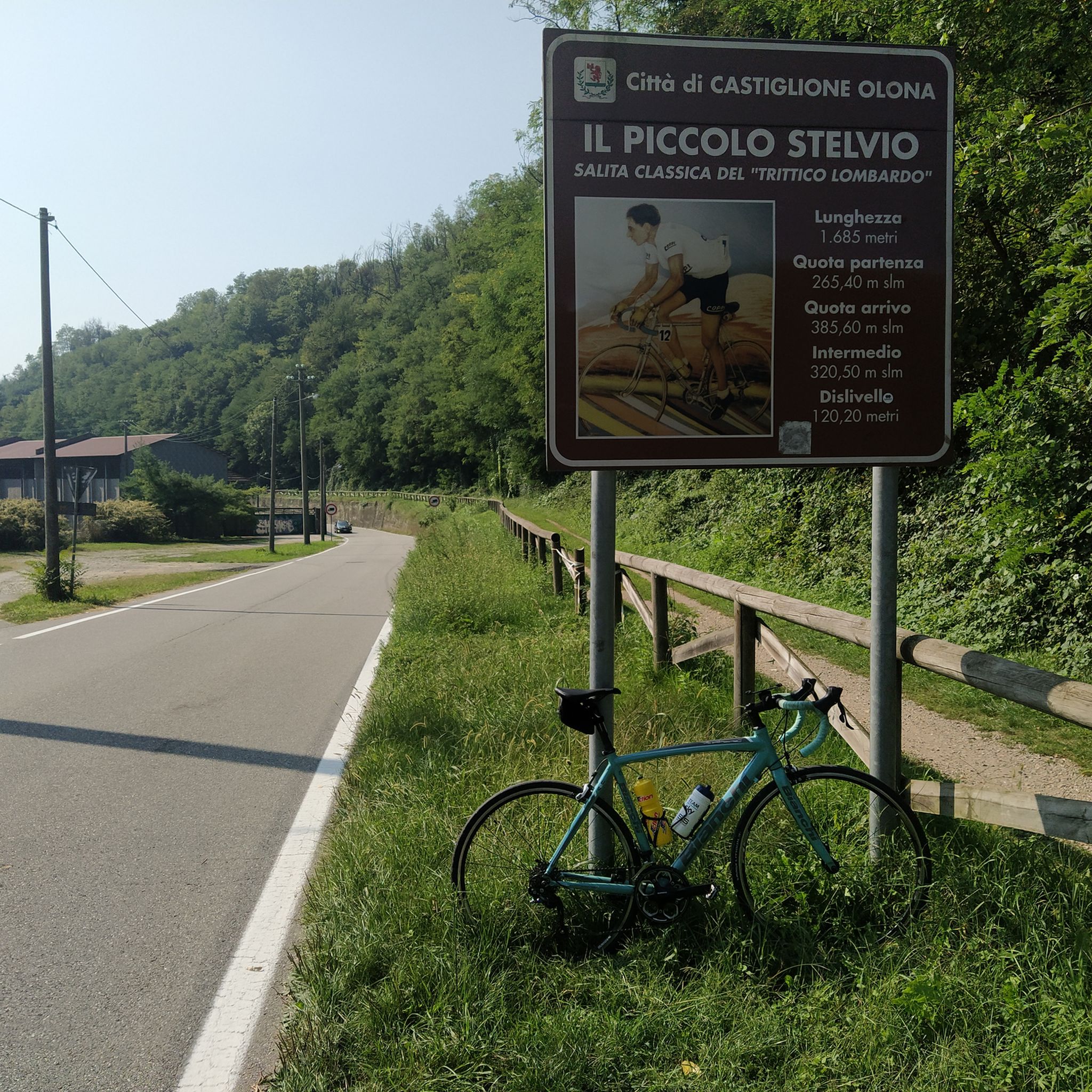
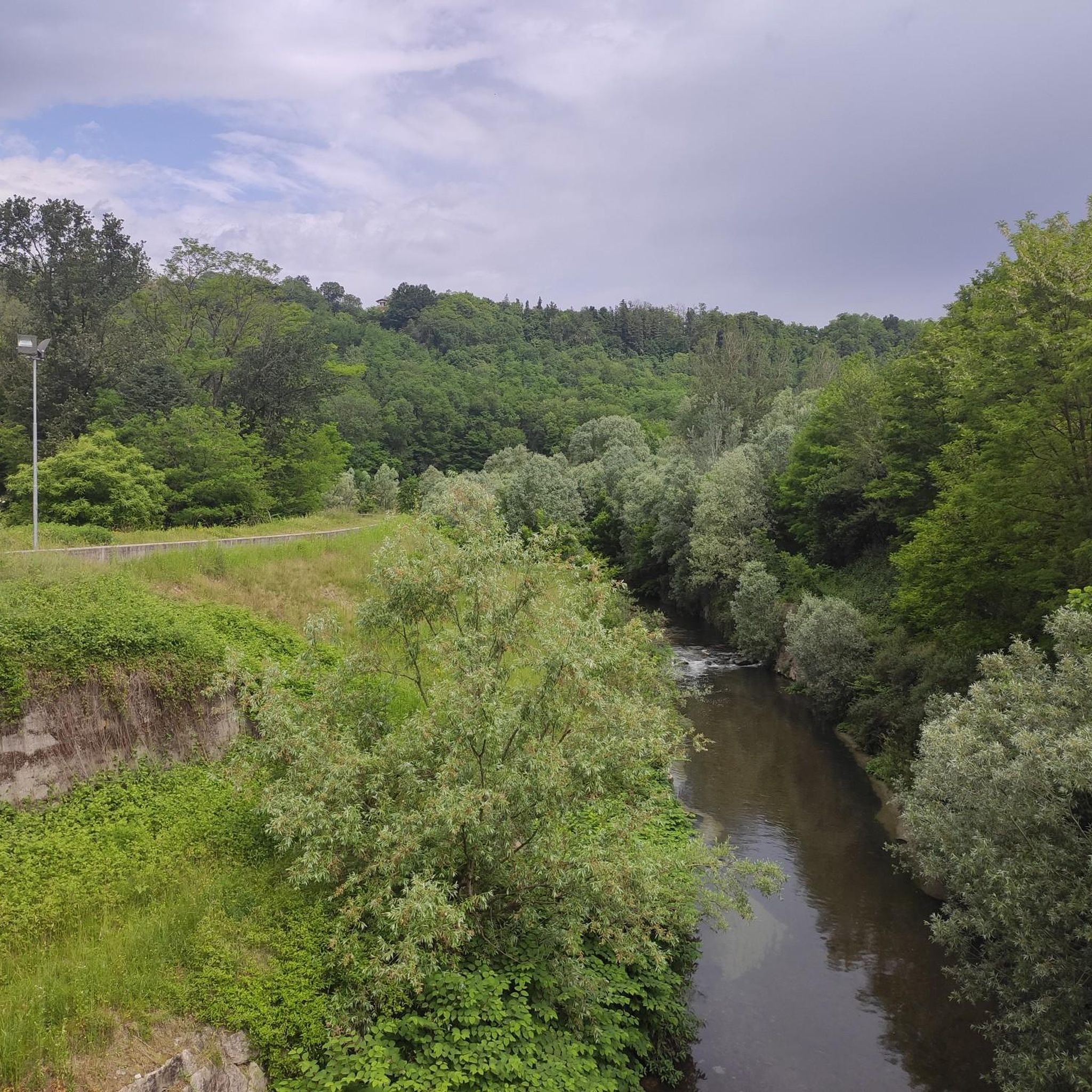
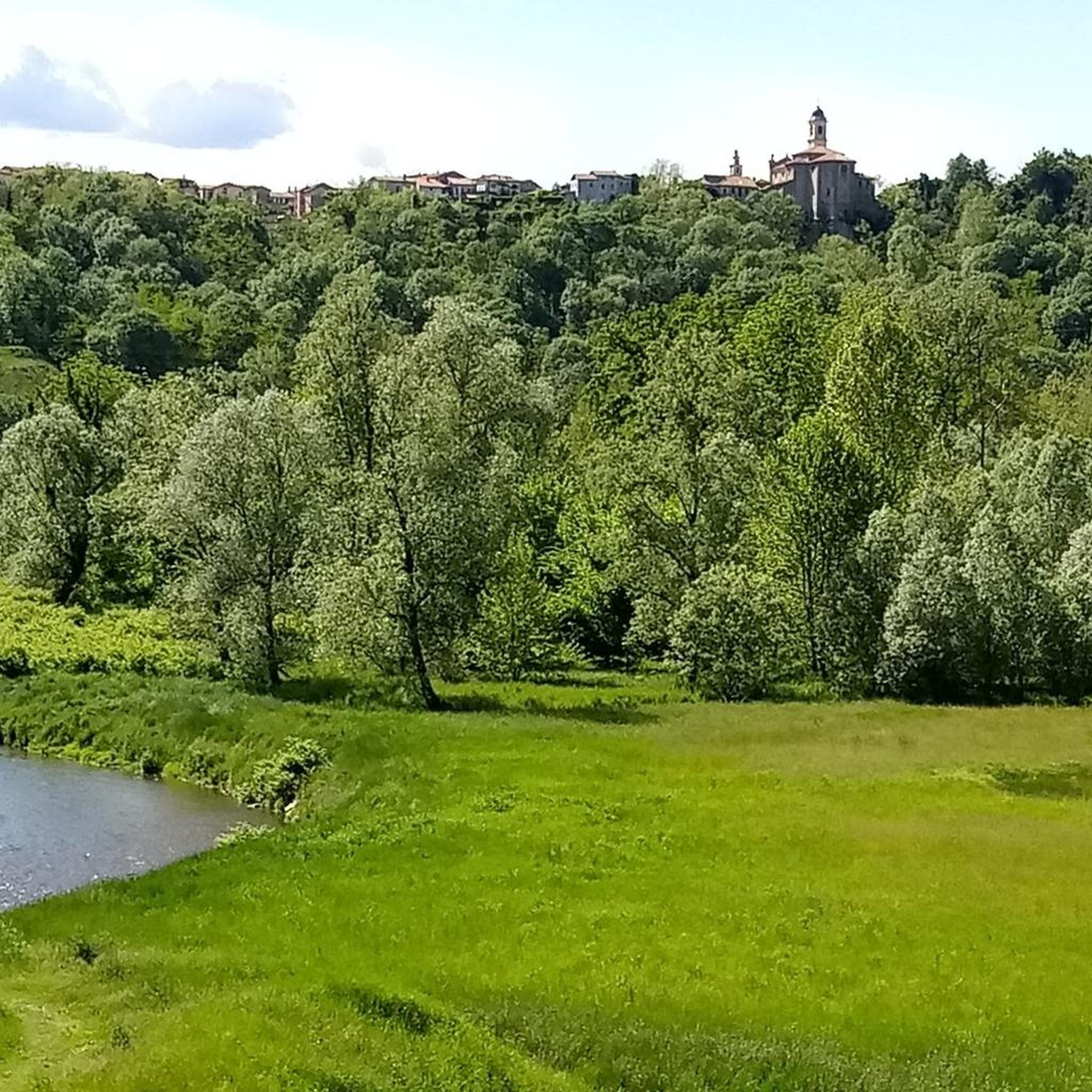
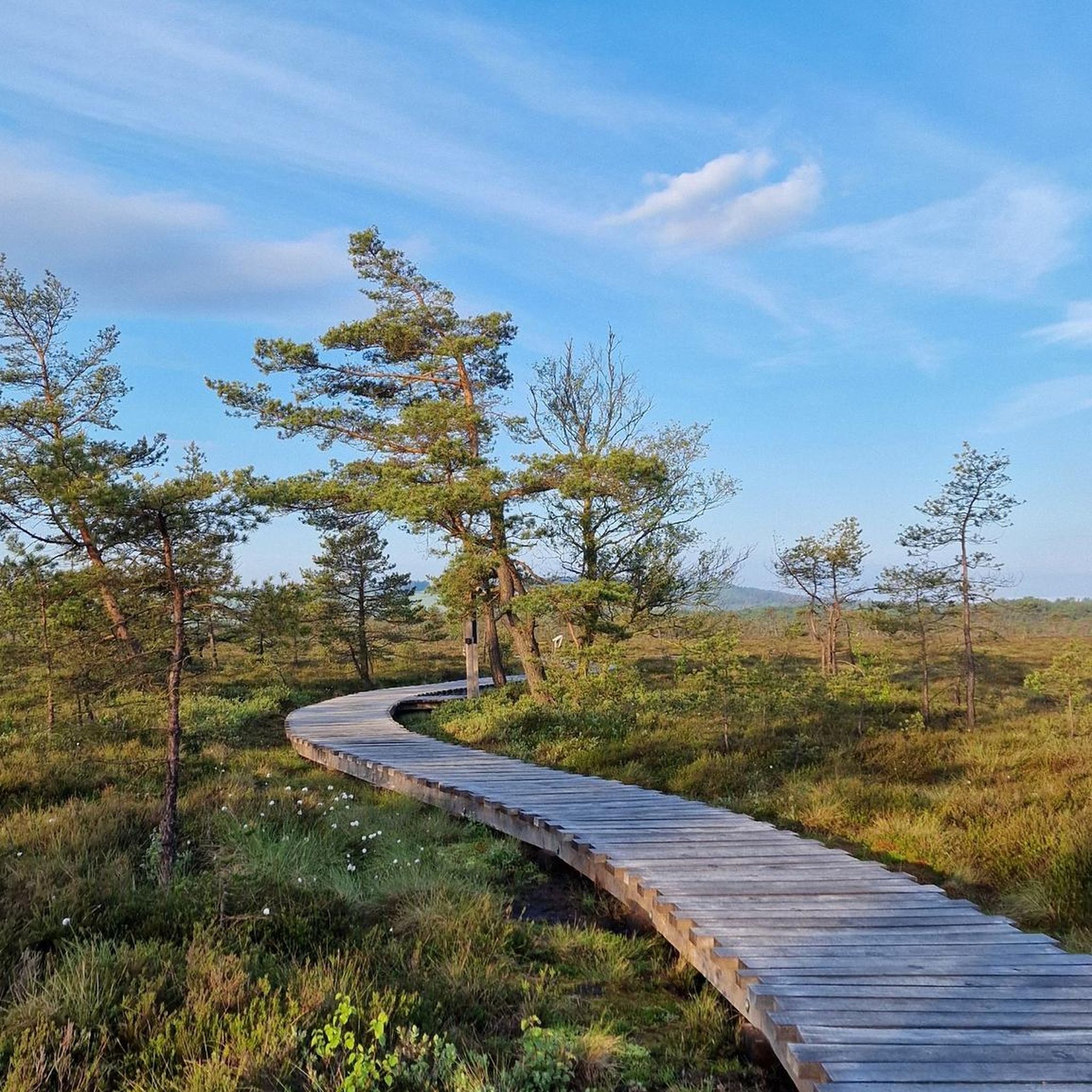
Tips from the Community

must visit for hikers and bikers
0
0

BRRRRR SO COLD... BUT WHAT A SHOW 💥
0
1

park to visit on foot
0
0

Estensi Gardens and the Palazzo Comunale in Varese The Estensi Gardens and the Palazzo Comunale are located in the center of Varese. THE PALACE In 1766, the Duke of Modena, Francesco III d'Este, Captain General and Governor of Austrian Lombardy, decided to buy the residence located on the outskirts of the village for his holidays. Varese had been enfeoffed to him in a personal capacity with civil and judicial powers by Maria Theresa of Austria on 23 June 1765. Immediately after the acquisition, Francesco III began to expand the property by annexing the neighboring property. The renovation and construction lasted from 1766 to 1773, while the garden was completed in 1771. The architect Giuseppe Antonio Bianchi was in charge of the project and directed the works, including the design of the hill that became known as Castellazzo Flat to create the gardens. The palace consists of a central nucleus with two side wings connected by the underlying portico, which houses a stone cutter. The long façade on Via Sacco is equipped with three stone portals and balconies. Entering through the main portal, which leads into the central portico and the courtyard of honor, you pass from the austerity of the external façade to the internal façade, which is lively and overlooks the picturesque garden. The interior of the palace is an example of the so-called Teresian Baroque. The Hall of Honor (or Salone Estense) is full of precious elements such as the illusionistic frescoes by Lodovico Bosellini and the central medallion by Giovan Battista Ronchelli. Going up to the first floor, along the staircase of honor, there are four niches with eighteenth-century copies of female busts and putti with stucco lamps. ……….. Text / Source: FAI - FONDO PER L'AMBIENTE ITALIANO ETS - Via Carlo Foldi, 2 - 20135 Milan https://fondoambiente.it/luoghi/giardini-estensi?ldc
14
0
Laghetto dei cigni / Swan Pond in the Giardini e Palazzo Estensi in Varese The history of Palazzo Estense and its beautiful gardens was born thanks to a real love at first sight. It is said, in fact, that Francesco III d'Este, Duke of Modena and governor of Austrian Lombardy, fell so much in love with the beauty of Varese that he requested it as a fief from Maria Theresa of Austria. From then on it is history: the Duke bought the villa, now known as Palazzo Estense, and entrusted its restoration to the architect Bianchi, making it his summer residence. The garden behind the building was laid out in Italian and French style, inspired by the park of the residence at Schönbrunn. The main feature of the garden is the parterre, punctuated by flowerbeds and low-stemmed plants, which houses the large central fountain. Today the area is a public park, directly connected to the gardens of Villa Mirabello, which attracts hundreds of visitors every day who crowd the paths to fully enjoy this beauty. Text / Source: Turismo-in-Lombardia https://www.in-lombardia.it/it/ https://www.in-lombardia.it/it/turismo-in-lombardia/varese-turismo/giardini-di-palazzo-estense
13
0

very fun route, some technical passages but nothing difficult, in many places lots of mud and paths full of brambles, I arrived home covered in mud and scratches but it was worth it 💪 in one point I ended up in quicksand and my bike drowned 🤣 but I had a lot of fun
0
1

Stunning place in all seasons of the year
0
0

The archaeological area is part of the UNESCO site "The Lombards in Italy, The places of power (568-774 AD)". The site includes the remains of a fortified city from the 4th-5th century which was conquered by Ottone Visconti in 1287: he ordered its total destruction, except for the churches. The "castrum", surrounded by walls in the Gothic era, was accessed via a bridge. Inside the walls there are the interesting ruins of the early Christian complex of San Giovanni and those of the Romanesque church of San Paolo. Among the residential buildings there are remains of private houses from different eras.
0
1
Frequently Asked Questions
What are some of the most notable natural monuments around Gornate Olona?
Beyond the well-known Castelseprio Archaeological Park, which is a historical site and natural monument, you can explore the unique geological formations of the Gonfolite e Forre dell’Olona within the Parco RTO. Another must-see is the Sandstone Caves of the Molera Gorges, ancient quarries with large vaulted rooms formed from sea beds millions of years ago.
What kind of natural features can I expect to see in the Gornate Olona area?
The region is characterized by the Olona river valley, offering diverse natural landscapes. You'll find distinctive geological formations like the gonfolite and gorges carved by the Olona river, ancient sandstone caves, and protected natural areas within the Parco Rile Tenore Olona. The area also features scenic river landscapes and rich biodiversity.
Are there family-friendly natural monuments to visit around Gornate Olona?
Yes, several natural monuments are suitable for families. The Castelseprio Archaeological Park is family-friendly, offering an engaging historical and natural setting. The Estensi Gardens in Varese are also a great option, providing a beautiful public park with historical significance. Additionally, the "Formation of the stump" is located within the Medio Olona Park, which is described as very nice for the whole family.
What outdoor activities can I do near the natural monuments around Gornate Olona?
The area offers various outdoor activities. You can enjoy gravel biking on routes like the "Olona Valley Cycle Path" or explore running trails such as the "Monteruzzo Castle – Madonnetta Sanctuary loop." For road cycling, options include longer routes around Lake Maggiore. Many of these activities are accessible via the regional parks and cycle paths. Find more details on routes in the Gravel biking around Gornate Olona, Running Trails around Gornate Olona, and Road Cycling Routes around Gornate Olona guides.
Are there hiking or walking paths near these natural monuments?
Absolutely. The Parco Rile Tenore Olona offers diverse landscapes perfect for hiking and experiencing local flora and fauna. The Sandstone Caves of the Molera Gorges and Malnate Caves are located along paths within the Lanza valley park, providing opportunities for walks. The Valmorea Railway Cycle Path, while primarily for cycling, also traverses natural settings suitable for walking.
What cultural or historical sites are integrated with the natural monuments in this region?
The region beautifully blends natural and historical heritage. The Castelseprio Archaeological Park is a prime example, offering insights into the region's history within a natural setting. The Sandstone Caves of the Molera Gorges and Malnate Caves are ancient quarries recognized as both natural and cultural heritage. Additionally, the Estensi Gardens in Varese are a historical site with a beautiful natural park.
What is the best time of year to visit the natural monuments around Gornate Olona?
The natural monuments around Gornate Olona can be enjoyed throughout much of the year. Spring and autumn offer pleasant temperatures for exploring the outdoor sites and trails, with vibrant foliage or blooming nature. Summer is also suitable, especially for shaded areas or activities near water bodies like Lake Varese. Winter walks are possible, but some paths might be less accessible depending on weather conditions.
Are the natural monuments around Gornate Olona dog-friendly?
Many natural areas and parks in the region, such as the Parco Rile Tenore Olona and the Medio Olona Park, are generally dog-friendly, especially on trails and open spaces, provided dogs are kept on a leash. Specific rules may apply to archaeological sites or formal gardens like the Estensi Gardens, so it's always best to check local signage or park regulations for each specific monument.
What kind of terrain should I expect on trails near Gornate Olona's natural monuments?
You can expect varied terrain. Trails along the Olona river valley often feature natural paths, some with dirt sections, while cycle paths like the Valmorea Railway Cycle Path might have asphalted sections. Areas around the caves could involve uneven ground or former quarry paths. The region's geological features mean you might encounter rocky sections or paths through gorges.
Are there any viewpoints to enjoy panoramic views of the natural landscape?
While specific panoramic viewpoints are not explicitly detailed for every monument, the "Formation of the stump" is listed as a natural monument and a viewpoint. The broader Parco Rile Tenore Olona and the Valmorea Railway Cycle Path offer scenic stretches along the river valley, providing picturesque views of the local landscape and geological formations.
What do visitors enjoy most about the natural monuments around Gornate Olona?
Visitors appreciate the unique blend of natural beauty and historical significance. For instance, the Castelseprio Archaeological Park is highly recommended for its interesting historical sites. The Sandstone Caves of the Molera Gorges are admired for their expansive vaulted rooms and geological history. The Malnate Caves are valued for being immersed in nature. The overall appeal lies in exploring ancient formations, river-carved gorges, and protected natural areas.
How can I reach the natural monuments around Gornate Olona by public transport?
Gornate Olona is a small municipality, but the surrounding natural monuments are often accessible via regional public transport networks connecting to larger towns like Varese. From Varese, local buses may serve areas near the Parco Rile Tenore Olona or specific sites. For places like the Estensi Gardens, public transport within Varese is readily available. It's advisable to check local bus schedules for routes to specific monument locations.
Most popular routes around Gornate Olona
Most popular attractions around Gornate Olona

Get inspired with the komoot mobile app


Explore more
Extend your search for the best caves by checking out these guides of the top ones around Gornate Olona:
