Top 20 Natural Monuments around Alzachèna/Arzachena
Natural monuments around Alzachèna/Arzachena are found in the Gallura region of northeastern Sardinia, characterized by unique geology, a diverse coastline, and Mediterranean vegetation. The area features granite hills, wetlands, and numerous beaches. These natural formations offer insights into the region's geological history and provide varied outdoor experiences. The landscape includes striking rock formations and important wetland ecosystems.
Best natural monuments around Alzachèna/Arzachena
- The most popular natural monument is Cala Serena, a beach known for its crystal-clear waters and fine…
Last updated: June 28, 2026
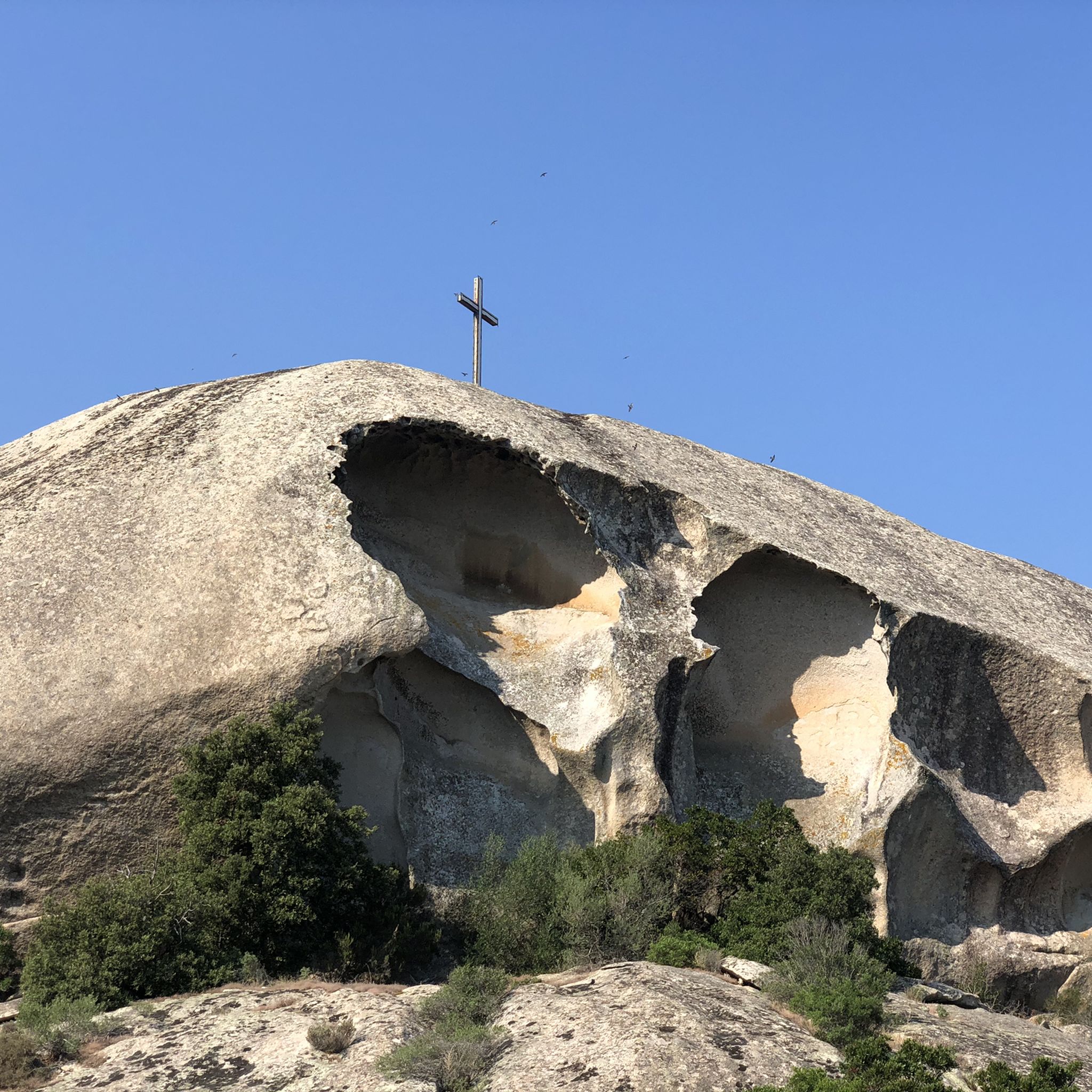
Bear Rock (Roccia dell'Orso)
Highlight • Natural Monument
Translated by Google •
Tip by

Cala Serena
Highlight • Beach
Translated by Google •
Tip by

Sign up now to discover places like this
Get recommendations on the best single tracks, peaks, & plenty of other exciting outdoor places.
Sign up for free
Bear Rock
Highlight • Natural Monument
Translated by Google •
Tip by

Giant’s Tomb of Coddu Vecchiu
Highlight • Historical Site
Translated by Google •
Tip by

Il Pirata Beach (Capriccioli)
Highlight • Beach
In the north-east of Sardinia, a small peninsula divides a piece of paradise. Here lies a beach with particularly fine sand, which, lined with granite …
Translated by Google •
Tip by

Sign up for free to discover even more natural monuments around Alzachèna/Arzachena.
Sign up for free
Already have an account?
Start today with a free account
Your next adventure awaits.
Login or Signup
Popular around Alzachèna/Arzachena
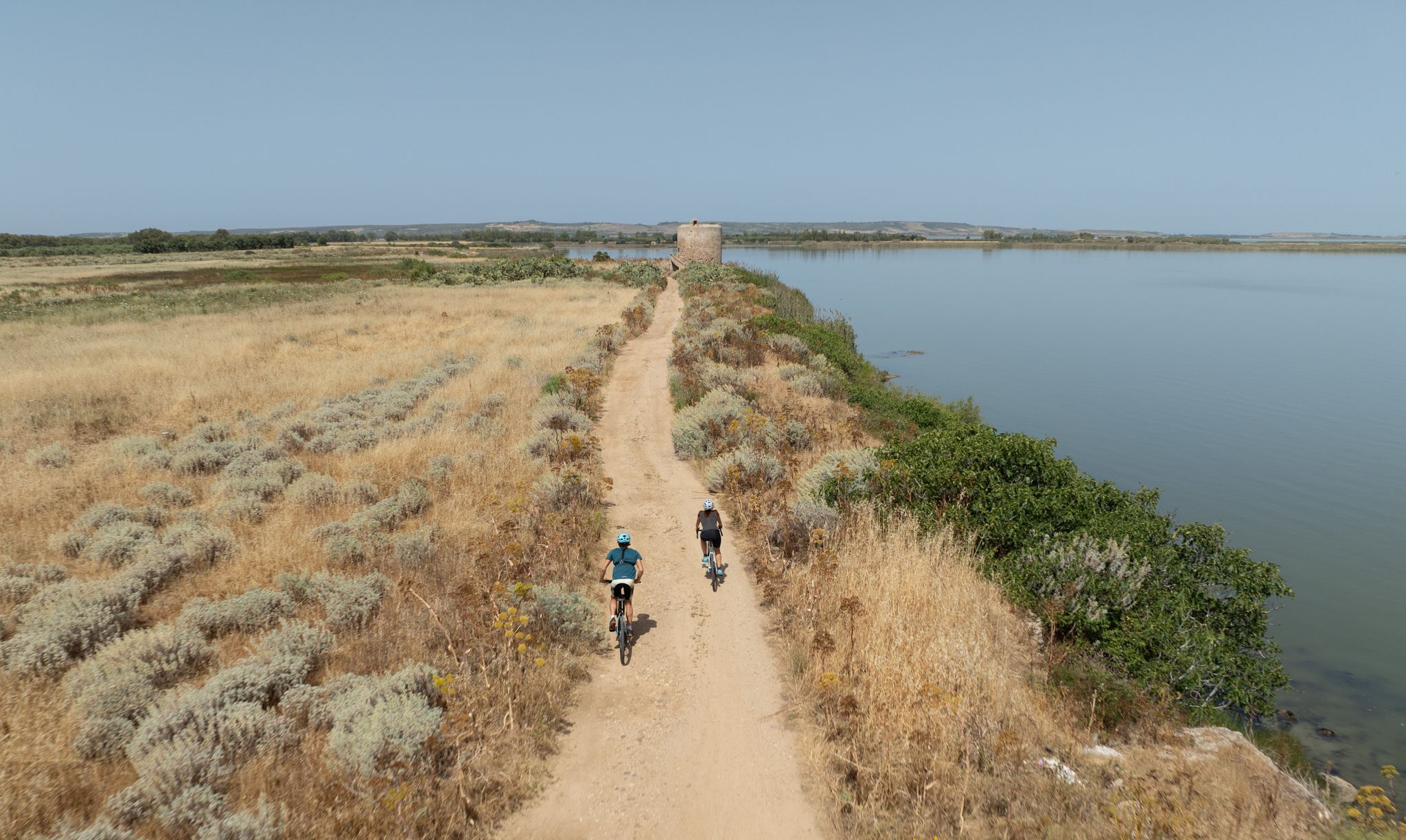
Discover wild Sardinia – 10 superb MTB Tours
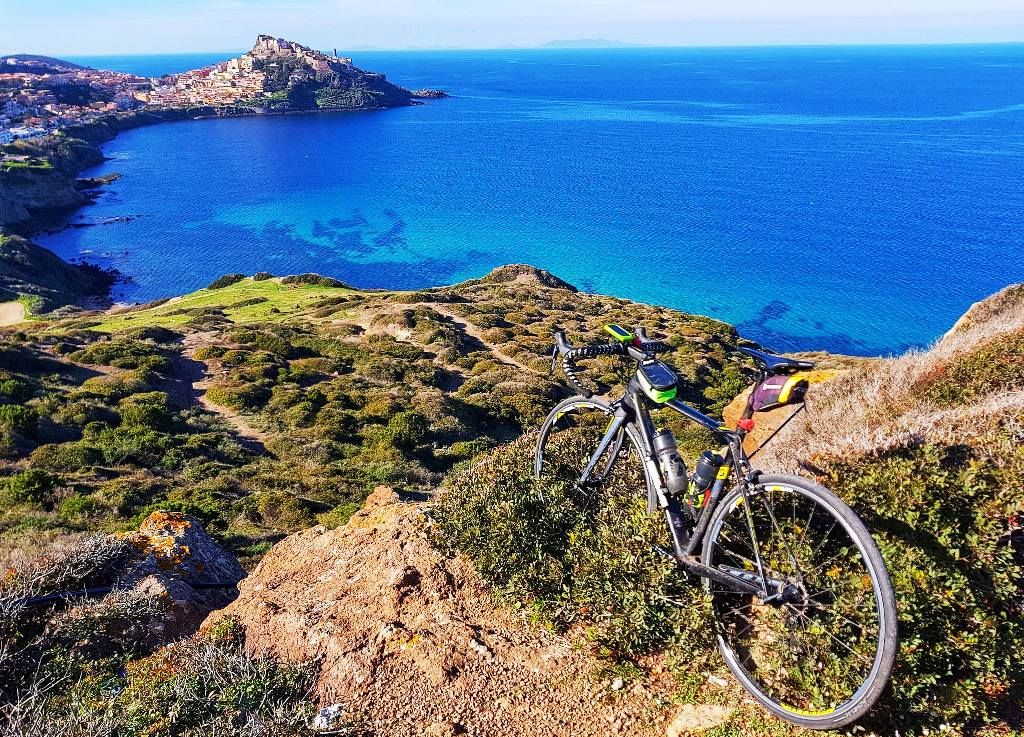
Sardinia by road bike – ten routes to discover the island
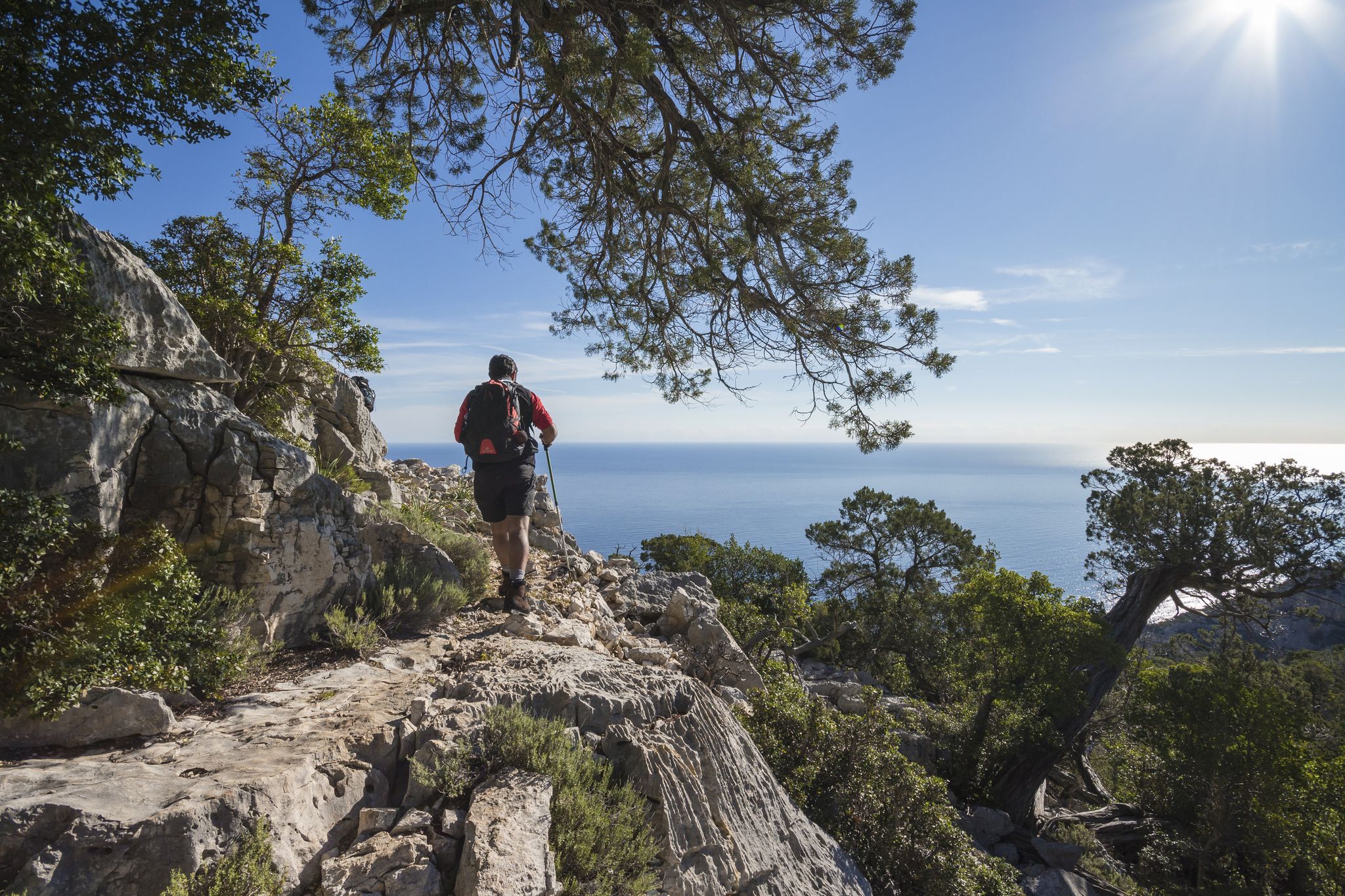
Magnificent Sardinia – day hikes overlooking the sea
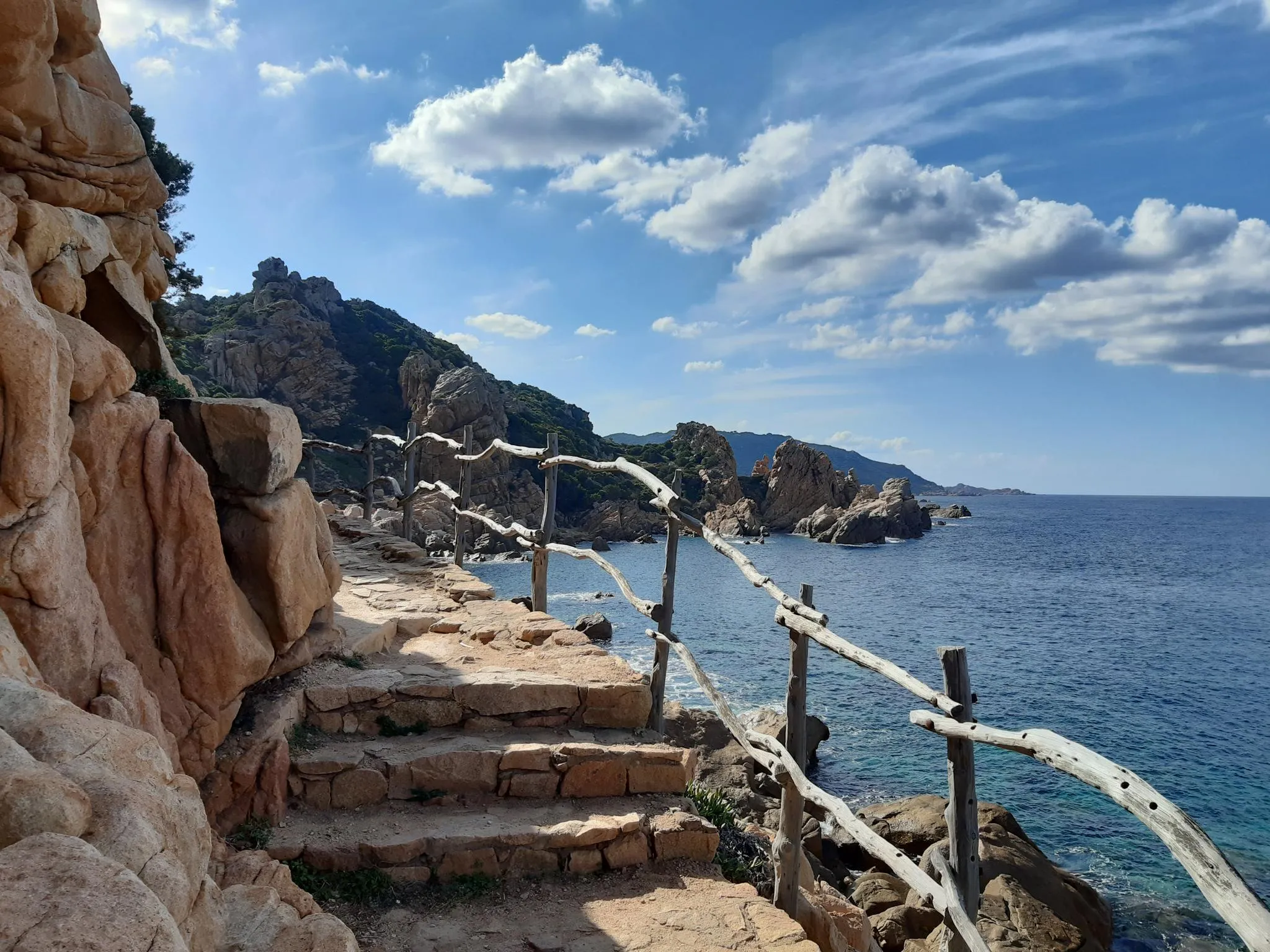
Budoni to Castelsardo on Italy's Via Gallura – Cammino 100 Torri
Hiking around Alzachèna/Arzachena
Road Cycling Routes around Alzachèna/Arzachena
Cycling around Alzachèna/Arzachena
Running Trails around Alzachèna/Arzachena
MTB Trails around Alzachèna/Arzachena
Gravel biking around Alzachèna/Arzachena
Other adventures around Alzachèna/Arzachena


Tips from the Community

At an altitude of 120 meters, the granite "Guardian", sculpted by nature, watches over the La Maddalena archipelago and tells of ancient Mediterranean seafarers.
0
0

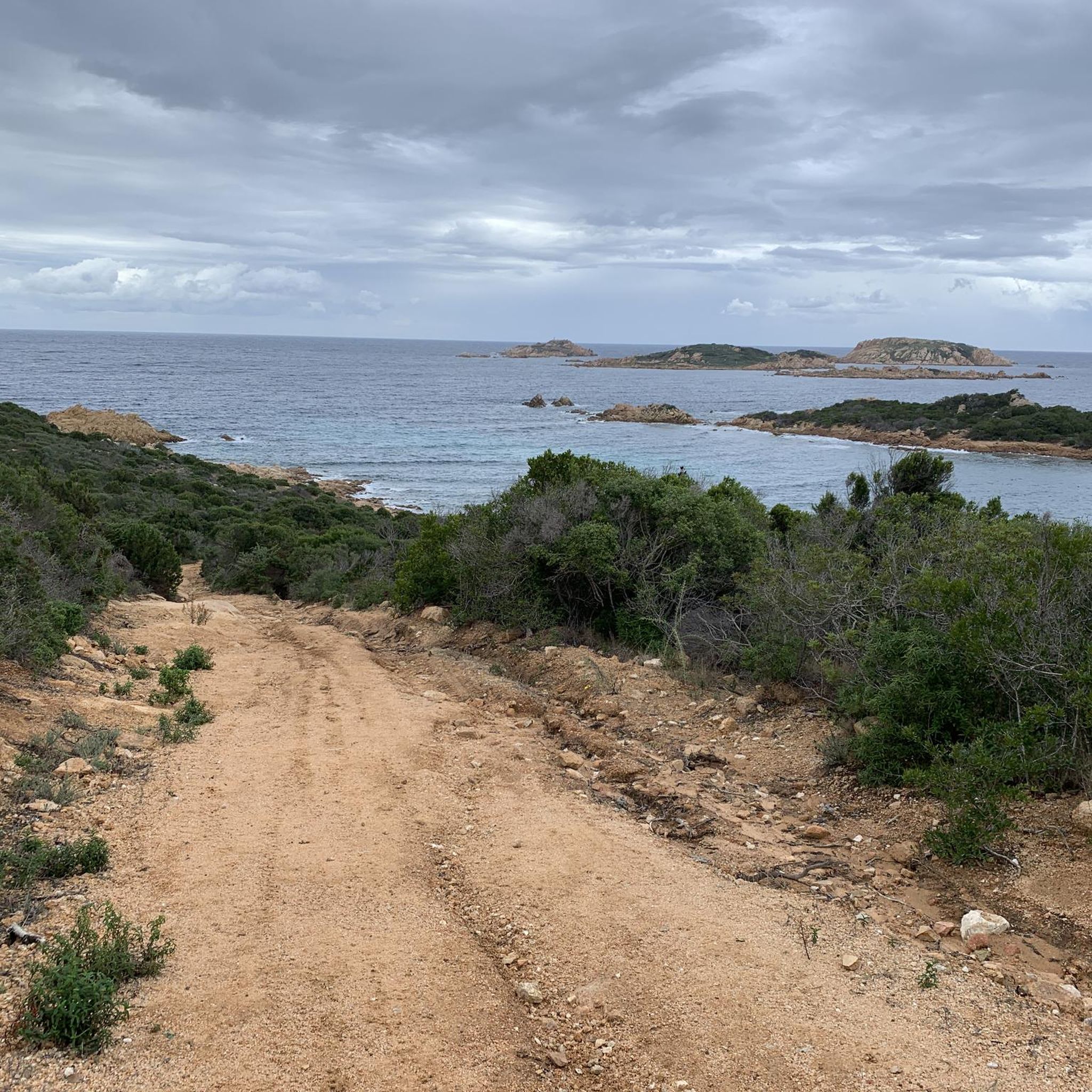
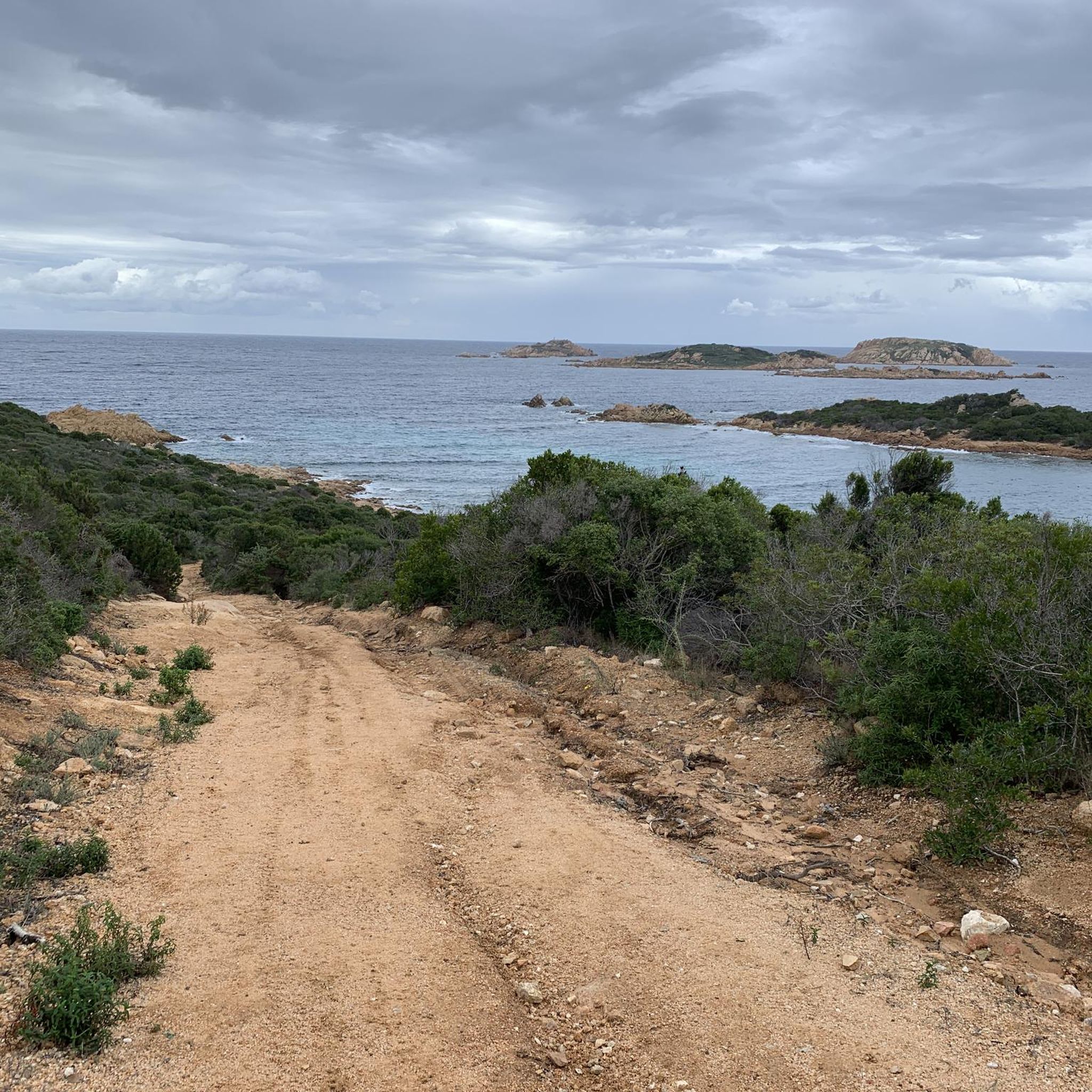
The bay was a dream, the bike path there was breakneck! We had to push and carry the bike more than we could ride, and definitely NO ONE has ever visited the three adjacent bays by bike (except us 😂😂). Please don't try this.
0
0

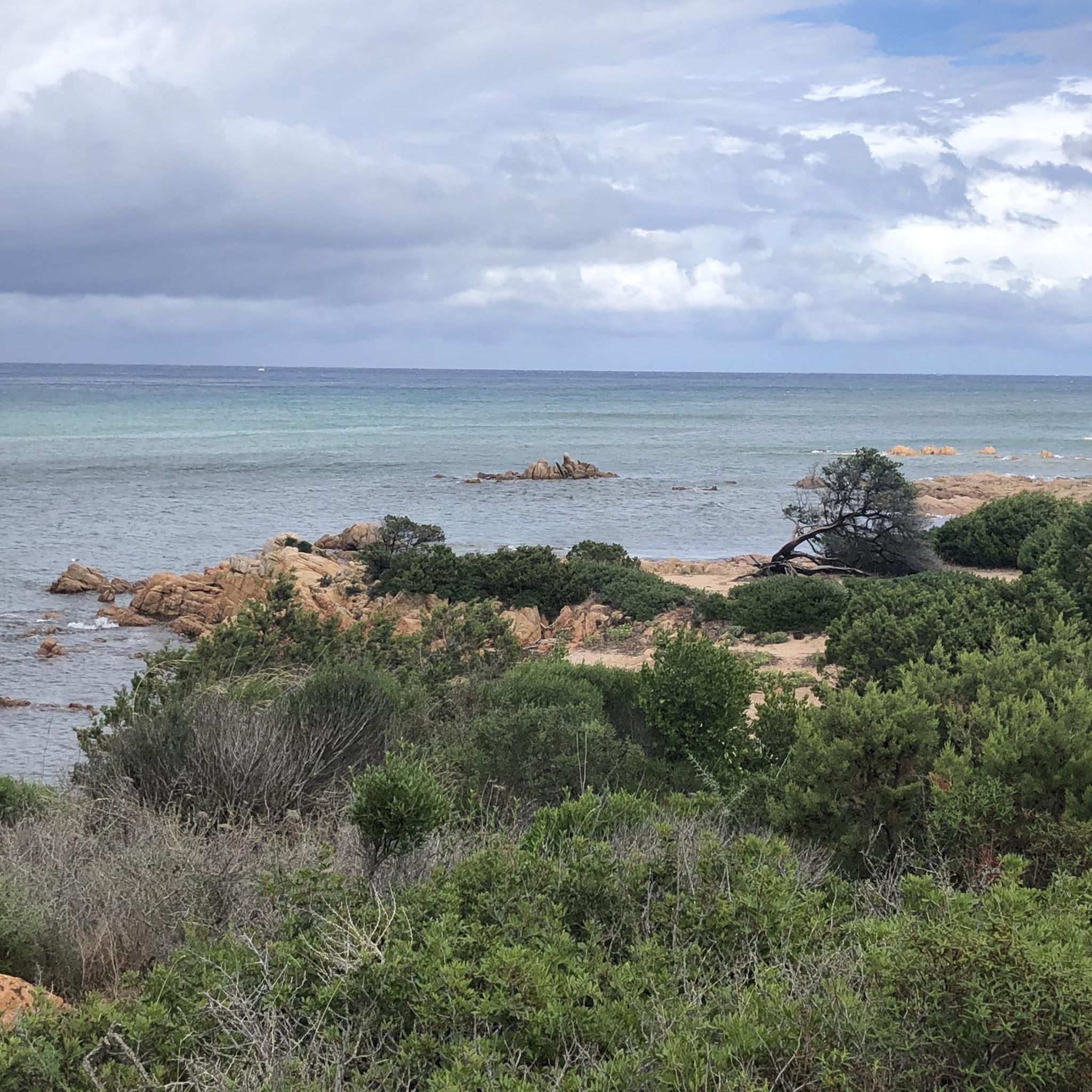
Capriccioli beach / Cala Capriccioli In the north-east of Sardinia, a small peninsula divides a piece of paradise. Here lies a beach with particularly fine sand, which, lined with granite rocks, reflects light colors and offers a breathtaking view of the small islands of the Costa Smeralda A strip of granite covered with Mediterranean vegetation protrudes into the sea in the southern part of the Costa Smeralda. The name Capriccioli means "little goats" in Gallura. They are a pair of powerful, rounded rocks smoothed by the sea, which form several coves located south of Porto Cervo, in the Arzachena area, about 15 km from the city. The small beaches of Capriccioli are all made of fine, light sand with greyish shades that sink into the deep blue sea, protected by yellow, pink and reddish granite rocks in the midst of dense Mediterranean scrub: junipers, mastic trees, olive trees and maritime pines that add to the wild charm of the place. The east coast is characterized by a flat, sandy seabed, protected from the Mistral, making it an ideal place for families with children. Separated by pink granite blocks, to the west lies the other side of the Capriccioli coastal strip, which offers two more beaches. Text / Source: Sardegna Turismo.it https://www.sardegnaturismo.it/de/entdecken/cala-capriccioli https://www.sardegnaturismo.it/de/
14
0

Cala Serena is worth a hike. A rocky path with beautiful views leads from Cala Garibaldi to the bay. Thanks to the somewhat difficult access, the bay is only sparsely visited. Particularly striking is the wetland with a lake and lush vegetation directly behind the beach. The bay is extremely beautiful for swimming: no rocks, but a wonderful fine sandy bottom with incredibly clear water that shines turquoise in the sun. Small silver fish with a distinctive black spot on the base of their tails populate the underwater world. The bay is shallow and deeply indented, making it ideal for children.
0
1

A beautiful Nuragic giant's tomb, not far from Arzachena, nestled in a lovely landscape with orchards. It lies close to the road from Arzachena to Luogosanto.
0
0

deserted in December
0
0

The giant tomb of Coddu 'Ecchju is a magnificent example of Nuragic funerary architecture. It is an imposing communal tomb, likely containing the remains of the deceased from the nearby village of La Prisgiona. This Bronze Age monument was constructed in two phases: The exedra was added to a gallery tomb (10.50 m long) or semicircular chamber built around 1800 BC (probably between 1600 and 1400 BC). This chamber was enclosed by a series of slabs set into the ground, with a large, arched stele (4.04 m high) in the center, decorated with a relief frame and featuring a small door at its base, likely used for placing offerings inside the tomb. The deceased was probably buried from above by removing one of the slabs covering the corridor. The burial of the deceased was likely carried out from above by removing one of the slabs covering the corridor. ``` The burial chamber was enclosed within a large mound of earth and stones, encompassing the area behind the exedra. This mound served the practical function of housing the mound itself, but also defined the ceremonial space where ancestor rites were performed, as evidenced by the numerous ceramic vessels found in the area. Ancestor worship was of great importance in the Nuragic culture. Source: https://www.gesecoarzachena.it/?page_id=1246
1
0
Frequently Asked Questions
What are some family-friendly natural monuments to visit around Alzachèna/Arzachena?
For families, several natural monuments offer enjoyable experiences. Cala Serena is a beautiful bay perfect for swimming with crystal-clear waters. Another excellent choice is Il Pirata Beach (Capriccioli), known for its fine sand and shallow, protected waters, ideal for children. The historical site of Giant’s Tomb of Coddu Vecchiu is also family-friendly, offering an interesting glimpse into ancient Nuragic culture within a natural setting.
Are there any natural monuments with historical significance in the region?
Yes, the region is rich in natural monuments intertwined with history. The Giant’s Tomb of Coddu Vecchiu is a prime example of Nuragic funerary architecture set within the landscape. Additionally, the Malchittu Nuragic Temple is an ancient cult building in excellent condition, featuring natural gorges (tafoni) that served as shelters in ancient times. The iconic Roccia del Fungo (Mushroom Rock) also has historical importance, having served as a shelter since Nuragic times and a Roman road marker.
What kind of natural features can I expect to see around Alzachèna/Arzachena?
Alzachèna/Arzachena boasts diverse natural features. You'll find stunning coastal landscapes with fine sandy beaches and crystal-clear waters, such as those along the Costa Smeralda, including Liscia Ruja and Cala Petra Ruja. Inland, the area is characterized by unique granite rock formations, like the famous Roccia del Fungo and Bear Rock (Roccia dell'Orso). The Gulf of Arzachena is also a significant wetland, home to diverse flora and fauna, while the broader region features rolling granite hills and lush Mediterranean vegetation.
Where can I find panoramic views of the area's natural beauty?
For breathtaking panoramic views, Bear Rock (Roccia dell'Orso) is a must-visit. This distinctive rock formation offers expansive vistas of the surrounding landscape and coastline. The Roccia del Fungo also provides impressive photographic opportunities and panoramic views from its summit. Many of the granite hills and coastal viewpoints throughout the region offer stunning perspectives of the sea and mountains.
Are there opportunities for outdoor activities like cycling near these natural monuments?
Yes, the area around Alzachèna/Arzachena offers excellent opportunities for cycling. You can explore various routes for gravel biking, road cycling, and touring. For detailed routes and guides, check out the Gravel biking around Alzachèna/Arzachena, Road Cycling Routes around Alzachèna/Arzachena, and Cycling around Alzachèna/Arzachena guides.
What is the best time to visit the natural monuments in Alzachèna/Arzachena?
The best time to visit is generally during the spring (April-May) and early autumn (September-October) when the weather is pleasant for outdoor exploration and the landscapes are vibrant. Spring offers blooming sea thrift plants, especially noticeable on beaches like Liscia Ruja. Summer (June-August) is ideal for enjoying the beaches and swimming, though it can be quite warm and crowded. Winter offers a quieter experience, but some services might be limited.
Can I bring my dog to the natural monuments?
While many natural areas in Sardinia are dog-friendly, specific rules can vary for beaches, archaeological sites, and protected areas. It's always best to check local regulations for each specific natural monument you plan to visit. Generally, dogs are welcome on trails and in open natural spaces, but should be kept on a leash.
Are there any hidden gem natural monuments worth discovering?
Beyond the well-known spots, Cala Petra Ruja is often described as a secluded 'hidden gem' among the Costa Smeralda beaches. It offers a tranquil retreat with pristine environments, fine sand, and clear, shallow waters, ideal for those seeking solitude and a deeper connection with nature away from the main crowds.
What do visitors enjoy most about the natural monuments in Alzachèna/Arzachena?
Visitors frequently praise the stunning natural beauty, particularly the crystal-clear waters and fine sands of beaches like Cala Serena and Il Pirata Beach (Capriccioli). The unique rock formations, such as Bear Rock (Roccia dell'Orso), are also highly appreciated for their distinctive shapes and panoramic views. Many are also fascinated by the integration of ancient history with nature, as seen at sites like the Giant’s Tomb of Coddu Vecchiu.
Is there an entrance fee or parking cost for any of the natural monuments?
Some natural monuments, especially popular viewpoints or historical sites, may have associated costs. For instance, there is a parking fee and an entry fee for Bear Rock (Roccia dell'Orso). Beaches generally have free access, but paid parking might be available or required in peak season. It's advisable to check specific site information before your visit.
What kind of wildlife can be observed in the natural monuments area?
The diverse ecosystems around Alzachèna/Arzachena support various wildlife. The Gulf of Arzachena, recognized as an important wetland, is particularly rich in diverse and special flora and fauna, making it an excellent spot for naturalistic excursions and birdwatching. Along the coast and in the Mediterranean scrub, you might encounter various bird species, small mammals, and marine life in the clear waters.
Are there any natural monuments that are easily accessible for all fitness levels?
Many of the beautiful beaches, such as Cala Serena and Il Pirata Beach (Capriccioli), offer relatively easy access, making them suitable for most visitors. The Giant’s Tomb of Coddu Vecchiu is also located just off the road, making it easily reachable. While some viewpoints might involve a short walk, many natural monuments in the region are accessible without strenuous effort.
Most popular routes around Alzachèna/Arzachena
Most popular attractions around Alzachèna/Arzachena

Get inspired with the komoot mobile app


Explore more
Extend your search for the best caves by checking out these guides of the top ones around Alzachèna/Arzachena:
