Top 4 Natural Monuments around Spinea
Best natural monuments around Spinea are found in this municipality within the Metropolitan City of Venice, Italy. The area features flat terrain, offering easy walking trails through local gardens, plowed fields, and alongside clear ditches. This region provides a variety of natural features, from significant trees to historical mounds and natural reserves, making it suitable for exploration.
Best natural monuments around Spinea
- The most popular natural monuments is The Quaderno di Zaher Memorial, Mestre Woods, a man-made monument and…
Last updated: May 16, 2026
Motta del Buffetto Bronze Age Mound
Highlight • Historical Site
Translated by Google •
Tip by

The Quaderno di Zaher Memorial, Mestre Woods
Highlight • Monument
Gardener, open the garden door;
I'm not a flower thief,
I myself turned pink,
I don't go looking
of any flower
These verses were found on a page …
Translated by Google •
Tip by

Sign up now to discover places like this
Get recommendations on the best single tracks, peaks, & plenty of other exciting outdoor places.
Sign up for free
WWF Cave di Noale Oasis
Highlight • Natural Monument
Translated by Google •
Tip by
Himalayan cedar of Spinea
Highlight • Natural Monument
Translated by Google •
Tip by

Bosco di Carpenedo
Highlight • Forest
Translated by Google •
Tip by
Start today with a free account
Your next adventure awaits.
Login or Signup

Tips from the Community

Forte Vallon, commonly known as Forte Carpenedo is a nineteenth-century fortress and former barracks of the Italian Army located on the mainland near Carpenedo, in the municipality of Venice. Conceived as part of the Mestre entrenched field and of the wider lagoon defensive system, the fort, partly included in the lowland area (area code 034) prized for its environmental characteristics and classified as a site of community interest - Bosco di Carpenedo; today it has an educational-museum function and hosts numerous cultural and social initiatives.
1
0
Zaher Rezai Gardener, open the garden door; I'm not a flower thief, I myself turned pink, I don't go looking of any flower These verses were found on a page of the notebook of Zaher Rezai, a boy who fled the war that has tormented Afghanistan for years, to die in search of his freedom in Via Orlanda in Mestre. The wood is dedicated to this boy who at the age of 13 set out on a journey in search of a new home, but who on 10 December 2008, once disembarked from the ship in the port of Venice, grabbed under a truck to evade the border, to then fall exhausted and end his short life in Mestre. In his backpack, the diary and some objects were found, including a plastic lion cub, which accompanied him on his journey and which now tell us his story. Inside the forest, a sculpture-installation by Maestro Luigi Gardenal was created which collects the words and images of little Zahe's notebook
5
0

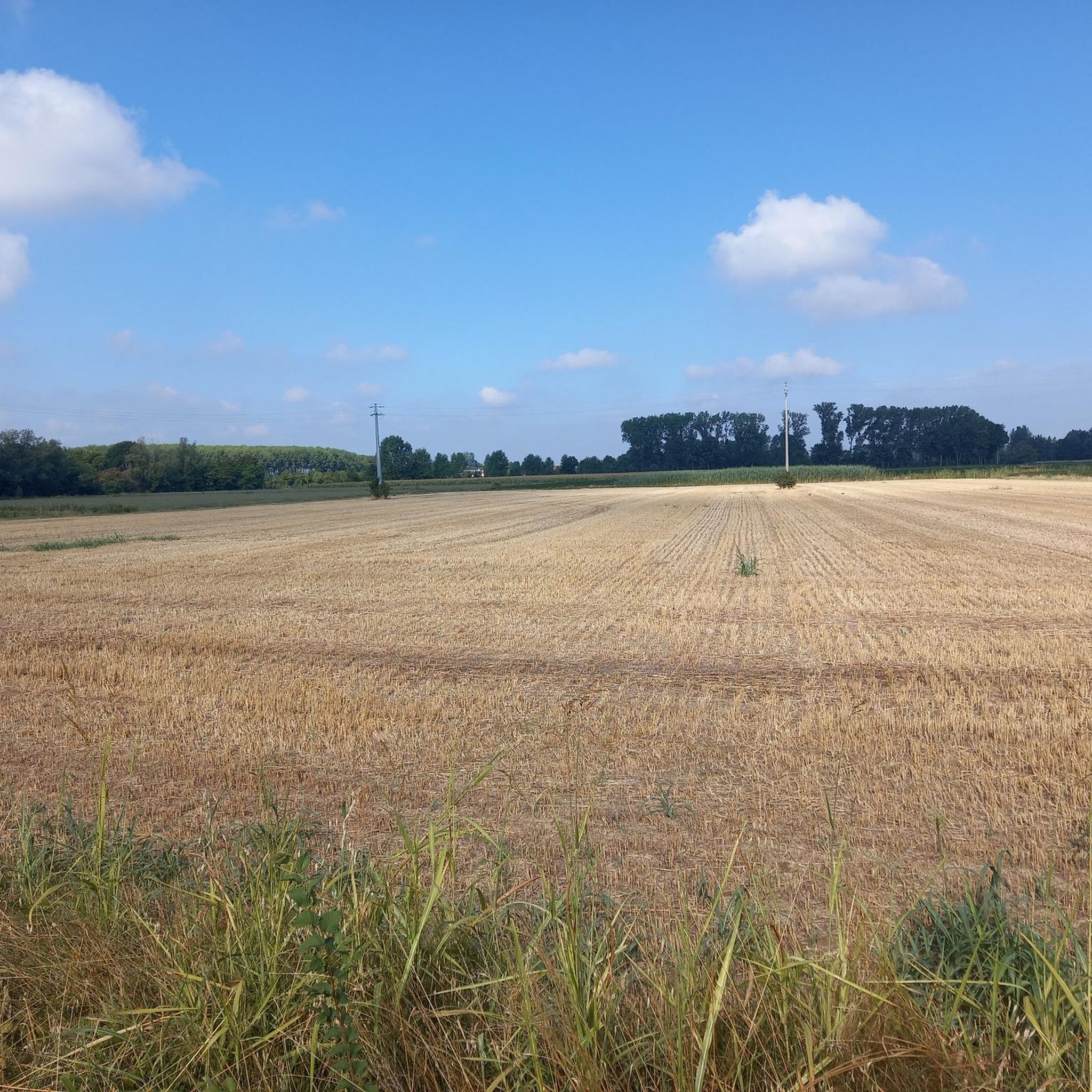
That a mound of earth has an interesting story... Otherwise you would just cycle past it
2
0
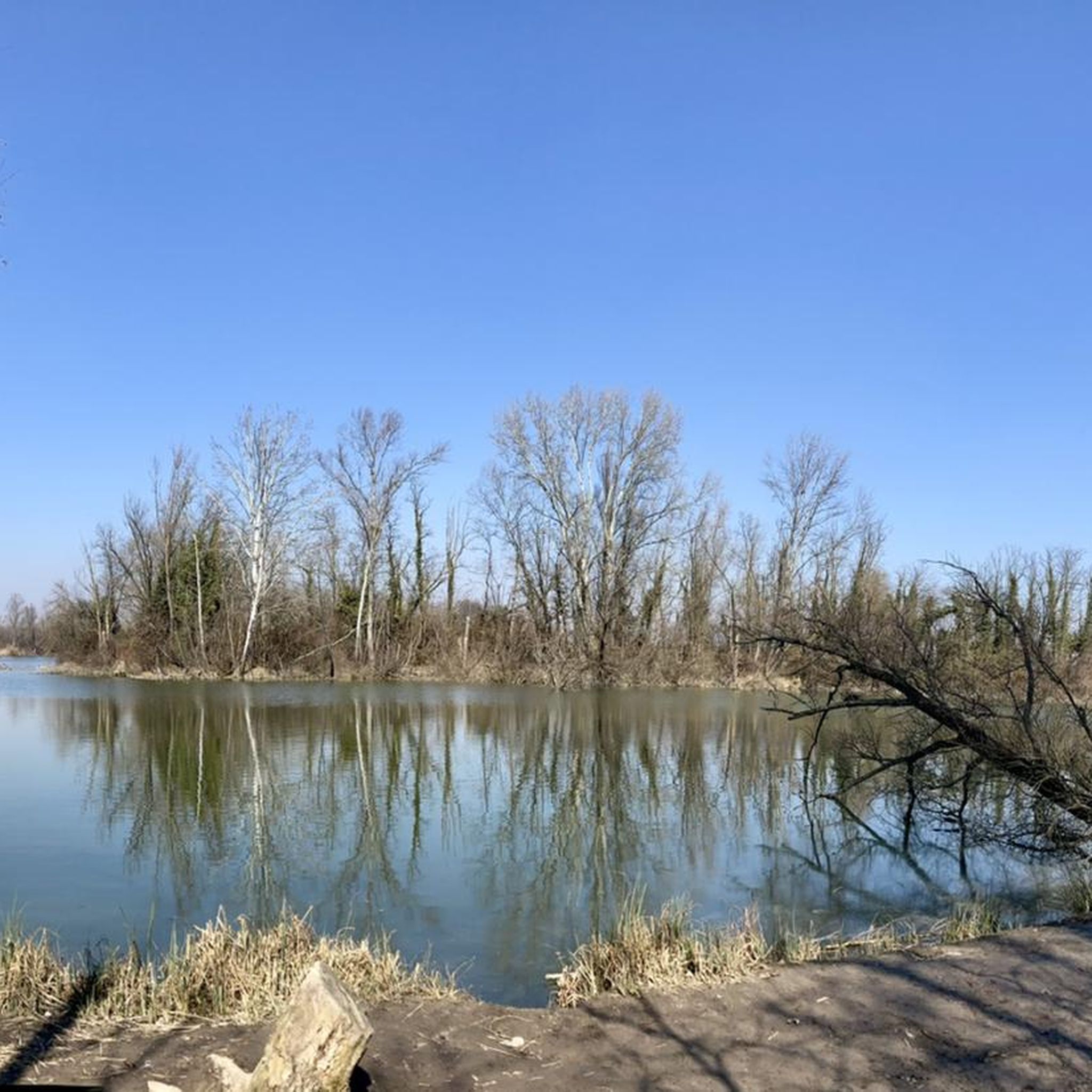
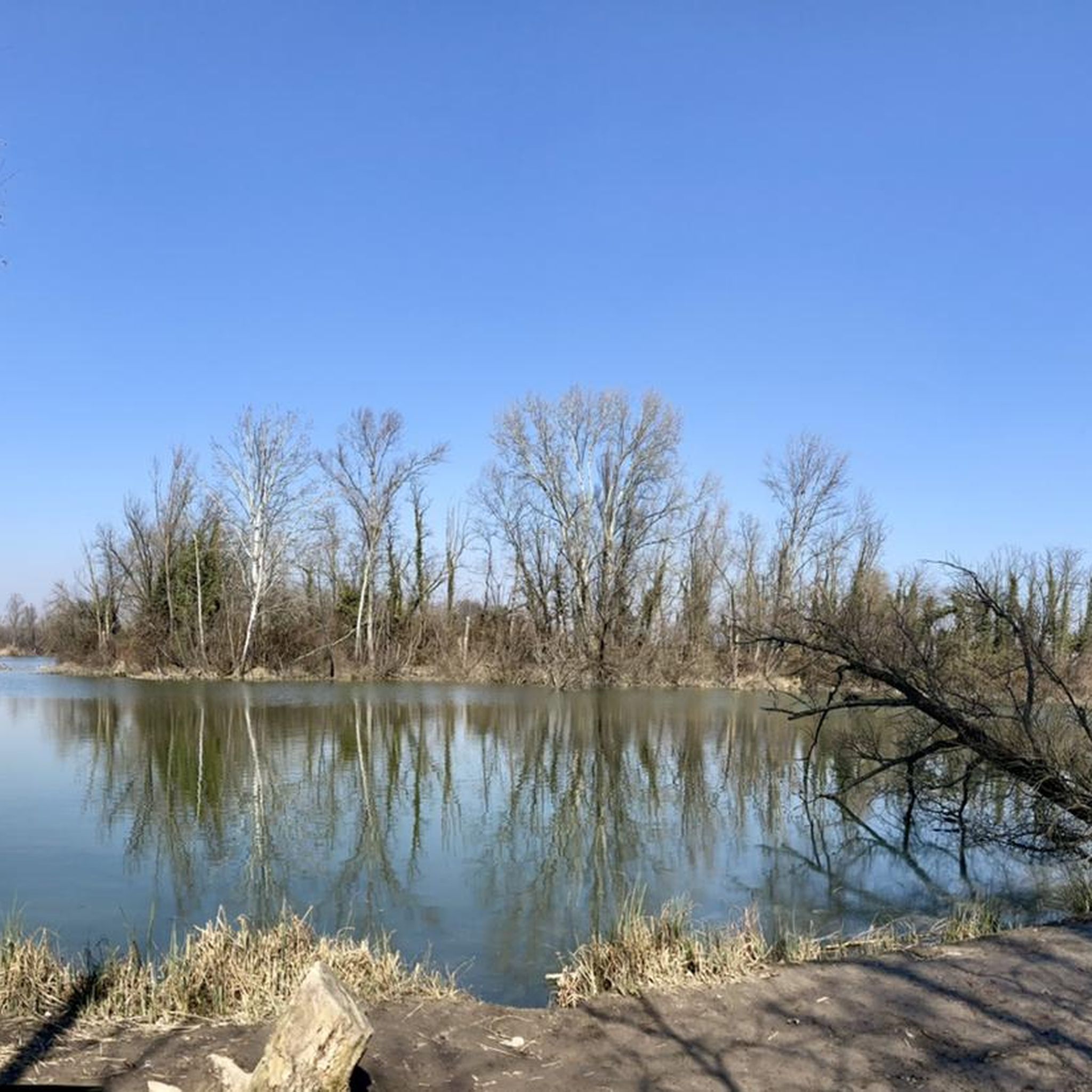
The Cave Oasis of Noale is located in the Municipality of the same name and is part of a Site of Community Importance (SIC IT3250017). These 18 hectares of land are now managed by the WWF under concession from the Municipality of Noale, which owns them. Due to the excavation activity, large depressions have been created in this place. After the abandonment of the activity, thanks to the action of rainwater, groundwater and Rio Draganziolo, these depressions filled up to form ponds of variable depth. The different depths between one pond and another have allowed the colonization of a great variety of animal and plant species. The initial pioneer vegetation then gave way to luxuriant marsh vegetation and shrubby trees. For the marshy environment, the flora includes species of Phragmites australis (marsh reed), Carex elata and Carex riparia (sedges), Typha latifolia and Typha angustifolia (cattails) and the increasingly rare Nymphaea alba. The most common tree species, on the other hand, are Salix alba, Salix cinrea, Populus nigra, Populus alba and Alnus glutinosa. Today this wetland is home to various species of birds, fish and amphibians, including the gray heron, the egret, the night heron, the bittern, the little bittern, the water rail, the reed bunting, the coot, the moorhen, the kingfisher, the little grebe; in the shallower ponds, various species of waders can be seen.
2
0
The WWF Cave Oasis of Noale is made up of a group of ponds with very variable depths and this has allowed the colonization of a great variety of animal and plant species. Rich in birdlife, every year the oasis hosts three nesting pairs of purple herons, an increasingly rare species in lowland environments; among the main species present in the oasis are: the gray heron, the little egret, the night heron, the bittern, the little bittern, the water rail, the marsh bunting, the coot, the moorhen, the kingfisher, the little grebe; in the shallower ponds, various species of waders (wood sandpiper, carrier) can be seen. Of note is the occasional presence of the marsh harrier and the knight of Italy. Noteworthy is the presence of the pond turtle (Emys orbicularis), now a rare and endangered species.
3
0
The Mestre wood is the ideal place for a relaxing walk.
0
0

Probably protohistoric mound, the last remaining so clearly visible in a series that until before the seventies dotted the territory. The structure and positioning lead to identification as such, even if the Superintendence of Archaeological Heritage must carry out investigations on the spot. Among my tours you can find one dedicated to these artifacts, carried out along the Livenza
4
0

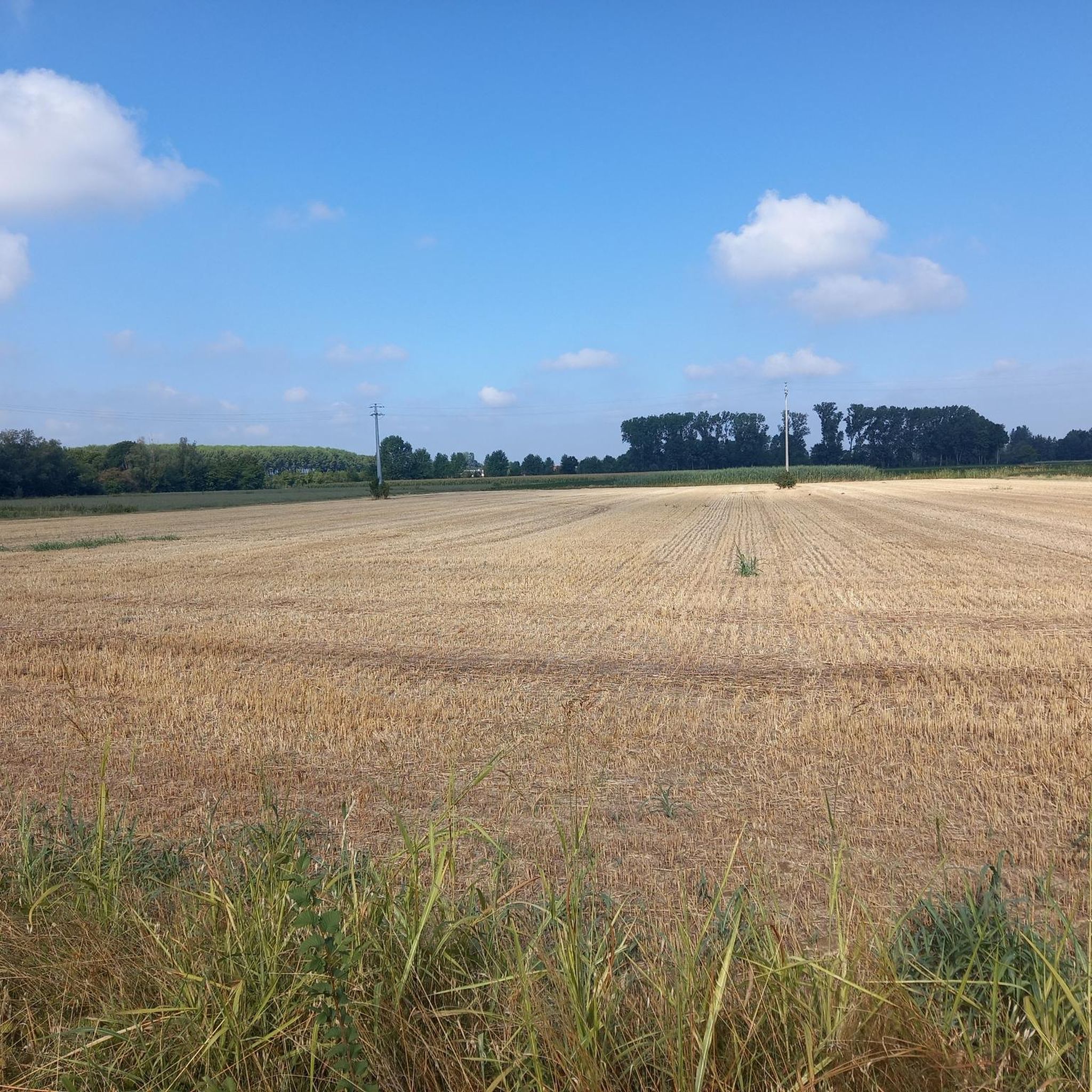
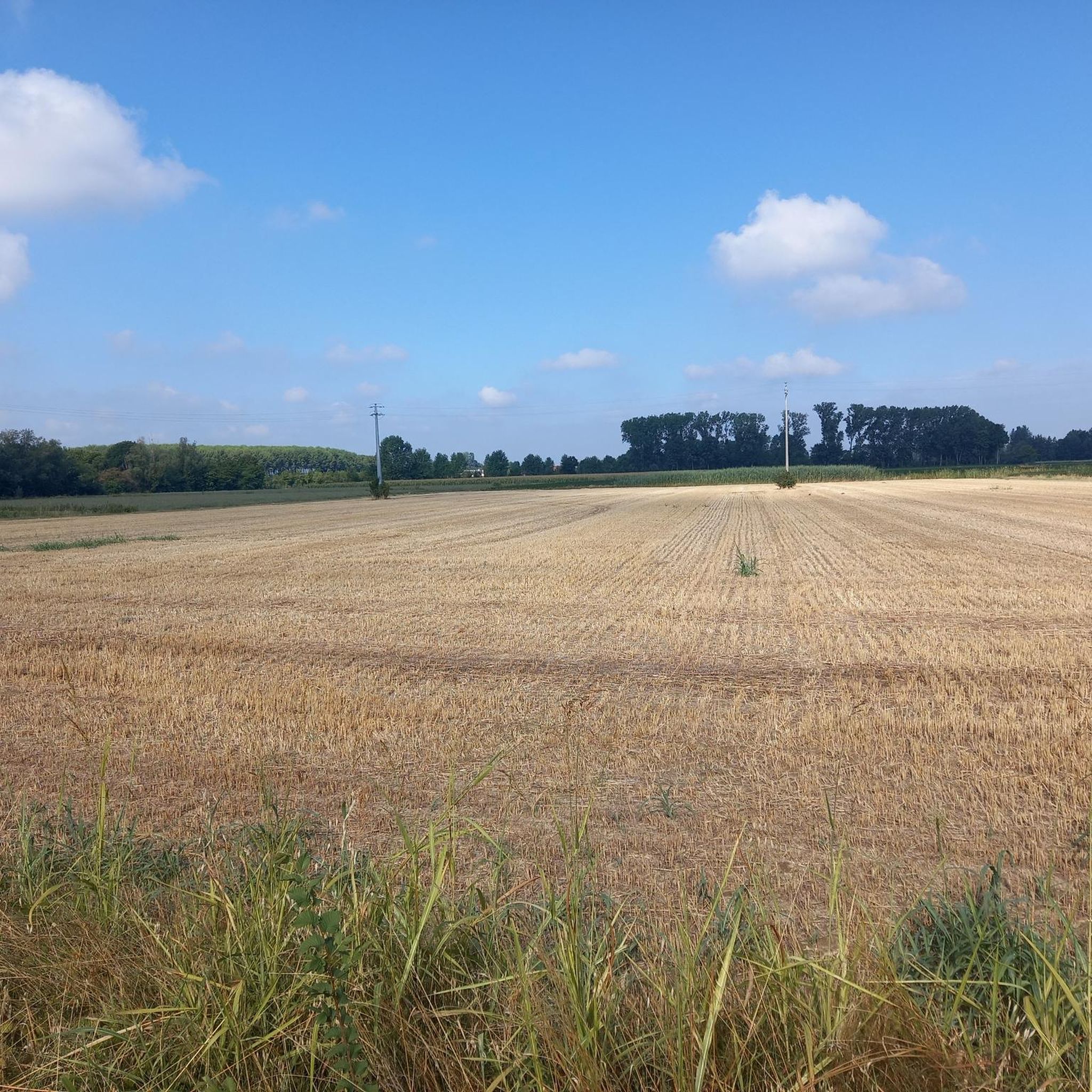
Spinea can amaze with its gardens with rare trees and paths in the middle of plowed fields and along clear ditches 💞💞
1
0
Frequently Asked Questions
What are the most notable natural monuments to visit in and around Spinea?
The most prominent natural monument directly within Spinea is the magnificent Himalayan Cedar of Spinea, known for its impressive stature and peaceful atmosphere. Nearby, you can explore the WWF Cave di Noale Oasis, a wetland rich in birdlife, or the Mestre Woods, which offers relaxing walks and a unique memorial.
Are there family-friendly natural monuments in the Spinea area?
Yes, several natural monuments are suitable for families. The Himalayan Cedar of Spinea is located in an accessible area with local gardens and pathways perfect for leisurely strolls. The WWF Cave di Noale Oasis and the Mestre Woods are also marked as family-friendly, offering opportunities for nature observation and gentle walks.
What kind of outdoor activities can I do near Spinea's natural monuments?
The flat terrain around Spinea is ideal for various outdoor activities. You can enjoy easy walks and hiking, especially around the Himalayan Cedar of Spinea or within the Mestre Woods. For more structured routes, consider the hiking trails around Spinea, which include loops like the 'Rural Path Along the Canal' or a dedicated 'Himalayan cedar of Spinea loop'. Cycling is also popular, with many traffic-free bike rides and MTB trails available in the wider region.
What is the terrain like around the natural monuments in Spinea?
The terrain around Spinea's natural monuments, such as the Himalayan Cedar, is generally flat. This makes the areas easily accessible and suitable for leisurely walks, family outings, and cycling, winding through local gardens, plowed fields, and alongside clear ditches.
Are there any historical or cultural sites among the natural monuments?
Yes, some natural monuments in the area also hold historical significance. The Motta del Buffetto Bronze Age Mound is believed to be an artifact dating back to the Bronze Age, offering a glimpse into ancient civilizations. Additionally, the Quaderno di Zaher Memorial in Mestre Woods combines natural beauty with a poignant historical narrative, commemorating a young boy's journey.
Can I find places for quiet reflection or relaxation near Spinea?
Absolutely. The Himalayan Cedar of Spinea offers a serene atmosphere, perfect for quiet reflection. The nearby Martellago Lakes (Parco Laghetti Martellago) and the Mestre Woods also provide peaceful settings with shade and trails for relaxation away from urban bustle.
What kind of wildlife can be observed at the natural monuments?
The WWF Cave di Noale Oasis is particularly rich in birdlife, hosting species like purple herons, gray herons, little egrets, and kingfishers. It's also home to the rare and endangered pond turtle (Emys orbicularis). The diverse plant life, including marsh reeds and water lilies, supports this vibrant ecosystem.
Are there any parks or green spaces in Spinea besides the main natural monuments?
Yes, Spinea features several well-maintained urban parks that offer green spaces for recreation. These include Parco Nuove Gemme, Parco Villa Simion (which also houses the library), Parco delle Stagioni, and Parco di Piazza Taormina. These parks provide benches, playgrounds, and a variety of tree species for local enjoyment.
What is the best time of year to visit the natural monuments around Spinea?
The natural monuments around Spinea can be enjoyed year-round. The evergreen foliage of the Himalayan Cedar makes it beautiful in all seasons. Spring and autumn offer pleasant temperatures for walking and exploring the wetlands and forests, while summer provides lush greenery and shade. Even in winter, the flat terrain allows for accessible walks.
Are there any natural monuments that are particularly good for birdwatching?
For birdwatching enthusiasts, the WWF Cave di Noale Oasis is an excellent choice. This wetland environment attracts a wide variety of bird species, including several rare ones like the purple heron. The diverse habitats within the oasis provide ample opportunities for observing different types of waterfowl and marsh birds.
Most popular attractions around Spinea

Get inspired with the komoot mobile app


Explore more
Extend your search for the best caves by checking out these guides of the top ones around Spinea:
