Top 20 Natural Monuments around Triora
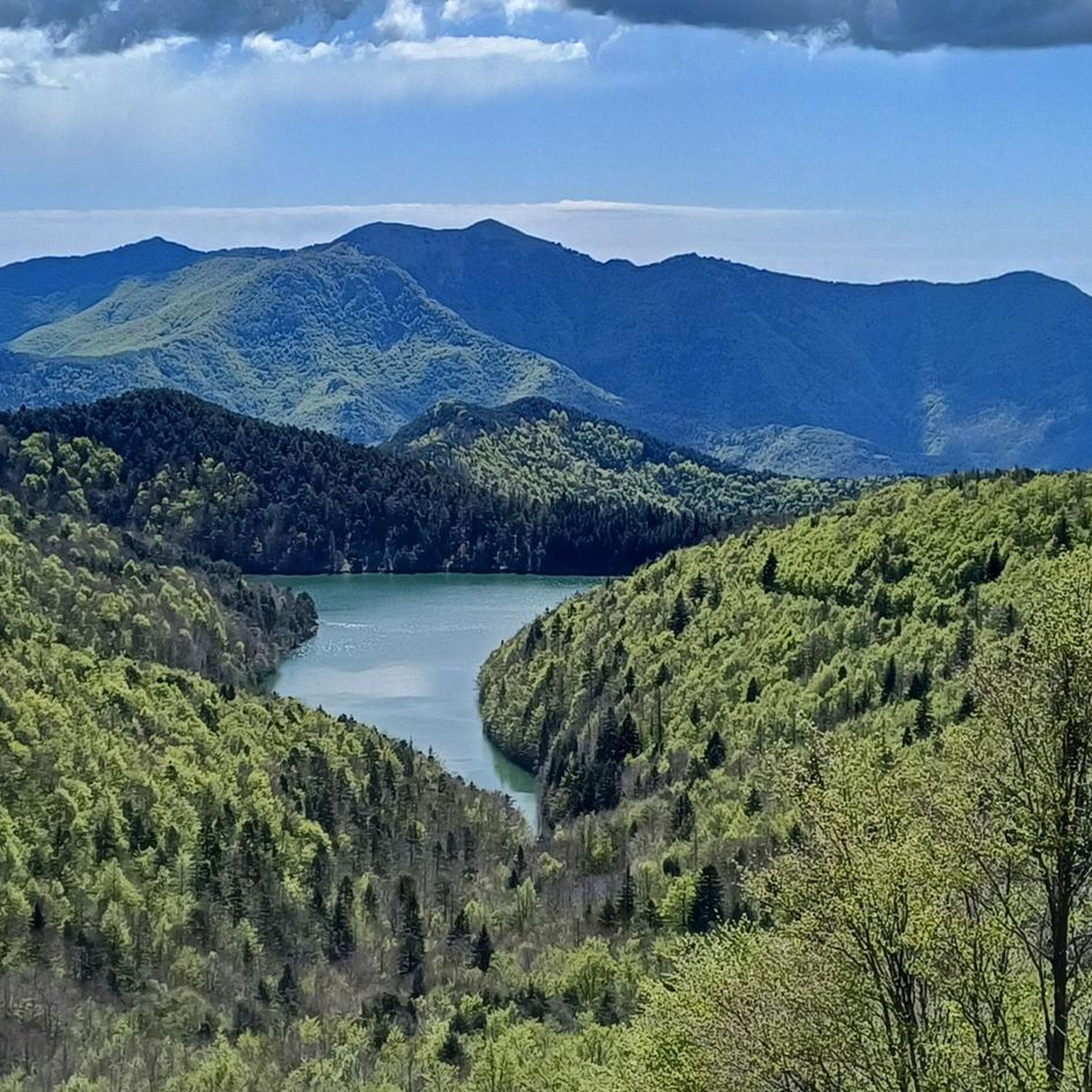
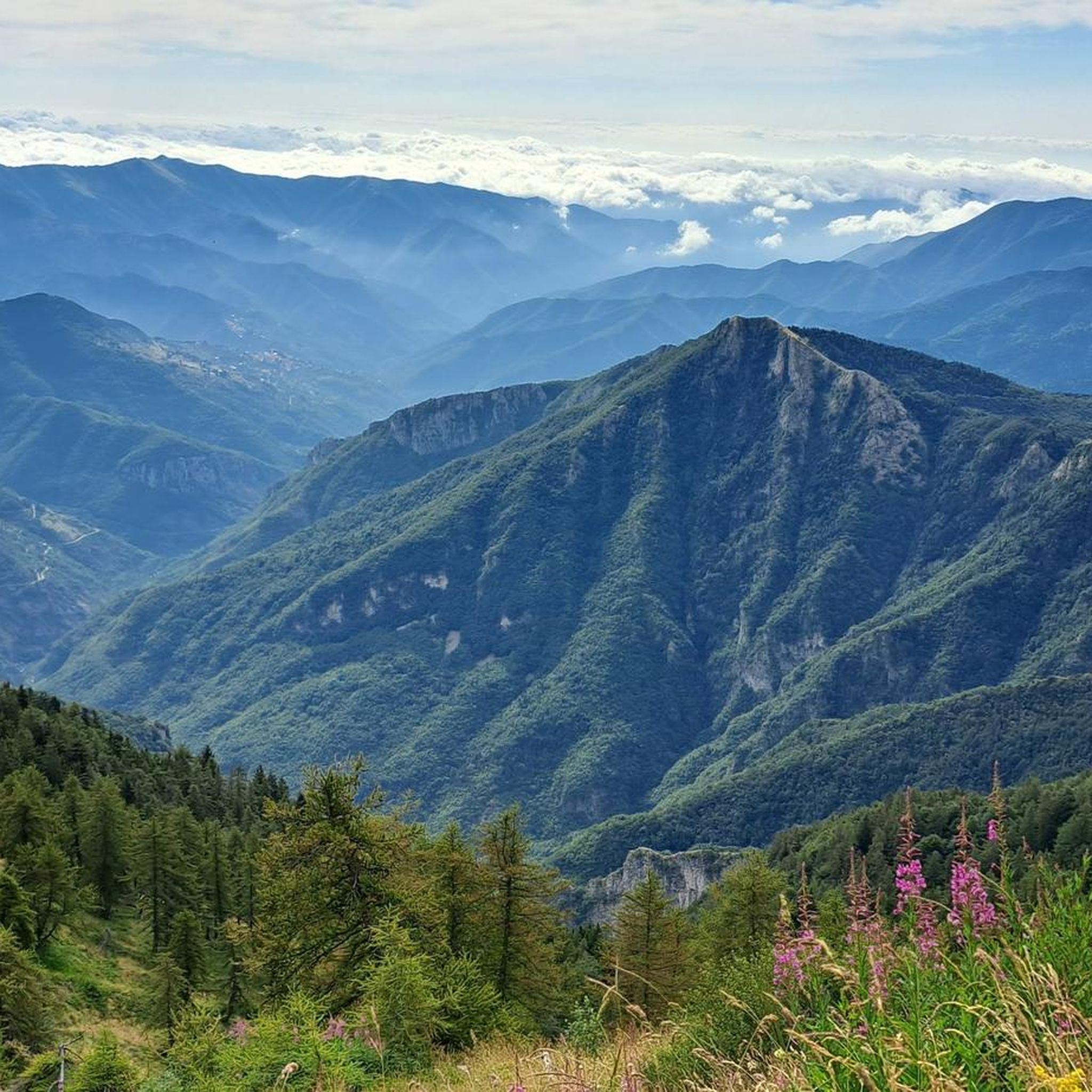
Best natural monuments around Triora are found within the Ligurian Alps, a region characterized by its mountainous landscape, dense forests, and diverse ecosystems. Triora is situated in the Argentina Valley, which offers wild natural landscapes and abundant wildlife. The area is part of the expansive Ligurian Alps Park, a significant natural heritage site preserving its unique environment. This region provides numerous opportunities for outdoor exploration, showcasing varied geological formations and alpine scenery.
Best natural monuments around Triora
- The most popular natural monuments is Sentiero degli Alpini, a trail that runs along the border between Italy and France. This challenging route offers panoramic views and sections cut into the rock, providing a unique hiking experience.
- Another must-see spot is Colle d'Oggia, a mountain pass. Visitors can expect a winding journey through a hilly landscape in Liguria, with views over the valley.
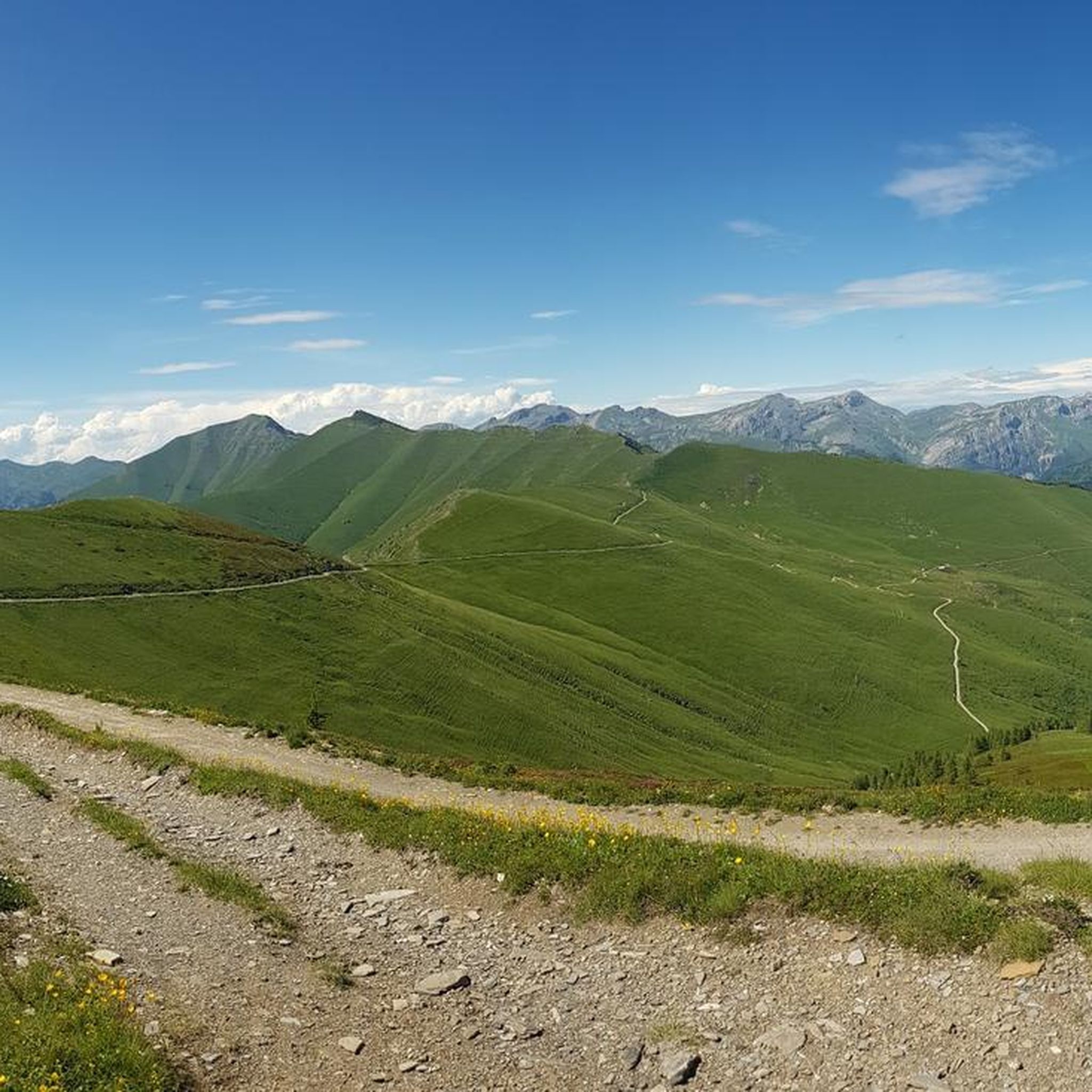
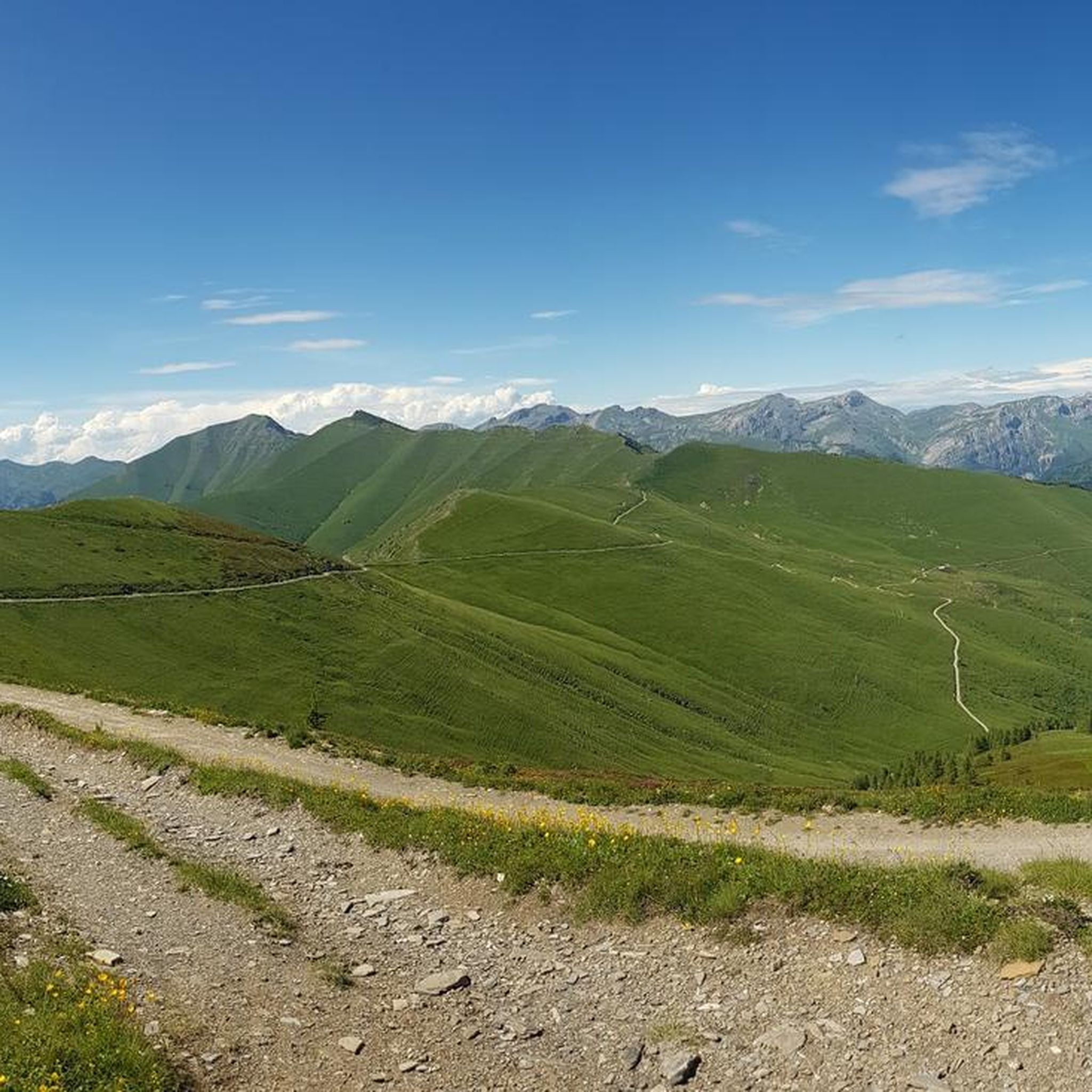
- Visitors also love Half Moon Pass, a mountain pass belonging to the Ligurian Alps. This wide, grassy saddle offers incredible views and has been a historical meeting point for people from various valleys.
- Triora is known for its diverse natural features, including mountain passes, challenging trails, and geological sites like caves. The area offers a variety of natural monuments to see and explore, from high mountain peaks to forested valleys.
- The natural monuments around Triora are appreciated by the komoot community, with more than 90 upvotes and over 70 photos shared by visitors.
Last updated: August 8, 2026
Statue of Christ the Redeemer on Monte Saccarello
Highlight • Monument
This statue is part of a group of sculptures located on the highest mountains in each region of Italy.
Showing Translation
Tip by

Colle d'Oggia
Highlight • Mountain Pass
More information: quaeldich.de/paesse/colle-d-oggia
Translated by Google •
Tip by

Sign up now to discover places like this
Get recommendations on the best single tracks, peaks, & plenty of other exciting outdoor places.
Sign up for free
Sentiero degli Alpini
Highlight • Trail
Translated by Google •
Tip by

Half Moon Pass
Highlight • Mountain Pass
Translated by Google •
Tip by

Vene del Tanaro Bridge and Cave
Highlight • Cave
Translated by Google •
Tip by

Sign up for free to discover even more natural monuments around Triora.
Sign up for free
Already have an account?
Start today with a free account
Your next adventure awaits.
Login or Signup
Popular around Triora
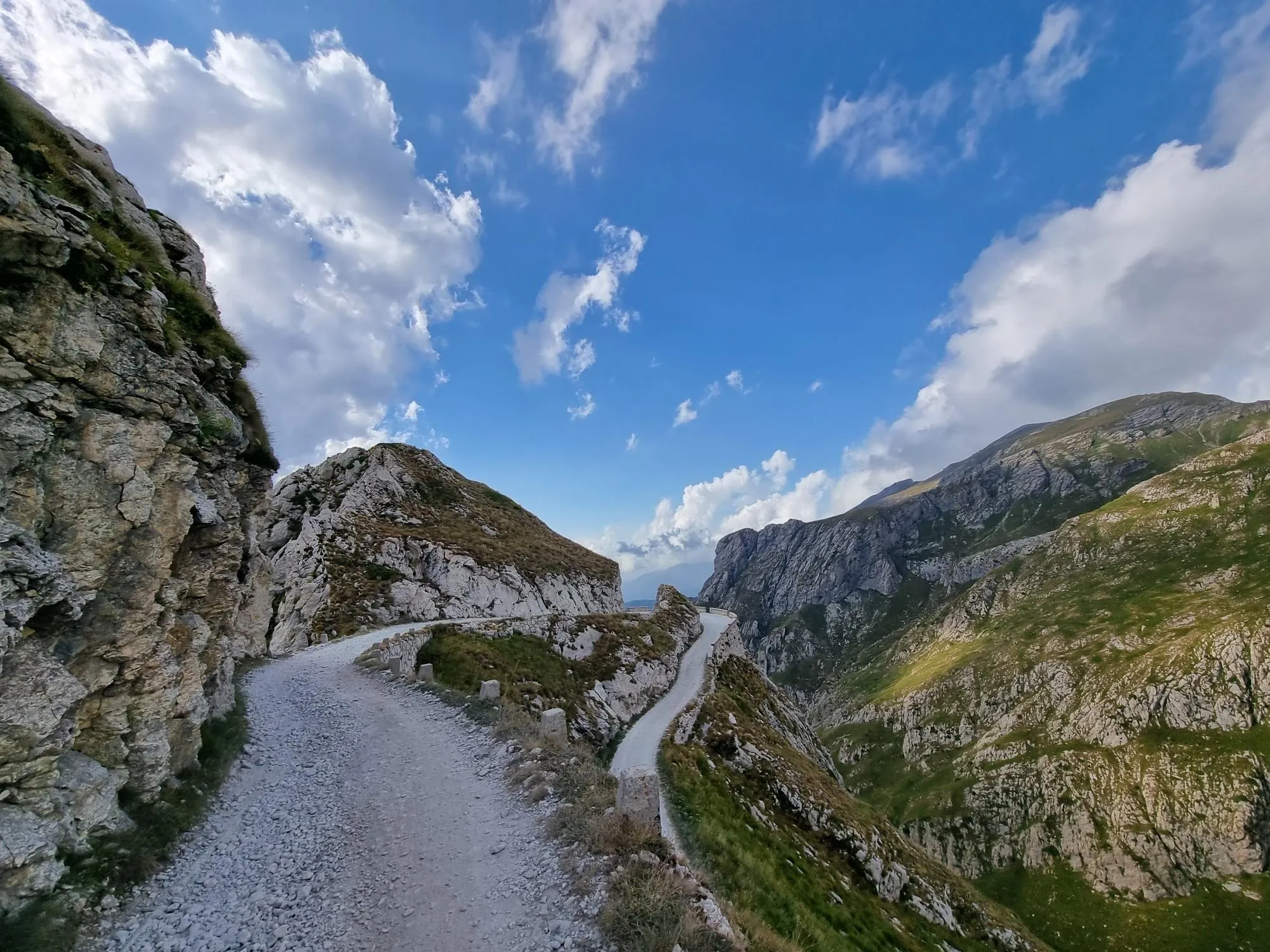
Hunting for white gold in the Mediterranean Alps – Alta Via del Sale
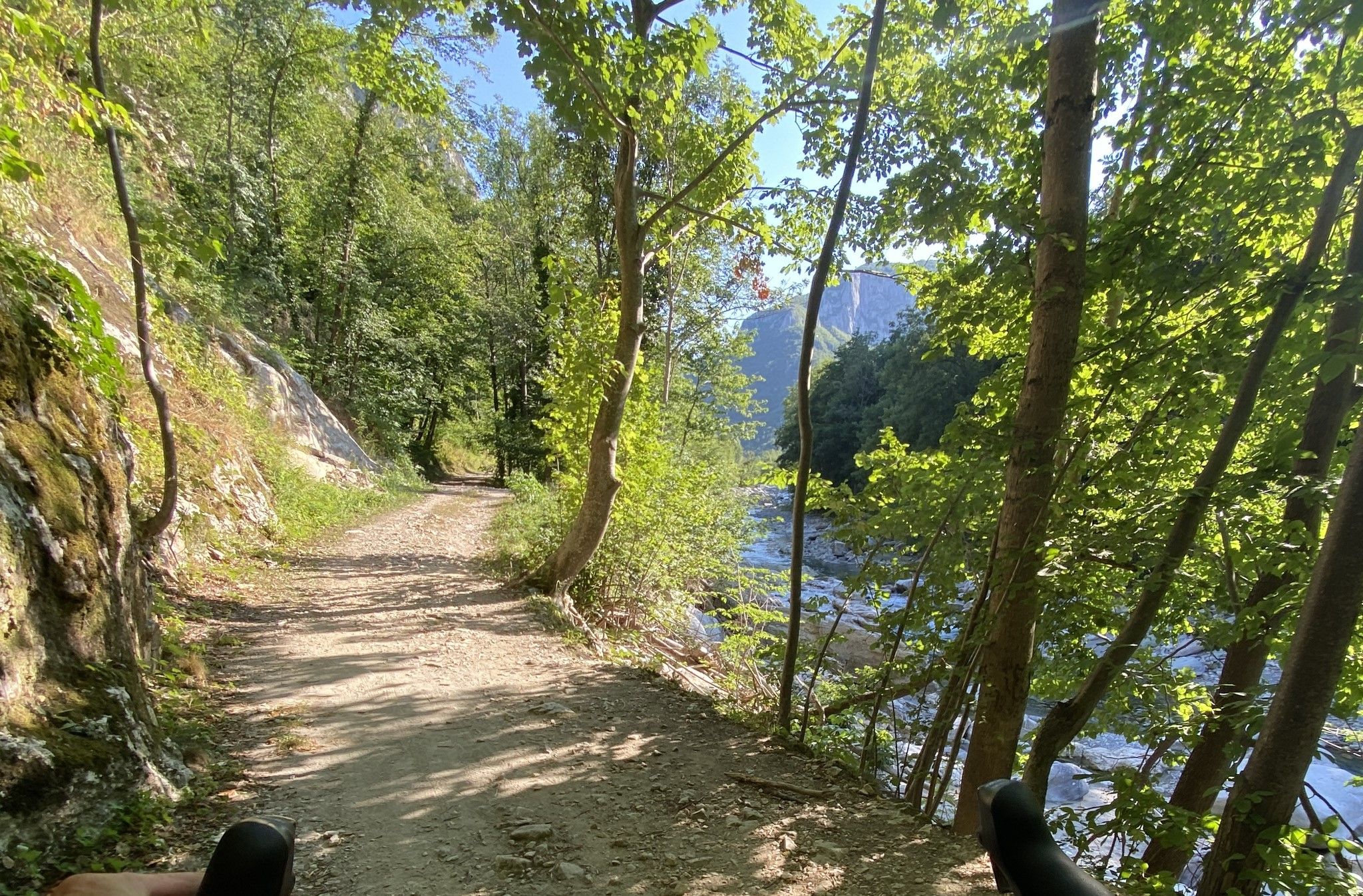
Cycling along the Tanaro River – Grantanarando
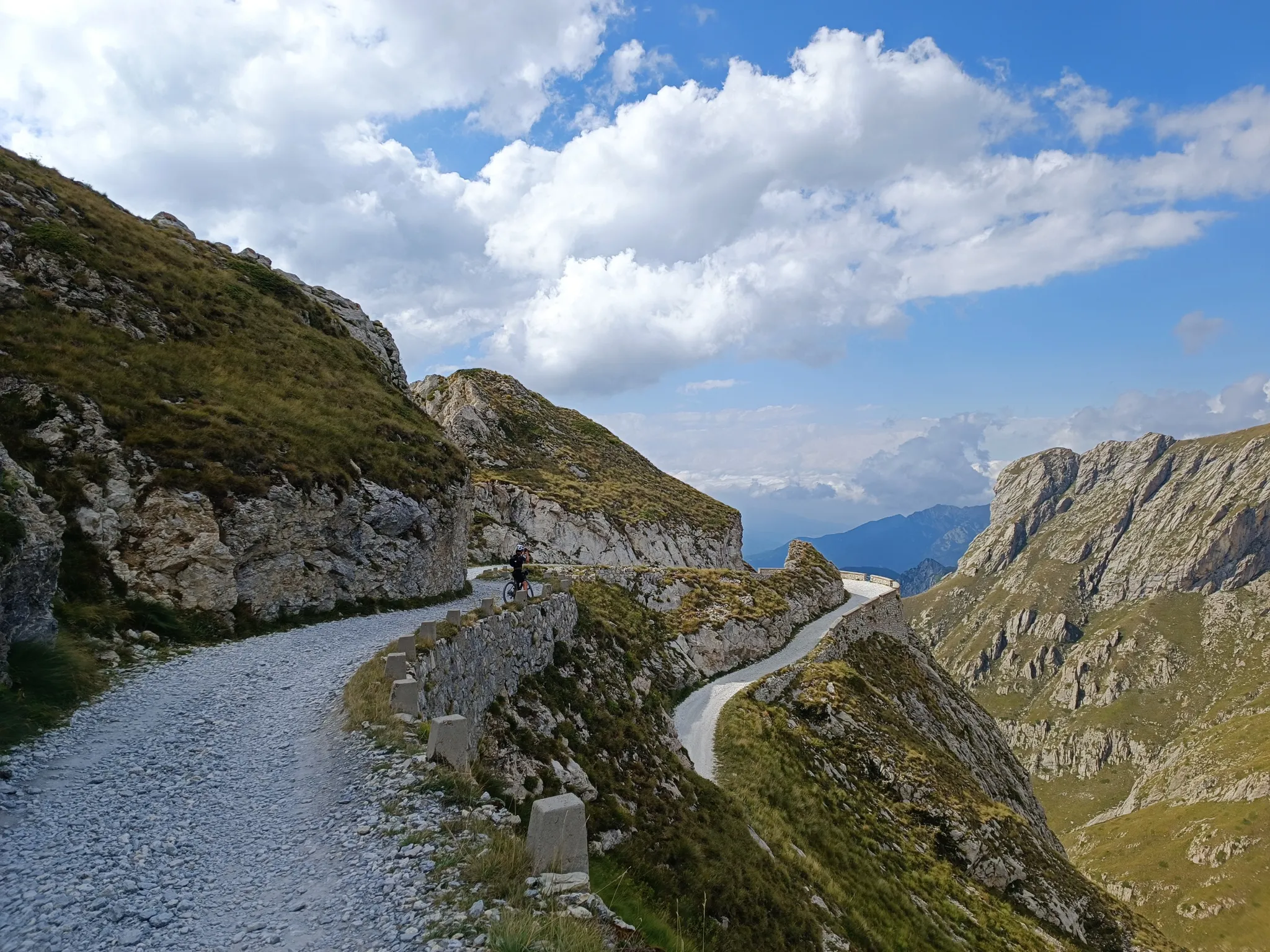
Gravel roads and serpentines – Mediterranean Alps Cycle Route
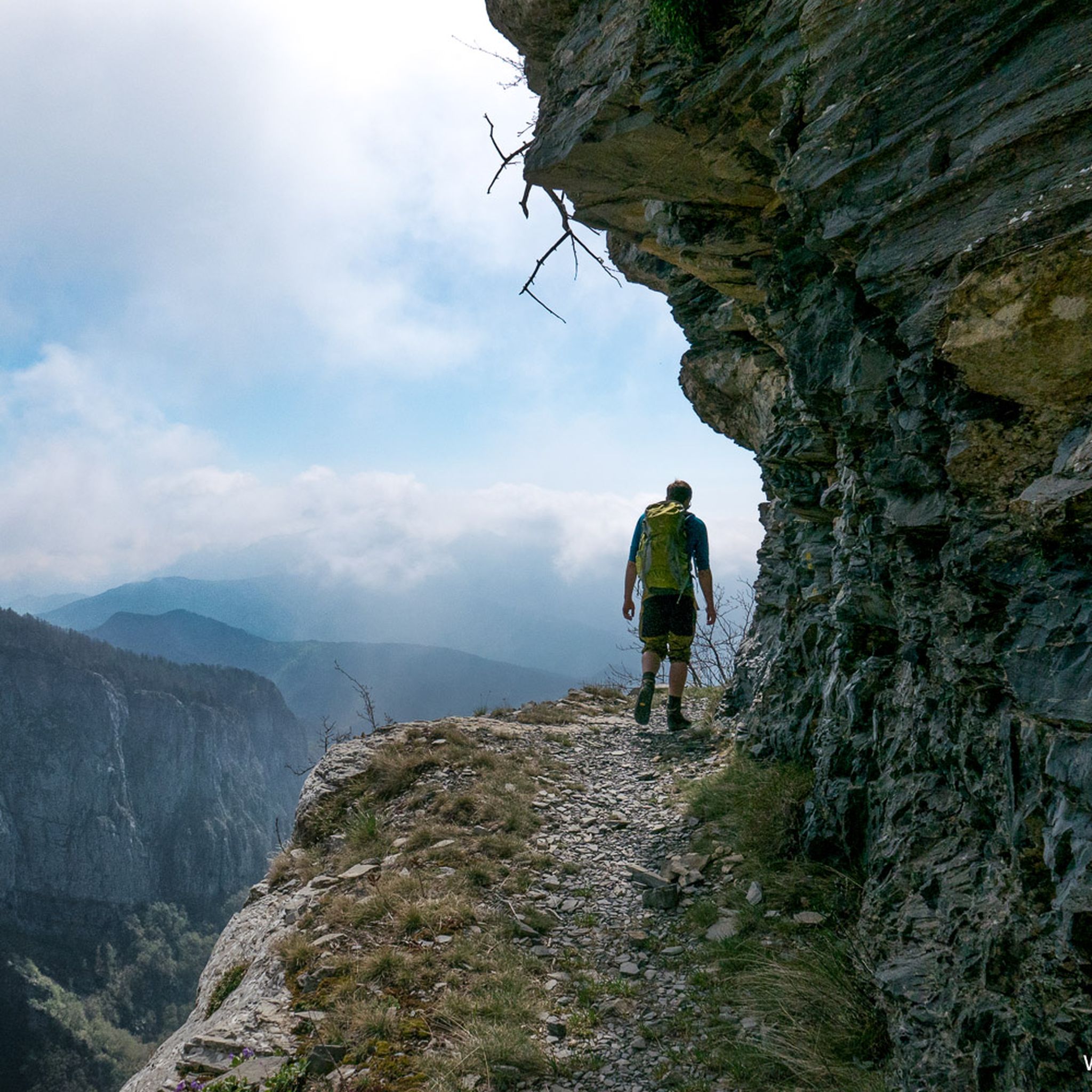
Hiking around Triora
MTB Trails around Triora
Road Cycling Routes around Triora
Cycling around Triora
Running Trails around Triora

Gravel biking around Triora

Mountain Hikes around Triora
Other adventures around Triora


Tips from the Community

🗺️ A legendary itinerary that takes you into the wild heart of the Ligurian Alps. You'll walk suspended between sky and rocks, along a military path carved into the mountain during the war. 😲⛰️ 🔹 Tip: Start early in the morning and bring a sweatshirt: even in summer, the air up here is crisp! 🧥☀️ When you reach the summit, stop in silence and listen to the wind... the view will take your breath away: sea, mountains, wild valleys, and, if you're lucky, chamois roaming free! 🦌🌄
0
0

Ideal itinerary in autumn for the breathtaking colors or in spring for the awakening of nature. Not recommended in summer, while in winter it can be done with crampons and technical clothing to face possible snowfall or ice in the most exposed points.
0
0


An ancient meeting point for the people of the Rezzo, Impero, and Argentina valleys. From the pass, you can enjoy an incredible view; I recommend using an app to identify the peaks to orient yourself (e.g., PeakFinder, free). This wide, grassy saddle between Mount Arborea and Cima della Donzella is almost certainly the one mentioned several times by Italo Calvino in his novel "The Path to the Spiders' Nest."
3
0
famous and colossal statue of Christ the Redeemer on Saccarello. It dominates the entire Argentina valley and with its blessing includes it all. The towns below that you can see are Realdo and Verdeggia, and then little by little all the others. To the north instead Monesi.
2
0

Besides the monument to the Redeemer, there is a spectacular view, a drop of a few hundred meters onto the valley below
1
0

Officially closed in summer 2024. We didn't see the sign and continued walking anyway. Work is currently being done to make the path safer again.
0
0

Beautiful pass where you have to decide whether to go towards Monte Monega or Teglia Pass
0
0
Frequently Asked Questions
What makes the natural monuments around Triora unique?
The natural monuments around Triora are unique because they are primarily encompassed within the expansive Ligurian Alps Park and the Argentina Valley. This region offers a diverse ecosystem with mountainous landscapes, dense forests, and varied elevations. You can find everything from high mountain peaks like Monte Saccarello to deep valleys, rock walls, and underground cavities, all contributing to a rich natural heritage.
What are some of the most popular natural monuments to visit near Triora?
Among the most appreciated natural monuments are Sentiero degli Alpini, a challenging trail with panoramic views and sections cut into rock, and Colle d'Oggia, a mountain pass offering winding journeys through hilly landscapes. Visitors also enjoy Half Moon Pass, a wide, grassy saddle known for its incredible views and historical significance as a meeting point.
Are there challenging hikes or trails for experienced adventurers?
Yes, for experienced adventurers, the region offers challenging routes. The Sentiero degli Alpini is a notable example, featuring critical steps and sections where a rope attached to the rock is advisable. The ascent to the Statue of Christ the Redeemer on Monte Saccarello also presents a challenging climb to one of Liguria's highest peaks.
Can I find family-friendly natural attractions or easy trails?
While many trails in the Ligurian Alps can be challenging, there are options for families. The Vene del Tanaro Bridge and Cave offers an interesting tour that can be tackled as a family, though the cave itself is devoid of lighting. For easy hiking trails, consider the Anello di Loreto circular trail from Triora, which is an easy 5 km loop. You can find more details on Hiking around Triora.
What kind of wildlife can I expect to see in the natural monuments area?
The Ligurian Alps Park and Argentina Valley are rich in wildlife. You might spot species such as the golden eagle, capercaillie, black woodpecker, chamois, wildcat, and wolf. The rocky cliffs of the Argentina Valley are also home to ornithological species like the peregrine falcon and the eagle-owl, making it a Special Protection Area for birdwatching.
Are there any caves or interesting geological sites to explore?
Yes, the region features several geological sites. The Vene del Tanaro Bridge and Cave is a specific highlight where you can visit a cave, though it requires appropriate equipment due to lack of lighting. The Ligurian Alps Park also contains other underground cavities like Gole delle Fascette, dell'Incisa, and Grotta della Melosa, and Monte Gerbonte is known for its natural cavities and karstic channels.
What is the best time of year to visit the natural monuments around Triora?
The Ligurian Alps Park offers natural beauty throughout the year. Spring and autumn are ideal for hiking, with pleasant temperatures and vibrant flora or colorful foliage. Summer provides warmer weather for higher altitude exploration, while winter offers opportunities for snow activities, though some challenging trails like Sentiero degli Alpini should be avoided after rain or with frozen ground.
What outdoor activities can I do near these natural monuments besides hiking?
Beyond hiking, the area around Triora offers various outdoor activities. You can explore numerous running trails, with options like the Monesi di Triora – Pas du Tanarel loop. Road cycling is also popular, with routes such as the Poggio di Sanremo Climb. For more details on these activities, you can check the Running Trails around Triora and Road Cycling Routes around Triora guides.
Are there any historical sites integrated with the natural monuments?
Yes, several natural monuments have historical significance. The Sentiero degli Alpini is a historical trail that runs along the border between Italy and France. Half Moon Pass has been an ancient meeting point for people from various valleys since prehistoric times. Additionally, the Statue of Christ the Redeemer on Monte Saccarello is a 20th-century monument placed on one of Italy's highest peaks.
Are the trails around Triora generally dog-friendly?
While many natural areas in the Ligurian Alps are suitable for dogs, it's important to check specific trail conditions. For instance, the Sentiero degli Alpini is explicitly advised against for dogs due to critical steps. Always ensure your dog is on a leash and that you adhere to any local regulations within the Ligurian Alps Park to protect wildlife and other visitors.
Where can I find panoramic viewpoints in the Triora natural monuments area?
The region is rich in panoramic viewpoints. The Statue of Christ the Redeemer on Monte Saccarello offers breathtaking views from Liguria's highest peak. Colle d'Oggia and Half Moon Pass are also known for their incredible vistas. The Sentiero degli Alpini provides great views all the way to the Mediterranean on clear days.
What are the main natural features of the Argentina Valley?
The Argentina Valley, where Triora is located, is characterized by its wild natural landscapes, dense forests, and abundant water and wildlife. The Argentina creek, despite its reduced flow, hosts a variety of fish. The valley's rocky cliffs are home to raptors like the peregrine falcon and eagle-owl, and the dramatic landscape of the Upper Argentina Valley features steep gradients and ancient hamlets, offering a sense of untouched wilderness.
Most popular attractions around Triora

Get inspired with the komoot mobile app


Explore more
Extend your search for the best caves by checking out these guides of the top ones around Triora:
