Top 20 Natural Monuments around Pieve del Grappa
Best natural monuments around Pieve del Grappa are situated at the foot of the Monte Grappa massif, between the Brenta and Piave rivers. This region is recognized as a UNESCO Biosphere Reserve, known for its diverse landscapes and rich biodiversity. It features over 1300 species of flora, encompassing Mediterranean, Alpine, and boreal varieties, alongside wildlife such as roe deer and chamois. The area offers a range of natural attractions for exploration.
Best natural monuments around Pieve del Grappa
- The most…
Last updated: October 1, 2026
Cà Tasson – Garden of Remembrance and Arditi Memorial
Highlight • Historical Site
Translated by Google •
Tip by

Col del Fenilon
Highlight • Monument
Translated by Google •
Tip by

Sign up now to discover places like this
Get recommendations on the best single tracks, peaks, & plenty of other exciting outdoor places.
Monte Tomba Summit
Highlight • Summit
Translated by Google •
Tip by

Summit of Monte Colombera
Highlight • Summit
Translated by Google •
Tip by

Castagner del Balech
Highlight • Natural Monument
Showing Translation
Tip by

Sign up for free to discover even more natural monuments around Pieve del Grappa.
Already have an account?
Start today with a free account
Your next adventure awaits.
Popular around Pieve del Grappa
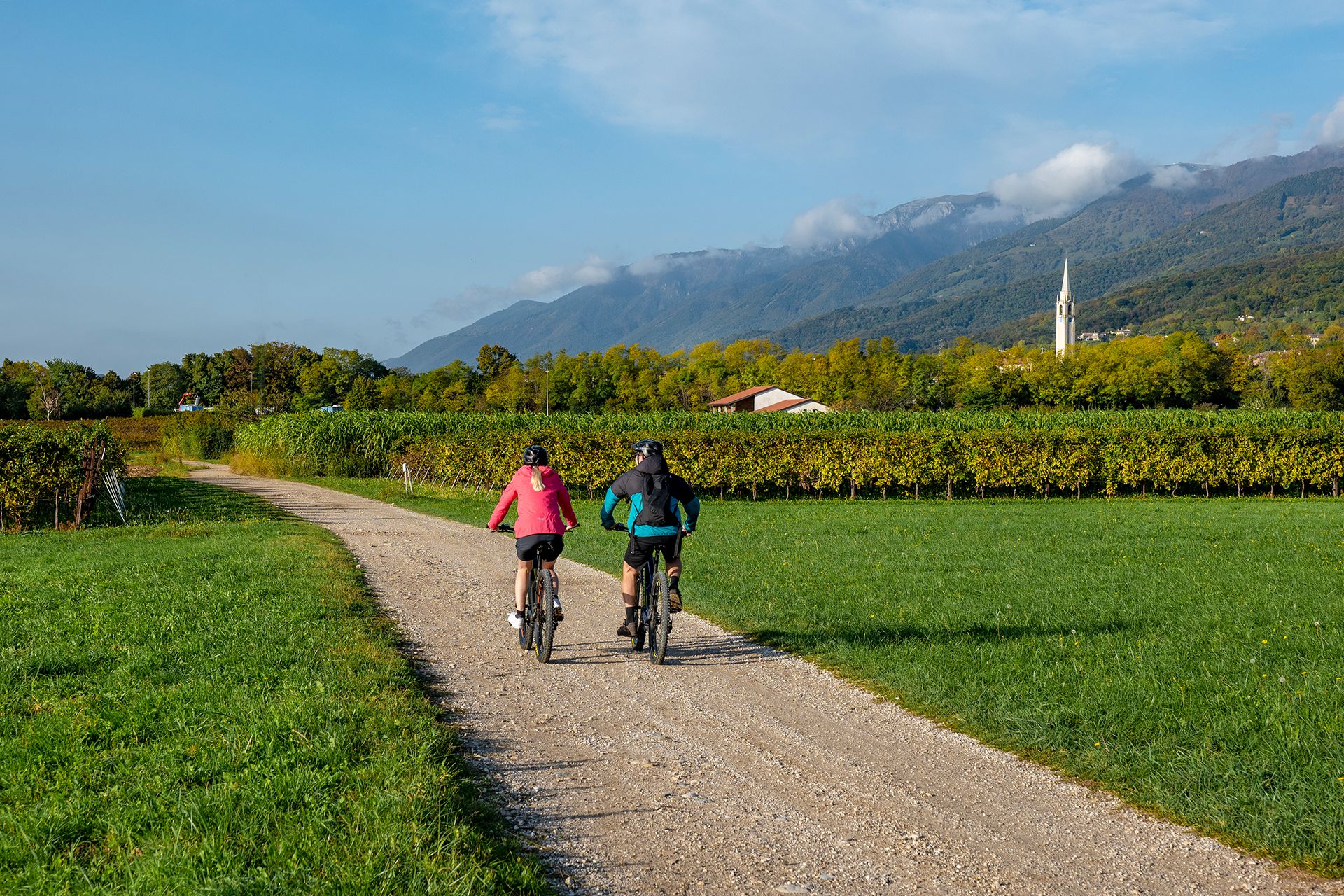
Cycling in the presence of Grappa – where nature and culture meet
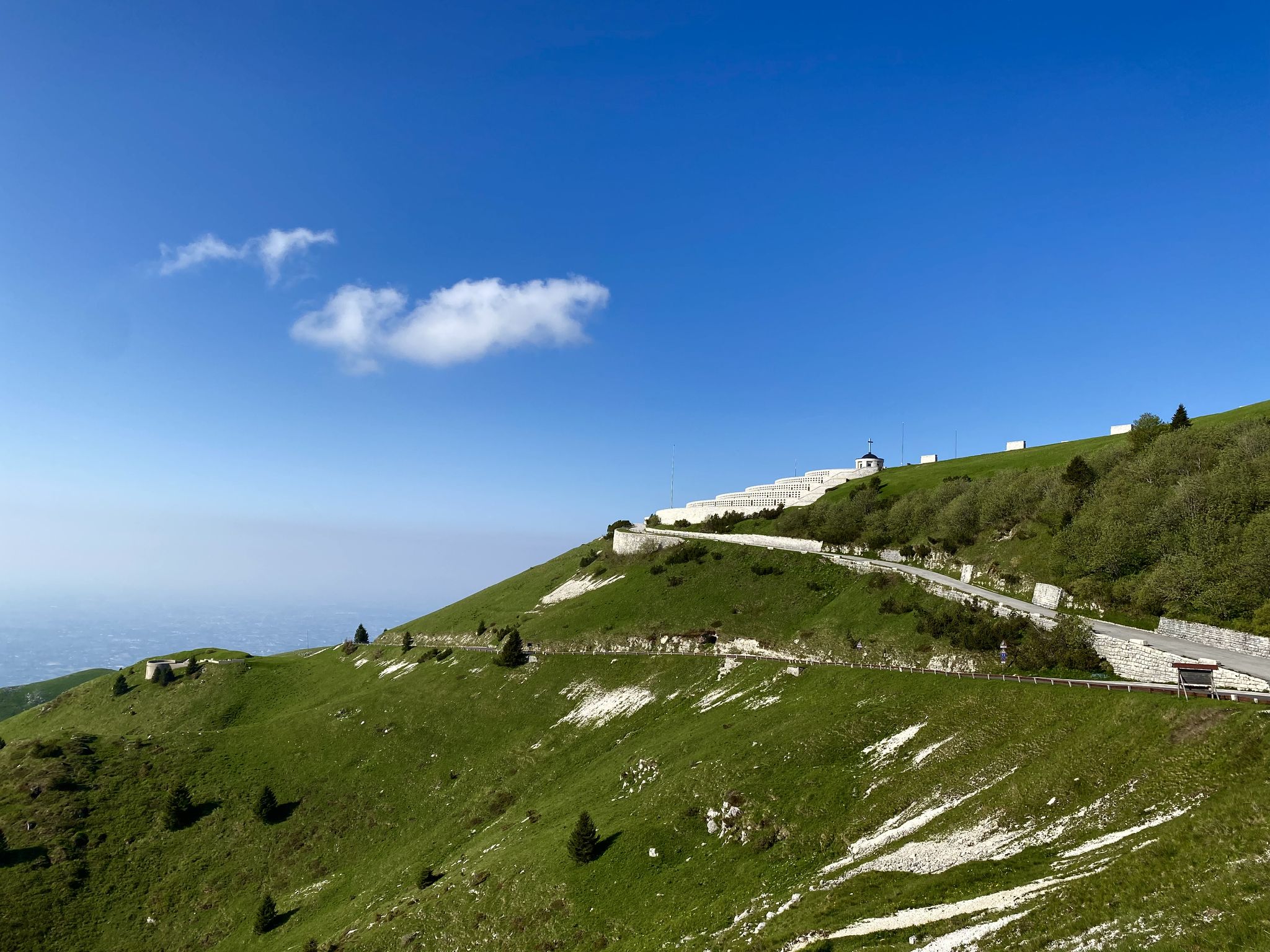
Alpine meadows and mountain pastures – 10 ascents of Mount Grappa
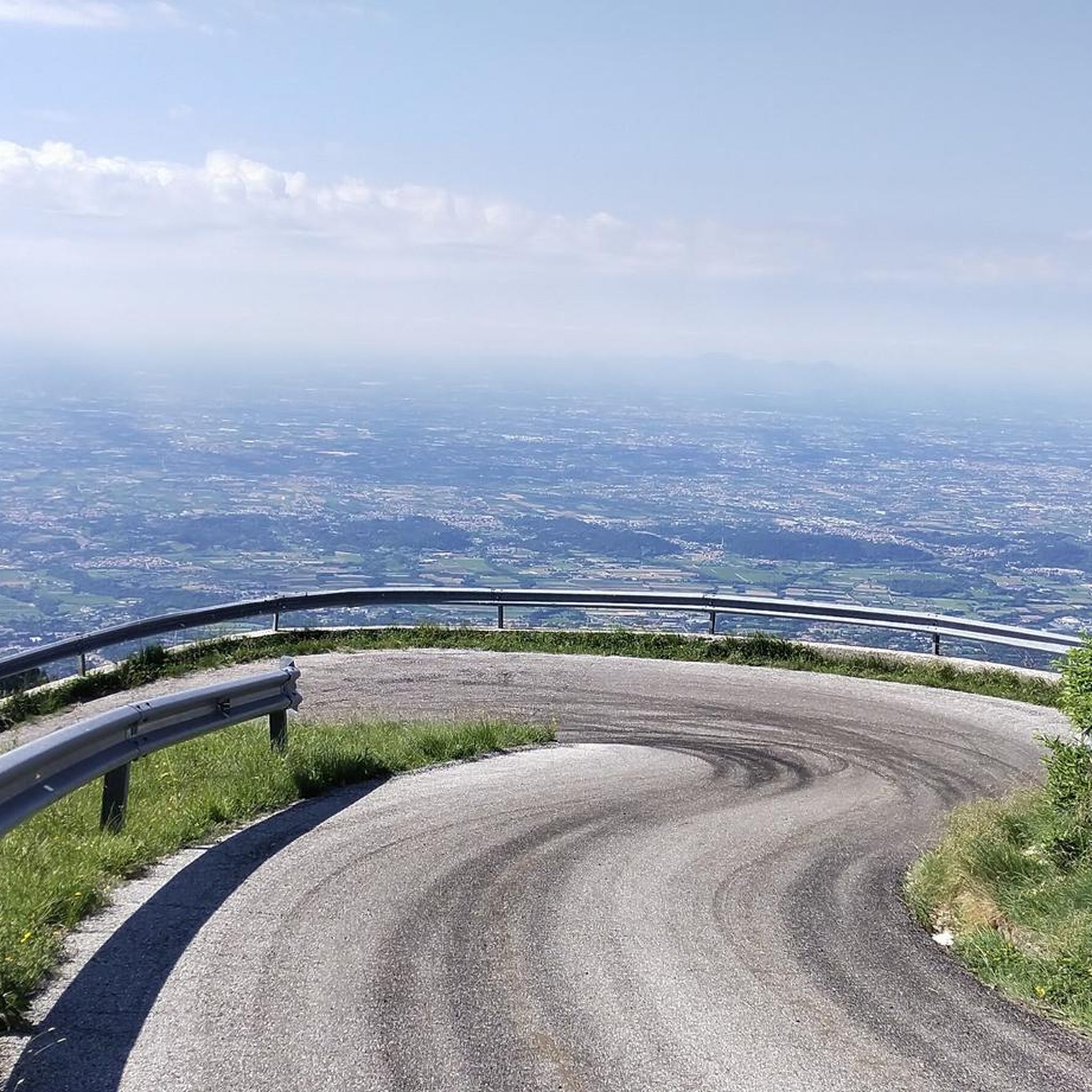
Hiking around Pieve del Grappa
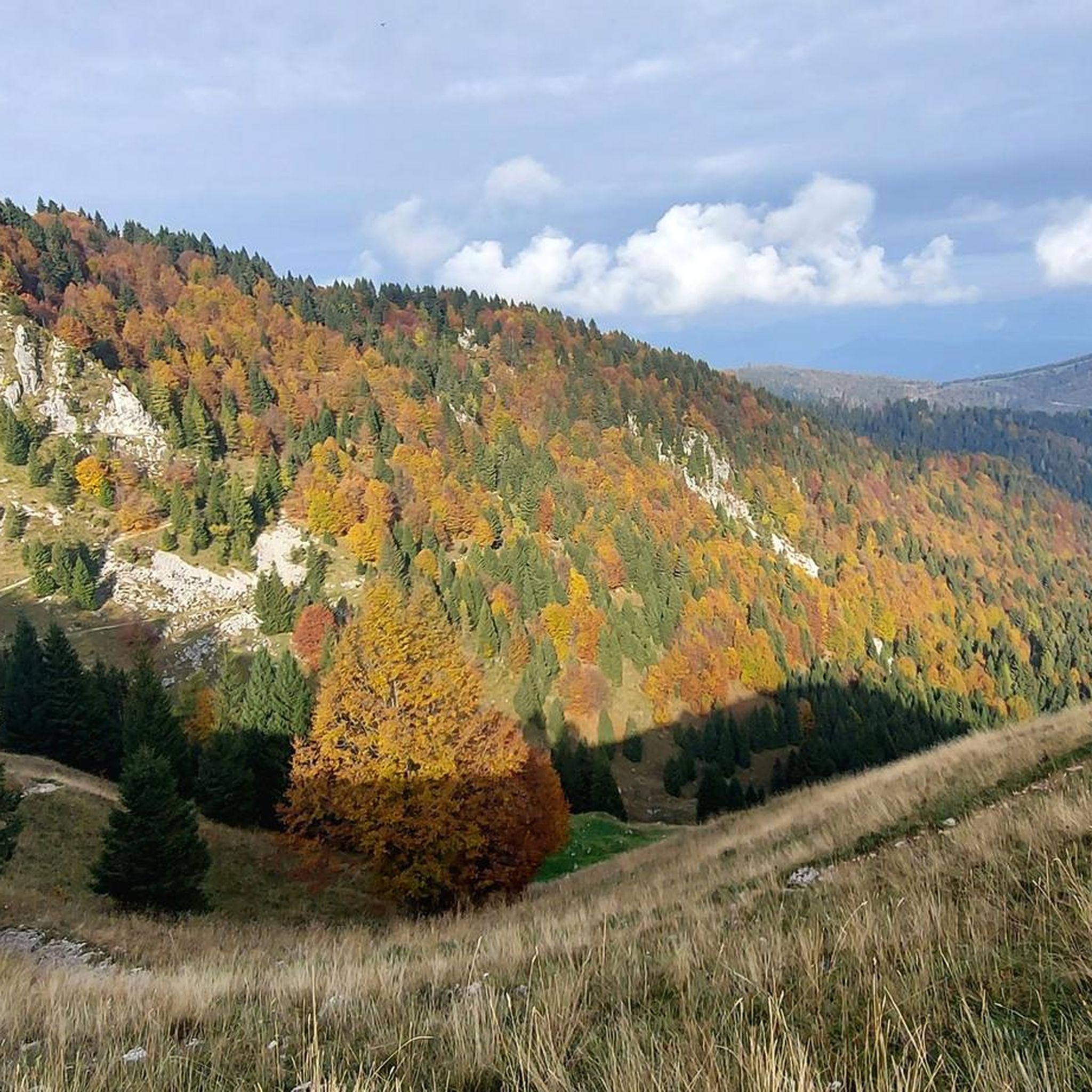
Running Trails around Pieve del Grappa
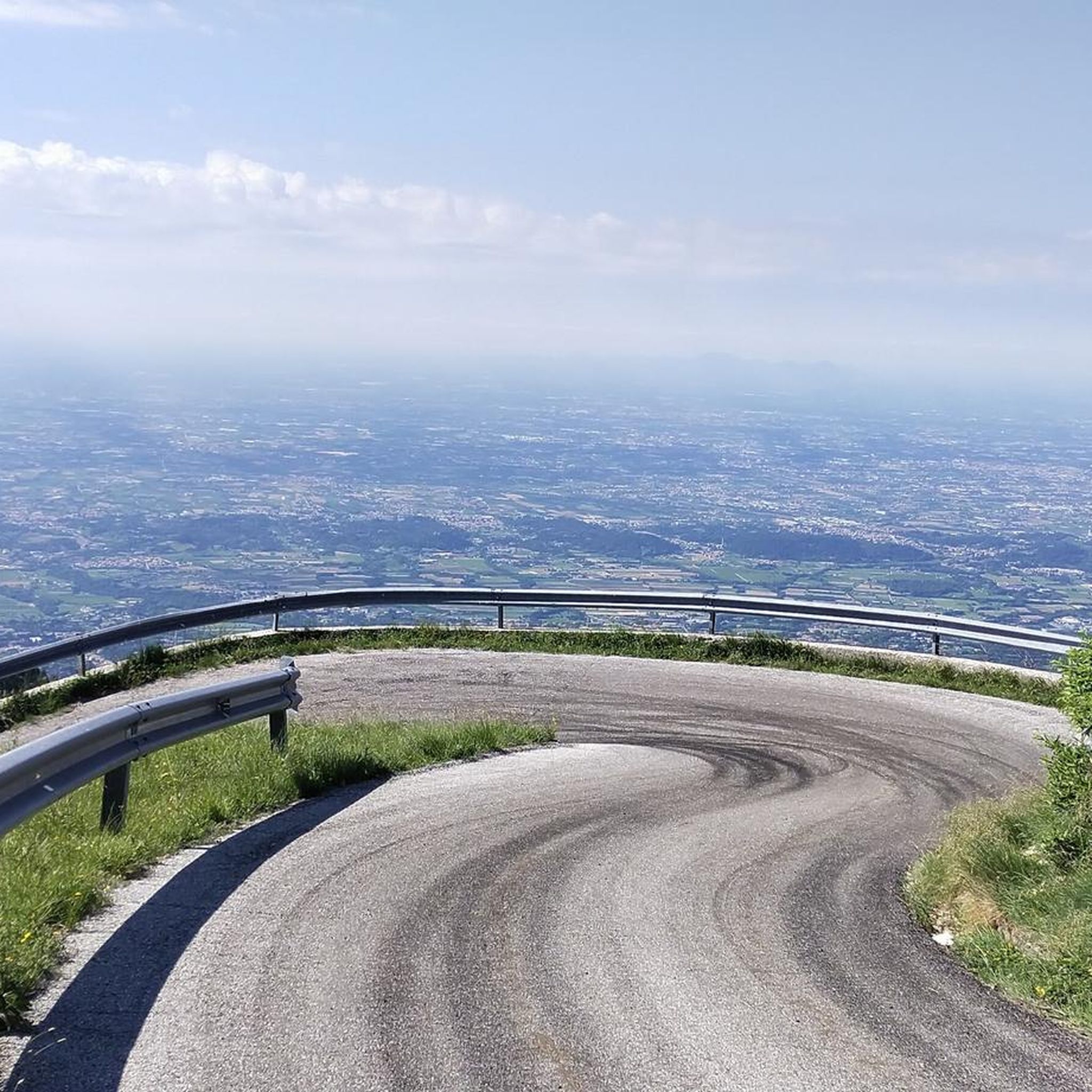
Cycling around Pieve del Grappa
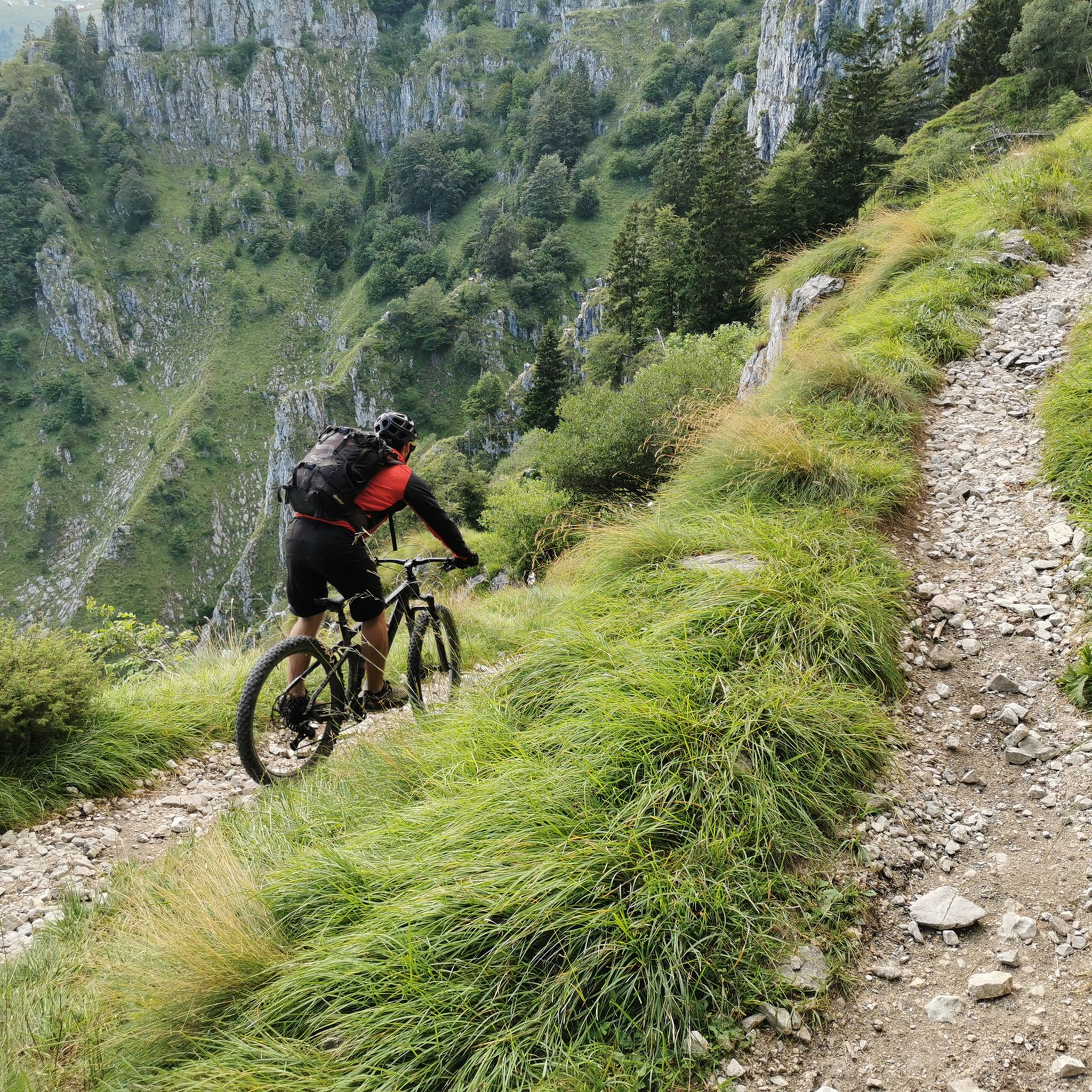
MTB Trails around Pieve del Grappa
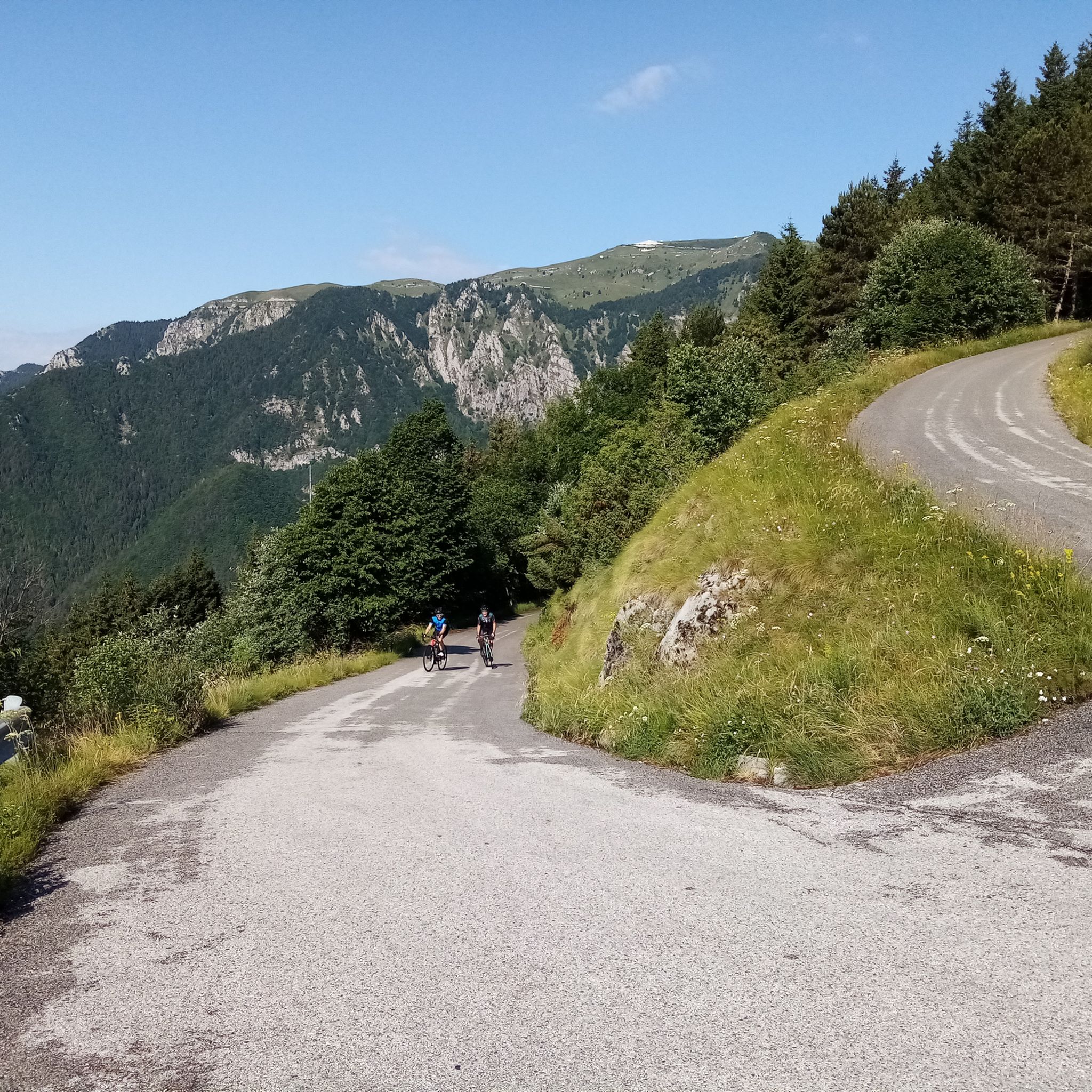
Road Cycling Routes around Pieve del Grappa

Gravel biking around Pieve del Grappa
Mountain Hikes around Pieve del Grappa


Tips from the Community

Il Castagner del Balech is much more than just a monumental tree; it is a silent guardian of Belluno's collective memory. Located on the slopes of Monte Serva, this majestic chestnut tree has become famous for the bicycle it shelters among its branches, now almost entirely incorporated into the trunk. Legend has it that a local young man, called to the front during the Great War, hung his bike on the branches to find it upon his return. As the soldier never returned, nature continued its course, lifting the bicycle and enveloping it in an eternal embrace of wood and bark. Today, the site represents a poetic union between human history and natural resilience, transforming into a living monument that moves hikers and visitors with its silent testimony of an unending wait.
0
0

Col Fenilon is a green, rounded hill rising among the Colli Alti, offering a splendid 360° panorama, even better than the more famous (and lower) Col Moschin: the view extends over the plain, Bassano and the Brenta Valley, the Asiago Plateau, the Lagorai, Mount Grappa, and, on the horizon, the Dolomites. During the First World War, the Colli Alti del Grappa (including Col Fenilon and Col Moschin) were a crucial and extreme point of Italian resistance defending the plain. In June 1918, they were conquered by the Austro-Hungarians, and later retaken by the Italians in a lightning-fast and legendary action. The name derives from "buon fieno" (good hay), due to the excellent mountain pastures it has provided for centuries.
0
0

Memory Road...no comments needed 🙏
0
0

The top of Mount Colombera offers breathtaking views of the Grappa Massif and the plain below. Along the paths that lead to the top, you can find historical evidence of the First World War, which make Mount Colombera not only a natural attraction, but also a place of memory and reflection.
0
0


The large cross of Col del Fenilon (1327 m) is in memory of the fallen and heroic deeds that characterized these places during the First World War. From here the view is truly magnificent. You can admire in one fell swoop the plain up to the sea, the Brenta Valley, the Asiago Plateau and the Grappa peak.
0
0

The little road that goes up with the mountains in the background is a wonderful image. In any case, following it you will arrive at the miet tavern, instead of taking the asphalt road.
0
0

Just get up a few meters above the main road and a spectacular panorama opens up as if by magic, highly recommended
0
0
Frequently Asked Questions
What are the most prominent natural monuments to visit around Pieve del Grappa?
The region around Pieve del Grappa is rich in natural beauty. Key natural monuments include the majestic Monte Grappa Massif, a UNESCO Biosphere Reserve known for its biodiversity and panoramic views. Other notable spots are the Monte Tomba Summit and the Summit of Monte Colombera, both offering expansive vistas of the Grappa Massif and the plain below.
Are there any educational natural attractions suitable for families in the area?
Yes, the Astego Vegetation Garden, located at the foot of Monte Grappa, is an excellent educational facility. It replicates various natural environments of the Grappa region and features a stream, sensory path, labyrinth, and balancing course, making it engaging for families and schools. Additionally, Monte Tomba Summit is listed as family-friendly.
What kind of wildlife can I expect to see in the Monte Grappa Massif?
The Monte Grappa Massif is a 'treasure chest of biodiversity.' Visitors often spot wildlife such as roe deer, chamois, and even golden eagles along its mountain paths. The area is home to over 1300 species of flora, including a unique mix of Mediterranean, Alpine, and boreal varieties.
Are there hiking trails near these natural monuments?
Absolutely. The Pieve del Grappa area offers numerous hiking opportunities. You can find trails like the 'Sentiero del Monte Meatte' or explore routes that lead through historical sites. For more detailed information and specific routes, you can check the Hiking around Pieve del Grappa guide.
What other outdoor activities can I do near the natural monuments?
Beyond hiking, the region is excellent for cycling and gravel biking. You can find routes like 'Paderno del Grappa between dirt roads with views towards Asolo' for cycling or 'Possagno to Mount Grappa via trail 105' for gravel biking. Explore more options in the Cycling around Pieve del Grappa and Gravel biking around Pieve del Grappa guides.
Do any natural monuments in Pieve del Grappa have historical significance?
Yes, many natural monuments in the region are intertwined with history. The Monte Grappa itself holds a significant past, particularly related to the World Wars. The Monte Tomba Summit also features testimonies of the Great War, combining natural beauty with historical importance. Similarly, Cà Tasson – Garden of Remembrance and Arditi Memorial is a historical site within a natural setting.
What are some less-known natural points of interest in Pieve del Grappa?
Beyond the major peaks, you can explore the picturesque San Liberale Valley with its inviting trails, or discover the mysterious Bus de Refos Cave, which offers a glimpse into the area's geological wonders. The Castegner dea Madoneta Forests also provide a serene environment for tranquil walks.
What kind of views can I expect from the summits?
The summits in the Pieve del Grappa area offer breathtaking panoramic views. From Monte Grappa, you can see from Venice all the way to the Dolomites. The Summit of Monte Colombera provides stunning views of the Grappa Massif and the plain below, while Col del Fenilon offers a magnificent 360° panorama extending over the plain, Bassano, the Brenta Valley, and the Asiago Plateau.
Is the Pieve del Grappa region suitable for nature photography?
Absolutely. With its diverse landscapes, from the expansive views of the Monte Grappa Massif to the serene forests and unique flora, the region offers countless opportunities for nature photography. The komoot community has shared 35 photos of these natural monuments, showcasing their beauty.
What is the best time of year to visit the natural monuments around Pieve del Grappa?
The tours at the foot of Monte Grappa, around Asolo, Bassano del Grappa, and Marostica, can be enjoyed in all seasons. However, for higher elevations and extensive hiking, spring and autumn generally offer the most pleasant weather. Summer is also popular, while winter can provide unique snowy landscapes, though some paths might be less accessible.
Are there any natural monuments that are particularly good for a short walk or easy access?
While many trails lead to summits, areas like the Astego Vegetation Garden are designed for easy access and educational walks. For a short, rewarding experience, even just getting a few meters above the main road near Monte Tomba Summit can open up a spectacular panorama without a strenuous climb.
Most popular routes around Pieve del Grappa
Most popular attractions around Pieve del Grappa

Get inspired with the komoot mobile app


Explore more
Extend your search for the best caves by checking out these guides of the top ones around Pieve del Grappa:
