Top 16 Natural Monuments around Maserà Di Padova
Best natural monuments around Maserà Di Padova are found within a region characterized by agricultural plains and canals, with the Euganean Hills forming a prominent backdrop. The surrounding Province of Padua offers diverse natural attractions and geological features. These sites are often a short distance from Maserà Di Padova, providing opportunities to explore the area's natural beauty. The region includes volcanic hills, historic gardens, and thermal springs.
Best natural monuments around Maserà Di Padova
- The most popular natural monuments is…
Last updated: June 28, 2026
Valsanzibio Gardens
Highlight • Natural Monument
Translated by Google •
Tip by

Monte Ceva Summit Cross
Highlight • Summit
Translated by Google •
Tip by

Sign up now to discover places like this
Get recommendations on the best single tracks, peaks, & plenty of other exciting outdoor places.
Sign up for free
Mount Pirio
Highlight • Viewpoint
If you pass by here, a stop for some photos is a must!
Translated by Google •
Tip by
Barbarigo-Pizzoni Ardemani Garden
Highlight • Historical Site
Translated by Google •
Tip by

Botanical Garden of Padua
Highlight • Natural Monument
Translated by Google •
Tip by

Sign up for free to discover even more natural monuments around Maserà Di Padova.
Sign up for free
Already have an account?
Start today with a free account
Your next adventure awaits.
Login or Signup
Tips from the Community

One of the oldest garden complexes in Italy with ancient trees. Worth a visit for nature lovers.
0
0

A magical place in the heart of the Euganei Hills.
0
0

Monte Pirio, located in Torreglia, is one of the most spectacular peaks in the Euganean Hills Regional Park. At 328 meters, it stands out for its characteristic trachyte walls that emerge among the vineyards, creating a landscape of strong geological contrast. From its summit, you can enjoy an extraordinary view that ranges from the imposing Praglia Abbey to the reliefs of Monte Pendice and Monte Venda. The trails that cross it are immersed in Mediterranean scrub and chestnut groves, offering routes highly appreciated by hikers and mountain bike lovers. Pirio perfectly embodies the essence of the Euganean Hills, blending the wild nature of volcanic rocks with the centuries-old local winemaking tradition, representing a landmark for those seeking suggestive panoramas and tranquility just a stone's throw from Padua and the thermal centers.
0
0

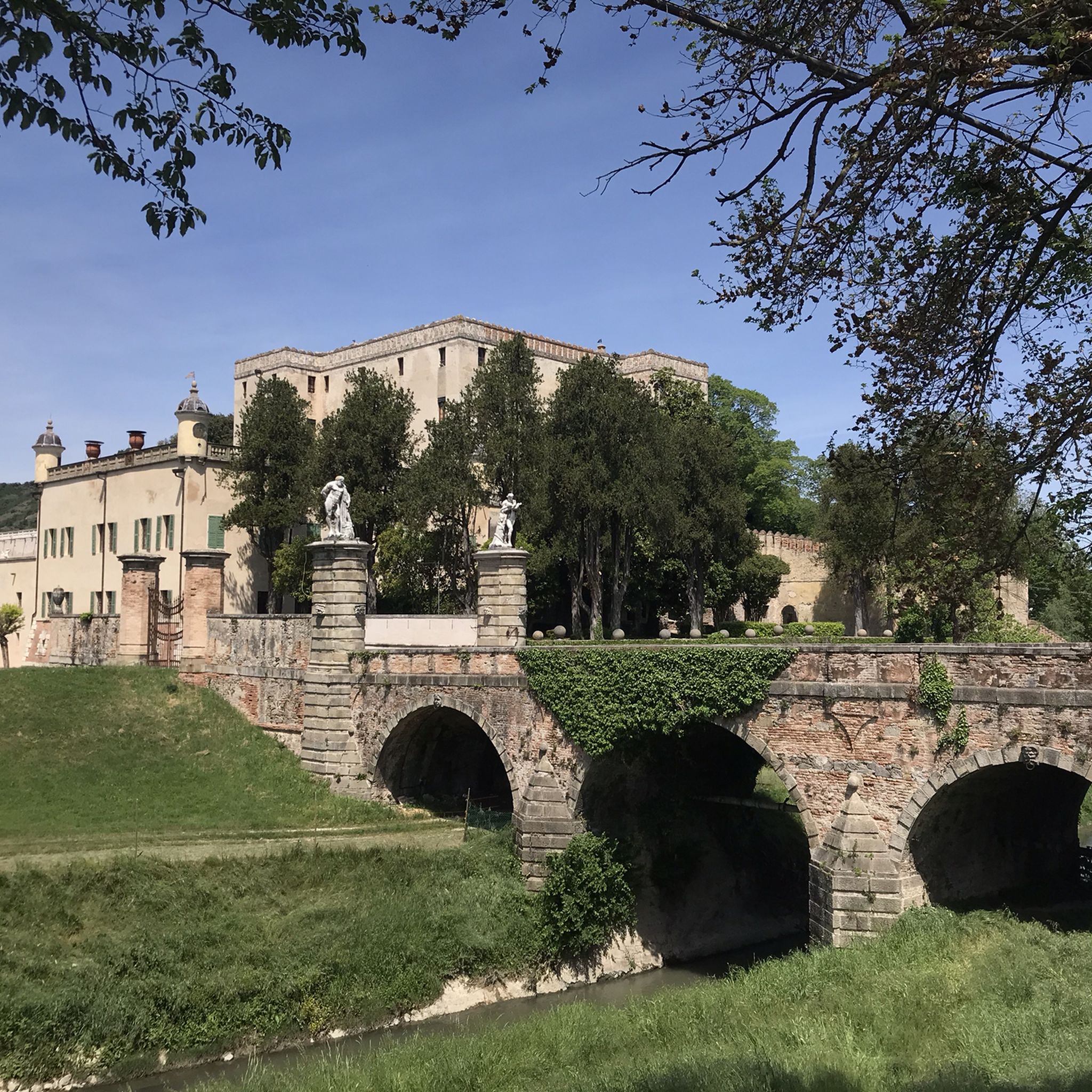
Valsanzibio was brought to splendor in the second half of the 17th century by the Venetian nobleman Zuane Francesco Barbarigo and his son Antonio following a solemn vow made in 1631 to escape the plague (1630/31). The eldest son, Gregory, a cardinal and future saint, inspired the lofty symbolism of the monumental layout by the papal architect and fountain designer Luigi Bernini and wanted the garden of Valsanzibio to be a monumental emblem of the path to perfection that leads man from Error to Truth, from Ignorance to Revelation. Over sixty statues, mostly by Merengo, and an equal number of smaller sculptures are integrated into the architecture, waterfalls, fountains, and water features on 15 hectares of unspoiled hillside nature.
1
0


The grounds are still charming. The greenery and water offer peace and relaxation. Right next door is the fantastic new biodiversity greenhouse. Included in the price. For me, that's the real attraction of the garden.
1
0
The world's oldest botanical garden is marketed to tourists like many other historical sites. But 1545 is long gone, and other botanical collections around the world, especially Kew Gardens in London, have long since surpassed it. What truly stands out in Padua and makes a visit very worthwhile is the biodiversity greenhouse, only 10 years old. Huge, fantastic. Included in the admission.
2
0

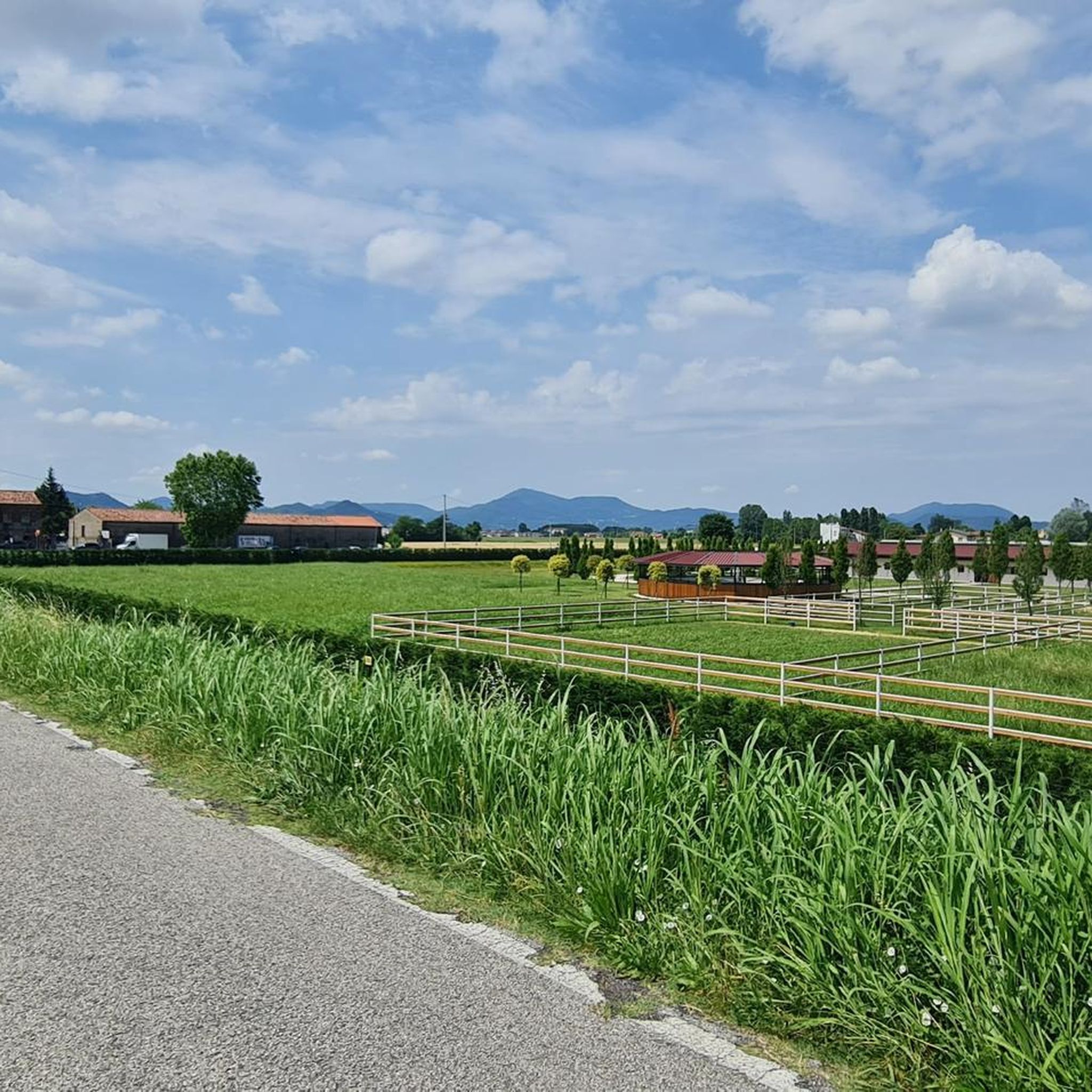
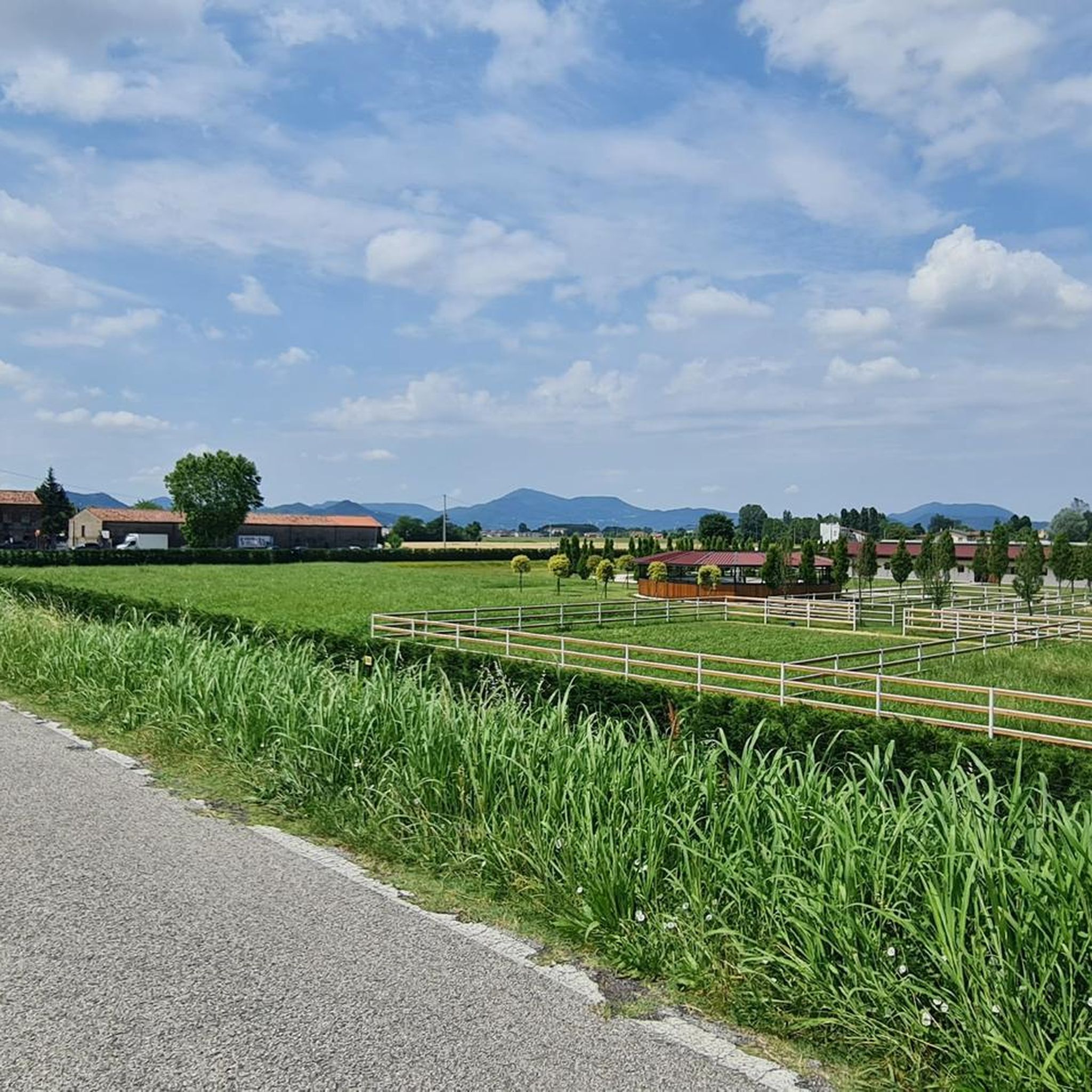
Beautiful view of the hills and the surrounding plain.
1
0
Frequently Asked Questions
What unique natural features can I explore near Maserà Di Padova?
The region around Maserà Di Padova is characterized by the unique volcanic landscape of the Euganean Hills, which offer rich biodiversity and panoramic views. You can also find significant thermal springs, such as those in Battaglia Terme, known for their therapeutic waters. The area's network of canals, like the Brentella Canal, also forms a notable natural and historical feature.
Are there family-friendly natural monuments to visit near Maserà Di Padova?
Yes, several natural monuments are suitable for families. The Valsanzibio Gardens and the Barbarigo-Pizzoni Ardemani Garden both feature intricate labyrinths and beautiful landscapes that children often enjoy. Additionally, the Botanical Garden of Padua offers an educational and engaging experience for all ages, showcasing a vast collection of plant species.
What kind of outdoor activities can I do near these natural monuments?
The Euganean Hills, a prominent natural feature, are ideal for various outdoor activities. You can find numerous trails for running, mountain biking, and gravel biking. The canals also offer opportunities for cycling along their banks and canoeing.
What is the best time of year to visit the natural monuments around Maserà Di Padova?
The spring and autumn months are generally ideal for visiting the natural monuments. During these seasons, the weather is pleasant for outdoor activities like hiking and cycling in the Euganean Hills, and the gardens are particularly vibrant with blooming flowers or rich autumn colors. Summer can be warm, while winter offers a quieter, often misty, landscape.
Are there any challenging natural monuments for experienced hikers?
Yes, for those seeking a challenge, the climb to Monte Ceva Summit Cross is highly recommended. It features rocky sections and a steep ascent, requiring appropriate footwear. The reward is a wonderful 360-degree panorama of the surrounding landscape.
Where can I experience thermal springs or natural grottoes?
The town of Battaglia Terme, located at the eastern edge of the Euganean Hills, is famous for its warm saline springs and a natural vapor grotto. These mineral-rich waters, emerging at approximately 80°C, are utilized for therapeutic treatments and relaxation. You can learn more about the area's thermal history and significance on Wikipedia.
What historical natural monuments are there in the area?
The region boasts several sites where nature and history intertwine. The Valsanzibio Gardens, a 17th-century historic garden, and the Barbarigo-Pizzoni Ardemani Garden are prime examples. Additionally, the Botanical Garden of Padua, founded in 1545, is the world's oldest university botanical garden and a UNESCO World Heritage site.
Can I visit natural monuments with my dog?
While many outdoor areas in the Euganean Hills are dog-friendly, specific rules may apply to protected areas, gardens, or nature parks. It's advisable to check the regulations for individual sites, such as the Euganean Hills Regional Park, regarding leashes and access before your visit.
Are there any natural monuments with historical significance related to thermal waters?
Yes, Montirone Park in Abano Terme is a historical site where ancient thermal springs once bubbled. It features restored stone pools where thermal water flows again, and its history dates back to Roman times when a temple dedicated to the god Aponus stood there, attracting visitors for its healing waters.
What do visitors particularly enjoy about the natural monuments near Maserà Di Padova?
Visitors frequently praise the stunning panoramic views from summits like Monte Ceva. The intricate designs and historical depth of gardens like Valsanzibio Gardens, with their labyrinths and fountains, also receive high acclaim. The unique blend of natural beauty and cultural heritage is a recurring highlight.
How accessible are the natural monuments by public transport from Maserà Di Padova?
While Maserà Di Padova itself is a smaller town, the broader Province of Padua has public transport options. However, reaching some of the more secluded natural monuments, especially within the Euganean Hills, might require a combination of public transport and a short drive or walk. For direct access, a car is often the most convenient option.
Most popular routes around Maserà Di Padova
Most popular attractions around Maserà Di Padova

Get inspired with the komoot mobile app


Explore more
Extend your search for the best caves by checking out these guides of the top ones around Maserà Di Padova:
