Top 4 Natural Monuments around Margherita Di Savoia
Best natural monuments around Margherita Di Savoia include the vast salt pans, a significant ecological site in Puglia. This region is characterized by its unique coastal landscape, shaped by centuries of salt production and natural processes. The area offers a blend of natural beauty and historical significance, making it a notable destination for outdoor exploration. It is recognized for its protected natural areas and diverse ecosystems.
Best natural monuments around Margherita Di Savoia
- The most popular natural monuments is Saline…
Last updated: July 12, 2026
Archaeological Park of Canne della Battaglia
Highlight • Historical Site
Translated by Google •
Tip by

Margherita di Savoia
Highlight • Settlement
Translated by Google •
Tip by

Sign up now to discover places like this
Get recommendations on the best single tracks, peaks, & plenty of other exciting outdoor places.
Sign up for free
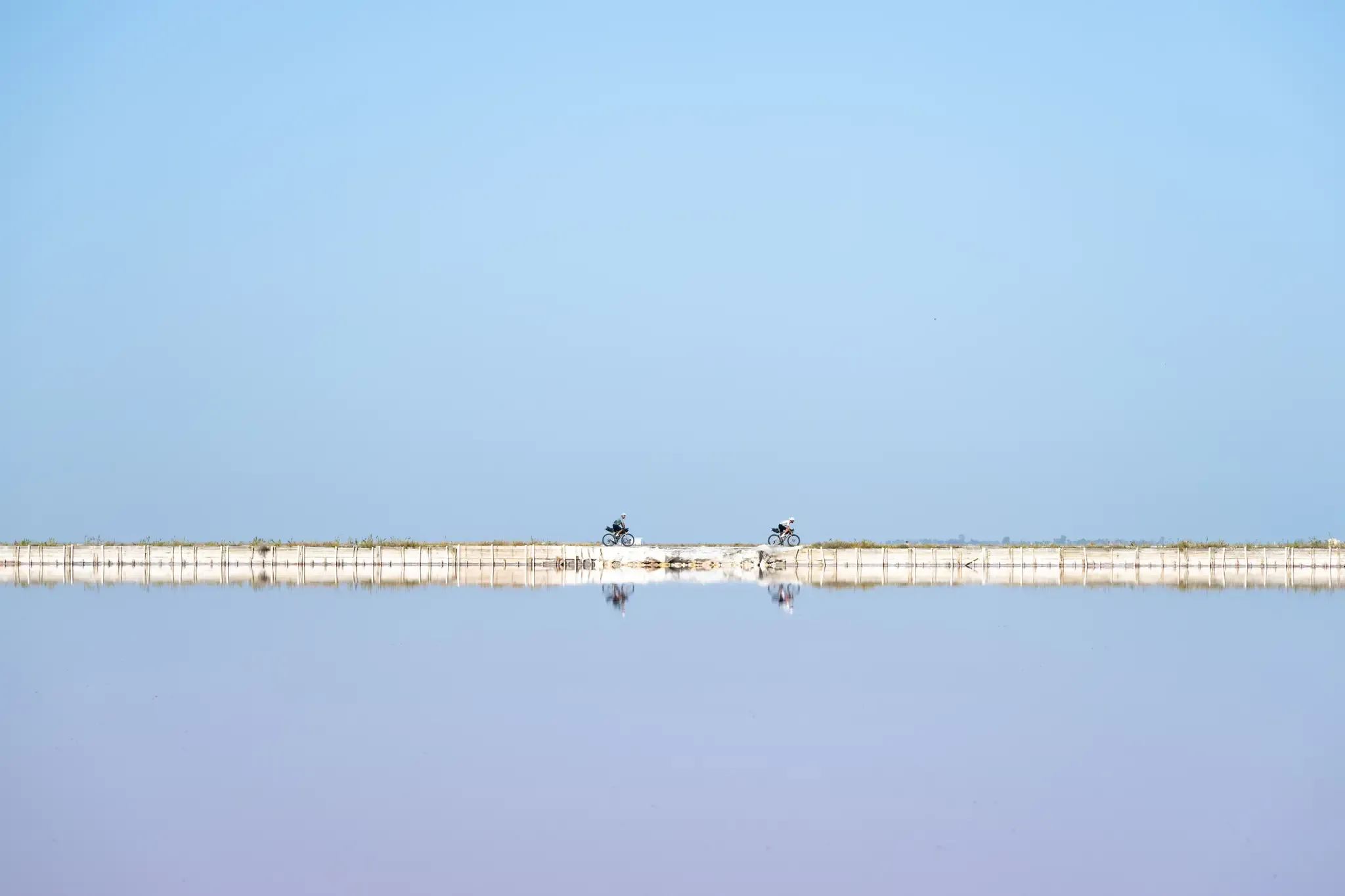
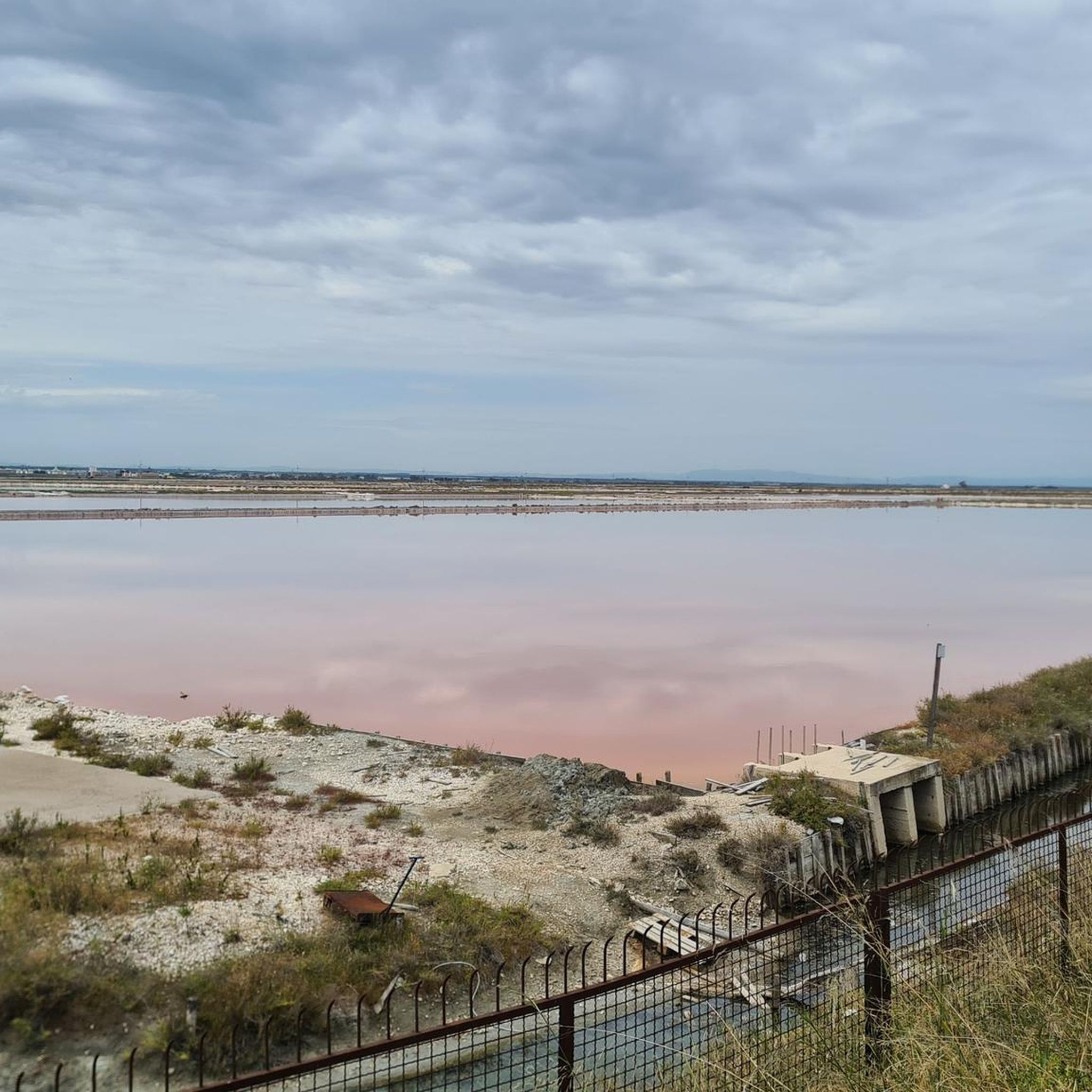
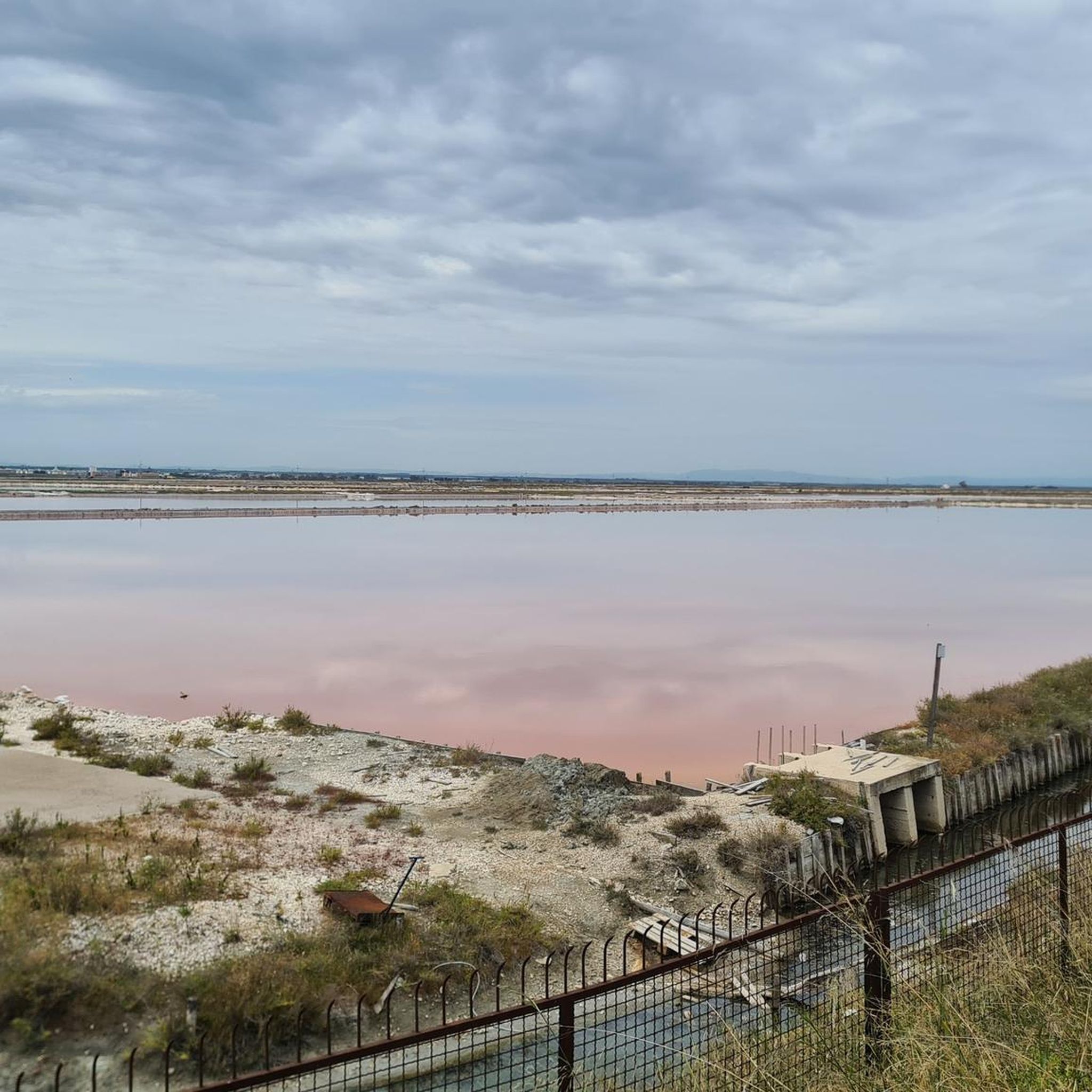
Saline di Margherita di Savoia
Highlight • Natural Monument
Translated by Google •
Tip by

Saline di Margherita di Savoia
Highlight • Structure
Translated by Google •
Tip by

San Ruggiero Fountain
Highlight • Monument
Translated by Google •
Tip by

Start today with a free account
Your next adventure awaits.
Login or Signup
Other adventures around Margherita Di Savoia

Tips from the Community

The site of Canne della Battaglia is mainly remembered for the decisive battle of 216 BC, fought between the Romans and Carthaginians during the Second Punic War. The hilly reliefs overlooking the Ofanto valley have been inhabited since the Neolithic period and continuously until the 3rd century BC, most likely in conjunction with the epic clash that disrupted the settlement patterns of the entire area. In Roman times, it is recalled in the sources as the emporium of Canusium, in whose shadow it lived until the latter's abandonment in the second half of the 9th century. From this moment, Canne began its most important historical phase, linked to the stabilization of Byzantine power in Puglia. Thanks to its strategic position, the Cannese village, likely built on a pre-existing Roman structure and known today as the 'Cittadella', was re-occupied from the late antique period and consolidated in the following centuries, around two main centers, the basilicas and the castle, also thanks to the establishment of a diocese, led, in the early 12th century, by Ruggero, the current patron saint of Barletta. The antiquarium annexed to the archaeological park was created in the late 1950s for the valorization and conservation of artifacts from excavations conducted in the area, starting from the Ventennio, a period of frenetic exaltation of Roman grandeur. Today's exhibition favors the narration of events related to the Second Punic War and the great battle that represented a trauma for the surrounding territory and for the indomitable Roman army. However, according to the current state of research, no archaeological documentation referring to the clash of 216 BC has yet been found, nor can the reconstruction of the landscape on these hills, as described by historical sources, particularly Livy and Polybius, be considered plausible. Rather, the site of Canne, in addition to being located in an area of great landscape and natural value, constitutes, to this day, one of the most interesting examples of abandoned medieval settlements in Italy.
0
0
An ancient watering hole with a large stone basin, located in a 17th-century building in a small valley of remarkable landscape value. It's a shame that the monument remains in a depressing state of neglect.
1
0

216 BC. Museum, ruins of the old city built on the site of the Carthaginian camp. Entrance to the museum is 6 euros. You can lock your bike nearby.
0
0

Huge salt fields, SP unfortunately without cycle path.
0
0
Huge salt fields. Unfortunately the SP has no cycle path or a short bumpy cycle path.
0
0
Impressive archaeological site, great history. Unfortunately I didn't read it carefully, unfortunately closed today.
3
0

The Antiquarium, located at the foot of the fortified citadel and the Archaeological Park, with the remains of the ancient Daunian settlement and the structures from the Roman, early Christian and medieval eras, today offer visitors a complex and fascinating itinerary.
1
0
We are located between the cities of Canosa and Barletta, the site is located on a hill overlooking the right bank of the Ofanto river.
1
0
Frequently Asked Questions
What makes the Saline di Margherita di Savoia a significant natural monument?
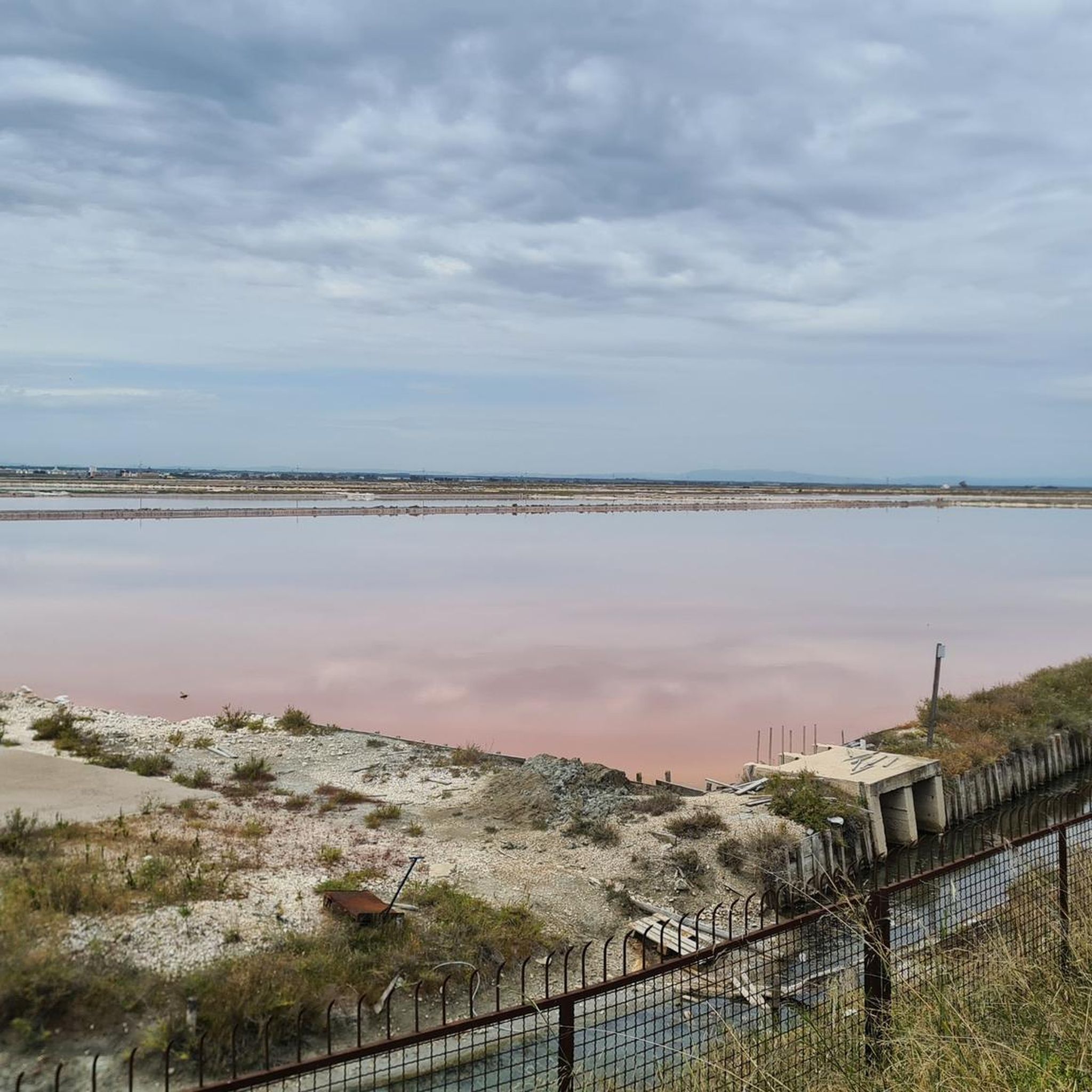
The Saline di Margherita di Savoia are Europe's largest salt pans, covering approximately 4,500 hectares. They are renowned for their vibrant, changing colors—from pink to violet and blue—caused by microorganisms and minerals. This vast area is a critical biodiversity hotspot, especially for aquatic birds.
What kind of wildlife can be observed at the Saline di Margherita di Savoia?
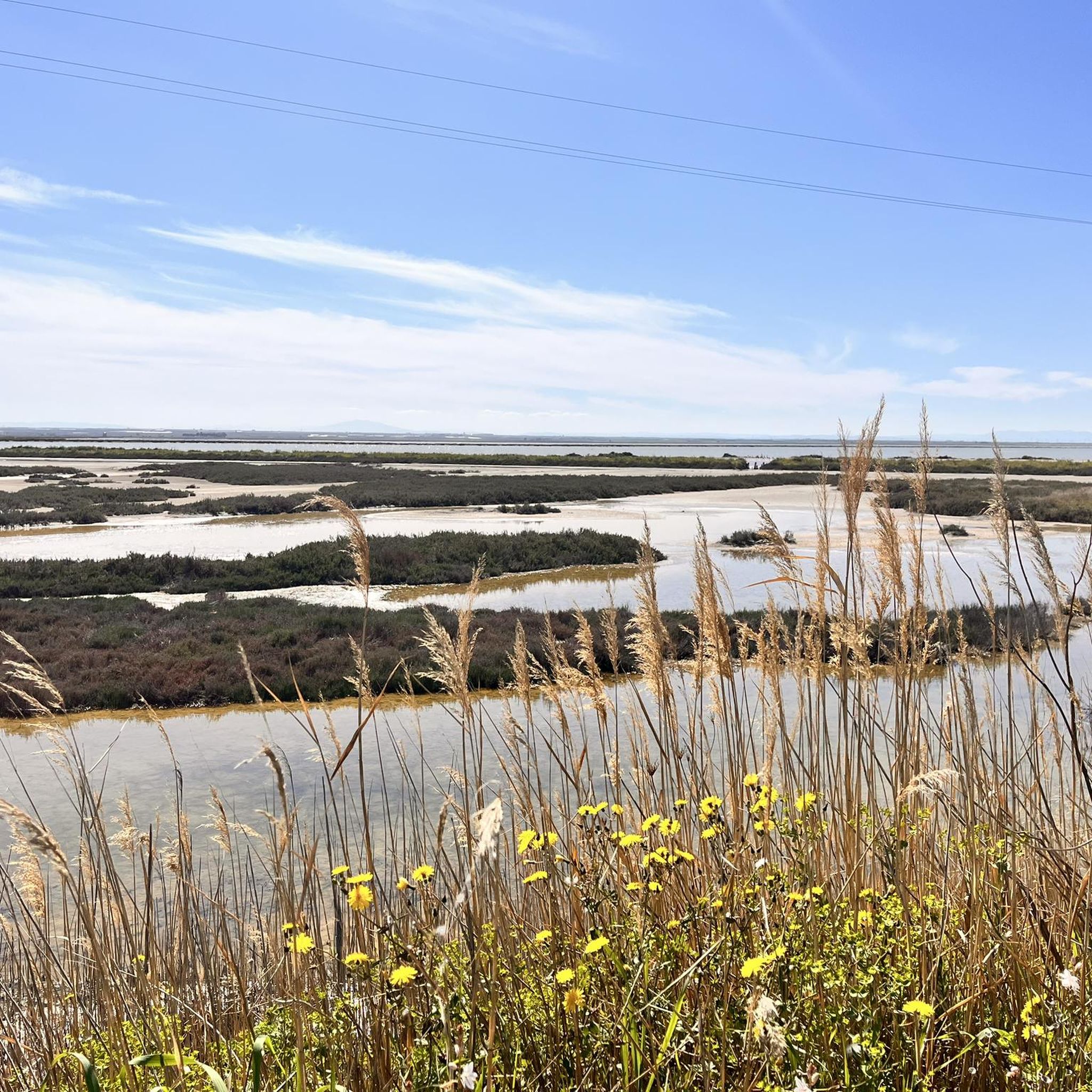
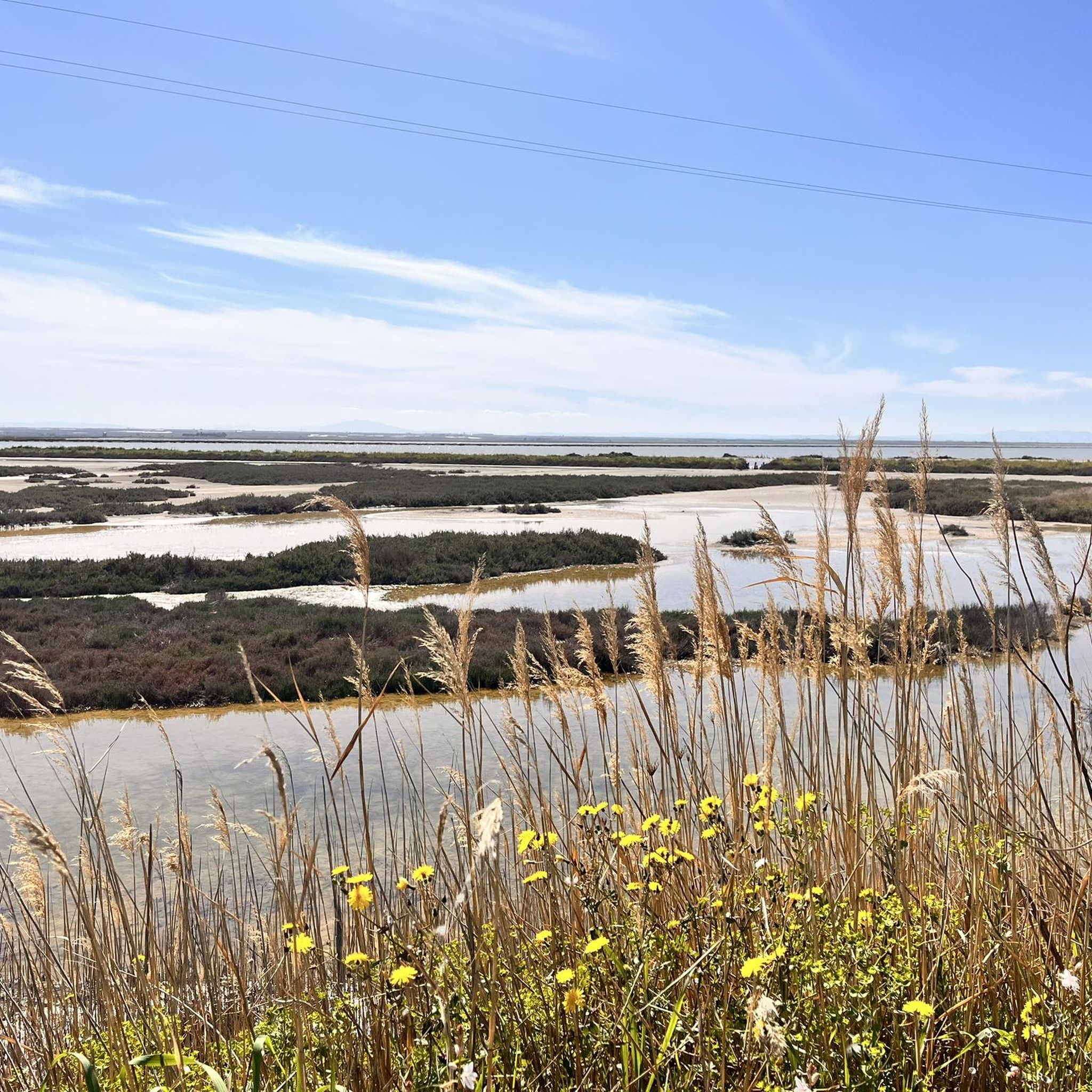
The Saline di Margherita di Savoia is a vital bird sanctuary, hosting around 200 species of aquatic birds. The most iconic residents are the pink flamingos, with a substantial colony of about 4,000 individuals. You can also spot grey herons, little egrets, black-winged stilts, avocets, and various gulls.
Are there any historical sites among the natural monuments in the region?
Yes, the Archaeological Site of Cannae is a significant historical location with natural monument characteristics. It's famous for the ancient Battle of Cannae in 216 BC and contains interesting archaeological remains. Additionally, the salt pans themselves have historical significance, with salt exploitation dating back to Neolithic times.
What is the best time to visit the natural monuments around Margherita Di Savoia?
The Saline di Margherita di Savoia offers stunning views year-round, but for birdwatching, especially flamingos, spring and autumn are ideal as they are peak migration and nesting seasons. The colors of the salt pans are often most vivid during warmer, sunnier months due to increased evaporation.
Are there family-friendly activities available at the natural monuments?
The Margherita di Savoia area, including the salt pans, is considered family-friendly. Children will likely enjoy the unique landscape and spotting the numerous birds, especially the pink flamingos. The Museo delle Saline also offers an educational experience about salt production history.
Can I go hiking or cycling near the natural monuments?
Yes, there are various outdoor activities available. For hiking, you can find routes like the 'Walk in the city of Barletta – loop tour' or the more challenging 'From Trinitapoli to the Margherita di Savoia salt pans – loop tour'. Cyclists can explore routes such as 'Le Saline di Margherita di Savoia e Trinitapoli – loop tour'. You can find more details in the hiking and road cycling guides for the area.
Is there a museum related to the natural monuments in the area?
Yes, the Museo delle Saline (Salt Pans Museum) is located in an old salt warehouse next to a 16th-century tower in Margherita di Savoia. It provides insights into the history of salt production, featuring about 1,000 industrial artifacts and detailing traditional salt harvesting methods.
What are the photographic opportunities like at the Saline di Margherita di Savoia?
The Saline di Margherita di Savoia offers exceptional photographic opportunities. The vast, colorful salt pans, especially with their pink and reddish hues, create a surreal landscape. The abundant birdlife, particularly the pink flamingos, provides stunning subjects for wildlife photography.
Are the natural monuments around Margherita Di Savoia easily accessible?
The Saline di Margherita di Savoia are easily accessible via Highway 159, which offers scenic views of the Adriatic coast. Local tourist services can also arrange guided tours to enhance your visit.
What other natural monument can I visit besides the main salt pans?
Beyond the expansive salt pans, you can also visit the San Ruggiero Fountain. This ancient watering hole, dating back to around 1110, features a large stone basin and is nestled in a small valley of remarkable landscape value, offering a glimpse into medieval peasant civilization.
Are there any wellness benefits associated with the region's natural features?
Yes, the region's salt and mineral-rich 'mother waters' from the salt pans are recognized for their therapeutic qualities. These are utilized in local spa treatments in Margherita di Savoia, offering opportunities for relaxation and rejuvenation.
What do visitors appreciate most about the natural monuments in this area?
Visitors frequently highlight the visually stunning landscape of the salt pans, with their dynamic colors and vastness. The exceptional birdwatching opportunities, especially seeing the pink flamingos, are also a major draw. The blend of natural beauty, historical significance, and the tranquil atmosphere are highly valued.
Most popular attractions around Margherita Di Savoia

Get inspired with the komoot mobile app


Explore more
Extend your search for the best caves by checking out these guides of the top ones around Margherita Di Savoia:
