Top 9 Natural Monuments around Conversano
Best natural monuments around Conversano include a variety of geological formations and coastal features. The region is characterized by karstic landscapes, which contribute to unique natural attractions like caves and coastal ravines. These areas offer a blend of ecological richness and historical significance. Visitors can explore diverse environments, from underground cave systems to scenic coastal viewpoints.
Best natural monuments around Conversano
- The most popular natural monuments is Lama Monachile and Chiangella Cave, a beach and cave that features crystal-clear…
Last updated: May 16, 2026
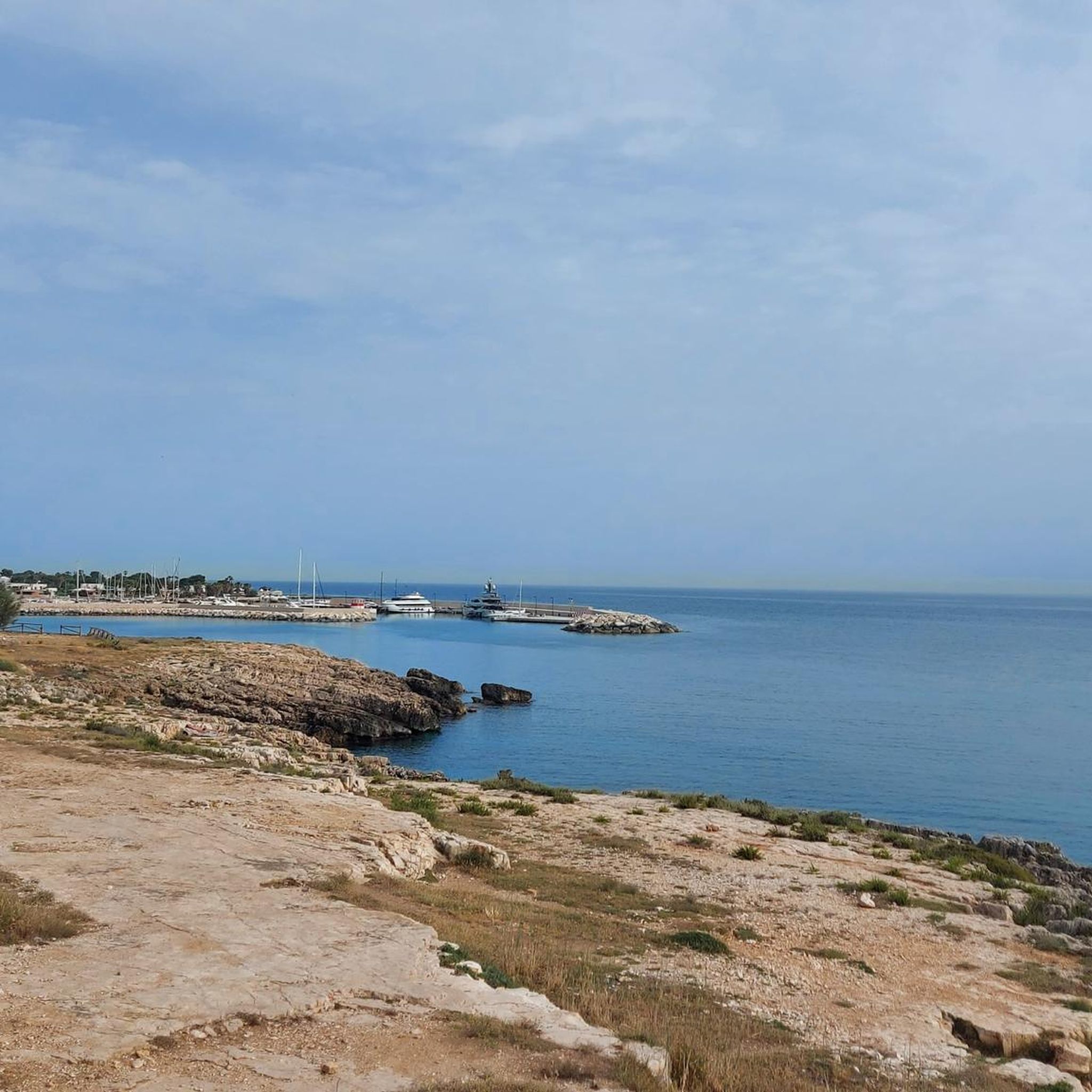
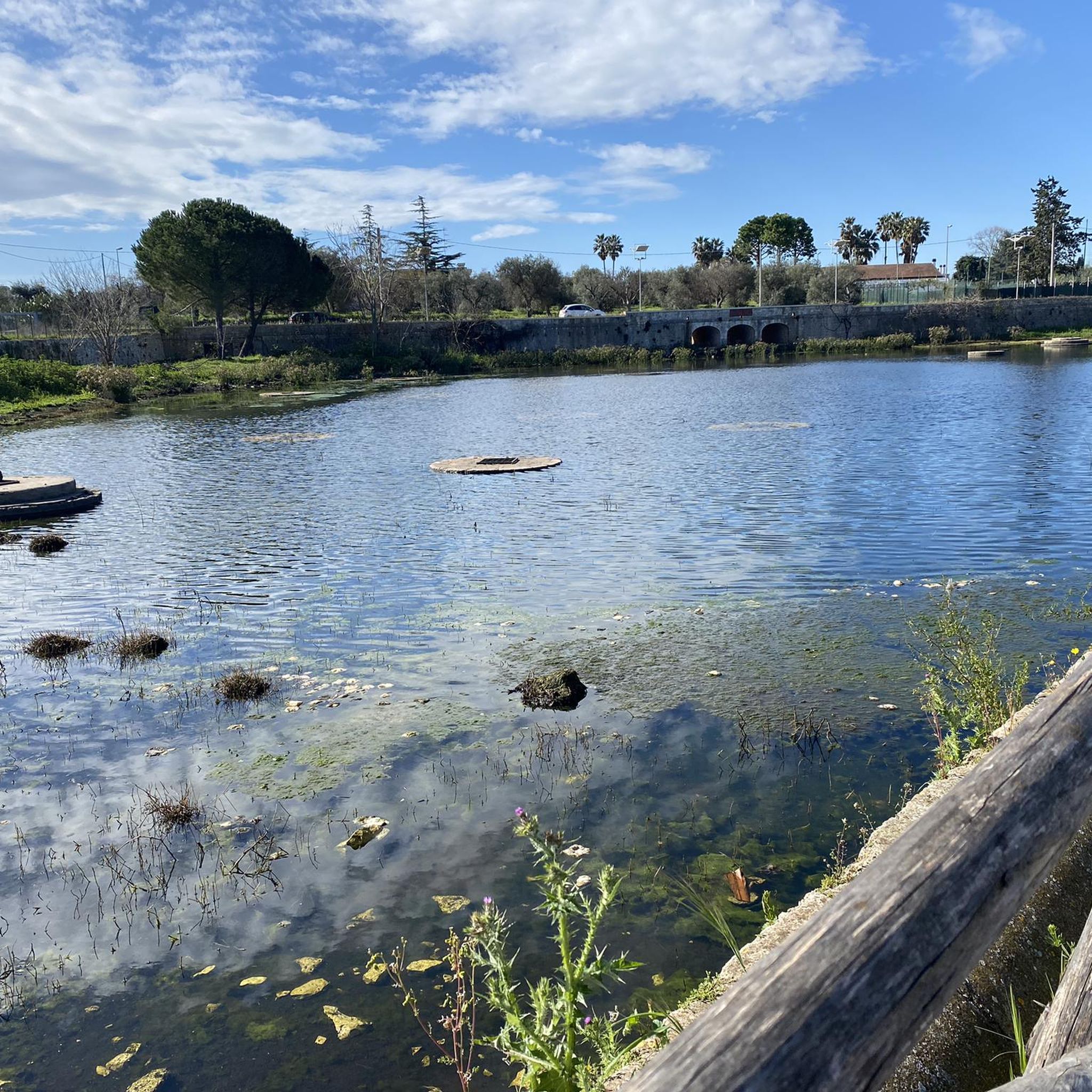
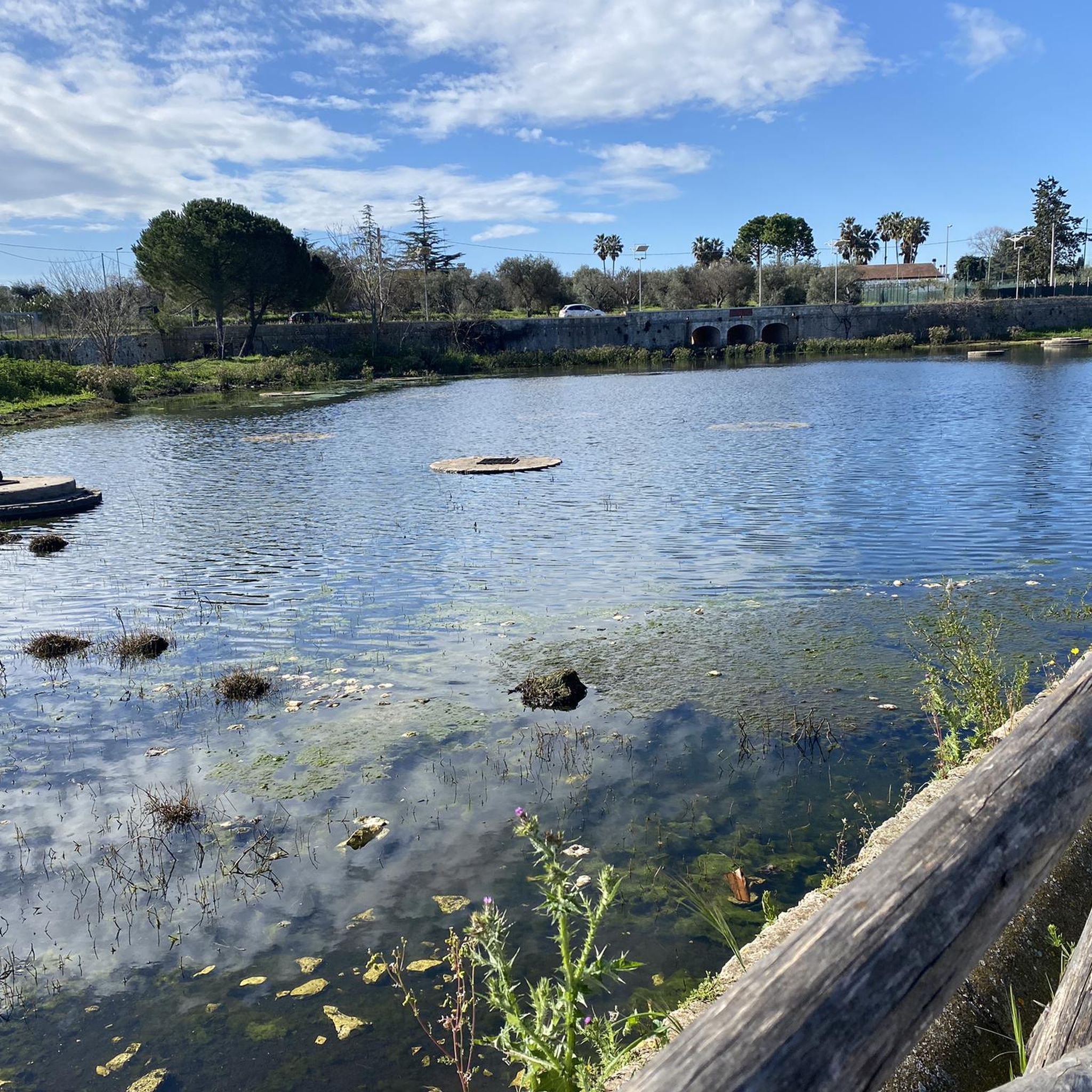
Lake Sassano
Highlight • Lake
Translated by Google •
Tip by

Castellana Caves
Highlight • Cave
Translated by Google •
Tip by

Sign up now to discover places like this
Get recommendations on the best single tracks, peaks, & plenty of other exciting outdoor places.
Sign up for free
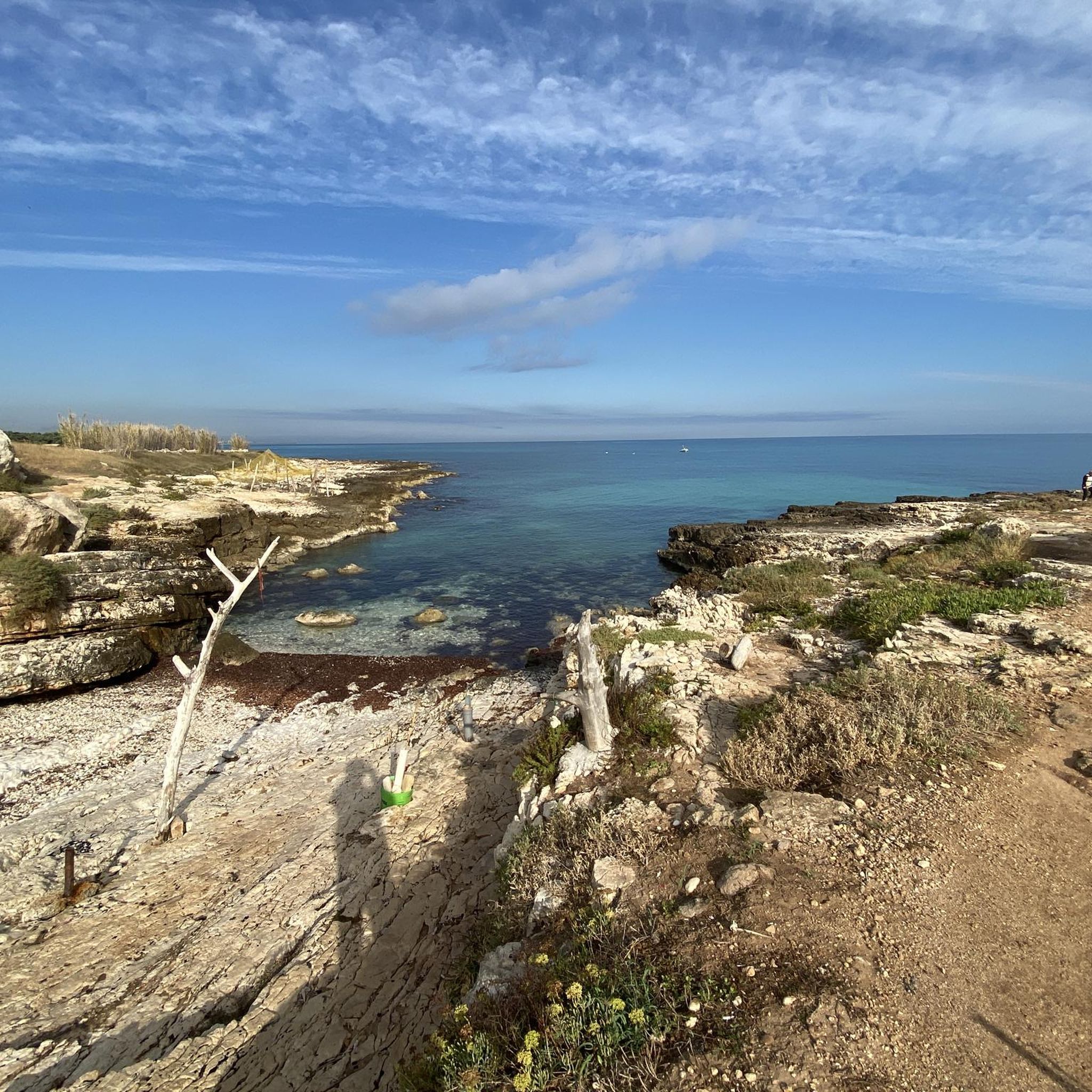
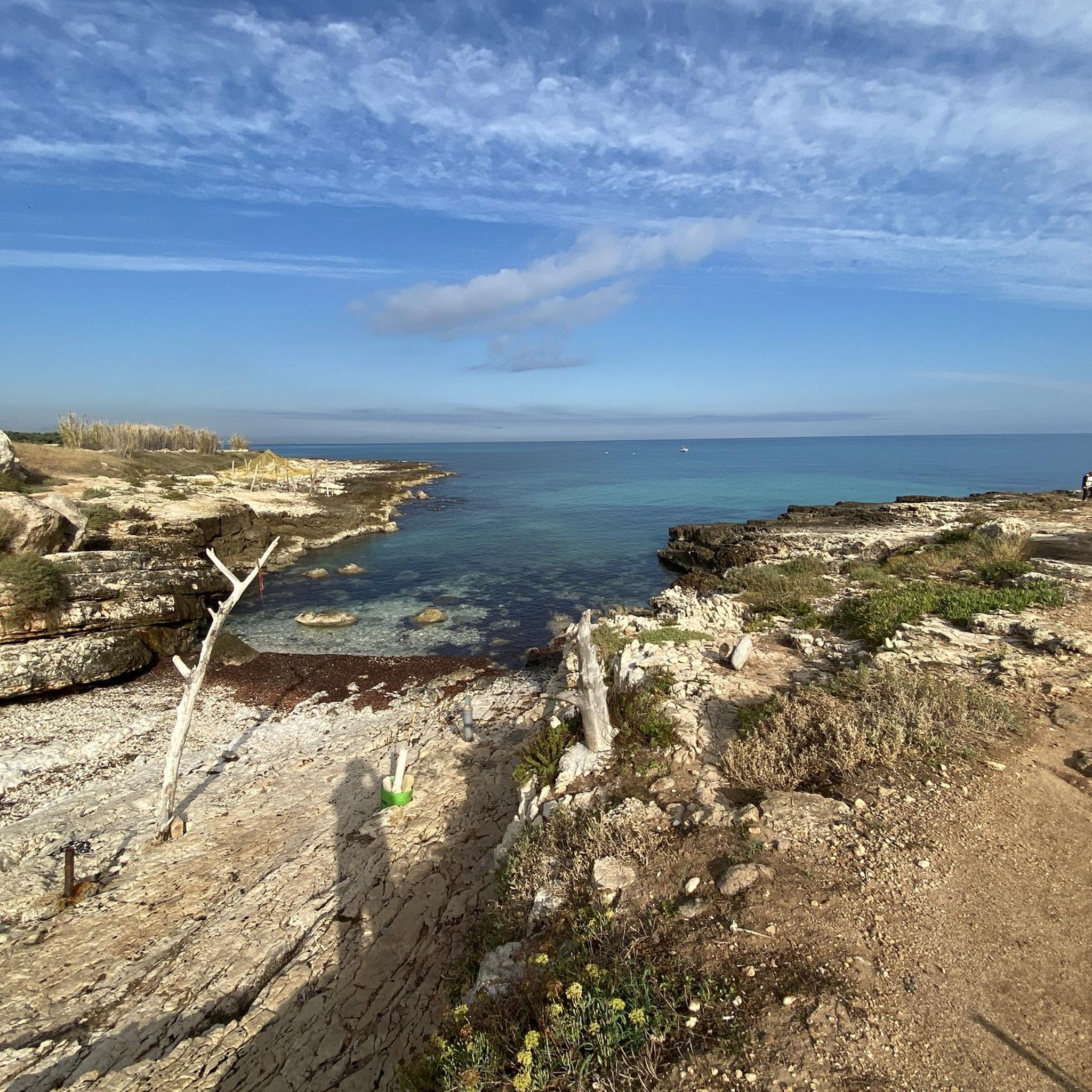
Lama Monachile and Chiangella Cave
Highlight • Beach
Translated by Google •
Tip by

View of Lama Monachile and the cliff-diving spot in Polignano a Mare
Highlight • Viewpoint
Translated by Google •
Tip by
Trullo Cave
Highlight • Cave
Translated by Google •
Tip by

Sign up for free to discover even more natural monuments around Conversano.
Sign up for free
Already have an account?
Start today with a free account
Your next adventure awaits.
Login or Signup

Tips from the Community

Perched on a cliff above the Adriatic Sea in the Puglia region, Polignano a Mare is known for its stunning scenery, historic sites, sea caves and crystal-clear water. It also has a cave restaurant and once a year hosts the world's best cliff divers.
5
0
Perched on a cliff above the Adriatic Sea in the Puglia region, Polignano a Mare is known for its stunning scenery, historic sites, sea caves and crystal-clear water. It also has a cave restaurant and once a year hosts the world's best cliff divers.
6
0

The caves of the Grotte di Castellana were discovered on January 23, 1938, by Franco Anelli and explored by him and Vito Matarrese. Even before the discovery, the hole (or entrance) in the earth was known, but was only used as a garbage dump. The caves can be visited as part of a guided tour. There are two different tours: one is about one kilometer long, the other is 3 kilometers long. The visit always begins in the Grave, a cave 60 meters deep, 100 meters wide, and 100 meters high. The second path leads to the White Grotto. The stalactites here are the color of alabaster. The second path is only accessible to a limited number of visitors, as the cave has no natural ventilation. Source: https://de.wikipedia.org/wiki/Grotte_di_Castellana More about the grotto from me: Unfortunately, pictures are only permitted in the first vault, the Grave. The grotto is privately owned. The temperature inside the grotto is 13 degrees Celsius in the first vault and 16 degrees Celsius afterward, with humidity between 60% and 100%. Sturdy shoes and a jacket are recommended. The limestone is quite slippery.
1
0


Very nice cave tour. Tours are also available in English, we recommend booking online at the desired time. Photography is prohibited in most cave chambers and this is enforced.
0
0

A great beach right next to the romantic old town of Polignano a Mare
1
0
From here you have a beautiful view of the bay and the beach.
2
0

Frequently Asked Questions
What unique natural features can I explore around Conversano?
The region around Conversano is characterized by its fascinating karstic landscape. You can explore significant geological formations like the Castellana Caves, an extensive underground system of karst origin, or the smaller, dome-shaped Trullo Cave with its glittering calcite-aragonite inflorescences. Additionally, the area features the unique temporary freshwater ponds known as the Lakes of Conversano, which are crucial for local biodiversity, and the dramatic limestone cliffs of Gravina di Monsignore.
Are there family-friendly natural monuments to visit near Conversano?
Yes, several natural monuments around Conversano are suitable for families. The Castellana Caves offer an educational and awe-inspiring underground experience. For coastal beauty, Lama Monachile and Chiangella Cave provide a Blue Flag certified beach with crystal-clear waters, perfect for a family day out. The historical site of Pozzo del Camerlengo is also considered family-friendly, offering a blend of nature and history.
What is the best time of year to visit the natural monuments in Conversano?
The best time to visit depends on your interests. For observing the Lakes of Conversano at their fullest and experiencing lush greenery, winter and spring are ideal. Spring and autumn offer pleasant temperatures for hiking and exploring the caves and ravines. Summer is perfect for enjoying coastal spots like Lama Monachile, though it can be more crowded. The internal temperature of the Castellana Caves remains a constant 16.5°C, making them a comfortable visit year-round.
What kind of wildlife can I expect to see in the natural areas around Conversano?
The Lakes of Conversano and Gravina di Monsignore Regional Natural Reserve is a biodiversity hotspot. You might spot small amphibians, reptiles, and mammals like foxes. It's particularly renowned for birdwatching, especially for migratory species such as flamingos. The area is also excellent for butterfly enthusiasts, hosting over 120 species of butterflies found in Puglia.
Are there hiking or cycling trails near the natural monuments?
Yes, the region offers various outdoor activities. The Lakes of Conversano are perfect for trekking and hiking, with a circular route connecting the main temporary lakes. The Gravina di Monsignore also has a scenic linear route. For cycling, you can find numerous routes around Conversano, including options for gravel biking, touring, and mountain biking. Explore more routes on the Gravel biking around Conversano, Cycling around Conversano, and MTB Trails around Conversano guide pages.
What historical elements can be found within the natural monuments of Conversano?
Beyond their natural beauty, some sites offer a glimpse into the region's history. The Gravina di Monsignore features remnants of ancient rock settlements, showcasing the historical interaction between humans and the landscape. The rural scenery around the Lakes of Conversano also includes ancient 'casedde' (dry-stone dwellings), adding a historical dimension to the natural environment.
How long does it typically take to explore the natural monuments?
The time required varies by location. A visit to the Castellana Caves can take a couple of hours for a guided tour. Exploring the Lakes of Conversano or hiking the Gravina di Monsignore can range from a few hours to a full day, depending on the chosen route and your pace. Coastal spots like Lama Monachile can be enjoyed for a quick stop or an entire day at the beach.
Are there any hidden natural gems near Conversano that are less known?
While not entirely hidden, the full extent of the Lakes of Conversano, beyond the most visited Sassano lake, offers a tranquil escape. Exploring the various karstic lakes like Castiglione, di Chienna, Agnano, Iavorra, and San Vito can reveal unique ecosystems and serene rural landscapes away from larger crowds. The Trullo Cave, discovered by chance in the 1930s, is also a smaller, less commercialized cave experience.
What should I bring when visiting the natural monuments in Conversano?
For cave visits, comfortable walking shoes are essential, and a light jacket might be useful due to the constant cool temperature inside. For outdoor areas like the Lakes of Conversano or Gravina di Monsignore, wear appropriate footwear for trekking, bring water, sun protection (hat, sunscreen), and insect repellent, especially during warmer months. Binoculars are recommended for birdwatching.
What makes the natural monuments around Conversano distinct from those in nearby Polignano a Mare?
While both areas boast stunning natural beauty, Conversano's natural monuments are primarily characterized by its inland karstic features, including extensive cave systems like the Castellana Caves, unique temporary lakes, and dramatic ravines like Gravina di Monsignore. Polignano a Mare, on the other hand, is famous for its dramatic coastal cliffs, sea caves, and iconic beaches such as Lama Monachile, offering a more marine-focused natural experience.
Is there public transport or parking available near these natural areas?
Information on specific public transport routes to all natural monuments can be limited, so checking local bus schedules or considering a car rental is advisable for flexibility. For popular sites like the Castellana Caves, dedicated parking facilities are usually available. For more remote areas like the Lakes of Conversano or Gravina di Monsignore, parking might be less formal, often along rural roads or designated small lots.
Most popular routes around Conversano
Most popular attractions around Conversano

Get inspired with the komoot mobile app


Explore more
Extend your search for the best caves by checking out these guides of the top ones around Conversano:
