Top 13 Natural Monuments around Ìtiri Cannedu/Ittiri
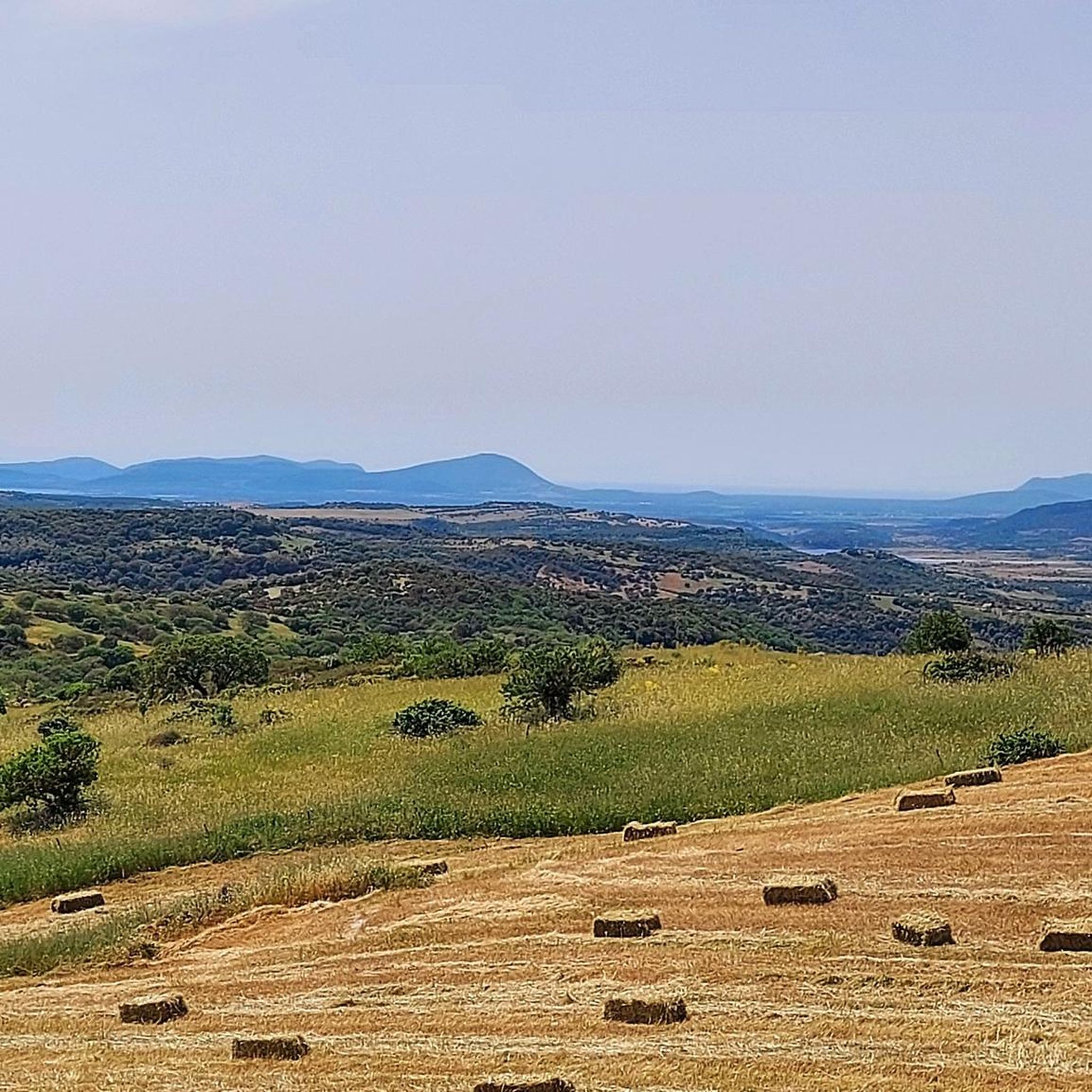
Best natural monuments around Ìtiri Cannedu/Ittiri are found within a landscape characterized by rugged, hilly terrain, primarily formed from trachytic and basaltic rocks. This region, part of the Logudoro Volcanic Field, features significant mountain ranges and cultivated valleys. The area's natural heritage includes diverse geological formations and ancient sites integrated into the landscape.
Best natural monuments around Ìtiri Cannedu/Ittiri
- The most popular natural monuments is Rock Formations and Caves of the Sardinian Highlands, a natural monument featuring plains with…
Last updated: June 28, 2026
The tomb of Molafà (Sardinia, Italy)
Highlight • Historical Site
Translated by Google •
Tip by

Domus de Janas di S’Ena de Cannuja
Highlight • Cave
Translated by Google •
Tip by

Sign up now to discover places like this
Get recommendations on the best single tracks, peaks, & plenty of other exciting outdoor places.
Sign up for free
Rock Formations and Caves of the Sardinian Highlands
Highlight (Segment) • Cave
Translated by Google •
Tip by

Rosello Fountain
Highlight • Monument
Translated by Google •
Tip by

Noeddale Necropolis, Ossi
Highlight • Historical Site
Tip by
Sign up for free to discover even more natural monuments around Ìtiri Cannedu/Ittiri.
Sign up for free
Already have an account?
Start today with a free account
Your next adventure awaits.
Login or Signup
Tips from the Community

An adventurous approach, barking dogs, thorny undergrowth. The dolmens were great, but unfortunately the hiking trail was not well maintained, so we turned back with our son.
0
0

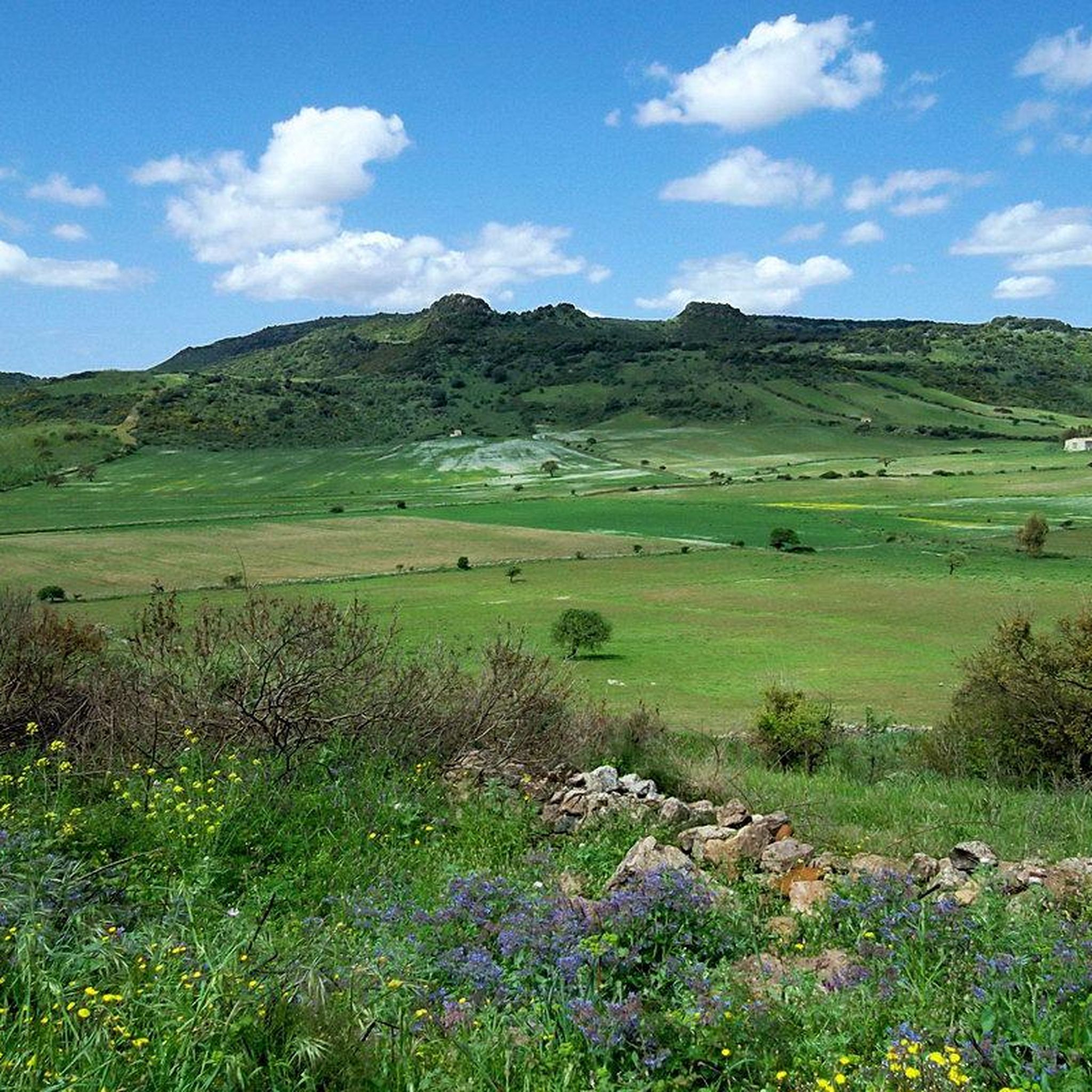
Plains with a primordial appearance, large green spaces bordered by imposing rock formations, isolated or in rows, with caves dug by nature and inhabited by man over the millennia
0
0

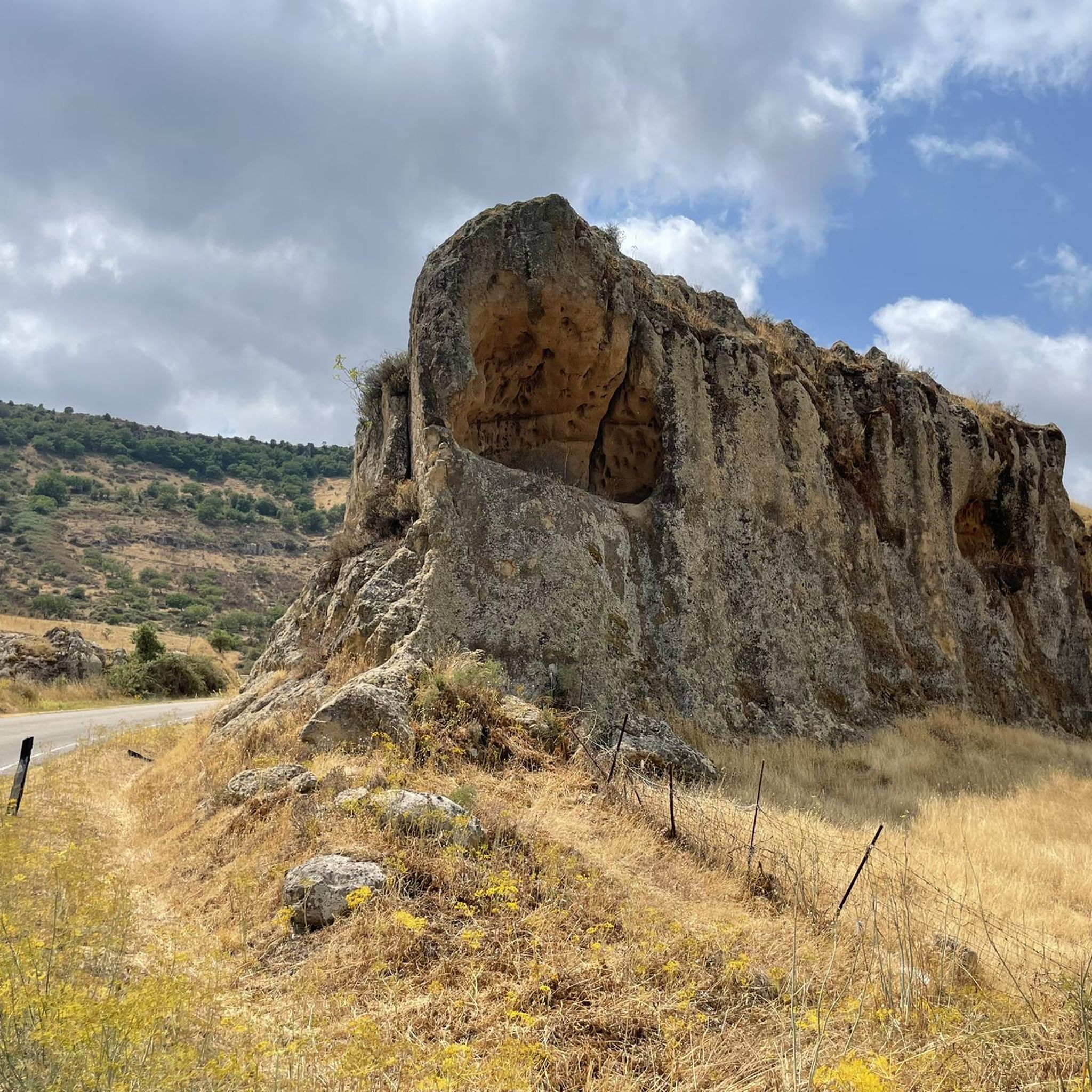
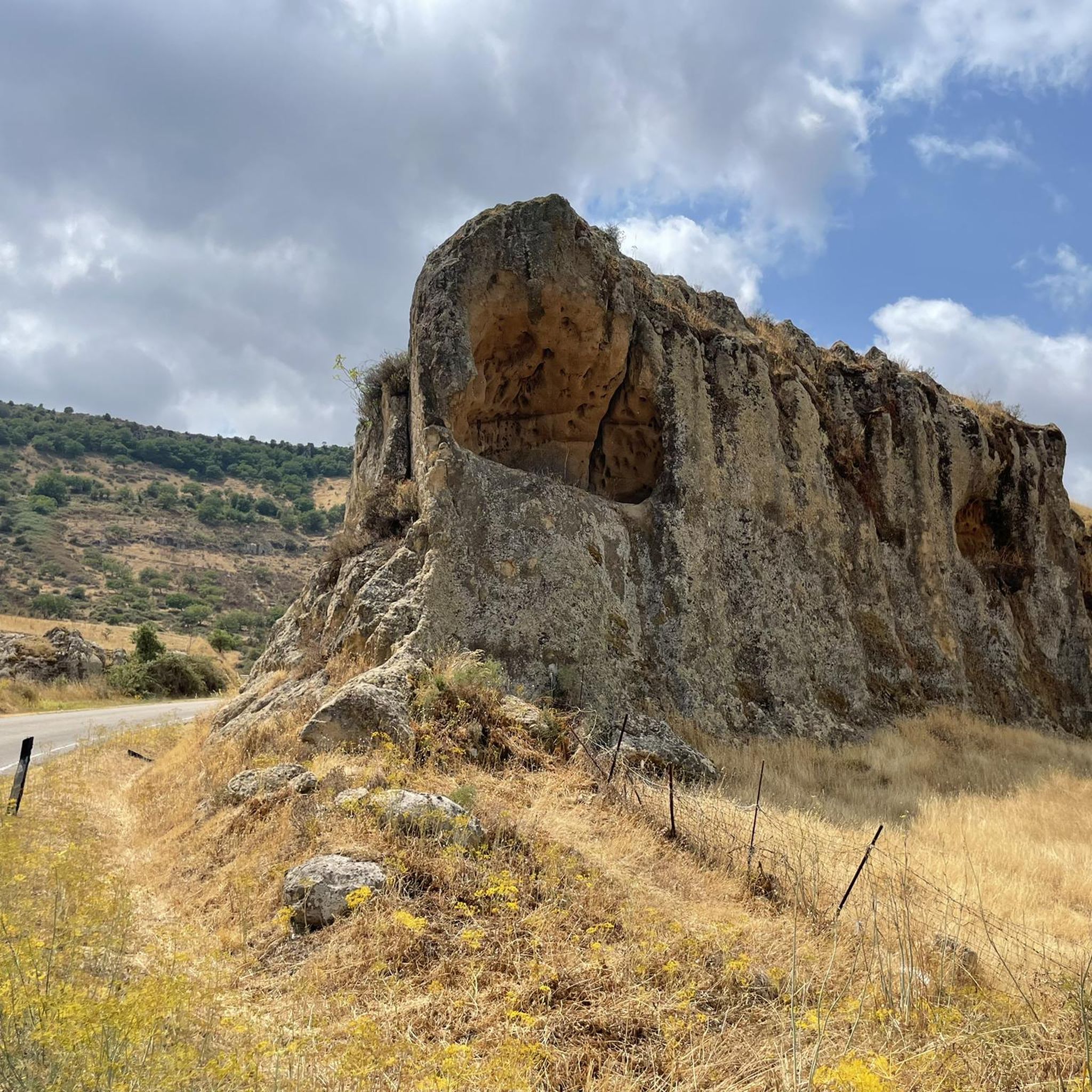
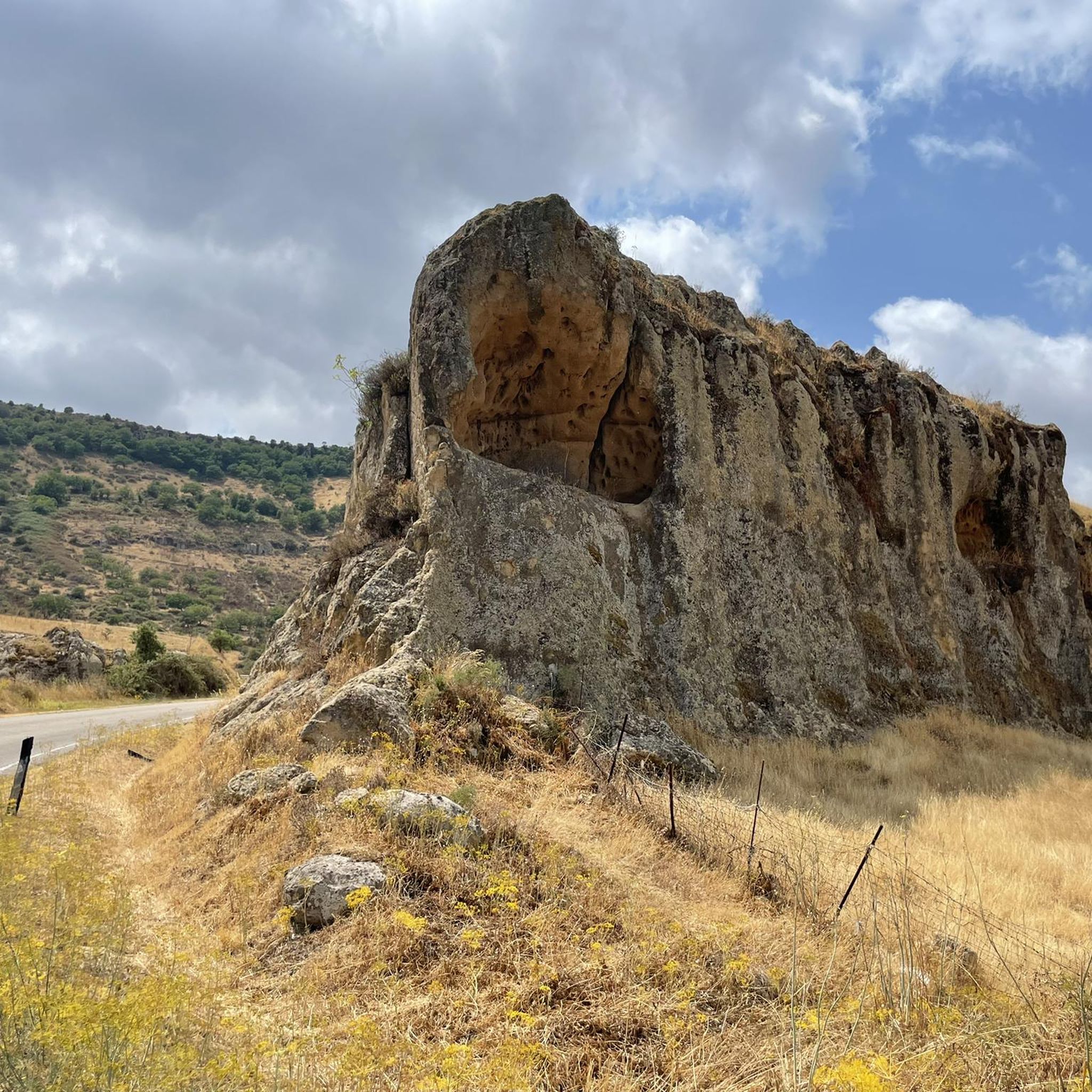
The caves are accessible from the road across a meadow. However, there are no paths, despite other claims to the contrary. We didn't find one, and the thistles and thorns make hiking less enjoyable. The area and the view are, of course, wonderful.
0
0

The path passes through the Domus de Janas of S'Ena de Cannuja, ancient pre-Nuragic tombs carved into the rock, dating back to the 3rd millennium BC. This necropolis includes six tombs dug into a trachytic ridge. The tombs were presumably reached using carvings dug into the rock face similar to those still preserved in the Domus de Janas Sos Furrighesos necropolis in Anela.
1
0

Marble fountain house, built during the Renaissance. The water bubbles from eight lion and four dolphin heads.
3
0

The Rosello fountain is one of the symbols of the city of Sassari. It was built in 1295 and renovated in 1605 in the late Renaissance style.
1
0

Prehistoric archaeological site located in the municipality of Sassari, in the locality of Molafà. particular interest
5
0

Frequently Asked Questions
What kind of natural features can I expect to see around Ìtiri Cannedu/Ittiri?
The region of Ìtiri Cannedu/Ittiri is characterized by a rugged, hilly terrain formed from trachytic and basaltic rocks, part of the Logudoro Volcanic Field. You'll find significant mountain ranges like Monte Torru and Mount Uppas, offering panoramic views. The landscape also features cultivated valleys, known for olive groves, and various rock formations and caves, such as those found at Rock Formations and Caves of the Sardinian Highlands.
Are there any historical or archaeological sites integrated with the natural landscape?
Yes, the region is rich in history. You can explore ancient pre-Nuragic tombs carved into the rock, such as the Domus de Janas di S’Ena de Cannuja, a necropolis with six tombs. Another significant site is The tomb of Molafà, a prehistoric archaeological site featuring a rock-cut tomb with an architectural facade. The Noeddale Necropolis, Ossi, also offers insights into hypogean architecture with its unique 'tomb of the house' and 'tomb of the spirals'.
What outdoor activities can I do near the natural monuments of Ìtiri Cannedu/Ittiri?
The diverse terrain around Ìtiri Cannedu/Ittiri is ideal for various outdoor activities. You can find numerous hiking trails, including easy routes like 'The extinct volcanoes of the Meilogu' or more moderate options. For cyclists, there are challenging road cycling routes such as the 'Tour of the Two Lakes: Cuga and Alto Temo Loop'. Runners can also enjoy trails like the 'Running loop from Ìtiri Cannedu/Ittiri'. For more details on routes, visit the Hiking around Ìtiri Cannedu/Ittiri guide.
Are there family-friendly natural monuments or sites to visit?
While many sites involve some hiking, the Rosello Fountain, a beautiful Renaissance marble fountain, is considered family-friendly and a symbol of the nearby city of Sassari. For natural exploration, areas with olive groves in the valleys offer pleasant, less strenuous walks, though specific family-friendly trails directly to natural monuments might require checking individual highlight details for accessibility.
What is the best time of year to visit Ìtiri Cannedu/Ittiri for outdoor activities?
Given the Mediterranean climate, spring (April-May) and autumn (September-October) are generally the most pleasant times for outdoor activities around Ìtiri Cannedu/Ittiri. During these seasons, temperatures are milder, making hiking and exploring the volcanic landscapes and archaeological sites more comfortable. Summers can be hot, and winters, while mild, might bring more rainfall.
Can I bring my dog to the natural monuments and trails?
Many natural areas and trails in Sardinia are generally dog-friendly, especially if your dog is well-behaved and kept on a leash. However, specific archaeological sites like Domus de Janas di S’Ena de Cannuja might have restrictions or challenging terrain that could be difficult for pets. It's always advisable to check local signage or specific site regulations before visiting with your dog.
What kind of geological formations are prominent in the Ìtiri Cannedu/Ittiri region?
The region is part of the Logudoro Volcanic Field, characterized by its volcanic origins. You'll encounter monogenetic cinder and spatter cones, lava flows, and minor pyroclastic rocks. This geological history has sculpted the distinctive rugged and hilly landscape, primarily composed of trachytic and basaltic rocks, which are visible in the mountain ranges and rock formations throughout the area.
Are there any viewpoints offering panoramic vistas of the region?
Yes, the significant mountain ranges surrounding Ìtiri Cannedu/Ittiri, such as Monte Torru (622 m), Mount Uppas (567 m), and Mount Jana (552 m) to the northeast, and Mount Unturzu (558 m), Mount Alas (517 m), and Mount Lacusa (503 m) to the south, all provide excellent opportunities for panoramic views of the surrounding countryside and cultivated valleys.
What should I wear for hiking in the natural areas around Ìtiri Cannedu/Ittiri?
For hiking in Ìtiri Cannedu/Ittiri's rugged terrain, it's recommended to wear sturdy hiking shoes or boots with good ankle support. Layered clothing is advisable to adapt to changing temperatures, especially during spring and autumn. Don't forget sun protection, including a hat and sunscreen, and carry enough water, particularly during warmer months.
What do visitors enjoy most about the natural monuments and features in Ìtiri Cannedu/Ittiri?
Visitors appreciate the unique blend of natural beauty and ancient history. The primordial appearance of plains, large green spaces bordered by imposing rock formations, and caves like those at Rock Formations and Caves of the Sardinian Highlands are highly rated. The integration of archaeological sites, such as the rock-cut tombs, within the natural landscape also offers a captivating experience.
Is public transport available to reach these natural monuments?
While Ìtiri Cannedu/Ittiri has some local transport, many of the natural monuments and archaeological sites are located in more remote, rural areas. Public transport options might be limited, and reaching some sites may require a car or a combination of public transport and walking. It's best to plan your route in advance and consider local taxi services or car rental for greater flexibility.
Are there any hidden natural gems or less-known spots worth exploring?
Beyond the well-known sites, the entire region, being part of the Logudoro Volcanic Field, offers numerous smaller, unnamed rock formations, valleys, and olive groves that provide picturesque and tranquil spots for exploration. The various mountain slopes also hold many hidden corners for those who enjoy off-the-beaten-path adventures, allowing for discovery of local flora and fauna.
Most popular routes around Ìtiri Cannedu/Ittiri
Most popular attractions around Ìtiri Cannedu/Ittiri

Get inspired with the komoot mobile app


Explore more
Extend your search for the best caves by checking out these guides of the top ones around Ìtiri Cannedu/Ittiri:
