Top 9 Natural Monuments around Rumana/Romana
Natural monuments around Rumana/Romana feature a landscape characterized by ancient geological formations and historical sites. This area in Sardinia offers a blend of natural rock formations, caves, and significant archaeological features. Visitors can explore unique natural monuments that showcase the region's long history and distinctive terrain.
Best natural monuments around Rumana/Romana
- The most popular natural monuments is Rock Formations and Caves of the Sardinian Highlands, a cave that features plains with a primordial appearance and large green spaces bordered…
Last updated: May 16, 2026
Domus de Janas di S’Ena de Cannuja
Highlight • Cave
Translated by Google •
Tip by

Rock Formations and Caves of the Sardinian Highlands
Highlight (Segment) • Cave
Translated by Google •
Tip by

Sign up now to discover places like this
Get recommendations on the best single tracks, peaks, & plenty of other exciting outdoor places.
Sign up for free
Puttu Codinu Necropolis
Highlight • Historical Site
Translated by Google •
Tip by

Nuraghe Torru
Highlight • Historical Site
Translated by Google •
Tip by
Sea Lepere
Highlight • Viewpoint
Translated by Google •
Tip by
Sign up for free to discover even more natural monuments around Rumana/Romana.
Sign up for free
Already have an account?
Start today with a free account
Your next adventure awaits.
Login or Signup

Tips from the Community

An adventurous approach, barking dogs, thorny undergrowth. The dolmens were great, but unfortunately the hiking trail was not well maintained, so we turned back with our son.
0
0

Plains with a primordial appearance, large green spaces bordered by imposing rock formations, isolated or in rows, with caves dug by nature and inhabited by man over the millennia
0
0

The caves are accessible from the road across a meadow. However, there are no paths, despite other claims to the contrary. We didn't find one, and the thistles and thorns make hiking less enjoyable. The area and the view are, of course, wonderful.
0
0

The necropolis of Puttu Codinu ("rock well") is an archaeological site located in the municipality of Villanova Monteleone, province of Sassari, near the state road 292 that leads to Monteleone Rocca Doria. A necropolis with nine hypogeal tombs was found on the site, in an area with rocks emerging from the surrounding land. The tombs were found by chance during recent excavation work. It is believed that the site began to be used in the recent Neolithic (3500 BC). Source: Wikipedia https://it.wikipedia.org/wiki/Necropoli_di_Puttu_Codinu
0
0

The path passes through the Domus de Janas of S'Ena de Cannuja, ancient pre-Nuragic tombs carved into the rock, dating back to the 3rd millennium BC. This necropolis includes six tombs dug into a trachytic ridge. The tombs were presumably reached using carvings dug into the rock face similar to those still preserved in the Domus de Janas Sos Furrighesos necropolis in Anela.
1
0
At the top of Mount Torru there is a vast amphitheater which houses the majestic Torru nuraghe, dominating the entire peak. The nuraghe, a typical megalithic building of ancient Sardinia, was developed during the Nuragic age between 1900 and 730 BC. This structure, built with blocks of soft trachyte, rests directly on the rock which acts as a natural bastion. The view from here is wide and breathtaking.
1
0
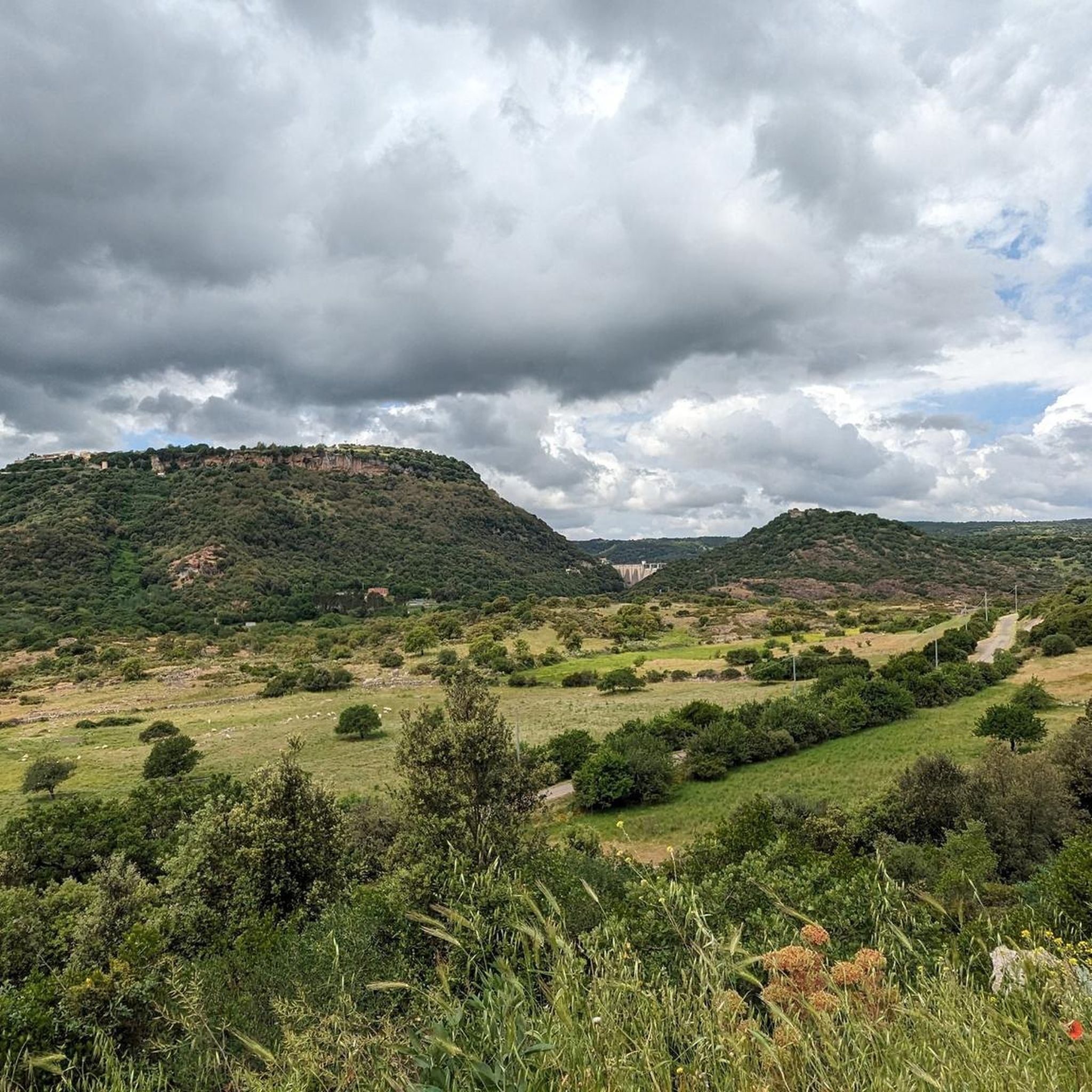
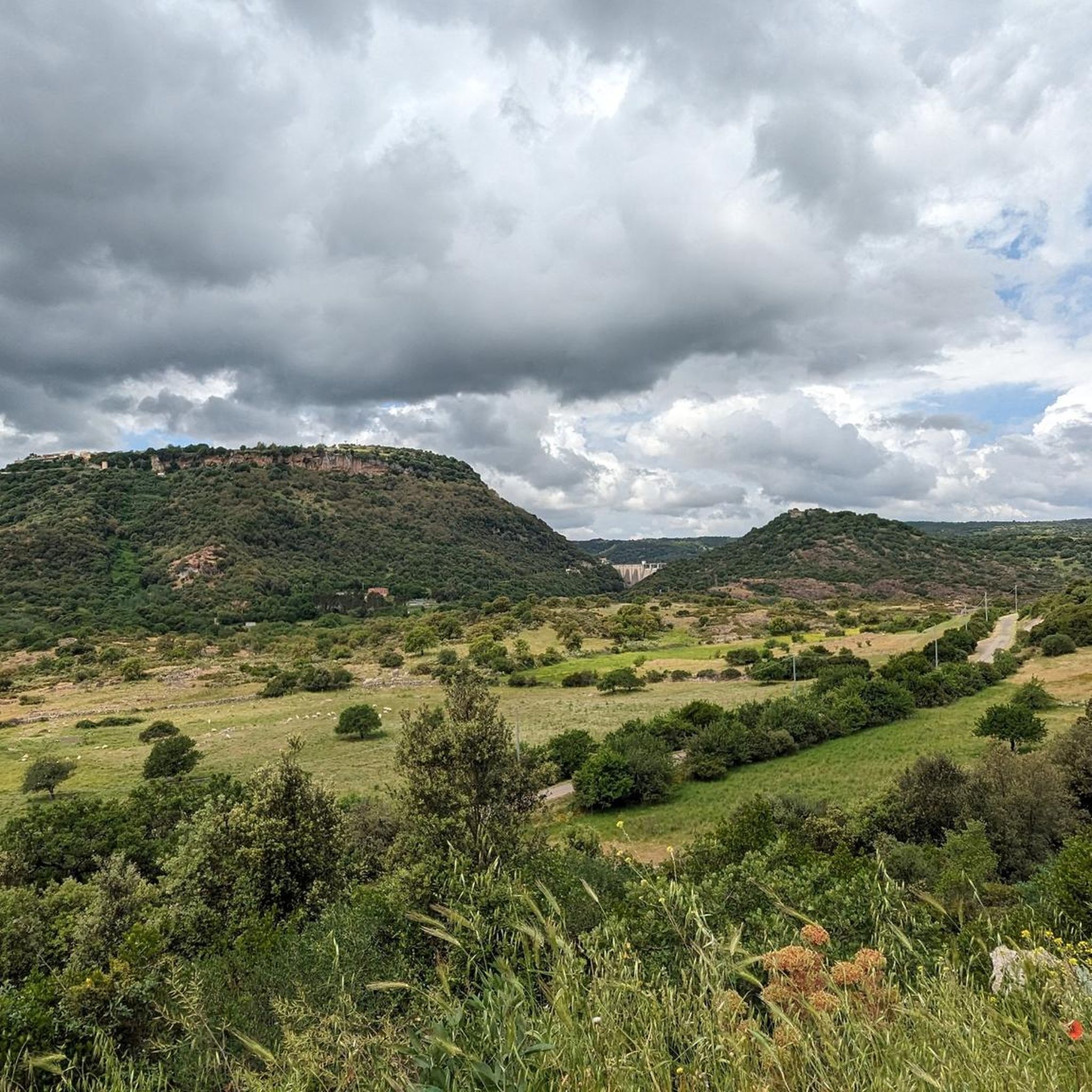
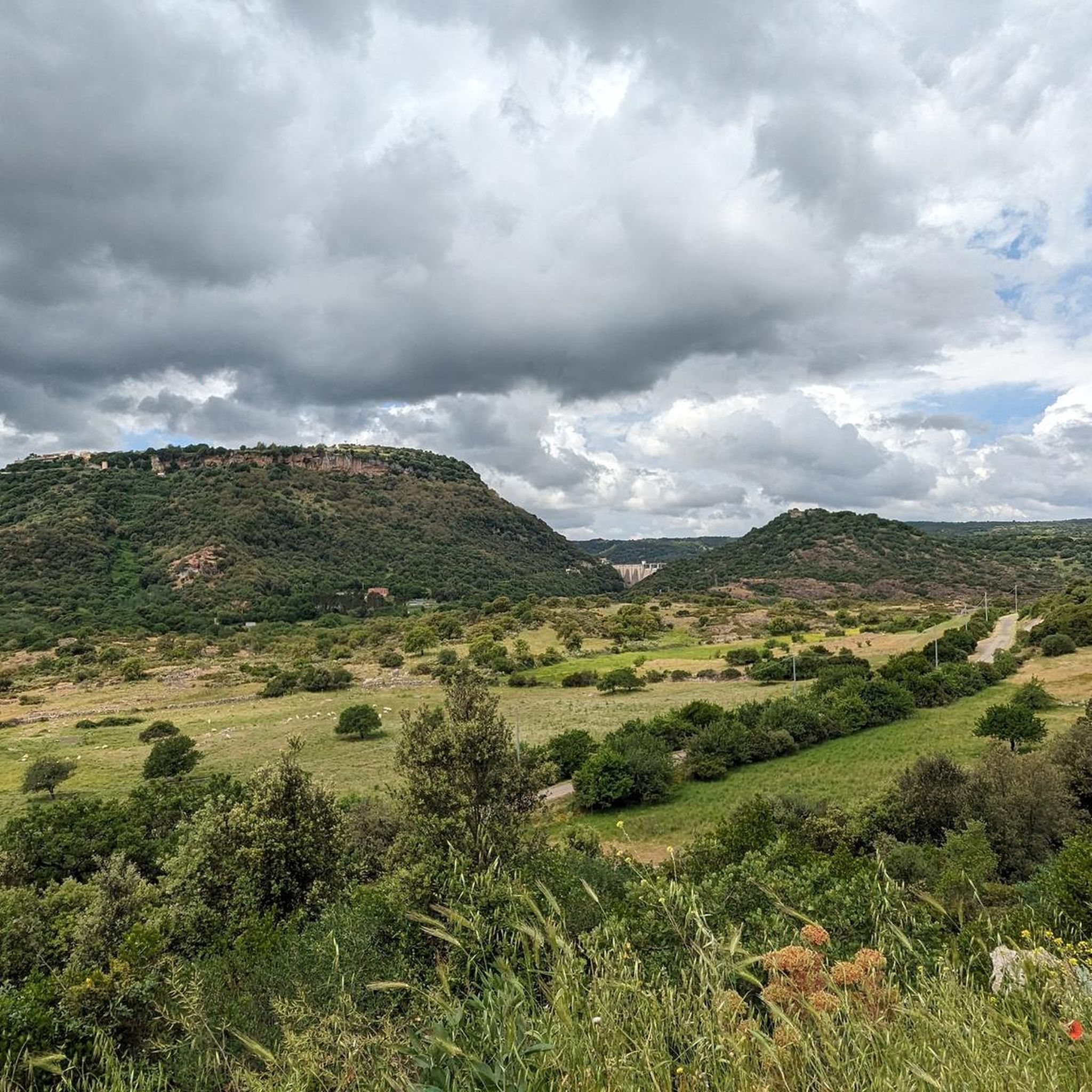
The views from the top of Sea Lepere are spectacular. From here, the view opens onto the characteristic relief of Monte Torru. The steep rock faces stand out beautifully against the bright green vegetation.
1
0
Frequently Asked Questions
What unique geological features can I explore around Rumana/Romana?
The area is rich in distinctive geological formations. You can visit the Rock Formations and Caves of the Sardinian Highlands, which feature plains with a primordial appearance and large green spaces bordered by imposing rock formations, many of which contain caves inhabited by humans over millennia. Another fascinating site is the Domus de Janas di S’Ena de Cannuja, an ancient necropolis carved into a trachytic ridge.
Are there any historical or archaeological sites among the natural monuments?
Yes, several natural monuments in the Rumana/Romana area also hold significant historical and archaeological value. The Domus de Janas di S’Ena de Cannuja is an ancient pre-Nuragic necropolis with six tombs carved into the rock, dating back to the 3rd millennium BC. Additionally, Nuraghe Torru, a majestic megalithic building from the Nuragic age, sits atop Mount Torru, offering both historical insight and panoramic views.
What kind of views can I expect from the natural monuments in this region?
For breathtaking panoramas, head to Nuraghe Torru, which dominates the peak of Mount Torru and provides wide, expansive views of the surrounding landscape. Another excellent viewpoint is Sea Lepere, where you can enjoy spectacular views, including the characteristic relief of Monte Torru and its steep rock faces against vibrant green vegetation.
What outdoor activities can I do near these natural monuments?
The Rumana/Romana area offers various outdoor activities. For cycling enthusiasts, there are numerous routes available, including challenging road cycling tours like the 'Romana – Romana Town Center loop' or mountain biking trails such as the 'Mountainbike loop from Monteleone/Monteleone Rocca Doria'. You can find more details on these activities and routes on the dedicated komoot guides for MTB Trails around Rumana/Romana, Cycling around Rumana/Romana, and Road Cycling Routes around Rumana/Romana.
Are there any natural monuments suitable for intermediate hikers?
Yes, several natural monuments in the area are categorized as intermediate difficulty, making them suitable for hikers with some experience. These include the Domus de Janas di S’Ena de Cannuja, Rock Formations and Caves of the Sardinian Highlands, Nuraghe Torru, Puttu Codinu Necropolis, and Sea Lepere. These sites often involve varied terrain and offer rewarding experiences.
What do visitors say about the natural monuments in Rumana/Romana?
Visitors appreciate the unique blend of natural beauty and historical significance. For instance, the Domus de Janas di S’Ena de Cannuja is noted for its ancient pre-Nuragic tombs carved into the rock. The Rock Formations and Caves of the Sardinian Highlands are described as having a 'primordial appearance' with large green spaces and impressive rock formations. The views from Sea Lepere are frequently highlighted as spectacular.
Are there any ancient burial sites or necropolises to visit?
Yes, the region is home to significant ancient burial sites. The Domus de Janas di S’Ena de Cannuja is a notable necropolis featuring six ancient pre-Nuragic tombs carved into a trachytic ridge, dating back to the 3rd millennium BC. Another archaeological site is the Puttu Codinu Necropolis, which contains nine hypogeal tombs believed to have been used since the recent Neolithic period.
What is the best way to access the Domus de Janas di S’Ena de Cannuja?
The Domus de Janas di S’Ena de Cannuja is accessible from the road across a meadow. While some visitors note that there might not be clearly marked paths, the area and the view are considered wonderful. Be prepared for potentially adventurous approaches and thorny undergrowth in some sections.
Can I find any natural monuments that are also summits or high points?
Absolutely. Nuraghe Torru is located at the top of Mount Torru, offering a summit experience alongside its historical significance. From this high point, you can enjoy extensive and breathtaking views of the surrounding landscape.
What kind of natural rock formations are prominent in the Rumana/Romana area?
The Rumana/Romana area is characterized by imposing rock formations, both isolated and in rows, particularly visible at the Rock Formations and Caves of the Sardinian Highlands. These formations often feature caves naturally carved into them. The Domus de Janas di S’Ena de Cannuja is also carved into a distinctive trachytic ridge, showcasing the region's unique geology.
Are there any natural monuments that are less known or considered 'hidden gems'?
While the main highlights are well-regarded, exploring sites like the Puttu Codinu Necropolis offers a chance to discover a less-trafficked archaeological site with natural cave elements. This necropolis, with its nine hypogeal tombs, provides a glimpse into ancient history within a unique natural setting, often found by chance during excavation work.
Most popular routes around Rumana/Romana
Most popular attractions around Rumana/Romana

Get inspired with the komoot mobile app


Explore more
Extend your search for the best caves by checking out these guides of the top ones around Rumana/Romana:
