Top 9 Natural Monuments around Sènnaru/Sennori
Best natural monuments around Sènnaru/Sennori are found in a landscape that blends geological formations with prehistoric human activity. This region in northwestern Sardinia offers a variety of natural landmarks, many of which are ancient rock-cut tombs. These sites provide insight into the island's history and natural heritage. The area is characterized by unique geological features and ancient human-made structures integrated into the natural environment.
Best natural monuments around Sènnaru/Sennori
- The most popular natural monuments is Elephant Rock (Rock of the…
Last updated: June 28, 2026
Elephant Rock (Rock of the Elephant)
Highlight • Natural Monument
Translated by Google •
Tip by

Elephant Rock
Highlight • Natural Monument
Translated by Google •
Tip by

Sign up now to discover places like this
Get recommendations on the best single tracks, peaks, & plenty of other exciting outdoor places.
Sign up for free
The tomb of Molafà (Sardinia, Italy)
Highlight • Historical Site
Translated by Google •
Tip by

The fascinating surroundings of Sassari
Highlight • Viewpoint
Tours in the Sassari area develop mainly in five directions: east towards Osilo and Nulvi, north east towards Sorso and Sennori, north west towards Porto Torres …
Tip by

Rosello Fountain
Highlight • Monument
Translated by Google •
Tip by

Sign up for free to discover even more natural monuments around Sènnaru/Sennori.
Sign up for free
Already have an account?
Start today with a free account
Your next adventure awaits.
Login or Signup
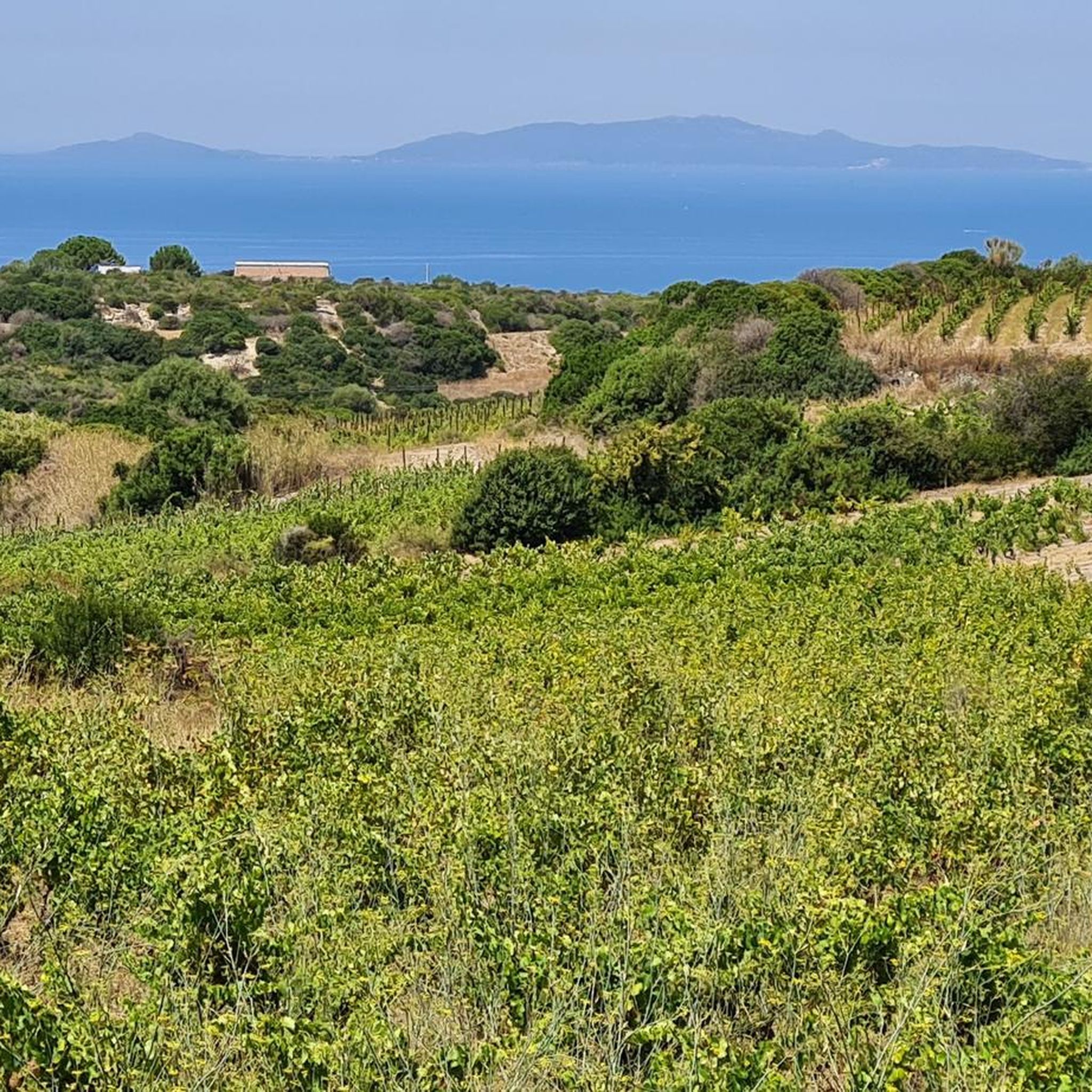
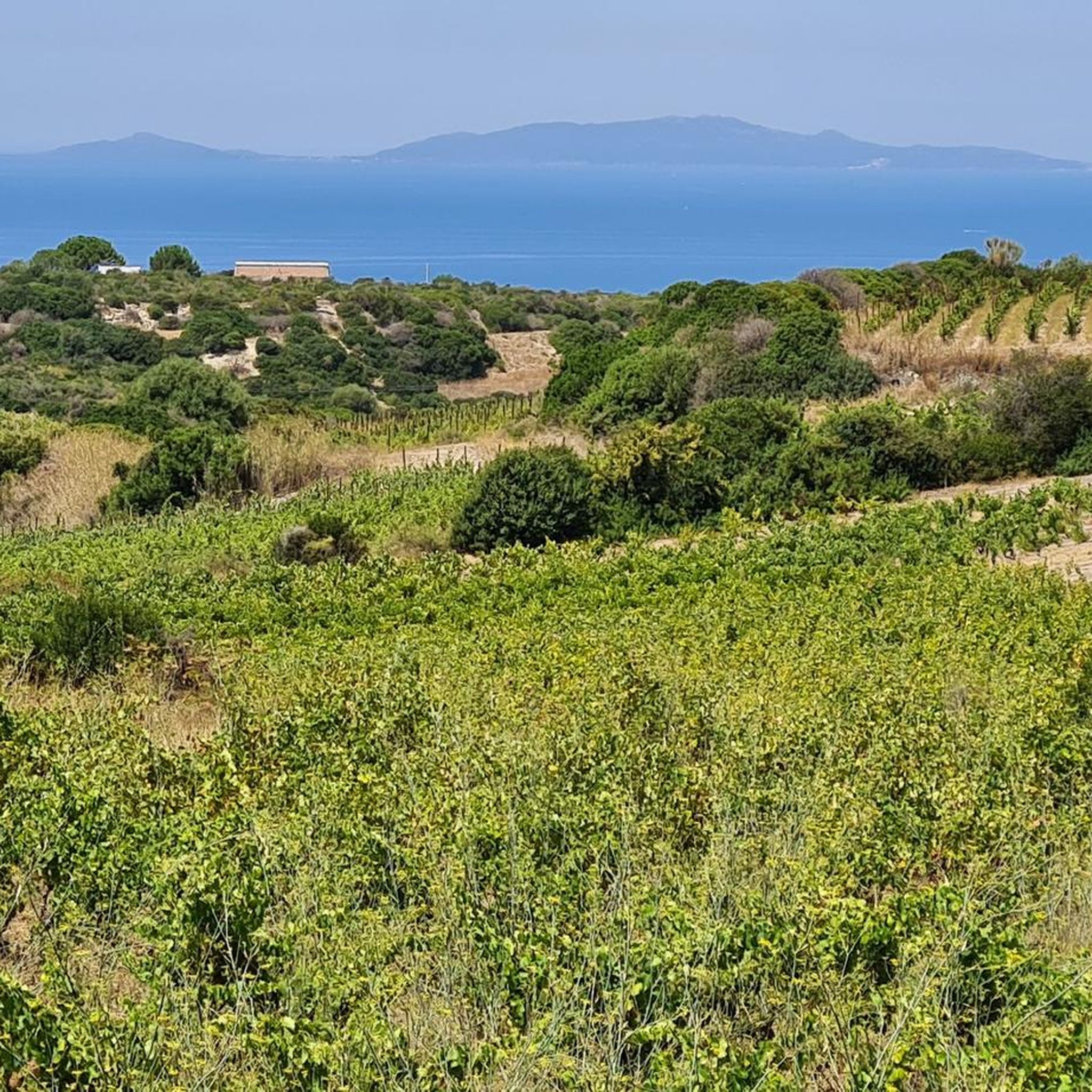
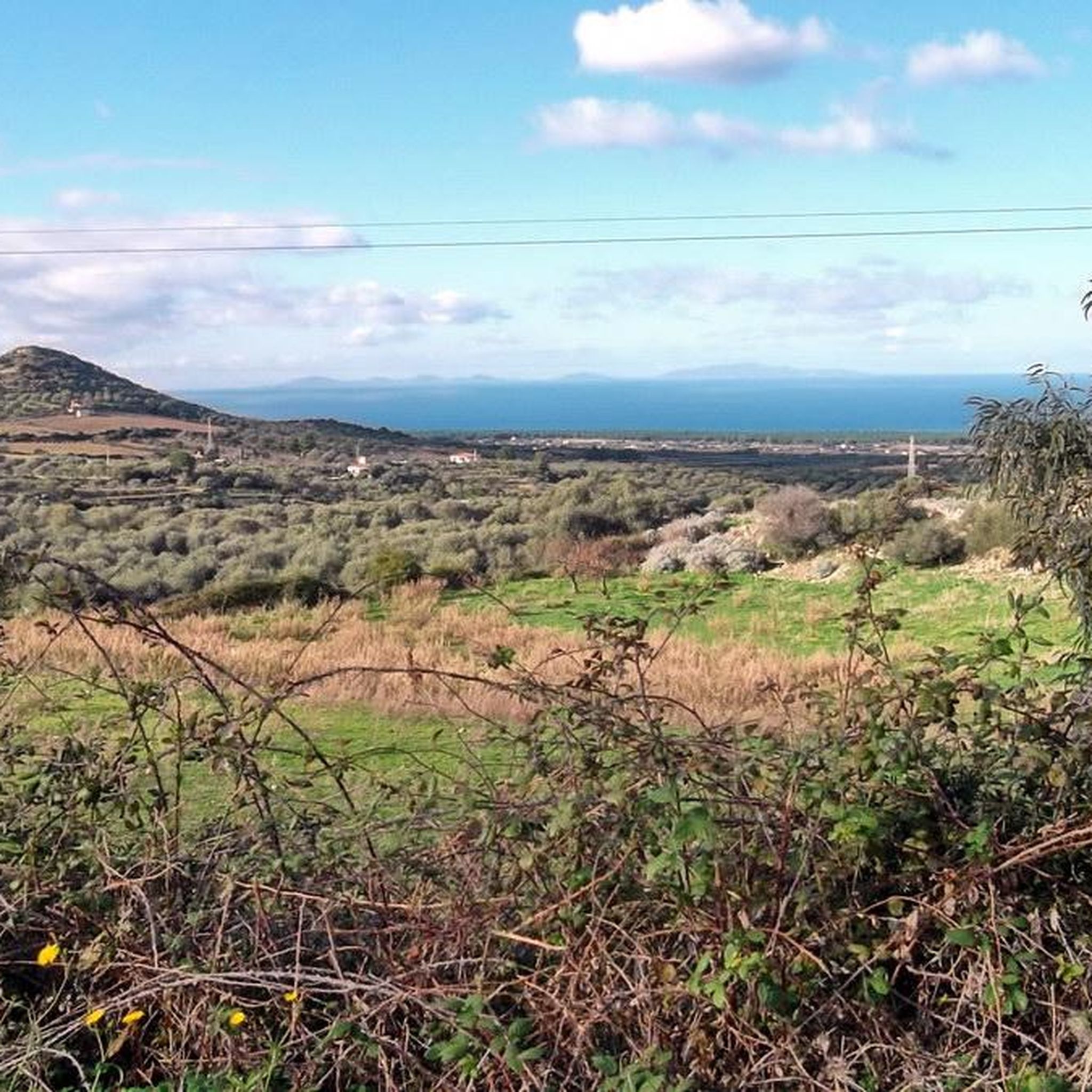
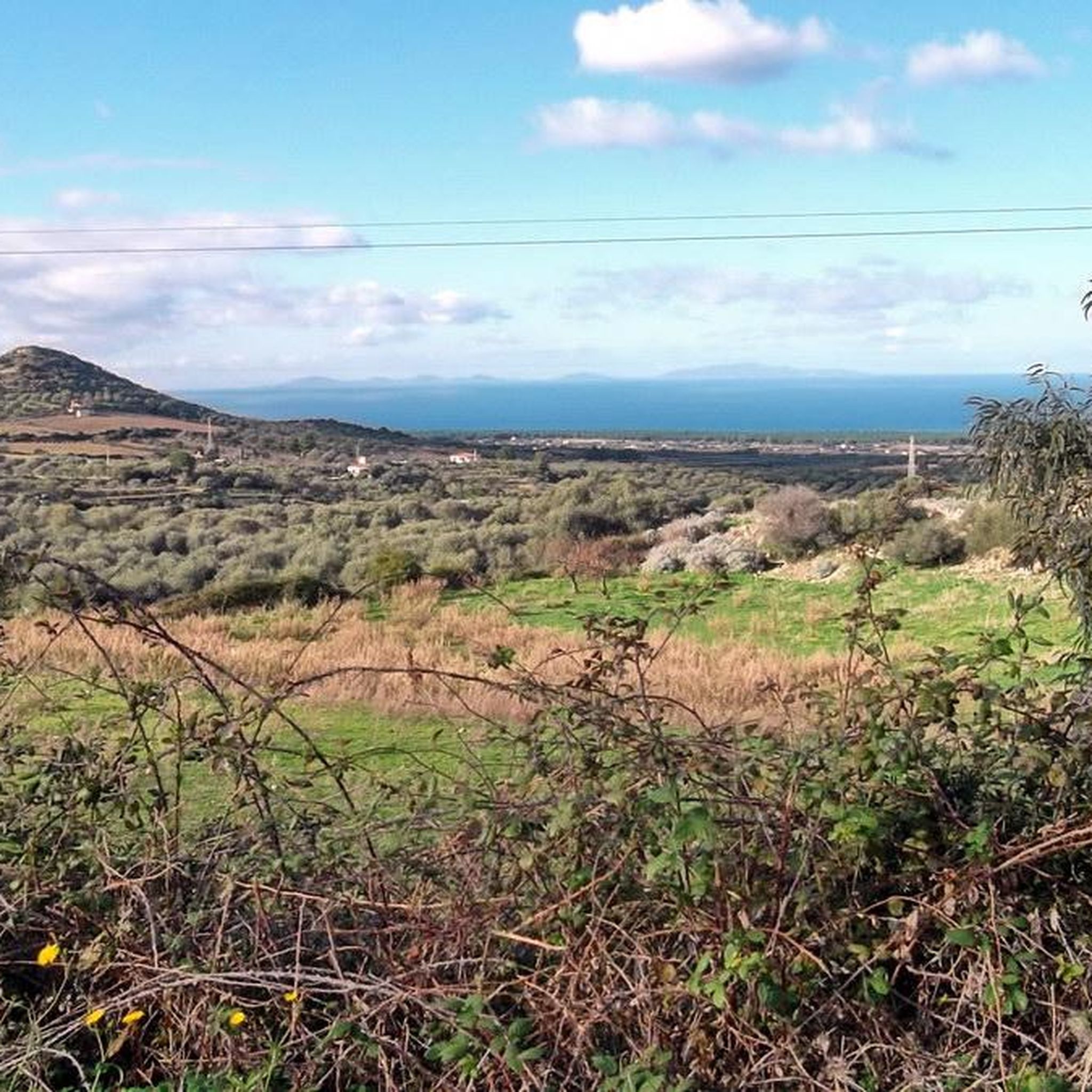

Tips from the Community

a must-see stop to admire the rocks and landscape
1
0

Elephant Stone
0
0


Roccia dell'Elefante / Elephant Rock (Trachyte Rock) Unique rock formation resembling a sitting elephant with ancient graves. The Roccia dell'Elefante is located east of Castelsardo on a side road. It is a trachyte rock that has been shaped into an elephant by erosion. Strada Statale 134, 07031 Castelsardo SS Text / Source: sardinien.insel-leben.de https://sardinien.insel-leben.de/orte/castelsardo/
14
0
Great stopping point. You can continue driving down the forbidden road though
1
0

Congratulations for the always splendid photos!
0
0

When this stone broke apart into its current form, graves were discovered inside
0
0
There are about 10,000 nuraghes from the northwest down to the southeast. Some of them can be visited and learn about this culture
0
0
Frequently Asked Questions
What are the most popular natural monuments around Sènnaru/Sennori?
Among the most appreciated natural monuments in the region is Elephant Rock (Rock of the Elephant), known for its distinctive shape and ancient burial sites. Visitors also frequently explore The tomb of Molafà (Sardinia, Italy), a rock-cut grave from the Nuragic era, and the Noeddale Necropolis, Ossi, an archaeological site featuring unique hypogean architecture.
Are there family-friendly natural monuments to visit in the Sènnaru/Sennori area?
Yes, several natural monuments are suitable for families. Elephant Rock (Rock of the Elephant) is a fascinating site with its unique shape and historical significance, offering an engaging experience for all ages. The fascinating surroundings of Sassari also provide diverse landscapes and historical sites that can be enjoyed by families. Additionally, the Rosello Fountain in Sassari is a beautiful historical monument that is family-friendly.
What kind of geological features can I expect to see around Sènnaru/Sennori?
The Sènnaru/Sennori region is characterized by unique geological formations, often intertwined with ancient human activity. You'll find striking trachyte rock formations, such as the Elephant Rock, sculpted by natural erosion. The landscape also features limestone ribs where ancient tombs like the Domus de Janas are carved directly into the rock, blending natural geology with prehistoric craftsmanship. The area around Sassari also presents a diverse landscape with hills, valleys, and plateaus carved by narrow ravines.
What historical or cultural sites are integrated with the natural monuments?
Many natural monuments in the Sènnaru/Sennori area have significant historical and cultural value. The Elephant Rock contains ancient Domus de Janas (pre-Nuragic chamber tombs) carved into its interior. Similarly, the tomb of Molafà is a rock-cut grave from the Nuragic era. The Noeddale Necropolis, Ossi, showcases hypogean architecture, with tombs reproducing the structure of pre-Nuragic homes. These sites offer a direct link to Sardinia's ancient communities and their beliefs.
Are there any natural springs or fountains to visit in the area?
Yes, the Sènnaru/Sennori area is known for its ancient natural springs and fountains, which historically served as vital water sources. One notable example is Funtana de Sa Conza, an ancient fountain surrounded by a natural gallery, featuring water that collected in basins used for washing and watering. Other springs like Funtana de Su Anzu, Funtana Fritta (known for its cold water), and Fontana Geridu also highlight the region's connection to natural water sources.
What outdoor activities can I do near these natural monuments?
The region offers various outdoor activities, particularly cycling. You can explore road cycling routes, mountain biking trails, and gravel biking paths. For road cycling, consider routes like the 'Tomb of the Giants of Oridda – Junction to Sennori loop' or 'Marina di Sorso loop'. Mountain bikers can enjoy trails such as 'Public drinking water point – Descent into the Pine Forest loop'. Gravel biking options include 'Chapel of San Lorenzo – Fontana De Su Manigu loop'. You can find more details on these activities in the Road Cycling Routes around Sènnaru/Sennori, MTB Trails around Sènnaru/Sennori, and Gravel biking around Sènnaru/Sennori guides.
What do visitors enjoy most about the natural monuments in Sènnaru/Sennori?
Visitors are particularly drawn to the unique blend of natural artistry and prehistoric human craftsmanship. The distinct elephant shape of Elephant Rock and its ancient graves are highly appreciated. The intricate rock-cut tombs, like those at Noeddale Necropolis, offer a profound glimpse into ancient funerary practices and beliefs, with their symbolic elements and mysterious atmosphere. The picturesque natural springs also provide peaceful settings for reflection.
Is it possible to visit the Domus de Janas in the Sènnaru/Sennori area?
Yes, the territory of Sennori is dotted with several Domus de Janas, ancient rock-cut tombs. These sites, often referred to as 'houses of fairies,' are carved directly into natural rock formations. Notable examples include the Domus de Janas del Beneficio Parrocchiale, known for its eleven rooms and unique decorations, and the Necropolis of Serra Crabiles. These sites offer an extraordinary opportunity to explore chambers that mimic Neolithic dwellings and connect with millennia of history and local legends.
What is the best time of year to visit the natural monuments around Sènnaru/Sennori?
While specific recommendations for natural monuments vary, the region's climate generally makes spring and autumn ideal for exploration. During these seasons, temperatures are milder, making outdoor activities like visiting rock formations, ancient tombs, and springs more comfortable. Summer can be hot, so if visiting then, early mornings or late afternoons are preferable, especially for sites like Elephant Rock where the reddish hues are vivid during sunset.
Are there any viewpoints offering panoramic views of the natural landscape?
Yes, the region offers several viewpoints. Elephant Rock itself provides a unique perspective on the surrounding landscape, especially at sunset. Additionally, The fascinating surroundings of Sassari are noted for their diverse landscape, including hills and plateaus, which offer numerous opportunities for panoramic views of the Mediterranean vegetation and unique geological features.
How accessible are the natural monuments for visitors?
Accessibility varies by site. For instance, Elephant Rock is easily accessible and open year-round with free access. Many Domus de Janas sites, such as the Noeddale Necropolis, Ossi, are open and have free entry, often without fences or gates, allowing for free exploration. However, some rock-cut tombs or natural springs might require walking on uneven terrain. It's advisable to check specific site details for any mobility concerns.
Most popular routes around Sènnaru/Sennori
Most popular attractions around Sènnaru/Sennori

Get inspired with the komoot mobile app


Explore more
Extend your search for the best caves by checking out these guides of the top ones around Sènnaru/Sennori:
