Top 7 Natural Monuments around Putumajore/Pozzomaggiore
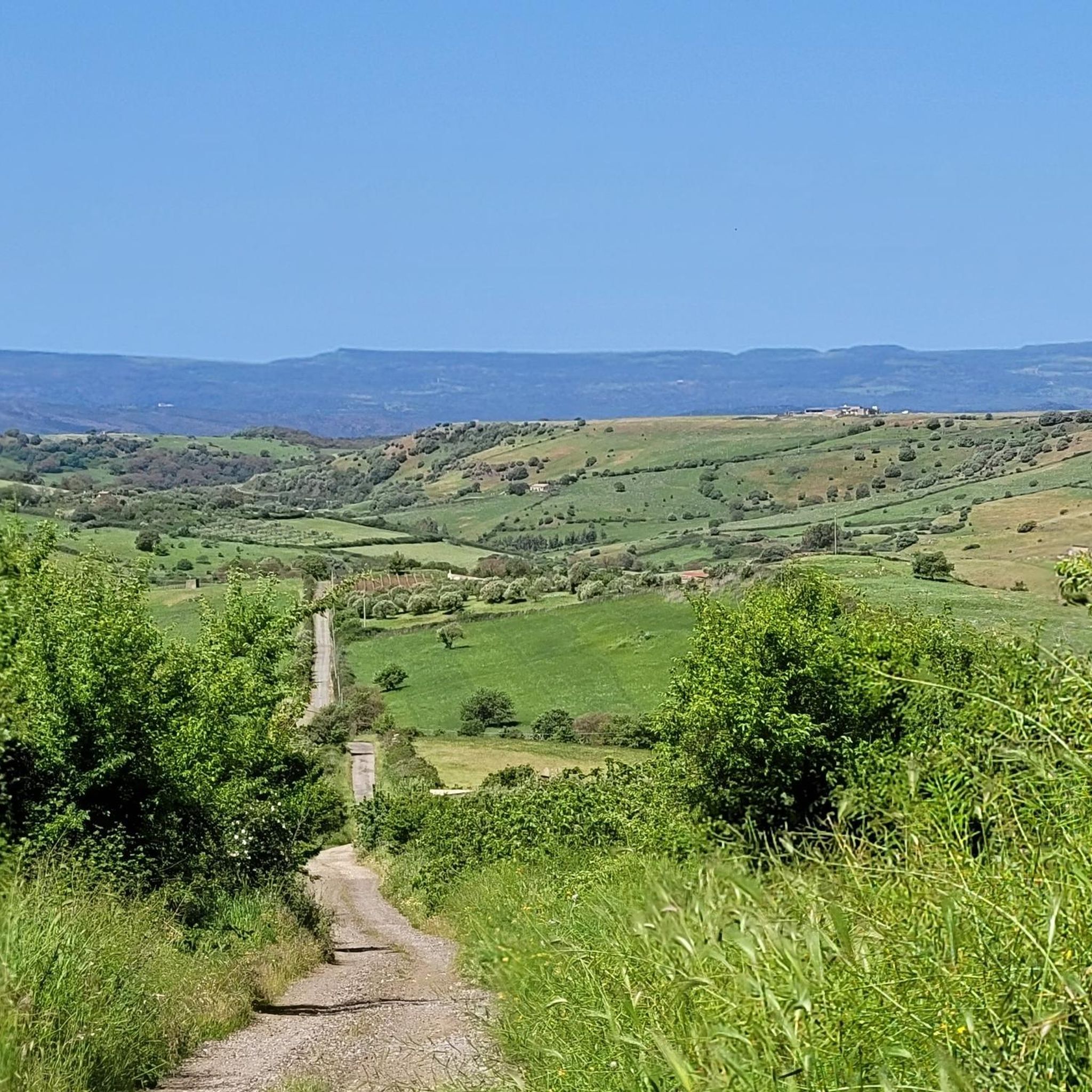
Natural monuments around Putumajore/Pozzomaggiore are characterized by a volcanic landscape, featuring basaltic and andesitic rock formations, gently sloped hills, and plateaus. The region's geology has shaped a distinctive environment, including Mediterranean scrub, cork oaks, and holm oaks. Ancient cave settlements like Grotten Su Guanu and Sa Rocca Boida blend natural formations with archaeological significance. The Riu Mannu river also contributes to the local geography and historical routes.
Best natural monuments around Putumajore/Pozzomaggiore
- The most popular natural monuments is Rock Formations…
Last updated: May 16, 2026
Rock Formations and Caves of the Sardinian Highlands
Highlight (Segment) • Cave
Translated by Google •
Tip by

Tamuli Archaeological Site
Highlight • Historical Site
Translated by Google •
Tip by

Sign up now to discover places like this
Get recommendations on the best single tracks, peaks, & plenty of other exciting outdoor places.
Sign up for free
Monte Sant'Antonio
Highlight • Summit
of nature submerged in the woods and in the Mediterranean scrub. Country churches and archaeological sites abound …
Translated by Google •
Tip by
Su Mudeju Mineral Springs
Highlight • Natural Monument
Translated by Google •
Tip by

Mount Traessu
Highlight • Summit
Translated by Google •
Tip by

Sign up for free to discover even more natural monuments around Putumajore/Pozzomaggiore.
Sign up for free
Already have an account?
Start today with a free account
Your next adventure awaits.
Login or Signup
Tips from the Community

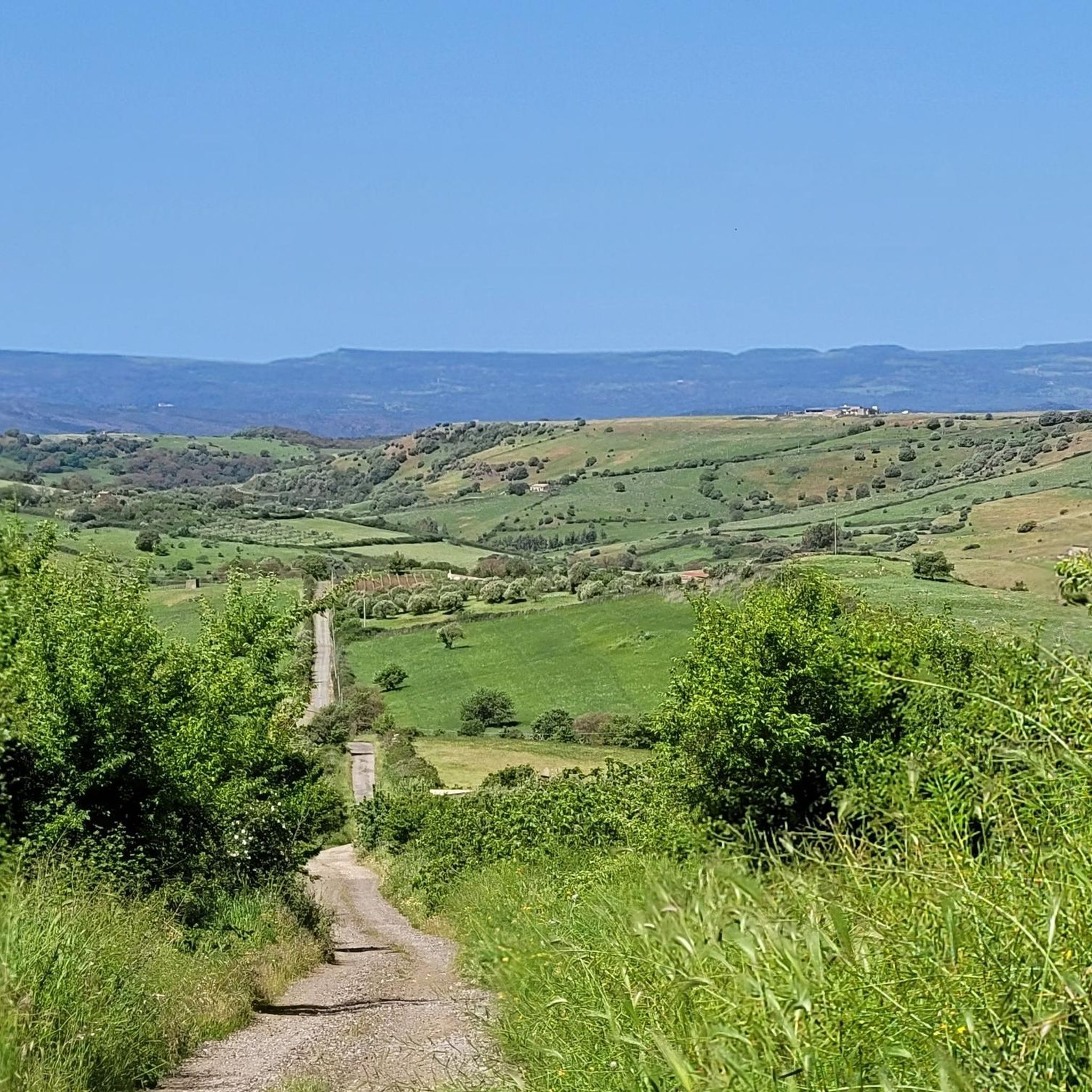
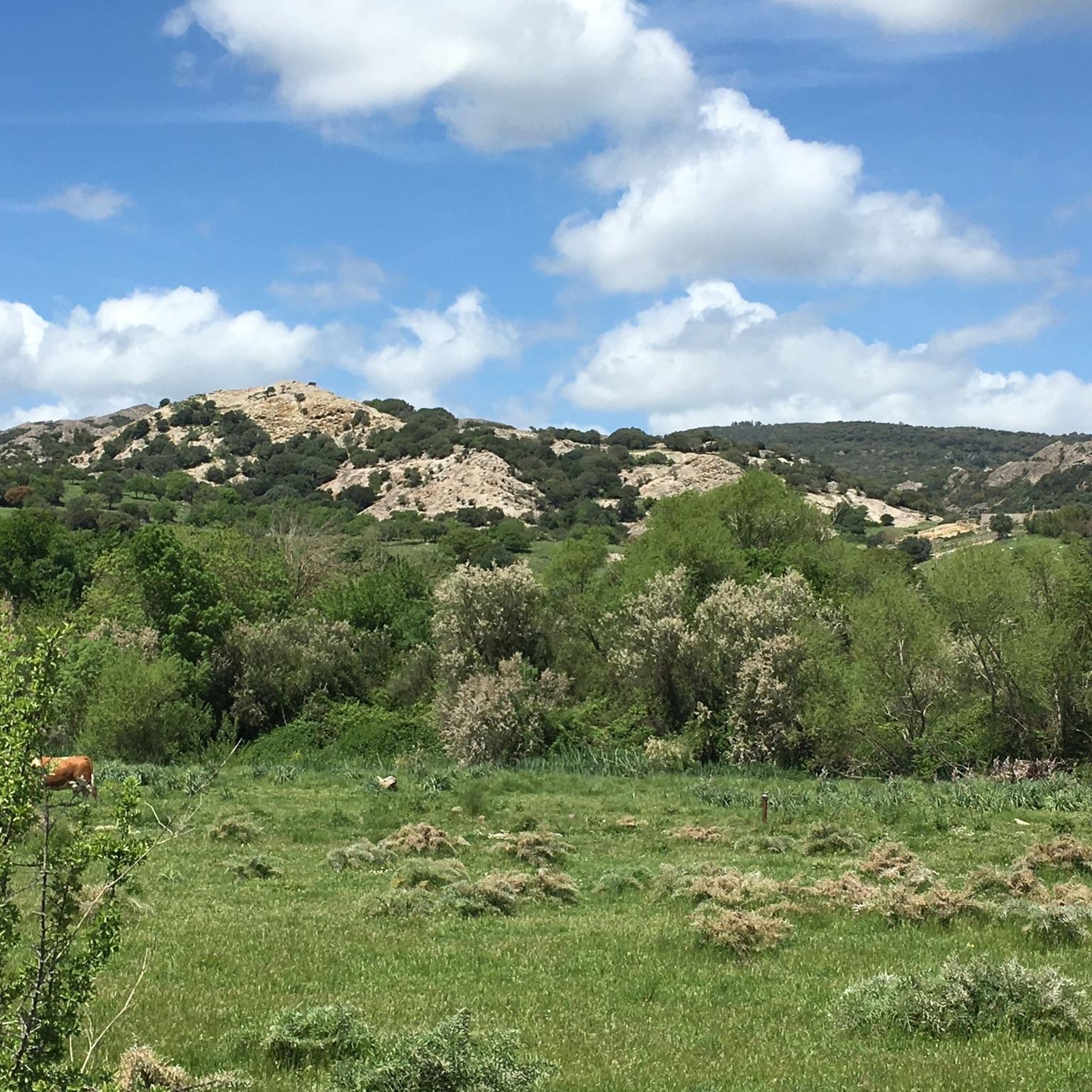
Plains with a primordial appearance, large green spaces bordered by imposing rock formations, isolated or in rows, with caves dug by nature and inhabited by man over the millennia
0
0

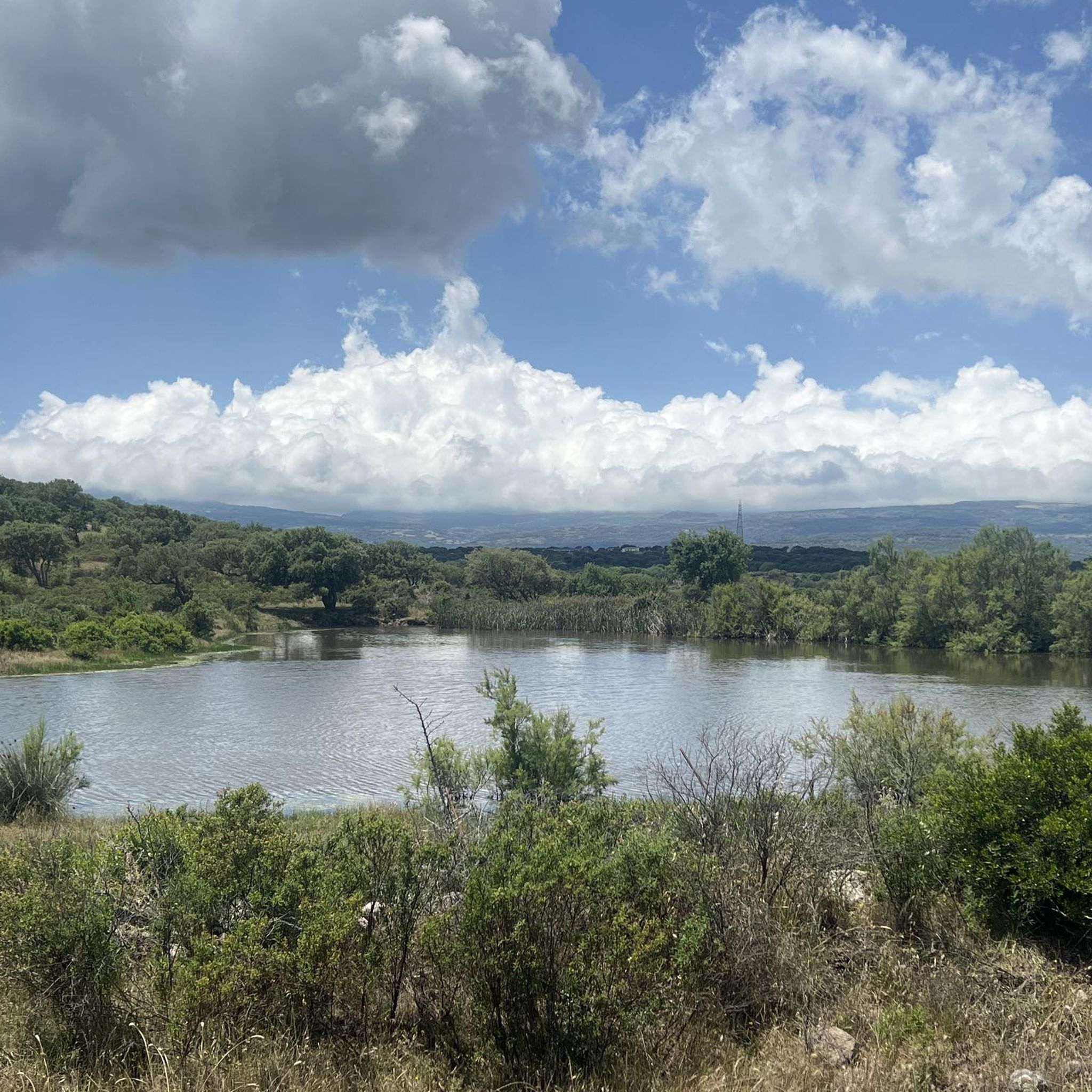
These are mineral water sources naturally endowed with a light carbonation. You can reach it by temporarily deviating from the 292. The lay-by offers three taps, two directly in front of the road which offer moderately fizzy water, and one 50 meters further down with slightly more fizzy water and with more dissolved salts.
1
0

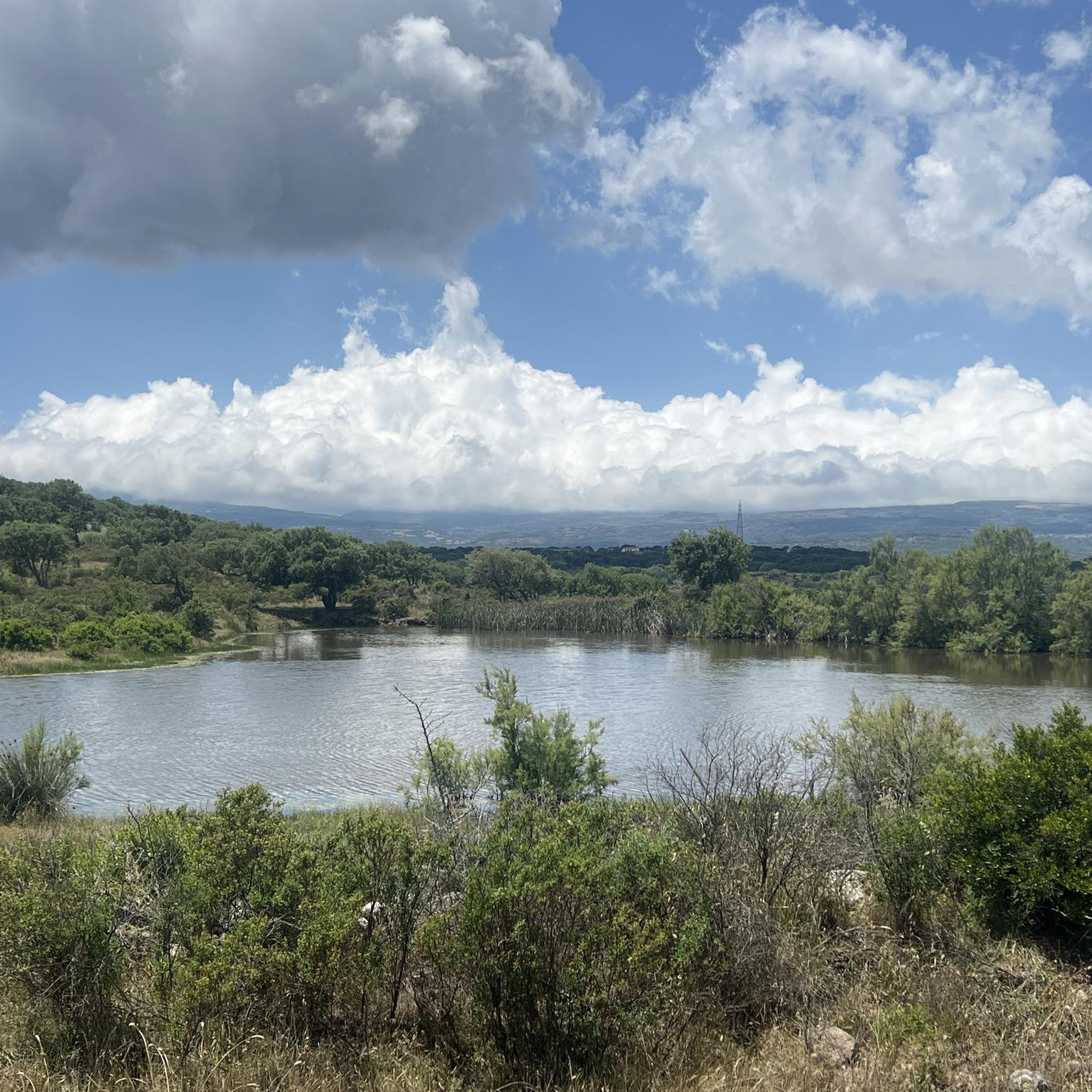
The Tamuli di Macomer form a Nuragic archaeological complex, dating back to the Middle Bronze Age (1500-1200 BC). The peculiarity of the site are the six betyls, conical anthropomorphic stones, three with mamellar shapes and three smooth.
0
0

It is a basaltic massif located in the territory of the municipalities of Cossoine, Giave and Mara, in north-western Sardinia. Rich in gorges, cliffs and caves, the relief reaches a height of 717 meters and dominates a vast stretch of territory in the province of Sassari.
0
1
The Monte di Sant'Antonio is a relief of volcanic origin, a suggestive corner of nature submerged in the woods and in the Mediterranean scrub. Country churches and archaeological sites abound throughout the area. Here there is also the statue of the Madonna, of Sant'Antonio di Padova, and a nuraghe is hidden in the thick vegetation.
1
0
Frequently Asked Questions
What kind of natural features define the landscape around Pozzomaggiore?
The region around Pozzomaggiore is characterized by a distinctive volcanic landscape. You'll find basaltic and andesitic rock formations, gently sloped hills, and plateaus covered in Mediterranean scrub, cork oaks, and holm oaks. This geological setting has shaped a unique environment, including ancient cave settlements and prominent volcanic structures.
Are there any unique geological formations to visit?
Yes, a notable geological formation is Pedra Mendalza, located near Giave. It's a striking basaltic relief, approximately one hundred meters tall, identified as a volcanic neck or plug. This formation offers a fascinating glimpse into the region's volcanic past. Another impressive basaltic massif is Mount Traessu, rich in gorges, cliffs, and caves.
Are there natural monuments with historical or archaeological significance?
Absolutely. The region blends natural formations with archaeological importance. For instance, the Tamuli Archaeological Site is a Nuragic complex from the Middle Bronze Age, notable for its unique betyls. Additionally, Monte Sant'Antonio, a volcanic summit, features country churches and hidden nuraghe within its woods and scrub.
Can I find natural springs in the area?
Yes, you can visit the Su Mudeju Mineral Springs. These are natural sources of mineral water with a light carbonation, offering a refreshing stop. There are multiple taps available, some with slightly more fizzy water and dissolved salts.
What are the most popular natural monuments for visitors?
Visitors particularly enjoy the Rock Formations and Caves of the Sardinian Highlands, which feature plains with a primordial appearance and large green spaces bordered by imposing rock formations and ancient caves. The Tamuli Archaeological Site and Monte Sant'Antonio are also highly appreciated for their natural beauty and historical context.
Are there family-friendly natural monuments to visit?
Yes, the Su Mudeju Mineral Springs are considered family-friendly, offering an easy and accessible natural attraction. The general volcanic landscape with its gentle hills also provides opportunities for family walks and exploration.
What outdoor activities can I do near these natural monuments?
The region offers various outdoor activities. You can explore cycling routes, including options for touring bicycles and road cycling. There are also mountain biking trails available. For more details on specific routes and their difficulties, you can check the Cycling around Putumajore/Pozzomaggiore guide, the Road Cycling Routes guide, and the MTB Trails guide.
What is the typical difficulty level for exploring these natural monuments?
Many of the natural monuments and their surrounding areas are suitable for intermediate levels of activity. For example, exploring the Rock Formations and Caves of the Sardinian Highlands or reaching summits like Monte Sant'Antonio and Mount Traessu typically involve intermediate terrain. Some cycling and MTB routes also range from moderate to difficult.
What do visitors enjoy most about the natural monuments in Pozzomaggiore?
Visitors frequently highlight the primordial appearance of the plains, the large green spaces bordered by imposing rock formations, and the ancient caves that have been inhabited for millennia. The unique blend of geological wonders and historical sites, such as the Nuragic complex at Tamuli, also captivates many, offering insights into both nature and human history.
Are there any ancient cave settlements to explore?
Yes, the region is home to ancient cave settlements like Grotten Su Guanu and Sa Rocca Boida. These natural caves were utilized by prehistoric communities, offering a unique blend of natural formations and archaeological significance, showcasing early human habitation within natural shelters.
What is the significance of the Riu Mannu river in the area?
The Riu Mannu river plays a significant role in the local geography, separating Pozzomaggiore from the Planargia and Montiferru regions. It has also been historically important for routes, including the ancient Oinu bridge which dates back to the 3rd century AD, connecting different parts of the landscape.
Most popular routes around Putumajore/Pozzomaggiore
Most popular attractions around Putumajore/Pozzomaggiore

Get inspired with the komoot mobile app


Explore more
Extend your search for the best caves by checking out these guides of the top ones around Putumajore/Pozzomaggiore:
