Top 10 Natural Monuments around Onanìe/Onanì
Best natural monuments around Onanìe/Onanì are found within a pastoral village in central Sardinia, characterized by its Mediterranean scrub and ancient oak forests. The area's natural environment offers features significant for their ecological value and scenic beauty, providing opportunities for nature observation. Onanìe/Onanì is surrounded by hills and the Riu Mannu valley, contributing to a serene rural landscape. These elements collectively form a valuable natural heritage, ideal for those seeking tranquility and immersion in nature.
Best natural monuments around Onanìe/Onanì
…Last updated: June 28, 2026
Sacred Well of Su Tempiesu
Highlight • Historical Site
Translated by Google •
Tip by

Punta Caterina Plateau, Monte Albo
Highlight • Viewpoint
Translated by Google •
Tip by

Sign up now to discover places like this
Get recommendations on the best single tracks, peaks, & plenty of other exciting outdoor places.
Sign up for free
Scenic road along the cliffs of Monte Albo
Highlight (Segment) • Cycleway
Translated by Google •
Tip by

Monte Albo Scenic Mountain Road
Highlight (Segment) • Mountain Pass
Translated by Google •
Tip by

Lake Maccheronis
Highlight • Lake
Translated by Google •
Tip by

Sign up for free to discover even more natural monuments around Onanìe/Onanì.
Sign up for free
Already have an account?
Start today with a free account
Your next adventure awaits.
Login or Signup

Tips from the Community

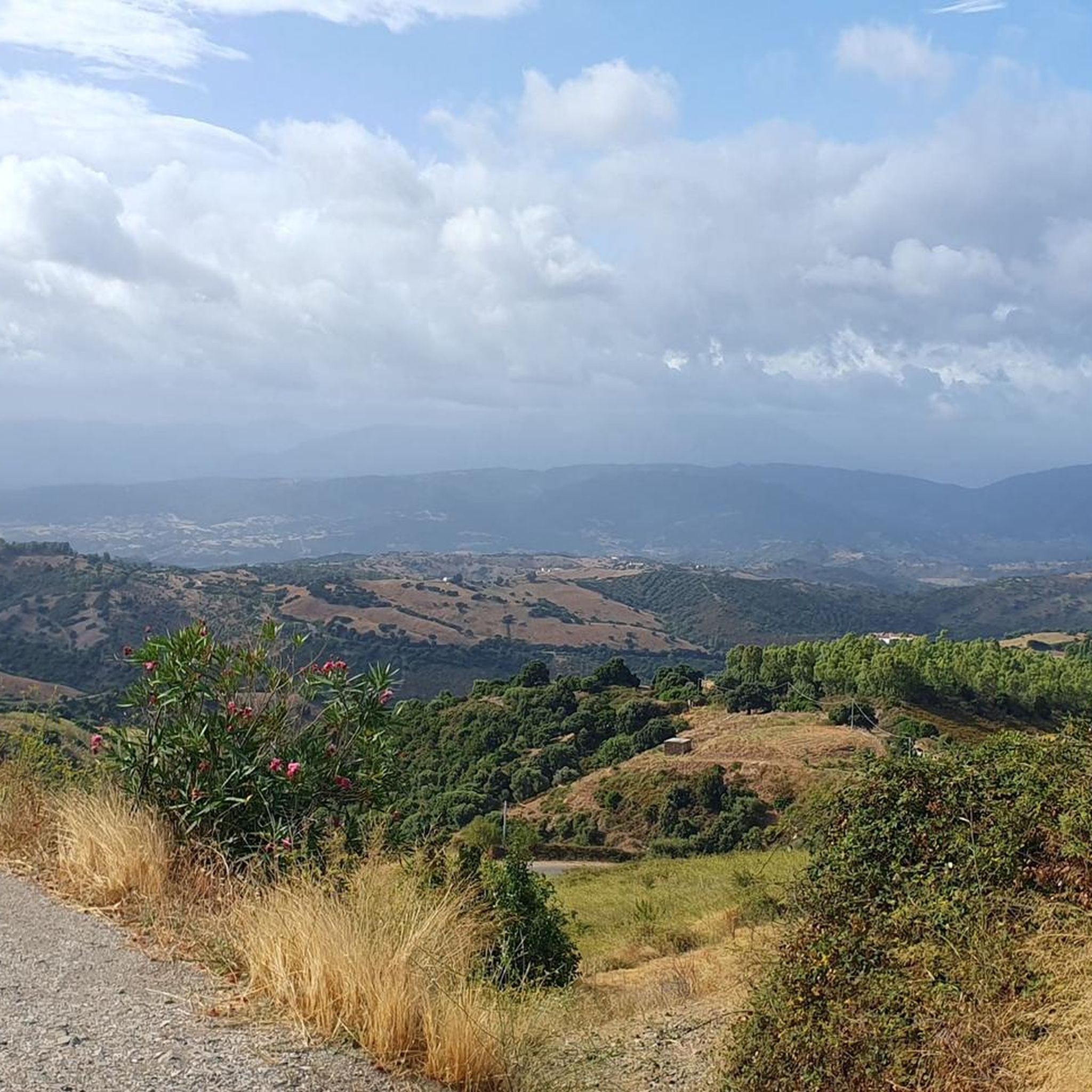
A quiet plateau with huge boulders/climbing areas. Little to no shade. Therefore, bring plenty of water!
0
0

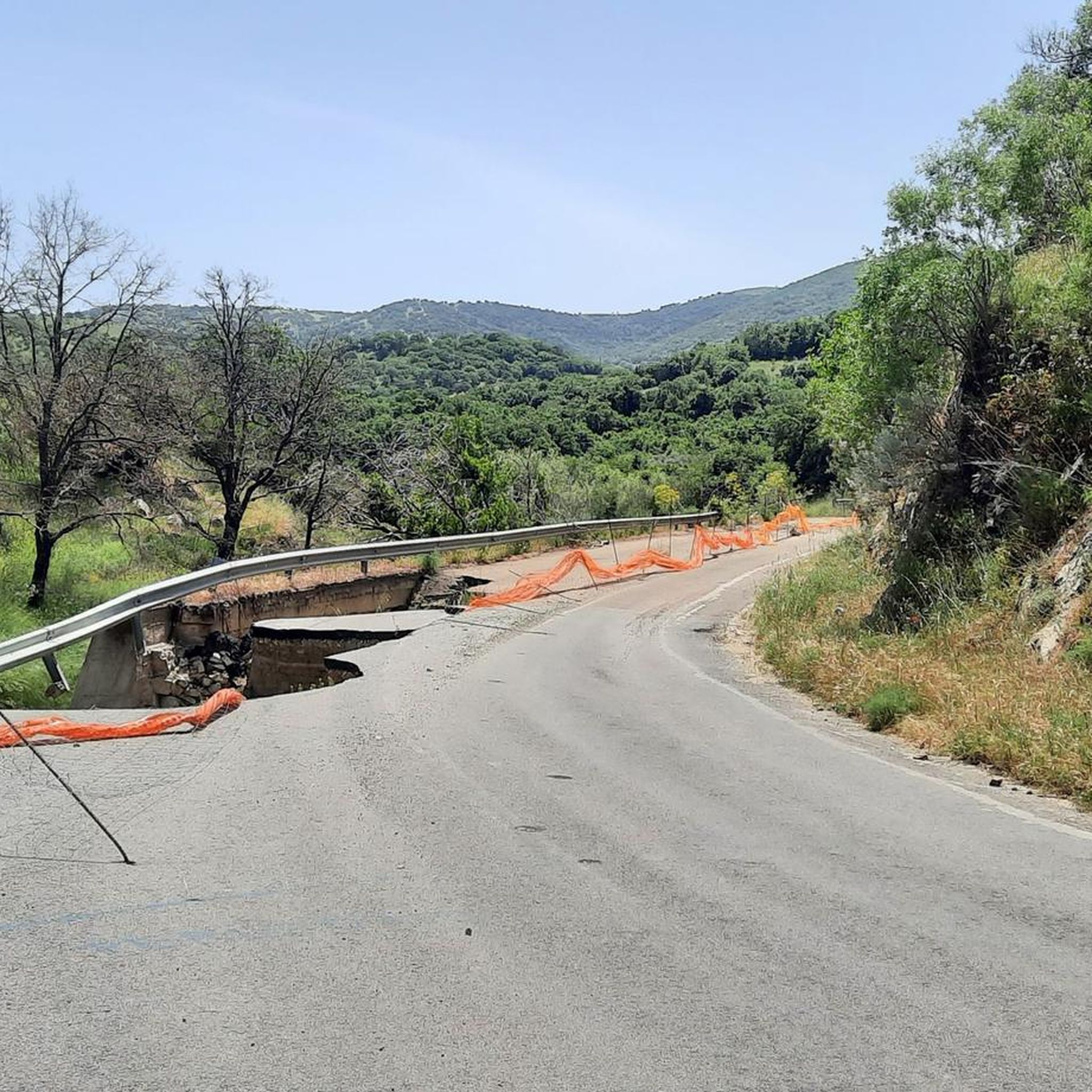
Very nice section of the route for biking
0
0
Unfortunately, we weren't there, but we definitely have to go next time; it looks interesting...
0
0
It's just so wonderful to be out and about here with the 🚴♂️
1
0

Monte Albo is located in the Baronìe. The name comes from its light color limestone rocks. The complex is full of gorges and caves and is also known as the “Sardinian Dolomites.”
3
0

This is like a bicycle street, we encountered maybe 5 cars on the way there and back today
0
0
Great view, in autumn it is probably quite empty
0
0

One of the most important and complete testimonies that the Nuragic culture has left us. Su Tempiesu is a fountain temple dedicated to the worship of water deities and was built using the Opus Isodomum technique with perfectly crafted trachyte and basalt blocks. The origin dates back to the Late Bronze Age (13th century BC) and was frequented until the beginning of the Iron Age (4th century BC). Discovered in 1953, the site is located on a rock face where spring water flows and supplies the holy well with water. Su Tempiesu is the only remaining original evidence of a covered, hilltop sacred well structure. The temple is about seven meters high and consists of a vestibule, a staircase and a chamber that protects the source of the spring water. The vestibule is square with a slightly sloping floor and projecting walls and is made of panels that form a narrow pointed arch. There are two counter seats at the base of the side walls, while the small offering cabinets are positioned in the brickwork. The back wall leads to an outward-facing, curved staircase. Four steps lead to a small room with a tholos (false dome) and paved floor and a decantation pit in the middle. The roof is exceptional: it is a double-pitched roof with double-shaped eaves. It culminates in a triangular tympanum. On top of it rested an acroterion (ashlar stone in the shape of a truncated pyramid), which carried twenty bronze swords decorated with votive motifs and with holes carved into them. In addition, numerous ex-voto bronzes were found: daggers, hatpins, pendants, bracelets, rings, necklace beads, pins and, above all, small statues of offerings, warriors, characters with capes and commander's staff. Other offerings were stored in chambers created from depressions in the rock. During flood periods, the overflowing water flows through a small canal dug into the floor of the vestibule and is channeled into a second small fountain, a smaller replica of the first. The small fountain is built at the foot of an outer curved enclosure and has a small channel with a finely crafted stalactite. There is a small arch above it, while at the bottom there is a small pit for decanting. Source: https://www.sardegnaturismo.it/en/explore/su-tempiesu
0
0
Frequently Asked Questions
What kind of natural features can I expect to see around Onanìe/Onanì?
The Onanìe/Onanì area is characterized by its splendid landscapes, rich Mediterranean scrub, and ancient oak forests. You'll find extensive green areas covering hills, the verdant pastures of the Riu Mannu valley, and significant limestone formations like those found on Monte Albo.
Are there any unique geological formations to explore in the Onanìe/Onanì area?
Yes, Monte Albo, often referred to as the “Sardinian Dolomites,” is known for its light-colored limestone rocks, gorges, and caves. You can experience these formations along the Monte Albo Scenic Mountain Road or from the Punta Caterina Plateau.
What are some of the most scenic viewpoints in the natural monuments around Onanìe/Onanì?
For breathtaking views, visit the Punta Caterina Plateau, Monte Albo, which offers untouched plateau landscapes and steep limestone rocks. Another excellent option is the Monte Albo Scenic Mountain Road, providing stunning panoramas of the surrounding area.
Are there family-friendly natural monuments or activities around Onanìe/Onanì?
Yes, the Scenic road along the cliffs of Monte Albo is considered family-friendly, offering a pleasant drive with panoramic views. Additionally, Lake Maccheronis provides beautiful views and is also suitable for families, though swimming is not permitted.
What historical sites are considered natural monuments in this region?
The Sacred Well of Su Tempiesu is a significant historical site and natural monument. This beautifully preserved Nuragic fountain sanctuary, dating back to the Late Bronze Age, is dedicated to water deities and features intricate ancient architecture.
What outdoor activities can I do near the natural monuments around Onanìe/Onanì?
The region offers various outdoor activities. You can find numerous hiking trails, including moderate options like the Monte Albo Singletrack Trail, and easier paths such as the loop from Fonte Sacra Su Tempiesu to the Old Shepherd's Hut. For cycling enthusiasts, there are several routes, including challenging road cycling tours around Monte Albo. Explore more options on the Hiking around Onanìe/Onanì and Cycling around Onanìe/Onanì guide pages.
Are there hiking trails near the Sacred Well of Su Tempiesu?
Yes, there is an easy hiking trail nearby. You can take the 'Old Shepherd's Hut – Sacred Well of Su Tempiesu loop from Fonte Sacra Su Tempiesu,' which is approximately 1.85 km long. This allows you to explore the surroundings of this ancient site. More hiking options are available on the Hiking around Onanìe/Onanì guide page.
What is the best time to visit the natural monuments around Onanìe/Onanì?
The region's Mediterranean climate makes spring and autumn ideal for visiting, with pleasant temperatures for hiking and exploring. These seasons offer lush landscapes and comfortable conditions for outdoor activities. Summer can be hot, while winter provides a quieter experience, though some higher areas might be cooler.
Can I go birdwatching near Onanìe/Onanì?
Yes, the area near Onanìe/Onanì, specifically the "Salti di Mamone," is recognized as a nesting ground for golden eagles. This makes it a compelling location for birdwatching enthusiasts interested in observing rare raptors in their natural habitat.
What do visitors enjoy most about the natural monuments around Onanìe/Onanì?
Visitors particularly appreciate the stunning views from places like Monte Albo, often comparing its limestone formations to the Dolomites. The tranquility and immersion in nature offered by the Mediterranean scrub and ancient oak woods are also highly valued. The well-preserved historical significance of sites like the Sacred Well of Su Tempiesu also leaves a lasting impression.
Are there any cycling routes that pass through the natural monuments?
Absolutely. The Monte Albo Scenic Mountain Road is a popular choice for cyclists, offering stunning views and good asphalt. Another option is the Scenic road along the cliffs of Monte Albo, which has little traffic and is very pleasant to ride. You can find more cycling routes on the Cycling around Onanìe/Onanì guide page.
Most popular attractions around Onanìe/Onanì

Get inspired with the komoot mobile app


Explore more
Extend your search for the best caves by checking out these guides of the top ones around Onanìe/Onanì:
