Top 20 Natural Monuments around Nùgoro/Nuoro
Best natural monuments around Nùgoro/Nuoro are found in Sardinia's diverse landscape, featuring dramatic gorges, pristine beaches, imposing mountains, and ancient cave systems. This region offers unique geological formations and opportunities for outdoor activities. The area is characterized by its rugged beauty and varied natural features.
Best natural monuments around Nùgoro/Nuoro
- The most popular natural monuments is Monte Corrasi Summit, a summit that is the highest peak of the Supramonte region. From its summit at 1,463 meters above sea level,…
Last updated: June 28, 2026
Monte Corrasi Summit
Highlight • Summit
From here, at 1,463 meters above …
Translated by Google •
Tip by

Christ the Redeemer statue on Monte Ortobene
Highlight • Monument
Source: it.wikipedia.org/wiki/Monte_Ortobene
Translated by Google •
Tip by

Sign up now to discover places like this
Get recommendations on the best single tracks, peaks, & plenty of other exciting outdoor places.
Sign up for free
Sacred Well of Su Tempiesu
Highlight • Historical Site
Translated by Google •
Tip by

Giants' Tomb S'Ena e Thomes
Highlight • Historical Site
Translated by Google •
Tip by

Punta Sos Nidos
Highlight • Summit
Translated by Google •
Tip by

Sign up for free to discover even more natural monuments around Nùgoro/Nuoro.
Sign up for free
Already have an account?
Start today with a free account
Your next adventure awaits.
Login or Signup
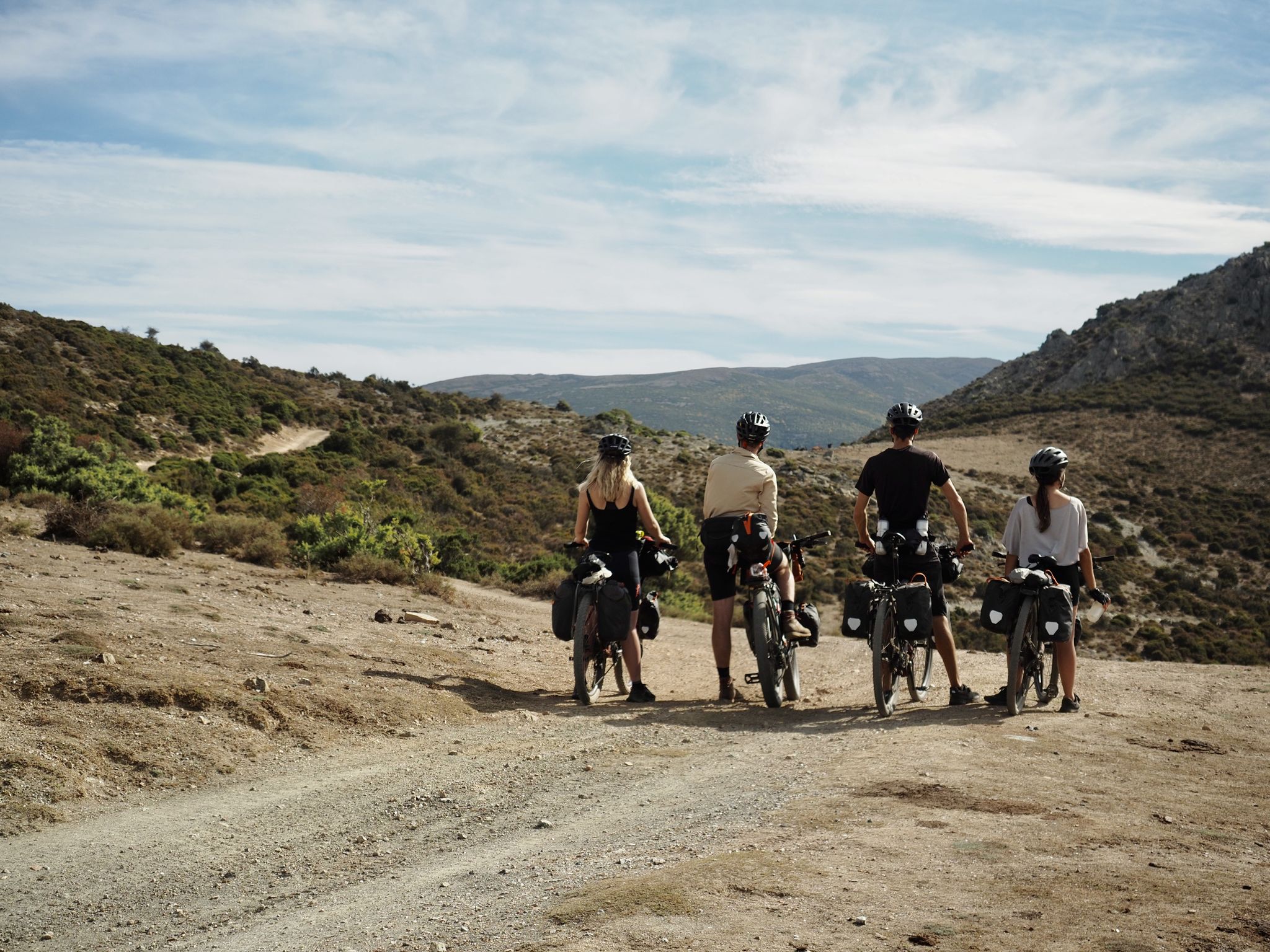
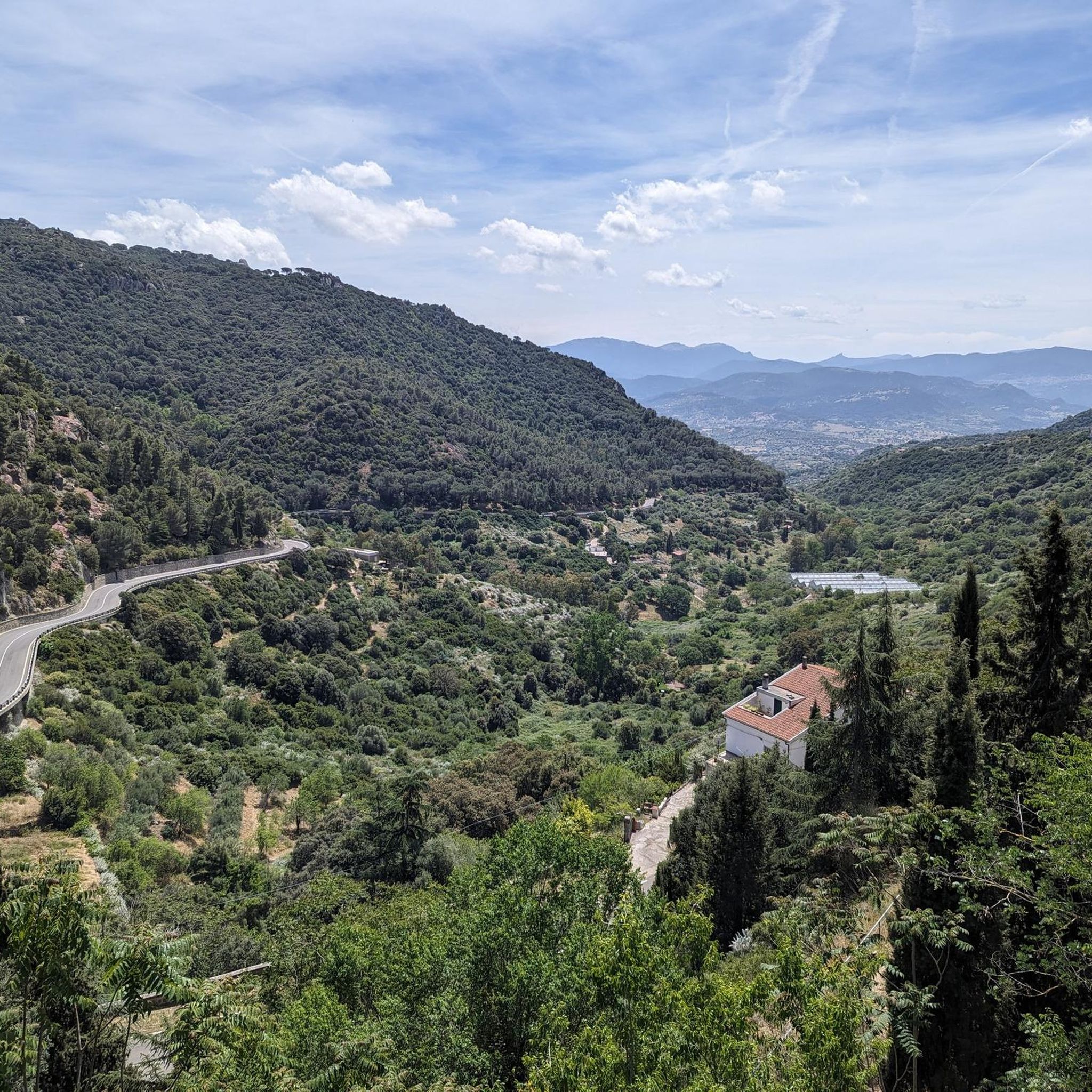
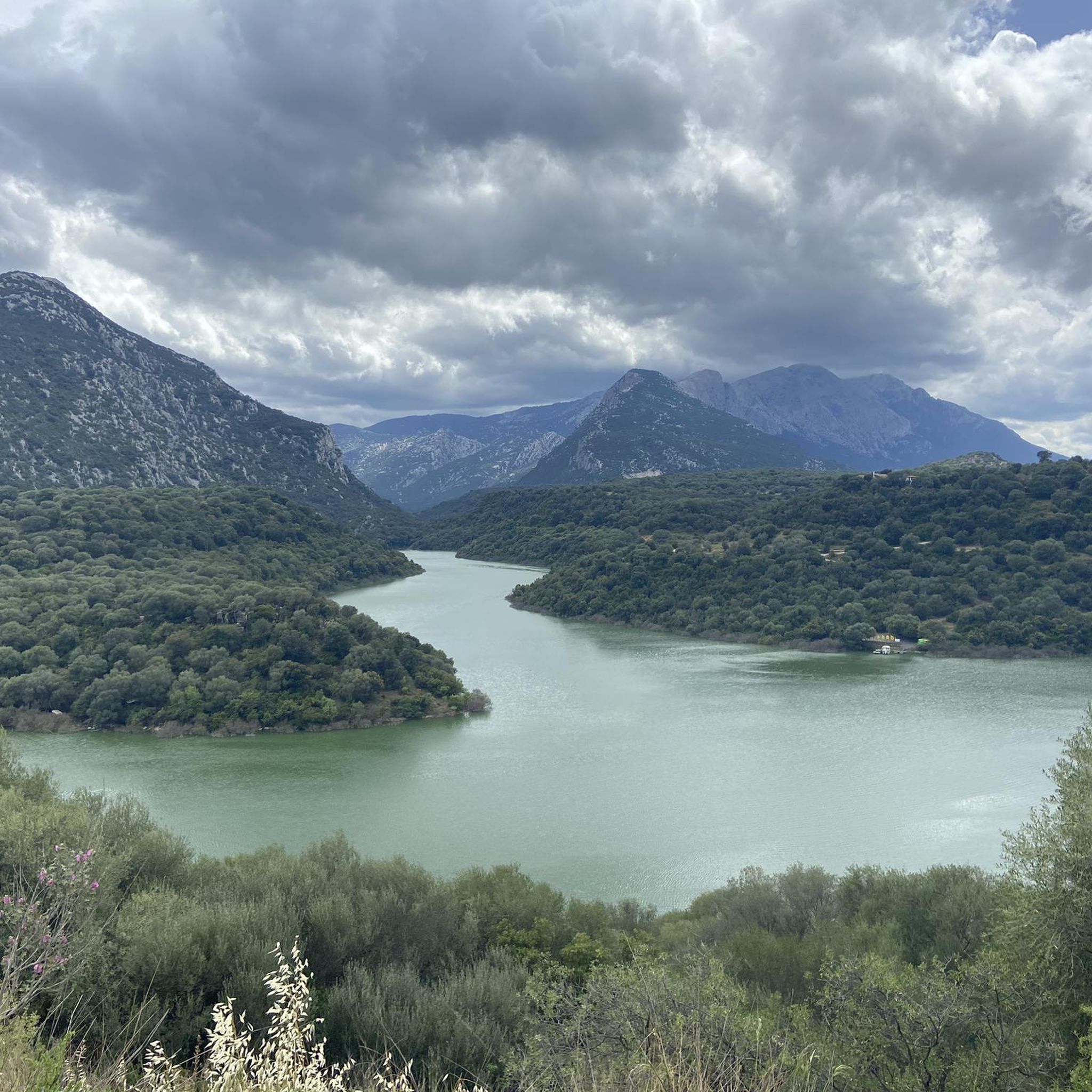
Other adventures around Nùgoro/Nuoro

Tips from the Community

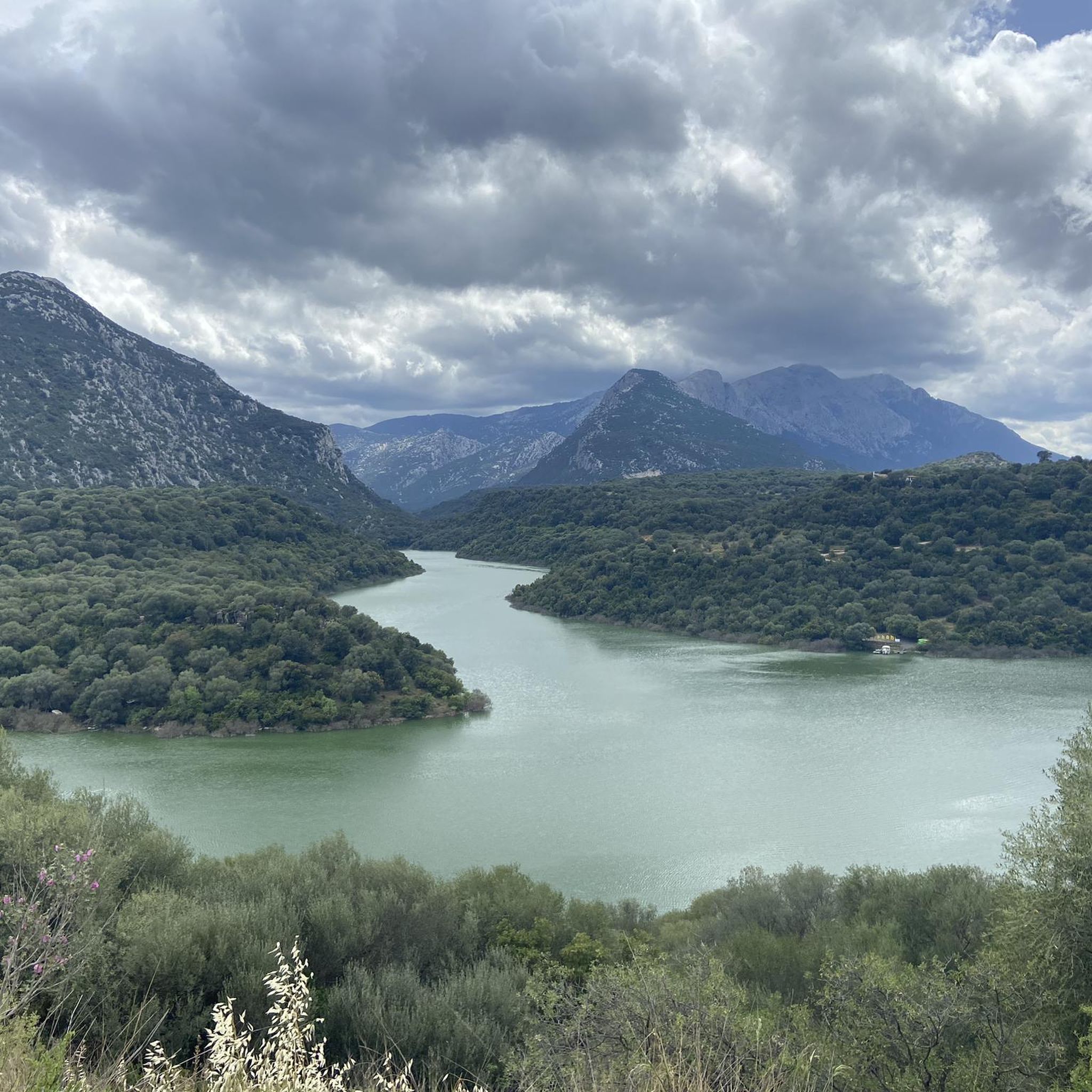
One of the most rewarding and least-crowded summits in the entire Supramonte massif, Punta Sos Nidos rises above the Oliena plateau in a landscape of bare karst limestone, ancient junipers, and silence. The approach is unmarked for long stretches — this is genuine off-trail terrain that rewards experience, good navigation skills, and a solid sense of adventure. The summit plateau opens onto a 360° panorama that ranks among the finest in Sardinia: to the east, the Golfo di Orosei and the Tyrrhenian Sea; to the west, the silhouette of Monte Corrasi and the Gennargentu range; below, the deep green canopy of the Valle di Lanaitto and the canyon of Gorropu. On clear days, the view stretches from Tavolara to the Sinis Peninsula. The terrain is rocky, rugged, and requires careful route-finding. There is no marked path to the summit — GPS tracking is strongly recommended. The area falls within the Parco Nazionale del Golfo di Orosei e del Gennargentu: check current access regulations before heading out.
0
0

Work from the Bronze Age (18th to 16th century BC) is part of the Nuragic Sardinia, restored in 1977
0
0

After a great tour you will be rewarded with a fantastic view.
0
0

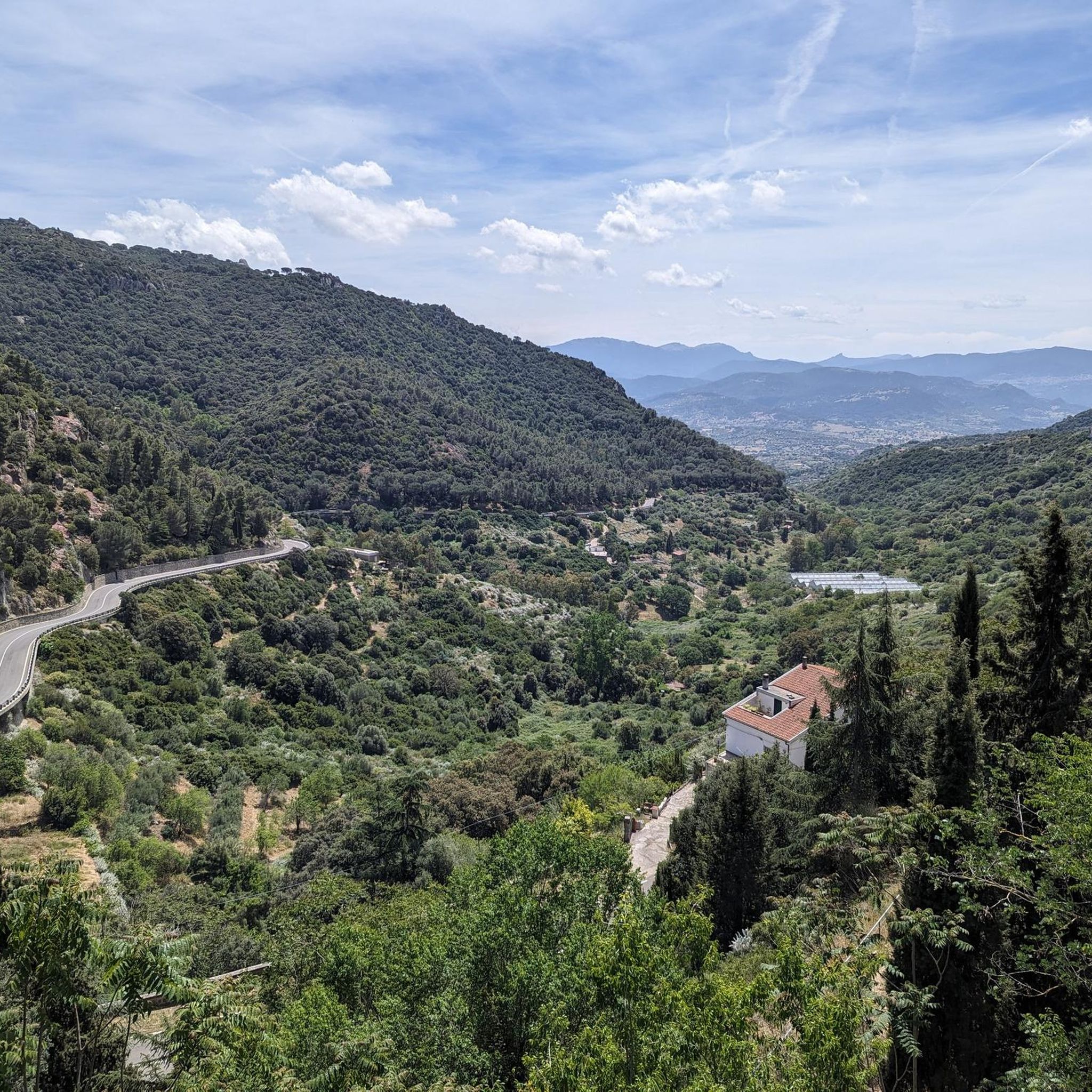
Feels like 100 curves to the top
0
0

The tomb dates from the Bronze Age and has a dolmen structure with a central stele. The large exedra is made up of slabs stuck into the ground and arranged in descending order of size from the stele. The burial hall, rectangular and about 11 m long, is covered with large stone slabs arranged in a jack arch.
2
0
The Giant's Tomb of S'Ena'e Thomes is an archaeological site from the Nuragic period in the municipality of Dorgali in the province of Nuoro, Sardinia.
2
0

The statue of the Redeemer is a bronze work placed on a peak of Mount Ortobene near Nuoro, at a height of 925 metres above sea level.
0
0

At the top of Monte ORTOBENE, hikers will not find a classic summit cross, as is the case with many mountain ridges. Instead, there is a statue of the "Christo Redentore". Jesus Christ, the Savior and Redeemer, appears to be floating above the mountain as the resurrected one, as his feet no longer touch the ground. The cross held in one hand is therefore no longer a sign of death, but has become a symbol of the overcoming of sin and death. The artist of the statue has succeeded in portraying this Christian belief in a relaxed elegance.
2
0
Frequently Asked Questions
What are some of the most impressive natural monuments to visit around Nùgoro/Nuoro?
The Nùgoro/Nuoro region boasts a variety of impressive natural monuments. You can experience the breathtaking 360-degree panoramic views from Monte Corrasi Summit, the highest peak in the Supramonte. Another significant site is the Christ the Redeemer statue on Monte Ortobene, offering stunning vistas over Nuoro. For a unique geological experience, the Gorropu Gorge is one of Europe's deepest canyons with towering limestone walls.
Are there any significant historical or archaeological natural monuments in the Nùgoro/Nuoro area?
Yes, the region is rich in historical natural monuments. The Sacred Well of Su Tempiesu is a remarkably preserved Nuragic fountain sanctuary from the Late Bronze Age, dedicated to water worship. Another notable archaeological site is the Giants' Tomb S'Ena e Thomes, a Nuragic period burial site with a distinctive dolmen structure.
Where can I find panoramic views of the Nùgoro/Nuoro landscape?
For spectacular panoramic views, head to Monte Corrasi Summit, which offers a 360-degree vista embracing Nuoro, Orgosolo, Dorgali, the coast of Cala Gonone, and the Gennargentu mountain range. Monte Ortobene, close to Nuoro's city center, also provides stunning views and is home to the iconic Christ the Redeemer statue.
Are there any notable cave systems to explore near Nùgoro/Nuoro?
Yes, the Nùgoro/Nuoro province features impressive cave systems. Along the coast of Cala Gonone, you can find the well-known Caves of Bue Marino. Inland, near Dorgali, the Cave of Ispinigoli is another must-visit, famous for its unique geological formations and archaeological finds, including evidence of a Phoenician sacrificial well.
Are there any beautiful beaches or coastal natural monuments in the region?
Absolutely. Cala Luna is often described as a 'pearl of the Mediterranean,' known for its light sand, turquoise waters, and numerous small caves. It's accessible on foot or by boat. Another scenic coastal spot is Cala Fuili, which also serves as a starting point for hikes to other beautiful areas like Cala Luna.
What outdoor activities can I do near the natural monuments around Nùgoro/Nuoro?
The region offers diverse outdoor activities. You can find numerous cycling routes, including challenging road cycling tours like the 'From Nuoro to Orgossolo with climb to Monte Ortobene' or touring bicycle loops such as 'Orgosolo Murals – Mamoiada loop from Nuoro.' For runners, there are trails like the 'Monte Ortobene — Ring tour.' You can explore more options in the Cycling around Nùgoro/Nuoro, Running Trails around Nùgoro/Nuoro, and Road Cycling Routes around Nùgoro/Nuoro guides.
Are there family-friendly natural monuments around Nùgoro/Nuoro?
Yes, some natural monuments are suitable for families. The Su Gologone Spring is considered family-friendly, offering a beautiful place to linger in a small park. Beaches like Cala Luna and Cala Fuili are also great for families, with crystal-clear waters for swimming and caves for shade.
What is the difficulty level of hiking trails to these natural monuments?
The difficulty varies. Hikes to Monte Corrasi Summit are generally considered intermediate to challenging, though some paths are well-marked and less demanding. The Gorropu Gorge hike can be challenging due to its terrain. Many running and cycling routes in the area are rated moderate to difficult, such as the 'Monte Ortobene — Ring tour' for running or various cycling loops.
What is the best time of year to visit the natural monuments in Nùgoro/Nuoro?
The best time to visit the natural monuments in Nùgoro/Nuoro is typically during the spring (April-May) and autumn (September-October). During these seasons, the weather is pleasant for hiking and exploring, avoiding the intense heat of summer and the cooler, potentially wetter conditions of winter. This allows for comfortable enjoyment of both mountain and coastal sites.
Are there options for parking at these natural monuments?
While specific parking details vary by site, many popular natural monuments and trailheads in the Nùgoro/Nuoro region, especially those with established visitor access like Gorropu Gorge or Monte Ortobene, typically offer designated parking areas. It's advisable to check specific access information for each monument before your visit, as some may have limited parking or require a short walk from a parking lot.
What kind of natural features can I expect to see in the Nùgoro/Nuoro region?
The Nùgoro/Nuoro region is incredibly diverse. You'll encounter dramatic limestone gorges like Gorropu, pristine sandy beaches with turquoise waters such as Cala Luna, imposing mountains like Monte Corrasi and Monte Ortobene, and ancient cave systems including the Caves of Bue Marino and Ispinigoli. The landscape also features natural springs like Su Gologone Spring, and vast plateaus.
What do visitors enjoy most about the natural monuments around Nùgoro/Nuoro?
Visitors frequently praise the spectacular 360-degree panoramic views from summits like Monte Corrasi. The well-preserved historical sites, such as the Sacred Well of Su Tempiesu, are appreciated for their mystical atmosphere and historical significance. Many also enjoy the serene beauty of the Su Gologone Spring, noting it as a perfect place to linger and enjoy the geological peculiarity.
Most popular attractions around Nùgoro/Nuoro

Get inspired with the komoot mobile app


Explore more
Extend your search for the best caves by checking out these guides of the top ones around Nùgoro/Nuoro:
