Top 12 Natural Monuments around Otricoli
Natural monuments around Otricoli showcase a diverse landscape in Umbria, characterized by its historical significance and natural beauty. The region is situated along the Tiber River, providing a rich natural context. Visitors can explore a blend of ancient sites integrated with natural features, making it a destination for both historical and outdoor pursuits. The area features various natural formations, including gorges, forests, and river valleys.
Best natural monuments around Otricoli
- The most popular natural monuments is Geographical Center of Italy…
Last updated: June 28, 2026
Corchiano Historic Village and Gorges
Highlight • Settlement
Translated by Google •
Tip by

Hermitage of San Cataldo
Highlight • Religious Site
Translated by Google •
Tip by

Sign up now to discover places like this
Get recommendations on the best single tracks, peaks, & plenty of other exciting outdoor places.
Sign up for free
The Saint's Hermitage
Highlight • Cave
Translated by Google •
Tip by

Vie Cave of Corchiano
Highlight • Natural Monument
Translated by Google •
Tip by

Ocriculum Archaeological Park
Highlight • Historical Site
Translated by Google •
Tip by

Sign up for free to discover even more natural monuments around Otricoli.
Sign up for free
Already have an account?
Start today with a free account
Your next adventure awaits.
Login or Signup

Tips from the Community

Walking along via S. Egidio, you will find the beginning of this short but very suggestive path inside a "via cava" (roads dug through the tuff that connected the bottom of the valley with the territories above and, in other areas, were also used to drain excess water from agricultural land). This via cava is full of caves dug directly into the tuff, probably used as stables or cellars to store wine or food.
0
0
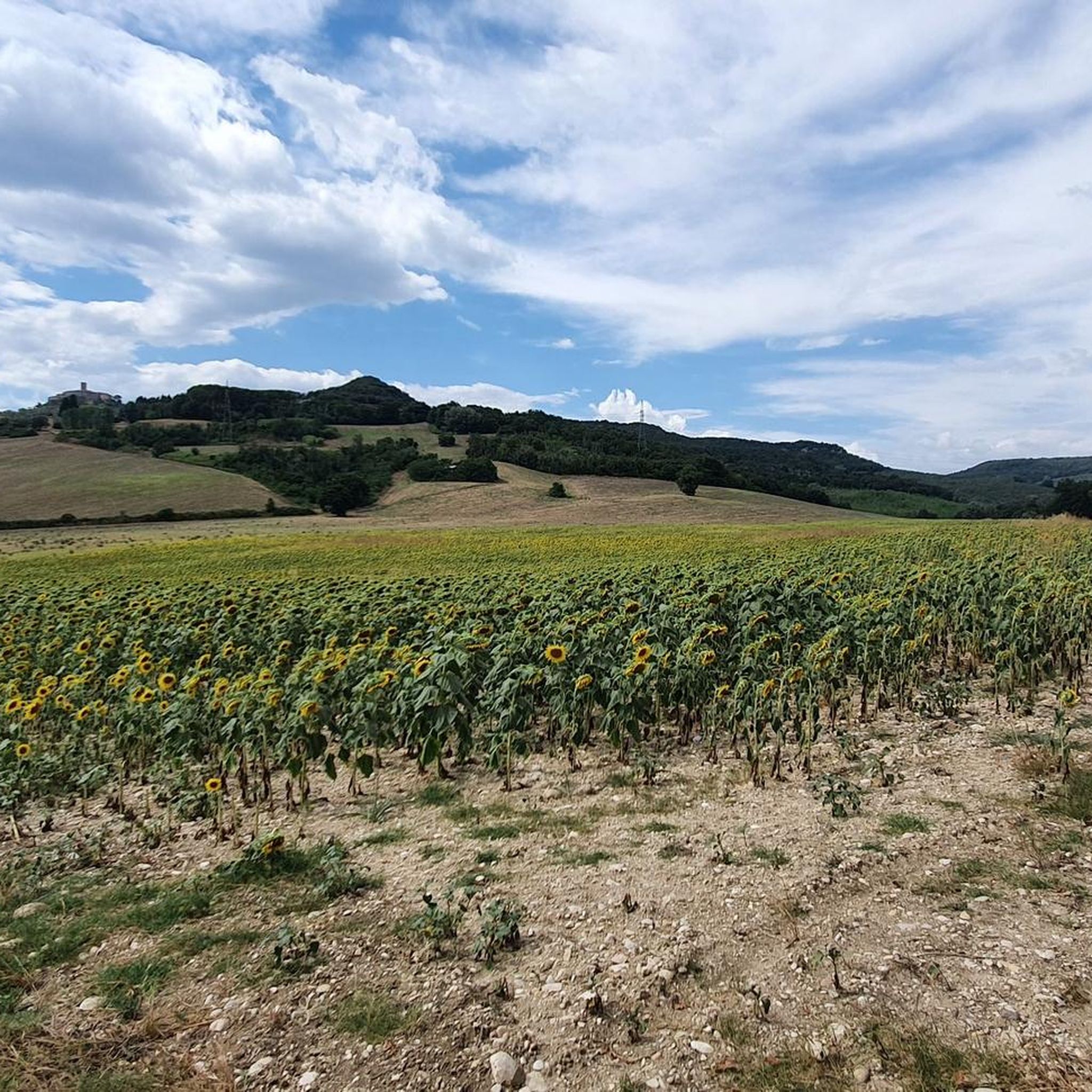
Corchiano is a small town in the province of Viterbo, apparently similar to many others, a little modest... and yet, it has become famous for some events, such as the infiorata, which is held at the end of May and sees the entire town involved in decorating a good part of the streets of the town with flower petals, colored sawdust, coffee grounds and in general any material that can be colored and applied in designs of great beauty. Then, in December, the living nativity scene takes place in a natural setting of great suggestion, finally, the exploration on foot of the ravines should not be overlooked, a true natural monument and archaeological site of great interest... in short, a place that is worth visiting. The difficulty in walking the paths, all equipped, is generally T (tourist) and suitable for all age levels.
1
0

The remains of the ancient Roman city, crossed by the Via Flaminia and lapped by a bend of the Tiber, are set in a natural landscape of remarkable beauty, a perfect synthesis of archeology and nature with a centuries-old history.
0
0

This splendid archaeological park from the Roman era can be visited all year round for free. The park extends for 36 hectares from the nearby bend of the Tiber to under the modern Otricoli. Right on the Tiber river there are still the remains of the used Oil Port active until the 16th century. The remains of what were once thermal baths, amphitheaters and villas are perfectly preserved and extraordinarily integrated into the natural context of the area.
2
0
It seems that San Cataldo has never actually passed through these places. Yet the legends about the saint are not lacking. It is said that the rock that leads from the hermitage to the valley floor is full of hollows and fissures, marks of the elbows and feet of the saint who went to the stream every day to wash himself. Legends aside, the hermitage is a wonderful example of the union between human architecture and nature. The interior of the chapel and its ancient Byzantine fresco can be visited only during FAI days.
1
0

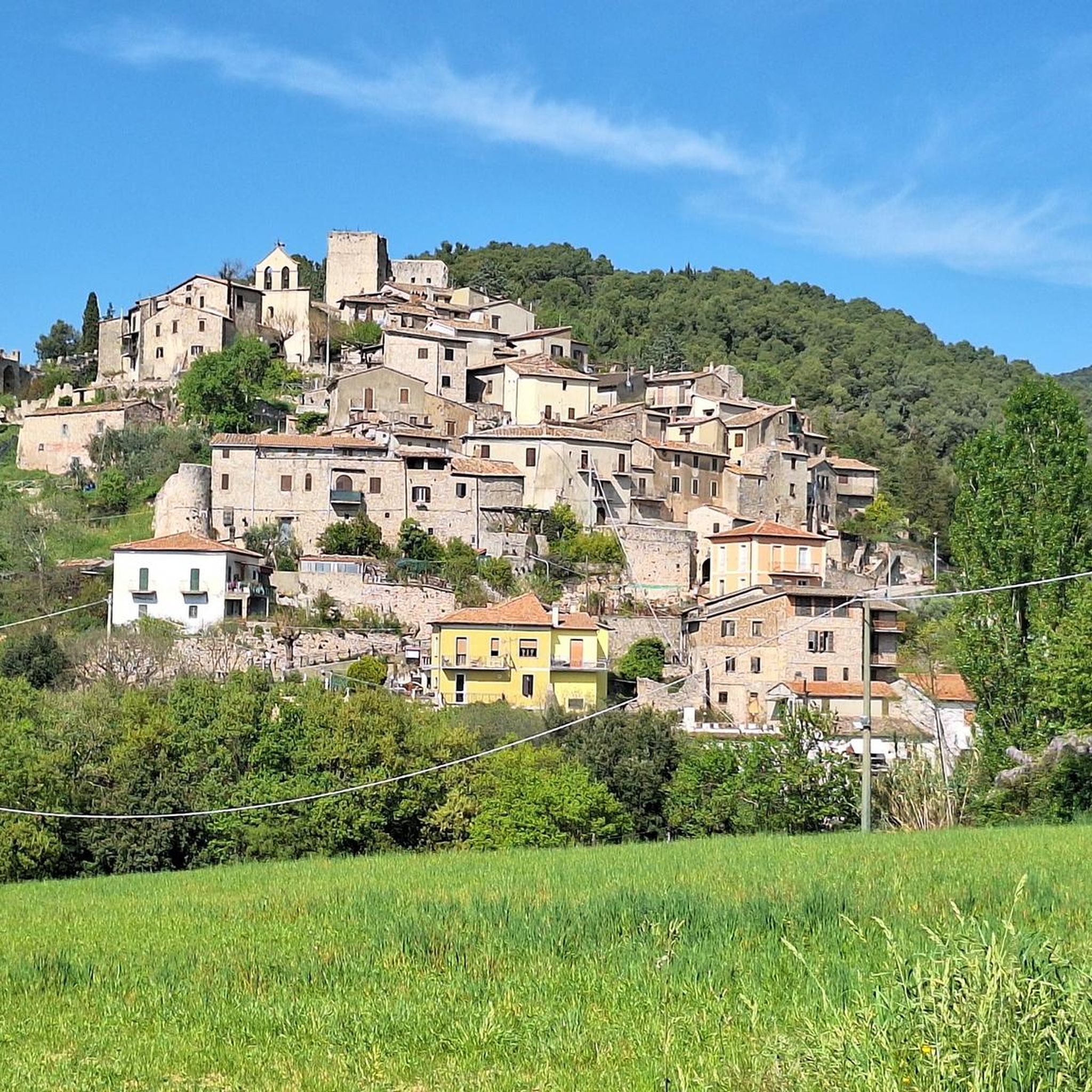
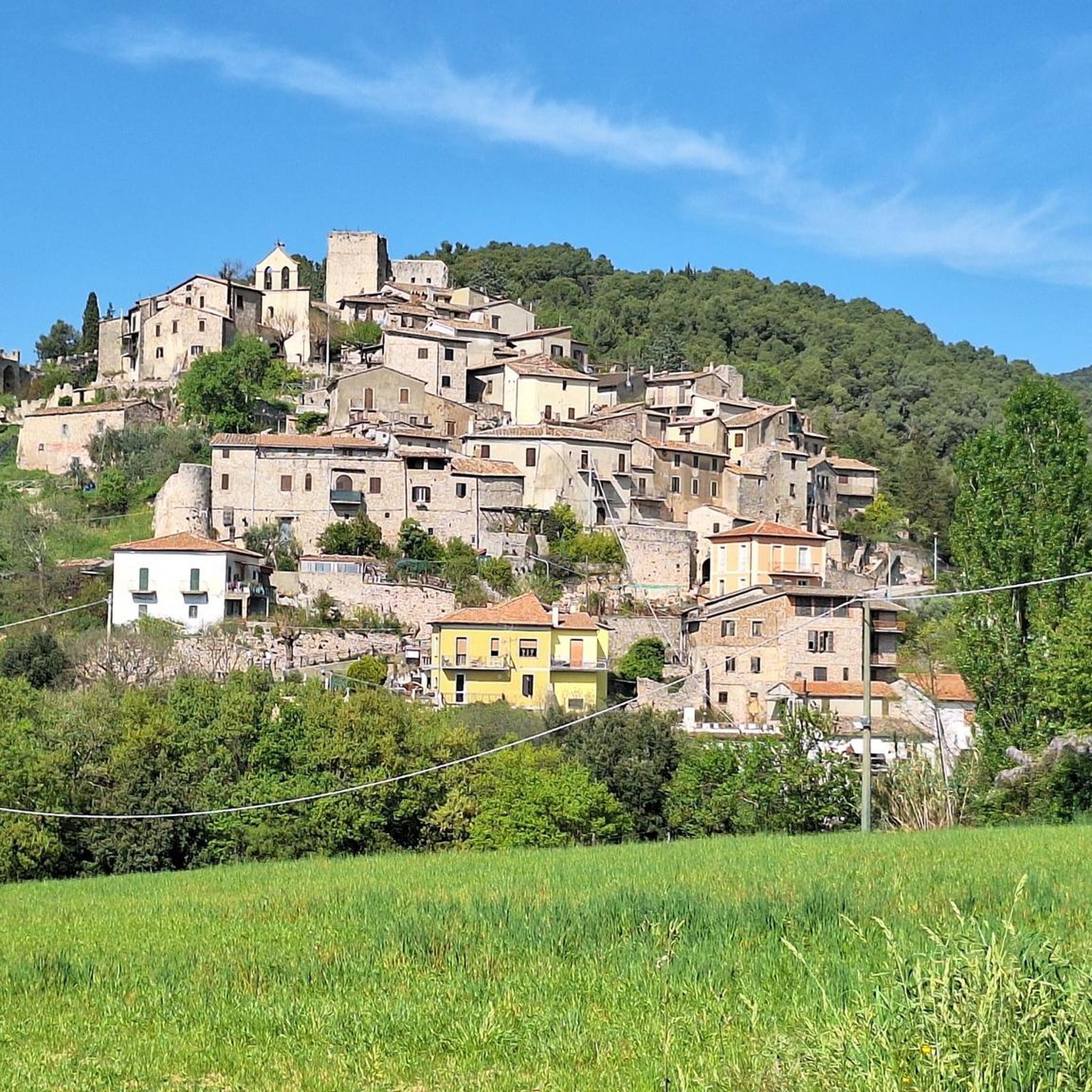
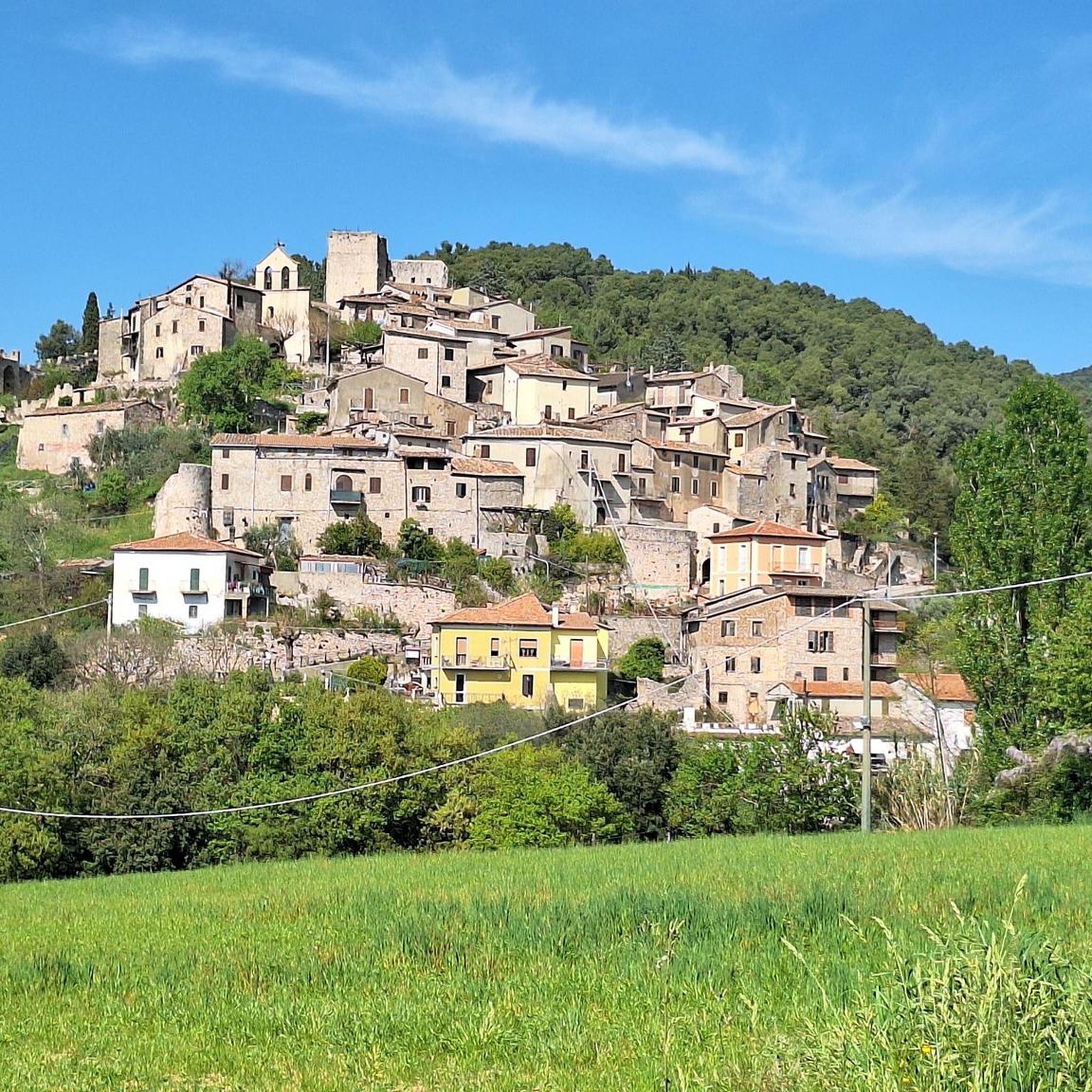
Corchiano is an ancient Faliscan city, a people who shared the dominion of Tuscia with the Etruscans. The village retains its medieval layout, with winding alleys and suggestive squares.
0
0
The Forre di Corchiano (vie cave) are works declared a natural monument. They are located in the town of Corchiano (which stands on a tufaceous cliff), the vie cave are a work created by man. It is a vertical cut to create a road that softens the sometimes harsh slopes of nature.
1
0
Listed among the natural monuments of the Lazio region, the Hermitage of San Cataldo is a small sanctuary carved into the granite rock of the mountains. If the exterior appears very impressive, the interior with its large frescoes is no exception.
1
1
Frequently Asked Questions
What are some notable natural features to explore around Otricoli?
Beyond the well-known sites, Otricoli's natural landscape is rich with diverse features. You can explore the dramatic ravines of Corchiano Historic Village and Gorges, which offer a unique blend of natural beauty and historical elements. The Tiber River and its valley also form a natural context of rare beauty, with numerous bike and foot trails along its riverside nature reserves. Further afield, the Nera Gorges near Narni/Stifone are celebrated for their crystal-clear, turquoise waters and dramatic rock formations.
Are there any historical natural monuments near Otricoli?
Yes, Otricoli is rich in sites where nature and history intertwine. The Ocriculum Archaeological Park, for instance, features ancient Roman remains beautifully integrated into the natural landscape along the Tiber River. Another example is The Saint's Hermitage, a historical cave site accessible via an easy trail, known for hosting St. Francesco of Assisi. The Vie Cave of Corchiano are ancient roads cut into the tuff, serving as both a natural monument and an archaeological site.
What is the best time of year to visit the natural monuments around Otricoli?
The natural monuments around Otricoli can be enjoyed throughout the year, but spring and autumn are particularly pleasant. Spring offers lush greenery and blooming flora, while autumn brings vibrant colors to the forests, especially in areas like the Coscerno and Aspra Mountains Nature Reserve. Summer is ideal for water-based activities in places like the Nera Gorges, though it can be quite warm. Winter offers a quieter, often misty, beauty, especially along the river valleys.
Are the natural monuments around Otricoli suitable for families?
Many natural monuments in the area are family-friendly. For example, the Corchiano Historic Village and Gorges offer equipped paths suitable for all ages. The Saint's Hermitage also features an easy trail. The Geographical Center of Italy Monument is located within a forest and is accessible via an easy walk. Bosco di Vallefredda provides equipped paths and picnic areas, perfect for a family outing.
Can I bring my dog to the natural monuments in the Otricoli area?
Generally, many natural areas and trails around Otricoli are dog-friendly, especially those in forests and along river paths. However, it's always advisable to keep dogs on a leash and to check specific regulations for protected areas or archaeological parks before visiting. For instance, the Tiber River valley and Bosco di Vallefredda are good options for walks with your dog.
What kind of outdoor activities can I do near Otricoli's natural monuments?
The region offers a variety of outdoor activities. You can enjoy hiking and cycling along the Tiber River valley, explore the equipped paths in Bosco di Vallefredda, or tackle the marked trails of Monte San Pancrazio for panoramic views. The Nera Gorges are excellent for walking, cycling, and even rafting. For more specific routes, you can find MTB Trails around Otricoli, Road Cycling Routes around Otricoli, and Gravel biking around Otricoli.
Are there easy walking trails among the natural monuments near Otricoli?
Yes, there are several easy walking trails. The Saint's Hermitage is accessible via a very easy trail. The equipped paths in Bosco di Vallefredda are suitable for gentle outdoor activity. The Corchiano Historic Village and Gorges also feature equipped paths with a generally tourist (T) difficulty level, suitable for all ages. The walk to the Geographical Center of Italy Monument is also described as easy and suggestive.
How can I reach the natural monuments around Otricoli using public transport?
While Otricoli itself is accessible, reaching some of the more remote natural monuments often requires a car. However, local bus services might connect Otricoli to nearby towns. For specific destinations like the Nera Gorges, you might need to combine public transport with a short taxi ride or a longer walk. It's recommended to check local bus schedules and routes in advance, as direct connections to all natural sites may be limited.
Where can I find parking when visiting the natural monuments?
Parking availability varies by location. For popular sites like the Ocriculum Archaeological Park, designated parking areas are usually available. For places like Bosco di Vallefredda or the Nera Gorges, you might find parking lots near trailheads or in nearby villages. In smaller, more remote areas, roadside parking might be an option, but always ensure you are parking legally and safely.
Are there any permits required for hiking or visiting natural areas around Otricoli?
For most general hiking and visiting of natural monuments around Otricoli, specific permits are not typically required. However, for certain protected areas, nature reserves (like the Coscerno and Aspra Mountains Nature Reserve), or archaeological sites, there might be entry fees or specific rules to follow. It's always a good idea to check the official websites or local tourist information for any specific requirements before your visit.
What makes Monte San Pancrazio a unique natural monument?
Monte San Pancrazio, rising to 1,027 meters, is unique for its geological significance and panoramic views. Its ancient Retic rock ground contains marine fossils like gastropods and brachiopods, offering a glimpse into the region's prehistoric past. Marked trails lead to its summit, providing rewarding vistas of the surrounding Umbrian landscape, making it a great destination for hikers and cyclists interested in both nature and geology.
Where can I experience pristine forests and learn about local flora and fauna near Otricoli?
The Bosco di Vallefredda, located within the municipality of Otricoli, is an excellent choice. This pristine forest features equipped paths for walking and biking, along with picnic areas. It also serves an educational purpose with informative panels along its trails, allowing visitors to learn about the local flora and fauna and foster a deeper appreciation for the environment.
What wildlife can be spotted in the natural reserves near Otricoli?
While Otricoli itself offers natural beauty, for a richer wildlife experience, the Coscerno and Aspra Mountains Nature Reserve, further afield in Umbria, is a haven for diverse wildlife. Here, you might spot royal eagles, wolves, and Apennine rock partridges. The reserve's pristine forests and higher elevations also host a variety of plant life, including holly oak, maples, beech trees, lilies, violets, gentians, and fritillaries, making it ideal for animal watching and immersive nature experiences.
Most popular attractions around Otricoli

Get inspired with the komoot mobile app


Explore more
Extend your search for the best caves by checking out these guides of the top ones around Otricoli:
