Top 7 Natural Monuments around Montebuono
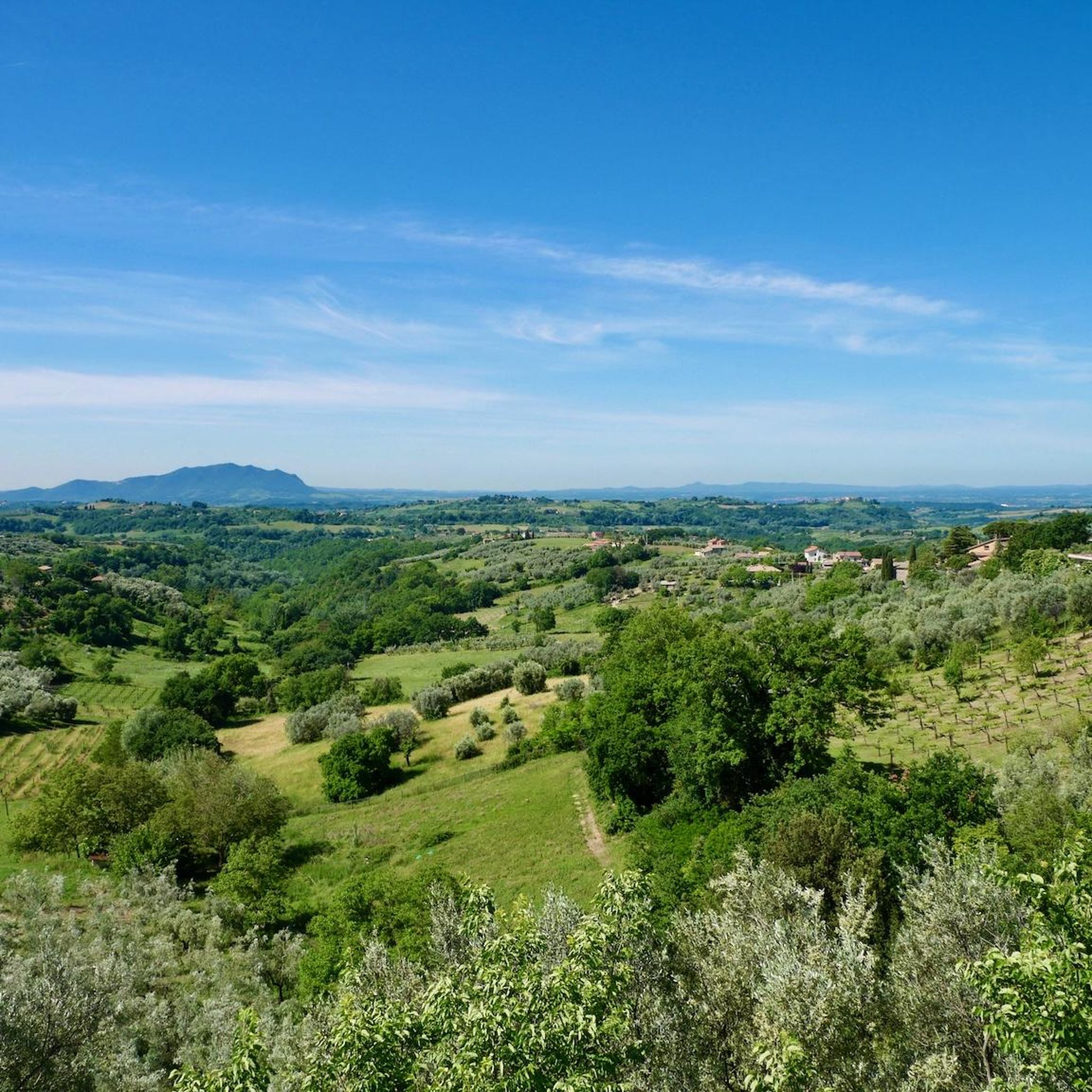
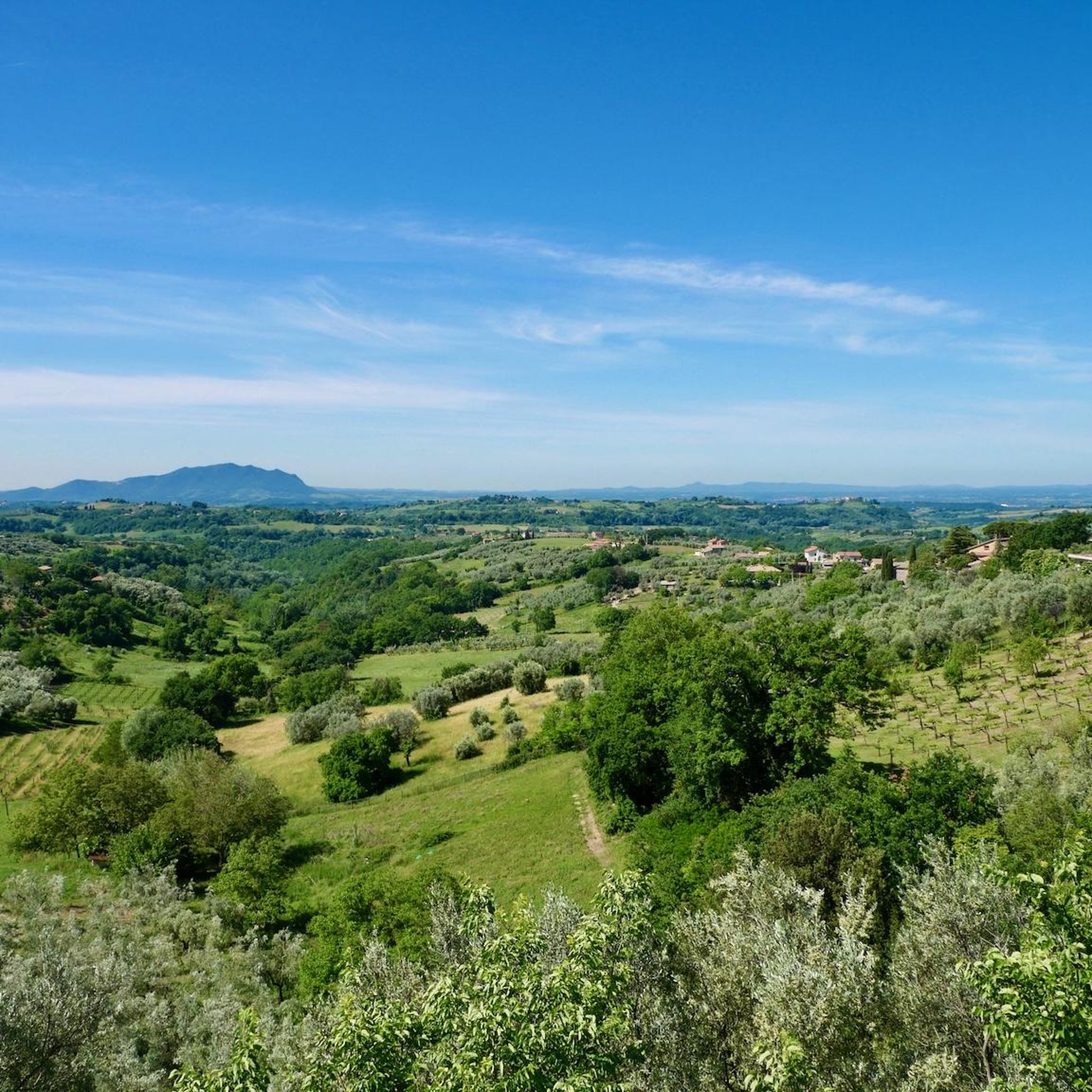
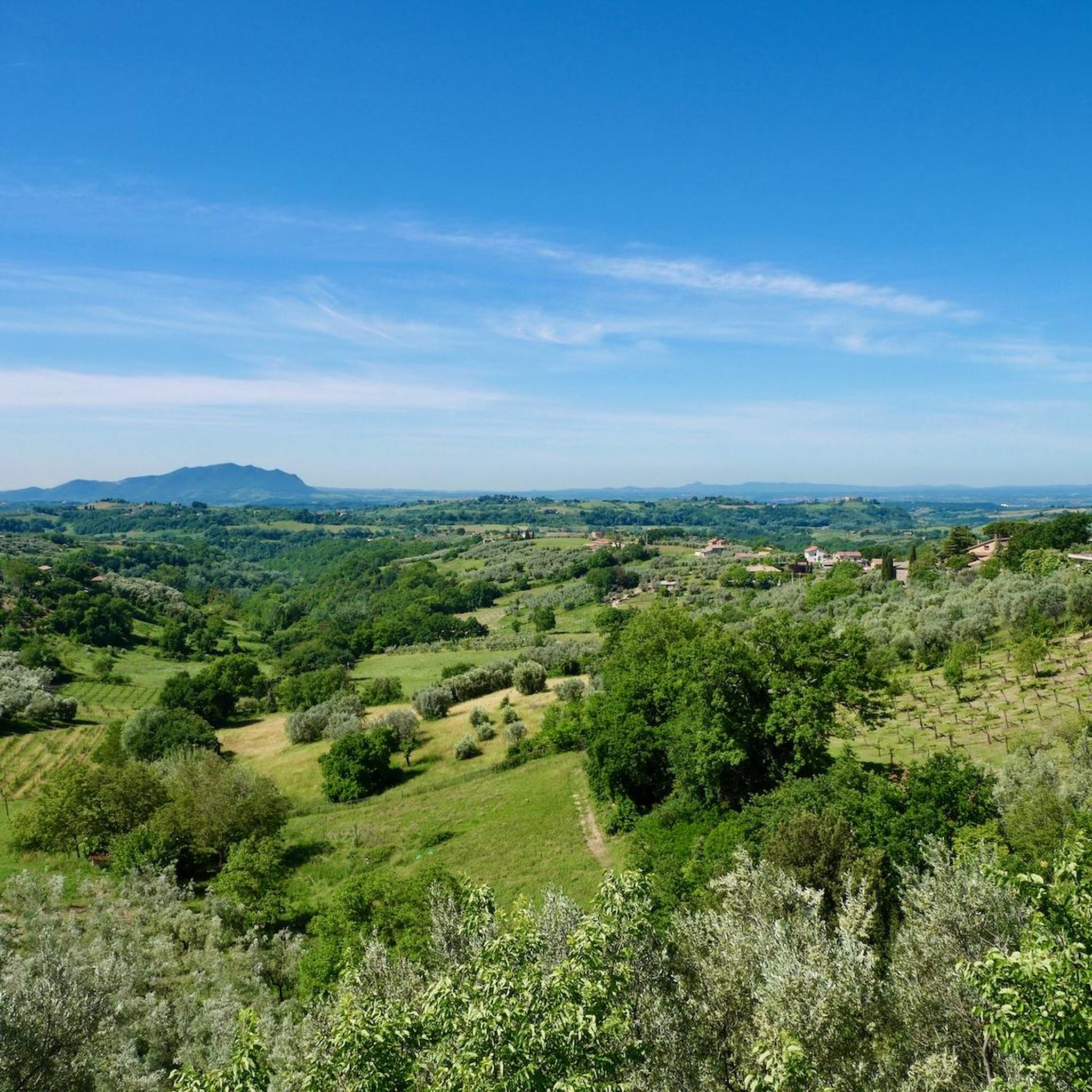
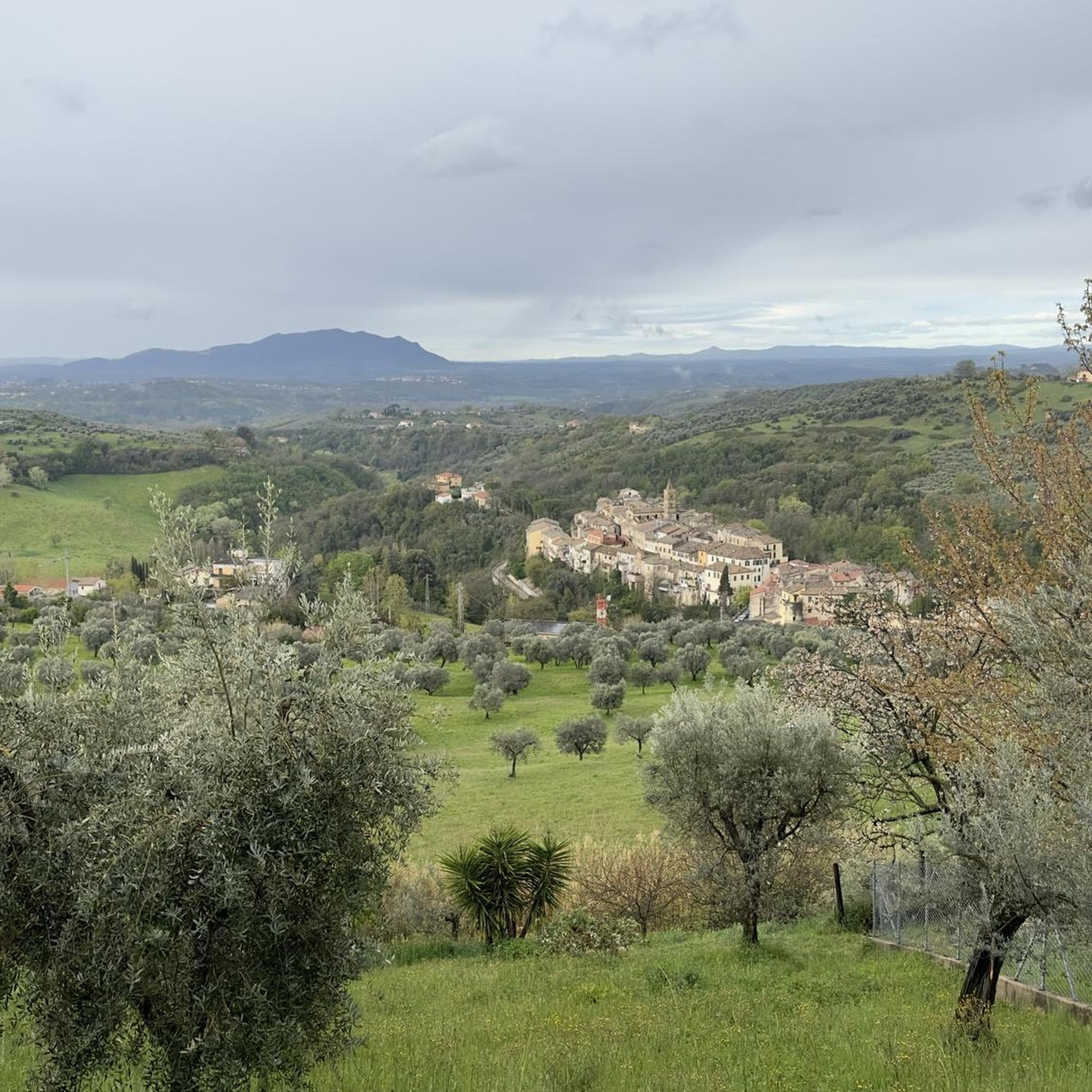
Best natural monuments around Montebuono include a variety of geological formations and sites where nature integrates with historical structures. The region features a distinctive karst sinkhole and an archaeological park set within a riverine landscape. Montebuono itself offers panoramic views of the Cimini, Soratte, and Sabini Mountains, with Mount San Benedetto providing natural shelter. These natural attractions contribute to the area's appeal for outdoor exploration.
Best natural monuments around Montebuono
- The most popular natural monuments is The Saint's Hermitage,…
Last updated: June 14, 2026
The Saint's Hermitage
Highlight • Cave
Translated by Google •
Tip by

Hermitage of San Cataldo
Highlight • Religious Site
Translated by Google •
Tip by

Sign up now to discover places like this
Get recommendations on the best single tracks, peaks, & plenty of other exciting outdoor places.
Sign up for free
Ocriculum Archaeological Park
Highlight • Historical Site
Translated by Google •
Tip by

Croce di San Valentino
Highlight • Monument
Tip by

Cottanello Marble Quarry
Highlight • Historical Site
Translated by Google •
Tip by

Sign up for free to discover even more natural monuments around Montebuono.
Sign up for free
Already have an account?
Start today with a free account
Your next adventure awaits.
Login or Signup

Tips from the Community

Cottanello gives its name to a typical pink stone, known as "Cottanello marble", which in geological terms can be defined as a reddish or pinkish marly limestone belonging to the Scaglia Rossa Formation. This stone was used especially between the 17th and 18th centuries by Bernini and Borromini to decorate many churches in Rome (including San Pietro, Sant'Agnese in Agone, Sant'Andrea al Quirinale). The main quarry is located about 1.5 km from the town, and its activity continued until the 1970s. Cottanello marble was also used in Roman times, in various locations and in monuments from different eras (e.g. Pompeii, Herculaneum, Ostia, Lucus Feroniae). Only one sculpture made of Cottanello is known, a large labrum, a basin with a pedestal that must have furnished a senatorial or imperial residence. In the Roman villa of Cottanello, stone is used in various ways: in its different more or less veined qualities, it is in fact used for the cubilia of wall coverings, for some thresholds, for the bases of porticoes, pavings and steps, for the mosaic tiles and for some architectural elements currently located in the peristyle, namely a shaft, two Tuscan capitals and a Doric capital. In 1722, the two little lions of Venice were created and placed in the little square that takes their name, or Piazzetta dei Leoncini, located near Piazza San Marco.
0
0

The remains of the ancient Roman city, crossed by the Via Flaminia and lapped by a bend of the Tiber, are set in a natural landscape of remarkable beauty, a perfect synthesis of archeology and nature with a centuries-old history.
0
0

Mandatory destination at least once a year!
0
0
An unfinished column is still visible
0
0

This splendid archaeological park from the Roman era can be visited all year round for free. The park extends for 36 hectares from the nearby bend of the Tiber to under the modern Otricoli. Right on the Tiber river there are still the remains of the used Oil Port active until the 16th century. The remains of what were once thermal baths, amphitheaters and villas are perfectly preserved and extraordinarily integrated into the natural context of the area.
2
0
It seems that San Cataldo has never actually passed through these places. Yet the legends about the saint are not lacking. It is said that the rock that leads from the hermitage to the valley floor is full of hollows and fissures, marks of the elbows and feet of the saint who went to the stream every day to wash himself. Legends aside, the hermitage is a wonderful example of the union between human architecture and nature. The interior of the chapel and its ancient Byzantine fresco can be visited only during FAI days.
1
0

Listed among the natural monuments of the Lazio region, the Hermitage of San Cataldo is a small sanctuary carved into the granite rock of the mountains. If the exterior appears very impressive, the interior with its large frescoes is no exception.
1
1

One of the few saints who is also highly valued outside of Christianity is San Francesco, known in the German-speaking world as Francis of Assisi. Francis was born in Assisi in 1181/82 and died as early as 1226. In his youth, the son of wealthy parents, he was more of a bon vivant, but later he turned to Christ. In the half-ruined little church of San Damiano, on the hillside outside the city walls of Assisi, he was praying one day and heard the voice of Christ coming down from the cross, urging him to “rebuild his church”. At first he took this request literally and restored the church building, later he came to realize that this is primarily about the church as the community of believers. Francis became a role model for many people, they joined him and the "Order of the Friars Minor" (Ordo Fratrum Minorum) of Francis of Assisi came into being. Today in the broad Franciscan religious family there are three male branches: the Franciscans, the Minorites and the Capuchins; and two females: the Franciscans and the Poor Clares. In addition, there is the "Third" or "Secular" order, which women and men who do not take the classic vows of the order (poverty, chastity and obedience) and continue to live in their family and their profession can join.
2
0
Frequently Asked Questions
What unique geological features can I explore near Montebuono?
The region around Montebuono is home to some remarkable geological formations. One of the most striking is The Revotano, an enormous karst sinkhole near Roccantica, approximately 250 meters wide and 130 meters deep, known for its unique ecosystem at the bottom. You can also visit the Cottanello Marble Quarry, which showcases a distinctive pink marly limestone used in Roman times and by famous architects like Bernini and Borromini.
Are there any impressive viewpoints around Montebuono?
Yes, Montebuono itself offers panoramic views of the Cimini, Soratte, and Sabini Mountains. For a more specific destination, consider the challenging ascent to Croce di San Valentino, where visitors are rewarded with wonderful views from the cross.
Are there family-friendly natural monuments around Montebuono?
Absolutely. The Saint's Hermitage is a great option, offering an easy trail to a cave that hosted St. Francesco of Assisi, with impressive views along the way. Another excellent choice is the Ocriculum Archaeological Park, which combines historical exploration with a beautiful natural setting along the Tiber River, suitable for all ages.
What historical sites are integrated with nature near Montebuono?
The Ocriculum Archaeological Park is a prime example. This Roman-era site is beautifully integrated into a natural landscape along a bend of the Tiber River, showcasing ancient remains like thermal baths and amphitheaters within a picturesque setting. Another notable site is the San Cataldo Hermitage, a small sanctuary carved directly into the granite rock of the mountains, listed among the natural monuments of the Lazio region.
What outdoor activities can I do near these natural monuments?
The Montebuono area offers a variety of outdoor activities. You can find numerous hiking trails, such as the 'Rocchette – Rocchettine Ruins loop from Vacone' or the 'Convent of Sant'Andrea loop from Collevecchio', which are part of the broader Hiking around Montebuono guide. For cyclists, there are challenging road cycling routes like the 'Torrita Tiberina Bridge – Monument in Torrita Tiberina loop from Montebuono' found in the Road Cycling Routes around Montebuono guide.
Are dogs allowed at the natural monuments around Montebuono?
While specific rules for each site can vary, many natural outdoor areas in Italy are dog-friendly, especially on trails. For places like The Revotano or the general mountain trails, dogs are usually welcome on a leash. For archaeological parks or hermitages, it's always best to check specific site regulations beforehand. Generally, responsible pet ownership, including keeping dogs on a leash and cleaning up after them, is expected.
What is the best time to visit the natural monuments around Montebuono?
The region enjoys a mild climate, partly due to Mount San Benedetto sheltering Montebuono from northern winds. Spring and autumn are generally ideal for visiting, offering pleasant temperatures for hiking and exploring without the intense heat of summer or the chill of winter. These seasons also provide lush greenery or beautiful autumnal colors, enhancing the natural beauty of the sites.
What are the most popular natural monuments around Montebuono according to visitors?
Visitors frequently praise the Saint's Hermitage for its easy trail and amazing views. The Ocriculum Archaeological Park is also highly regarded for its unique blend of perfectly preserved Roman remains and stunning natural context along the Tiber River. The challenging ascent to Croce di San Valentino is a mandatory destination for many, offering wonderful panoramic views.
How long does it take to visit the natural monuments?
The duration varies depending on the site. For instance, a visit to the Saint's Hermitage might take a couple of hours for the easy stroll and enjoying the views. Exploring the Ocriculum Archaeological Park could easily fill half a day or more, given its size and the depth of historical and natural elements. Adventurous visitors tackling the trail to the bottom of The Revotano should plan for a significant portion of a day. Shorter visits are possible for viewpoints like Croce di San Valentino, though the ascent itself requires time.
Are there any local legends associated with the natural monuments?
Yes, The Revotano, the large karst sinkhole, is steeped in local folklore. A legend tells of a village named Revotano, inhabited by blasphemous residents, that was swallowed by divine wrath into the sinkhole. Only a woman and her son reportedly survived, going on to found the current village of Roccantica. This adds a mystical layer to the geological wonder.
What are the parking options for visiting these natural monuments?
Parking availability varies by location. For sites like the Ocriculum Archaeological Park, there are typically designated parking areas. For more remote natural features like The Revotano or trailheads leading to viewpoints, parking might be less formal, often roadside or in small, unpaved lots near the starting points of trails. It's advisable to check specific access information for each monument if driving.
Most popular attractions around Montebuono

Get inspired with the komoot mobile app


Explore more
Extend your search for the best caves by checking out these guides of the top ones around Montebuono:
