Top 15 Natural Monuments around Semproniano
Best natural monuments around Semproniano Italy are found within the serene countryside of the Maremma Tuscany region. This area offers a blend of unique geological formations, rich biodiversity, and tranquil landscapes. Visitors can explore well-preserved natural areas and ancient sites. The region provides opportunities to experience the natural heritage of Tuscany.
Best natural monuments around Semproniano
- The most popular natural monuments is Via Cava Madonna delle Grazie, a gorge that features narrow streets carved into tuff rock. These impressive…
Last updated: May 16, 2026
Cascate del Mulino Hot Springs
Highlight • Natural Monument
The water temperature is very pleasant, always worth a visit.
Translated by Google •
Tip by

Via Cava Madonna delle Grazie
Highlight • Gorge
Translated by Google •
Tip by

Sign up now to discover places like this
Get recommendations on the best single tracks, peaks, & plenty of other exciting outdoor places.
Sign up for free
Via Cava di San Rocco
Highlight (Segment) • Gorge
Translated by Google •
Tip by

Tomba Ildebranda
Highlight • Historical Site
Translated by Google •
Tip by
Fountain of the Elm
Highlight • Natural Monument
Translated by Google •
Tip by

Sign up for free to discover even more natural monuments around Semproniano.
Sign up for free
Already have an account?
Start today with a free account
Your next adventure awaits.
Login or Signup
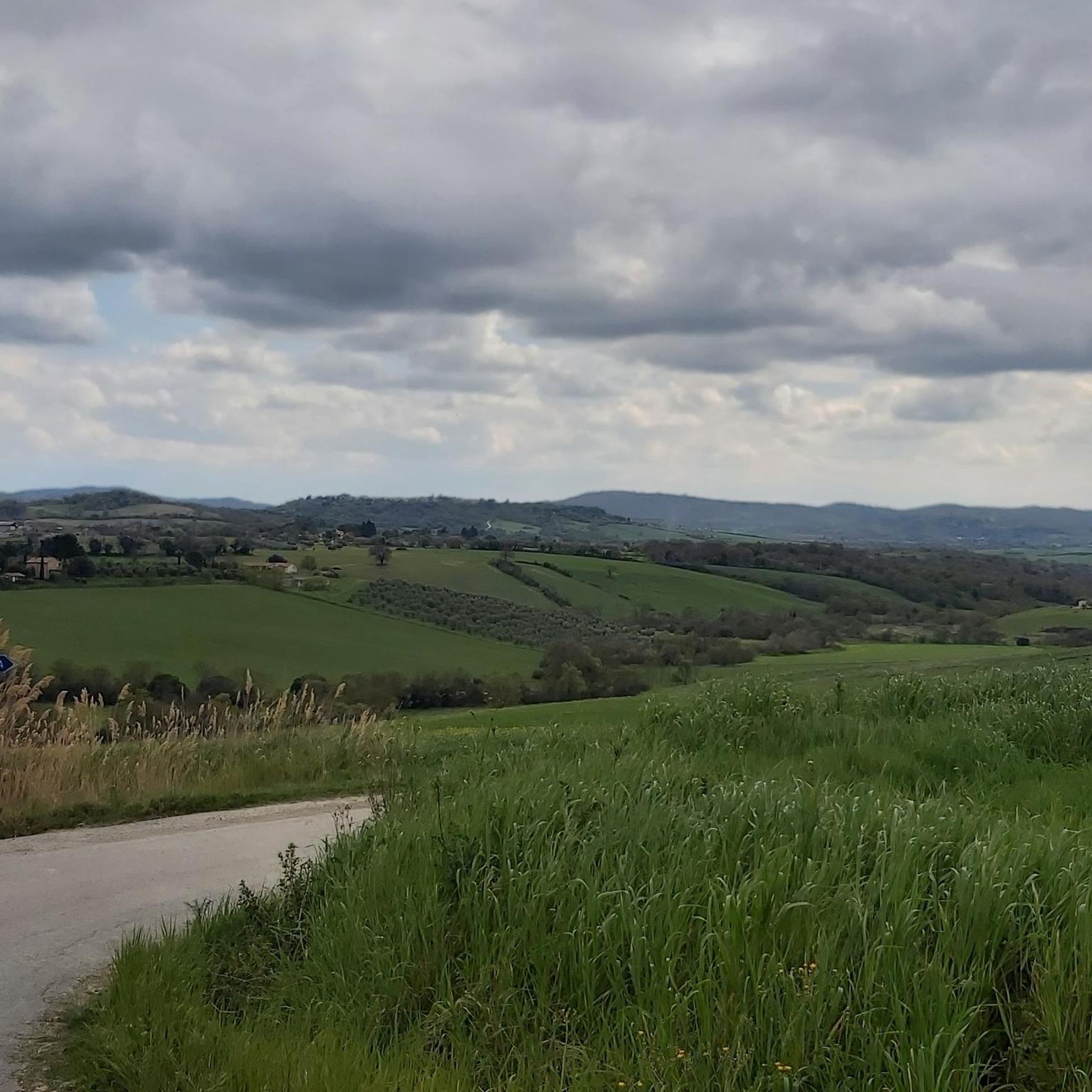
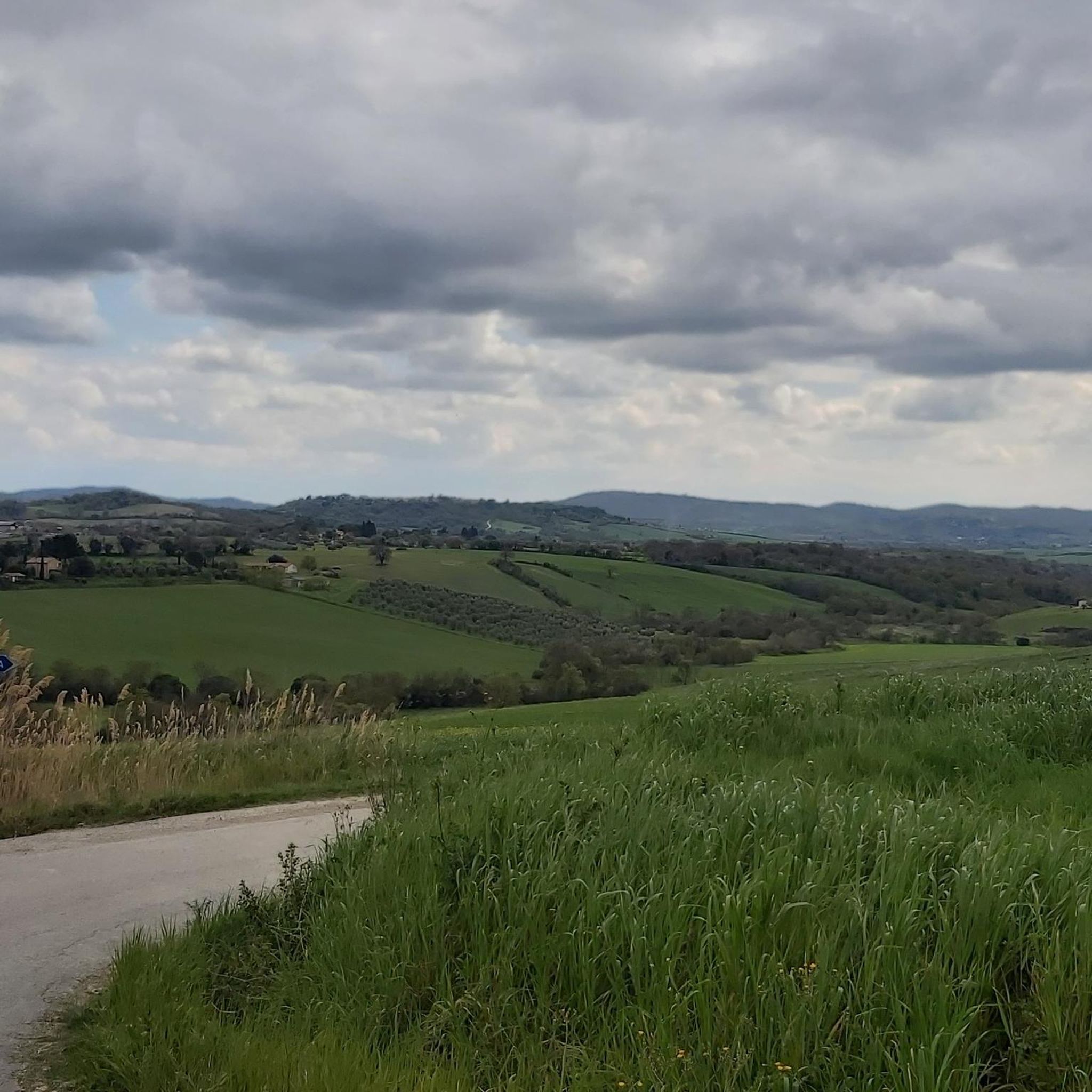
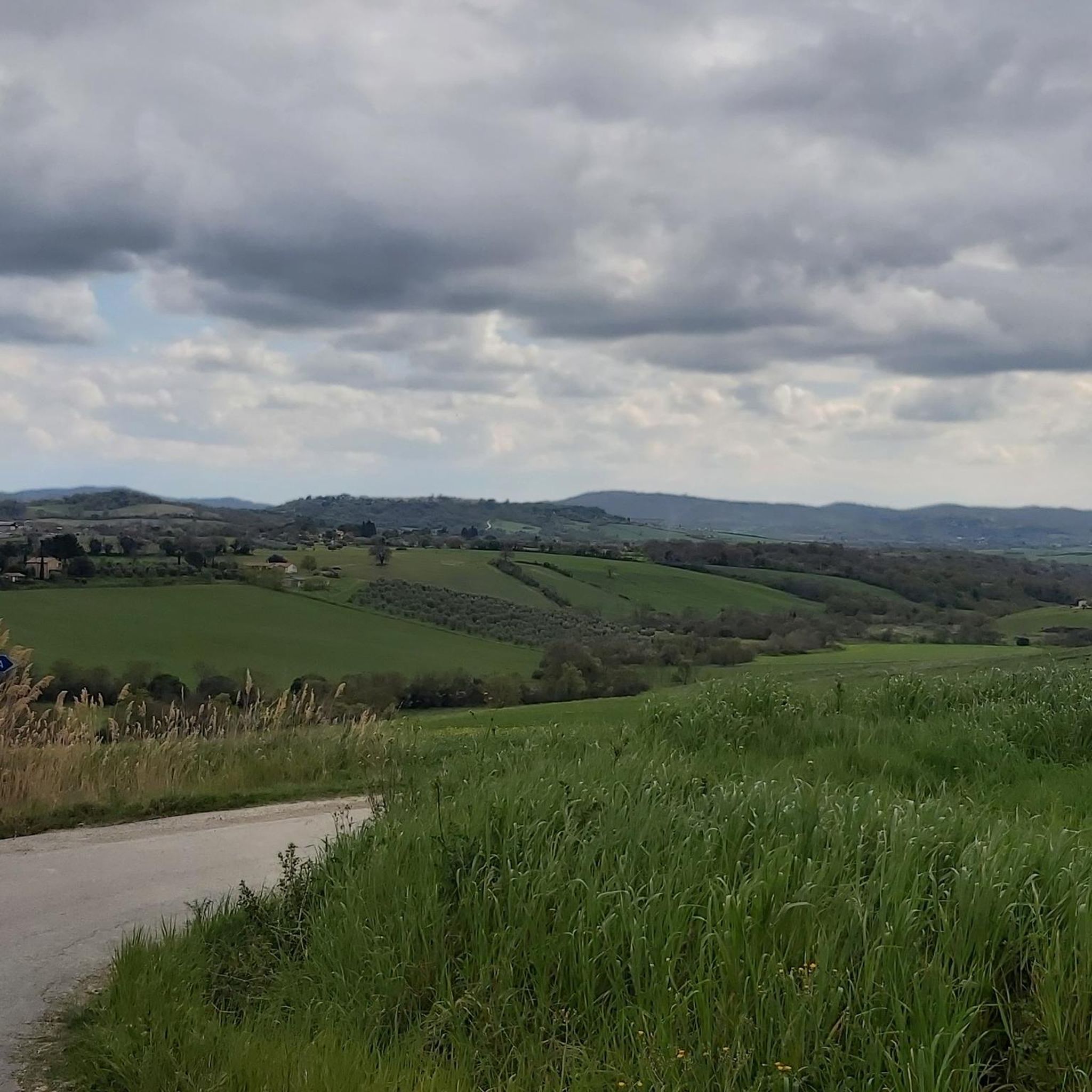
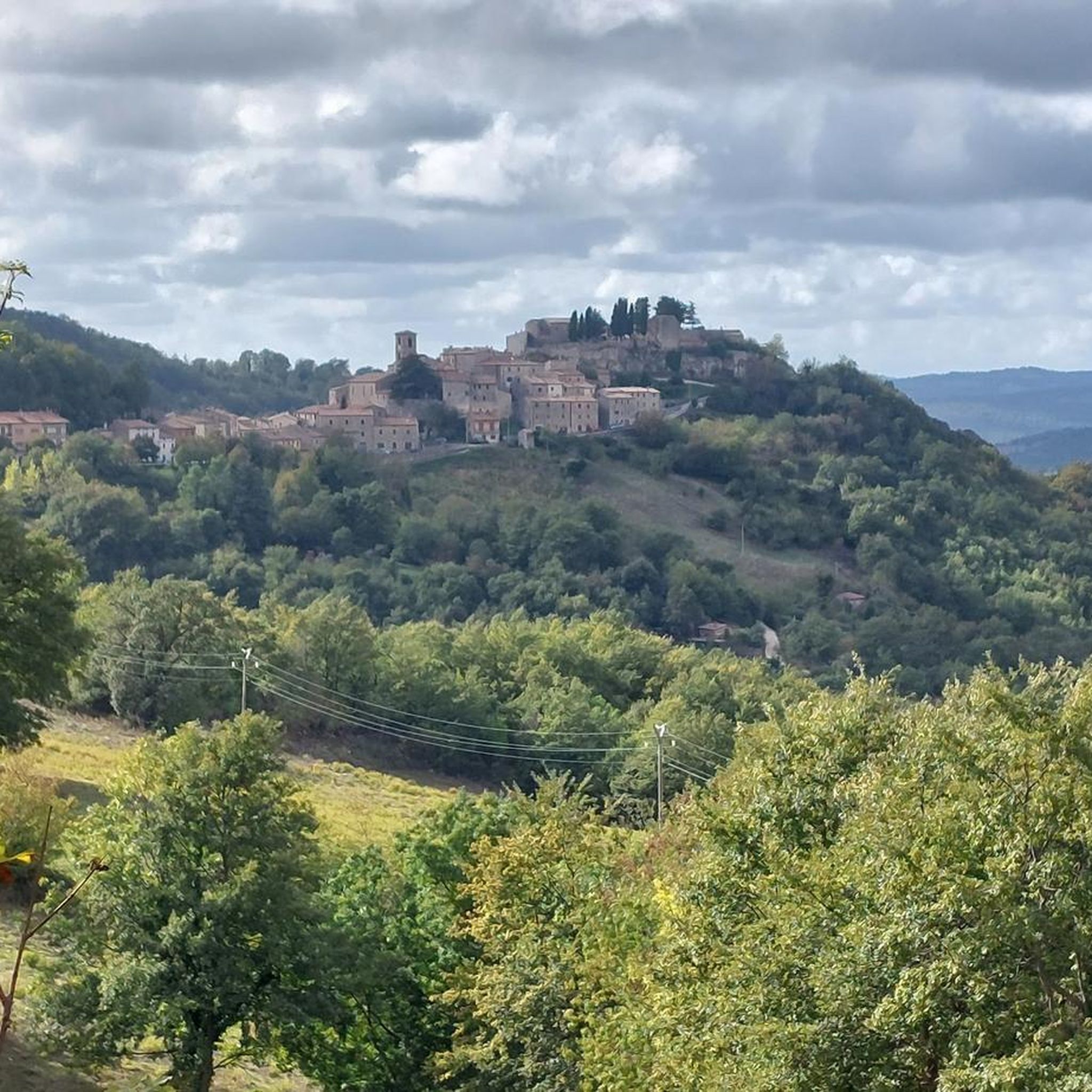

Tips from the Community

The Via Cava di San Rocco is one of the most impressive Etruscan paths in the area. The trail is entirely dug into the tuff, with vertical walls reaching up to 20 meters high, hosting lush vegetation of ferns and mosses. The route connects the Lente river valley with the plateau above. Along the ascent, you will encounter ancient water channeling systems and stairs carved into the rock. Once you reach the upper end, you arrive at the panoramic area of San Rocco, from which you can enjoy the most iconic view of the settlement of Sorano and the Orsini Fortress. The ground can be damp and slippery due to the cool microclimate of the walls.
0
0

Ancient fountain dug into the tuff where you can drink fresh spring water.
0
0

This natural thermal spa with its various pools is a truly special natural spectacle. A dream come true in the mornings or evenings. Reachable from the campervan site in just under 20 minutes on foot. Restaurants, showers, and restrooms are right next door.
2
0
You can also visit the excavations on a circular hike from Sorana. The €7.00 is definitely worth it for this very interesting site.
1
1

The Olm Fountain is an ancient and original fountain carved out of tuff stone, located in the central section of the main road connecting Pitigliano and Sovana. The characteristic of this natural spring, in addition to its remarkable size, is the head of Silenus or mask from which the water gushes, which reminds us of ancient representations. The groundwater source provides water supply all year round and is a resting and cooling point for travelers and animals. The long basins give the artifact the typical characteristics of the Tuscan fountain. Today this pleasant place is a destination for many visitors who take the opportunity to stop or even have a snack and rest before tackling the rest of the route. To avoid looting, the original Silenus Head is kept in Pitigliano in the Civic Archaeological Museum of the Etruscan Civilization.
0
0

If you don't want to be so crowded, you have to get up early. It's already packed by midday. We're not bed-leavers, so we drove past it and didn't come back until the evening. With the last rays of sun, there were fewer bathers and more peace and quiet for relaxation in the comfortably warm water with a view of the wonderful nature. Your nose gets used to the slight smell of sulphur very quickly. Don't miss it.😊
2
0

The Via Cava di San Rocco goes up the opposite side of Sorano, skirting the remains of the church of San Rocco, a religious building in Romanesque style now reduced to ruins that maintain sections of the original wall structures. Behind these remains extends a vast Etruscan necropolis with tombs dug into the tuff. The Vie Cave, dug by the Etruscans about 3000 years ago in the tuff, are still shrouded in mystery regarding the technique used to sculpt the rock so precisely and vertically. This street represents the most important of the Vie Cave around Sorano, as it guided the Etruscans to their necropolis. Incredibly, for over six centuries, from the Middle Ages until 1940, it was the only road that connected the city of Sorano to Sovana. Every horse, cart and traveler had no choice but to travel this steep, damp road between its high walls.
1
0

Parking lot for campers is about 1km north - who's interested ;o)
3
2
Frequently Asked Questions
What unique natural features can I explore around Semproniano?
The region around Semproniano is rich in diverse natural features. You can discover the spectacular rocky gorges formed by the Albegna and Rigo rivers within the Rocconi Woods WWF Oasis and Rocconi Natural Reserve. These areas feature secular trees, pinnacles, and rock blades. Another highlight is the Cascate del Mulino Hot Springs, where warm, sulfurous water cascades through natural pools, offering a unique bathing experience.
Are there any ancient or historical natural monuments to visit?
Yes, Semproniano is known for its historical natural monuments, particularly those linked to the Etruscans. You can explore the Via Cava Madonna delle Grazie and Via Cava di San Rocco, which are ancient narrow streets carved into tuff rock by the Etruscans over 2,500 years ago. Another significant site is the Edicola di San Giuseppe, a small altar carved into rock within an Etruscan ravine, still showing traces of ancient transport.
Where can I observe wildlife near Semproniano?
The Rocconi Woods WWF Oasis and Rocconi Natural Reserve are excellent for wildlife observation. This area is particularly important for its birdlife, including several species of diurnal raptors like the rare Lanner falcon, Biancone, Hawk, and Buzzard. You might also spot Wallcreepers and Ravens. Mammals such as martens, polecats, and wild cats are present, along with smaller animals like the Yellow-bellied Toad and crayfish.
Are there family-friendly natural monuments in the area?
Absolutely! The Cascate del Mulino Hot Springs are a popular family destination, offering warm pools for swimming year-round. The Via Cava di San Rocco also offers an engaging experience for families, allowing exploration of ancient Etruscan pathways and necropolises.
What are the best places for swimming in natural settings?
For a unique swimming experience, the Cascate del Mulino Hot Springs are ideal, with 37°C warm, sulfurous water available even in winter. During the summer, the Strette dell'Albegna gorges, known as the most suggestive in Maremma, offer opportunities for swimming in the Albegna River.
What kind of hiking trails are available near Semproniano's natural monuments?
You'll find a variety of hiking trails around Semproniano that lead to or through natural monuments. For example, you can explore the Etruscan 'vie cave' like Via Cava Madonna delle Grazie. For more options, you can find numerous routes, including moderate and easy hikes, in the Hiking around Semproniano guide.
Is there a particularly ancient or unique tree in the region?
Yes, the Olivone di Fibbianello is a multi-millennial olive tree located in the Fibbianello area, recognized as a "National Historic Rural Landscape." Despite having survived a fire, this ancient tree continues to produce new suckers from its roots, standing as a testament to the region's enduring natural heritage.
What do visitors enjoy most about the natural monuments around Semproniano?
Visitors frequently praise the unique blend of natural beauty and historical significance. The Etruscan 'vie cave' are often described as impressive and spectacular, offering a journey into the past. The Cascate del Mulino Hot Springs are loved for their relaxing and warm waters, especially for swimming even in winter. The overall tranquility and well-preserved nature of areas like the Rocconi Woods also receive high acclaim.
Can I find cycling routes near the natural monuments?
Yes, the area offers various cycling opportunities. You can explore routes that pass by or are near some natural monuments. For detailed cycling routes, including touring bicycle and gravel biking options, refer to the Cycling around Semproniano and Gravel biking around Semproniano guides.
What is the best time to visit the natural monuments for swimming or outdoor activities?
For swimming in the Strette dell'Albegna gorges, the summer months are ideal. The Cascate del Mulino Hot Springs can be enjoyed year-round due to their warm water, even in winter. For hiking and general outdoor activities, spring and autumn offer pleasant temperatures, though some paths, like those in Etruscan ravines, should be avoided during or after heavy rain due to landslide risks.
Are there any natural monuments that are also significant archaeological sites?
Yes, several natural monuments around Semproniano hold archaeological significance. The Tomba Ildebranda, for instance, is an Etruscan temple tomb carved out of a huge boulder, rediscovered in the 1920s. The 'vie cave' like Via Cava Madonna delle Grazie and Via Cava di San Rocco are also ancient Etruscan constructions, often leading to necropolises.
Most popular routes around Semproniano
Most popular attractions around Semproniano

Get inspired with the komoot mobile app


Explore more
Extend your search for the best caves by checking out these guides of the top ones around Semproniano:
