Top 20 Natural Monuments around Pienza
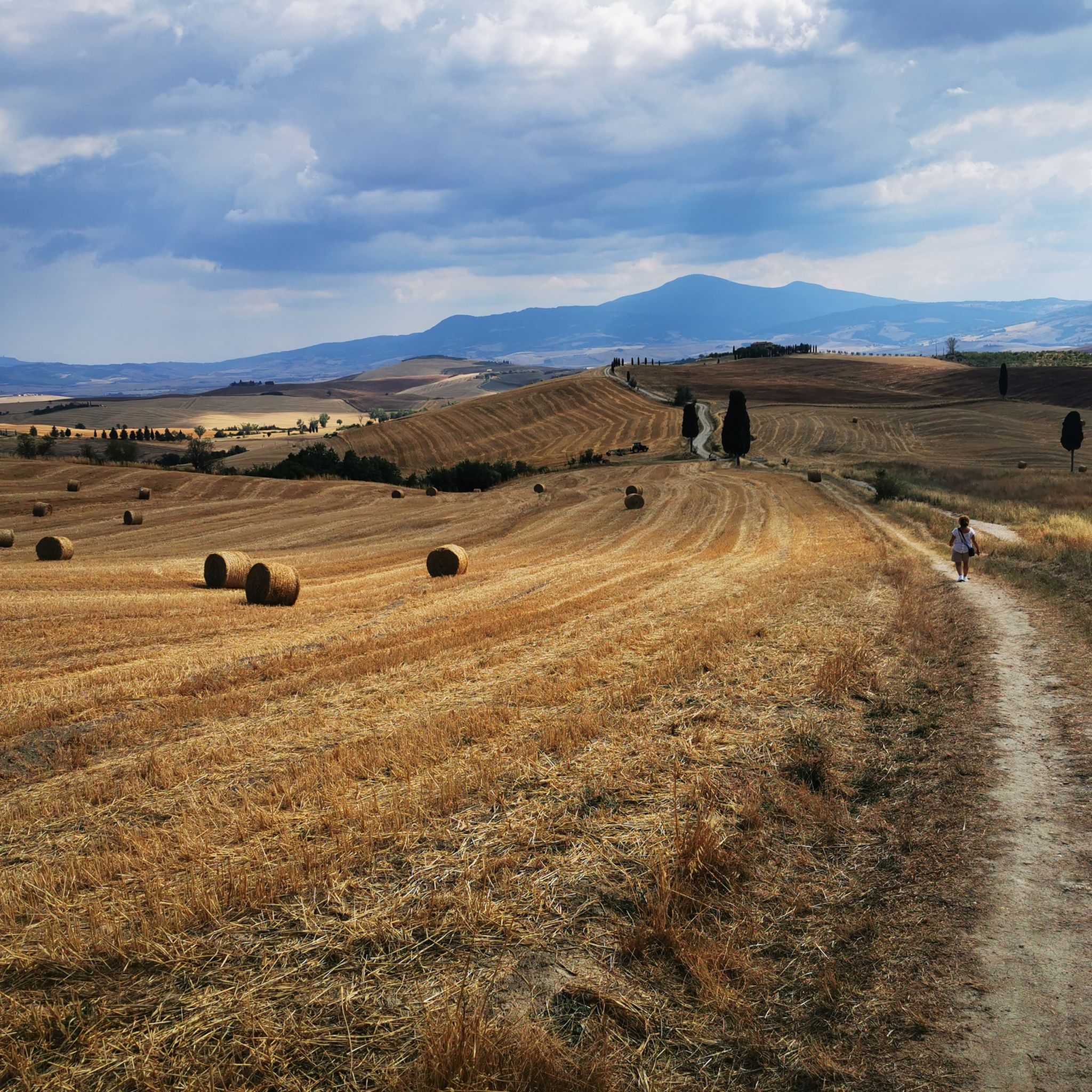
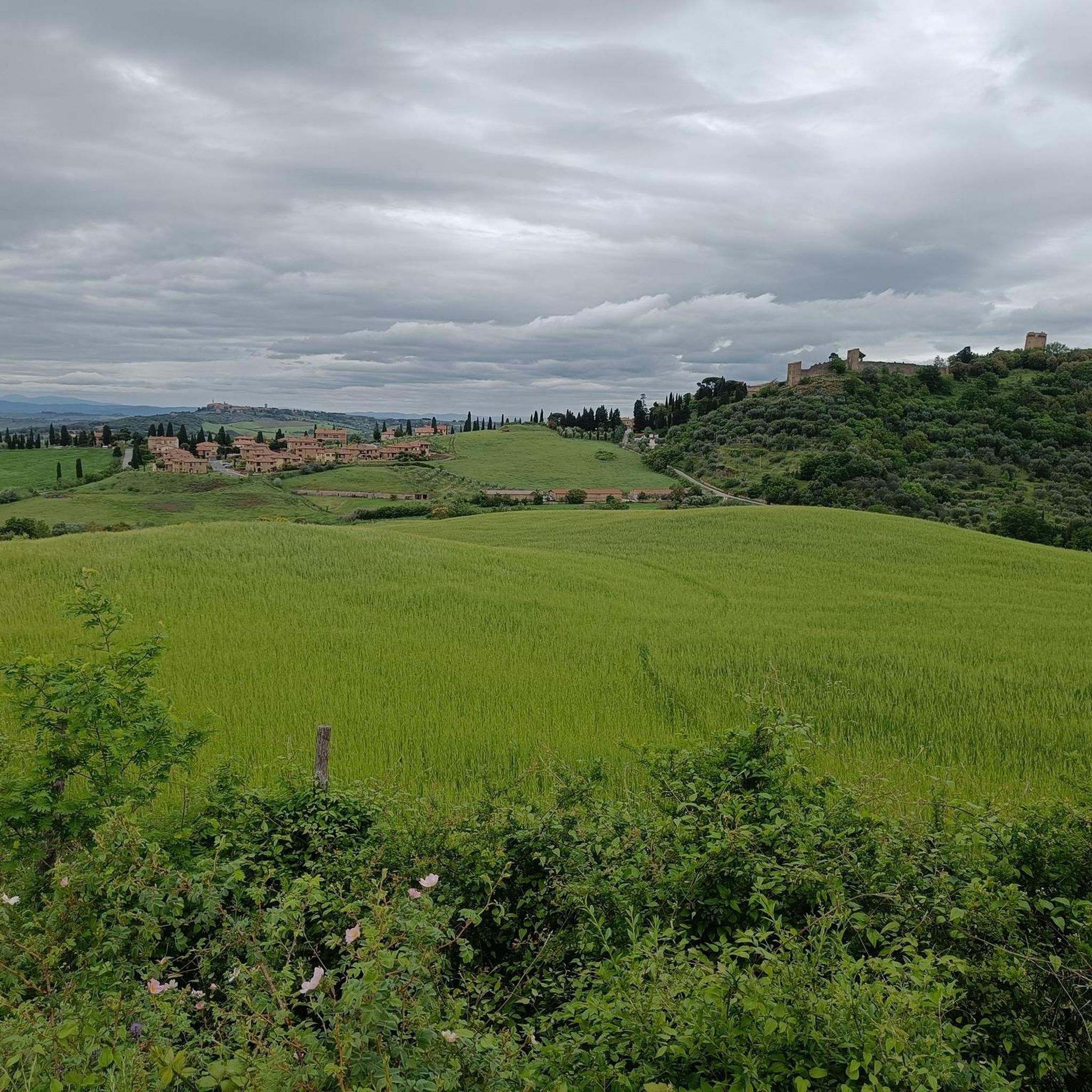
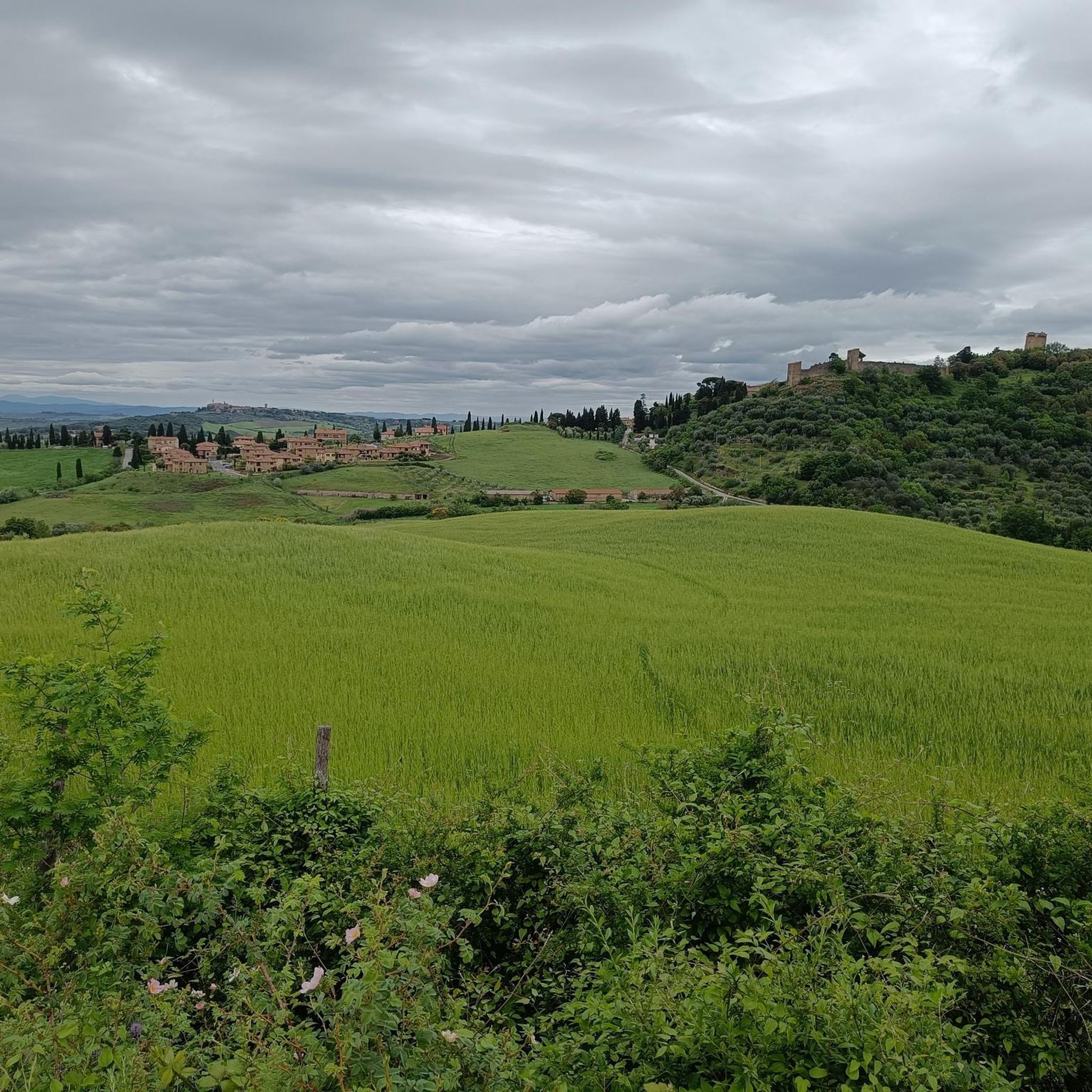
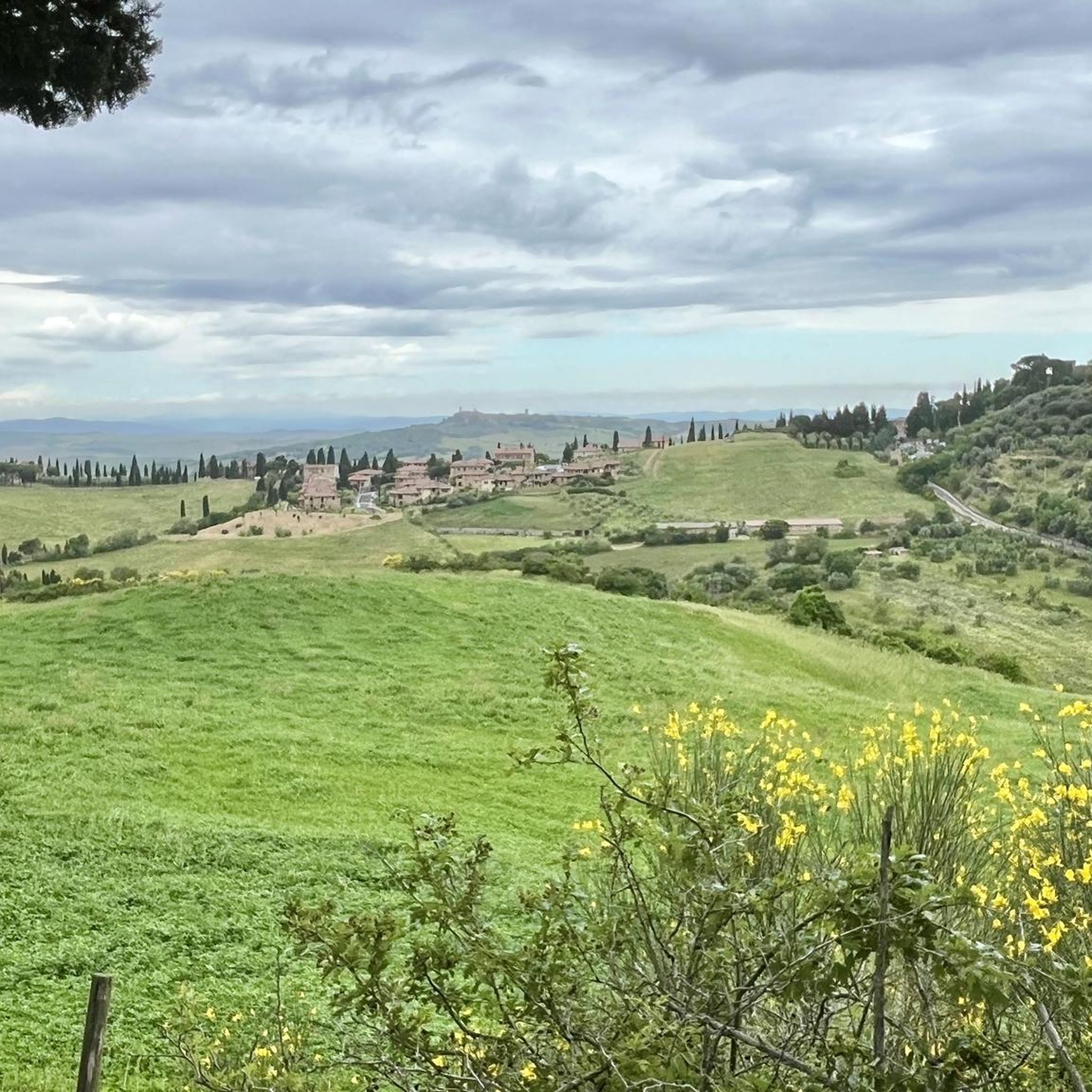
Best natural monuments around Pienza are primarily found within the Val d'Orcia, a UNESCO World Heritage site known for its cultural landscape. This region features rolling hills, agricultural fields, and distinctive geological formations like *calanchi* (ravines) and *biancane* (bare hills). Pienza, perched atop a hill, offers panoramic views of this iconic Tuscan valley. The area showcases a harmonious blend of natural beauty and human-shaped landscapes, reflecting centuries of land management.
Best natural monuments around Pienza
- The most popular natural monuments…
Last updated: June 28, 2026
The White Whale (Bagni San Filippo)
Highlight • Natural Monument
Translated by Google •
Tip by

Horti Leonini Gardens
Highlight • Natural Monument
Showing Translation
Tip by

Sign up now to discover places like this
Get recommendations on the best single tracks, peaks, & plenty of other exciting outdoor places.
Sign up for free
Checche Oak
Highlight • Natural Monument
The place is well kept, the oak …
Translated by Google •
Tip by

Bagno Vignoni Thermal Baths
Highlight • Natural Monument
Bagno Vignoni, …
Translated by Google •
Tip by

Belverde Archaeological Natural Park and Archeodrom
Highlight • Historical Site
Showing Translation
Tip by

Sign up for free to discover even more natural monuments around Pienza.
Sign up for free
Already have an account?
Start today with a free account
Your next adventure awaits.
Login or Signup

Tips from the Community

The Horti Leonini are a splendid Renaissance garden in the heart of San Quirico d’Orcia, created in the 16th century at the behest of Diomede Leoni. Characterized by perfect geometry and precisely manicured boxwood hedges, they represent a rare example of a public Italian garden. Divided between a flat formal section and a more natural area that climbs towards the woods, they offer a pleasant contrast between order and spontaneity. In the center is a statue of Cosimo III de’ Medici, while the paths invite quiet walks immersed in greenery. They are an ideal place for a relaxing break, amidst art, history, and landscape harmony.
1
0
La Balena Bianca is the most imposing limestone formation in the free thermal baths of Bagni San Filippo. It is a monumental waterfall of white limestone created by the deposit of thermal waters that spring up at 48°C a little further upstream. The place is truly fascinating, but there are also some negative aspects that, for fairness, I want to mention to avoid the surprise effect and to know what you are getting into: The first is certainly accessibility, the path to reach this natural wonder is decidedly muddy, there is no real path, if it has rained recently, you will find yourself having to walk in the mud. So if you want to come, I advise you to bring high waterproof boots to put on in case you find mud (very likely). The second sore point is the carelessness of people, the entire area is devoid of regulation and controls, left to the mercy of the crowd, so you can imagine the situation that arises on weekends or holidays. If you want to come and swim here, my advice is to come on a weekday early in the morning, or also late in the evening, not on weekends.
1
0

The Belverde Archaeological Natural Park, at the foot of Monte Cetona, is a place where nature and history intertwine in a suggestive way. Immersed in the woods, the park preserves a system of caves that were inhabited by humans since prehistoric times. Next to the Archaeological Park, the Archeodromo of Monte Cetona offers a faithful reconstruction of a prehistoric village, allowing for a direct understanding of the life of the ancient communities that inhabited these lands.
0
0

The Horti Leonini are a magnificent example of a classic Italian garden, laid out around 1580 by Diomede Leoni, after whom it is named. Leoni was a connoisseur of ancient and Renaissance art who, on behalf of the Medici, acquired works of art from Roman circles. Francesco I de' Medici himself gifted him a plot of land in the heart of San Quirico d'Orcia, where the Horti, which still retain their original appearance, would later be established. The gardens are divided into two sections: The lower, diamond-shaped area is enclosed by walls and clipped holm oaks and consists of triangular flowerbeds bordered by a double boxwood hedge. At its center is a sculpture attributed to the Sienese artist Bartolomeo Mazzuoli, depicting Cosimo III de' Medici (1688). In the other section stands the head of Janus Bifrons, a Roman-era sculpture that symbolically marks the boundary between the more natural and the formally designed parts of the garden. A travertine staircase leads to the upper plaza.
0
0

Now part of the Collection https://www.komoot.com/de-de/collection/3600632/-naturdenkmaeler-besondere-baeume-und-weitere-schaetze-der-natur
2
0

centuries-old oak tree that tells and tells us its "value"
0
0

At present (March 2025) there is no water flowing here.
2
0

The Quercia delle Checche, a majestic oak tree of almost 300 years old, stands proudly in the heart of Val d'Orcia, in the town of Le Checche, Pienza. With its impressive height of 19 meters, a trunk circumference of almost 5 meters and a crown that extends over more than 34 meters, this tree is a living monument of nature. Despite the cracks and broken branches over the years, the oak remains a symbol of strength and endurance. Recognized as Italy's first green monument, the Quercia delle Checche is an enchanting testament to time and a must-see for every nature lover.
2
0
Frequently Asked Questions
What unique geological features can I explore around Pienza?
The Val d'Orcia, surrounding Pienza, is known for its distinctive clay soil formations. You can observe *calanchi* (ravines) and *biancane* (bare hills) that create a rugged, almost lunar landscape, particularly in areas like the Lucciolabella Nature Reserve. Additionally, the thermal springs at The White Whale (Bagni San Filippo) feature striking white, calcium-rich deposits that form natural waterfalls and sinter terraces.
Are there family-friendly natural attractions near Pienza?
Yes, several natural monuments are suitable for families. The Checche Oak, a monumental 370-year-old tree, is easily accessible and a fascinating stop. The Horti Leonini Gardens in San Quirico d'Orcia offer a beautiful and historic setting for a leisurely stroll. While the main pool at Bagno Vignoni Thermal Baths is decorative, families can enjoy the free-access thermal pools downstream.
What are the best viewpoints to experience the Val d'Orcia landscape?
Pienza itself, perched atop a hill, offers extraordinary panoramic views over the Val d'Orcia. The pathways along Pienza's ancient walls, such as Via dell'Amore, provide unrivaled vistas extending towards Monte Amiata. Another excellent spot is Cypress Hill at Gallina, which offers scenic views of rolling golden fields and iconic cypress trees.
What outdoor activities can I do near these natural monuments?
The Val d'Orcia region is ideal for various outdoor activities. You can find numerous routes for walking, cycling, and mountain biking. For example, there are several running trails like the 'Pienza - Way of Assisi Loop' and 'View of the Tuscan Countryside – Gladiator Road, Val d'Orcia loop from Pienza'. If you prefer cycling, consider routes such as 'Pienza, Montepulciano, and Lake Montepulciano Loop' or 'Gladiator's Cypresses – Pienza loop from Pienza'. You can explore more options on the Running Trails around Pienza, MTB Trails around Pienza, and Cycling around Pienza guide pages.
When is the best time to visit the natural monuments around Pienza?
The Val d'Orcia is beautiful year-round, but spring (April-May) and autumn (September-October) are particularly pleasant. In spring, the fields are vibrant green with wildflowers, while autumn brings golden hues to the agricultural landscape. These seasons offer mild temperatures, ideal for outdoor activities like walking and cycling. Summer can be hot, but the thermal springs offer a refreshing experience.
Are there any thermal springs where I can relax?
Yes, the region is home to natural thermal springs. The White Whale (Bagni San Filippo) offers free-access thermal pools with striking white calcium deposits, creating a unique 'hot glacier' effect in a forest setting. Bagno Vignoni Thermal Baths features a historic main square with a large decorative hot water pool, and free-access thermal pools are available downstream in the Parco dei Mulini.
Can I bring my dog to the natural monuments in the Val d'Orcia?
Many natural areas in the Val d'Orcia are dog-friendly, especially for walks through the rolling hills and countryside paths. Specific rules may apply to managed sites like gardens or thermal bath areas. It's always best to keep your dog on a leash and clean up after them to preserve the natural beauty of the region.
What is the significance of the cypress trees in the Val d'Orcia landscape?
Cypress trees are an iconic symbol of the Tuscan landscape and are abundant throughout the Val d'Orcia. Often lining roads and hills, they contribute significantly to the aesthetic appeal of the region, as seen in countless photographs. Many striking cypress formations are the result of human design, creating picturesque avenues and defining the classic Tuscan vista.
Are there any historical gardens or designed landscapes to visit?
Yes, the Horti Leonini Gardens in San Quirico d'Orcia are a prime example. This public garden is a well-preserved 16th-century Italian garden, laid out around 1580 by Diomede Leoni. It features a diamond-shaped lower section with triangular flowerbeds and a sculpture of Cosimo III de' Medici, offering a glimpse into Renaissance landscape design.
What makes the Val d'Orcia a UNESCO World Heritage site?
The Val d'Orcia is recognized as a UNESCO World Heritage site because it is an outstanding example of a redesigned landscape from the Renaissance era. It reflects ideals of beauty and good governance, showcasing a harmonious relationship between humans and nature. The valley's meticulously managed agricultural landscape, rolling hills, and historic towns like Pienza embody the quintessential image of Tuscany.
Are there easy walking trails to explore the natural monuments?
The Val d'Orcia offers many unpaved roads and footpaths suitable for leisurely walks. While specific 'easy' trails for each natural monument aren't detailed, the general landscape of rolling hills provides numerous opportunities for gentle strolls, especially around Pienza's walls for panoramic views or through the agricultural fields. The visit to the Checche Oak is also a very short and easy walk from the main road.
What should I wear when visiting the natural monuments, especially for hiking?
For exploring the natural monuments and trails, comfortable walking shoes or hiking boots are recommended, as many paths are unpaved. Layers of clothing are advisable, especially during spring and autumn, to adapt to changing temperatures. A hat and sunscreen are useful during sunny periods, and a light rain jacket can be handy in any season.
Most popular attractions around Pienza

Get inspired with the komoot mobile app


Explore more
Extend your search for the best caves by checking out these guides of the top ones around Pienza:
