Top 11 Natural Monuments around Subbiano
Best natural monuments around Subbiano showcase the geological beauty and varied landscapes of Tuscany's Casentino region. This area is characterized by its mountainous terrain, extensive forests, and significant natural features. Visitors can explore a range of natural landmarks, from unique rock formations to high-altitude meadows. The region offers opportunities for outdoor activities amidst well-preserved natural environments.
Best natural monuments around Subbiano
- The most popular natural monuments is Monte Calvano Summit, a summit located at 1,254 meters above sea level.…
Last updated: June 28, 2026
Fra' Lupo Rock
Highlight • Natural Monument
Translated by Google •
Tip by

Monte Calvano Summit
Highlight • Summit
Translated by Google •
Tip by

Sign up now to discover places like this
Get recommendations on the best single tracks, peaks, & plenty of other exciting outdoor places.
Sign up for free
The Icehouse of Cattiglio
Highlight • Cave
Translated by Google •
Tip by

Fonte del Baregno
Highlight • Natural Monument
Translated by Google •
Tip by

Mount Penna
Highlight • Summit
Translated by Google •
Tip by
Sign up for free to discover even more natural monuments around Subbiano.
Sign up for free
Already have an account?
Start today with a free account
Your next adventure awaits.
Login or Signup
Tips from the Community

Little one, ask, to get there the path is quite challenging, I recommend good boots with good grip
0
0

The climb from the monastery takes just under three-quarters of an hour. I recommend walking clockwise.
0
0
Here you will find a particularly impressive section of the false wall of La Penna.
0
0

Curiosity: In the area of that beautiful lawn and the picnic area, next to a large tree there is a memorial stone in memory of exactly what happened on Sunday 18 July 1976. That day many people gathered on the Alpe di Catenaia, to celebrate the anniversary of the liberation from Nazi-fascism, which began in our province in early July 1944. Arezzo was liberated on 16 July 1944. This area of the Alpe di Catenaia is located in the municipality of Subbiano and as in other mountains, here too there were numerous clashes between Nazi-fascists and partisans during the resistance period (1943-1945). The "Gothic Line" also passed through this mountain, since from here you could see the slopes of Arezzo and the Tiber Valley. But on that 18th July 1976, what was supposed to be a day of celebration in the afternoon became a dramatic day: a strong storm hit the area, lightning struck a group of people who had taken shelter under the trees; nine people were killed!
0
0

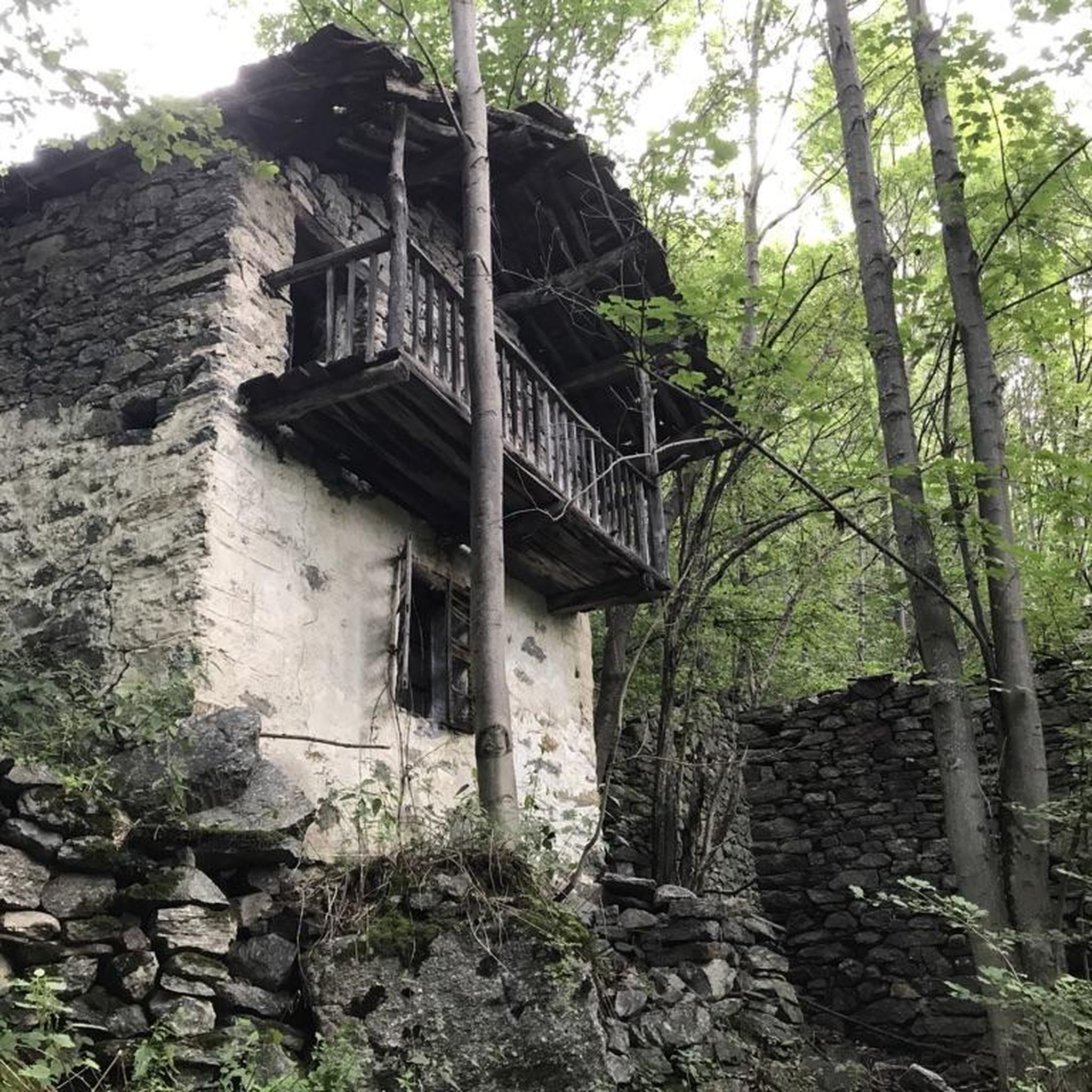
The name of this place is linked to the local tradition of using caves for food preservation. The rocks and the shade of the forest help to isolate the cavities from the outside, maintaining a constant low temperature. It was also common to fill the caves with snow during the winter to increase their cooling power during the warmer months. Even today it is possible to appreciate the difference in temperature between the outside and the inside, especially during the summer.
2
0

Located at 1,254 meters above sea level, the top of Mount Calvano is characterized by an immense meadow between Casentino and Valtiberina. It is not far from the Verna sanctuary and it is not uncommon for you to come across grazing animals.
1
0

Monte Calvano (1254 m above sea level) is a mountain in the Apennines in Italy. There is a path that leads to the summit. Monte Calvano is one of the 307 peaks along the multi-day European long-distance hiking trail E1.
3
0
The exact translation of the rock cave is: “The Ice Box” and that’s exactly how it feels when you get closer. In the past, people used such caves to store food.
4
2
Frequently Asked Questions
What natural features can I expect to see around Subbiano?
The area around Subbiano, nestled in Tuscany's Casentino region, offers diverse natural features. You can explore significant mountain ranges like the Alpe di Catenaia with its abundant water sources and varied flora, including extensive oak, chestnut, and beech forests. There are also notable summits such as Monte Calvano Summit and Mount Penna, unique rock formations like Fra' Lupo Rock, and intriguing caves such as The Icehouse of Cattiglio.
Are there natural monuments with historical or cultural significance near Subbiano?
Yes, several natural monuments in the region hold historical and cultural importance. Fra' Lupo Rock is famous for the legend of Saint Francis of Assisi meeting and converting the brigand Lupo there. The Monumental Forest of La Verna, near the Sanctuary of La Verna, has been preserved and cared for by Franciscan friars for centuries. Mount Penna is named after an ancient pagan cult of the mountain god Pen, and Fonte del Baregno features a memorial stone commemorating a historical event.
What outdoor activities can I do near these natural monuments?
The natural monuments around Subbiano are excellent starting points for various outdoor activities. The Alpe di Catenaia, for instance, is ideal for hiking and cycling, with numerous trekking trails including the historical Sentiero di San Francesco. You can find many routes for cycling, running, and hiking in the area. For detailed routes, explore the Cycling around Subbiano, Running Trails around Subbiano, and Hiking around Subbiano guides.
Are there family-friendly natural monuments or trails around Subbiano?
While specific 'family_friendly' categories are not extensively listed for all natural monuments, areas like Fonte del Baregno offer picnic areas and fresh water, making them suitable for family outings. The Alpe di Catenaia also features well-maintained trails that can be enjoyed by families, depending on the chosen path's difficulty. Many hiking routes around Subbiano offer moderate options suitable for families.
What is the best time to visit the natural monuments around Subbiano?
The natural monuments around Subbiano can be enjoyed throughout the year, each season offering a unique experience. Spring and autumn are ideal for hiking and cycling due to pleasant temperatures and vibrant natural colors. Summer provides lush greenery and cooler temperatures in forested areas or caves like The Icehouse of Cattiglio. In winter, the Alpe di Catenaia transforms with snowfall, creating a magical atmosphere for those who enjoy winter landscapes.
Where can I find panoramic views of the region?
For breathtaking panoramic views, head to Monte Calvano Summit, located at 1,254 meters above sea level, which offers expansive views between Casentino and Valtiberina. Mount Penna also provides a spectacular rock balcony view over the Upper Arno Valley and the vast forests of the Foreste Casentinesi National Park.
What makes The Icehouse of Cattiglio unique?
The Icehouse of Cattiglio is a unique cave known for its naturally low temperatures. Historically, this site was used for food preservation due to its cool interior, even during warmer months. Locals would even fill the caves with snow in winter to enhance their cooling power. Visitors can still experience a significant temperature difference between the outside and inside, especially in summer.
Are there any natural monuments that are good for a picnic or rest stop?
Fonte del Baregno is an excellent spot for a picnic or rest stop. It features a grilled area with fresh water at 1200 meters above sea level and is a popular meeting place. Many paths and routes branch off from here, making it a convenient and pleasant place to pause during an excursion.
What is the significance of Fra' Lupo Rock?
Fra' Lupo Rock is a substantial boulder located along the path from the La Verna monastery to Monte Penna. Its significance lies in the legend that Saint Francis of Assisi met and converted the brigand Lupo at this very spot. This blend of natural grandeur and compelling folklore makes it a unique destination with both natural and spiritual importance.
Can I find extensive forests around Subbiano's natural monuments?
Yes, the region is rich in forests. The Alpe di Catenaia is characterized by extensive oak, chestnut, and beech forests. Additionally, the Monumental Forest of La Verna, surrounding the Sanctuary of La Verna, is an ancient forest primarily composed of fir and beech trees, carefully preserved over centuries. Mount Penna also offers views of an endless panorama of forests, now protected by the Foreste Casentinesi National Park.
What kind of terrain can I expect on hiking trails near Subbiano's natural monuments?
The terrain around Subbiano's natural monuments varies, ranging from gradual climbs to more challenging paths. For example, the trail to Mount Penna from La Verna monastery involves a gradual climb. The Alpe di Catenaia offers diverse trails, from well-maintained paths suitable for general hiking to more rugged routes. You can find detailed terrain descriptions and elevation profiles within the specific route guides, such as those linked in the Hiking around Subbiano guide.
Most popular routes around Subbiano
Most popular attractions around Subbiano

Get inspired with the komoot mobile app


Explore more
Extend your search for the best caves by checking out these guides of the top ones around Subbiano:
