Top 16 Natural Monuments around Gravina Di Catania
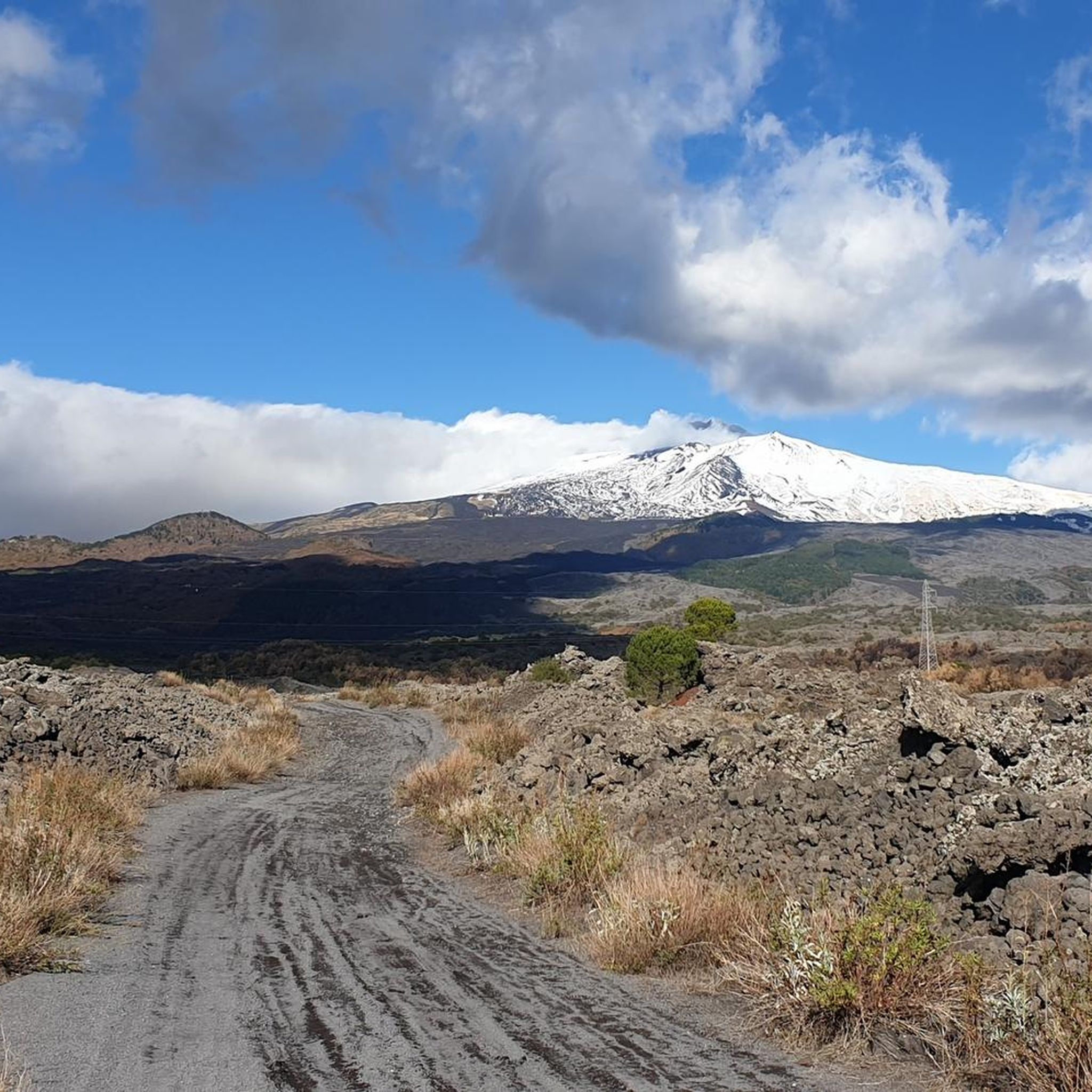
Best natural monuments around Gravina Di Catania are primarily found in the unique volcanic landscape surrounding Mount Etna. Gravina Di Catania serves as a strategic base for exploring the diverse natural features of the Etna Regional Park, Europe's highest active volcano. The area showcases a dynamic environment with lava fields, craters, and varied ecosystems. Visitors can experience significant geological formations and rich biodiversity shaped by volcanic activity.
Best natural monuments around Gravina Di Catania
- The most popular natural monuments is…
Last updated: June 28, 2026
Fountain at Villa Bellini
Highlight • Monument
Translated by Google •
Tip by

View of the Cyclops Islands (Faraglioni of Aci Trezza)
Highlight • Natural Monument
Translated by Google •
Tip by

Sign up now to discover places like this
Get recommendations on the best single tracks, peaks, & plenty of other exciting outdoor places.
Sign up for free
Norman Castle of Aci Castello
Highlight • Castle
Translated by Google •
Tip by

Isola Lachea and the Cyclops' sea stacks
Highlight • Natural Monument
Translated by Google •
Tip by

Pozzo di Gammazita
Highlight • Historical Site
"It was March 30, 1282 and in the hot Catania, occupied by the …
Translated by Google •
Tip by

Sign up for free to discover even more natural monuments around Gravina Di Catania.
Sign up for free
Already have an account?
Start today with a free account
Your next adventure awaits.
Login or Signup

Tips from the Community

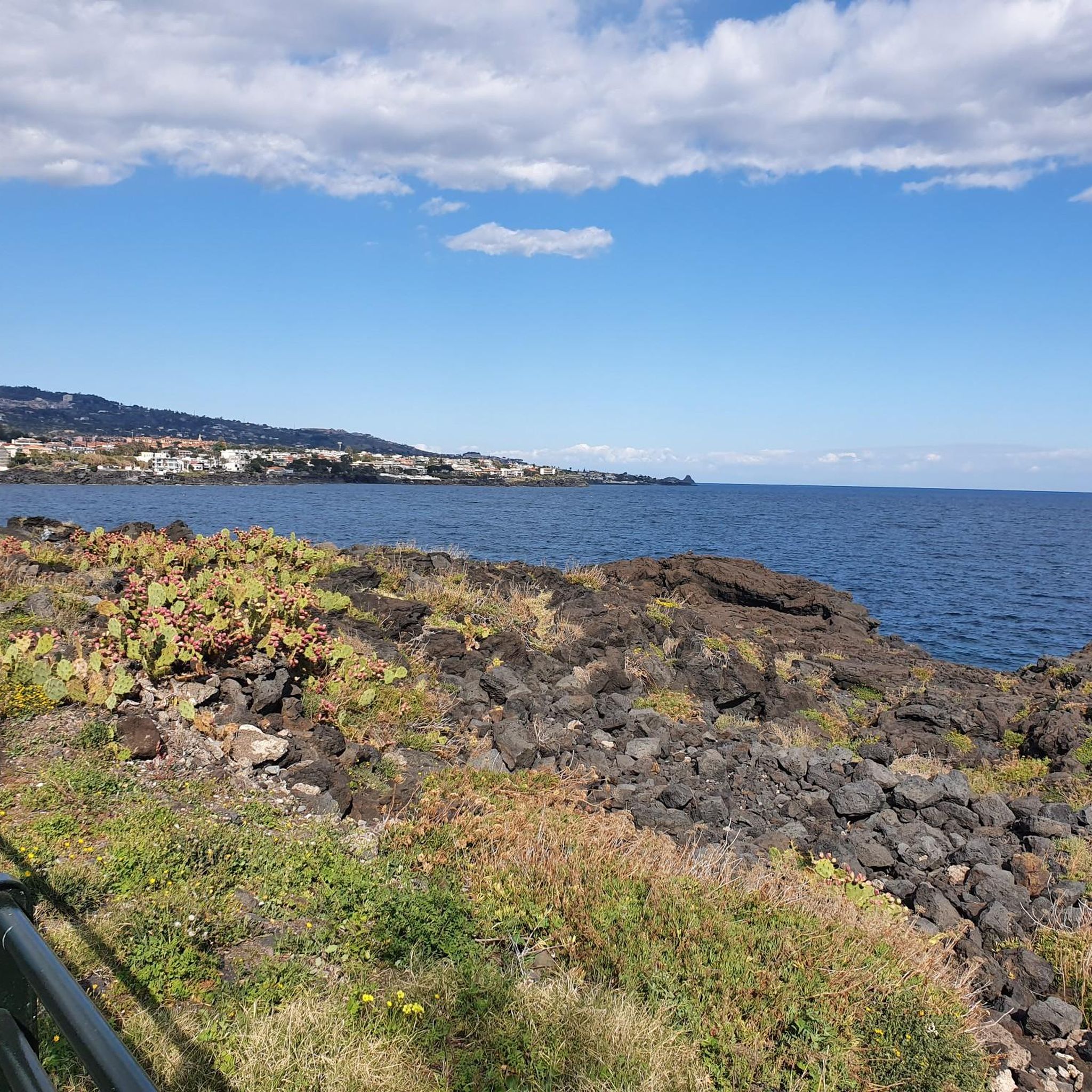
The Cyclopean Coast near Aci Trezza consists of volcanic rock, primarily columnar basalt and so-called lava pillows, which were formed during underwater eruptions during an early phase of Etna's eruption approximately 500,000–570,000 years ago. It also features rocky beaches, crystal-clear water, and various myths and legends.
0
0

A beautiful and dreamy city with a great history. I'd happily return anytime. Five ***** for that.
2
0

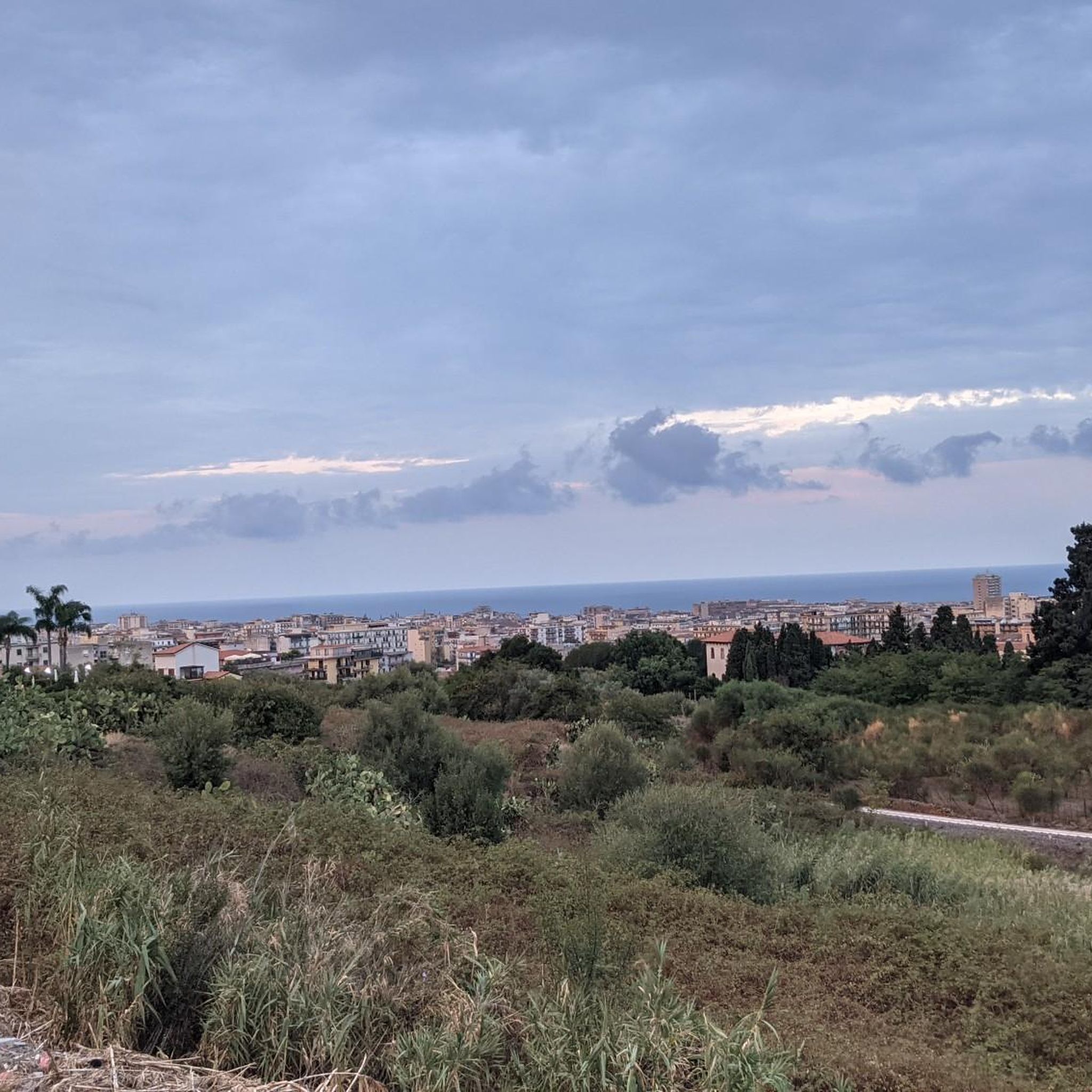
Beautifully landscaped city park that invites you to take a walk and linger.
2
0

**The Lungomare dei Ciclopi: A Cycling Tour between Myth and Nature** If you have decided to extend your stay in the Etna area, an unmissable day trip is the one along the Lungomare dei Ciclopi. This route, which is part of the permanent cycling itinerary *Sicily Divide* from Trapani to Catania, is the last stop to take before concluding the trip. The beauty of the landscape and the charm of the legend will accompany you on a unique experience. The Lungomare dei Ciclopi, which extends from Acitrezza to Catania, takes its name from the famous mythological legend of Ulysses and the Cyclops Polyphemus. It is said that, during his return home, Ulysses landed on these shores where he met the giant Cyclops, monsters with a single eye in the center of their foreheads. After capturing Ulysses and his companions, Polyphemus was blinded thanks to the deception of the Greek hero, who managed to escape with his men. The rocks that emerge from the sea, known as the "Faraglioni", are considered by myths to be the homes of the Cyclops, who threw rocks into the sea to hinder the hero's escape. Cycling along the Lungomare dei Ciclopi is an experience that combines nature, history and legend. The route offers spectacular views of the crystalline sea and Mount Etna, the highest volcano in Europe. The coastal road allows you to admire the breathtaking landscape, with small seaside villages where you can stop for a break and enjoy typical dishes such as fresh fish and Sicilian granitas. This excursion is also an opportunity to discover the Cyclops natural park, a protected area that is home to a rich biodiversity. The coast, with its Mediterranean vegetation, is ideal for those who love nature and want to immerse themselves in an uncontaminated environment. If you have decided to stay several days in the area, the Lungomare dei Ciclopi is a perfect base for other cycling explorations. Continuing your journey, you will find yourself pedaling through a territory rich in history, traditions and landscapes that will remain etched in your memory. Completing the *Sicily Divide* along the Lungomare dei Ciclopi is much more than a sporting feat: it is a dive into mythology and nature, which will leave you with an indelible memory of Sicily.
0
0

Nice place to relax in the shadow of the castle!
0
0
A nice place to rest for a moment in the shade of the castle!
0
0

The ticket for the castle is for age groups: From 0 to 6 years free entry. From 7 to 10 years €1.50 From 11 to 65 years €3.50 Over 65 years €2.00 Middle and high school students accompanied by teachers €2.50
0
0

Beautiful promenade, Norman fort, beach made only of lava rock, close to the Cyclops Islands
3
0
Frequently Asked Questions
What are some of the most popular natural monuments around Gravina di Catania?
The region around Gravina di Catania is rich in unique natural monuments, primarily shaped by volcanic activity. Among the most popular are the View of the Cyclops Islands (Faraglioni of Aci Trezza), known for their mythological significance and volcanic origins. Another highly appreciated spot is the Norman Castle of Aci Castello, which, while a historical structure, stands on a dramatic basaltic cliff, offering impressive views and showcasing the interplay between history and geology.
Are there family-friendly natural monuments near Gravina di Catania?
Yes, several natural monuments are suitable for families. The View of the Cyclops Islands (Faraglioni of Aci Trezza) offers an engaging experience with its mythological tales and unique volcanic formations, often enjoyed from boat trips. Additionally, the Fountain at Villa Bellini in Catania provides a peaceful green space with fountains, perfect for a relaxing family outing.
What kind of geological features can I expect to see around Gravina di Catania?
The natural monuments around Gravina di Catania are dominated by volcanic geology. You'll encounter ancient and recent lava flows, basaltic rock formations, and craters, especially within the Etna Regional Park. The Isola Lachea and the Cyclops' sea stacks are prime examples of volcanic islands formed from basaltic lava, showcasing unique columnar basalt and lava pillows from underwater eruptions.
Can I find historical sites among the natural monuments?
Absolutely. The region beautifully blends natural wonders with historical significance. The Norman Castle of Aci Castello, perched on a basaltic cliff, is a historical landmark that also offers stunning natural views. Another interesting site is the Pozzo di Gammazita, a well in Catania associated with a significant local legend from the Sicilian Vespers.
What outdoor activities are available near these natural monuments?
The area around Gravina di Catania, particularly near Mount Etna, offers a wide range of outdoor activities. You can explore numerous cycling routes, including challenging rides like the 'Ascent to Mount Etna' or more moderate options. Running trails are also available, such as those along the Catania Seafront. For detailed routes and guides, you can check out the Cycling around Gravina Di Catania, Road Cycling Routes around Gravina Di Catania, and Running Trails around Gravina Di Catania guides.
Are there specific hiking trails to explore the natural monuments?
While specific hiking trails directly linked to the listed natural monuments are not detailed in the guide data, the broader Etna Regional Park, which encompasses many of these natural features, is renowned for its extensive network of hiking trails. These trails cater to various difficulty levels, allowing visitors to explore diverse ecosystems, lava fields, and craters. Always check local conditions and trail maps before heading out.
What is the best time of year to visit the natural monuments around Gravina di Catania?
The best time to visit largely depends on the specific natural monument and desired activity. Spring (April-May) and Autumn (September-October) generally offer pleasant temperatures for exploring Mount Etna and its surroundings, with vibrant flora in spring and comfortable hiking conditions. Coastal areas like the Cyclops Islands are enjoyable from late spring through early autumn for boat trips and swimming. Winter can offer unique snowy landscapes on Etna but may limit access to higher altitudes.
Are any of the natural monuments accessible for visitors with mobility challenges?
Yes, the Fountain at Villa Bellini in Catania is noted as wheelchair accessible, offering an urban green oasis for all visitors to enjoy. For other natural monuments, accessibility can vary greatly, especially in rugged volcanic terrain. It's advisable to check specific access points and conditions for each site if mobility is a concern.
What do visitors enjoy most about the natural monuments in this region?
Visitors frequently appreciate the dramatic interplay between nature and history, especially the unique volcanic landscapes of Mount Etna and the mythological allure of the Cyclops Islands. The breathtaking panoramic views, the diverse ecosystems, and the opportunity to witness the raw power of nature are often highlighted. The blend of geological wonders with cultural narratives, as seen at sites like the Norman Castle of Aci Castello, also leaves a lasting impression.
Are there any hidden natural gems worth discovering near Gravina di Catania?
Beyond the well-known sites, the broader Catania province holds lesser-known natural attractions. The Acqua Rocca Waterfall, for instance, is a seasonal waterfall that carves through basaltic rocks, offering unique views of the Valle del Bove and the summit craters of Etna. Its smooth basalt wall is also known to be suitable for climbing, providing a more adventurous experience for those seeking off-the-beaten-path natural beauty.
How long should I plan for a visit to these natural monuments?
The duration of your visit can vary significantly depending on the monument. For coastal sites like the Cyclops Islands, a few hours for a boat trip or coastal walk might suffice. Exploring the vast Etna Regional Park, however, could easily take a full day or even multiple days if you plan to hike extensively or visit various craters and viewpoints. Urban green spaces like the Fountain at Villa Bellini can be enjoyed in an hour or two.
Can I bring my dog to the natural monuments around Gravina di Catania?
While many outdoor areas in Italy are dog-friendly, specific rules can apply to protected natural parks and historical sites. For general hiking trails within the Etna Regional Park, dogs are often permitted on a leash. However, for specific attractions like the Norman Castle of Aci Castello or boat tours around the Cyclops Islands, it's best to check with the individual operators or site management regarding their pet policies before your visit.
Most popular routes around Gravina Di Catania
Most popular attractions around Gravina Di Catania

Get inspired with the komoot mobile app


Explore more
Extend your search for the best caves by checking out these guides of the top ones around Gravina Di Catania:
