Top 20 Natural Monuments around Groscavallo
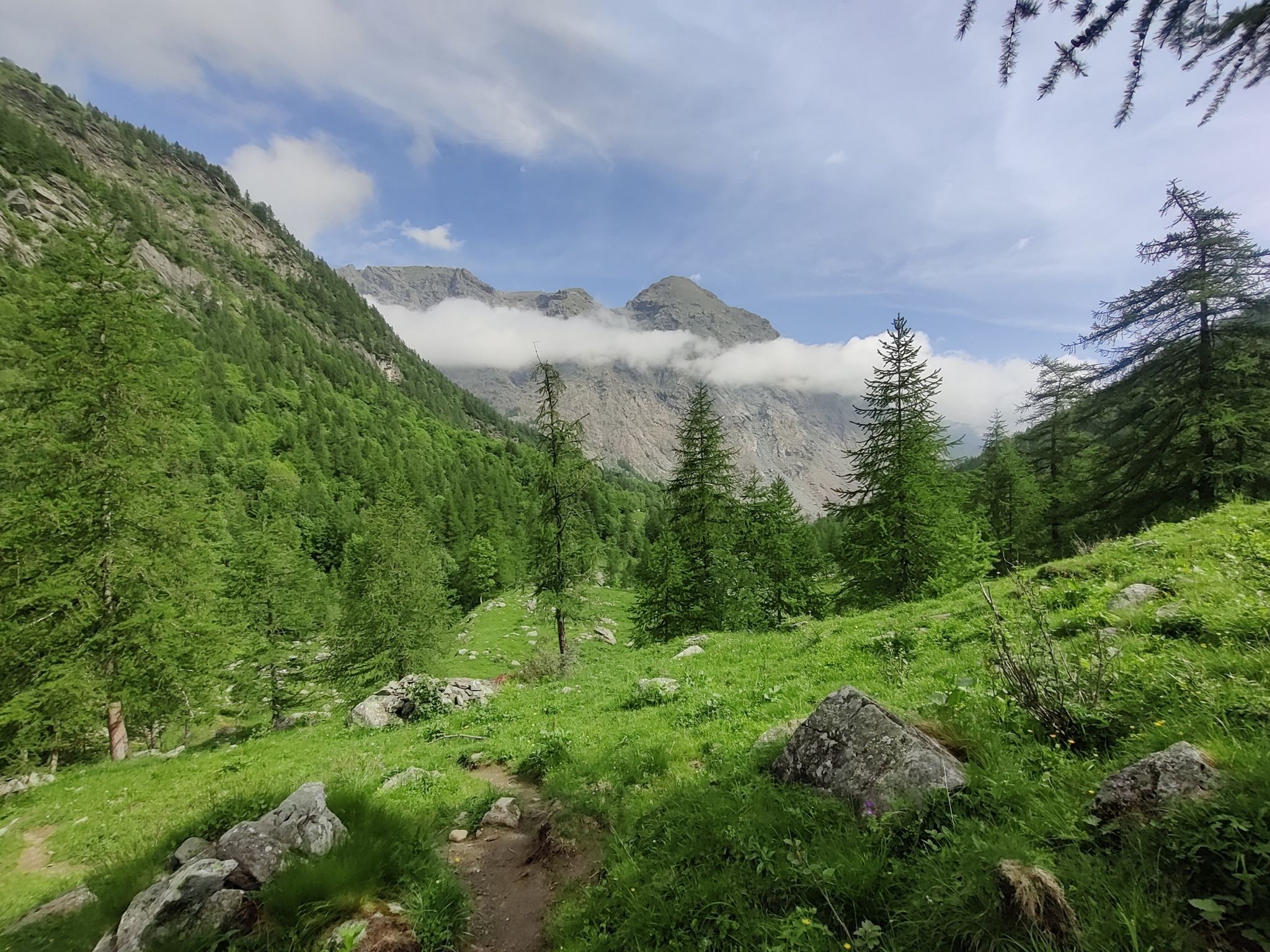
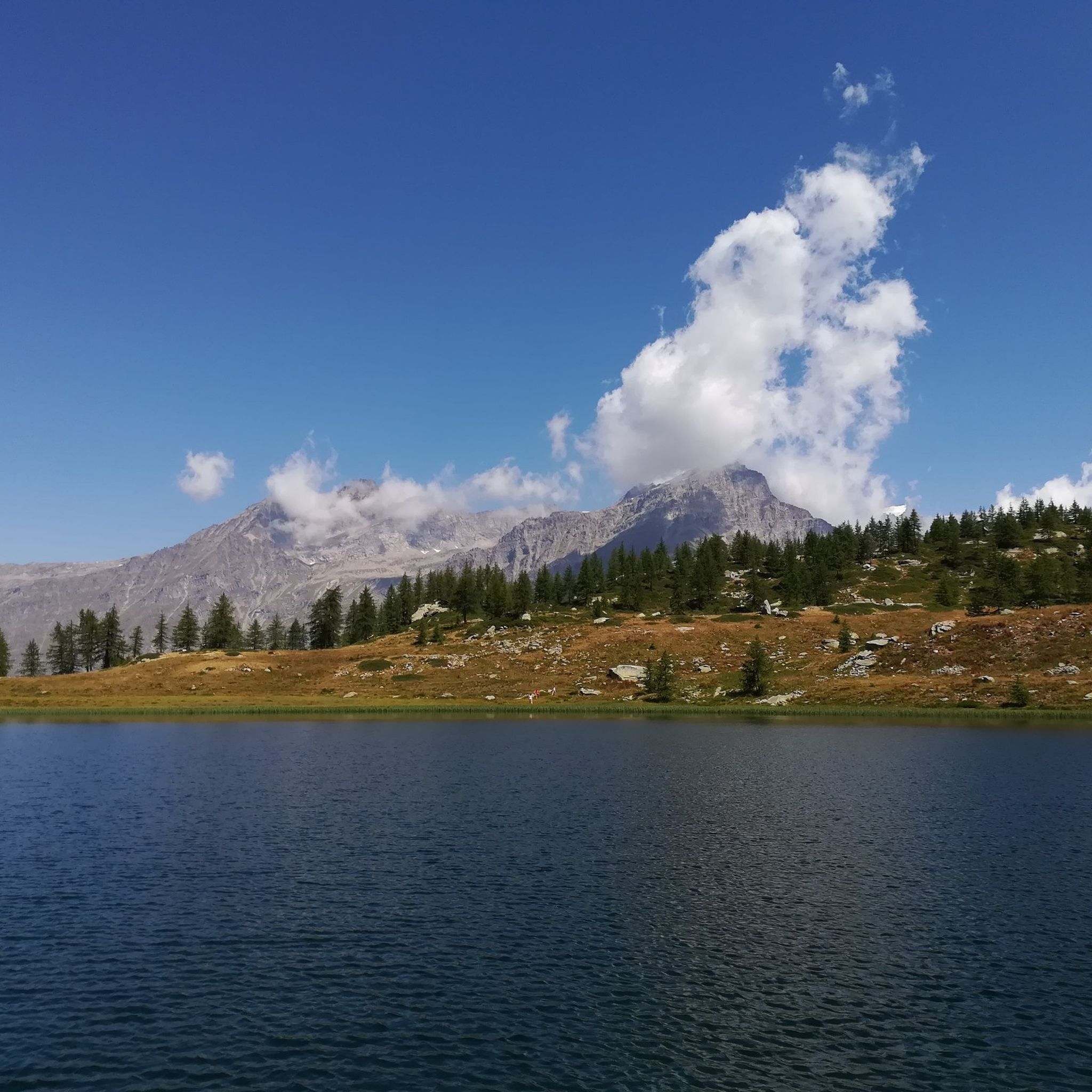
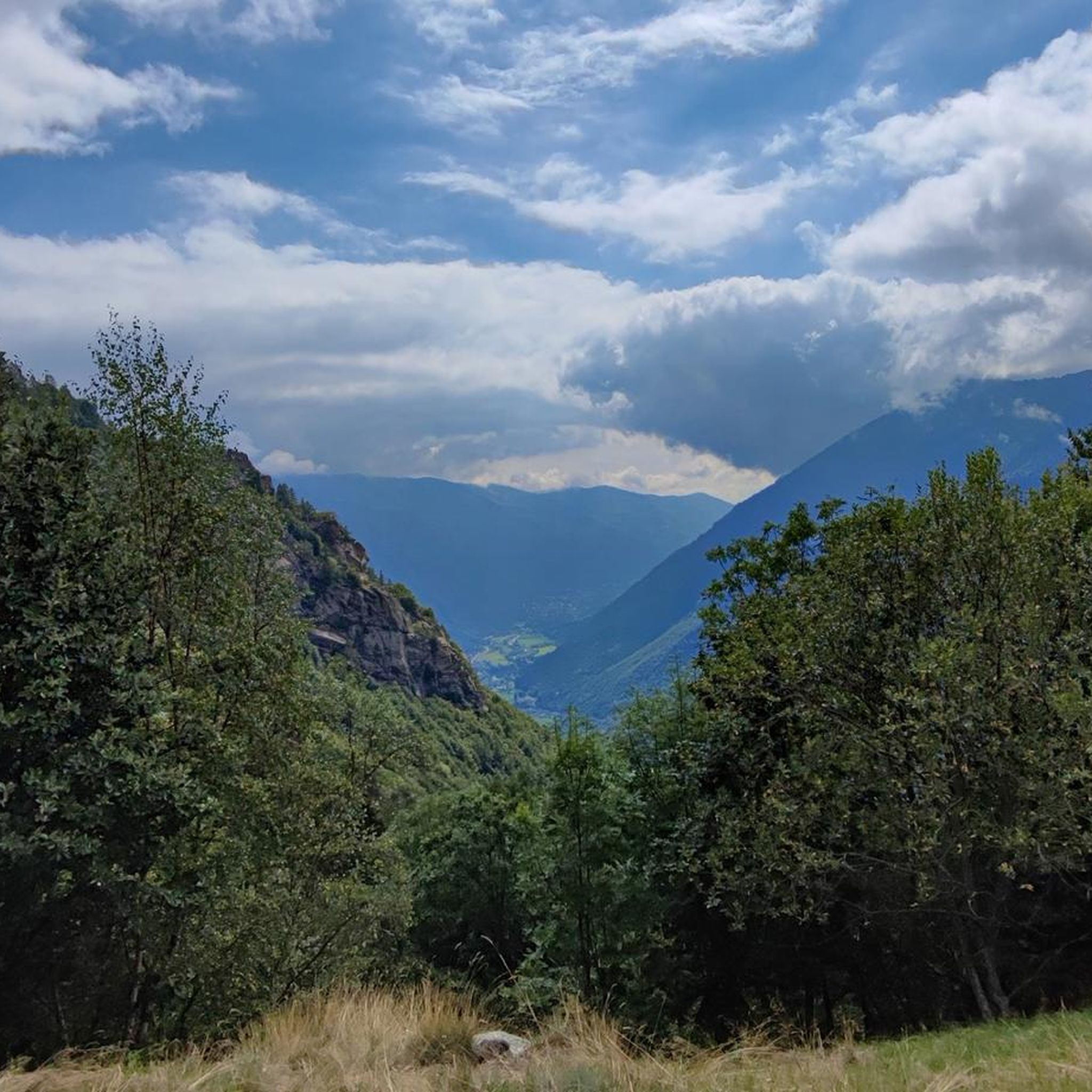
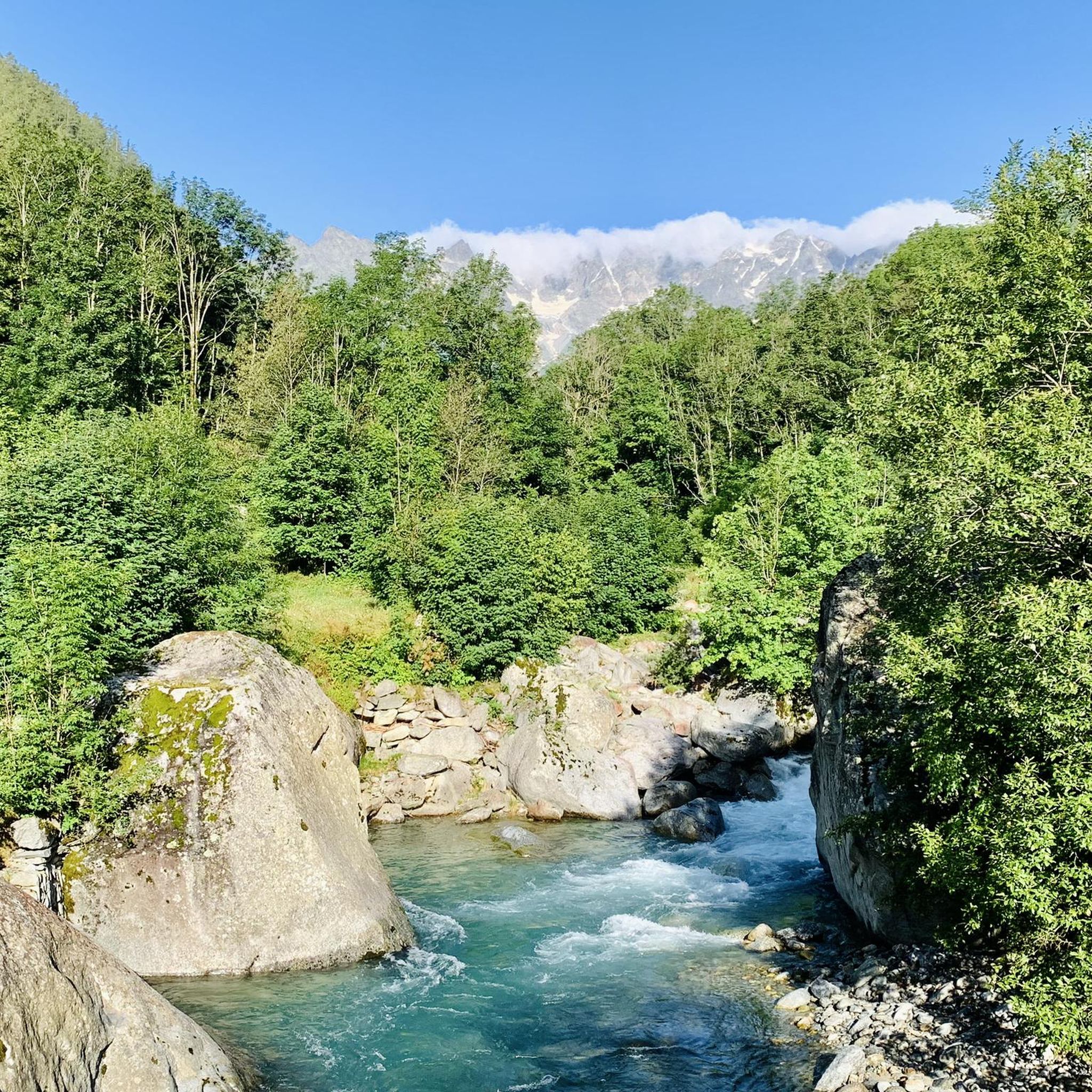
Best natural monuments around Groscavallo are found within the Val Grande, a region characterized by alpine landscapes and significant natural features. The area offers a blend of geological formations and water features, including notable lakes, mountain passes, and waterfalls. These natural monuments provide opportunities for exploration and offer insights into the region's environment. The landscape is shaped by its mountainous terrain, with various natural attractions accessible to visitors.
Best natural monuments around Groscavallo
- The most popular natural monuments is Lake…
Last updated: October 1, 2026
Lake Serrù
Highlight • Lake
Translated by Google •
Tip by

Lake Agnel
Highlight • Lake
Translated by Google •
Tip by

Sign up now to discover places like this
Get recommendations on the best single tracks, peaks, & plenty of other exciting outdoor places.
Colle del Nivolet
Highlight • Mountain Pass
Translated by Google •
Tip by

Noasca Waterfall
Highlight • Waterfall
Translated by Google •
Tip by

Teleccio Dam and Lake
Highlight • Lake
Translated by Google •
Tip by

Sign up for free to discover even more natural monuments around Groscavallo.
Already have an account?
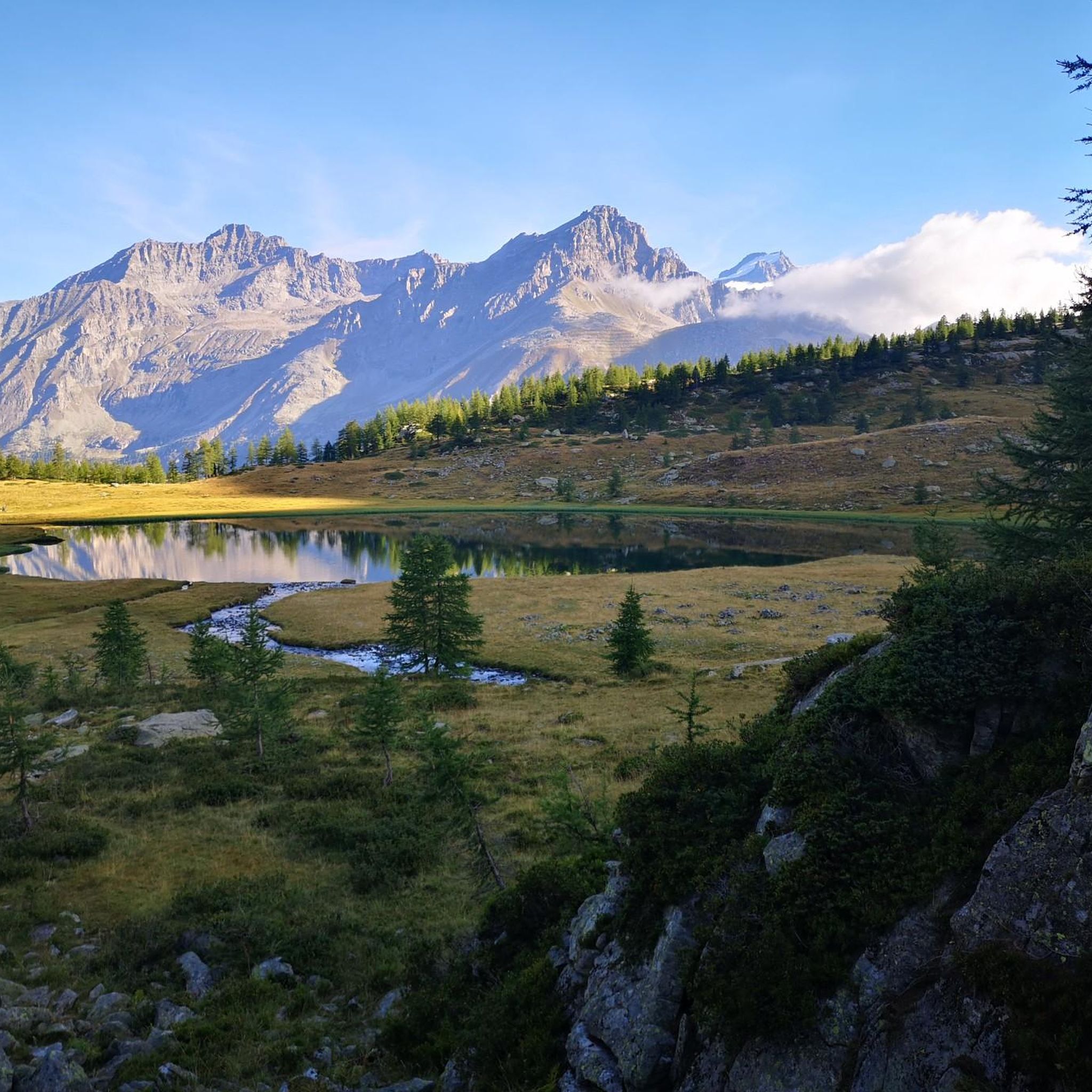
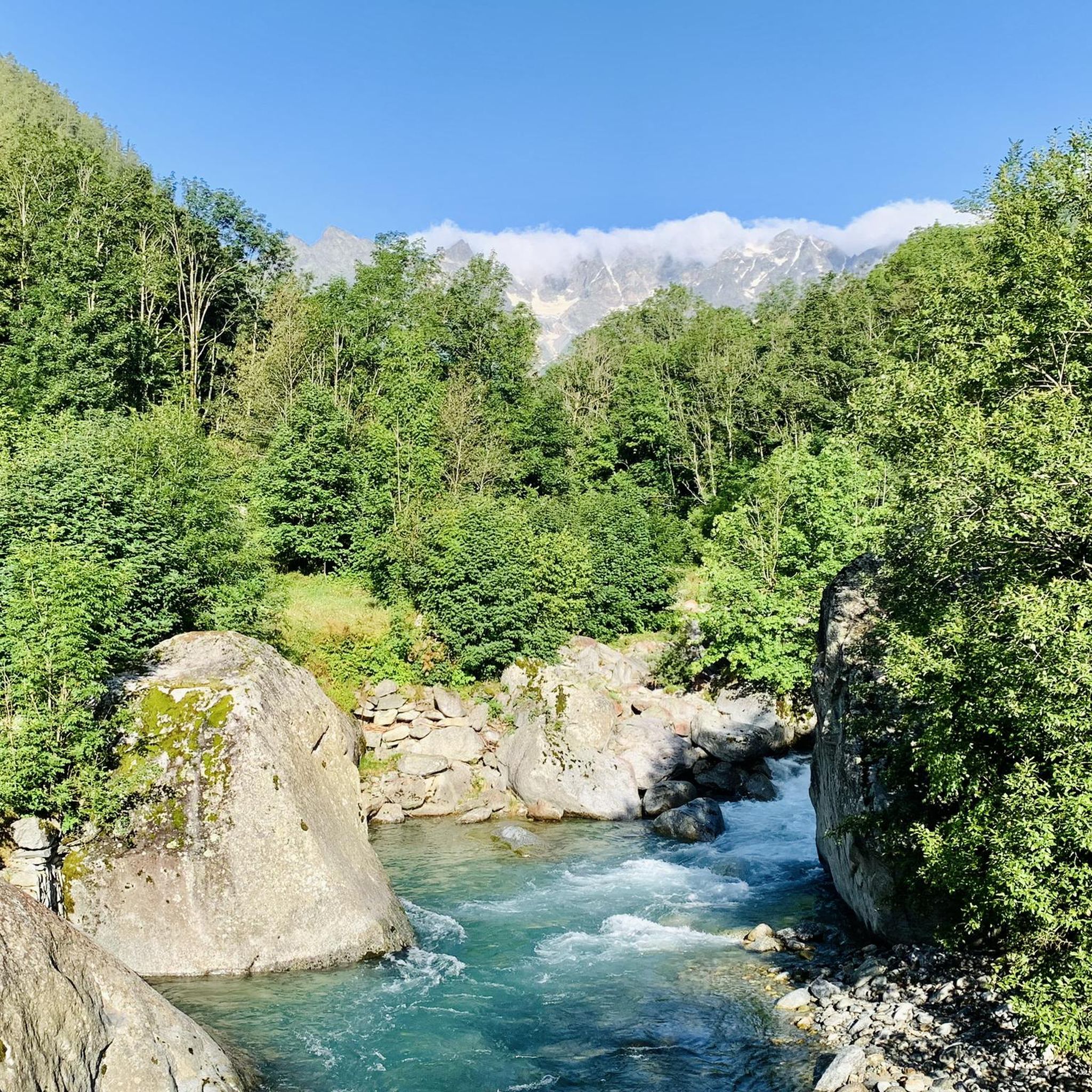


Other adventures around Groscavallo

Tips from the Community

View of the famous Noasca waterfall from the car-passage bridge
0
0

The road that draws an "S" on the dam is very scenic. All that remains is to tackle the last hairpin bends to the top and then enjoy the most beautiful view of the Alps and perhaps the world...
0
0

Ridiculous climb, road and valley, first 4 km with some hard but balanced stretches of flat ground, the last 7 km are tough. Very degraded asphalt, with eight sectors where the road has been restored after landslides, then asphalt disappeared. There are 8 drainage grates to watch out for, they cross the road and are made of iron rods that fit a 25 tire comfortably. With a road bike, to be avoided on days of uncertain weather, the road sees the constant presence of stones and armrests, with water I think it's a mess.
0
0

The climb of Colle del Nivolet is among the most exciting and fascinating of the Piedmont Alps, I always recommend Alba and Tramonti when the light transforms the landscape into pure magic!
0
0

for updated info due to recent landslides on the road read here ➡️ http://www.rifugiopontese.it/ and/or contact the Pontese Refuge which can be reached on foot from the Sernior area
0
0

At an altitude of 2625 metres, Colle del Nivolet marks the border between Piedmont and Valle d'Aosta. Going up from Ceresole Reale the road is entirely asphalted and therefore quite busy. Spectacular views 🤩🏔️
2
0

The route is no longer accessible, the electricity company no longer even allows hikers (you risk a fine for infringement of private property)
1
0

This is where the hard area of the Colle del Nivolet begins. It is a mountain town in the Orc Valley, which has a very pretty fountain next to a bridge over the river. It's worth stopping to take a breather and regroup. Right at the exit of the town, the first horseshoes and ramps above 10%. The Nivolet show begins!!!
0
0
Frequently Asked Questions
What unique natural monuments can I explore around Groscavallo?
Beyond the well-known spots, Groscavallo offers unique natural monuments like the Dolmen del Colombin, a massive natural rock formation adapted by ancient inhabitants, and the spectacular waterfalls in the Vallone del Rio Colombin, known for their multiple drops and wild surroundings. You can also visit Lake Serrù, an artificial lake of unique beauty along the road to Nivolet.
Are there any natural monuments with historical significance near Groscavallo?
Yes, the Dolmen del Colombin is a remarkable site. While primarily a natural rock formation, it was adapted and modified by humans, likely for high-altitude pastoral activities. Its imposing size and evidence of human shaping offer a tangible link to ancient life in the Alps, blending natural wonder with historical intrigue.
What are some family-friendly natural monuments to visit in Groscavallo?
The Noasca Waterfall is highly recommended for families. The path to it is described as steep but feasible, even for those not used to trekking, and children can reach it on foot. You can even pass behind the cascading water for a unique experience. The waterfalls in the Vallone del Rio Colombin are also accessible via a low-difficulty hiking trail, making them suitable for families.
What kind of natural features can I expect to see around Groscavallo?
The Groscavallo area is rich in diverse natural features. You'll find stunning alpine landscapes, significant water features like the multi-drop waterfalls in the Vallone del Rio Colombin and the beautiful Teleccio Dam and Lake, and impressive geological formations such as the Dolmen del Colombin. Mountain passes like Colle del Nivolet offer panoramic views of these natural wonders.
Are there hiking trails near these natural monuments?
Absolutely. Many natural monuments are accessible via hiking trails. For instance, the Dolmen del Colombin and the waterfalls in the Vallone del Rio Colombin are reached via a low-difficulty itinerary. For more extensive options, you can explore various MTB Trails around Groscavallo, which often pass by natural highlights. The path to the Noasca Waterfall is also a well-indicated hiking route.
What outdoor activities can I do near Groscavallo's natural monuments?
The region around Groscavallo offers a variety of outdoor activities. You can enjoy gravel biking, road cycling, and mountain biking on routes that often lead to or pass by natural monuments like Lake Serrù and Colle del Nivolet. Hiking is also a popular activity, with trails leading to waterfalls and unique rock formations.
What is the difficulty level of trails leading to Groscavallo's natural monuments?
Trail difficulties vary. The itinerary to the Dolmen del Colombin and the waterfalls in the Vallone del Rio Colombin is considered low-difficulty. The path to the Noasca Waterfall is steep but generally feasible. For more challenging experiences, the climb to Teleccio Dam and Lake is noted for its considerable difficulty, with an average gradient of 10.5%.
What do visitors enjoy most about the natural monuments around Groscavallo?
Visitors frequently praise the panoramic views, especially from spots like Colle del Nivolet. The unique beauty of places like Lake Serrù and the opportunity to pass behind the cascading water at the Noasca Waterfall are also highly appreciated. The blend of natural wonder and historical intrigue, such as at the Dolmen del Colombin, also captivates many.
Are there any hidden gems or lesser-known natural monuments worth discovering?
While not entirely hidden, the Noasca Waterfall is often described as a 'gem hidden in the mountains' due to its spectacular viewpoint and the unique experience of passing behind the water. The Dolmen del Colombin, with its mysterious aura and blend of natural and human history, also offers a distinctive experience away from more conventional attractions.
Can I bring my dog on trails to Groscavallo's natural monuments?
While specific regulations for each natural monument are not detailed, many trails in the Val Grande region are generally dog-friendly. It's always advisable to keep dogs on a leash, especially in protected areas or near wildlife, and to check local signage for any specific restrictions before heading out.
What is the best time of year to visit the natural monuments in Groscavallo?
The best time to visit largely depends on the activity. For hiking and enjoying the waterfalls and lakes, late spring to early autumn (May to October) typically offers pleasant weather and accessible trails. During these months, the alpine flora is vibrant, and the water features are at their most impressive. Winter activities might be possible, but access to some higher-altitude monuments could be restricted by snow.
Most popular routes around Groscavallo
Most popular attractions around Groscavallo

Get inspired with the komoot mobile app


Explore more
Extend your search for the best caves by checking out these guides of the top ones around Groscavallo:
