Top 6 Natural Monuments around Carmagnola
Best natural monuments around Carmagnola include a variety of protected areas and ecological sites within Piedmont, Italy. The region is characterized by its connection to the Po River, offering diverse riverine environments and lowland forests. These natural areas are significant for their ecological value, providing habitats for local flora and fauna. Carmagnola is situated within the broader Piedmont Po Natural Park, which encompasses extensive protected areas along the Po River.
Best natural monuments around Carmagnola
- The most popular natural monuments…
Last updated: June 28, 2026
Pralormo Castle
Highlight • Castle
Translated by Google •
Tip by

Bosco del Merlino
Highlight • Forest
The Merlino forest, located in the municipality of Caramagna Piemonte, is the most recent of the Piedmont nature …
Translated by Google •
Tip by

Sign up now to discover places like this
Get recommendations on the best single tracks, peaks, & plenty of other exciting outdoor places.
Sign up for free
Lanca di San Michele and Bosco del Gerbasso Nature Reserve
Highlight • Forest
Showing Translation
Tip by

Racconigi Stork Center
Highlight • Natural Monument
Translated by Google •
Tip by

Fountain of the Four Seasons and Monument to the Asparagus of Santena
Highlight • Monument
Translated by Google •
Tip by

Sign up for free to discover even more natural monuments around Carmagnola.
Sign up for free
Already have an account?
Start today with a free account
Your next adventure awaits.
Login or Signup

Tips from the Community

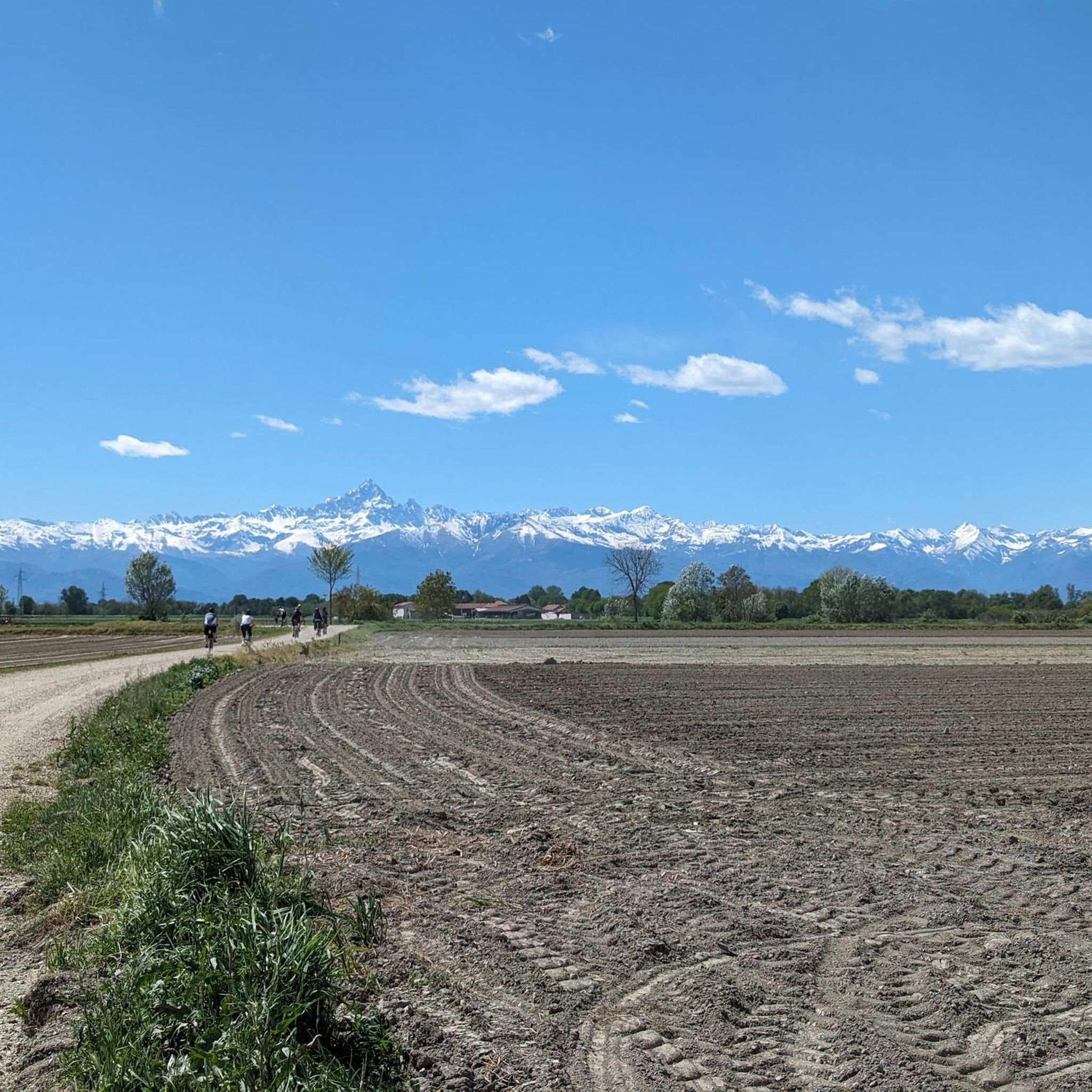
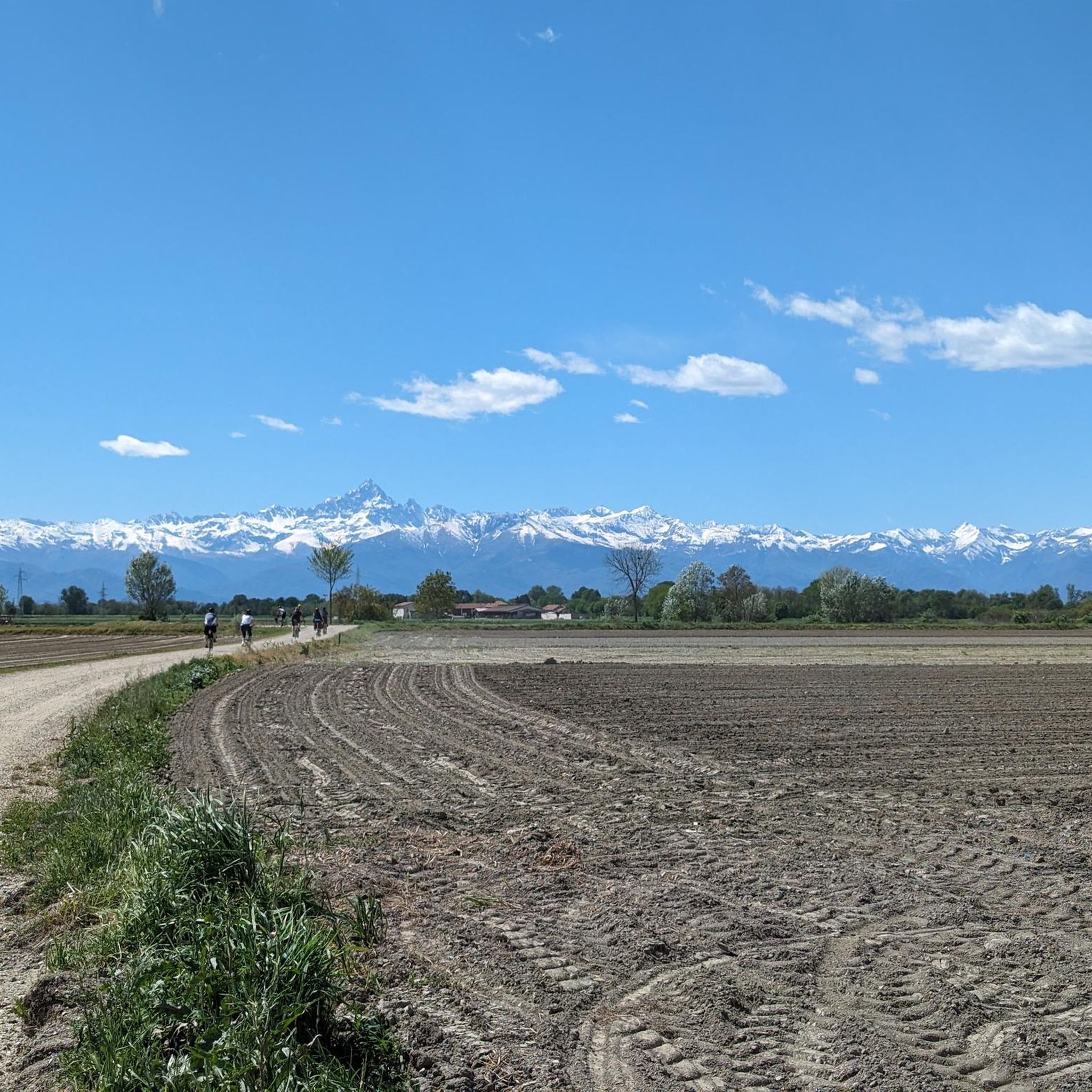
Can easily be tackled with a gravel bike 🚴🏽
1
0

Castle in the town center, known for its tulip display in spring 🌷
0
0

Very nice circular route
0
0
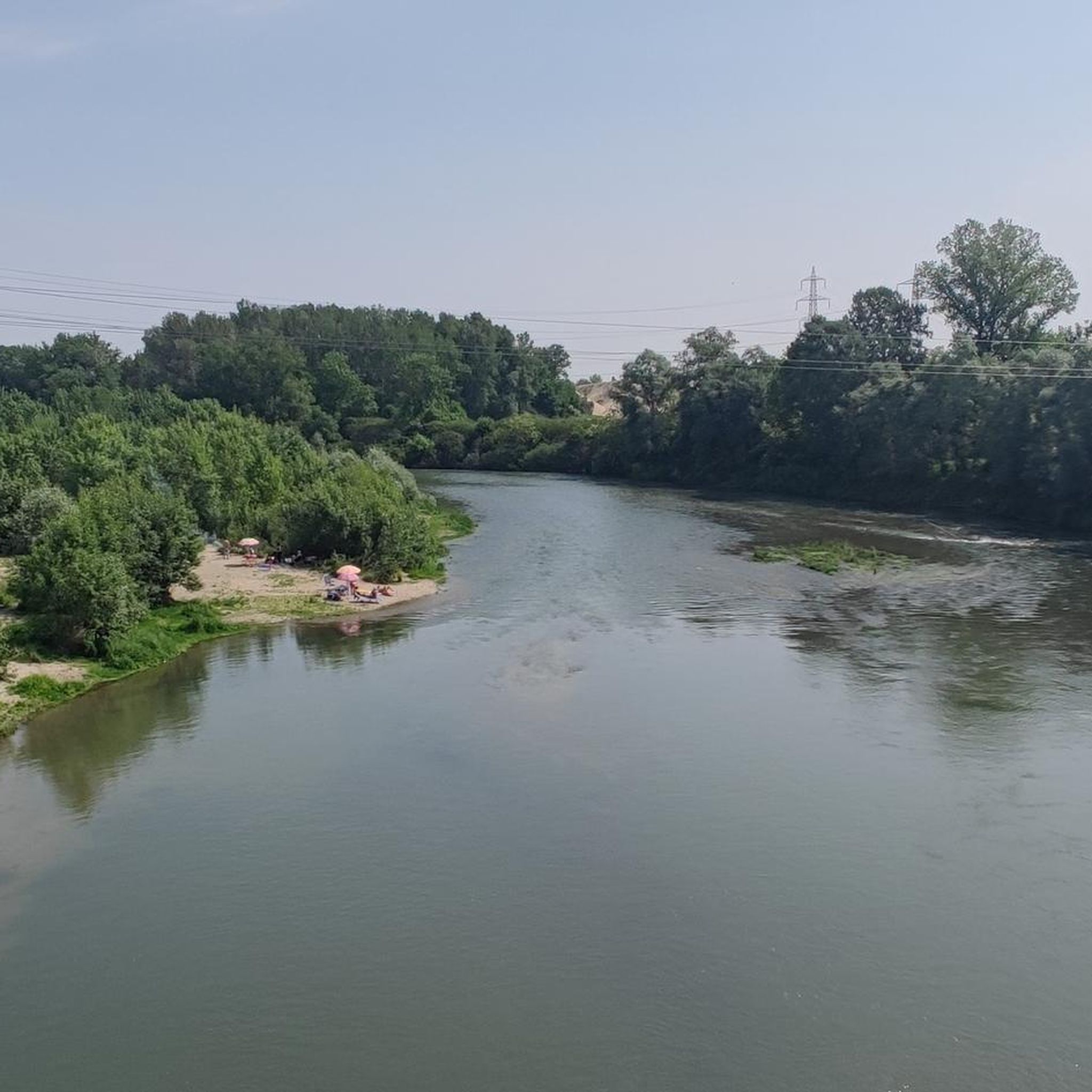
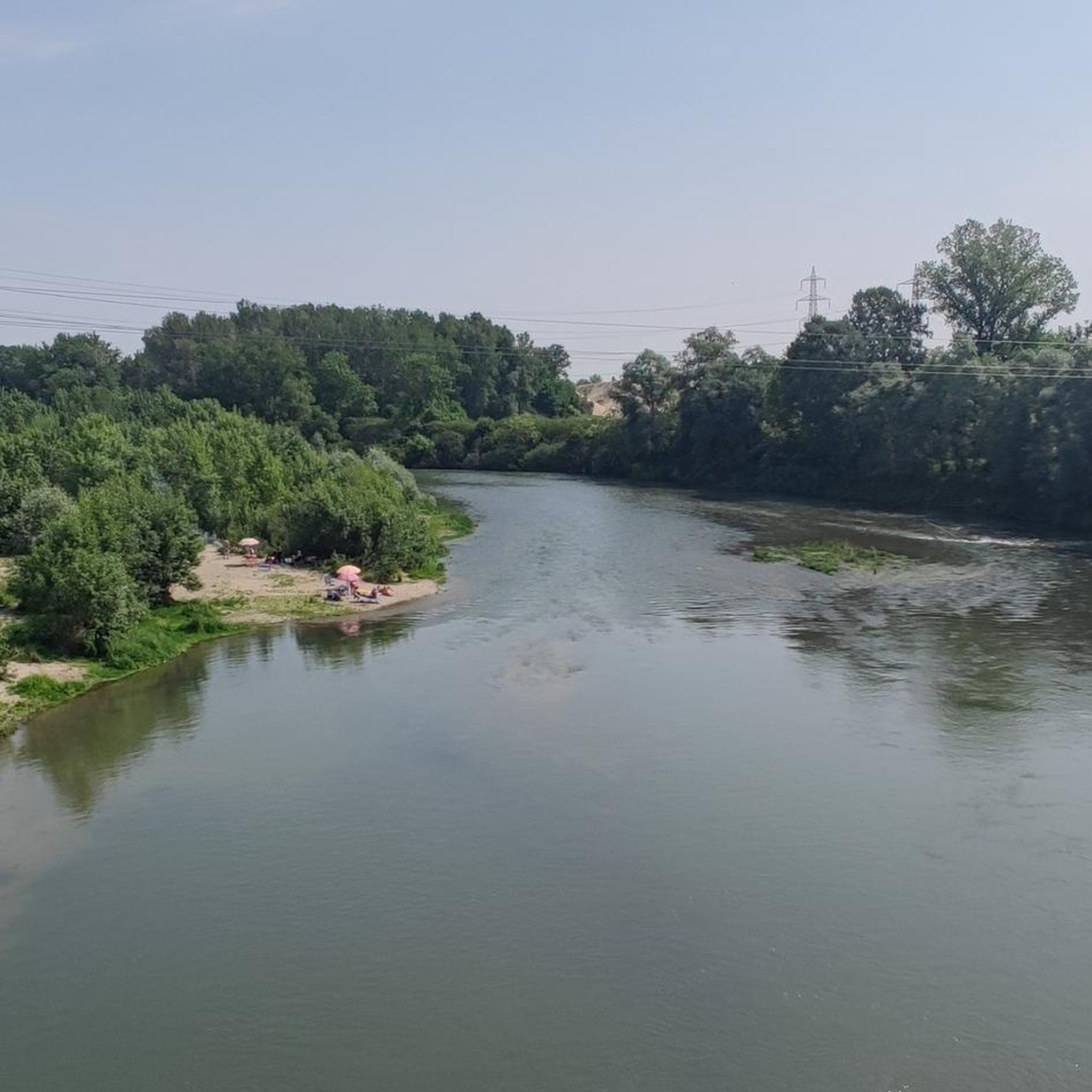
A short walk from the historic center of Carmagnola lies a protected area of great natural interest: La Lanca di San Michele, an ancient riverbed, now abandoned, which has transformed into a beautiful wetland rich in flora and fauna typical of the river environment, and the Bosco del Gerbasso where, thanks to valuable scientific work, a strip of the original Po Valley floodplain forest has been recreated. Inside, there is a beach, picnic area, observation points, and many other points of interest.
0
0


For those who wish to stop for a visit, the Stork Center offers the possibility of observing different types of birds inside, along the route with several observation huts and explanatory panels.
3
0
Frequently Asked Questions
What unique natural features can I explore near Carmagnola?
Near Carmagnola, you can explore diverse natural features shaped by the Po River. The Lanca di San Michele and Bosco del Gerbasso Nature Reserve features an ancient, abandoned riverbed of the Po River that has transformed into a rich wetland ecosystem, teeming with diverse flora and fauna. It also includes a recreated strip of original Po Valley plain forest. The broader Piedmont Po Natural Park, which Carmagnola is part of, preserves valuable riverine environments and acts as a corridor for waterfowl migration.
Are there any family-friendly natural monuments around Carmagnola?
Yes, several natural monuments around Carmagnola are suitable for families. The Racconigi Stork Center is a naturalistic park offering observation points for various bird species, with explanatory panels that can engage children. Both the Lanca di San Michele and Bosco del Gerbasso Nature Reserve and Bosco del Merlino are also considered family-friendly, offering gentle trails and opportunities to observe nature.
What kind of wildlife can I expect to see in the natural areas around Carmagnola?
The natural areas around Carmagnola, particularly the wetland ecosystems like the Lanca di San Michele, are rich in biodiversity. You can expect to see various bird species, making it an excellent spot for birdwatching. Amphibians and insects are also abundant in these riverine environments. The Racconigi Stork Center specifically focuses on bird observation, including storks.
Are there hiking trails available near these natural monuments?
Yes, there are several hiking opportunities near the natural monuments. For instance, a loop trail connects the Natural History Museum in Cascina Vigna with the Lanca di San Michele and Bosco del Gerbasso Nature Reserve. For more general hiking options in the region, you can explore routes like 'A Walk With Clary loop from Carmagnola' or 'View of the River loop from Carmagnola'. Find more details on these and other trails in the Hiking around Carmagnola guide.
What is the best time to visit the natural monuments in Carmagnola?
The natural monuments around Carmagnola, especially those with rich flora and fauna like the Lanca di San Michele and Bosco del Gerbasso Nature Reserve, are generally best visited during spring and autumn. These seasons offer pleasant weather for outdoor activities and optimal conditions for observing wildlife, particularly migratory birds. Spring is also ideal for seeing the
Can I bring my dog to the natural monuments?
While specific rules for dogs can vary by reserve, many natural areas in Italy allow dogs on leash. It's generally advisable to keep dogs on a leash to protect local wildlife and ensure a pleasant experience for all visitors. Always check local signage upon arrival for any specific restrictions within areas like the Lanca di San Michele and Bosco del Gerbasso Nature Reserve or Bosco del Merlino.
Are there any historical sites or castles near the natural monuments?
Yes, the region offers a blend of natural beauty and historical sites. The Pralormo Castle, a medieval fiefdom, is located nearby and is famous for its annual 'Messer Tulipano' exhibition in April, where over 75,000 tulips and daffodils bloom. While primarily a castle, its extensive gardens and natural setting make it a noteworthy stop.
What cycling routes are available near Carmagnola's natural monuments?
Carmagnola offers various cycling routes that allow you to explore the surrounding natural landscapes. You can find routes for different skill levels, such as 'Church of Saint Anthony – Sommariva Bosco - Ceresole loop from Carmagnola' for an easy ride or more challenging options like 'Basilica di Superga – Basilica of Superga loop from Carmagnola'. For a comprehensive list, refer to the Cycling around Carmagnola guide.
Is there public transport or parking available for visiting these natural areas?
While specific details for each site can vary, the Lanca di San Michele and Bosco del Gerbasso Nature Reserve is located close to Carmagnola's historic center, suggesting relatively easy access. For the broader Piedmont Po Natural Park, visitor centers like the Natural History Museum in Carmagnola can provide information on access. Parking facilities are often available near protected areas, but it's always recommended to check specific location details before your visit.
What is the Natural History Museum in Carmagnola, and how does it relate to the natural monuments?
The Natural History Museum in Carmagnola serves as the first Visitor Center of the Po Torinese River Park. It provides valuable insights into the Po River's habitats and morphology, offering context for the natural monuments in the area. A loop trail connects the museum with the Lanca di San Michele and Bosco del Gerbasso Nature Reserve, making it a great starting point for understanding the local ecosystem. You can learn more about the museum's offerings at italianbotanicalheritage.com.
Are there any entry fees or permits required to visit the natural monuments?
Generally, most natural reserves and parks in Italy, including the Lanca di San Michele and Bosco del Gerbasso Nature Reserve and Bosco del Merlino, do not require entry fees for general access to trails and observation areas. However, specific facilities or attractions within these areas, such as the Racconigi Stork Center or the Pralormo Castle, may have separate admission fees or specific visiting hours. It's always best to check their official websites for current information.
What do visitors enjoy most about the natural monuments around Carmagnola?
Visitors particularly appreciate the tranquility and natural beauty of the area. The Lanca di San Michele and Bosco del Gerbasso Nature Reserve is praised for its 'very nice circular route' and its rich naturalistic interest. The Racconigi Stork Center is valued for its unique bird observation opportunities. Overall, the community enjoys the diverse ecosystems and the chance to connect with nature.
Most popular routes around Carmagnola
Most popular attractions around Carmagnola

Get inspired with the komoot mobile app


Explore more
Extend your search for the best caves by checking out these guides of the top ones around Carmagnola:
