Top 20 Natural Monuments around Sala Biellese
Best natural monuments around Sala Biellese are situated in the Biellese Prealps, an area known for its diverse geological features and historical significance. The region offers a landscape shaped by ancient glacial activity and human intervention, providing a range of natural attractions. Visitors can explore unique natural phenomena, historical sites, and expansive nature reserves. This area presents opportunities to observe varied natural environments and geological formations.
Best natural monuments around Sala Biellese
- The most popular natural monuments is Lake Pistono…
Last updated: June 28, 2026
Lake Pistono and the Archaeological Park of the Stilt Houses
Highlight • Lake
Translated by Google •
Tip by

The Dancing Lands
Highlight • Natural Monument
Translated by Google •
Tip by

Sign up now to discover places like this
Get recommendations on the best single tracks, peaks, & plenty of other exciting outdoor places.
Sign up for free
Bessa Gold Mining Archaeological Site
Highlight • Natural Monument
It is located between Biella and Ivrea, included in the municipalities …
Translated by Google •
Tip by

Lake Bertignano
Highlight • Lake
Translated by Google •
Tip by

Climb to Oropa from Biella
Highlight (Segment) • Religious Site
Translated by Google •
Tip by

Sign up for free to discover even more natural monuments around Sala Biellese.
Sign up for free
Already have an account?
Start today with a free account
Your next adventure awaits.
Login or Signup

Other adventures around Sala Biellese

Tips from the Community

Must do, at least once, interesting place.
1
0

The climb is very tough but once you get to the top the sanctuary is beautiful.
17
0

It is a unique place of its kind. In a rather small and circumscribed area 2 steps from the Montalto lake (also called "Rabbit" lake) there is an area with a very dark soil composed of water, peat, earth and medium-sized trees. Especially when the ground is wet or it has rained previously if you jump on the surface, it moves creating small waves making the surrounding trees dance. A real show! You can reach the dancing lands from 2 different dirt tracks. For those with good technical skills the entry or exit paths in both directions are also fun to pedal.
0
0

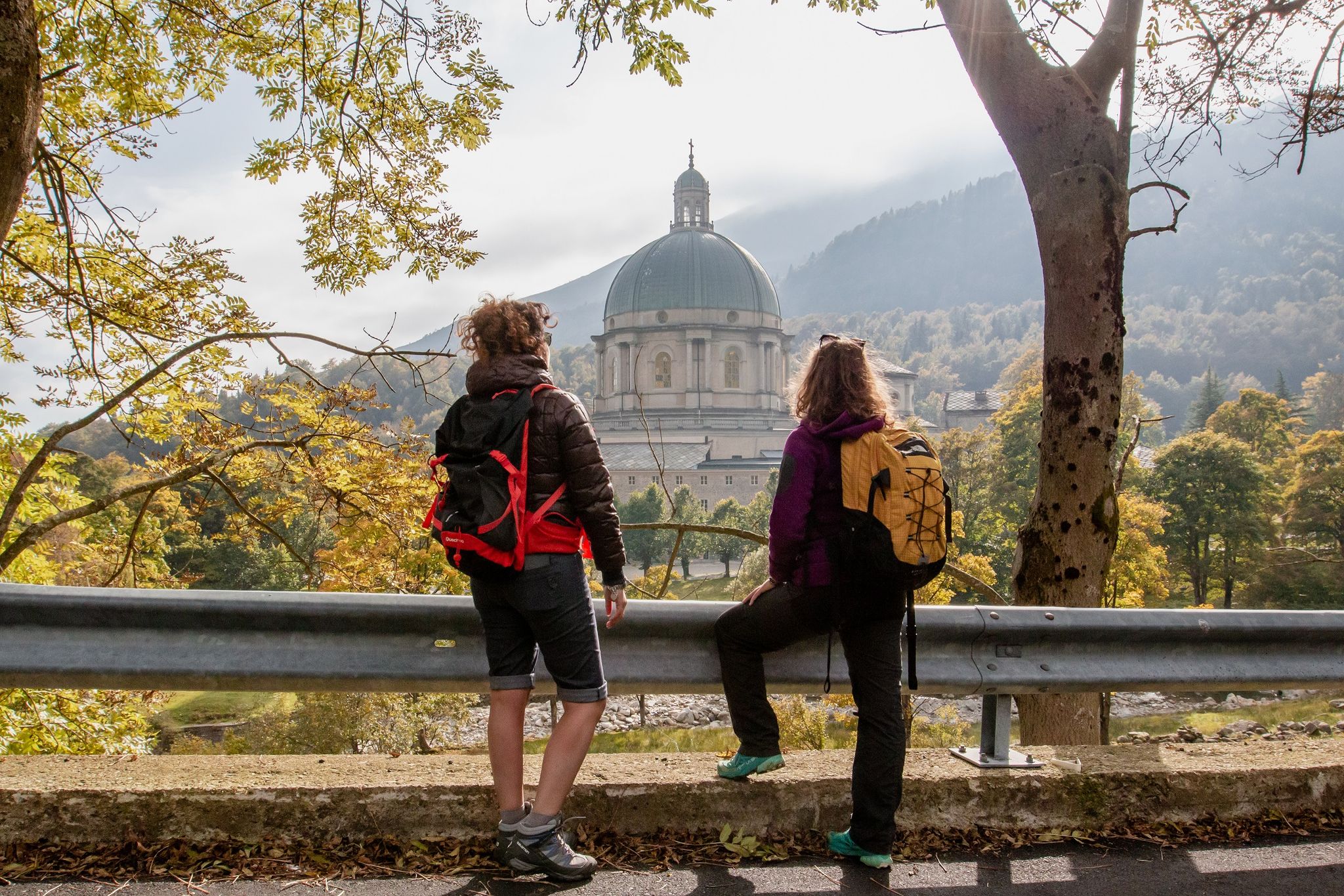
Oropa is an important Catholic pilgrimage site in the Piedmont Alps, about 12 kilometers northwest of Biella, Italy. It lies in a picturesque valley at an altitude of approximately 1,159 meters. In brief: * Pilgrimage site: One of the most important Marian pilgrimage sites in the Alps, dedicated to the Black Madonna. * History: According to tradition, the pilgrimage dates back to Saint Eusebius in the 4th century. * Sacro Monte: The Holy Mountain of Oropa, with 12 chapels depicting the life of the Virgin Mary, has been a UNESCO World Heritage Site since 2003. * Basilicas: Consists of the old basilica (17th century), where the Black Madonna is venerated, and the newer, larger Basilica Superior (20th century). * Nature and activities: Surrounded by mountains, it offers opportunities for hiking, trekking, and mountaineering. There is also a botanical garden and an adventure park. * UNESCO World Heritage Site: Recognized along with eight other "Sacri Monti" in the region for its religious, cultural, and scenic significance. Oropa is a place of spiritual significance, impressive architecture, and natural beauty, attracting many pilgrims and visitors annually.
2
0

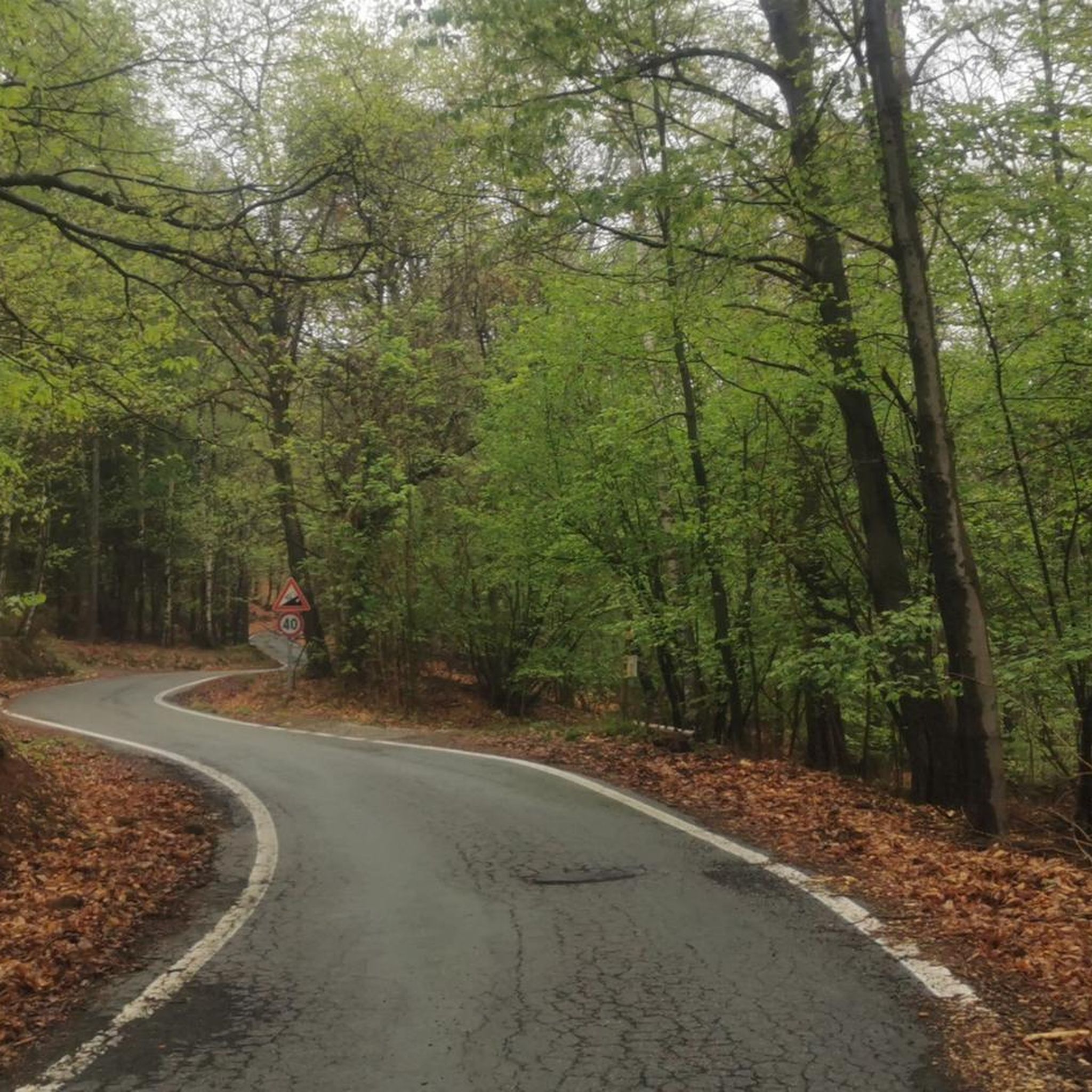
The climb to the Sanctuary of Oropa from Biella is a Piedmont classic. It is about 13 km intense and constant, which do not allow respite with always challenging slopes. The iconic and hardest stretch is the last kilometer on the scenic pavé, made legendary by Pantani's feat in the Giro '99.
4
0

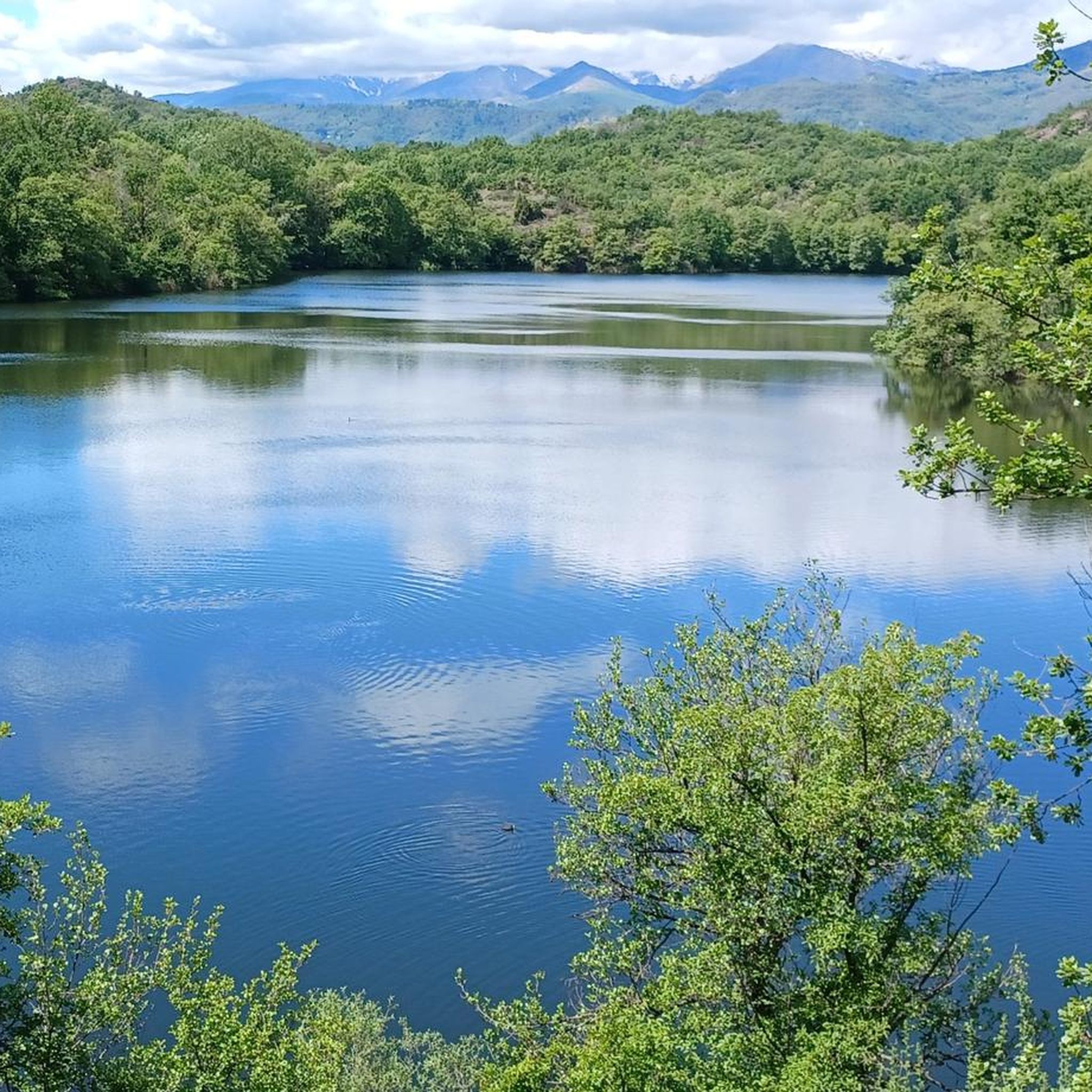
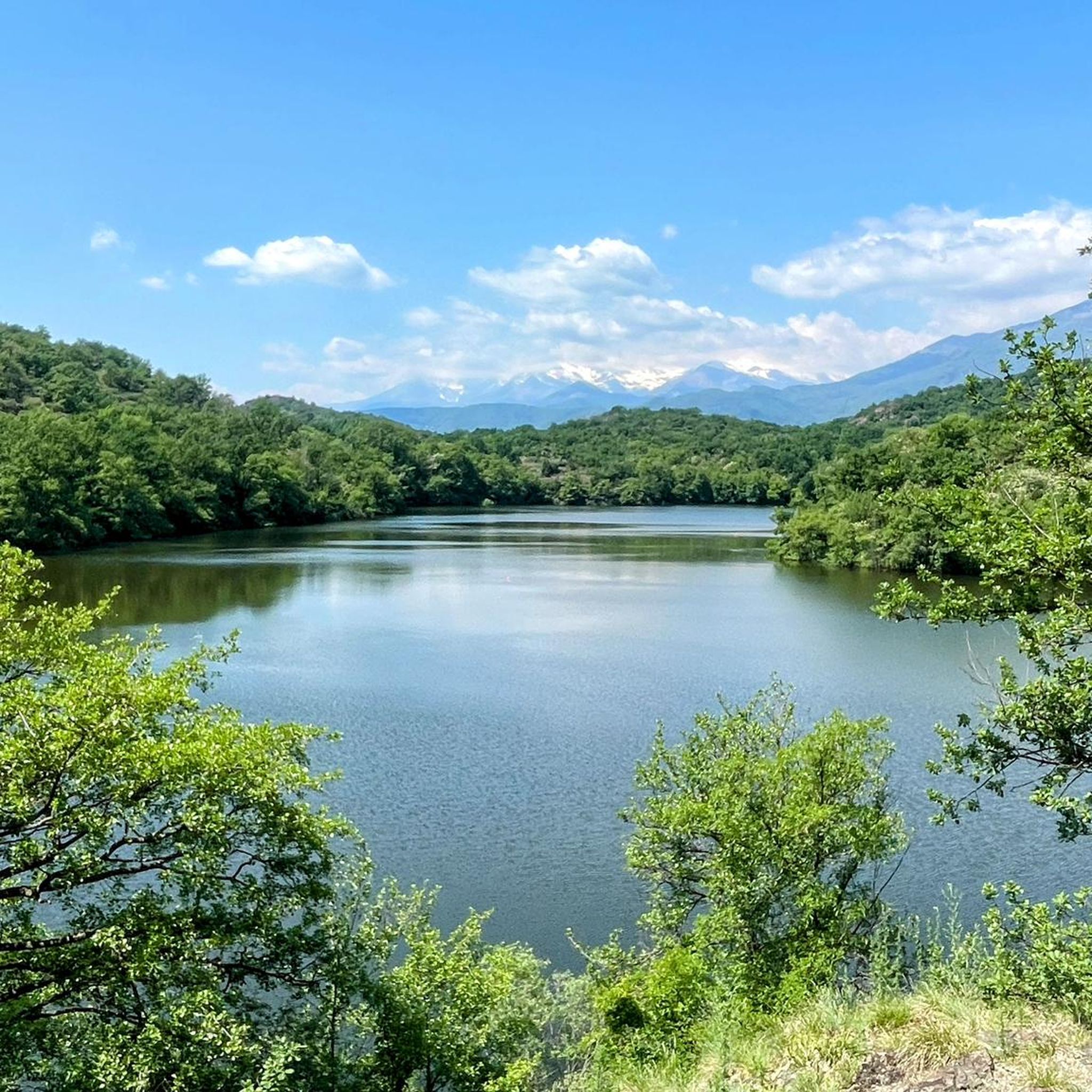
Regardless of whether you reach the Serra di Ivrea or not, even wandering around these lakes, taking advantage of the good signage present, pays off! There is a nice variety of environments and paths, from single track to dirt road, ending on cobblestone sections, never too banal, especially in the wet... the lake environments are beautiful, given that most of these lakes are not very urbanized, the stilt houses rebuilt on the shore of Lake Pistono are very beautiful, they certainly deserve a stop. Places also suitable for children, given that in the lake area the differences in altitude are very modest... just watch out for hikers, because the paths are open to everyone!
3
0

In this beautiful peat bog in Montaldo Dora there is a very particular natural phenomenon, which gives the place its name. The Terre Ballerine are in fact called this way because of the particular consistency of the ground, which makes those who walk on it feel like they are walking on a mattress.
1
0

Frequently Asked Questions
What are some of the most popular natural monuments around Sala Biellese?
Among the most popular natural monuments are Lake Pistono and the Archaeological Park of the Stilt Houses, which features a reconstruction of an ancient stilt house village. Another unique spot is The Dancing Lands, a peat bog with elastic ground, and the historical Bessa Gold Mining Archaeological Site, known for its Roman-era gold mining landscape.
Are there family-friendly natural monuments around Sala Biellese?
Yes, several natural monuments are suitable for families. Lake Pistono and the Archaeological Park of the Stilt Houses offers an educational and engaging experience. The Dancing Lands provides a fun and unusual natural phenomenon, and the Bessa Gold Mining Archaeological Site is also considered family-friendly, allowing exploration of its unique landscape and history.
What unique natural features can I explore in the Sala Biellese area?
The region boasts several unique natural features. You can experience The Dancing Lands, a peculiar peat bog where the ground feels elastic. The Bessa Gold Mining Archaeological Site presents a 'lunar appearance' with vast mounds of stones, a result of ancient Roman mining. Additionally, the Serra di Ivrea is Europe's largest moraine wall, offering impressive glacial landscapes.
Are there historical or archaeological sites among the natural monuments?
Absolutely. The Bessa Gold Mining Archaeological Site is a significant historical and natural monument, once one of the largest open-pit gold mines operated by the Romans. Lake Pistono and the Archaeological Park of the Stilt Houses features a reconstruction of an ancient stilt house village, offering insights into prehistoric life.
When is the best time to visit the natural monuments around Sala Biellese?
The spring and summer months are generally ideal for visiting the natural monuments, offering pleasant weather for outdoor activities. Specifically, the Burcina Park "Felice Piacenza" Nature Reserve, located nearby, is renowned for its spectacular rhododendron blooms in April and May, making it a particularly picturesque time to visit.
What kind of outdoor activities can I do near these natural monuments?
The area around Sala Biellese offers a variety of outdoor activities. You can find numerous routes for mountain biking, running, and gravel biking. For instance, you can explore the Serra di Ivrea and Bessa Nature Reserve on a mountain bike, or enjoy running loops around Lake Cossavella. For more detailed routes, check out the MTB Trails around Sala Biellese, Running Trails around Sala Biellese, and Gravel biking around Sala Biellese guides.
Are there hiking trails near the natural monuments?
Yes, the region provides various hiking opportunities. The Serra di Ivrea, for example, is popular for hiking with trails offering views of historical sites and lakes. While specific hiking routes for each natural monument vary, you can find trails that incorporate these sites. For running and walking, consider routes like the Donato e Torre della Bastia loop run from Lago di Cossavella in the Serra di Ivrea, detailed in the Running Trails around Sala Biellese guide.
Which natural monuments offer the best viewpoints?
Lake Pistono and the Archaeological Park of the Stilt Houses offers splendid views of the lake and the Montalto castle. Lake Bertignano also provides scenic views. Additionally, the Serra di Ivrea offers panoramic views of the glacial landscape.
What is the Burcina Park "Felice Piacenza" Nature Reserve, and is it near Sala Biellese?
The Burcina Park "Felice Piacenza" Nature Reserve is a significant natural attraction in the broader Biellese area, known for its extensive collection of native and exotic plants. It's particularly famous for its spectacular rhododendron blooms in April and May. While slightly outside Sala Biellese, it's a highly recommended natural monument for its botanical beauty and serene atmosphere.
What do visitors enjoy most about the natural monuments in Sala Biellese?
Visitors frequently appreciate the unique geological formations and the historical significance of the sites. The 'lunar appearance' of the Bessa Gold Mining Archaeological Site and the elastic ground of The Dancing Lands are often highlighted as memorable experiences. The blend of nature and ancient history, like at Lake Pistono, also receives high praise.
Can I see any lakes among the natural monuments?
Yes, the area is known for its lakes. Lake Pistono and the Archaeological Park of the Stilt Houses is a prominent example, offering beautiful lake views. Another notable lake is Lake Bertignano, which was formed by the retreat of the Balteo glacier.
How long should I plan for a visit to these natural monuments?
The duration of your visit can vary depending on the monument and your activity. For sites like The Dancing Lands or Lake Pistono, a few hours might suffice for exploration. For larger areas like the Bessa Gold Mining Archaeological Site or if you plan to hike in the Serra di Ivrea, you might want to dedicate half a day or more to fully experience the area.
Most popular routes around Sala Biellese
Most popular attractions around Sala Biellese

Get inspired with the komoot mobile app


Explore more
Extend your search for the best caves by checking out these guides of the top ones around Sala Biellese:
