Top 20 Natural Monuments around Mongrando
Natural monuments around Mongrando, a municipality nestled in Italy's Biellese region, present a landscape shaped by both natural forces and ancient human activity. This area features unique geological formations and significant natural features near Mongrando Biella. Visitors can explore a variety of natural monuments, from protected reserves to distinctive lakes and historical sites. The region offers opportunities to discover diverse natural landmarks.
Best natural monuments around Mongrando
- The most popular natural monuments is Baraggia di Candelo – Baragge Nature Reserve…
Last updated: May 16, 2026
Lake Pistono and the Archaeological Park of the Stilt Houses
Highlight • Lake
Translated by Google •
Tip by

The Dancing Lands
Highlight • Natural Monument
Translated by Google •
Tip by

Sign up now to discover places like this
Get recommendations on the best single tracks, peaks, & plenty of other exciting outdoor places.
Sign up for free
Bessa Gold Mining Archaeological Site
Highlight • Natural Monument
It is located between Biella and Ivrea, included in the municipalities …
Translated by Google •
Tip by

Lake Bertignano
Highlight • Lake
Translated by Google •
Tip by

Baraggia di Candelo – Baragge Nature Reserve
Highlight • Natural Monument
Translated by Google •
Tip by

Sign up for free to discover even more natural monuments around Mongrando.
Sign up for free
Already have an account?
Start today with a free account
Your next adventure awaits.
Login or Signup
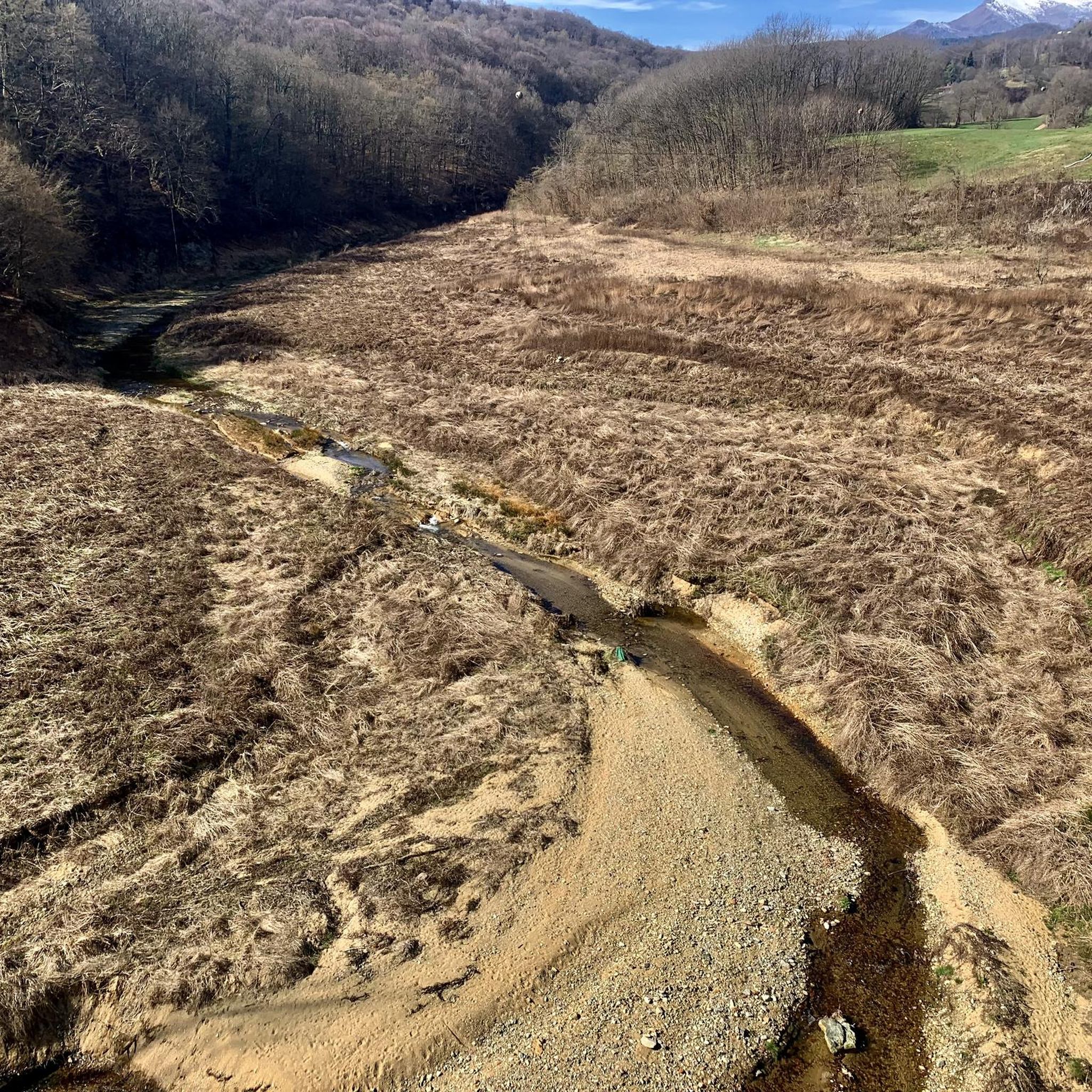
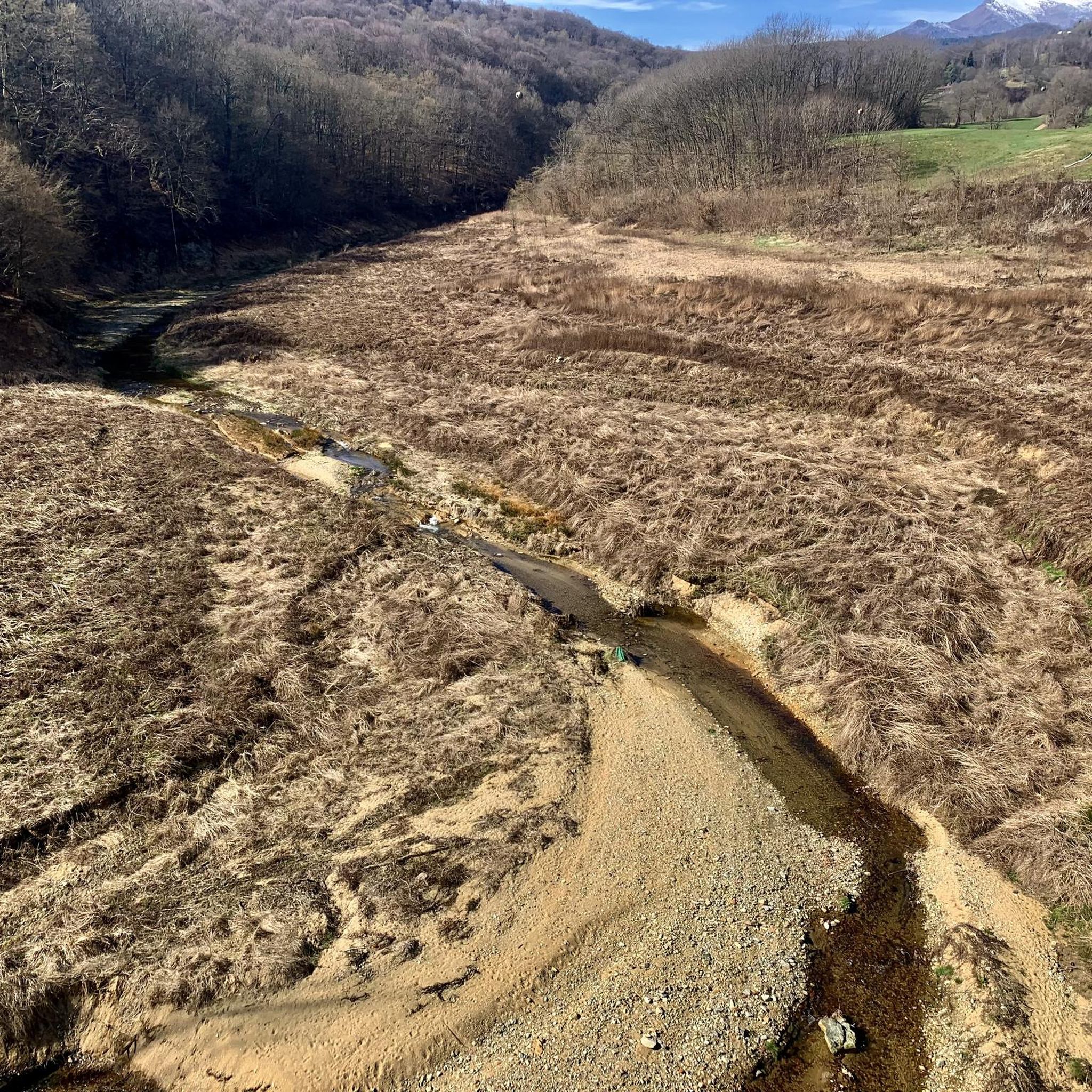
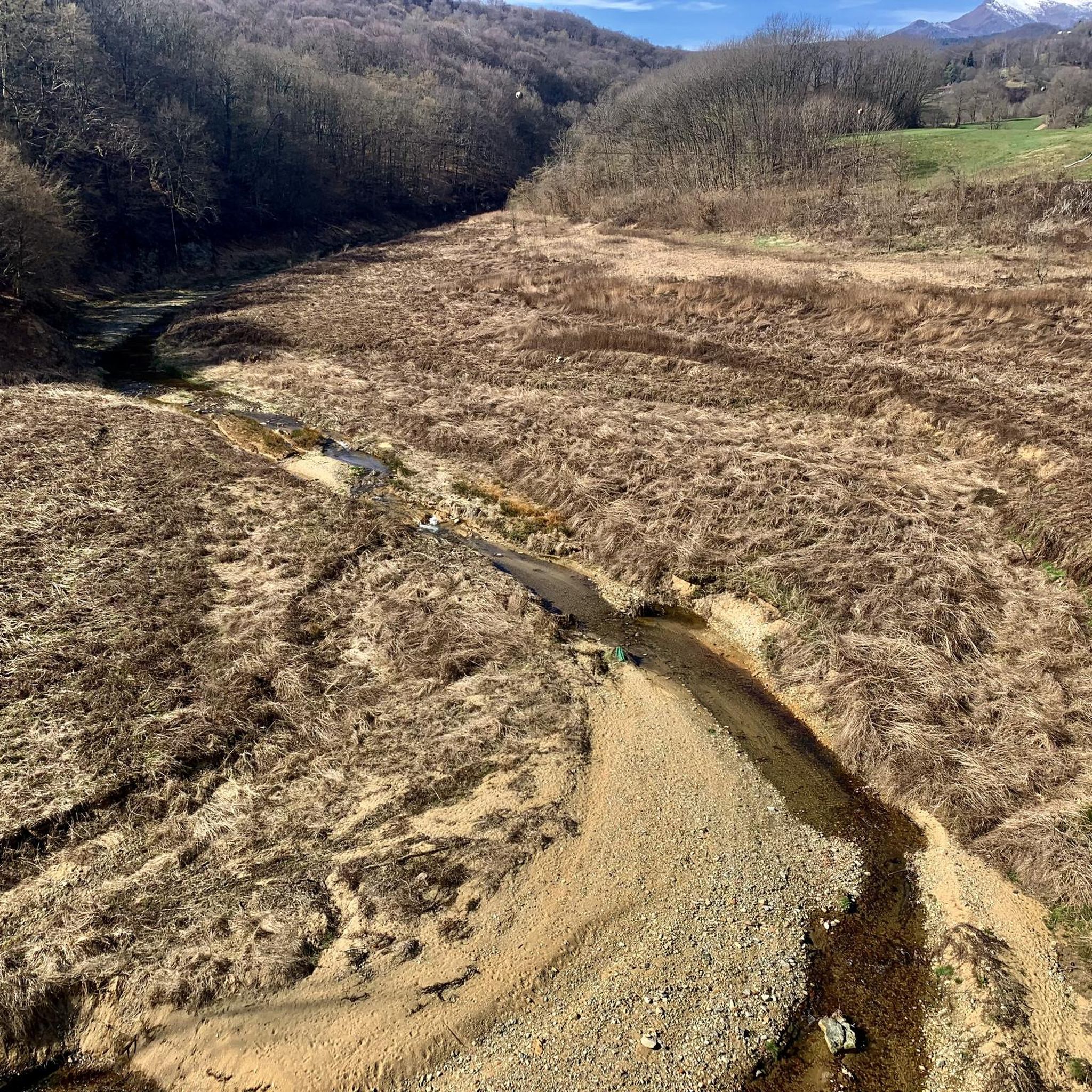
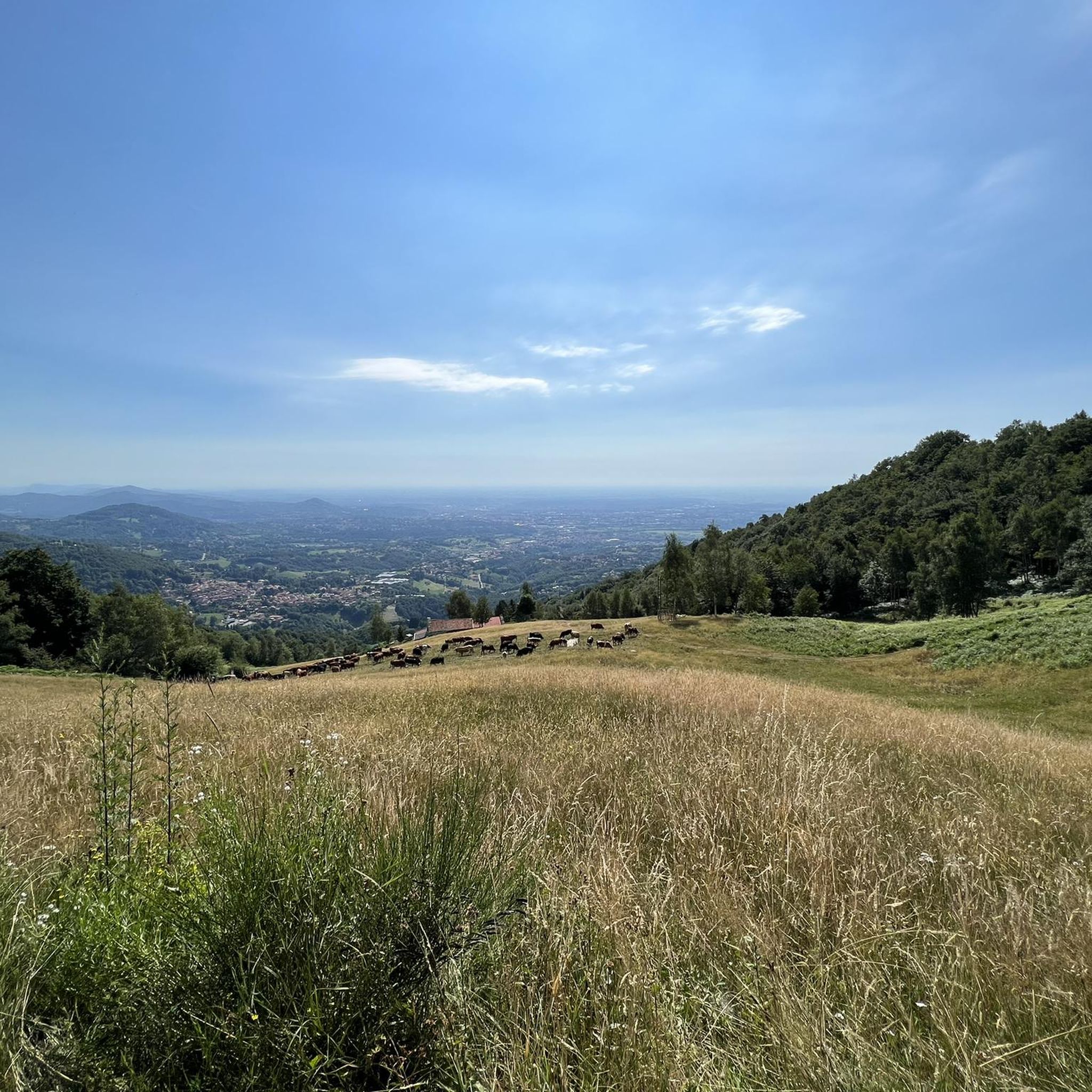

Tips from the Community

Must do, at least once, interesting place.
1
0

It is a unique place of its kind. In a rather small and circumscribed area 2 steps from the Montalto lake (also called "Rabbit" lake) there is an area with a very dark soil composed of water, peat, earth and medium-sized trees. Especially when the ground is wet or it has rained previously if you jump on the surface, it moves creating small waves making the surrounding trees dance. A real show! You can reach the dancing lands from 2 different dirt tracks. For those with good technical skills the entry or exit paths in both directions are also fun to pedal.
0
0

Regardless of whether you reach the Serra di Ivrea or not, even wandering around these lakes, taking advantage of the good signage present, pays off! There is a nice variety of environments and paths, from single track to dirt road, ending on cobblestone sections, never too banal, especially in the wet... the lake environments are beautiful, given that most of these lakes are not very urbanized, the stilt houses rebuilt on the shore of Lake Pistono are very beautiful, they certainly deserve a stop. Places also suitable for children, given that in the lake area the differences in altitude are very modest... just watch out for hikers, because the paths are open to everyone!
2
0

In this beautiful peat bog in Montaldo Dora there is a very particular natural phenomenon, which gives the place its name. The Terre Ballerine are in fact called this way because of the particular consistency of the ground, which makes those who walk on it feel like they are walking on a mattress.
1
0


Small and quiet lake where you can take 4 steps
0
0

I recommend it because there are some nice paths in the area, unfortunately the lake itself and the scenery are a bit ruined by large electric pylons.
1
0

The area of the Bessa Nature Reserve is approximately 8 kilometers long, with an average width of one kilometre. It is located between Biella and Ivrea, included in the municipalities of Borriana, Cerrione, Mongrando and Zubiena, on the orographic right of the Elvo stream. It is part of the Serra moraine, considered the largest in Europe. A lunar appearance, with large mounds placed together like desert dunes, made up of stones of various sizes. Between one pile and another, curtains of often impenetrable plants and bushes. This is the aspect that one perceives when entering the Bessa Nature Reserve for the first time, established in 1985. But the charm of Bessa also lies in its history. One thing is now certain. This entire large territory, almost ten square kilometers, has been entirely modified in its appearance by the work of thousands of men. These were the Ictimuli - or Vittimuli - who inhabited a large part of the Biella area over two thousand years ago. Led and exploited by the Romans between the 2nd and 1st centuries BC. they transformed the Bessa into one of the largest open-pit gold mines in the world. Traces of this immense work remain in the mounds, erected by piling up the stones discarded during the excavation. Source: https://www.atl.biella.it/localita-dettaglio/-/d/riserva-speciale-della-bes-1
1
0
Frequently Asked Questions
What are the most significant natural monuments around Mongrando?
Mongrando is home to several notable natural monuments. The Baraggia di Candelo – Baragge Nature Reserve is a protected area known for its unique clayey plateau and sparse forests, sometimes called the 'Biella Savannah'. Another significant site is the Bessa Gold Mining Archaeological Site, a nature reserve with a 'lunar' landscape shaped by ancient Roman gold mining. You can also explore Lake Pistono and the Archaeological Park of the Stilt Houses, which combines natural beauty with historical insights into ancient settlements.
Are there any natural monuments with historical significance near Mongrando?
Yes, the Bessa Gold Mining Archaeological Site is a prime example. This nature reserve, partially extending into Mongrando, features a unique landscape of stone mounds that are remnants of one of the largest open-pit gold mines in the ancient world, exploited by the Romans and the Ictimuli people between the 2nd and 1st centuries BC. Additionally, Lake Pistono and the Archaeological Park of the Stilt Houses offers a glimpse into how people lived 6500 years ago with a full-scale reconstruction of an ancient village.
What unique natural features can I find around Mongrando?
Beyond the historical aspects, Mongrando boasts unique natural features. The Dancing Lands is a small forest where the soil, composed of peat resting on water, creates an elastic sensation when walked upon. The Bessa Gold Mining Archaeological Site, part of the Serra moraine, presents a distinctive 'lunar' landscape with large stone mounds and dense vegetation.
Are there family-friendly natural monuments to visit in the Mongrando area?
Absolutely. Several natural monuments are suitable for families. Lake Pistono and the Archaeological Park of the Stilt Houses offers both a beautiful lake and an engaging historical reconstruction. The Dancing Lands provides a fun and unusual experience for all ages with its bouncy ground. The Bessa Gold Mining Archaeological Site and Lake Bertignano are also great options for family outings, offering trails and scenic views.
What kind of outdoor activities can I do near the natural monuments in Mongrando?
The area around Mongrando offers various outdoor activities. You can find numerous cycling routes, including a 'Mongrando Dam Loop' for touring bikes, and more challenging road cycling options. For runners, there are trails like the 'Lago di Cossavella – Trail in the greenery loop'. You can explore more options for road cycling, running, and touring cycling in the region.
Are there any lakes or viewpoints among the natural monuments?
Yes, the region features beautiful lakes and viewpoints. Lake Pistono offers splendid views, especially towards Montalto Castle. Lake Bertignano, formed by the Balteo glacier, is another scenic lake with viewpoints. The Mongrando Dam, which created Lake Ingagna, also provides panoramic views of the Biella Alps and is a popular spot for visitors.
What is the Bessa Nature Reserve known for?
The Bessa Nature Reserve, which includes the Bessa Gold Mining Archaeological Site, is renowned for its unique 'lunar' landscape of stone mounds and dense vegetation. This distinctive appearance is a result of ancient open-pit gold mining by the Romans and the Ictimuli people. It's also part of the Serra moraine, considered the largest in Europe, making it a significant archaeological and natural site.
Can I go hiking or walking around Lake Ingagna?
Yes, Lake Ingagna, formed by the Mongrando Dam, is a popular spot for outdoor activities. An annual ring trail is organized around the lake by a local sports group, making it an attractive destination for walkers and hikers. The area offers tranquil escapes with panoramic views of the Biella Alps.
What do visitors enjoy most about the natural monuments around Mongrando?
Visitors particularly appreciate the diverse landscapes, from the unique 'lunar' appearance of the Bessa Nature Reserve to the serene beauty of the lakes. The historical context, especially at the Bessa Gold Mining Archaeological Site and Lake Pistono and the Archaeological Park of the Stilt Houses, is also a major draw. The unusual experience of walking on the elastic ground of The Dancing Lands is frequently highlighted as a memorable experience.
Are there any natural monuments that are also nature reserves?
Yes, the Baraggia di Candelo – Baragge Nature Reserve is a protected natural area characterized by its extensive plateau and unique vegetation. The Bessa Gold Mining Archaeological Site is also located within a nature reserve, preserving its distinctive landscape and historical significance.
What is special about The Dancing Lands?
The Dancing Lands is a truly unique natural monument. It's a small forest where the soil is composed of peat resting on a surface of water. When you walk or jump on the ground, you'll feel a distinct elasticity, and nearby plants might even move, creating a memorable and unusual experience.
Most popular routes around Mongrando
Most popular attractions around Mongrando

Get inspired with the komoot mobile app


Explore more
Extend your search for the best caves by checking out these guides of the top ones around Mongrando:
